
Last updated: Apr 19, 2026
In this part of the Midwest, spring and early summer deliver the most disruptive weather for roofs. Hail and wind storms arrive with little warning, and they don't just dent shingles - they can shake loose flashing, loosen fasteners, and push moisture into vulnerable seams. When a storm hits, the window to catch fast, effective repairs is narrow. Inspections that happen days after a storm matter, but in Kankakee, the real risk comes from the moment the hail ends and the next round of moisture pressure begins. If a claim isn't documented quickly, lingering damage can spiral into leaks that persist through the next warm-season repair window.
Kankakee's highest roofing disruption risk comes from spring and early summer hail and wind events, which often drive sudden inspection and replacement demand. Those events arrive during a time when homeowners expect to transition from cold to warmer conditions, and roofs bear the brunt of shifting temperatures, blown granules, and edge damage. A storm that looks minor in the immediate aftermath can escalate in a few days as moisture finds its way under missing shingle tabs or around compromised flashing. The result is a spike in urgent repair needs, often followed by scheduling bottlenecks as local crews triage and book projects.
Cold winters with repeated freeze-thaw cycles can turn minor storm-created shingle or flashing damage into active leaks before the next warm-season repair window. Small cracks or lifted edges may not seem critical at first, but when temperatures swing above and below freezing, water can penetrate and refreeze, widening gaps and loosening fasteners. The damage then becomes more visible only after the thaw, and homeowners may miss the ideal inspection window if they wait for the spring rush. In practice, this means a modest post-storm issue in late winter can turn into a significant leak by late spring if left unaddressed.
If a hail or wind event hits, your first priority is safety, then documentation. Photograph all obvious damage, including granule loss, lifted shingles, and dented metal components. Do not wait for perfectly clear skies to call for a professional assessment. Local contractors signal storm damage and quick response are especially prevalent in this market, reflecting how often homeowners seek post-storm roof evaluations. Schedule an on-site inspection as soon as possible, ideally within a few days. Early, thorough assessments help separate cosmetic concerns from true structural or flashing failures, guiding timely decisions before leaks begin to appear.
Look for crews that can honor a rapid dispatch after a storm, with a clear plan for temporary protection if weather remains unsettled. Request a written evaluation that highlights specific roof areas vulnerable to hail impact, wind uplift, and flashing integrity. A reputable local contractor will explain how freeze-thaw cycles have affected your roof since the incident and outline a prioritized repair timeline aligned with the current weather outlook. In Kankakee's climate, the fastest path to lasting protection is a documented, prompt assessment followed by disciplined sequencing of repairs to ride out the seasonal transition without letting moisture linger.
Hail and wind events in this Illinois corridor consistently push homeowners toward reroofing decisions sooner than quiet aging would dictate. Insurers in hail-prone areas have tightened documentation expectations and often raise premiums after a major storm. For a homeowner facing the aftershock of a hail event, the timeline from damage discovery to repair approval becomes a high-stakes bottleneck. Understanding that timing matters can help you avoid surprises when the adjuster comes knocking and the contractor is ready to start.
Adjusters serving this market tend to ask for date-stamped photos that capture the moment of impact and the surrounding weather context. A roof condition report that documents the existing substrate, flashing integrity, and any preexisting wear accompanies the claim. Contractor estimates should be precise, itemized, and dated to align with the claim history. In practice, this means you should keep a dated photo log, ideally showing shingles, granule loss, and any frequent trouble spots like valleys or near vent stacks. The more concrete the documentation, the smoother the claim process.
Sharp temperature swings and the freeze-thaw cycle here can mimic, or exacerbate, storm damage on older roofs. A roof that looks weathered might mask true storm impacts, while a newer section may reveal concealed hail effects once tests or close inspections occur. The key is to separate sudden, storm-driven damage from gradual deterioration. When you inspect after a hail event, note unexpected granule loss, chipped or dented edge shingles, and compromised seals around vents. If any of these appear in a cluster following a storm, you've got a stronger case for damage beyond routine aging.
Begin keeping a storm dossier: dated photos of the entire roof, close-ups of damaged areas, and a clear map of where each issue is observed. Schedule a condition report soon after a hail or wind event, with notes on any moisture intrusion, attic staining, or interior signs of roofline compromise. When soliciting contractor estimates, request that the estimates reference the same dated storm window and point to specific, observable damages. If there's any uncertainty about whether an issue stems from hail or from wear, include a note in the file explaining why a certain damage is attributed to the gusts or hail swaths witnessed in the storm path.
Many roofs in the area carry the marks of decades of Illinois winters alongside springtime storms. In such cases, claim decisions hinge on clarity: can the report isolate a precise storm-related failure from the baseline aging of materials? Your aim is to present a clean narrative where a definite hail- or wind-induced condition is documented, supported by photos, a professional assessment, and a tailored contractor estimate. The better your file, the more likely the claim reflects the storm's impact rather than the roof's natural life cycle.
Connect with contractors who help homeowners navigate the claims process from damage assessment to final approval.
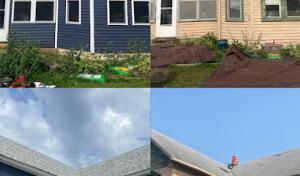
Exterior Design Plus
(815) 530-0213 exteriordesignllc.com
2019 IL-17, Kankakee, Illinois
4.8 from 158 reviews
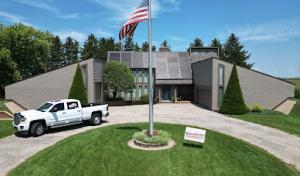
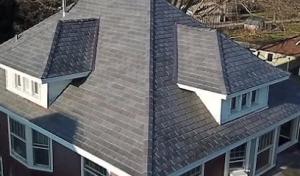
Exterior Design Plus
(815) 530-0213 exteriordesignllc.com
2019 IL-17, Kankakee, Illinois
4.8 from 158 reviews
At Exterior Design Plus, we are dedicated to transforming homes through exceptional exterior services. With a focus on quality craftsmanship and customer satisfaction, we offer a range of solutions designed to enhance the look and durability of your home. From roof replacements to custom exterior designs, we strive to bring your vision to life with professional service and superior results. Based in Kankakee, IL, we have proudly served the local community for years, offering personalized consultation, expert installation, and long-lasting products.
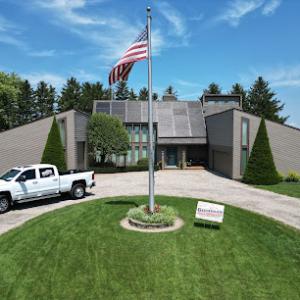
Goodman Exteriors
1147 S Poplar Ave, Kankakee, Illinois
4.8 from 21 reviews
Hi, we are an exterior company that covers roofing, siding, gutters, & gutter guards. Our trained team can work hands on with your insurance company from your initial roof inspection to getting you approved for a full replacement.
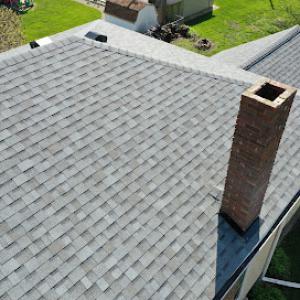
ONTOP Exteriors: A Langlois Company
(815) 932-6000 www.ontopexteriors.com
1850 Grinnell Rd Suite B, Kankakee, Illinois
4.9 from 11 reviews
𝘖𝘯𝘛𝘰𝘱 𝘌𝘹𝘵𝘦𝘳𝘪𝘰𝘳𝘴 𝘪𝘴 𝘢 𝘸𝘰𝘮𝘢𝘯-𝘰𝘸𝘯𝘦𝘥, 𝘳𝘦𝘴𝘪𝘥𝘦𝘯𝘵𝘪𝘢𝘭 𝘳𝘰𝘰𝘧𝘪𝘯𝘨 𝘤𝘰𝘮𝘱𝘢𝘯𝘺 𝘴𝘱𝘦𝘤𝘪𝘢𝘭𝘪𝘻𝘪𝘯𝘨 𝘪𝘯 𝘢𝘭𝘭 𝘺𝘰𝘶𝘳 𝘳𝘦𝘴𝘪𝘥𝘦𝘯𝘵𝘪𝘢𝘭 𝘳𝘰𝘰𝘧𝘪𝘯𝘨 𝘯𝘦𝘦𝘥𝘴. 🅵🅸🅽🅰🅽🅲🅸🅽🅶 🅰🆅🅰🅸🅻🅰🅱🅻🅴
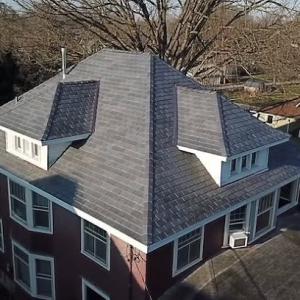
M&W Roofing
1450 Stanford Dr, Kankakee, Illinois
5.0 from 10 reviews
M&W Roofing is a reputable roofing contractor serving Kankakee, IL, and the surrounding areas. Established in 2019, we specialize in roofing services such as installation, repair, and replacement for residential and commercial properties. Our skilled team also offers siding, gutters, seamless gutters, soffits, and fascia installations. We are a trusted partner for insurance work, storm damage repairs, tear-offs, and metal roof installations. Customers appreciate our commitment to quality with free estimates, emergency services, and flexible financing options available. Contact M&W Roofing for all your roofing needs.
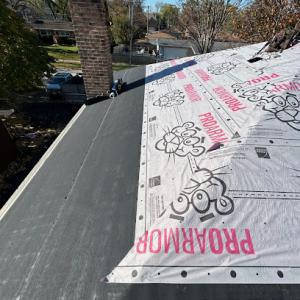
Salazar Roofing
(815) 262-8645 salazarroofs.com
1035 N 5th Ave Unit 2, Kankakee, Illinois
5.0 from 8 reviews
Salazar Roofing is a family owned Roofing Contractor specializing in residential and commercial roofing applications. All Roofing jobs from repairs to replacements welcome.
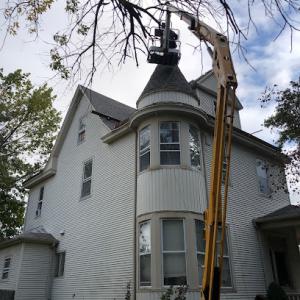
Rinconroofingcompany
E Eagle St, Kankakee, Illinois
5.0 from 3 reviews
We are a family owned business with years of experience and have done many projects such as apartments, barns , houses and garages and have even helped on church projects. We do Asphalt Shingles, Metal Roofs, Gutters etc.
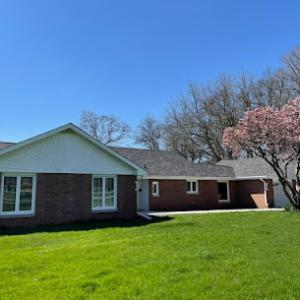
Burklow Construction
(815) 935-6854 burklowconstructioninc.com
2260 W Station St, Kankakee, Illinois
3.7 from 6 reviews
Burklow Construction, Inc. has been a trusted name in roofing and exterior services throughout Kankakee, IL, and surrounding communities since 1987. With over three decades of experience, we specialize in high-quality roofing, gutters, soffit and fascia, and gutter guard installations. Our team is committed to delivering exceptional craftsmanship, honest service, and reliable solutions tailored to protect and enhance your home. Whether you're dealing with storm damage, planning a renovation, or need help navigating insurance claims, Burklow Construction is your go-to partner for dependable, long-lasting results.
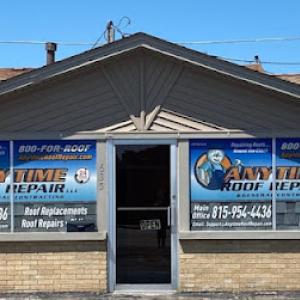
Anytime Roof Repair
(815) 954-4436 www.anytimeroofrepair.com
Serving
4.4 from 41 reviews
Anytime Roof Repair has been a leading roofing contractor serving Bradley, Bourbonnais, Kankakee, Manteno, and surrounding areas since 2012. Anytime Roof Repair stands behind their quality of work and provides some of the best guarantees in the business. Our team specializes in residential and commercial roof replacement and repair, storm damage, insurance restoration, siding, seamless gutters and much more. For all your exterior construction needs, give Anytime Roof Repair a call or stop by to visit and learn more. For updates and specials, visit our Facebook page by clicking the Facebook logo!
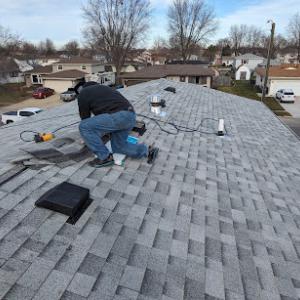
Virginias Construction & Roofing
(815) 932-7368 virginiasroofing.com
Serving
5.0 from 8 reviews
Virginia's Construction is a reputable roofing and construction company in Kankakee County Illinois with over 40 years of experience. Providing services such as roof installation, audits, repairs, insurance claims, siding installation, windows installation, gutters, downspouts replacement, interior construction, handyman, and landscaping. Trust us for quality and customer satisfaction.
Superior Roofing & Remodeling
(779) 703-9552 superiorroofingandremodeling.com
Serving
5.0 from 8 reviews
Roof repairs, roof replacement, gutter repair, gutter installation and gutter cleaning
My Style Exteriors
(815) 666-2086 www.mystyleext.biz
Serving
4.8 from 34 reviews
My Style Exteriors sets the standard for both residential and commercial exterior restoration, with over 40 years of proven experience in the industry. As your #1 trusted home improvement company, we specialize in roof replacements, roof repairs, siding installations, siding repairs, gutter replacements, and gutter repairs, offering top-quality solutions to protect and beautify your home or business. Whether you’re facing exterior damage from a storm or simply want to enhance the curb appeal of your property, our expert craftsmanship and personalized service ensure a seamless experience. Call us today for a free, no-obligation inspection or estimate, and discover why “Your Style Starts at Home” with My Style Exteriors.
M & B Roofing
(815) 953-9880 www.mb-roofingil.com
Serving
5.0 from 3 reviews
M & B Roofing in Bourbonnais, IL provides affordable roof repairs, roof replacement, roof inspections, gutters, & vinyl siding installation. We service the Kankakee, Iroquois, Will & Grundy county areas! We offer free estimates on any of our roofing services and same day roof repair in Kankakee area for emergency roof damages. Our licensed roofers are available 24/7 to help with any roofing service you need. We are a local, family owned and operated roofing company that has served the Kankakee area for over 20 years! If you would like a free roof inspection or estimate, contact our licensed roofers today!
Asphalt dominates practical reroofing in this area because they fit practical replacement budgets and can be installed by most local crews without specialty equipment. In a climate with harsh winter cycles, choose shingles with good impact resistance ratings and a sturdy nailing zone to keep fasteners secure through temperature swings. Pair asphalt with a high-quality synthetic underlayment and a properly vented ridge and soffit system to mitigate ice dam risk. When budgeting for a re-roof, consider how the shingles will hold up after spring hail events and the frequent wind gusts that sweep across the open prairie flats.
Metal has a meaningful specialist presence locally and is relevant for homeowners aiming to improve resistance to hail, wind, and snow-shedding. A standing-seam profile can reduce panels' exposure to hail dents, and the concealed fastener approach minimizes leak-prone seams. In Kankakee's freeze-thaw cycles, focus on accurate panel alignment, wind uplift design, and robust flashing details around chimneys, vents, and skylights. Metal performs well during thawing episodes when water infiltration risks rise, especially if the insulation and ventilation meet the demands of colder months. A metal roof also benefits from a breathable, continuous underlayment to maintain interior dryness during rapid temperature changes.
Tile, wood, and composite options are available, but winter exposure makes underlayment, flashing, and ventilation details especially important regardless of surface material. Clay and concrete tiles need a strong substrate and careful layout to avoid cracks during freeze-thaw cycles; ensure improved edge protection where hail might strike the most vulnerable roof zones. Wood shingles or shakes require resilient treatment against moisture and fungi, plus careful fastener placement to prevent cupping or splitting as temperatures swing. Composite shingles offer versatility and can mimic other surfaces while incorporating modern weather resistance; still, flashing and venting must be tailored to resist ice buildup and wind-driven moisture. In all cases, emphasize a continuous, well-sealed barrier beneath the surface and confirm that attic ventilation remains balanced to minimize condensation that complicates winter transitions.
Kankakee reroof pricing is strongly affected by storm-driven demand spikes after spring and summer weather events, when scheduling delays can tighten labor availability. Hail and high-wind days push local crews to the front of the queue, and delays can push project starts into tighter windows. Plan for potential start-date shifts if a major storm streak rolls through. The local market tends to compress lead times when a hail event hits nearby neighborhoods, so contact trusted contractors early to lock a realistic install window.
Winter snow and freeze conditions in this area reduce workable installation days, which can compress the main reroofing season and affect pricing and lead times. Cold temps slow through-fastening, sealant setting, and adhesive work, so the best installation days cluster in the milder shoulder seasons. If a replacement is needed after a harsh freeze cycle, expect crews to prioritize weather-friendly slots, which can push the schedule into late spring or early summer. This can also influence material delivery timing and crew availability.
Costs also move with material choice in this market: asphalt shingles run about 350 to 700 USD per square, metal 700 to 1500, clay tile 1200 to 2400, concrete tile 1000 to 1900, wood shingles or shakes 600 to 1100, and synthetic or composite shingles 800 to 1400. In practice, the cheapest option may not be the fastest to install when frost days shorten the working window, and some materials require longer cure times or specialized crews. If a hail event triggers an insurance-backed replacement, the chosen product can influence how quickly a project progresses from claim approval to finished roof.
When weather swings short-circuit typical scheduling, a proactive approach helps. Start by securing a solid bid from a local company with storm-response experience, and confirm their ability to handle compressed timelines without sacrificing workmanship. If you expect a renewal after a spring or early-summer hail storm, ask about temporary protection options and phased work plans to minimize exposure to lingering May or June wind gusts. Finally, align your chosen roof system with your home's structure and local wind-hail history, since some assemblies tolerate exposure better and may reduce the risk of early failures after a storm.
Get a clear picture of your project costs upfront - no commitment required.
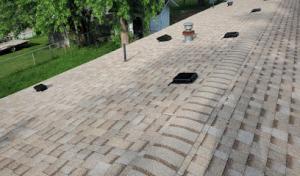
In this area, most municipalities in Kankakee County require a building permit for a full roof replacement, so homeowners cannot assume countywide reroofing is permit-free. A permit ensures that your project meets local codes, drainage requirements, and wind standards that are particularly important after harsh Midwest winters. Before starting, verify with the local building department that your planned roof and any vent or flashing changes will be covered by the permit, even if a neighboring town previously approved a similar job without one. This is a common source of delays if overlooked.
The typical municipal pathway centers on a permit application review followed by a completion-stage inspection rather than a highly staged inspection sequence. You or your contractor should submit roof dimensions, ventilation details, and a materials list as part of the plan. Expect some back-and-forth if the municipality requires notes on underlayment or attic ventilation changes. After approval, work can proceed with confidence, but keep communications open with the inspector's office to confirm any locale-specific requirements-especially in areas subject to freeze-thaw cycles and spring storm activity.
Kankakee-area inspections commonly focus on ventilation, flashing, and underlayment details, with a post-completion inspection usually scheduled to verify proper installation. Ventilation checks ensure the attic remains draft-free while avoiding condensation in cold winters. Flashing around chimneys, vent stacks, and along eaves must be properly integrated to prevent wind-driven leaks after hail events. The underlayment quality is scrutinized because a durable layer beneath shingles or tiles helps resist moisture during rapid thaw cycles. While some towns may schedule spot checks during material delivery or early stages, the main emphasis is on these critical interfaces and how they will perform through seasonal temperature swings.
In this climate, timing from permit approval to final inspection should account for freeze-thaw risk and the likelihood of spring storm pushes. Weather delays can impact sealants, underlayment, and shingle adherence, so align roofing crews to maximize dry, mild days for critical steps. Ensure utility coordination, if needed, is completed early to avoid last-minute holds that push the completion-stage inspection past the optimal window. A clear line of communication with the building department helps set realistic expectations for inspection dates and any required corrective work.
After installation, a post-completion inspection is typically scheduled to verify proper installation and adherence to local requirements. Keep records of all permits, inspection approvals, and any manufacturer-specific installation notes. If the inspector notes deficiencies, address them promptly with the contractor to prevent delays in final acceptance and to ensure your roof stands up well to the next round of seasonal stress.
In this market, the first signs of trouble often show up where flashing meets the deck, around chimney bases, and at vent penetrations. Freeze-thaw cycling can crack sealants and loosen metal seams, letting moisture creep in during the next thaw. When winter leaves behind damp, the small gaps that seemed minor quickly become pathways for leaks after a heavy spring rain or a wind-driven shower. If you neglect those transitions, you'll notice staining or soft spots near the attic side first, long before a full roof failure. Regular checks after the first thaw and after major storms help you catch issues when they're cheap to fix.
Spring hail and wind can shorten life by abrading shingle surfaces and lifting edge tabs, creating micro-gaps that allow moisture to reach the underlayment. That damage can be subtle at first, invisible from ground level, but it weakens the roof's ability to shed water during summer's heat and sudden storms. Warm months accelerate aging through thermal expansion and contraction, so what looks fine in spring may show accelerated wear by mid-summer. The consequence is a compounding cycle: surface damage invites moisture, which then compounds with heat stress to accelerate rust, delamination, or granule loss. Monitoring after hail events is essential, not optional.
Ventilation matters more here than in cooler climates, because attic airflow problems amplify moisture and temperature swings across cold winters and warm summers. Poor intake or exhaust can trap humidity, especially when the roof line suffers minor breaches from weather or debris. That trapped moisture makes sheathing more susceptible to warping and mold growth, and it also shorts the life of attic-installed components like vents, baffles, and insulation covers. A simple, regular inspection of soffit vents, ridge vents, and insulation depth can prevent a cascade of climate-driven issues. In practical terms, treat attic airflow as a frontline defense: better ventilation means fewer surprise failures down the line.
Find contractors experienced in skylight installation, flashing, and leak repairs to bring natural light into your home.
Exterior Design Plus
(815) 530-0213 exteriordesignllc.com
2019 IL-17, Kankakee, Illinois
4.8 from 158 reviews
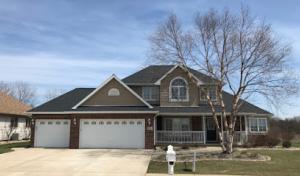
Local market signals show homeowners in this area most often hire for reroofing, quick response, affordability, and cleanup rather than highly specialized luxury systems. After hail and wind storms, the emphasis is on getting a durable roof back in place fast, with crews that can manage debris removal and site protection without delaying project completion. The typical homeowner values clear communication and predictable scheduling as much as material features.
Residential work is more prominent than commercial in this market, though many contractors handle both. That mix matters when comparing crews for neighborhood homes, because a company with a solid residential track record often prioritizes accessible timelines and neighborhood-standard crews over boutique teams. A noticeable share of local companies are long-established or family-owned, which aligns with homeowner preference for responsive contractors who can move quickly after storms and leave the site clean. Look for teams that emphasize dependable storm response, consistent crews, and thorough cleanup as part of the package.
When a hail or wind event hits, expect a surge of local crews offering rapid assessments, tarp stabilization, and temporary repairs to prevent further damage. The most practical option is a company that can dispatch a crew promptly, establish a clear work scope, and return to finish without cause for delay. Ask how they manage debris removal, equipment on-site, and protection for landscaping and gutters. A straightforward, transparent schedule and daily progress updates are signs of a contractor well-suited to the Midwest freeze-thaw cycle.
Prioritize firms that show a consistent local footprint, good neighborhood references, and a willingness to coordinate with insurance and scheduling needs. A family-owned or long-established business often delivers the responsive service you require: quick accessibility, dependable follow-through, and a clean, complete project finish. In this market, value rests as much on service reliability and site care as on the roof itself.