
Last updated: Apr 19, 2026
Spring in this valley town brings a relentless cadence of hail and quick thundering storms that hammer roofs year after year. Elgin homeowners should expect storm-related damage to surface soon after each event, often during the spring and early summer window. That means inspections aren't a "maybe" - they're a necessity tied to the weather pulse you already feel on your shingles, gutters, and flashing. When hail rattles the attic vent or lifts a shingle edge, you need to move fast: a thorough roof check by a qualified pro can catch granule loss, edge cracking, and hidden leaks that only reveal themselves after a warm-spell thaw. Delays invite interior damage, mold risks, and dwindling contractor availability right when you need it most.
Illinois storm activity creates a high roof-claim environment, and Elgin homeowners are routinely asked to document damage before any claim decision. Photos matter, but so does the sequence: you should capture wide views of the entire roof, close-ups of dented ridge caps, bruised fascia, and visible granule loss, plus any matching marks on exterior siding or gutters. Keep a simple damage diary: note dates of storms, observed leaks, and the first sign of interior water intrusion. Insurance adjusters will want material details and age estimates for the existing roof, so gather any receipts, warranties, and previous repair notes. The sooner you assemble this dossier after a storm, the stronger your claim posture when evaluations occur.
Because most local installations happen from late spring through early fall, storm damage in Elgin can create seasonal backlogs that affect inspection scheduling, contractor availability, and replacement timing. It's not just the weather; it's the local calendar. After a significant hail event, a surge of inspections, claims, and bids can push timelines out. If the sun returns and a storm track pops up in June, you might face a queue before a roof can be opened for inspection or a permit-backed replacement can begin. To minimize disruption, keep a prioritized action list: secure temporary protection if you notice active leaks, document every effected area, and line up two or three reputable local roofers who regularly handle storm-related claims. When a weather pattern suggests a fresh hail window, you'll want a plan in motion rather than waiting for the next storm to prompt urgency.
Act now on visible damage: sagging edges, exposed underlayment, or unusual wind-driven debris should trigger a professional inspection within days, not weeks. Coordinate with your insurer for required documentation, ensuring your file is complete to avoid back-and-forth delays. Expect that the timing of inspections and potential replacement will align with the late-spring to early-fall installation window, so secure contractor availability early and maintain flexible scheduling to ride out the seasonal backlog without letting a minor issue become a major problem.
Snow, ice, and freeze-thaw cycles bite at roof edges, flashing, and underlayment. In Elgin, cold winters can reveal weaknesses that weren't obvious in milder months, and the risk of hidden damage under snowpack is real. If a hail or wind event happened late in winter, use the dry, above-freezing days to carefully inspect gutters, vent stacks, and chimney flashing from the ground or a safe ladder position. Look for missing shingles, indentations, or granule loss along the eaves. If you notice obvious damage, plan a cautious assessment with a roofer once temperatures allow safe access. Full replacement in deep winter is rarely ideal because ice dams and limited daylight complicate installation and drying times; however, urgent repairs for leaks must be handled promptly to protect the interior and attic insulation.
As the ground thaws and days lengthen, the late spring window opens a practical path for replacement projects. Storm season can push urgent replacements after hail or damaging winds, but the shoulder weeks before the hottest weather help keep crews on schedule and materials available. Elgin residents often juggle storm-driven urgency with the reality that the busiest local roofing period overlaps with late spring to early summer. Plan a staged approach: first, address leaks and compromised underlayment to prevent interior damage, then coordinate a full replacement if the roof's structure shows pronounced wear or widespread hail damage. Dry, moderate days are the most reliable for outdoor work, so aim to schedule when forecasts show a string of concrete workdays rather than back-to-back storms.
Hot summer conditions in this region speed up aging of asphalt shingles and underlayment, which means roofs already weakened by winter or spring storms can deteriorate quickly by mid to late summer. If a hail event hits during July or August, the window for timely replacement narrows: asphalt and synthetic options can blister, adhesives cure differently in heat, and interior temps rise, complicating attic ventilation during replacement. When planning for a summer project, ensure the contractor stages work for cooler morning hours and uses breathable attic ventilation strategies to prevent trapped heat. If interior humidity or attic heat spikes during a replacement, address ventilation either before or during the job to avoid warping or accelerated drying issues.
Autumn offers a reliable finish line before snow returns, with cooler days that are friendlier for roof work and safer for shingles to seal. Fall installations commonly align with the tail end of the busy season, so scheduling early in the season helps avoid the last-minute scramble that can occur after a severe storm. By late fall, you should have a weather-resilient roof layered with appropriate underlayment and flashing, reducing the risk of early-season leaks once winter storms begin. If winter access is questionable, completing the final touches in late fall ensures the structure is protected well before snow.
When damage is detected after a hail or wind event, prioritize temporary repairs to stop leaks, then map out a replacement plan within the practical weather window. Avoid delaying a warranted full replacement beyond the late spring through early fall span if the roof shows widespread wear or severe storm impact. Coordination with a trusted local roofer during the shoulder seasons can help balance material availability, crew scheduling, and weather realities, keeping the project on a predictable track.
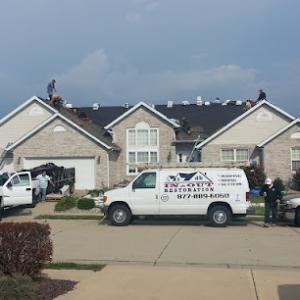
In & Out Restoration
(708) 510-9861 www.iaorestoration.com
1972 Larkin Ave G, Elgin, Illinois
4.9 from 72 reviews
In & Out Restoration is a family owned and operated, specializing in residential remodeling. Our services include roofing, windows, doors, siding, gutters & storm damage repair. We offer full service insurance inspections and repair consultations for wind, hail or tornado damage. At In & Out Restoration, we only use the best materials available all backed by the skilled craftsmanship. We pride ourselves on our commitment to our customers, craftsmanship, and most importantly our five year warranty. We always guarantee your 100% satisfaction. In & Out Restoration is a company that is big enough to have received such recognition, as being members of The National Roofing Contractors Association, as well as being “A+” rated in the BBB
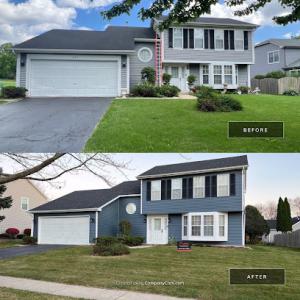
MidWest Elite Restoration
(630) 780-4091 www.midwesteliterestoration.com
824 S McLean Blvd, Elgin, Illinois
4.9 from 46 reviews
Midwest Elite Restoration provides roof replacement services to commercial and residential customers in South Elgin, IL and the surrounding area. With years of experience helping customers improve the comfort and functionality of their homes, we have the skills and extensive knowledge to install your roof correctly the first time. We are a locally owned and operated business, licensed and insured for your protection. Our services include roof replacement, leak investigations and restoration. We share our knowledge with customers so they can make informed choices for their roofing projects. Our friendly technicians cater to our customers' needs with on-time, superior service and quality work.

DFC Roofing, Dyna-Flow Corporation
143 S Liberty St, Elgin, Illinois
5.0 from 29 reviews
DFC is a family owned and operated roofing contractor serving Elgin and the surrounding area for over 40 years. Give us a call for a free estimate on your roofing needs!
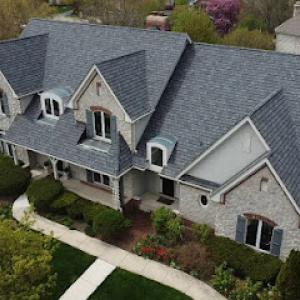
2G Exteriors
(312) 765-9500 www.2gexteriors.com
2230 Point Blvd Ste 500, Elgin, Illinois
4.8 from 68 reviews
Northern IL / Southern WI premier exterior contractor. Specializing in Roofing, Siding and Gutters. With over 4,000 satisfied homeowners and over 14 years of experience in the industry, call today for your estimate or free inspection.
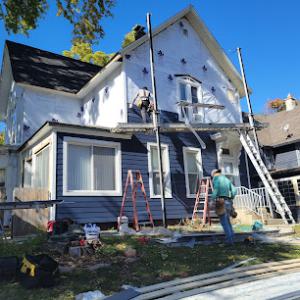
Gold Standard Restorations
1000 N McLean Blvd, Elgin, Illinois
4.8 from 58 reviews
As a full-service general contractor and licensed roofer in Illinois since 2010, we offer free in-home consultations and use only the industry's best products. Our services include shingle, cedar, and synthetic roofs, as well as vinyl siding, seamless aluminum and copper gutters, and custom gutters. We specialize in roofing contractor services, hail and storm damage restoration, siding and gutter replacement, and commercial roofing. Our offices are located in Elgin, Orland, and Crystal Lake IL, and we serve the greater Chicagoland area. Trust us for all your roofing and contracting needs. We provide Ice Dam removal service & repair.

NV Roofing
(847) 429-2669 nvroofinginc.com
2090 Larkin Ave #6, Elgin, Illinois
5.0 from 22 reviews
We are a licensed roofing contractor in the state of Illinois with experience in all types of roofs. We do interior and exterior work including roofing, siding, soffit, fascia, gutters, windows, drywall and painting.

Lakeshore Builders Restoration
(847) 429-2332 lakeshorebuildersrestoration.com
2400 Big Timber Rd Suite 101-B, Elgin, Illinois
4.6 from 132 reviews
Lakeshore Builders Restoration provides outstanding roofing, siding, windows, deck, and gutter replacement for the Chicagoland Area.
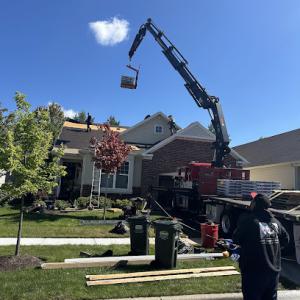
Abel Roofing & Construction
(847) 800-7700 abelroofingandco.com
963 Erie St, Elgin, Illinois
4.6 from 34 reviews
Abel Roofing & Construction is a family-owned company proudly serving the Chicagoland area with expert residential and commercial roofing solutions. We specialize in all roofing systems—shingle, metal, cedar shake, all low slope roofing systems—as well as complete exterior services including gutters, siding, windows, soffit, fascia, and doors. Call for a free estimate!
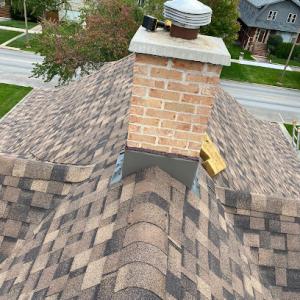
Vista Restorations
(847) 766-1654 www.vistarestorations.com
25 S Grove Ave Unit 100, Elgin, Illinois
4.9 from 16 reviews
Committed to quality jobs and working locally with years of experience transforming homes, whether remodeling or repairing them. We offer quality services in residential and commercial industry

Majestic Exteriors Unlimited
(224) 535-8495 majesticexteriorsunlimited.com
3530 Hidden Fawn Dr, Elgin, Illinois
4.5 from 22 reviews
Services Retail roof sales Construction company Attic Insulation Repairs Commercial Exterior Complete Exterior Exterior Contractor Exterior Maintenance Services Exterior Repairs Exterior Restoration Fascia Repairs Fiber Cement Siding Flat Roof Repairs Gutters And Downspout Repairs Hail Damage Repairs Home Services Our Roofing Services Power Washing Remodeling Project Repairs Soffit Repairs Wind Damage Residential And Commercial Roof Replacement Roof Installed Siding Repairs Storm Damage Wind Damage Restoration Your Roof Clean gutters Remodeling Install drywall Paint indoors Paint outdoors Repair drywall Roofing, Siding and gutters. Storm Damage
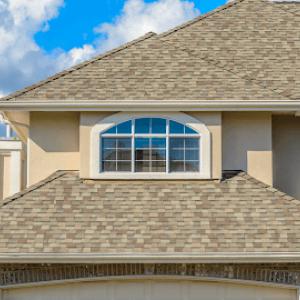
Bagg Exteriors
(630) 377-9018 www.baggexteriors.net
Elgin, Illinois
5.0 from 7 reviews
When you call Bagg Exteriors, you'll receive an estimate directly from me the owner, not a commissioned salesman. We provide new roof installations, reroofing, complete tear offs, and all types of repair. From new construction to existing homes and everything in between, our team is here to provide you with the secure roof you need. We offer a lifetime warranty for most shingles, and all work is handled by licensed contractors. For reroofing, we'll shingle over your existing roof. When it's time to provide tear offs, we'll tear down existing shingles and start from new. We can repair leaks, damage from fallen trees, and missing shingles.
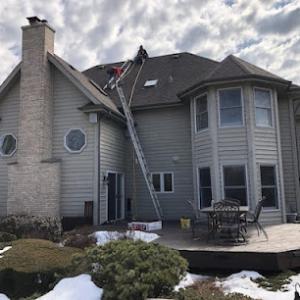
Durable Roofing & Coating Systems
(847) 504-7679 durableroofingandcoatingsystems.com
1619 Weld Rd, Elgin, Illinois
4.5 from 16 reviews
Durable Roofing and Coating Systems is dedicated to delivering professional roofing, siding, and gutter services with a commitment to honesty and integrity. Serving Cook, DuPage, and McHenry counties, we pride ourselves on ensuring every project meets the highest standards of quality and customer satisfaction. Our skilled team is always ready to assist with any questions or concerns about your home or business installations. We invite you to experience our exceptional service and get in touch with us today for all your roofing needs.
In this city, full roof replacements are handled as formal permits issued through the Building Department, not as informal maintenance work. That means your project will follow a clearly defined process: permit application, plan review (if required), and official sign-off once work meets code and safety standards. The permit is tied to the specific address and scope, so changes mid-project can trigger additional reviews. This is a real difference from simpler repairs and is meant to ensure the roof system, ventilation, decking, and flashing all meet current standards for freeze-thaw cycles and hail exposure typical to the Fox River valley.
Starting the permit involves submitting basic project details, contractor information, and construction plans or drawings showing attic ventilation, decking, and flashing details. In Elgin, the building staff typically reviews for proper ventilation and deck integrity, plus correct flashing around roof penetrations. Expect a requires-detailed review if any structural changes are proposed, such as repairing or replacing decking. Processing can take several days to a couple of weeks depending on department workload, so plan accordingly if a storm claim has a tight insurer deadline or a preferred replacement window. Having a licensed contractor submit the package can help move things along, since the city uses standardized forms that staff recognize.
Inspections occur during the roof project and again after completion. The city checks installation quality, ventilation, flashing, decking, and final completion before sign-off. A typical sequence begins with an on-site inspection when the roofing material is ready for installation, followed by mid-project checks if any structural or ventilation adjustments are involved, and a final inspection once all work is complete. Because inspections are tied to the permit, delays in scheduling can stall your project, especially if the weather window is limited by Elgin winters and spring storms.
On inspection day, have the permit card visible and the contractor's contact information ready. Be prepared to show attic vents, soffit returns, and ridge venting details, plus decking condition where visible. The inspector will look for proper nailing patterns, underlayment installation consistent with climate expectations, and correct flashing around chimneys, skylights, and wall interfaces. Any deviations noted during inspection will require corrective work before the sign-off, so coordinate promptly with your roofing crew to address deficiencies.
Once the final inspection passes, obtain the clearance and keep the permit record with the property files. If storm repairs were involved, this clearance also serves as documentation for insurer completion and any contractor warranties tied to permit compliance. In a storm season, keeping a timeline and open communication with the Building Department helps prevent hold-ups when weather windows narrow.
In Elgin, asphalt shingles run about 350 to 700 USD per square, metal roofing 700 to 1400, synthetic or composite shingles 420 to 900, concrete tile 1500 to 2900, clay tile 1800 to 3600, and slate 1800 to 4200. After a heavy hail season or a cluster of damaging thunderstorms, those numbers can drift up as crews and materials move to meet the surge in demand. Materials that hold up better against hail, like certain metal options or synthetic composites, may still land in the higher end of the range if storm recovery lines are long and freight costs spike. Your local contractor will pencil these shifts into an estimate, but the baseline above remains the useful frame for budgeting.
Storm-driven demand spikes push pricing and scheduling pressure higher after hail and thunderstorm periods, especially during the city's main late spring through early fall roofing season. If a storm claim is approved, expect a tighter window to line up not just materials but labor, since crews often juggle multiple storm sites. Delays can come from winter-like holdovers on the schedule combined with the need to match exterior conditions for proper flashing and water shedding. Plan for potential back-and-forth with a contractor on color, shingle type, and the sequence of steps to minimize weather-related hold times.
The region's freeze-thaw cycle makes addressing damage promptly sensible, but an extended window exists: late spring through early fall is your primary replacement season. If a roof is multi-layered or shows decking or flashing concerns, expect additional days and costs to correct those issues. When choosing materials, consider durability against Elgin's seasonal extremes; metal and synthetic options may offer better hail resistance and faster installation in certain cases, while asphalt remains the most economical upfront. For a given square, weigh the long-term value: longevity, weight on the structure, and compatibility with existing soffits and ventilation, since improper ventilation can shorten a roof's life and invite hidden moisture issues.
Costs can rise if city-required decking, flashing, or ventilation corrections are identified during the job. If a storm claim routes you toward replacing underlayment or repairing roof deck sections, factor those potential add-ons into your budget alongside the base material pricing. A practical plan is to lock in a preferred material and color early, anticipate a contingency for decking or flashing fixes, and schedule work within the dominant Elgin storm window to avoid month-to-month price volatility.
Asphalt shingles remain the everyday workhorse for many homes in this area. They fit the large re-roofing market in Elgin while offering straightforward installation and a broad range of styles. In practice, you'll notice that hot, sunny spells in summer can accelerate aging and lead to faster granule loss, which makes a regular inspection routine even more important after heat waves or severe storms. If you're balancing a tight schedule with a need for reliable coverage, classic asphalt can be a sensible choice, provided the roof is properly vented to mitigate heat buildup and the hail history of your neighborhood is considered when selecting higher-coverage granule blends and stronger pad backing. In homes with older decks and rafters, ensure the underlayment and attic ventilation are up to the task, since these factors directly influence how long the shingles stay weather-resistant in Elgin's freeze-thaw cycles.
Metal roofing stands out for its shedding capability during heavy snows and its resilience against repeated hail impacts. In practice, you'll often see metal performing well for homes facing large open exposure or long ridge runs where wind loads compress sheets. The key here is local attention to flashing, fasteners, and storm detailing. Pay special attention to where metal meets gutters, chimneys, and dormers, because improper sealing in those transition zones can invite leaks even when the panel itself holds up well. Inspect fastener choices for corrosion resistance and consider vented or concealed-fastener options to minimize exposed penetrations. If you expect rapid temperature swings and ice dams, discuss with your contractor how the panel profile and installation method influence snow shedding and heat transfer on reflective surfaces.
Tile options-whether clay, concrete, or their synthetic counterparts-appear in the Elgin market as durable, visually distinctive choices. These materials demand careful structural review because winter snow loads and freeze-thaw cycles can stress fasteners and underlayment differently than shingles. Synthetic or composite shingles can offer more impact resistance with a lighter footprint, but installation detail matters just as much as for clay or slate. Slate delivers unmatched longevity, yet it requires precise layout, riving and support, along with meticulous flashing details to prevent leaks at valleys and transitions. In all cases, ensure the roof structure can handle the material's weight and that installers perform a thorough inspection after the first full winter season to catch any subtle shifts or seam issues before they become leaks.
The most popular roofing material in the US. Find pros who install, repair, and replace asphalt shingles.
Abel Roofing & Construction
(847) 800-7700 abelroofingandco.com
963 Erie St, Elgin, Illinois
4.6 from 34 reviews
Freeze-thaw cycling in Elgin can loosen fasteners and exploit small defects that were minor in fall but become active leaks during winter snow and ice conditions. If soffits, joints, or nail lines show even a hint of looseness, those tiny gaps can widen as water freezes in place and expands. The result is a creeping drip that travels along underlayment and into attic framing, often without a dramatic telltale sign until mother nature shifts back toward thaw. Homeowners should pay close attention to any changing feel at the ridge line, and to fasteners along hips, valleys, and eaves that seem stubborn to reseal after seasonal moisture shifts. A careful lash-up of solid flashing and secure fastener patterns can prevent a quiet door to winter damage.
Snow loads and ice exposure in Elgin put extra stress on flashing transitions and roof penetrations, making weak details more likely to fail before spring. Valleys where two roof planes meet catch the heaviest snow banks, and aggressive ice dams can pry apart step and counter flashing if those details were already marginal. Damaged or softened sealant around vent stacks, skylights, and chimneys becomes a liability as snow sits and melts repeatedly. If flashing shows signs of lifting, or if minor gaps have widened after a thaw, the risk of active leaks climbs quickly once a new storm hits. Addressing these weak points before an ongoing storm cycle saves interior misery and decking exposure.
Seasonal moisture exposure from thunderstorms and winter conditions means Elgin roofs with compromised seals can move from minor water entry to decking and ventilation issues that are then flagged during inspection. Wet attic insulation, damp sheathing, and rusted fasteners create a cascade of concerns, from reduced attic ventilation efficiency to potential mold growth. If damage accumulates behind a ceiling or along a wall line, the first clue may be a stubborn odor, a dark stain, or a chilly draft near eave lines. Prioritize tightening compromised seals and replacing degraded flashings before winter storms intensify the problem, because once moisture migrates into decking, the repair scope grows substantially.
Elgin's contractor market shows meaningful demand for skylight work, indicating leak-prone roof openings are a recurring local service need rather than a niche issue. When a storm rattles through the Fox River valley, a skylight that wasn't set up for cold snaps and hail can start dripping long before the rest of the roof shows visible trouble. Expect a steady rhythm of calls from homeowners who discover moisture around skylights after heavy rain or rapid thaw.
The local market also shows substantial flat and low-slope roof activity, which matters because thunderstorm moisture exposure can become persistent when drainage, seams, or flashing details are weak. If your home has a low-slope section or a recent addition, pay close attention to the transition from slope to roof deck. In Elgin's freeze-thaw cycles, standing water and ice backing up at seams can lead to slow leaks that feel like a mystery until a careful inspection reveals compromised flashing or clogged scuppers.
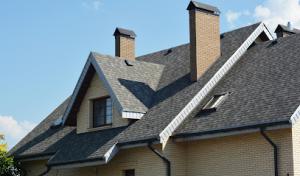
Chimney-related roofing work is common enough in Elgin to signal that masonry-to-roof intersections are a practical concern for many homeowners managing older roof systems. Look for cracked mortar joints, shifting bricks, and any mortar crown that sheds water toward the roof line. Even small shifts can compromise counter-flashing, allowing moisture to creep under shingles and into valleys where ventilation and attic warmth meet exterior exposure.
Start with a focused attic inspection after storms: check for stained timbers, condensation buildup, or dark spots around penetrations. On the outside, run a slow, deliberate walk along the chimney run and skylight flanges, paying attention to any loose flashing or lifted shingles. For low-slope sections, test drainage paths by visually tracing water flow during a light rainfall-if water pools or backs up, plan targeted flashing and seam work before the next season's freeze-thaw cycle.
Find contractors experienced in skylight installation, flashing, and leak repairs to bring natural light into your home.
2G Exteriors
(312) 765-9500 www.2gexteriors.com
2230 Point Blvd Ste 500, Elgin, Illinois
4.8 from 68 reviews
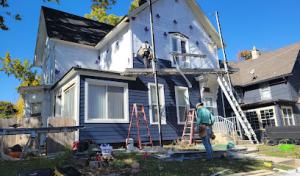
After a severe hail or wind event, insurers in this area scrutinize roof age, the material type, and the photo record you provide. Shingle wear from years past can influence a claim, so honest documentation that ties the event to visible changes is essential. In practice, that means detailing the exact day of the storm, linking it to any new granule loss or misaligned shingles, and including clear, close-up images that show both good and damaged sections. Do not rely on distant shots or vague impressions; insurers will zoom in on flashing, valleys, and transitions where wind-driven impact tends to focus damage.
Damage in Elgin often hides in plain sight, especially after seasonal storms. You might notice no dramatic roof failure from the ground, yet flashing can fail and moisture can creep into rafter bays or under shingles over time. Look for subtle signs: unusual attic humidity, sheen on ceiling drywall, or isolated staining near dormers and chimneys. Local weather patterns mean a single thunderstorm can create micro-areas of weakness; a ground-level glance rarely tells the full story. Photograph suspect areas from multiple angles and map them to where they are on the roof to help a claim adjuster connect the dots later.
Create a dated, organized record before any temporary repair takes place. Emergency tarping or a quick leak stop can alter what the adjuster sees on site, so document condition first, before interventions. Take dated photos of the roof surface, interior leaks, and attic signs of moisture, then note the exact timing of any temporary fixes. If a contractor arrives, ask for a written description of what was done and when. This careful chronology helps ensure the claim reflects the true pre-repair condition, reducing back-and-forth when the adjuster reviews the file.