
Last updated: Apr 19, 2026
This city sits in eastern Indiana near the Ohio line, so homeowners deal with Midwestern winter freezing followed by warm-season storm activity rather than coastal or desert roof stresses. The practical result is a roof that endures repeated freeze-thaw cycles, plus spring storms that can catch you off guard if the deck and ventilation aren't prepared. The favorable roofing season runs from spring through fall, because winter's freezing temperatures complicate tear-off, sealing, and deck evaluation. If a full roof replacement is on the agenda, plan for a process that respects those colder pockets and variable wind-driven rains rather than trying to rush through in late fall.
During winter, moisture that works into shingles, underlayment, and deck boards can freeze and expand, then thaw and contract as temperatures swing. That cycle weakens fasteners and can loosen flashing that was never fully sealed in the first place. When spring storms arrive, the combination of standing water, wind uplift, and sudden temperature spikes tests every layer of a roof system. In older homes, you'll notice that small leaks or minor detachments become bigger problems after a harsh winter, because long-hidden weaknesses in seals and ventilation are revealed only when the system is stressed.
Step one is to anticipate where the deck might be most vulnerable. In older houses, deck joints and eave detailing often conceal prior misalignments or paint failures that mask drainage problems. If you're preparing for a tear-off, you'll want to schedule a careful inspection of the deck sheathing and any remaining sealant at penetrations before the new underlayment goes down. You'll also pay attention to eaves clearance and any vent or soffit gaps that could invite moisture into the attic, where an under-insulated, poorly ventilated space can become a big energy and mold risk.
The mix of older construction means flashing around chimneys, valleys, and skylights can be uneven or corroded, especially after multiple seasons of freeze-thaw. Ventilation tends to be undersized on steep-slope roofs that were designed for older insulation standards. When you remove old shingles, you'll often uncover degraded deck material or hidden moisture that never fully dried before the next layer of roof went on. The result is a chain reaction: compromised deck connections, strained edges of underlayment, and an attic that doesn't vent moisture effectively. A careful tear-off should pause to verify that the ventilation channels, soffit louvers, and ridge vents align to create a continuous path for air movement.
Proper ventilation is non-negotiable in this climate window. If the attic breathes poorly, you'll feel the impact as attic heat and humidity that compromise insulation and raise the risk of ice damming in winter. An effective underlayment system becomes the second line of defense once the shingles are removed. Look for a continuous, well-sealed underlayment that overlaps properly at all joints and penetrations, especially around vents and chimneys. Egress clearance isn't something to overlook: during a replacement, ensure there is clear access for any necessary temporary ladders or staging that won't compromise the safety of the workers or the structural integrity of the roof edge.
Flashing around chimneys, vent pipes, and valleys should be examined early in the project. Replacing or refurbishing flashing now avoids repeating a costly fix later after a season's worth of wind-driven rain and sleet. Sealants around penetrations should be matched to the local climate, with attention to movement joints that allow for wood expansion and contraction. If you catch a potential leak early, you'll reduce the risk of hidden water damage that can undermine interior ceilings and wall cavities, which are especially common in homes with long winters and variable spring storms.
Before any tear-off, verify deck integrity and ventilation balance, inspect all flashing for corrosion or gaps, and plan for a slope-appropriate underlayment that provides robust water shedding even under rapid thaw cycles. This approach minimizes the chance that winter's stress and spring's rains will reveal long-hidden issues after the new shingles have been installed. By focusing on deck health, underlayment continuity, and ventilation, you set a foundation that resists the repeated expansion-contraction cycle and protects the attic from moisture intrusion.
In Richmond, winter freeze-thaw cycles can worsen cracked, curled, or loosened shingles and increase stress on attic spaces and roof decking. That means a small crack today can become a rot-ready leak once water infiltrates and refreezes several times before spring. Older steep-slope roofs in this area carry a heavier risk because mortar seams, underlayment laps, and vent penetrations show wear from decades of freeze-thaw cycling. The result is a creeping, often silent deterioration that can drive up attic humidity, warp decking, and invite ice damming along eaves and around valleys. You should treat even minor shingle misalignments as a red flag, especially if you notice granule loss or curling near roof edges. In practice, that means proactive inspection after a cold spell ends and before any warm-up that could melt snow and push moisture deeper into the system.
Spring storms and hail are a major local scheduling and damage driver, often creating wind-lift and impact-loss claims at the same time contractors are busiest. The combination of high winds and hail can bend or puncture shingles, loosen flashing, and shift vents or skylights just enough to invite leaks. When a storm hits, roof crews swing into high gear, but that rush can leave gaps in underlayment, ventilation, or edge bonding if the system isn't properly seated. If you notice intermittent leaks after a heavy storm, don't wait for a tidy forecast to act-document damage with photos, check attic insulation shadows for new moisture, and arrange a careful walk-through with a local roofer who understands how wind direction and hail size typically affect steep roofs here. Delays today can translate into more extensive repairs tomorrow, including decking and attic ventilation.
Autumn winds in the Richmond area can accelerate wear and load roofs with leaves and debris, especially around valleys, gutters, and penetrations. A heavy leaf load compounds moisture retention, drives gutter clogs, and increases the risk of blocked eaves and ice dam formation once temperatures swing. Debris accumulation also adds weight and can press on shingle tabs in a way that accelerates curling or edge lift. Start fall with a focused clean-up of valleys, potential debris traps, and around all penetrating flashing. Ensure valley and step flashing are intact and that gutter systems are functioning to move water away from the roof edge. If you see granule shedding or dark streaks near downspouts after a windy day, plan an inspection before the next freeze.
You can perform a few quick checks yourself: look for lifted edge tabs, cracked or missing shingles, and dark staining that suggests moisture intrusion. Listen for soft, spongy spots when you step on the roof-these indicate potential decking weakness. Inspect attic spaces for condensation patterns, musty smells, or damp framing after storms or thaw cycles. If any of these signs appear, reach out to a local roofer who understands the unique stressors of our climate and older housing stock, and schedule a near-term evaluation to set a targeted repair or mitigation plan.
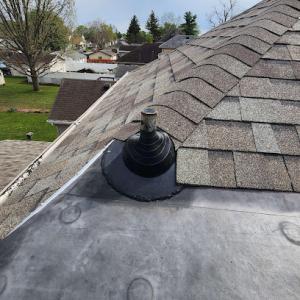
DeSonie Roofing & Exterior
(765) 969-3176 desonieroofing.com
Richmond, Indiana
5.0 from 60 reviews
DeSonie Roofing and Exterior offers roofing and siding services in Richmond, Indiana. Their team has over 24 years of experience and is committed to providing exceptional customer service and high-quality results. They also provide a 50-year warranty on their shingle products, ensuring long-lasting protection for your home.
Sherriff Goslin Roofing - Richmond
(765) 962-4149 www.sherriffgoslin.com
2670 Union Pike, Richmond, Indiana
4.9 from 63 reviews
Established in 1906, Sherriff Goslin Roofing - Richmond has served the local community for more than a century. As a leading regional roofing contractor, our team holds Atlas Pro® Diamond Level Contractor status to deliver an extensive range of high-quality, professional roofing solutions for residential, and commercial properties. From roof inspections and estimates to repairs and replacements, we offer our customers only the best. Led by the experienced Steve Joyce, Brad Hampton, and Dallas Cassel, who are committed to providing exceptional service and exceptional results. Contact Sherriff Goslin Roofing - Richmond today to experience our dedication to roofing excellence.
Canyon View Roofing
659 S A St, Richmond, Indiana
5.0 from 8 reviews
Roofing services Oxnard | Canyon View Roofing | Roof repair Oxnard | Roof replacement | Roof installation | Asphalt shingles | Metal roofing | Tile roofing | Flat roofs | TPO | EPDM | Storm damage | Emergency roof repair | Licensed roofer | Free estimates | Certified contractor | Residential roofing | Commercial roofing
Repair N Remodel
(585) 637-7381 repairnremodel.com
Richmond, Indiana
5.0 from 2 reviews
metal roofing
Sherriff-Goslin Roofing - Eaton, OH
(765) 220-0684 www.sherriffgoslinrichmond.com
Serving
5.0 from 3 reviews
"Distinguished Roofing Contractors Since 1906"
HDC Roofing (Hale Design & Construction, LLC)
(765) 591-3822 www.hdcroofing.com
Serving
5.0 from 33 reviews
Dreaming of a home that turns heads? HDC Roofing & Exteriors is your trusted partner for transforming your home's exterior. We offer complete solutions for exterior remodeling and new construction, ensuring seamless project management from start to finish. Specializing in roofing and siding, we also expertly handle gutters, leaf guards, windows, doors, soffit and fascia. Let HDC Roofing & Exteriors bring your vision to life and create the stunning, durable home you've always wanted.

Urethane Unlimited
(937) 787-4951 www.urethaneunlimited.net
Serving
4.5 from 4 reviews
Roofing company. Specialize in commercial flat roofs, standing seam metal roofs, and roof coatings. See our website for more information!
Straightline Roofing
(765) 576-1033 callstraightlineroofing.com
Serving
Specializing in Standing Seam Metal Roofing, Reroofing and New Construction Roofing. We also offer new seamless gutters for a complete roof system.
Asphalt shingles remain a practical fit for the city's dominant steep-slope residential stock. They flow well with the traditional rooflines you see on older neighborhoods and tend to be the most approachable option if you're balancing maintenance with a reasonable initial investment. In our freeze-thaw and spring-storm corridor, they handle the daily freeze-thaw cycling adequately, but expect some vulnerability to hail bruising and winter aging. Choosing a higher wind- and impact-resistant class can help, and you'll want to pair them with a solid underlayment and thoughtful attic ventilation to slow moisture-driven wear during wet seasons.
Metal stands up well to Richmond's winter conditions, shedding water efficiently and resisting the repeated freeze-thaw stress that can stress other materials. It's a strong choice if you're prioritizing long-term performance in a climate that swings between cold snaps and wet springs. The key here is installation quality: fasteners, trim around edges, and proper condensation control all matter in this climate. A metal roof with well-sealed penetrations and a careful snow load approach can keep the roof deck drier and minimize the risk of leaks after heavy storms.
Clay and concrete tiles appear in the local material mix, offering a distinctive look and solid longevity when they're supported by comparable structure. They're heavier systems, so older homes with timber or framing that hasn't been upgraded in a long while must be evaluated for structural capacity before planning a re-roof. If you're drawn to their appearance, expect to reinforce attic support and ensure the roof framing can carry the weight without compromising eaves or flashing details, especially on steep slopes where wind uplift can stress fasteners.
Wood shingles and shakes provide a classic texture that suits some historic rooflines, but Richmond's seasonal humidity and leaf buildup demand extra attention. Debris retention and moisture management are crucial: ensure adequate ventilation, consider a secondary underlayment or drip edge to shed moisture away from the deck, and plan for more frequent inspections after wet springs and windy periods when branches and leaves accumulate on the roof.
Synthetic and composite shingles offer the look of premium materials with reduced weight for older structures. This can be especially appealing when the goal is a modern appearance without overburdening existing framing. They can perform reliably through freeze-thaw cycles and spring storms, provided installation follows high standards for underlayment, ventilation, and proper flashing.
A building permit is typically required for a full re-roof. Permit issuance is handled by the local Building Department in Richmond, so your first step is to submit plans or a project description through the department's process. The aim is to confirm the underlayment, ventilation, and egress clearance meet local standards and do not impede a safe exit path if the roof is accessed during an emergency.
Roofing inspections in this area are usually performed at a rough-in stage and again at final completion. The rough-in check focuses on where the underlayment and flashing will be installed, while the final inspection confirms the system is fully integrated with existing ventilation and that egress clearances remain unobstructed. If the project involves no structural changes, the review often moves more quickly than jobs that include framing or other structural scope.
During inspections, local inspectors commonly verify underlayment installation, proper roof venting, and adequate egress clearance around attic access or skylight openings. They look for compliance with local spacer and clearance requirements, and for any potential blockage of safe exit routes. Expect questions about attic insulation and ventilation pathways if the re-roof involves decking or fastener changes.
If the project does not involve structural changes, your permit review is typically shorter. However, any framing, deck modifications, or changes to roof support may trigger additional scrutiny or a longer review period. Prepare to provide drawings or notes that illustrate how the new roof integrates with existing supports and attic ventilation.
Before applying, have your project scope ready: roof type, underlayment plan, ventilation strategy, and any penetration details (vents, pipes, skylights). Maintain clear access for inspectors to attic spaces and egress routes. After approval, keep permit cards and inspection dates visible on-site and coordinate any required follow-up visits promptly.
Richmond homes commonly feature a mix of asphalt shingles, metal roofing, clay tile, concrete tile, wood shingles or shakes, and synthetic or composite shingles. When you plan a re-roof, you should anchor expectations to these materials and the way they perform in our freeze-thaw and spring-storm corridor. The provided local cost ranges are asphalt shingles at 350 to 600 USD per square, metal roofing at 700 to 1200, clay tile at 1200 to 1800, concrete tile at 900 to 1600, wood shingles or shakes at 700 to 1200, and synthetic or composite shingles at 550 to 900. Knowing these can help you prioritize decisions based on long-term value and local weather patterns.
In Richmond, spring storms and hail activity can tighten contractor availability and push pricing or lead times higher during peak repair and replacement periods. If you're replacing after a hail event or during a busy storm season, expect potential delays and limited scheduling slots. This is especially true for steeper roofs or designs with complex ventilation and flashing needs, where crews need careful access and higher workmanship precision to withstand our freeze-thaw cycles.
Older Richmond houses can reveal damaged decking, outdated ventilation, or flashing details that must be addressed to ensure durability on a new roof. If the decking shows rot or water staining, or if ridge and edge flashing is not up to current performance standards, you'll incur additional material and labor costs. These fixes protect against moisture intrusion during thaw cycles and spring rains, helping the new roof perform reliably over time.
Asphalt shingles remain the most common, with a mid-range price that fits many budgets while offering solid performance for our climate. Metal roofing carries higher upfront costs but can offer excellent longevity and better resistance to hail impact. Clay and concrete tiles bring distinctive aesthetics and strong durability, but their weight and installation complexity raise total price. Wood shingles or shakes add character but require careful maintenance in our humidity and weather shifts. Synthetic or composite shingles aim to balance cost and resilience with varied performance benefits. Align your choice with roof slope, attic ventilation capability, and the anticipated life span you want from the investment.
In this Indiana corridor near the Ohio border, the weather can hide damage until after a few warm days. Insurers generally expect homeowners to document roof damage with photos, dates, and inspection findings before a claim is fully evaluated. Take clear photos from ground level and from up on a ladder, if safe. Note wind-driven shingle movement, granule loss, dents in metal flashings, and any interior evidence like attic staining. Keeping records organized helps avoid delays when the adjuster arrives.
Richmond's spring storm and hail pattern increases the importance of prompt documentation because claim frequency can rise after regional weather events. After a hail event or heavy rain, debris in gutters, damaged soffits, or dented vents can tell a story of impact. Maintain a simple, dated log: when the storm hit, what you observed within days, and any subsequent leaks, odors, or ceiling staining. If an interior issue appears, note the location and date of first notice to support the claim narrative.
Some insurers in Indiana have adjusted underwriting or coverage terms in response to weather-related losses, so homeowners should review deductibles, exclusions, and actual cash value versus replacement cost language before storm season. Look for how multiple events in a year are handled, whether depreciation applies to losses, and how aging components influence settlement. Clarify how underlayment, ventilation, and egress considerations mesh with your policy if a full roof replacement becomes necessary.
Because freeze-thaw wear can coexist with storm damage in this area, carriers may scrutinize whether damage is sudden and covered or part of long-term deterioration. If a claim hinges on prior condition, provide independent assessments that separate preexisting wear from new impact. Document both perspectives with dated photos and note any professional findings to support quick, fair decisions during settlement.
Spring through fall is the preferred replacement window in Richmond because weather is generally more conducive to tear-off, dry-in, and inspection scheduling. The transition from freeze-thaw cycles to steady warmth helps the underlayment seal and the shingles or tiles set without repeated moisture exposure. If a full roof is needed, beginning in spring gives you the best odds of a clean, timely project without weather-driven delays that can compromise the membrane and decking. Plan for a dry spell of several days in a row to allow the roof to dry after tear-off and before re-covering.
Summer heat and humidity in Richmond can affect adhesive performance and crew productivity, so installation timing within the day can matter. Start work as early as feasible to avoid peak heat, and schedule critical adhesive or sealant applications for cooler morning periods when possible. Steep-slope roofs common in the area demand careful staging: keep walk routes clear, account for heat-related fatigue, and allow for extra drying time after any rain event that might linger on the deck. If a roof is rising and the forecast shows a string of hot days, coordinate with the crew to maximize material handling efficiency and minimize long heat exposure for underlayment and flashings.
Winter roofing is possible in limited cases but freezing conditions make material handling, sealing, and deck moisture control more difficult. If a replacement is pushed into colder months, expect tighter material tolerances, slower tarp management, and additional precautions to prevent ice dams during the onset of warming spells. For steep-slope roofs, plan for reliable snow and ice clearance at eave lines and ensure safe access for the crew. In practice, a winter project should be reserved for urgent repair scenarios or when weather windows between storms are clearly forecasted to stay dry for a solid several days.