Last updated: Apr 19, 2026
After a strong storm, the first 24 to 72 hours are critical for damage control and insurance positioning. In Beloit, storm activity, hail, and high winds drive a significant share of roof-related insurance claims. That means your roof is a frequent target for inspection companies, adjusters, and aggressive storm repair teams. When the wind dies down and the rain stops, walk around carefully while wearing sturdy shoes and a flashlight. Look for lifted shingles, dented vents, loose flashing, or granule loss in gutters and on the lawn. If you see anything suspicious, do not delay. Document with photos from multiple angles and note the exact time and weather conditions. The goal is to establish a clear, date-stamped record that aligns with the claim you will file, not after the insurer asks for it.
Storm-damaged roofs do not wait for the calendar, and spring hailstorms plus heavy rains in southern Wisconsin can both damage roofing and delay contractor scheduling. Early documentation and rapid temporary protection are essential. Use a sturdy tarp or roofing underlayment secured with roofing nails or heavy-duty fasteners to cover damaged areas until a permanent fix can be arranged. Do not rely on temporary patches alone; a proper cover minimizes further water intrusion and reduces the chance of a denial on the basis of pre-existing damage. When arranging temporary protection, coordinate access with your insurer and preferred contractor so there is a recorded timeline showing when protection was first put in place and when crews returned for permanent repair. This helps prevent back-and-forth disputes during the claim process.
Most homeowners in this market discover that storm damage and insurance-driven replacement work come in waves rather than as a one-and-done project. Your plan should start with a rapid, honest assessment and move quickly into coordinating with a licensed contractor who has experience handling storm claims, not just reroofing for age-related wear. Be prepared to meet with an adjuster or insurer representative at your residence. Bring your documentation: photos from the minutes after the storm, the tarp or cover placement record, and a list of observed vulnerabilities. When the adjuster arrives, walk through the roof line together, pointing out damaged flashing, granule loss, shingle curling, and any soft spots or water staining inside the attic that aligns with roof line exposure. The objective is a claim that reflects actual storm-caused damage, not a generic replacement decision driven by policy language alone.
A quick response is not a race to the lowest price; it's about reliability and proper coverage of storm-induced damage. In a market where contractors are heavily oriented toward storm response and insurance-driven work, it is crucial to verify licensing, local references, and a documented history of prompt, quality post-storm repairs. Ask for schedules and process timelines in writing, including how they handle weather windows, sequencing of exterior deck work, shingle replacement, and any updates to the interior enclosure if attic condensation or leaks appear. Insist on a clearly defined scope that accounts for flashing, ventilation, and attic moisture mitigation, not just shingle replacement. If a contractor promises a fast fix, demand a detailed plan that includes temporary protection, a storm-damage assessment, an adjusted repair scope after the insurer's findings, and a projected completion date with milestones. In Beloit, where storms layer with seasonal schedules, having a trusted team that respects timing and coordination with adjusters can spare you from lingering leaks and mounting internal damage.
Total Exteriors
(608) 368-7045 www.totalexteriors.com
2113 Shear Ct, Beloit, Wisconsin
4.9 from 144 reviews
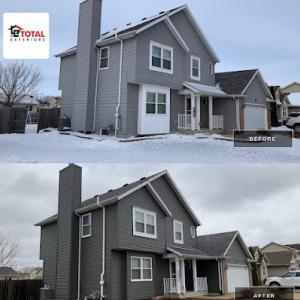
Serving Southern Wisconsin and Northern Illinois since 2012, Total Exteriors is Beloit’s trusted roofing, siding, and gutter contractor. We proudly serve Beloit, Janesville, Loves Park, Machesney Park, and the Rockford area with expert craftsmanship and dependable service. Our team specializes in complete roof replacements, precise storm damage repairs, and durable siding installations built for Midwest weather. With our 24/7 AI assistant, customers can easily ask questions or schedule appointments anytime. Experience “Honest Opinions, Quality Solutions” with Total Exteriors.

Aurum Contracting
(608) 312-4343 www.aurumcontracting.com
2426 Prairie Ave, Beloit, Wisconsin
4.7 from 251 reviews
Based in Beloit, Wisconsin, Aurum Contracting provides professional exterior contracting services for residential properties. Established in 2013, this full-service company specializes in storm and hail damage restoration, handling all aspects of roofing, siding, windows, and gutter needs. With a focus on customer satisfaction, Aurum Contracting offers free inspections to homeowners affected by storms in the area.
Toubl Contracting Inc Corporate Office
(608) 299-1474 www.toublcontractinginc.com
141 Roosevelt Ave, Beloit, Wisconsin
5.0 from 19 reviews
We are a local roofing company specializing in storm damage repair and complete home restoration. We have over 20 years experience in roofing, siding, window and gutter installation and can also help you through the complete insurance claim process. Toubl Contracting is a trusted name in the Wisconsin area with thousands of satisfied customers.

Alex Exteriors
2550 Dewey Ave, Beloit, Wisconsin
5.0 from 18 reviews
Alex' Exteriors, specialize in elevating and protecting properties with top-tier roofing, siding, gutters, epoxy coatings, windows, and doors. Serving the midwest, our expertise lies in delivering durable, aesthetic solutions for both residential and commercial spaces. We pride ourselves on quality materials, skilled craftsmanship, and a commitment to excellence. From energy-efficient window installations and stylish epoxy floors, we're dedicated to exceeding expectations. Our customer-centric approach ensures a seamless experience, tailored to each client's needs. Choose us for a partner committed to transforming and safeguarding your property with integrity and professionalism. Contact us to bring your vision to life!

Forward Roofing
(608) 207-3620 forwardroofingwi.com
1725 S Madison Rd, Beloit, Wisconsin
4.7 from 52 reviews
Forward Roofing is a BBB-accredited roofing contractor based in Beloit, WI, serving Rock County, Madison, Milwaukee, and Southern Wisconsin. We specialize in insurance restoration, roof replacement, siding, gutters, chimney removal, and storm damage repair. Our skilled team also installs soffit, fascia, shingles, and windows. Whether you're recovering from hail or wind damage or planning a full exterior upgrade, we deliver reliable service, honest communication, and high-quality results on every job
Trademark Restoration
(800) 293-0221 trademarkrestorationinc.com
149 State St, Beloit, Wisconsin
4.4 from 98 reviews
Serving home and business owners, our roofing company brings experience and dedication to storm damage restoration and the insurance claim process
Arreguin Roofing Company
(773) 232-1972 roofingcompanybeloit.com
677 3rd St, Beloit, Wisconsin
5.0 from 6 reviews
Looking for reliable roofing services? Our team is one of the top roofing companies near Beloit, offering expert solutions for all your roofing needs. As trusted roofing contractors near Beloit, we specialize in roof replacement, roof installation, and maintenance for both residential roofing and commercial roofing projects. If you're searching for a roofing company near me, look no further! Our skilled roofing contractors are equipped to handle flat roofing systems as well, ensuring a seamless finish every time. With our professional roofers, you can expect high-quality work, durable materials, and a commitment to customer satisfaction. Contact our roofing company today to discuss your project and get a free estimate.
The Goat Steep Assist
(815) 988-1531 thegoatsteepassist.com
2220 Liberty Ave, Beloit, Wisconsin
4.3 from 20 reviews
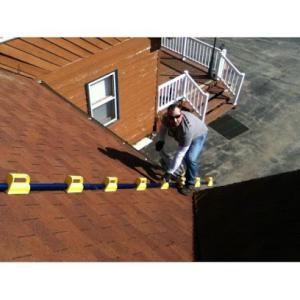
The original creators of The Goat Steep Assist roofing tool. Designed by professional roofers who saw a need to climb steep roofs and back down safely and effortlessly. Specifically created for professionals who need a roof climbing tool for first man up, last man down and or one-man inspection tool. Climb with confidence and order your goat steep assist from our official online store today!
Total Builders
728 E Philhower Rd, Beloit, Wisconsin
4.3 from 6 reviews
We are a local small business that strives to give the best quality construction and 12 yd dumpster rental for a reasonable price. Quality before quantity. ROOFING DECKING BATHROOMS INTERIOR AND EXTERIORS AND GENERAL CONTRACTING.We rent dumpsters 350 trash and 480 shingles, rentals and do clean outs as well.
Toucan Construction
1335 Central Ave, Beloit, Wisconsin
5.0 from 2 reviews
Professional Flat Roofing Specialists Toucan Construction delivers durable, high-quality roofing solutions for residential and commercial properties in Beloit and Southern Wisconsin.

Apex General Contracting
(779) 223-0354 www.apexgeneralcontracting.net
Serving
4.6 from 450 reviews
Apex General Contracting is a Family owned business providing roofing, window, property restoration, commercial services, and more to residents in Texas, Missouri, Indiana, Illinois, and more. Call now!

iRoof Exteriors
Serving
4.9 from 36 reviews
At iRoof Exteriors, we value quality over quantity. We start with an in-depth analysis and full roof report, not a sales pitch. We strive to provide the best service, knowledge, and product. We have over 20 years of experience in the industry. We pay attention to the utmost detail and make sure the roofs we put on your home are the same quality of roofs we would put on our own families' homes. We believe the best compliment we can get is a referral, which is why we pride ourselves that over half of our business comes from referrals. Whether you need roofing, gutter installation, or a siding contractor, we can help. Contact us today for your free, no-obligation inspection and quote.
Beloit roofs face Wisconsin freeze-thaw cycling that can shorten material life and expose weaknesses at flashing, shingle seals, and roof penetrations. The constant swing between above-freezing days and freezing nights can push shingles, sealants, and edge trims to work harder than they do in milder climates. Over multiple winters, small weaknesses become active leaks, especially around valleys, chimneys, and where pipes and vents pass through the roof. The effect is incremental but real: a roof that looks solid in the fall can surprise you in late winter with damp ceilings and interior cold spots before spring alerts you with a drip.
Winter ice damming is a local seasonal risk tied directly to attic ventilation performance and roof edge conditions. When heat from the living space travels to the attic and escapes at the eaves, it melts snow near the edge while colder air below keeps the lower edge frozen. That creates a dam that forces meltwater to back up under shingles and into decks, soffits, and ceiling/upper wall joints. Ice dams are less dramatic on a single storm than they are as a pattern across a cold snap, but the damage compounds year after year. If the attic is undersupplied with ventilation or the roof's edge has compromised flashing or gutters, the damming risk rises significantly.
The city's winter moisture and repeated freezing can turn hidden deck problems into active leaks if attic ventilation isn't performing. Breathable attic space, properly sized soffit and ridge or turbine vents, and unobstructed pathways for air to move prevent heat buildup that fuels ice dam formation. Along the roof edge, clean and sound drip edges, intact underlayment, and solid fascia help direct water away from the structure. If attic soffits are blocked by insulation or the insulation is damp, cold air can't do its job, and the consequences show up as late-season leaks or stained ceilings.
The inspection process for reroofing includes attention to attic ventilation and roof sheathing integrity, which matters because winter moisture and repeated freezing can turn hidden deck problems into active leaks. A careful eye looks at how well the attic space is vented, whether the roof deck shows signs of prior moisture exposure, and whether any deck boards are warped or soft. The goal is to prevent a repeat of storm-season damage by ensuring the roof system not only sheds water but also breathes properly under pressure from Wisconsin winters. After a storm, a quick review of attic access, vent openings, and visible deck edges can flag trouble before it becomes visible from the living spaces below.
Asphalt shingles are the dominant practical choice for Beloit's mix of freeze-thaw cycles and spring hail. The shingles you see on most homes perform well enough when installed with a solid underlayment and proper nailing patterns to resist wind in fall storms. When hail comes through, the key is using architectural or impact-resistant variants and ensuring the roof is properly vented to reduce heat buildup that can accelerate granule loss after a freeze-thaw sequence. If a hail event hits hard, you'll want a quick inspection for bruising and missing granules, and you'll often notice that life extension comes from timely repairs rather than a full reroof.
Metal roofing bears consideration not only for its longevity but for how it handles Beloit's winter realities. Snow shedding is a real benefit, reducing ice dam risk on gutters and soffits, while wind resistance helps during late-season storms. Seasonal temperature swings can stress panels if fasteners aren't properly spaced or if the roof isn't prepared for thermal movement. In practice, a metal roof with a proven snow-retention plan and a climate-appropriate coating can maintain form through multiple cycles of freeze-thaw and hail exposure. Pay attention to panel seams, fastener seals, and proper edge detailing to prevent wind-driven leaks after heavy gusts.
Clay and concrete tiles exist locally, but their suitability hinges on how they handle winter movement and impact exposure. In Beloit, freeze-thaw action can crack tiles that aren't rated for cold climates, and hail exposure raises the risk of corner cracks or spalling. Tile roofs require a heavy, well-supported deck and a careful assessment of roof geometry-steeper pitches shed snow more effectively, but the underlying structure must tolerate tile weight. If winter movement is a concern near older reroof projects, a professional evaluation of deck strength and fastener compatibility is essential before choosing this path.
Wood shakes carry aesthetic appeal, but their performance in snow, ice, and hail depends on species, treatment, and fastener layout. In cold, wet cycles, untreated wood can swell and shrink, stressing seams. Synthetic or composite options offer improved impact resistance and reduced maintenance, yet they still rely on a correctly prepared deck and a roof line that isn't overly compromised by age or prior repairs. If choosing these materials for a reroof, ensure the installation accounts for thermal expansion and appropriate underlayment to manage winter movement and wind-driven episodes.
When evaluating options, match the material to the house and its structural realities. A Beloit-focused strategy uses asphalt as a reliable baseline, weighs metal for snow and wind resilience, and considers tiles or composites only when the underlying deck and flashing are up to the challenge. In all cases, prioritize a roof system designed to resist hail effects, tolerate freeze-thaw cycling, and handle storm-driven stress without compromising ventilation and drainage.
In this market, reroof pricing is typically framed around per-square numbers. Asphalt shingles run roughly 300 to 550 USD per square, metal between 700 and 1200, clay tile 1200 to 2400, concrete tile 900 to 1800, wood shingles or shakes 450 to 900, and synthetic or composite shingles 500 to 900. When you're comparing bids, make sure the scope is consistent: full tear-off versus two-pleece overlays, and whether underlayment, ice/water shield, and flashing are included. Beloit homeowners often see bids that look similar on the surface but diverge once tear-off depth and venting needs are counted.
Costs in Beloit can rise after hail and wind events when storm-driven demand compresses scheduling across the local reroofing market. If a major hail storm hits, crews can be booked weeks out and suppliers may shift material timelines, pushing both material and labor costs up. In practice, that means a quick post-storm assessment is important: identify damaged sheathing or compromised insulation earlier, because discovery during a tear-off changes the price by adding structural work that insurers frequently expect to cover.
Project pricing is also affected locally by permit requirements for full reroofs, by whether damaged sheathing is discovered during tear-off, and by the labor needed to address flashing and ventilation issues that inspectors review. In Beloit, insurance-driven work tends to focus on full or near-full replacements after severe weather, which can raise the average square-foot cost as crews address hidden damage, add upgraded ventilation, and install more robust flashing detailing to resist future ice damming.
Begin with a storm-day inspection from a trusted, local contractor who can confirm whether the roof is a replacement or a repair scenario. Obtain three bids and verify that each includes tear-off, disposal, underlayment, flashing, and venting. Confirm the material grade aligns with your climate needs, especially for wind zones and freeze-thaw cycles Beloit endures. Keep your paperwork organized so the final invoice reflects the agreed scope rather than surprise add-ons after the job starts.
Get a clear picture of your project costs upfront - no commitment required.
Arreguin Roofing Company
(773) 232-1972 roofingcompanybeloit.com
677 3rd St, Beloit, Wisconsin
5.0 from 6 reviews


For a full reroof in Beloit, permits are typically required through the City of Beloit Building Department. The permit process is not a mere formality; it creates the official record of the reroof and helps ensure the work meets local safety and building standards. Before a single shingle is lifted, confirm you have the correct permit and that the contractor pulls it on your behalf if allowed. Expect the permit review to align with the planned scope of the project, especially if the roof line or structural components are changing. Having the permit in hand ahead of work helps reduce delays once crews are on site.
Local inspection review in this area focuses on installation quality, flashing, attic ventilation, and roof sheathing integrity, so the city process can influence both scheduling and scope if issues are found. The inspections are not paperwork-only; rough-in inspections verify that the deck, underlayment, and flashing are properly installed before the final coverings are secured. The final inspection confirms the roof finished to code and that all components meet structural and weather-resistance standards. Because storm-damaged roofs often trigger rapid repair sequences, communication with the inspector is key to keeping the project on track and avoiding rework.
Because Beloit experiences freeze-thaw cycles and storm-driven demand, the inspection timeline can shape the whole reroof schedule. If hidden deck issues surface-such as compromised sheathing or decking rot-expect the scope to expand and the timetable to adjust. Having a clear line of communication with the contractor about anticipated inspection windows helps coordinate materials, crew availability, and any required repairs without creating gaps in protection for the home interior. Prepare for potential adjustments to ventilation and flashing details if the inspector flags concerns tied to attic space or roof edge details. In practice, addressing these items promptly minimizes the risk of recurring leaks after project completion.
Because Beloit is a meaningful storm-claim market, carriers commonly want photos, documentation, and an adjuster visit before approving major roof work. Begin by capturing wide-angle exterior shots of the roof from multiple angles, then close-ups of hail impact zones, missing shingles, and any surface granule loss. Take photos after each weather event while the roof is still accessible and before temporary tarping or repairs.
Document the progression of damage from the first signs of leakage through to any subsequent storms. Interior photos of water stains or staining patterns on ceilings, walls, and attic spaces help establish a sequence. Preserve timestamps from tree debris, shingle granules in gutters, and any rapidly worsening conditions. This sequence matters, especially when the claim hinges on direct storm-related causation.
Keep a running folder of your materials: roofing invoices, prior maintenance records, and any contractor estimates. In Beloit-area losses, permit records and contractor documentation can influence claim timelines and approvals, so store related correspondence, scope descriptions, and signed work authorizations in one place. If an adjuster schedules an on-site visit, have清晰 copies of measurements, square footage, and visible damage ready.
When the adjuster is on-site, point out hail hits, wind-related uplift, and any water intrusion into attic spaces. A trusted Beloit-area contractor can accompany you to interpret damage patterns and provide a detailed damage assessment for the insurer. Ensure the contractor's documentation aligns with the adjuster's observations and the claim file.
Even after repairs begin, maintain all photos, notes, and receipts related to the storm claim. If a second storm or progression of leaks occurs, add new documentation promptly, marking it with dates and sources. Clear, dated evidence helps support the connection between storm events and roof damage when the claim is reviewed.
Connect with contractors who help homeowners navigate the claims process from damage assessment to final approval.
Total Exteriors
(608) 368-7045 www.totalexteriors.com
2113 Shear Ct, Beloit, Wisconsin
4.9 from 144 reviews
Aurum Contracting
(608) 312-4343 www.aurumcontracting.com
2426 Prairie Ave, Beloit, Wisconsin
4.7 from 251 reviews
Toubl Contracting Inc Corporate Office
(608) 299-1474 www.toublcontractinginc.com
141 Roosevelt Ave, Beloit, Wisconsin
5.0 from 19 reviews
Flat-roof specialization is a real factor in this area, reflecting a meaningful commercial roofing segment and a consistent demand for low-slope expertise beyond standard shingle work. Homeowners with flat or near-flat portions-garages, porches, and some modern additions-will notice that local crews often pair weatherproofing with drainage-driven detail work. In practice, the right contractor treats a flat roof not as an afterthought but as a system of membranes, flashings, and proper transitions to the rest of the structure.
On Beloit low-slope roofs, winter ponding is more than an annoyance; it amplifies small drainage problems into visible leaks. Freezing cycles push water between seams and around penetrations, so attention to sound drainage planning is essential. Flashing around vent stacks, curbs, skylights, and edge metal must be integrated with the roof membrane in a way that tolerates seasonal temperature swings. Expect periodic maintenance to focus on seals at terminations and at any edge details where ice damming can form.
Where a low-slope roof meets vertical walls or parapets, the transition needs careful detailing. In Beloit, where freeze-thaw cycles are common, rely on reinforced flashing that stays flexible in winter and a drainage plan that minimizes standing water. If a roof has multiple penetrations or a curb-mounted HVAC unit, insist on a coordinated membrane layer that covers each penetration with counter-flashing and a continuous seal. Small gaps become large problems when cold weather comes.
Homes with additions, porches, or mixed-slope sections require a different approach from the main steep-slope roof. Repair methods, inspection concerns, and material choices differ, especially at terminations and transitions between slopes. Treat these areas as their own roofing zones: specify compatible materials, ensure correct slope transitions, and verify that fasteners and sealants are rated for low-slope performance. Regular checks after storms help catch drainage or flashing issues before they worsen.
Find specialists in TPO, EPDM, and built-up flat roofing systems for residential and commercial properties.
Trademark Restoration
(800) 293-0221 trademarkrestorationinc.com
149 State St, Beloit, Wisconsin
4.4 from 98 reviews
Arreguin Roofing Company
(773) 232-1972 roofingcompanybeloit.com
677 3rd St, Beloit, Wisconsin
5.0 from 6 reviews
Beloit's fall wind events and debris accumulation create recurring stress at roof transitions, especially around flashing details. The same edges that shed summer rain must resist wind-driven leaves, acorns, and shingle granules that can work under flashing seams. If a transition seems solid after a dry season, that doesn't guarantee it will hold through a brutal fall storm or the first freeze. Check the intersection of chimney, vent pipes, and skylight pans for small gaps, lifted edges, or hairline cracks after heavy gusts. A quick visual from ground level can reveal loose nails or shingle wrap that invites water under flashing.
Local contractor signals show notable chimney and skylight activity, suggesting these penetrations are common service points in reroof and leak calls. Skylight seals can fail where deck temperature swings meet glazing. Chases and chimney bases accumulate creosote drift, spatter, and ice dam pressure during winter, then strain with fall debris during wind events. Ensure flashing around these penetrations sits flush, with no lifted metal or loose sealant. If you notice powdery blistering on sealant or metal flashing that shifts with wind, address it promptly to avoid a larger leak path.
In Beloit, flashing performance matters year-round because the same roof details that survive summer rain must also tolerate winter ice buildup and repeated freeze-thaw movement. Ice buildup can push against flashing from beneath, widening gaps you don't see until a thaw. Inspect metal step flashing along walls and around penetrations after storms, and watch for tarnish, corrosion, or displaced sealant. Metal underlayment should be continuous and free of punctures where it meets wrist joints, vents, or skylights.
Before and after hail or wind storms, perform a careful exterior inspection from the ground: look for lifted shingles near flashing, torn granules, or discolored patches that hint at moisture intrusion. Clean debris from around skylights and valleys to minimize wick paths for rain. Keep gutters clear so water can move away from transitions instead of pooling near flashing lines. If survey reveals any gap, crack, or evidence of ice pressure pushing against flashing, plan a prompt professional repair rather than a temporary fix.
Storm activity often shifts the priority to immediate coverage and safe access. If you notice moisture dribbling from a skylight or staining near a chimney after a storm, don't delay. A licensed roofer can verify flashing continuity, reseal joints, and replace compromised hardware before leaks propagate into attic insulation. In Beloit, quick response reduces winter-related damage, because once ice moves in, even small vulnerabilities can become larger problems.
Find contractors experienced in skylight installation, flashing, and leak repairs to bring natural light into your home.
Total Exteriors
(608) 368-7045 www.totalexteriors.com
2113 Shear Ct, Beloit, Wisconsin
4.9 from 144 reviews