
Last updated: Apr 19, 2026
June through November brings Atlantic hurricane season exposure to Zachary, even though the city sits inland. Wind-driven rain and post-storm leak checks are a primary roofing concern. When a system lingers off the coast, or a tropical wave strengthens, roofs face sudden bursts of wind, hail, and driving rain that can lift shingles, loosen flashing, or overwhelm gutters. Along the summer heat, attic insulation and vent seals can compound condensation and early delamination. The risk isn't theoretical-watch the forecast, assume a storm can shift your exposure in days, and plan for rapid action if a named storm forms nearby.
Heavy spring rains in the Baton Rouge area can compress contractor schedules before summer, affecting how quickly homeowners can secure inspections, temporary dry-in, and full replacements booked. In practice, this means a roof damage assessment may take longer to get on the calendar just when it's most urgent to protect interior spaces. Storm-related repairs often cascade: a quick tarp or temporary cover might be the first step, followed by a more comprehensive fix once a window opens. If a leak is suspected, don't wait for a perfect sunny day to call for help-timely documentation and triage can keep moisture from inching into ceilings and walls.
Hot, humid summers in south Louisiana can stress shingles and installation conditions, so replacement timing is closely tied to both storm season and workable dry windows. Heat drives faster cure times for sealants and adhesives, but it also accelerates shingle aging and the risk of heat-related workmanship issues. Scheduling during a dry spell matters. If a storm threat is looming, crews may shift to emergency work rather than full replacements. Understanding how dry periods align with the project scope can prevent delays that leave a roof vulnerable to a late-season surge of rain.
If a leak is detected, start with a visible inspection of the roof edge, flashing, and near-penetration areas like vents and skylights. Note and photograph any shingle damage, uplifted edges, or granule loss. Keep a log of weather events and remind yourself that a single wind gust during a storm can cause a cascade of unseen damage. When talking to a contractor, prioritize dry-in capabilities-temporary covers that keep rain out of living spaces-and a clear plan for a full replacement or repair once conditions permit. Ensure the work sequence prioritizes wind-driven risk mitigation, not just cosmetic repairs.
The Zachary contractor market often centers around storm response and re-roofing. That means timing decisions should account for anticipated surge periods: after a major storm, schedules tighten quickly and prioritization shifts toward urgent leaks and structural damage. If a claim is involved, prepare to provide storm-related documentation promptly, as insurers often request rapid, organized records to authorize work. Having a pre-storm plan that outlines who to call, what to document, and how to stage temporary protection can shorten interruptions and reduce exposure to further weather damage.
Two practical timing levers matter: forecast reliability and dry-window opportunities. Monitor the forecast for the next 48 to 72 hours, not just the next week, and have a readiness checklist ready for inspection, tarp deployment, and temporary fixes. When a storm passes, expect a settlement and scheduling surge; respond quickly with damage photos, dates of observed issues, and a concise description of interior moisture. In short, act decisively to secure documentation, protect the home with temporary dry-in measures, and lock in a repair or replacement slot while the weather is favorable enough to complete safe, lasting work.
A full re-roof in Zachary typically requires a permit through East Baton Rouge Parish rather than a separate city-only roofing process. That means the intake and review flow you'll encounter follows parish channels, not a city-by-city protocol. The permit is tied to the project scope and the structure's condition, and the parish office expects your contractor to have the paperwork lined up before any lumber comes off or shingle lines go up. If the contractor is local and familiar with the parish system, they'll usually handle the submission and scheduling, but you should still verify that the permit is active and tied to your address before any work begins.
In practice, the local roofing workflow commonly includes contractor-filed permits and a two-step inspection sequence: rough and final. The rough inspection checks the structural basics-decking, underlayment application, and proper ventilation setup-before the roof coverings are installed. The final inspection then confirms that the roof is completed to code and that all components-ventilation baffles, drip edge, flashing, and fastener pattern-meet parish standards. For a homeowner, it helps to have a clear line of communication with the contractor about what the inspector will look for at each stage and to request the inspector's contact information if any issues arise on the day of inspection. In some cases, the parish can coordinate around scheduling windows, but expect tighter availability during busy storm seasons.
Inspection timing in Zachary can be slowed by regional weather patterns, especially during rainy periods and storm-active stretches when parish scheduling gets tighter. It's not unusual for inspections to cluster after a weather lull or a brief dry spell, so plan around potential hold times that aren't tied to your calendar alone. If a storm front rolls in while a permit is in process, the parish may push back a non-emergency inspection window, and the contractor might adjust sequencing to maintain a dry-in line. Understanding this ebb and flow helps you set reasonable expectations for progress and avoid a false start that could complicate a permit-tracking timeline.
Begin by confirming with your contractor that the permit is filed under East Baton Rouge Parish and that the project address, scope, and timeline are accurately reflected in the parish records. Ask for the permit number and the scheduled rough and final inspection dates as soon as they're known, and keep those dates handy in your project binder. If weather looks suspect, request a proactive update from the contractor on how delays could impact the inspection sequence and what steps can be taken to mitigate downtime, such as ordering materials in advance or scheduling rough-in inspections during windows with a lower risk of rain. Finally, maintain a visible, keepsake-ready set of project documentation-permit cards, inspection notices, and any correspondence-so that, when a parish inspector arrives, the process moves smoothly and there's a clear trail of compliance for the decking, underlayment, and ventilation components.
Louisiana's high frequency of hail and wind claims touches your roof in ways that feel personal after every storm. In Zachary, insurers stare a little closer after a downpour, and adjudicators may take longer to review roofs that show wind-driven damage or hail patterns. That extra scrutiny is not a personal slight-it's a byproduct of statewide activity and the way insurers tighten their belts when storms pile up. Expect longer pauses between the moment you file and the moment a decision lands in your mailbox, and plan for a flow of questions that probe how the roof has held up across multiple seasons.
Some insurers have tightened coverage and will scrutinize wind-rated underlayment and installation records more than ever during a repair or replacement. This isn't about catching you out; it's about verifying performance given the local climate and a growing storm-response market. Your best defense is meticulous documentation. Start with current condition photos of shingles, flashing, and any interior evidence of leaks. Capture a clear exterior sweep after each notable storm, then file a simple log noting dates, damages, and any temporary fixes you applied. When insurers request records, organized files move the process along and reduce back-and-forth. In a market where adjusters may review more closely, clarity becomes leverage.
Because claim activity remains elevated statewide, timing becomes tactical. A proactive homeowner in Zachary documents roof condition before storm season so there's a baseline to compare against post-event results. After a storm, preserve evidence quickly-interior leaks, stains, and attic conditions can influence the adjuster's assessment and the recommended scope of work. If a contractor recommends immediate mitigations to prevent further damage, document those steps and the conditions that prompted them, but ensure every action is traceable in photos and notes. When hurricane season peaks, expect a surge of claims and a backlog of reviews; having organized records and a clear pre-season baseline helps you navigate the inevitable delays with less stress.
In this climate, a local contractor who understands how storms travel through East Baton Rouge Parish and how insurers have adjusted their policies can be a valuable ally. Choose a contractor who can supply installation records, underlayment specs, and a history of wind-resistance measures that align with insurer expectations. When adjusters request verification, having a ready set of documents that connect the roof's current state to the original installation details avoids unnecessary disagreements and speeds the path to the needed repairs. Above all, maintain a calm, factual dialogue-storm claims in this market tend to move faster with patient, organized responsibility on both sides.
Roof Rescue
(225) 369-3601 yourroofrescue.com
Serving
5.0 from 41 reviews
Roof Rescue is your trusted roofing and general contracting specialist in Zachary, LA. We are dedicated to providing top-quality roofing services, from installations and repairs to comprehensive storm damage remediation. With over a decade of experience in the construction industry and a team of licensed and insured professionals, we ensure that your home or commercial property is protected and looking its best. Available 24/7, we pride ourselves on our commitment to customer satisfaction, reliability, and expert craftsmanship. Contact us today for a free estimate and experience the Roof Rescue difference.
E. Pacheco Construction
(225) 337-2845 epachecoconstruction.com
Serving
5.0 from 18 reviews
Licensed & Insured Residential & Commercial Roofing. Providing services in flat roofs, shingle roof, maintenance, full roof repairs and roof repairs FREE QUOTES/ ROOF INSPECTIONS
Epic Roofing & Renovation
(225) 229-5038 www.epicroofingla.com
Serving
5.0 from 23 reviews
Epic Roofing & Renovation is committed to excellence in every aspect of our business. We uphold a standard of integrity bound by fairness, honesty, and personal responsibility. Our distinction is the quality of service we bring to our customers. Accurate knowledge of our trade combined with ability is what makes us true professionals. Above all, we are watchful of our customers' interests and make their concerns the basis of our business. Call us today for your free quote . We offer many different services to suit your needs.
LA Central Roofing & Sheet Metal
(225) 362-0807 www.lacentralroofing.com
Serving
4.6 from 9 reviews
Residential, Commercial & Industrial Metal Roofing Shingle Roofing Slate Roofing Gutters Backyard Awnings & more
Big Easy Roofers - Baton Rouge Roofing & Siding Contractors
(225) 307-8280 www.bigeasyroofers.com
Serving
5.0 from 10 reviews
Big Easy Roofing - Baton Rouge Roofers & Siding Contractors is the best siding and roofing company in Baton Rouge, LA. We provide top-quality roofing and siding services to homeowners and businesses in the Baton Rouge area. We are a family-owned and operated business, and we take pride in our work. We offer a wide range of roofing and siding services, including repairs, replacements, and installations. We use only the best materials, and our team of experienced professionals is dedicated to providing superior service. If you need roofing or siding services in Baton Rouge, LA, Big Easy Roofing - Baton Rouge Roofers & Siding Contractors is the company to call. Contact us today for a free estimate.
CC Construction & Roofing
(225) 250-8667 www.ccroofing.org
Serving
5.0 from 59 reviews
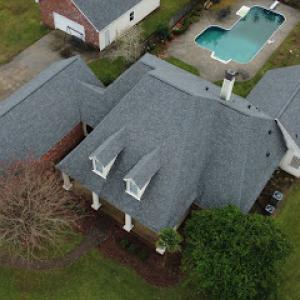
At CC Roofing, we are proud to be your premier roofing & remodeling experts, serving Baton Rouge & surrounding areas including Prairieville, Denham Springs, Zachary, Walker, Gonzales, & Central. We specialize in residential & commercial roof installation, repair, & replacement, including hurricane roof repair. Our services also encompass solutions for shingle, metal, & torch down roofs, as well as professional interior & exterior painting, pressure washing, & seamless handling of remodeling projects. With years of experience, rely on us for exceptional craftsmanship, customer satisfaction, & reliable, licensed, & insured services. We are your go-to partner for all roofing & remodeling needs. Call today for a FREE roof inspection!
Blanco's Roofing & Sheet Metal
(225) 262-1980 blancosroofing.com
Serving
4.4 from 39 reviews
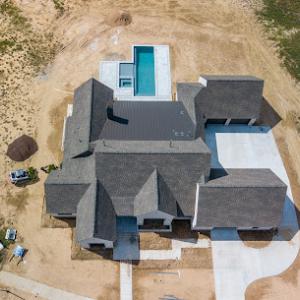
Blanco's Roofing & Sheet Metal offers roofing and sheet metal services in Baton Rouge, Louisiana. Their expertise covers various roofing materials, including metal, tile, asphalt shingle, and flat roofs.
Reliable Roofing & Construction
(225) 445-1220 www.reliableroofingbr.com
Serving
4.9 from 133 reviews
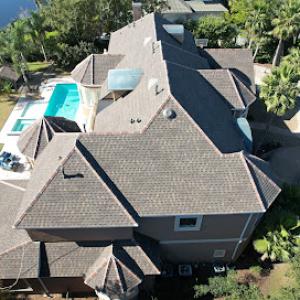
Reliable Roofing and Construction of Baton Rouge, LA is committed to doing the best job for Roofing customers. We have our 5-Year Labor Warranty Guarantee, to ensure that our customers receive the best treatment for their roof, period. With over 30 years of roofing and construction experience, we began with the premise that we could take care of our customers better than the competition. Contact us now and find out why we are the top-rated roof company in Baton Rouge.
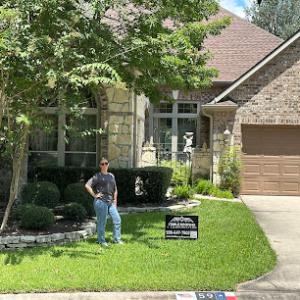
Stable Roofing & Construction
(936) 647-7502 stable-roofing.com
Serving
5.0 from 16 reviews
At our core, we believe a strong roof is more than just a covering – it’s the ultimate protector of your home and everything inside it. We are a dedicated roofing company committed to providing exceptional, craftsmanship, and unparalleled reliability.
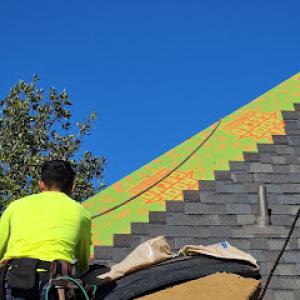
Roof Gecko
(225) 325-2063 callroofgecko.com
Serving
5.0 from 458 reviews
At Roof Gecko, we specialize in providing superior quality and convenient roofing solutions that stick! 🦎 Whether it’s storm damage repairs or a full roof replacement, our experienced team delivers top-notch service backed by certified crews and a commitment to excellence. Serving homeowners in the Baton Rouge area, we’re here to protect your home with care and precision. Reach out today to experience the Roof Gecko difference! 🏠✨

Elder Construction LLC | Roofing Company in Baton Rouge, LA- Roofing Services in Gonzales LA
(225) 300-5578 elderconstructionllc.com
Serving
4.7 from 49 reviews
Welcome to Elder Construction Based in Baton Rouge LA. Our Services Include: Roofing Company, Roof Repair, T.P.O Roofing, Torch Roofing, Asphalt Shingle, Metal Roofing, Home Remodeling, New Construction Building, Home Builders, Room Additions and Exterior Painting. Contact Elder Construction Today.
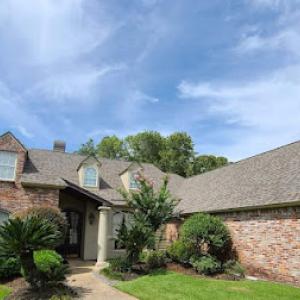
Sunrise Roofing & Construction
(225) 272-2181 sunriseroofingbr.com
Serving
4.5 from 60 reviews
Welcome to Sunrise Roofing & Construction! Sunrise Roofing & Construction was founded in 1991 in Baton Rouge, LA and has since risen to be at the forefront of local roofing companies in the area. Our roofing contractors specialize in both residential and commercial roofing installations and repairs for all types, including traditional shingle roofing, flat roofing, and metal roofing. We also offer light construction services, including siding installation and repair; patio, deck, and sunroom construction; and fencing installations made from wood, aluminum, PVC, or vinyl. Contact us today to get started!
Asphalt remains the most budget-accessible fit for Zachary, balancing cost with decent durability for our humid, wet climate. The typical range is roughly $350 to $700 per square, depending on underlayment, shingle quality, and installation nuances. In storm-driven cycles, you may see pricing tighten a bit due to labor demand, but asphalt still wins on immediate affordability and faster replacement timelines. When budgeting, pair a mid-range shingle with a good vapor barrier and venting plan to reduce cooling loads and moisture risks over time.
Metal often commands a premium because homeowners in this wind- and rain-exposed part of Louisiana value durability and longer service life. Expect roughly $700 to $1,200 per square. The added weight and installation precision pay off in hail resistance, wind pull-through, and a longer roof life, but structural checks may be needed if the home wasn't framed with metal in mind. In practice, metal shines after a major storm-quick recovery, less ongoing maintenance, and higher resale appeal-but the upfront cost is noticeably higher.
Clay tile brings classic look and strong longevity, yet the weight and installation complexity push costs higher. Typical pricing lands around $900 to $1,700 per square. Heavier systems demand structural considerations and more specialized labor, which can add to both material and labor time. In Louisiana's heat, clay also acts as a thermal barrier, but expect steeper invoices if the home's structure isn't already configured for tile's weight.
Concrete tile sits between clay and asphalt on the cost spectrum, roughly $800 to $1,500 per square. It delivers solid durability and a distinct aesthetic, yet still inherits some weight and installation challenges. Labor efficiency improves when crews are familiar with the system, but in wind-prone seasons, heavier tile can extend labor windows and production sequencing.
Wood options run about $600 to $1,100 per square. They offer natural beauty and good insulation, but moisture, rot risk, and maintenance needs are higher in Louisiana's humidity. Structural assessment becomes more relevant when considering long-term performance under heavy rains and hurricane season wind exposure.
Synthetic or composite shingles provide a modern balance of cost and performance, typically $450 to $800 per square. They can mimic higher-end looks with improved hail resistance and lighter weight than some heavies, which can ease installation stress on older framing. In storm cycles, availability and lead times for specialty products may influence final pricing, but the material often stabilizes costs compared with premium tiles.
In summary, asphalt remains your most economical path, while metal returns value through durability and longer life. Tile and heavier systems are feasible but require structural and labor readiness. Storm-driven demand in the Baton Rouge area can tighten labor supply and push lead times after major weather events, influencing final pricing across all materials.
In Zachary, the dominant residential choices are asphalt shingles and metal, with tile, wood, or synthetic products appearing mainly depending on home style and budget. Asphalt shingles are familiar for most ranches and raised bungalows, offering reliable performance with a straightforward repair path after heavy rains or a storm. Metal roofs stand out on newer homes or those with a more contemporary look, delivering excellent rain shedding and a longer service life if installed with proper ventilation and flashing. The choice between these two should consider attic space, existing decking, and the local climate's tendency toward high humidity and strong storm-driven winds.
South Louisiana humidity and frequent rainfall make underlayment quality a decisive factor. A high-grade, compatible underlayment paired with properly sealed seams helps prevent moisture intrusion during the long wet season. Ventilation also matters: a well-ventilated attic reduces heat buildup that can accelerate shingle aging or warp metal panels, especially on roof sections exposed to relentless afternoon sun. When evaluating roof types, ensure the system you pick has an underlayment that resists mold and existing moisture in the attic space, along with durable flashing around penetrations and chimneys.
Algae growth is a common concern in Zachary's humid climate. Algae-resistant asphalt shingles can delay discoloration and preserve curb appeal, while metal roofs with protective coatings resist staining and surface corrosion better in harsh rainfall cycles. Rapid temperature swings in shoulder seasons stress sealants and roof components; therefore, select shingles or panels with resilient sealants and color finishes that accommodate expansion and contraction. Synthetic options can offer lightweight performance and good color stability, but verify their UV resistance and warranty coverage for a climate with persistent humidity.
Your home's style often guides material choices: asphalt shingles pair well with traditional looks and cost efficiency, while metal suits contemporary lines and long-term durability. Tile and wood remain selective, valued for appearance but requiring careful installation to handle humidity-related expansion and drying cycles. The right combination of underlayment, ventilation, and algae resistance is the practical trio that helps any chosen roof type weather Zachary's storm season and frequent rainfall.
Explore specialists in steel, aluminum, and standing seam metal roofs built to last 50 years or more.
Flat and low-slope roofing is a meaningful local specialty in the Zachary market, reflecting demand on additions, porches, and some commercial properties. Even though the area is primarily residential, these roofs are common in attached structures and sunrooms, and they demand the same attention to drainage as the rest of the coastal inland South. The Baton Rouge region's frequent heavy rain makes proper slope, edge detailing, and flashing critical, especially on low-slope sections where standing water can persist after storms.
On low-slope surfaces, poor drainage quickly becomes the main failure driver. Check that the roof deck, drains, scuppers, and internal gutters are sized for heavy rain events common to this area. Ensure scuppers and downspouts terminate away from exterior walls to prevent backflow when rainfall is intense. Regularly inspect for clogged roof drains after major storms, and keep roof edges free of debris that could impede water flow. For additions or porches, confirm that the transition between a higher roof and the low-slope section is flashed with a continuous seal and a positive slope away from the interior. In Zachary's climate, a subtle but reliable fall across the surface helps avoid slow ponding and the subsequent risk of membrane damage.
Because storm response is a strong local contractor focus, temporary sealing and leak stabilization are especially relevant after severe weather. If a leak is detected in a low-slope area, act quickly to contain water and minimize interior damage while awaiting permanent repairs. Consider keeping spare flashing tape, sealant, and quick-setting bulk sealers on hand for interim fixes. When severe weather is forecast, prepare for potential rapid roof access by securing loose items and ensuring safe pathways for temporary tarping if necessary. After a storm, prioritize a professional assessment of low-slope sections to confirm membrane integrity, flashing performance, and drainage components before resuming normal use.
For low-slope installations, ensure a proven water-tight detailing plan that includes continuous edge sealing, seam protection, and appropriate membrane choice for the local moisture regime. Regular maintenance should focus on keeping surface debris-free, testing roof penetrations, and inspecting around vents, skylights, and any patches where additions meet the main roof. In this market, coordination with a contractor who understands storm response workflows helps limit interior disruption and speeds up the path from assessment to stabilization after a weather event.
Find specialists in TPO, EPDM, and built-up flat roofing systems for residential and commercial properties.
Big Easy Roofers - Baton Rouge Roofing & Siding Contractors
(225) 307-8280 www.bigeasyroofers.com
Serving
5.0 from 10 reviews
In the wake of storms, the local market moves fast, with a strong demand for re-roofing and quick response. A true full replacement is more than slapping on new shingles; it requires coordinated logistics, debris disposal, decking checks, and proper ventilation. Before hiring, verify the contractor can handle the full process and parish inspections rather than only emergency patch work. If a crew seems geared mainly toward temporary fixes, you risk hidden damage that surfaces after a season of heat and tropical downpours.
Cleanup is a repeated homeowner priority in the Zachary contractor market, and that matters on suburban lots where nails, shingle debris, and driveway protection are visible quality signals. Ask how cleanup will be executed: will technicians sweep and bag nails, protect landscaping, and cover the driveway with drop cloths or plywood to prevent tire tracks and tracked debris? A clear plan reduces the chance of nails becoming a long-term nuisance for family cars and kids.
Because affordability is a major local hiring factor, you should compare scope details carefully so lower bids are not omitting ventilation corrections, decking replacement allowances, or even the way debris hauling is priced. A bid that sounds cheap may hide the cost of trimming back ventilation options or skipping deck repair, which can lead to moisture problems later. Read every line, ask for a written scope, and confirm who handles disposal and final inspection readiness.
Hurricane season brings unique pressure to start or finish work quickly, but rushing can sacrifice quality. Plan with a window that allows safe completion before storms, and confirm that weather contingencies and staging space are part of the agreement. In Zachary, a thoughtful calendar reduces the risk of overnight delays, blown-off warranties, and the need for repeat repairs. Seek references who can verify cleanup, schedule reliability, and follow-through after work completes fully.