
Last updated: Apr 19, 2026
Ponchatoula sits in southeast Louisiana's hurricane-prone Northshore corridor, so roof decisions are heavily influenced by tropical weather threats rather than only normal aging. The clock starts ticking as early as late spring, when tropical disturbances begin to swirl and wind patterns shift. Every roof decision-from material choice to fastening strategy-needs to assume that a fast-moving system can slam the area with gusts that threaten edges, flashing, and underlayment. When a storm forecast tightens, wind-driven rain can arrive before the sunshine, chasing shingles and exposing vulnerable transitions around dormers, valleys, and chimneys. The smart homeowner treats weather alerts as a real-time instruction manual: prepare ahead, inspect diligently, and expect interruptions to the usual work flow as storms approach or pass through.
Summer thunderstorm activity and hurricane season create wind-driven rain exposure that can damage edges, flashing, and underlayment even when shingles are not fully blown off. In this environment, the roof's first line of resilience is a tight, well-sealed edge and dependable flashing around every penetration. A misstep on vent pipes, skylights, or rake and hip edges can become water pathways once moisture travels under vulnerable layers. After every heavy shower or gust event, pause to check for lifted tabs, granule loss, and any discoloration that signals moisture intrusion behind the shingles. Since wind can snap the weakest seals before a buyer appreciates the risk, don't assume you're safe after a quick inspection-torn underlayment and compromised flashing often hide beneath a layer of mulch or leaves. The goal is to keep wind-driven rain from finding a shortcut into the attic or ceiling through even small gaps.
Heavy spring rainfall in Tangipahoa Parish can delay tear-off schedules because saturated ground and muddy access conditions complicate dumpster placement and crew movement. When the yard stays soft, bulky debris and heavy equipment struggle to maneuver without creating ruts or damaging landscaping. In periods of persistent rain, even a sturdy crew will slow to avoid mud-swamped crawl spaces or slipping risks on slick roofs. Plan contingencies for weather windows: aim for dry stretches that allow a clean tear-off and secure removal of old roofing debris, but remain flexible enough to pause work if the ground is soggy or if a storm cell is rolling in. A delayed tear-off is not a failure of planning; it's a rational response to protect the property and the crew.
Start a storm-response habit: after any strong thunderstorm or tropical system passes, perform a focused roof check from ground level and, if safe, from a ladder with a spotter. Look for lifted shingle tabs, loose flashing, and any sudden staining on the ceiling or attic insulation that could indicate hidden leakage. Maintain clear sightlines to valleys and penetrations; debris buildup and moss can hide vulnerabilities that wind exploits later. If damage is found or suspected, document with photos and notes, and initiate a plan to address weak points before the next impulse of wind-driven rain arrives. When reports emerge of approaching storms, coordinate with a contractor who can mobilize quickly, assess the roof's condition, and prioritize edge protection and flashing repairs to minimize wind-driven moisture intrusion. The goal is a roof that holds up through the next round of storms, not one that begs for emergency attention after the fact.
After major Gulf storms, claim volume can slow adjuster response times across southeast Louisiana, which affects how quickly Ponchatoula owners can move from temporary dry-in to full replacement. The delay isn't a sign of neglect on the homeowner's part; it's a consequence of a stressed system where carriers are juggling many simultaneous wind-damage cases. In practical terms, that means you should plan for longer timelines and keep your expectations aligned with the reality of the insurance workflow. Stay organized: gather and store key documents as soon as you can, so you're not scrambling when the adjuster finally arrives.
Ponchatoula homeowners are dealing with Louisiana's strained roof insurance market, where hurricane exposure has led some carriers to tighten underwriting and require stronger roof documentation. Carriers are looking for durable, repair-ready evidence that a roof can withstand seasonal wind loads, not just a quick fix after a single event. The result is a higher emphasis on condition details, previous repairs, and the overall consistency of your roof system with your current climate risks. If your roof has wind-resistant features or recent upgrades, be prepared to show what was done and when, since this can affect both claim eligibility and settlement angles.
Expect requests for prior-damage photos, maintenance records, and clear storm-date documentation because repeated wind events in the region make causation disputes more common. Your file should include dated photos from before and after prior storms, records of routine maintenance (like shingle replacements, sealant checks, fascia and gutter care), and any contractors' notes that confirm the roof's age and performance. Storm-date documentation matters too: collectors want to know exactly when the damage happened relative to the storm timeline, which helps separate pre-existing issues from storm-induced failures. If you've kept a home maintenance log, now is the time to dust it off and reference it in your claim narrative.
In this climate, where moisture intrusion can follow wind damage, the adjuster will scrutinize both the roof's surface and the underlying deck, flashing, and underlayment. A thorough, proactive approach reduces back-and-forth: photograph attic conditions if accessible, note any signs of water intrusion, and document ventilation improvements or moisture-control measures you've implemented since the last major storm. Clear, organized documentation lowers the emotional burden of the process and increases the chance that negotiations stay focused on the actual condition of the roof rather than on conjecture. While the process can feel slow, timely, precise records empower you to defend your roof's integrity and its resilience against the next wave of Gulf winds.
Absolute Roofing & Exteriors Of Louisiana
(985) 341-7663 absoluteroofsla.com
Ponchatoula, LA
5.0 from 24 reviews
Absolute Roofing and Exteriors of Louisiana is your trusted partner for roofing solutions. Specializing in roof leak repair, emergency services, and roof repairs, we deliver prompt and reliable expertise. Our skilled team addresses leaks swiftly, ensuring your property is protected. With 24/7 emergency services, we handle unexpected issues promptly. From general wear to storm damage, our comprehensive roof repairs restore functionality. Count on us for quality materials, transparent communication, and efficient service. Choose Absolute Roofing and Exteriors for lasting solutions in Louisiana's diverse weather conditions.
Allied Xteriors
(985) 255-4339 alliedxteriors.net
21523 S I - 12 Service Rd, Ponchatoula, Louisiana
5.0 from 8 reviews
Need a Roofing contractor you can count on? Backed by 36+ years of experience, Allied Xteriors is a veteran-owned leader in roofing, waterproofing, and metal building solutions across Louisiana, Mississippi, Alabama, Florida, and Arkansas. We specialize in roof replacements, restoration solutions, and new construction offering a variety of storm-resistant and energy-efficient roofing systems that effectively protect and/or restore residential and commercial roofs and substrates. As a certified contractor in the Louisiana Fortify Homes Program (LFHP), we not only offer flexible financing options but also help our clients access available grant opportunities to ensure your property receives the protection and improvements it deserves.
Hester Roofing
Serving
4.8 from 110 reviews
At Hester Roofing, we have professionals with over 15 years of experience in the business specializing in commercial and residential roofing services.
Louisiana Roof Crafters
(225) 327-6124 theroofcrafters.com
Serving
4.9 from 423 reviews
Louisiana Roof Crafters is a full-service roofing company performing roof repair & new roof installation in Hammond, Mandeville, Covington & North Shore areas of Louisiana. Roof Crafters is a Select Shingle Master certified roofer with the CertainTeed Corporation allowing unmatched roofing warranties to homeowners. LA Roof Crafters offers free roof inspections & free roofing estimates. Louisiana Roof Crafters has served Hammond and North Shore areas of Louisiana for many years and is fully insured with workers comp and general liability insurance. LA Roof Crafters specializes in roof repair, new roofs, skylight repair & metal roofs. LA Roof Crafters offers Louisiana’s longest roof warranties providing a five & ten-year workmanship warranty.
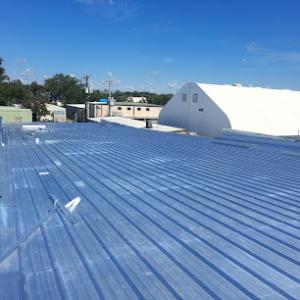
Pride Roofing
(855) 774-3316 prideroofingllc.net
Serving
4.3 from 60 reviews
Pride Roofing, a local roofing contractor in Hammond LA, serves Louisiana and Mississippi, including Albany, LA; Hammond, LA; Covington, LA; Lake Charles, LA; New Orleans, LA; Laurel, MS; and Gulfport, MS. When you need a licensed, bonded and insured expert roofer who is committed to customer satisfaction, contact Pride Roofing We can re-roof your home, put a roof on new construction, and repair damaged roofs for residential roofing and commercial roofing needs. We use only the best quality materials for roof repair and new roof installation to ensure you are happy with your new or repaired roof. And we are always on time and professional! A job well done is a job done with Pride!
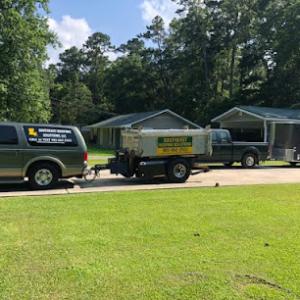
Southeast Roofing Solutions
Serving
5.0 from 11 reviews
Roofing company located in Springfield, Louisiana with over 20 years experience in the roofing industry. Southeast Roofing Solutions is your local wind and hail damage specialist. You can always count on us for excellence in service.
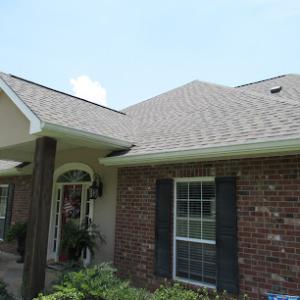
Roof Guardian
(985) 807-7663 roof-guardianllc.com
Serving
5.0 from 23 reviews
We specialize in Insurance Claim repair work. We help you fight the fight when battling your insurance carrier. Roof Repair or Replacement , Interior Damage , Gutter replacement, Siding repair or replacement and More. Roof Guardian, LLC can help you file your claim, work with your carrier to ensure the scope i Work is properly documented in order to bring your property back to pre-loss state. We will help you from start to finish because we understand your home is your most valued asset. Locally Owned and Operated. Roofing, Siding, Gutter & More.
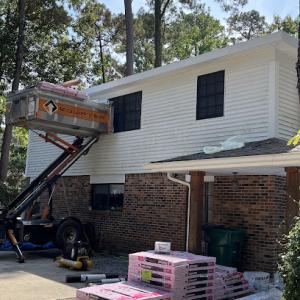
Brignac Roofing
(504) 717-5797 www.brignacroofing.com
Serving
5.0 from 51 reviews
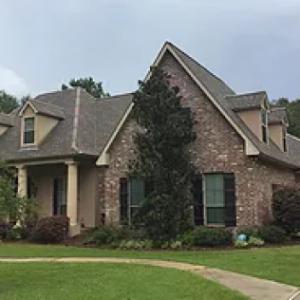
Welcome to Brignac Roofing, your premier Louisiana-based roofing contractor! With state licensing and comprehensive general liability and workers' compensation insurance, we ensure your project is in safe and reliable hands. Whether you’re a homeowner or a business owner, we specialize in both residential and commercial re-roofs and repair work. Our expert team understands the unique roofing challenges in Louisiana, and we proudly collaborate with the Louisiana Fortify Homes Program to enhance the strength and durability of your property. Why choose us? 🔹 **Expert Craftsmanship:** Our team is dedicated to quality, ensuring your roof is not just functional, but a beautiful part of
RBJ Roofing
(985) 273-8516 www.rbjroofing.com
Serving
4.8 from 223 reviews
RBJ Roofing is a licensed and insured Covington-based roofing contractor with over 15 years of experience. We specialize in repairs and replacements, prioritizing meticulous attention to detail for a long-lasting, sturdy roof.
Preaux Geaux Roofing & Construction
Serving
5.0 from 28 reviews
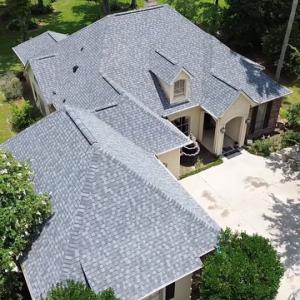
Preaux Geaux Roofing & Construction is a BBB Accredited Business, serving as a licensed and insured local roofing contractor for Louisiana and the Gulf Coast. We offer expert roof repair, replacement, installation, and gutter cleaning and replacement. Our skilled team also provides interior and exterior construction services, including framing, drywall, flooring, and painting. Committed to quality workmanship and exceptional customer service, we guide you through the process. Understanding local challenges Louisiana homeowners face, we offer flexible financing through Wisetack. Contact us for a free roof inspection and experience working with a reliable local contractor.
Leo Construction & Multiservice
(225) 828-8337 www.leoconstructionservicellc.com
Serving
5.0 from 11 reviews
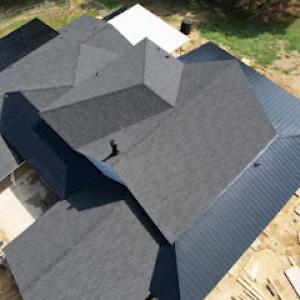
Leo Constructions & Multiservices: Your Trusted Roofing and More Leo Constructions & Multiservices is your go-to company for top-quality roofing solutions and a wide range of services. We offer a comprehensive list of services, including: - Roof Installations - Roof Repairs - Roof Replacements - Roof Maintenance - Roof Insulation - Emergency Roofing - Gutters and Downspouts With our skilled team and commitment to excellence, we deliver exceptional craftsmanship and customer satisfaction. Contact us today for all your roofing and other service needs.

Storm Guard Roofing & Construction
(985) 589-5855 www.stormguardrc.com
Serving
5.0 from 72 reviews
Storm Guard Roofing and Construction is here 24 hours a day for top-quality roofing in Mandeville and the surrounding communities. We listen to what you need, determine the best options, and even provide all documentation for your insurance claim for you. You will have the mobile phone of a dedicated supervisor who will deliver multiple progress reports including photos. We provide high-quality weather-ready solutions, ensuring your home stays strong through storms. Whether it's roof repair or installing a new roof, we're dedicated to quality and satisfaction to keep your home safe. Find peace of mind with Storm Guard—let's fortify your home together against the elements! Get in touch today!
Asphalt shingles remain common because they fit local budgets, but heat, humidity, and rapid temperature swings accelerate granule loss, seal-strip fatigue, and thermal movement. In Ponchatoula, roofs endure frequent afternoon heat rebounds and heavy summer rain, so you want a shingle with good surface granule adhesion and a stout sealant. Look for fiberglass-based core shingles with a thick enough mat and a high wind-resistance rating for safety during sudden tropical downpours. When choosing, consider darker colors carefully: they absorb more heat, which can speed up wear at the edges and around flashings.
Metal roofing is especially relevant in this part of Louisiana because homeowners often prioritize wind performance and faster rain shedding during tropical downpours. A standing-seam system or ribbed metal panel with correct underlayment handles gusty changes and helps water drain quickly from slopes that heat up and contract. In Ponchatoula's humidity, metal benefits from a robust sealant and proper backing to resist corrosion and to reduce condensation under the panels. Pay attention to flashing transitions around chimneys, vents, and skylights, where moisture intrusion can begin if fasteners aren't precisely installed or maintained.
Tile and heavier specialty roofs require attention to structure, fastening, and underlayment because prolonged moisture exposure in the region can turn small installation errors into concealed deck or flashing problems. Concrete and clay tiles offer impact resistance and long life, but they add weight and demand a reinforced deck. The underlayment matters more here: a fully waterproof, breathable layer that can tolerate humidity without trapping moisture against the deck. If existing rafters feel undersized or the attic breathes poorly, consult a local roofer about evaluating load capacity and ventilation before proceeding.
Synthetic and composite shingles can offer improved resistance to heat and humidity compared with traditional asphalt, while maintaining flexibility in temperature swings. In Ponchatoula, selecting a product with good dimensional stability helps reduce edge curl and uplift under windy storms. When installed, ensure proper attic venting to minimize heat buildup under any new roof, since moisture and heat will find paths through the attic if ventilation is inadequate.
Regardless of the system, regular inspections after hurricane season and during the humid months help catch early signs of moisture intrusion. Look for loose or missing fasteners, lifted edges, and signs of sealant fatigue around penetrations. In all material choices, ensure the roof's edge and eave details shed water promptly and that flashings are continuous and corrosion-resistant. A well-ventilated attic and clean, unobstructed gutters reduce the moisture load that can compromise any roof in this climate.
When you're budgeting a roof here, start with the local ranges. Asphalt shingles in this area typically run about $350 to $700 per square. Metal roofing spans roughly $700 to $1400 per square, depending on profile and fastener systems. If clay tile is on the table, you're looking at $1000 to $2600 per square, while concrete tile sits around $900 to $1800 per square. For wood shingles or shakes, plan on $550 to $1000 per square, and synthetic or composite shingles fall in the $450 to $900 per square band. These ranges reflect how Ponchatoula's humid climate and the typical home stock influence material choices and labor needs.
Storm season can dramatically shift what you pay and how quickly a crew can start. Southeast Louisiana often sees demand spikes after hurricanes or widespread wind events, especially when many homes need tarping and emergency dry-in at once. In Ponchatoula, you may notice crews juggling multiple urgent repairs, which can push labor pricing upward and extend scheduling windows by days or weeks after a major event. If a storm has just passed, expect longer lead times for materials and a tighter window to secure a crew that can handle wind-resistant detailing and deck inspection in a hurry.
Moisture-damaged decking changes the math here. If the plywood or osb beneath the roof has absorbed rain or ground moisture, you'll likely need more material for a proper dry-in and a stronger fastening system to withstand exposure to wind. In Ponchatoula's clay-heavy soils and frequent downpours, you'll also want to plan for potential ground-softening during late-year work, which can slow access and require temporary staging. Upgraded fastening patterns for wind exposure aren't just about higher wind ratings; they can meaningfully affect installation time and overall project cost when crews need to adapt to wet decking and variable schedules.
With these local dynamics in mind, your material decision should balance cost, wind resilience, and moisture management. Asphalt remains the most economical entry point, but if you're near exposed ridges or have larger overhangs that catch the Gulf wind gusts, metal can offer longevity with quicker dry-in once the roof is set. Tile options, while premium, can defer maintenance but demand careful deck preparation and drainage considerations in this climate. Wood shakes provide a distinct look but require diligent moisture control, while synthetic shingles offer a middle ground for aesthetics and performance. In every case, anticipate storm-driven scheduling and potential decking replacements as part of the overall project plan.
A full roof replacement in this area is typically handled through the city or Tangipahoa Parish building department framework rather than being treated as minor maintenance. The process is designed to ensure that the new roof complies with local wind-resistance standards and moisture-control requirements that are particularly crucial during hurricane season. Before starting, verify whether the project will require a full permit approval, and confirm which agency will issue it. In many neighborhoods, the permit package will include drawings or notes on the roof's slope, venting, and flashing details, with enforcement focused on durable attachments and proper drainage to minimize wind uplift and water entry. Delays or rework can occur if the plan submittal lacks key details or if the schedule coincides with parish review cycles.
Plan review may be required when the roof design is non-standard or when material changes depart from the typical straight-forward reroofing. This matters most for unusual assemblies, such as complex eave lines, unique valley configurations, or higher-risk underlayment systems. If a project calls for a change in material type-say from asphalt shingles to metal, or the introduction of clay or concrete tiles-the plan review can become more involved. In these cases, anticipate extra scrutiny on fastener schedules, attachment methods, and how the chosen system will perform under local wind pressures. Having a licensed contractor who can provide clearly drawn details and manufacturer installation instructions helps keep the review process moving smoothly.
Inspection focus commonly includes flashing, underlayment, and fastening patterns after completion, reflecting the area's concern with wind resistance and water entry. Expect inspectors to verify that flashing around penetrations, chimneys, and roof-to-wall transitions is continuous and properly sealed, that underlayment is installed without gaps or tears, and that fasteners meet the required pattern and depth for the roof type. In Ponchatoula, the final inspection will often emphasize how well the roof integrates with soffits and vents to ensure adequate attic ventilation and moisture control. If an issue is identified during inspection, be prepared for corrective work on flashing laps, sealant continuity, or re-securing fasteners in areas subject to higher wind loads. Collaboration with a qualified installer who follows manufacturer guidelines and local code requirements reduces the risk of re-inspection delays and helps ensure a durable, weather-ready roof.
In this area, repeated wetting and high humidity make flashing defects and underlayment failures especially costly because leaks may spread before interior staining becomes obvious. A small seep around vent pipes or along a chimney can soak decking from the attic outward, sneaking through to ceilings long before you see a brown spot on drywall. When the underlayment is compromised, attic temperatures rise and mold-friendly conditions can take hold without obvious warning. The takeaway is simple: if you notice any dampness around roof penetrations after a rain, don't wait for a stain to appear. Have flashing and underlayment inspected by a qualified contractor who can test for moisture behind the walls and confirm a proper seal around every vent, step flashing, and corner.
Wind-driven rain during tropical systems can exploit ridge, valley, and edge details that might appear serviceable during ordinary showers. Exposed fasteners, poorly sealed valley intersections, or damaged edge metal can become primary conduits for water intrusion when tropical winds push rain under the roofing envelope. In Ponchatoula's coastal influence, storms intensify these weak points, and a seemingly minor ridge cap uplift or loose shingle edge can translate into rapid interior moisture problems after a storm. Regular reviews of ridge lines and flashing during dry spells, plus timely resealing and secure fastener replacement, help avert sudden failures when tropical systems strike.
Rapid expansion and contraction in asphalt roofing during local temperature swings can contribute to cracking, loosening, and shortened service life compared with milder climates. Heat in summer and cool nights create stress cycles that stress sealant beads and shingle tabs, especially on older installations or roofs with marginal ventilation. Cracks along tabs or at the sides of shingles can channel water inward at a pace that outdries interior reveals. Anticipate more frequent inspections after sudden temperature shifts and after heavy rains, and prioritize replacements or reinforcements at known stress points to preserve a weather-tight roof longer.
In this area, many roof replacements are planned for drier, lower-risk periods to minimize moisture intrusion and wind exposure during work. The practical approach is to target windows when the Gulf storm season is winding down but before the peak heat and humidity set in. Scheduling in a calmer stretch reduces the chance of weather-driven delays and helps crews complete tear-off and installation without scrambling to protect a vulnerable attic or interior.
Spring may look ideal on paper, but heavy Louisiana rainfall can disrupt tear-off timing and site access. If a contractor tries to stage work during a wet April or May, you can expect more days lost to rain, muddy access, and equipment getting stuck. Plan for a window with predictable weather patterns, and be prepared for adjustments if an unusually wet spell arrives. The goal is to avoid compressing the schedule into a brief, rainy stretch that drags out the project.
Waiting until after a major regional storm can mean longer lead times because demand on the Northshore and throughout southeast Louisiana surges after a hit. Crews, materials, and inspection schedules tend to back up as insurers, contractors, and suppliers rebalance. If a storm has recently impacted nearby neighborhoods, push the timing to a safer, calmer period rather than risking a rushed, compromised installation. Having a plan that anticipates typical post-storm bottlenecks can help you secure a reliable crew and steady progress.
Coordinate with a contractor to pick a target start date that avoids early hurricane-season chatter and late-fall scrambles. Build in a small weather contingency and confirm that roofing teams can bring in necessary materials without competing with high-demand periods. Communicate your attic ventilation and moisture-control plan upfront to minimize surprises if rain resumes mid-project, and align expectations for yard staging and debris removal during delicate spring and summer showers.