
Last updated: Apr 19, 2026
In this area, Lexington Park sits in St. Mary's County near the Patuxent River and the Chesapeake Bay, exposing roofs to humid marine air and wind-driven rain. That combination wears out flashing, fasteners, and edge details faster than inland Maryland homes. The salt and salty mist creep into crevices, accelerating corrosion and rot, and the bay-driven humidity can keep roofs damp well into the shoulder seasons. This is not a "one-off" problem-every storm season compounds wear, and a small leak today can become a big problem tomorrow if left unchecked.
Late-summer to fall tropical systems are a practical roofing concern here because coastal storm tracks can disrupt scheduling and increase wind damage risk. When a storm eye threatens, roofs endure gusts that lift shingles, loosen flashing, and drive rain into vulnerable seams. The takeaway is simple: be proactive, not reactive. Before tropical season ramps up, complete a thorough inspection of edges, terminations, and penetrations. After a big storm, inspect within 48 hours for lifted tabs, displaced shingles, or exposed fasteners, even if the surface looks fine from the ground.
Homes closer to open water, tidal creeks, and exposed corridors around the Lexington Park area face faster weathering of metal components, flashings, and fasteners than more inland Maryland locations. Look for corroded or stained metal vent collars, rusted flashing around chimneys, and fasteners that are loose, missing caps, or show signs of rust. Pay particular attention to roof valleys, step flashing where the roof meets siding, and around penetrations like plumbing vents-these are the first places wind-driven rain finds its way in. If you see black staining or white efflorescence on masonry-backed flashings, treat it as a red flag for moisture intrusion.
Prioritize reinforcing and resealing exposed flashing and edge metal, especially on roofs with long open exposures or metal elements. Choose fasteners and edges with coatings designed for salt-spray environments, and ensure drip edges are correctly installed to direct water away from fascia. Create a simple seasonal rhythm: perform a quick visual scan after each major storm, and schedule a professional inspection every 6 to 12 months in the main storm window. If any roof area feels soft to the touch or shows curling, blistering, or persistent staining on interior ceilings, address it immediately rather than waiting for a full reroof.
Given the exposure, material life can be shortened by salt air and frequent humidity swings. When choosing a replacement, consider products with enhanced corrosion resistance and robust flashing details designed to shed salt-laden moisture. If a roof already shows aging metal components, plan for targeted upgrades to drip edges, valley protection, and vent flashings to reduce ongoing moisture ingress. The goal is to harden vulnerable seams and edges against the next season's winds and the next round of humidity-driven wear.
In this coastal Maryland pocket, housing stock leans toward practical occupancy-older subdivisions mixed with rental-heavy properties and turnover-driven maintenance decisions. That mix shapes roofing choices: durable, insurable systems with predictable replacement timelines are favored, especially for investor-owned or military-adjacent homes. Asphalt shingles remain a cornerstone, balancing approachable cost with solid wind resistance and easy maintenance, which matters when a home sits near the Patuxent River and Chesapeake Bay. This area's salt-laden air and seasonal storms mean the material choice needs to stand up to humidity, briny exposure, and the occasional hurricane-season gusts without requiring frequent, costly upgrades.
When you evaluate roofs, prioritize systems that tolerate salt air and high winds. Asphalt shingles with a stout nailing pattern and a proven wind rating perform reliably here, especially if the underlayment and ridge venting are done with attention to detail. If a higher-end look is desired, synthetic or composite shingles can deliver durability with easier maintenance in this environment, but the practical choice remains a well-installed asphalt system for many homes tied to rental turnover or investor timelines. For homes that benefit from even longer service life and enhanced resistance to wind-driven debris, metal roofing can be a smart option where the structure is already built or upgraded to handle a heavier, rigid panel system.
Coastal exposure elevates the importance of attic ventilation and moisture management. A balanced approach-adequate soffit intake paired with ridge or powered vents-helps minimize condensation that can creep into sheathing and rafters during humid summers. Ensure soffits are sealed against moisture intrusion and that roof decking is sealed against leaks from wind-driven rain. In Lexington Park, where humidity climbs quickly and the air carries salt, a robust vapor barrier beneath the roofing deck pays dividends over time by reducing the risk of warping or mold growth in enclosed spaces.
Wind resistance is not just about the shingles themselves; the full assembly matters. Use a high-quality underlayment rated for wind-driven rain and ensure fasteners penetrate sufficient framing without overdriving. In areas with salt-laden air, corrosion-resistant fasteners and metal components should be selected to resist rust. Roof-to-wall detailing is critical to prevent leaks where wind can pry edges loose. Pay special attention to flashing around chimneys, vents, and dormers-these joints are common failure points in this climate.
Drainage must handle frequent heavy rain while keeping water away from siding and foundations. A reinforced gutter system with sturdy hangers helps prevent sagging in storms, and downspouts should route water at least several feet away from the foundation. Debris screening keeps leaf buildup from blocking flow, which can aggravate moisture problems during wet seasons.
Schedule semiannual inspections-one after winter and one after the peak of hurricane season. Look for lifted shingles, loose or corroded fasteners, damaged flashing, and signs of salt buildup on metal components. Address any observed issues promptly, since delay can convert a manageable repair into a larger, more expensive project as salt air corrodes attachments and allows moisture ingress. For rental-focused properties, establish a predictable maintenance cadence that aligns with turnover cycles to minimize unexpected downtime and cost spikes.
In Lexington Park, asphalt shingles are a practical foundation for most homes because they fit the mainstream housing stock and align with local expectations while still offering broad product availability in Southern Maryland. This material handles the coastal humidity and salty air without requiring extraordinary structural changes, and it provides a straightforward replacement path when storms push through and shingles start to wear. When you plan a roof project, consider asphalt options with a good granule density and wind-rated shingles to help resist wind-driven lift during hurricane season.
Metal roofing is locally relevant because coastal humidity and storm exposure make wind performance and long service life attractive, but exposed fasteners and trim details need close attention near salt air. If you lean toward metal, choose panels with corrosion-resistant coatings and check the fastener type and underlayment compatibility. Look for a design that minimizes exposed seams in the prevailing wind directions around the Patuxent River area, and discuss panel profiles that reduce ice dam risk in winter while maintaining a sleek, low-maintenance look. A careful installer will address edge details, flashing at chimneys and vents, and proper sealants to withstand the bay's salt spray.
Clay and concrete tile are available but are less typical for Lexington Park's prevailing home styles, so homeowners should weigh structural load, installer availability, and repair matching more carefully than in markets where tile is common. Tile adds weight and may require a structural assessment to ensure the deck and rafters can carry the load, especially on older houses. Availability of local crews who can handle tile installation and repairs near the coastline can also influence scheduling and long-term maintenance. If you pursue tile, select lighter concrete or engineered clay options and request a detailed plan for fastener pattern, underlayment choice, and future repair access.
Synthetic and composite shingles offer a middle ground for moisture resistance and maintenance, with the benefit of fewer color fade concerns and potential for higher wind tolerance when installed with proper clips and sealing. In this market, a long-term, shade-tolerant option can help manage heat buildup and reduce expansion stress on the roofing system after storms. When evaluating synthetic options, verify compatibility with existing deck and fascia materials to avoid mismatches that could create moisture traps or water intrusion at transitions.
Finally, alignment with the house profile matters. Low-slope sections, attic ventilation, and overhangs affect material performance in this setting. The best choice helps balance local wind exposure, moisture contact, and the ability to source reliable repairs quickly from nearby crews who understand the bay's unique climate challenges.
Golden Eagle Roofing
(240) 435-6906 www.goldeneagleroofing-md.com
Serving
5.0 from 48 reviews
Golden Eagle Roofing is a local, family-owned Maryland roofing contractor. We are HAAG Master Level Certified with over 20 years of roofing and insurance claims experience, we provide residential, commercial, industrial, and multi-family roofing services. We specialize in roof repair, roof replacement, storm damage restoration, certified inspections, and insurance claims assistance. Additional services include gutters, siding, exteriors, and interior restoration. As an Atlas Pro+ Certified contractor, we install premium products with lifetime transferrable warranties built to outlast all weather conditions. Serving St. Mary's, Calvert, Charles, Anne Arundel, Prince George's, Montgomery, Howard, and Frederick Counties. License: MHIC#164812
Southern Maryland Roofing
(443) 788-4506 somdroofing.com
Serving
5.0 from 36 reviews
Southern Maryland Roofing is an experienced roofing company in Southern Maryland, providing installation, repair, and maintenance services for residential and commercial roofs, including standing seam metal roofing. Our focus on top-quality materials and customer satisfaction has earned us a reputation as the premier roofing company in the area. We offer free estimates and serve all counties in Maryland, including Calvert, Charles, St. Mary's, Prince George's, and Anne Arundel. Contact us today to schedule a consultation!
St. Mary's Roofing & Home Improvement
(240) 538-2207 stmarysroofing.com
Serving
4.8 from 102 reviews
We are a licensed, bonded, and insured complete roofing contactor. We are also a full-service insurance restoration contractor, providing services such as; framing, drywall, painting, and flooring.
Jerry Lewis Roofing
(301) 472-4100 www.jerrylewisroofing.com
Serving
4.9 from 77 reviews
Jerry Lewis Roofing, Inc. delivers top-notch roofing solutions with a focus on quality, durability, and customer satisfaction. From repairs to full roof replacements, our experienced team ensures your home or business is protected for years to come.
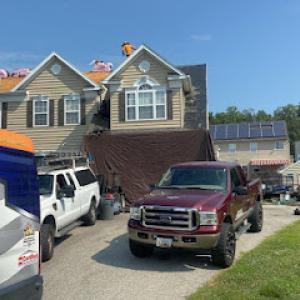
TruHome Exteriors
(301) 373-8111 truhome-exteriors.com
Serving
4.8 from 44 reviews
Started from the ground up in St. Mary's County, TruHome Exteriors has been and always will be a local solution for a full range of roofing, siding, and gutter services. Our business is built on neighborly trust, quality work, and affordable prices.
Sharp's Contracting
(301) 861-0664 sharpsroofingandsiding.com
Serving
4.9 from 141 reviews
Sharp's Contracting, LLC provides residential and commercial roofing, siding, storm damage inspection and repair, gutters, and general home improvement services in Southern Maryland Counties including St. Mary's County, Calvert County and Charles County.
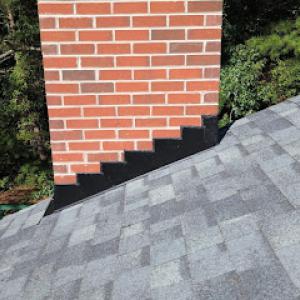
One Vision Roofing
(301) 909-3383 onevisionroofing.com
Serving
5.0 from 153 reviews
One Vision Roofing is a family-owned, licensed and insured roofing and exterior contractor based in Mechanicsville, Maryland, serving Southern Maryland and surrounding areas. The company specializes in roof installation, roof replacement, roof repairs, flat roofing, and commercial roofing solutions designed to protect homes and businesses from demanding weather conditions. In addition to roofing, One Vision Roofing provides siding installation and repair, gutters and downspouts, soffits & fascia, roof storm damage restoration, and preventative maintenance services. Known for quality craftsmanship, clear communication and reliable service, the team delivers durable exterior solutions with a customer-first approach on every project.

Simple Solutions Contracting
(443) 968-8689 www.wefindsimplesolutions.com
Serving
4.9 from 238 reviews
Simple Solutions Contracting, dba, The Roof Experts, has been providing superior roofing, siding, and window installation services to commercial and residential clients in Southern Maryland since 2016. Their dedicated professionals are certified installers of Owens Corning, GAF, IKO, Mule Hide Coatings, ensuring the highest quality materials and craftsmanship. With a commitment to finding simple solutions to complex problems, they guarantee customer satisfaction and long-lasting results for any roofing, siding, gutter, or window project.
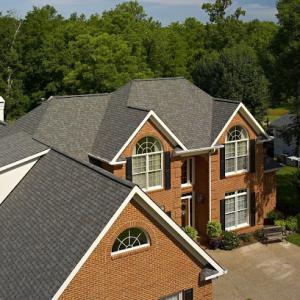
Battle Creek Home Exteriors
(443) 295-8107 www.battlecreekhomeexteriors.com
Serving
5.0 from 38 reviews
We are Southern Maryland's most trusted home exterior company and we don't rest until the project is complete and our customer's goals are achieved.
Roof Pro & Home Improvement
Serving
4.9 from 109 reviews
Roof Pro and Home Improvement provides residential and commercial roof, gutter, and siding services to Mechanicsville, MD, and surrounding areas.
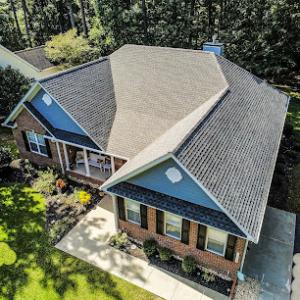
Summit Exteriors
(301) 349-3571 summitexteriors301.com
Serving
5.0 from 103 reviews
Summit Exteriors, LLC is a trusted roofing contractor serving Mechanicsville, MD, and the Southern Maryland region. We provide reliable roofing services, including roof replacement Mechanicsville homeowners can count on for long-lasting protection. Whether you need a new roof installation or repairs, our team ensures each project is completed with high-quality materials and attention to detail. We take pride in keeping your property safe and secure from harsh weather conditions. Customer satisfaction is our priority, and we’re committed to delivering roofing solutions that add value and peace of mind. Contact us today to discuss your roofing needs!
Hmc
Serving
4.9 from 40 reviews
The Handyman Construction (HMC) is a trusted and reputable roofing, siding, and gutter services provider established in 2015. We service commercial and residential properties. We take pride in delivering top-notch craftsmanship and exceptional customer service to our clients throughout Maryland. We understand the importance of a reliable and durable exterior for your home or business. Our skilled experts use the latest industry techniques and premium materials.
In this area, roof work is overseen at the county level, so Lexington Park homeowners operate under St. Mary's County Building Department rules rather than a separate city office. A full roof replacement typically requires a building permit through the county, and the process is built around ensuring the work will withstand the coastal wind and moisture exposure common to the Patuxent River and Chesapeake Bay environment. Plan for a sequence that starts with the permit application, possibly a plan review, then a series of inspections during and after the replacement, followed by final approval before the project is considered complete. The local flow emphasizes recording approvals, confirming material compatibility with the salt-laden air, and verifying proper drainage details to avoid moisture intrusion.
Begin by gathering the essentials: a clear scope of work, manufacturer roof specifications, and a site plan showing eave lines, vent locations, and any penetrations that might be affected by the new installation. The county may require a schematic of attic ventilation and attic bypass details to ensure adequate moisture management, given the humid climate. If plan review is required, it typically focuses on structural compatibility, correct underlayment, and the chosen material's performance under coastal winds. Your contractor can coordinate the submission, but you will want to verify that the plan aligns with local wind load calculations and hail considerations common to this region. Expect feedback that may ask for clarifications or minor amendments before issuance of the permit.
Inspection timing follows a logical sequence: before any shingle stripping, during critical stages such as underlayment and flashings, and after the final installation. In practice, you should anticipate multiple inspections spaced through the project-each inspection confirms adherence to code requirements and to county-specific standards for coastal exposure. Because closeout hinges on receipt of final approvals, plan for a window that allows the inspector to verify attic insulation, venting, and attic/roof penetrations are correctly sealed against moisture. It's common for inspectors to check that roof-to-wall transitions, drip edges, and flashing around chimneys and skylights meet county expectations, given the windy, saline environment. Keeping an organized set of permit documents and noting the inspector's requested actions helps prevent delays. Coordination with the licensed contractor is essential, since their adherence to county processes will drive on-time approvals and a smooth closeout.
Spring and fall are the best replacement windows in this area because Southern Maryland summers are hot and humid and winters bring freeze-thaw complications. Scheduling during these shoulder seasons helps new underlayment and flashing cure properly before the next round of humidity and heat. If you can align a tear-off with dry, mild weather, you reduce the risk of shingles slipping or adhesive setbacks once humidity spikes. When you plan, choose a window that avoids the peak of the worst heat-mid-May to early June or late September to early November often works best.
Spring storms and heavy rainfall can interrupt tear-offs and increase leak exposure if projects are not tightly sequenced. A practical approach is to stage the work: remove and replace sections in blocks, seaming the roof down to minimize exposed decking. Have tarps and temporary waterproof barriers ready for sudden showers, and coordinate with the crew to pause work if wind gusts threaten loose materials. If your roofing crew promises a precise rain plan, you'll limit the time your home sits exposed between removal and replacement stages.
Hurricane season in late summer and fall can create sudden demand spikes for roofers across coastal Maryland, affecting lead times in Lexington Park. If a hurricane watch is issued, expect prioritization for urgent repairs on homes with damaged or missing shingles, and be prepared for longer wait times if you're planning a full roof replacement. Preseason planning helps: confirm material availability, secure a start date before peak season, and have a contingency window in mind for scheduling shifts in crew availability. Communicate clearly with the contractor about preferred sequencing, especially if you're managing other renovations that could complicate access or staging.
Coordinate a tear-off and installation sequence that minimizes time the roof is open to the elements. Start with a thorough inspection of decking and underlayment, then replace damaged sections before laying new shingles to avoid retrofits. Ensure flashing around chimneys, vents, and skylights is updated in a single coordinated pass to prevent patchwork leaks. Given coastal exposure, insist on a roof system designed to resist salt-laden air and wind-driven rain, and confirm that ventilation considerations factor into the final layout to maintain performance through humid summers.
When planning a replacement, use these local planning ranges per square: Asphalt Shingles 350 to 650, Metal Roofing 700 to 1200, Clay Tile 900 to 1800, Concrete Tile 800 to 1400, Wood Shingles/Shakes 650 to 1100, Synthetic/Composite Shingles 550 to 900. These figures reflect typical Lexington Park projects and help you anchor bids against what common homes in the area actually require. Keep in mind that a full-coverage roof with underlayment, flashing, and trim will push these numbers higher than the material cost alone.
Costs in Lexington Park can rise after coastal storm events when Southern Maryland roofing demand surges and contractor schedules tighten. In the immediate aftermath of a hurricane or tropical system, you may see bidding tighten and lead times extend, which can push both materials and labor upward for a short window. Plan for a modest contingency if a storm season hits during your replacement timeline, and lock in a schedule with a reputable local roofer as soon as the project is feasible.
Material and labor pricing can also shift based on whether the home's design matches the area's common moderate-pitch suburban rooflines or requires more specialized installation details uncommon in mainstream housing stock. A steeper or more complex roof, unusual penetrations, or select venting arrangements can require additional scaffolding, safety equipment, and time, driving up per-square costs. Conversely, straightforward, moderate-pitch layouts typically fit the local supply chain and labor rhythms, helping keep bids closer to the baseline ranges.
If budget is a priority, asphalt shingles sit at the lower end, while metal, tile, and composite options climb accordingly. In areas exposed to coastal wind and humidity, consider packaging for wind-rated shingles and proper underlayment to guard against salt-laden air. When comparing bids, look beyond per-square price and verify warranty specifics, installation scope, and what is included in flashing and ventilation work, since these details significantly affect long-term performance in this shoreline microclimate.
In this town, wind and hail claims are common after coastal storms and strong thunderstorm events. The humid, salt-laden air near the Patuxent River and Chesapeake Bay accelerates wear, so insurers scrutinize whether damage is storm-driven or the result of long-term exposure. You should start photo documentation the moment you notice damage: close-ups of shingles, flashing, vents, and any lifting, plus wide shots of roof valleys and gutters to show overall condition. Keep a dated gallery and back it with a brief written note describing the date and the event you believe caused the damage.
Photo documentation and timely reporting are especially important if several homes in the area are hit at once. Your top priority is preserving evidence before weather shifts or subsequent events complicate the picture. Save receipts for temporary repairs, and document any fallen branches or water intrusion inside the attic or ceilings. A clear record helps the adjuster see the sequence of events, which is crucial in coastal towns where wind-driven damage can differ from long-term moisture effects.
Expect carriers to examine whether damage originated in a recent storm or stems from ongoing humidity and coastal exposure. Be prepared to demonstrate a distinct storm event with timestamped photos, meteorological data, and damage progression notes. When you work with a roofer or public adjuster, ensure they provide a written estimate that aligns with observed damage and, if possible, a before-and-after comparison. Prompt, accurate estimates reduce back-and-forth and help you maintain the integrity of any claims process in this wind-and-moisture-driven climate.
In Lexington Park, repeated humidity and regular precipitation make flashing details, roof penetrations, and attic moisture management especially important failure points. Humidity can creep into attic spaces and linger against flashing seams around chimneys, vent stacks, and skylights. Over time, that moisture accelerates deterioration of sealants and the metal or rubber beneath flashing pieces, inviting slow leaks that feel minor until a heavy rain proves otherwise. When flashing isn't continuously sealed or properly integrated with sidewall joints and roof decks, a small drip becomes a visible stain along interior walls or ceiling corners. You can reduce risk by inspecting flashing joints after storms and ensuring any sealant contact is clean and intact.
Freeze-thaw cycling in Southern Maryland can widen small defects around shingles, sealants, and exposed roof accessories over time. Asphalt granules may loosen, allowing moisture to seep into the shingle layer and widen micro-cracks when temps swing below freezing and back above it. Sealants around vents, chimneys, and gutter transitions can crack where ice forms or water pools. Exposed roof accessories like edging, vents, and pipe collars are especially vulnerable if installed with insufficient slope or poor drainage. Addressing these edges promptly-resealing, re-nailing, or replacing compromised pieces-prevents longer-term damage that forces roof deck replacement earlier than expected.
Wind-driven rain near the Chesapeake Bay region can turn minor edge, ridge, or flashing weaknesses into interior leak problems faster than in drier inland markets. High gusts push water under shingles at edges, rake boards, and at vent openings, then push it toward attic spaces if soffits aren't properly vented. If ridge caps loosen or sealant around flashing fails, water can track along the roof deck and appear as interior staining well after a storm has passed. Regular checks after windy rain events-especially along hips, ridges, and overhang edges-help catch issues before they cascade into more extensive roof and ceiling damage.