Last updated: Apr 19, 2026
Mechanicsville homeowners face a harsh convergence of Nor'easter wind-driven rain, heavy downpours, and creeping moisture that can sneak in around edges, flashing, and vent penetrations. The pattern of humid Chesapeake summers, cold winters, and powerful Nor'easters makes wind-driven water intrusion not a theoretical worry but a concrete risk. A single sustained gust can lift shingles or loosen fasteners, while driving rain finds gaps along edges, valleys, and transitions where water can follow the roof deck into living spaces. This is not a problem that improves with time-small gaps become big leaks quickly, especially if a storm arrives with wind that pushes rain under eaves and into the attic or ceiling cavities.
The local replacement season runs under a tight schedule. A narrower dry window from late spring to early fall means tear-offs and new installs have to be sequenced with precision. Winter snow, spring rain, and autumn wind events can disrupt tear-off timing and dry-in conditions, leaving projects vulnerable to sudden storms and lingering moisture. If a roof is already compromised, delays are costly: you can end up chasing leaks between weather fronts rather than sealing them up. For homeowners faced with storm-driven urgency, coordinating weather forecasts with contractor scheduling becomes a real-time, do-this-now decision.
Storm-related roofing demand is especially visible in this market because claims and emergency repairs are common among active local contractors. A damaged roof in Mechanicsville is not just an inconvenient leak; it can trigger cascading issues-mold growth in attic spaces, insulation degradation, and hastened deck or fascia damage. When Nor'easters hammer the area, insurance-driven decisions become part of the process. Quick stabilization-tarps, temporary coverings, and reinforced edge protection-can make the difference between manageable repairs and extensive interior damage. Knowing which contractors lean into storm response, and having a plan to reach them quickly after a major event, is essential.
Before the next Nor'easter season peaks, walk the roof line and check sealant beads and flashing around chimneys, pipes, and skylights for hairline gaps. Inspect soffits and gutters for loose components and ensure downspouts direct water away from the foundation. If wind-driven rain has already occurred, document any interior evidence of leaks-stains, musty odors, or drywall softness-and contact a trusted local roofer to assess moisture intrusion and determine if a temporary tarp or protective wrap is warranted.
In Mechanicsville, a proactive mindset matters more than ever. Schedule a thorough roof assessment with a contractor who understands how wind-driven rain behaves in the Chesapeake climate. Focus on flashing integrity, shingle edge laps, valley protection, and attic ventilation that prevents condensation from compounding storm moisture. On older roofs, pay particular attention to roof-to-wall intersections, as improper connections at these junctures are common entry points for wind-driven water. If a surge of rain has already occurred, prioritize a rapid moisture check of the attic and upper ceilings to catch hidden leaks before they become structural or mold issues.
During a high-demand period, choosing a contractor who can deliver both timely storm damage response and a dependable dry-in is critical. Look for nearby experts with a track record of handling Nor'easter damage, solid references from Mechanicsville neighbors, and transparent communication about staging, weather windows, and insurance coordination. A dependable crew will provide temporary stabilization when needed, followed by a thorough, weather-appropriate plan for tear-off and reinstallation within the safe dry window.
In this Maryland market, wind and hail claims are generally covered when damage is well documented, but carriers often scrutinize older roofs more heavily than newer systems. That means the clock and the visual record both matter: a well-documented case can sway a decision toward repair or replacement, while gaps or ambiguities tend to invite questions and delays. For a homeowner facing a Nor'easter-driven wind and rain event, the difference between a smooth claim and a drawn-out process can hinge on how clearly the damage is shown and explained.
Mechanicsville-area homeowners may need photo sets, roof reports, and itemized estimates because adjuster scope and timing can influence whether a roof is approved for repair or full replacement. Start with wide exterior shots that capture all sides of the house, then close-ups of loose shingles, lifted flashing, granule loss, and any interior signs of attic moisture. If you can, arrange a roof inspection from a trusted, locally familiar pro who can translate the storm damage into language the adjuster will understand. Keep a simple folder of dated notes, receipts for prior maintenance, and any historical hail reports, because these details can help justify the extent of the claim when the insurer reviews your file.
Because storm-response contractors are prevalent locally, homeowners in Mechanicsville are likely to encounter contractors offering claim assistance soon after damaging wind or hail events. Be cautious about who is representing you; insist on written, independent assessments that you can compare with the insurer's findings. Clarify the scope of work before any agreement is signed, and ensure that any subcontractors or material choices align with your roof's actual needs and your existing system. If the adjuster's estimate seems incomplete, request a second opinion or an in-person reinspection. Document all communications and keep a steady, respectful cadence-insurers respond best when the file is organized and transparent, not rushed or disorganized.
As storms recur in this corridor and Nor'easter winds drive rain inland, you want to avoid one of the common traps: a decision to repair when the roof is closer to replacement due to age, or vice versa, based on a narrow scope. If your roof is older, ask for a full diagnostic from a reputable local roofer to determine whether signs of aging, moisture intrusion, or hidden damage justify a broader adjustment. In the end, aim for a settlement that reflects the roof's true condition and the long-term performance you expect, rather than downplaying risks or accepting an agreement that leaves moisture risk unaddressed.
Connect with contractors who help homeowners navigate the claims process from damage assessment to final approval.
One Vision Roofing
(301) 909-3383 onevisionroofing.com
27970 Baptist Church Rd, Mechanicsville, Maryland
5.0 from 153 reviews
Summit Exteriors
(301) 349-3571 summitexteriors301.com
28967 Three Notch Rd B, Mechanicsville, Maryland
5.0 from 103 reviews
Jerry Lewis Roofing
(301) 472-4100 www.jerrylewisroofing.com
26262 Three Notch Rd #14, Mechanicsville, Maryland
4.9 from 77 reviews
One Vision Roofing
(301) 909-3383 onevisionroofing.com
27970 Baptist Church Rd, Mechanicsville, Maryland
5.0 from 153 reviews
One Vision Roofing is a family-owned, licensed and insured roofing and exterior contractor based in Mechanicsville, Maryland, serving Southern Maryland and surrounding areas. The company specializes in roof installation, roof replacement, roof repairs, flat roofing, and commercial roofing solutions designed to protect homes and businesses from demanding weather conditions. In addition to roofing, One Vision Roofing provides siding installation and repair, gutters and downspouts, soffits & fascia, roof storm damage restoration, and preventative maintenance services. Known for quality craftsmanship, clear communication and reliable service, the team delivers durable exterior solutions with a customer-first approach on every project.
Summit Exteriors
(301) 349-3571 summitexteriors301.com
28967 Three Notch Rd B, Mechanicsville, Maryland
5.0 from 103 reviews
Summit Exteriors, LLC is a trusted roofing contractor serving Mechanicsville, MD, and the Southern Maryland region. We provide reliable roofing services, including roof replacement Mechanicsville homeowners can count on for long-lasting protection. Whether you need a new roof installation or repairs, our team ensures each project is completed with high-quality materials and attention to detail. We take pride in keeping your property safe and secure from harsh weather conditions. Customer satisfaction is our priority, and we’re committed to delivering roofing solutions that add value and peace of mind. Contact us today to discuss your roofing needs!
Jerry Lewis Roofing
(301) 472-4100 www.jerrylewisroofing.com
26262 Three Notch Rd #14, Mechanicsville, Maryland
4.9 from 77 reviews
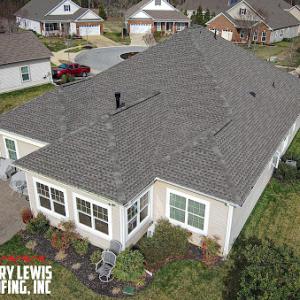
Jerry Lewis Roofing, Inc. delivers top-notch roofing solutions with a focus on quality, durability, and customer satisfaction. From repairs to full roof replacements, our experienced team ensures your home or business is protected for years to come.
Roof Pro & Home Improvement
38960 Reeves Rd, Mechanicsville, Maryland
4.9 from 109 reviews
Roof Pro and Home Improvement provides residential and commercial roof, gutter, and siding services to Mechanicsville, MD, and surrounding areas.
Roofing By George & Home Improvements
(301) 884-7360 www.roofingbygeorge.com
38960 Reeves Rd, Mechanicsville, Maryland
4.4 from 17 reviews
Step into a world of seamless home transformations with Roofing By George & Home Improvements. Since 1990, their exceptional craftsmanship has reshaped countless spaces in Southern Maryland. From roofs that embrace the elements with resilience to sidings that enhance curb appeal, and windows that bring in the beauty of natural light, every project reflects their unwavering commitment to quality and customer satisfaction. Trust Roofing By George & Home Improvements to elevate your vision of a dream home into a captivating reality.
Pinpoint Innovations
(240) 538-4637 pinpointinnovations.net
Serving
5.0 from 105 reviews
Locally owned and operated, PinPoint Innovations is your #1 roofing & air quality testing team in Southern Maryland. Certified by distributors GAF, CertainTeed, and Tamko, our asphalt shingles are proven to last for 50 years! Our state-of-the-art appraisal method using satellite imagery and drones will cover all the needs of measurements, materials, and the expected cost. To complement your new roof, PinPoint Innovations can also install seamless gutters. We even offer leaf guard technology. From Charles County to St. Mary's County to Calvert County and southern Prince George's County -- PinPoint Innovations is the team for you! Free quotes - Fully licensed and insured - 100% customer satisfaction - Family-owned.
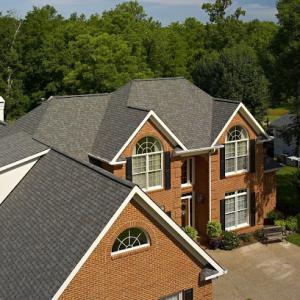
Battle Creek Home Exteriors
(443) 295-8107 www.battlecreekhomeexteriors.com
Serving
5.0 from 38 reviews
We are Southern Maryland's most trusted home exterior company and we don't rest until the project is complete and our customer's goals are achieved.
Sharp's Contracting
(301) 861-0664 sharpsroofingandsiding.com
Serving
4.9 from 141 reviews
Sharp's Contracting, LLC provides residential and commercial roofing, siding, storm damage inspection and repair, gutters, and general home improvement services in Southern Maryland Counties including St. Mary's County, Calvert County and Charles County.
TruHome Exteriors
(301) 373-8111 truhome-exteriors.com
Serving
4.8 from 44 reviews
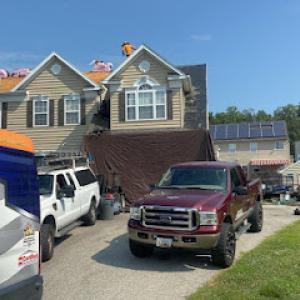
Started from the ground up in St. Mary's County, TruHome Exteriors has been and always will be a local solution for a full range of roofing, siding, and gutter services. Our business is built on neighborly trust, quality work, and affordable prices.
Doctor Remodeler
(301) 329-5369 doctorremodeler.com
Serving
5.0 from 15 reviews
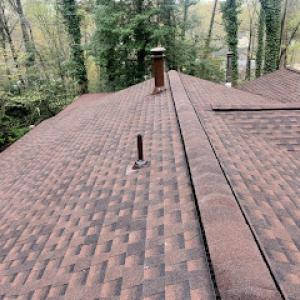
Roofing, Siding, and Gutter Replacement Company available to help you your next remodeling project!
Riverside Home Exteriors
(443) 975-3286 riversidehomeexteriorsllc.com
Serving
5.0 from 38 reviews
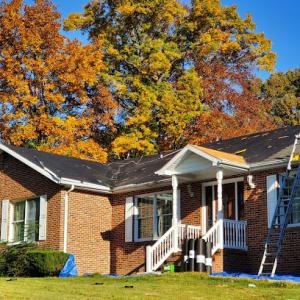
Riverside Home Exteriors specializes in roofing, siding, windows, gutters, storm repair. We have the experience and dedication to get the job done right, specializing in remodeling services; We guarantee your satisfaction, and we won't leave until the job is done right. We pride ourselves on the quality work we provide, while delivering great customer service.
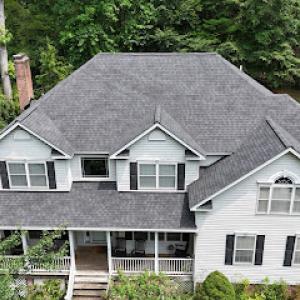
Shoreline Exteriors
Serving
4.9 from 48 reviews
Shoreline Exteriors specializes in residential roofing, siding, and gutter services. Whether you have a new construction project or need to refresh your existing property, we are dedicated to providing customer service that is second to none. We are confident in our work and offer an industry-leading 5 Year Workmanship Warranty.
A full roof replacement typically requires a permit through St. Mary's County rather than a separate city building department. Homeowners in this county should expect the roofing contractor to pull the permit before work begins, as this matters when comparing bids. The county's oversight ensures that material choices, venting, and flashing meet local standards to handle the Chesapeake region's humidity, Nor'easter wind-driven rain, and seasonal temperature swings. When you're reviewing bids, confirm who is responsible for submitting the permit package and keeping you informed about any additional county demands.
The roofing contractor is generally expected to pull the permit, and timing is important. In Mechanicsville, delays in permit issuance can stall production and complicate insurance claim timelines after storm damage. As a homeowner, you want written confirmation from your contractor that the permit is filed before any tearing off of shingles begins, so there is a clear record of compliance from day one. If a contractor asks you to handle the permit yourself, proceed with caution and verify that licensing, insurance, and project scope will still meet county rules.
County inspections are commonly scheduled at underlayment or ventilation stages and again at final. The application may require project valuation, contractor license information, and proof of insurance. Your roofer should coordinate inspection dates and be present for each inspection, as missing one could trigger rework and additional permits. Expect inspectors to check for proper underlayment installation to address moisture intrusion during humid summers, correct flashing around chimneys and skylights, vent placement, and appropriate fasteners for the chosen roofing system. Nor'easter season adds emphasis on wind-driven moisture control, so sealing details and edge bands are scrutinized.
Before submitting, compile the contractor's license number, proof of insurance, and a clear scope of work, including roof size, materials, and ventilation plan. Ensure the plan accounts for local weather patterns-especially durable underlayment and adequate attic ventilation to handle Chesapeake humidity. Your contractor should provide stamped drawings or specifications as required by St. Mary's County. Keep a copy of all permit-related documents on site during the project in case inspectors or your insurer request confirmation of compliance.
Expect lead times for permit approval to vary with workload and weather-related delays. Since inspections are staged, maintenance of the site and ready access for inspectors will help avoid scheduling gaps. If a storm or wind event triggers a claim, the permit history should be readily available to support the restoration timeline and ensure that the roof system is installed to meet county standards for long-term performance.
Mechanicsville's residential mix includes asphalt shingles, metal, clay tile, concrete tile, wood shingles or shakes, and synthetic or composite shingles, which creates a broad local cost spectrum from straightforward reroofs to premium systems. Asphalt shingles are the baseline here, with typical square costs in the 350 to 550 USD range. Metal roofing sits higher, roughly 650 to 1000 USD per square, reflecting faster installation and longer life in salty coastal air and Nor'easter winds. Clay and concrete tiles push into premium territory, commonly 1100 to 1700 USD and 900 to 1500 USD per square, respectively, driven by heavier weight, underlay requirements, and specialized installation. Wood shingles or shakes run around 500 to 850 USD per square, offering a traditional look but with maintenance considerations in humid summers. Synthetic or composite shingles sit between asphalt and premium options, around 450 to 800 USD per square, providing a balance of resilience and lighter weight.
In this market, costs can rise when Nor'easter season and storm-driven demand compress scheduling during the preferred late spring through early fall replacement window. Roofing crews get booked up, and material lead times stretch, which can push bids higher or trigger premium scheduling options. If a storm event disrupts normal contractor availability, you may see faster turnarounds but at elevated rates, or you may face delays that push a project toward winter, when weather risk is higher but pricing can be more favorable.
Choosing between basic reroofing and a premium system hinges on long-term comfort with moisture control and wind resistance. Asphalt remains a solid all-around value for this area, while metal offers standout durability against Nor'easter winds and hail. Tile systems excel in appearance and lifespan but demand a sturdy deck and careful installation to prevent moisture trouble in this damp climate. Wood shingles require humidity-aware maintenance, and synthetic options can temper weight and longevity concerns. In Mechanicsville, balancing upfront cost with expected storm resilience and maintenance needs guides the most practical decision.
Asphalt shingles remain a practical fit for Mechanicsville because they are common locally, but humid summers and wind-driven rain make installation quality and ventilation more important than brochure lifespan. When choosing asphalt, prioritize a solid, wind-rated installation and a ventilation plan that keeps attic dew point and moisture under control. A well-sealed underlayment, proper nail placement, and careful spacing around eaves and rakes help minimize wind uplift and heat-related shingle wear during Chesapeake humidity peaks.
In this climate, attic ventilation matters as much as the shingles themselves. A breathable, well-sealed roof deck paired with balanced soffit and ridge ventilation reduces condensation in winter and keeps roof sheathing from warping under humid summers. If soffit vents are blocked by insulation, moisture can linger and promote mold or wood rot behind the visible shingles. A local pro should verify that roof venting corresponds to the attic square footage and that vent openings remain unobstructed after any remodel or solar installation.
Metal roofing can appeal in this market for wind and rain performance, while clay and concrete tile require attention to structural suitability because they are much heavier systems than standard shingles. When installed on a Mechanicsville home, metal panels should be secured with corrosion-resistant hardware and a well-sealed ridge cap to manage Nor'easter spray and driving rain. In addition, ensure the deck can support the anticipated load and that the fastener pattern is tailored to the roof's slope and exposure. Metal roofs also demand a careful assessment of attic heat transfer and condensation management to avoid moisture buildup under the panels.
Clay and concrete tile require attention to structural suitability because they are much heavier systems than standard shingles. If considering these tiles, a structural engineer or experienced contractor should confirm the supporting framing and roof sheathing can bear the weight, especially on older homes. In coastal-influenced weather, tile seams and underlayment need robust sealing and an integrated drainage plan to handle wind-driven rain without leaking.
Wood shingles or shakes and synthetic composites need to be evaluated against the area's humidity, seasonal moisture exposure, and maintenance expectations rather than chosen on appearance alone. Real wood can suffer from mold, cupping, and faster wear in humid summers, while shakes may require more frequent treatments or repairs to keep wind-driven rain from penetrating gaps. Synthetic composites offer moisture resistance but should be selected with proven edge detailing and compatibility with local humidity cycles to avoid premature word-of-mouth preservation battles. Regular inspections after Nor'easters help catch fasteners loosening or sealant failures before leaks develop.
The most popular roofing material in the US. Find pros who install, repair, and replace asphalt shingles.
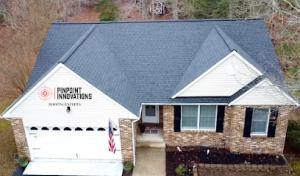
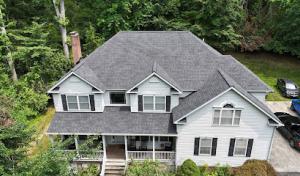
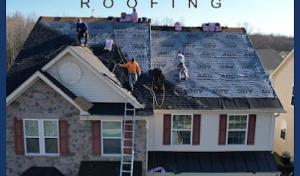
Hot, humid summers in this area can shift the timing and sequencing of shingle installation. You'll notice that adhesive sets more slowly when the air won't dry out between steps, and that product handling indoors or in shaded stalls matters for a clean dry-in. Plan sequencing so underlayment and starter courses are installed in the coolest parts of the day and kept dry until the shingles land. In Mechanicsville, you'll want crews to prep staging areas that stay out of direct sun and to limit long pauses between steps that expose exposed underlayment to moisture. Confirm that all rolls and bundles are kept off the ground and out of humidity pockets until the exact installation window arrives.
Winter snow and ice can delay access, staging, and safe tear-off even when homeowners want immediate replacement. Frozen decking or stiff, icy tarps complicate roof access and safety protocols. Schedule with a weather buffer in mind: days above freezing with low wind are preferable for tear-off, and you should anticipate delays caused by melting snow that re-freezes overnight. If a warm-up is brief, consider interim protective measures to prevent water intrusion, such as temporary barriers and careful edge flashing. In southern Maryland, snowfall can pile up quickly, so ensure crews have clear paths and that material handling routes stay cleared to avoid slips and missteps.
Spring heavy rainfall and autumn wind events make moisture control and dry-in planning more critical here than in markets with a longer, consistently dry season. Prioritize a thorough dry-in before any opening, especially after winter thaw. Verify that underlayment laps are sealed, flashing is properly integrated with venting, and roof openings are protected from sudden showers. That proactive stance helps resist wind-driven rain during Nor'easters and reduces risk of interior moisture after a storm.
In this climate, water pressure from heavy rain and wind-driven Nor'easters can push moisture right up under vulnerable flashing details and around penetrations. Roof transitions-where the deck meets chimneys, vents, skylights, and skylight flashing-are common leak investigation points after a storm. If a storm hits with wind and rain at the same time, a small flaw in the flashing or seal around a skylight can become a big problem quickly. Knowing where those weak spots live on your roof helps you spot trouble before it shows up on ceilings or walls.
County inspection attention to underlayment and ventilation means details around penetrations matter not just for leak prevention but also for passing the local process cleanly. If the underlayment isn't properly continuous beneath a skylight curb or along a dormer, water can migrate unseen until a peak rain event reveals the lapse. Adequate ridge and soffit ventilation, plus a properly sequenced roof startup, reduces condensation within the attic and helps keep fasteners and flashing dry. When a contractor discusses repairs, demand attention to how the underlayment extends around skylight curbs and how drip edges and valleys are integrated with the surrounding shingles or metal panels.
Skylight service is a meaningful specialty in this market, indicating that homeowners regularly seek contractors for these leak-prone roof features rather than only full replacements. If you have a skylight, plan for targeted inspections after storms and before winter to verify seals, flashing, and curb integrity. Be mindful that even well-installed skylights can develop issues years later, especially in heavy-rain years with gusty winds. A cautious approach-addressing flashing, sealants, and flashing-to-shingle transitions promptly-reduces the risk of hidden damage and keeps interior spaces drier.
Find contractors experienced in skylight installation, flashing, and leak repairs to bring natural light into your home.
One Vision Roofing
(301) 909-3383 onevisionroofing.com
27970 Baptist Church Rd, Mechanicsville, Maryland
5.0 from 153 reviews
Roof Pro & Home Improvement
38960 Reeves Rd, Mechanicsville, Maryland
4.9 from 109 reviews
In this market, the contractor pool leans toward tear-off, replacement, and storm restoration rather than pure new construction. When selecting a crew, you want a team that can secure the home quickly after a Nor'easter wind-driven rain event and then handle a thorough cleanup. Look for crews that schedule a rapid tarp or board-up, a full-day roof removal if needed, and a careful drop-zone management plan to protect landscaping and driveways. Ask for a specific sequence: roof removal, underlayment inspection, flashing and vent checks, and a precise method for safely disposing of debris. Local homeowners often value crews that arrive with a defined workflow and a clear post-job cleanup routine, so the yard looks as tidy as before they started.
A smaller but meaningful share of local contractors promote warranties, which matters in a climate where repeated wind and moisture exposure can test workmanship over time. Seek a written workmanship warranty that covers a defined period and enumerates what is included (shingle adhesion, flashing integrity, vent seals). In Mechanicsville's pattern of humid summers and Nor'easter cycles, prompt follow-up on warranty claims matters, so confirm a primary contact, reasonable claim windows, and a commitment to return for any leak-suspect areas. Clarify exclusions, such as damage from misuse or secondary impacts, to avoid surprises after a storm.
Because quick response and cleanup are prominent local hiring priorities, homeowners tend to value crews that can secure the home fast and leave the property clean after replacement. Confirm the crew's debris containment plan, including how waste is managed on site, how nails are collected, and how damaged materials are disposed of. A reliable crew should provide a concise, written note on site protection, tarping strategy, and a final walk-through to verify no residual debris or loose fasteners remain.
In this area, roofs endure humid Chesapeake summers, cold winters, and Nor'easter-driven rain and wind that can test fasteners and sealants. Before considering solar, you should verify the roof deck is solid, connections are tight, and there are no ongoing leaks or moisture traps. Look for observed prior storm damage, missing boot flashing, or visible wear at valleys and eaves. A well-maintained roof with a robust ventilation plan will support longer-lasting solar installations and reduce the chance of skipped warranty steps if issues arise later.
Solar planning benefits from aligning installation with a roof replacement when possible. If a reroof is in the near term, completing the roof first creates a clean, uniform surface for solar mounting and minimizes penetrations added after the fact. If a roof already exists, ensure that any solar attachment will not require retrofitting or re-sealing already weatherproofed areas. In Mechanicsville, coordination between the roofer and solar contractor is essential so that membranes, flashing, and sealants around mounting hardware are fully integrated to resist Nor'easter wind-driven rain.
County workflow for inspections means you should confirm how roofing and any solar-related scope will be sequenced before work starts. A clear timeline helps prevent technicians from stepping on each other's work and reduces the risk of backtracking if leaks appear. Ask whether the roofers will install a temporary weather barrier during work, and ensure the solar installer understands any special flashing details or vent considerations. A well-coordinated sequence minimizes disruption and ensures the roof remains watertight through every phase.
Mechanicsville homes often feature materials and configurations that respond differently to wind and moisture. Favor roof systems with proven wind resistance and robust underlayment, especially when planning solar. Ask about penetrations' sealing methods and the durability of edge details in exposed spots. Because storm-season performance matters, insist on comprehensive inspections after major storms to confirm the roof and solar integration hold up under heavy rain and gusts.
Find contractors who integrate solar panels or solar shingles into your roof for long-term energy savings.