
Last updated: Apr 19, 2026
Cold, inland Pioneer Valley winters bring repeated freeze-thaw cycles that stress roofs in a way other towns rarely see. Ice damming is not a rare event here; it is a primary roof stressor that can damage decking, underlayment, and flashing in a single season. When a layer of snow sits on the roof and temperatures swing above and below freezing, meltwater refreezes at the eaves, forming ridges and barriers that push water back under shingles or tiles. If a roof's edge and valleys aren't fully protected, that creeping water can migrate into attic spaces and down wall sheathing. You should treat ice dam prevention as a year-long priority, not a reactive fix once a leak appears.
Late-winter roof leaks in this area often appear after the snowpack refreezes at eaves and around valleys. That refrozen crust sits on top of underlayment and flashing, testing the limits of what those materials can handle. If gutters are clogged or drainage is poor, meltwater pools and refreezes in the same spots repeatedly, widening gaps where water can intrude. A common sign is a damp stain or a drip that starts near the outer edge of the roof, then migrates toward the interior along rafters or around attic penetrations. Attic condensation paired with warm attic spots can also contribute to a cascade effect, accelerating deterioration of decking and insulation. When you see any of these patterns, treat it as a warning that your roof system needs inspection from edge to peak, not a single patch on the most obvious leak.
Replacement timing in this climate is often pushed into late spring through early fall because winter conditions limit full tear-off scheduling. Snow, ice, cold temperatures, and frantic weather swings make it risky to work on a roof in peak winter or during mid-winter thaw cycles. As a neighbor, you'll notice crews that can handle weather windows more reliably in the milder weeks after the snow pack thaws but before air temperatures dive again. If a roof is already showing signs of ice dam damage, the safest course is a staged plan: stopgap measures to minimize current water intrusion while preparing for a full replacement when the ground is workable and the roof surface is dry enough for teardown and reinstallation. That usually means coordinating a plan that spans into late spring, with a window extended into early fall only if weather permits. The goal is to complete the project when the roof is dry, temperatures are moderate, and ventilation changes can be implemented without exposing the interior to seasonal stress during a harsh winter.
You should start with a thorough roof assessment focused on eaves, valleys, and penetrations. Look for shingle gaps, lifted edges, and any signs of past ice dam damage. Check attic insulation and ventilation-poor airflow is a common amplifier of ice dam risk, feeding warm attic air that melts snow at the wrong places. Ensure attic baffles or soffit vents are clear so that cold exterior air can reach the roof deck, slowing melt at the eaves. Clear downspouts and extend water channels away from the foundation to reduce meltwater backing up under the roof edge. If you see active leaks or ongoing ice dam formation during thaw cycles, plan a professional evaluation promptly to map a long-term solution that addresses decking, underlayment, flashing, and proper ventilation. In the months when the weather cooperates, prioritize a complete roof replacement with the appropriate materials and a ventilation strategy designed to minimize freeze-thaw stress, so the next winter cycle doesn't become a repeat catastrophe.
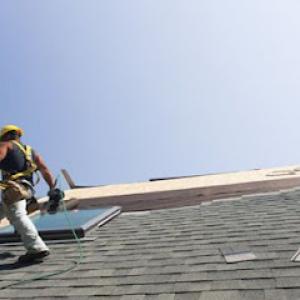
Patrick Kelly Roofing & Siding
(413) 568-9513 www.patrickkellyroofing.com
12 Old Feeding Hills Rd, Westfield, Massachusetts
5.0 from 179 reviews
Patrick Kelly Roofing & Siding delivers dependable roofing, siding, and window services in Westfield, Agawam, and surrounding MA areas, backed by over 30 years of expertise. We differentiate ourselves through several unique value statements: Owner-supervised projects: Patrick Kelly personally supervises each job, ensuring meticulous attention to detail and a commitment to excellence. Factory-trained & certified installers: Our team undergoes continuous training to stay updated on the latest techniques and materials, guaranteeing superior craftsmanship and adherence to manufacturer specifications and building codes. 24-hour emergency service: We offer rapid response for urgent roofing repairs, protecting your property from further damage.
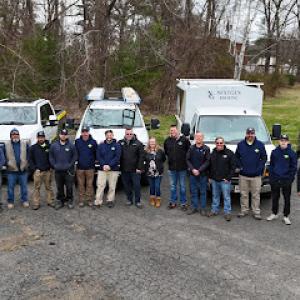
Nextgen Roofing
549 Southampton Rd, Westfield, Massachusetts
5.0 from 451 reviews
Nextgen Roofing is a roofing contractor in Westfield, MA that services Massachusetts and Connecticut. Our service area includes Hampden, Hampshire, Franklyn County, Springfield, Westfield and nearby areas. Our roofing company offers residential roofing, roof repair, asphalt shingle roofing, metal roofing and many more. Customers love us because we are your high value low risk option matched with a consistently excellent satisfaction rating. We also have industry affiliations and certifications like GAF, Atlas, Trex Pro Installers, and Certainteed Master Shingle Applicators. Call us now for free estimate! “Our reputation is the proof, we're the best for your roof!” We are looking forward to serving you!
Major Home Improvements LLC - Roofing
(413) 636-6046 majorhomeimprovements.com
22 Verona St, Westfield, Massachusetts
5.0 from 255 reviews
Major Home Improvements has been delivering exceptional home improvement services for over a decade, specializing in roofing, siding, decking, windows, and gutters throughout Western Massachusetts and Northern Connecticut. Our company prides itself on its commitment to high-quality workmanship and customer satisfaction, offering personalized service with each project overseen by a seasoned supervisor.
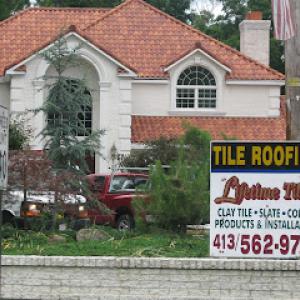
Lifetime Tilers
(413) 562-9720 www.lifetimetilers.com
565 N Rd, Westfield, Massachusetts
5.0 from 24 reviews
Lifetime Tilers, a Northeast roofing contractor, specializes in slate, tile, and copper roofs. We serve residential and commercial properties, offering both repairs and new installations. Our focus on quality craftsmanship and using time-tested materials ensures a long-lasting roof.
Profound Home Improvement
(413) 209-4406 profoundhomeimprovement.com
183 Main St, Westfield, Massachusetts
5.0 from 21 reviews
Serving the Massachusetts & Connecticut area, Profound Home Improvement would be glad to speak with you regarding your needs. Our commitment is to provide exceptional customer service at affordable prices. Working with us truely will be a profound experience for you. We source the best materials, committed employees and clients who have high expectations. Allow us to show you why so many have turned to us already!
Millstream Construction
(413) 579-8111 www.millstreamco.com
94 N Elm St Suite 301-M, Westfield, Massachusetts
4.4 from 17 reviews
Since 2009, Millstream has helped residential and commercial customers with all of their asphalt shingle and EPDM roofing needs. We are a fully licensed and insured and Owens Corning & GAF certified.
A-Z Exterior Repairs
(413) 378-2006 azexteriorrepairs.com
Serving
5.0 from 118 reviews
A-Z Exterior Repairs, INC: Your trusted exterior contractor for Western MA and Northern CT, building quality since 2016. Specializing in roofing, siding, windows, and gutters, we offer expert replacement and repair services, with installations meticulously crafted to withstand the rigors of New England weather. From general contracting to building restoration, our focus is on your satisfaction. We're not finished until you are completely happy with the results.
Vector Home Improvement
(413) 883-1636 vectorhomeimprovements.com
Serving
5.0 from 22 reviews
Roofing, construction, residential
Exterior Construction
(413) 222-1775 exteriorconstructioninc.com
Serving
5.0 from 138 reviews
Established in 2015, Exterior Construction safeguards homes in Western MA & Northern CT with reliable roofing, vinyl siding, gutter services and so much more. Our family-owned business approach ensures meticulous attention to detail, treating every project as if it is our own. Commercial & Residential services Fully Licensed & Insured - A+ BBB rating - 5-Star Google rating Free estimates - Financing available Warranties available on select products and services
Green Roof Solutions,LLC
(413) 977-7290 www.greenroofsolutionsllc.com
Serving
5.0 from 117 reviews
"We provide industry leading Commercial/Industrial metal roofing systems restorations and flat roof rubber coatings. Our mission is to save the planet with more eco-friendly products over the competition and cut building owners heating and cooling expenses at the same time. We strive to satisfy the customer by saving them money and building a lasting relationship."
Kerry Enterprises
(413) 459-2091 kerryenterprise.com
Serving
5.0 from 17 reviews
We offer comprehensive solutions to maintain and enhance the integrity of residential and commercial properties. From intricate repairs to custom installations, we are committed to delivering unparalleled craftsmanship and exceptional customer service.

Beaulieu Home Improvement
(413) 592-1498 beaulieuhomeimprovement.com
Serving
4.8 from 152 reviews
Beaulieu Home Improvement, the "exterior experts”, has been a Chicopee, MA family owned business for over 50 years. Our company is now the largest home improvement contractor in the area, installing roofing, vinyl siding, windows, doors, decks, porches, and creating custom detailed carpentry using vinyl for all of Western Massachusetts, Northern Connecticut, and its surrounding areas. Reach out today for more information about the other services we offer, like: vinyl and aluminum siding and trim repair, exterior home entryway remodels, rot repair and carpentry work, skylights, gutters, and so much more!
In Westfield, the freeze-thaw cycle, heavy snow loads, and potential ice dams shape what works best on residential roofs. Asphalt shingles are the dominant practical choice because they fit the local housing stock and handle seasonal temperature swings better than many premium heavy systems. Metal roofing is a meaningful local specialty and is often chosen for its snow-shedding properties and durability through repeated freeze-thaw cycles. Heavier materials, like clay or concrete tile, require a closer look at the roof structure and ventilation because the added weight and different load paths trigger more detailed review during the building process.
You'll find asphalt shingles across most homes here, and for good reason. They pair well with typical rafters and underlayment schemes found in our neighborhoods, and they strike a balance between energy efficiency, ease of installation, and service life through our variable winters. When considering this option, you'll want to confirm that the existing roof deck is solid enough to support a full shingle replacement, especially if the house has a long history of weather exposure. Pay attention to the drip edge and the valley detailing, since these are common failure points that can contribute to ice dam development when snow hides under poorly flashed joints.
Metal roofs are not a novelty here, and many homes benefit from their low weight, fast shedding of persistent snow, and resilience against freeze-thaw cycles. If you're facing long winters with heavy snowfall, metal can reduce ice dam risk by minimizing the amount of standing water that refreezes on the deck. It's important to select a profile and panel gauge that suit your roof geometry and eave overhangs, because wider panels with generous overhangs can cave in to wind-driven snow loads if not installed with proper underlayment and fastener patterns. A metal roof also typically demands careful attention to flashing around chimneys, vents, and skylights to maintain a tight seal against moisture migration during thaw cycles.
Clay tile and concrete tile offer long life and a distinct aesthetic, but they demand careful structural assessment here. Heavier materials can affect framing loads and roof assembly design, and the permit review often flags potential reinforcement needs and enhanced ventilation considerations. If choosing tile, you'll want to verify that the attic ventilation strategy matches the roof's thermal behavior, because improper venting can create condensation problems that promote ice dam leakage in the attic and on interior ceilings. These materials also require a robust substrate and precise installation tolerances to prevent micro-cracking from freeze-thaw stress.
Regardless of material, proper ventilation and insulation are critical to preventing freeze-thaw damage and ice dam formation. Ensure the attic space maintains a minimal temperature differential with the roof deck to reduce warm attic air from meeting snow and refreezing at the eaves. Regular inspection after heavy snows helps catch shingle lift, flashing gaps, or vent blockages before they become leaks. For heavier roofs, confirm that snow guards or snow stops are considered to manage drifting near eaves and skylights, reducing sudden ice dam pressure on vulnerable joints.
Spring thaws in this area expose weaknesses that winters hid. After a long freeze-thaw cycle, shingle laps, flashing seams, and sealant joints can crack or separate. When the snow recedes and rain returns in earnest, those small gaps become a direct line for meltwater. In practice, homeowners often notice the first sustained spring downpour and discover damp ceilings, stained drywall, or damp smells where the attic meets the living space. The problem points are often not where the roof looks visibly bad; they are at the flashing around chimneys and skylights, at valley intersections, and along roof-to-wall transitions where warm attic air can push moisture into colder junctions and refreeze at night.
Leaf buildup going into fall creates a trap for moisture during thaw season. Debris blocks gutters and roof vents, so water backs up and finds alternate paths into the roof structure. In practice, that means leaks typically surface near gutter lines or at lower edges of the roof where water has to change direction. Valleys, which carry a lot of runoff, are a frequent failure point if flashing is marginal or if the valley metal has begun to deteriorate from salt exposure and freeze damage. Roof-to-wall transitions are another recurring hotspot; when ice dam risk is high, driven moisture can leak behind siding or into soffits if that seal has weakened. Westfield homeowners often notice interior staining after the first big rain event of spring, a telltale sign that something underground in the roof assembly failed during the melt.
Start by inspecting high-traffic transition points from attic access if you can do so safely. Look for hairline cracks in flashing, separated sealant, or loose fasteners around chimneys, vent pipes, and skylights. Pay particular attention to the flashing at valleys and along the eaves where thawed water drains differently than the frozen mix did. If gutters are clogged, clear them and ensure downspouts discharge away from the foundation so water isn't forced against the roofline during heavy rain. Clean any remaining leaves from the roof surface and ensure roof vents aren't blocked, since proper ventilation helps reduce attic moisture that can aggravate ice dam conditions when temperatures swing. For visible leaks inside, place a disposable tarp or bucket under the area of staining and call a local roof pro who can confirm whether flashing or sealant has failed or if a more systemic fix is needed.
If interior staining appears after a spring rain, or if you notice recurring damp patches that don't track with a single storm, it's time to bring in a qualified contractor. In Westfield, the combination of freeze-thaw cycles, heavier spring rainfall, and aging flashing means a cautious, systematic assessment is necessary. A pro will verify flashing integrity, sealant condition, and gutter-valley performance, and then propose targeted fixes to stop leaks at their source rather than chasing symptoms after each thaw.
When you can't wait, these contractors offer fast response times to stop leaks and prevent further damage.
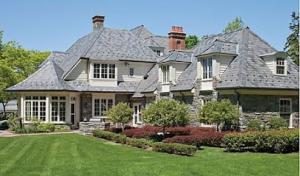

When you plan a roof replacement, use the local per-square ranges to gauge budgeting: asphalt shingles run roughly 350 to 700 USD per square, metal between 700 and 1200 USD per square, clay tile from 1000 to 1800 USD per square, concrete tile about 900 to 1500 USD per square, wood shingles or shakes from 600 to 1800 USD per square, and synthetic or composite shingles in the 550 to 900 USD per square range. In practice, that means you should expect asphalt as the most common starting point for Westfield homes, but if your house has historic detailing or a preference for heavier performance, metal or tile might be chosen despite the higher sticker price. Your exact quote will hinge on roof pitch, accessibility, and any additional work tied to ventilation or attic details.
In a town with inland Pioneer Valley winters, winter damage often translates into a tight spring-to-fall window for replacement work. Westfield cost planning should anticipate a seasonal rush that tightens scheduling and labor availability. If you wait until late spring or early summer after a harsh winter, crews may be busier, driving up labor costs or shortening job margins. The best approach is to align the project with a shoulder season if possible, but be aware that a late-season window can push total project duration and price due to higher demand for skilled installers.
Heavier materials in Westfield can add cost beyond the roof covering itself because plan review may scrutinize structural support and ventilation changes before approval. If you choose clay tile, concrete tile, or heavy metal options, expect evaluations of the existing framing, rafter span, and attic venting to validate load paths and moisture management. This review can introduce extra labor and potential reinforcement costs, even if the visible portion of the roof looks straightforward. A clear upfront discussion with the contractor about required structural adjustments helps prevent surprises once demolition begins, especially for homes with older framing or mixed roof geometries.
Start with the local ranges for your chosen material and then add a buffer for seasonal scheduling realities and any necessary structural or ventilation work. Obtain written quotes that itemize materials, labor, disposal, and any potential inspections tied to heavier roof assemblies. If your home originally featured lighter coverings, factor in the incremental cost of upgrading to a heavier option and the corresponding structural considerations. In Westfield, a thoughtful plan that aligns material choice with climate realities and seasonal availability tends to yield the most predictable total cost.
Get a clear picture of your project costs upfront - no commitment required.

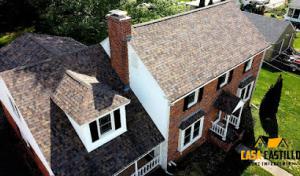
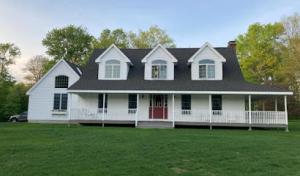
In this town, most re-roof projects require a building permit issued through the Westfield Department of Community Development. The permit process is designed to ensure that a roof replacement is performed safely, and that the work integrates properly with the home's structure and ventilation. Before you lift a single shingle, you should submit plans or drawings that show the proposed roofing material, any changes to attic ventilation, and the roof's overall assembly. This isn't a paperwork hurdle so much as a safeguard against hidden issues that can surface after a harsh winter or during a heavy snow year.
Plan review and inspections are coordinated through the local building division, and a final inspection is typically required to close the permit. Expect a sequence that begins with plan review, followed by staged inspections as work progresses, and culminating in a final permit sign-off. Keep in mind that the timing of inspections is tied to the project's progress and weather windows. If winter storms or cold snaps create delays, the department can adjust schedules, but delays are far more common when critical components such as vents, flashing, or attic insulation are modified. Coordinating with the building division early helps minimize hold-ups and makes sure the project remains compliant through every stage.
Westfield review may look more closely at structural and venting issues when homeowners switch to heavier roofing materials or alter the roof assembly. If you're considering heavier options-like transitioning from asphalt to metal, or installing tiles and restructuring attic ventilation-be prepared for more detailed review. The inspectors will want to see that the structural deck is rated for the added load, that joists and rafters have appropriate spacing and support, and that the attic or roof cavity has sufficient intake and exhaust ventilation to prevent moisture buildup and ice dam risks. If ventilation changes are proposed, you may need to provide calculations or specifications from the product manufacturer, along with a plan showing how vents, soffits, and ridge lines will operate together.
To navigate smoothly, assemble a clear package: material specs, roof measurements, existing venting layout, and any changes you plan to make to the roof assembly. Have a licensed contractor or roofing professional present during inspections to address questions on the spot. If a deficiency is noted, address it promptly and communicate with the building division about revised plans or additional documentation. A well-documented submittal and proactive coordination with inspectors can help ensure the final inspection confirms the project meets safety, code, and performance expectations, reducing the chance of a rejected permit or costly rework.
In Westfield, claims often hinge on well-documented damage and timely communication with the insurer. When weather damage happens, take clear photos from multiple angles, close-ups of cracks or missing shingles, and wide shots showing the roof line and nearby gutters. Keep a simple log noting dates of storms, wind speeds if known, and any immediate leaks or interior intrusion. A professional estimate helps frame what a repair or replacement should cost, and some insurers will want an on-site adjuster visit before any approval.
Insurers serving this region commonly want photos, a professional estimate, and may send an adjuster for an on-site inspection before approving repair or replacement. Because the weather pattern in this area tends to produce winter damage and periodic hail rather than a single catastrophic event, the wording of your policy and the timing of your claim can influence coverage. Be prepared to demonstrate the extent of freeze-thaw damage, wind-stripped shingles, and any ice dam-related issues that lead to interior leaks.
Prior to the adjuster's arrival, remove loose debris from the roof ridge and gutters if safe to do so, and ensure access to the attic or crawlspace so the adjuster can evaluate insulation, ventilation, and any insulation-related moisture. Have your contractor's estimate available, along with recent maintenance records (ventilation checks, snow removal, and any previous repairs). If you've had temporary repairs, document them with dates and materials used.
Cooperate with the insurer's timeline, but keep a clear line of communication. If a repair is urgent to stop interior water intrusion or ice dam formation, communicate that need promptly and with documentation. Understand that incremental repairs may be approved in stages, especially when the roof structure and ventilation play a role in long-term performance.
Connect with contractors who help homeowners navigate the claims process from damage assessment to final approval.
Although pitched residential roofs dominate here, the local contractor market shows enough flat-roof activity to justify guidance for additions, porches, and mixed residential-commercial properties. Low-slope sections connected to existing rooflines demand careful planning upfront so they don't become weak points years later.
Westfield's snow retention and spring rain make drainage performance especially important on low-slope sections tied into older pitched roof systems. Plan for continuous drainage paths that keep water moving toward established scuppers and gutters, not toward interior walls or low corners. A slope that looks fine in dry weather can behave very differently after a thaw, so test drainage with a light load of water to confirm flow paths before finishing.
Leak diagnosis in Westfield can be complicated where low-slope rear additions meet older main roofs and flashing transitions are stressed by freeze-thaw movement. Pay particular attention to how step and counter-flashing interface with existing ridge lines, chimney penetrations, and edge details. Freeze-thaw cycles tend to push seams apart where materials meet at odd angles, creating hidden leaks that only show up after a spring rain.
When selecting materials for these zones, weigh the added weight, insulation compatibility, and wind load considerations that come with flatter surfaces. A well-sealed, properly flashed low-slope area reduces the risk of ice dam progression into the transition from addition to main roof, protecting the home from slow-water intrusion and frost-driven damage.
Find specialists in TPO, EPDM, and built-up flat roofing systems for residential and commercial properties.
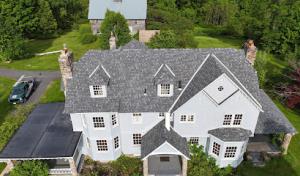
In Westfield, quick response after a leak or ice-dammed episode is the strongest contractor-market signal you'll see. Homeowners expect responders who can be onsite, diagnose fast, and stabilize the roof to prevent further snow melt and water intrusion during the mid-winter thaw. Scheduling windows shrink when temperatures drop, so having a contractor with a reliable on-call rhythm matters more than a glossy brochure. When a crew arrives, you'll want clear actions for tarping, temporary patching, and a practical plan to keep the interior dry while winter weather persists.
Re-roofing and cleanup are common selling points locally, signaling that patch work alone won't satisfy most homeowners. The expectation is coordinated full tear-off where needed, with containment measures that keep shingle granules, nails, and old felt from drifting onto driveways, lawns, and gutters. Debris-control plans should include daily cleanup during project days and a thorough final sweep. In practice, this means clear staging areas, protective ground covers, and responsible disposal that won't leave behind a windblown mess after the last nail is pulled.
Westfield's contractor mix includes long-established firms and some commercial-capable roofers, which matters for homeowners with attached garages, additions, or mixed-use properties. When evaluating bids, look for teams that can coordinate between house and garage structures, manage ventilation changes if upgrading roof systems, and handle debris containment across multiple structures in one project window. A unified crew with cross-training reduces miscommunications and speeds up winter-ready completion.
Priorities also focus on freeze-thaw resilience and ice-dam prevention. Expect contractors to discuss attic ventilation, insulation compatibility, and underlayment choices that curb water intrusion during temperature swings. Practical planning emphasizes preventive steps you can schedule for the shoulder seasons, aligning with Westfield's winter patterns and snow loads.