Last updated: Apr 19, 2026
That long stretch of cold, windy winters with repeated freeze-thaw cycles creates a very particular danger: ice dams piling up along the eaves. When meltwater refreezes at the roof edge, it traps moisture, leaks into the attic, and can force water under shingles. In this river valley, what might be a seasonal nuisance elsewhere can become a persistent problem that wears on sheathing, rafters, and insulation. The combination of moisture exposure from the river corridor and cold snaps means a roof in fair weather can quickly become a source of interior damage if not addressed with deliberate ventilation and insulation.
Your attic is the thin line between warm living spaces and the cold roof sheathing. In this climate, you must eliminate warm pockets that create uneven heat on the roof. Begin with robust insulation, aiming to keep attic temperatures close to exterior conditions. In practice, that means addressing gaps around kneewalls, pipes, and chimneys, plus upgrading any old insulation that has settled or settled into a dead zone near the attic floor. Don't assume your attic "feels" warm enough-measure with a simple thermometer test and a quick heat source check in the dead of winter. If warm spots exist, you're creating the ideal conditions for snow to melt and refreeze along the eaves, feeding ice dams.
Ventilation performance is not a theoretical label-it's a practical requirement for re-roofs and long-term durability. A balanced system that provides continuous intake at the soffits and continuous exhaust at the ridge helps maintain a cold roof deck even when the house is burning energy from inside. In a two-story Cape or a ranch with dormers common to this area, that balance can be tricky but is essential. If soffit vents are blocked by insulation or insulation baffles are missing, warm air will rise and melt snow at the deck, increasing dam risk. Check that vents are unobstructed, that baffles extend properly from soffit to the peak, and that attic fans (if installed) do not create negative pressure that pulls warm air into the attic from living spaces. As you plan a re-roof, insist on a ventilation design that explicitly demonstrates effective intake and exhaust paths, and verify that the attic hatch seals well to prevent warm, moist indoor air from sneaking up.
Material selection matters here, but so does roof geometry. A well-ventilated roof with a continuous eave-to-ridge vent path reduces snow-on-warm-spot melt. Consider shingle designs and underlayment choices that promote moisture movement away from the eaves. In areas with frequent freeze-thaw swings, a slight overhang can encourage meltwater to shed rather than back up under shingles. If you're replacing the roof, coordinate with your contractor to ensure the eaves remain properly ventilated after installation and that insulation and ventilation plans are aligned. The goal is a roof deck that stays cold enough to minimize melt on the edges while preventing interior condensation in the attic.
The local practice for re-roofs includes a final inspection that checks installation quality and ventilation performance. This is not a formality-it is a concrete test of whether the attic ramparts against ice dams are in place. When planning a re-roof, treat the final inspection as a critical milestone: confirm that attic insulation has been upgraded where needed, that vent paths are clear and continuous, and that the roof assembly has been installed with attention to the ventilation design. A proper outcome here means fewer surprises when winter returns and a lower risk of ice dam-related damage.
Walk the attic with a flashlight after a cold snap and look for warm spots on the ceiling or in the attic floor. Inspect soffit vents for obstructions and confirm there is insulation depth without compressing it near the hatch. If you notice attic condensation or frost on the underside of sheathing, that signals ventilation or insulation problems that must be addressed before the next freeze-thaw cycle. When planning a re-roof, prioritize a package that explicitly addresses both insulation and balanced ventilation to guard against ice dams and freeze-thaw damage.
Green Roof Solutions,LLC
(413) 977-7290 www.greenroofsolutionsllc.com
21 Bramble Ave Unit B, West Springfield, Massachusetts
5.0 from 117 reviews
"We provide industry leading Commercial/Industrial metal roofing systems restorations and flat roof rubber coatings. Our mission is to save the planet with more eco-friendly products over the competition and cut building owners heating and cooling expenses at the same time. We strive to satisfy the customer by saving them money and building a lasting relationship."
Vector Home Improvement
(413) 883-1636 vectorhomeimprovements.com
38 Humphrey Ln, West Springfield, Massachusetts
5.0 from 22 reviews
Roofing, construction, residential

LA Roofing
(413) 910-8004 www.laroofingct.com
36 Windsor St, West Springfield, Massachusetts
4.3 from 6 reviews
La Roofing is a leading roofing contractor in Springfield, Massachusetts, serving both residential and commercial customers. Our team of experienced professionals is dedicated to providing top-notch roof repair, roof replacement, gutter services, and skylight installations. With years of experience in the industry, we have the knowledge and expertise to handle all of your roofing needs. We offer a wide range of roofing materials and services. Contact us today for a free estimate and to learn more about how we can help you protect and enhance the value of your property.

Empire Metal Roofing
(413) 439-5156 www.empire-metalroofing.com
58 Fairview Ave, West Springfield, Massachusetts
5.0 from 2 reviews
Empire Metal Roofing provides superior quality metal roofs that look better and last a lifetime. Our roofs are designed to provide superior weather protection and will enhance the beauty of your home for years.

Patrick Kelly Roofing & Siding
(413) 568-9513 www.patrickkellyroofing.com
Serving
5.0 from 179 reviews
Patrick Kelly Roofing & Siding delivers dependable roofing, siding, and window services in Westfield, Agawam, and surrounding MA areas, backed by over 30 years of expertise. We differentiate ourselves through several unique value statements: Owner-supervised projects: Patrick Kelly personally supervises each job, ensuring meticulous attention to detail and a commitment to excellence. Factory-trained & certified installers: Our team undergoes continuous training to stay updated on the latest techniques and materials, guaranteeing superior craftsmanship and adherence to manufacturer specifications and building codes. 24-hour emergency service: We offer rapid response for urgent roofing repairs, protecting your property from further damage.

Major Home Improvements LLC - Roofing
(413) 636-6046 majorhomeimprovements.com
Serving
5.0 from 255 reviews
Major Home Improvements has been delivering exceptional home improvement services for over a decade, specializing in roofing, siding, decking, windows, and gutters throughout Western Massachusetts and Northern Connecticut. Our company prides itself on its commitment to high-quality workmanship and customer satisfaction, offering personalized service with each project overseen by a seasoned supervisor.
Kerry Enterprises
(413) 459-2091 kerryenterprise.com
Serving
5.0 from 17 reviews
We offer comprehensive solutions to maintain and enhance the integrity of residential and commercial properties. From intricate repairs to custom installations, we are committed to delivering unparalleled craftsmanship and exceptional customer service.
Worthington Construction Group
(413) 883-6171 worthington-roofing.com
Serving
5.0 from 12 reviews
Worthington Roofing Offers Efficient and Cost-Effective Roof & Repair Services. With years of experience, Worthington Construction Group, Inc. has established itself as a premier roofing contractor in Springfield, MA. We specialize in both residential and commercial roofing, providing our clients with professional installation, repair, and maintenance services. Our commitment to quality and customer satisfaction sets us apart. Whether you need a quick roof repair or a complete installation, trust our skilled team to get the job done right. Contact us today and give your roof the attention it deserves! We also specialize in property insurance claims, sheet rocking, siding, gutters, and painting!

Nextgen Roofing
Serving
5.0 from 451 reviews
Nextgen Roofing is a roofing contractor in Westfield, MA that services Massachusetts and Connecticut. Our service area includes Hampden, Hampshire, Franklyn County, Springfield, Westfield and nearby areas. Our roofing company offers residential roofing, roof repair, asphalt shingle roofing, metal roofing and many more. Customers love us because we are your high value low risk option matched with a consistently excellent satisfaction rating. We also have industry affiliations and certifications like GAF, Atlas, Trex Pro Installers, and Certainteed Master Shingle Applicators. Call us now for free estimate! “Our reputation is the proof, we're the best for your roof!” We are looking forward to serving you!

Beaulieu Home Improvement
(413) 592-1498 beaulieuhomeimprovement.com
Serving
4.8 from 152 reviews
Beaulieu Home Improvement, the "exterior experts”, has been a Chicopee, MA family owned business for over 50 years. Our company is now the largest home improvement contractor in the area, installing roofing, vinyl siding, windows, doors, decks, porches, and creating custom detailed carpentry using vinyl for all of Western Massachusetts, Northern Connecticut, and its surrounding areas. Reach out today for more information about the other services we offer, like: vinyl and aluminum siding and trim repair, exterior home entryway remodels, rot repair and carpentry work, skylights, gutters, and so much more!
Pro Builders Home Improvement
(413) 519-0902 probuildershomeimprovement.com
Serving
4.8 from 31 reviews
Pro Builders Home Improvement is a fully licensed and insured roofing contractor serving Springfield, MA and surrounding communities. We specialize in roof repair, roof replacement, and new roof installations for residential and commercial properties. Beyond roofing, our skilled team also provides siding installation, gutter repair and replacement, carpentry, and general home improvement services, all backed by years of hands-on experience and a commitment to quality workmanship. Whether you need to fix a roof leak, replace old shingles, or update your home’s exterior, we deliver reliable results with professional service and local expertise. We have 24-hour emergency roofing services
Profound Home Improvement
(413) 209-4406 profoundhomeimprovement.com
Serving
5.0 from 21 reviews
Serving the Massachusetts & Connecticut area, Profound Home Improvement would be glad to speak with you regarding your needs. Our commitment is to provide exceptional customer service at affordable prices. Working with us truely will be a profound experience for you. We source the best materials, committed employees and clients who have high expectations. Allow us to show you why so many have turned to us already!
Re-roof timing in this area hinges on how the Connecticut River Valley freezes and thaws, how moisture moves with wind off the river, and how well a new roof can shed water during heavy spring rains. Dry, moderate conditions reduce installation risk, so replacements are typically planned from late spring through early fall. If a project starts late spring, the team can take advantage of dry days, a more predictable work pace, and better access for crews carrying shingles, underlayment, and flashing up onto steeper pitches. Planning with a window that avoids the highest risk months helps everything from nail sets to shingle alignment stay on track.
Spring in this part of Massachusetts brings storms and heavy rainfall, so tear-off scheduling and dry-in planning matter more than in consistently dry climates. When winter is stubborn about letting go, that first warm spell is your first real milestone. A tear-off placed right after a sustained stretch of dry weather reduces the chance of shingles bowing or underlayment absorbing moisture before installation. Contractors will want several consecutive dry days for stripping, flashing, and applying underlayment without rain-driven delays. The goal is to complete tear-off, install solid drip edge, and get to a dry-in stage before the next cold snap or late-season storm.
Wind exposure near the river corridor can complicate what seems routine, especially during spring's gusts. Ridge caps, exposed underlayment edges, and open valleys can experience higher wind uplift risk if not secured promptly. In practical terms, the re-roof plan should include a staged approach: first, complete the removal and secure the decking; then, install underlayment with attention to continuous coverage and proper sealing at penetrations; finally, proceed with flashing and shingle installation. Scheduling with mild, non-windy days reduces the likelihood of exposed underlayment snagging on gusts and keeps the crew safer while working around trees and yard debris that can blow into open valleys.
Fall wind events and debris can affect exposed underlayment, open valleys, and gutter drainage during active roofing work. If a project runs into autumn, prioritize securing all perimeter fasteners and valley metal before leaf fall peaks. Gutter alignment and downspout outlets should be checked and kept clear so drainage stays consistent as temperatures fluctuate. A well-timed fall schedule allows workers to complete critical waterproofing steps ahead of the first freeze, while giving homeowners a window to manage leaf debris with the same crew and equipment.
Coordinate with a contractor who can forecast a handful of consecutive dry days for the most physically demanding phases: tear-off, decking verification, underlayment, and flashing. Build in a contingency for a potential rain day, but keep the schedule tight enough that dry-in remains achievable within the project window. Maintain nearby access for waste removal and material deliveries so crews can keep moving without bottlenecks. Finally, align your timeline with seasonal storms but avoid rushing through the critical dry-in phase; a properly staged sequence saves friction later when temperatures swing and flexibility becomes essential.
Get a clear picture of your project costs upfront - no commitment required.

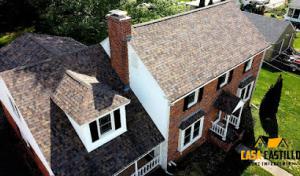
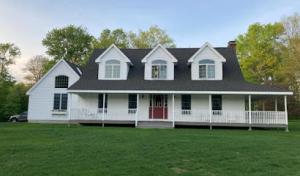
Asphalt shingles are the dominant choice on many homes here, and for good reason. In this river valley, the mix of freeze-thaw cycling and summer UV exposure pushes shingle aging and seal integrity to the forefront of what you should evaluate. Look for shingles with strong algae resistance, robust granule retention, and good underlayment compatibility. In practice, this means selecting products with proven sealant performance across repeated freezes and long, hot days, and ensuring proper attic ventilation so the roof deck doesn't overheat or collect moisture. When shingles age, you'll notice more frequent granule loss and potential loose edges-keep that in mind for patch repairs or transitions around skylights and chimneys, where temperature swings are most pronounced.
Metal can be a smart fit for a home that deals with heavy snow and fluctuating temperatures. In this market, focus on snow-shedding behavior to reduce the risk of ice buildup at eaves and near roof penetrations. Fastener detailing matters: ask about corrosion-resistant fasteners and a properly sealed seam system that handles winter moisture without leaking. Noise is not a myth in this climate-during a heavy snowfall or a rain-on-metal event, you may notice more sound inside the attic or upper rooms. Insulation and a sound-dampening underlayment can help, but you should also discuss panel profiles (standing-seam vs. exposed-fastener) and color options that reflect heat in summer while resisting ice dam risk in winter. A well-installed metal roof stands up to the river's winter bite while not amplifying summer heat indoors.
Clay tile and concrete tile bring substantial curb appeal, yet they come with added roof loading and moisture considerations. The weight is real: in this climate, a tile roof may require structural checks to handle the load, especially on older homes with marginal framing. Moisture behavior matters too-tile can be versatile against freeze-thaw cycles, but proper underlayment and ventilation are critical to prevent condensation and potential damage behind the tiles. Installation complexity rises with tile type, particularly around dormers, chimneys, and valleys where water movement concentrates. If choosing tile, ensure a capable contractor evaluates roof framing, attic ventilation, and drainage to cope with seasonal swings without trapping moisture or promoting ice dams.
Wood shakes offer texture and traditional charm, but the climate's freeze-thaw cycling and summer heat challenge wood's moisture balance. Expect more seasonal expansion and contraction, which stresses fasteners and edge detailing. Synthetic shingles provide a more uniform performance and can blend the look of wood with improved moisture resistance, yet they still require sound ventilation and a properly prepared deck to avoid heat-related curling or warping. If you lean this direction, plan for a ventilation- and underlayment-focused installation that can accommodate the material's movement through broad temperature swings and varying humidity levels.
Beyond material choice, ensure installers plan for optimal attic ventilation and a continuous airflow path from soffits to ridge lines. In a climate marked by freeze-thaw cycles and river exposure, ventilation performance is a key factor in preventing ice dams and moisture buildup. Ask about attic baffle installation, ridge vent coverage, and moisture-permeable underlayment options that work with your chosen material. Consider how the roof's color and emissivity will interact with summer UV exposure and heat transfer to the attic, then align that with insulation strategies at the ceiling level. A well-matched material and ventilation plan can meaningfully extend roof life while reducing seasonal wear.
When you price a re-roof in this river valley climate, start with the per-square ranges provided. Asphalt shingles sit at the entry point, with costs typically in the lower to mid part of the market. If you're choosing metal, you're looking at a higher tier, and tile options-clay or concrete-sit toward the upper end. Specifically, asphalt shingles commonly land around the low to mid range, while metal climbs toward the high end, and clay or concrete tile sit near the top of the spectrum. Wood shingles or shakes and synthetic or composite shingles occupy the middle, tiered by quality and style. In practical terms, a full re-roof with asphalt shingles remains the most affordable path, while tile systems push the total well into the upper bracket.
Weather windows drive cost and scheduling here. Spring rain can slow a project that started on a dry footing, and late-season demand before winter protection is needed can tighten crews and push daily rates upward. If backlogs from winter damage linger, a contractor may need to stack invoices or rearrange crews, which translates into higher costs and longer timelines. In short, you'll see price pressure not just from the material choice but from the calendar: a late spring or late-season kickoff tends to raise the bottom line compared with a mid-summer installation with dry, predictable weather. This is especially true for more complex or higher-end systems, where precise installation steps matter for long-term performance.
Start with a clear target: asphalt shingles as the baseline, using the low-to-mid range for a standard 3-tab or architectural shingle over a typical house in the area. If you're leaning toward a metal roof, plan for a noticeably higher cost per square and a different installation cadence. Tile systems require even more budgeting for both materials and installation intricacies, given weight considerations and the need for engineered deck support. As you estimate, factor in the possibility of extra days if spring rain interrupts progress or if crews need to address preexisting issues uncovered during tear-off. Finally, build a contingency into your budget-roughly a small cushion to accommodate weather-driven delays and scheduling shifts-so the project doesn't stall when the next storm rolls in.
Consider ventilation and attic-performance benefits as you compare options. While the upfront price matters, the long-term impact on ice dam prevention and freeze-thaw resilience weighs into overall value. In this market, choosing materials and installation strategies that promote consistent attic ventilation and roof deck ventilation is a practical move, especially to minimize winter-related damage and to align with performance expectations in the local climate.
A full re-roof in West Springfield typically requires a permit through the local Building Department. Before any shingles come off the house or new decking goes on, you need to file for approval and have the scope clearly described. The Building Department expects a plan that shows not only the roof surface but also underlayment, ventilation, and any attic insulation changes. The process isn't a mere formality; it's designed to catch gaps that could lead to ice dams, moisture intrusion, or improper venting later on. If the project simply patches a damaged area, the department may classify it as repairs rather than a full replacement. That distinction matters, because the permit conditions and inspections hinge on the scope.
Expect the city to closely differentiate between patch repairs and a complete roof replacement. The Building Department will review how the ventilation system will perform once the new roof is in place. In practice, that means a clear plan for ridge and soffit vents, or an approved alternative, and confirmation that attic space will maintain a proper balance of intake and exhaust airflow. At time of permit submission, include any changes to roof deck, flashing around chimneys or dormers, and any added insulation in the attic. In West Springfield's river-valley climate, ventilation can't be an afterthought, because improper flow contributes to ice dam buildup and freeze-thaw damage during long winters.
A final inspection is required after completion to verify proper installation and ventilation before the job is fully closed out. The inspector will walk the roof, attic, and eaves to confirm that underlayment lay yes, nails and fasteners meet code, and ventilation meets the approved plan. If the inspector finds gaps between the venting strategy and the actual roof setup, the permit may be held open or require corrective work, which can delay closeout and complicate moisture performance. To minimize hold-ups, schedule the final inspection promptly after work finishes and ensure all components-roof, flashing, vents, and insulation-are accessible and clearly visible for review. This step is the safeguard against callbacks and winter-time surprises.
After a winter ice dam or a storm-related leak, you need a clear, date-laden record of what happened. In this region, roofing claims are commonly evaluated using documented damage, photos, and contractor estimates, which is especially important after winter ice damage or storm-related leaks in West Springfield. Start by photographing the roof from ground level and from the attic, focusing on areas where ice damming caused water entry, as well as any visible shingle or flashing failures. Keep a dated log of when weather events occurred, when damage was first noticed, and how it progressed over time. Attach notes about attic moisture, insulation gaps, and any ventilation concerns observed in the attic or soffit area.
Weather-driven claim activity in this region can increase adjuster scrutiny, particularly when damage may involve both visible shingle failure and moisture intrusion from ice damming. When you file, provide a clear scope: photos, a written description of damage, and a professional estimate. West Springfield homeowners should expect some carriers to use independent adjusters on larger losses, making date-stamped photos and clear scope documentation especially useful. Obtain a professional assessment that separates shingle damage from moisture-related issues and includes any necessary moisture scans or infrared observations. If possible, have the same contractor oversee the work to maintain a consistent estimate and scope for the insurer.
In a typical cycle after severe weather, act quickly to prevent further damage: cover exposed areas temporarily and document any ongoing leaks. Keep all receipts for temporary repairs and any professional evaluations. Make sure every photo or report is dated, labeled with location details, and tied to a specific event. Clear, consistent documentation helps the claim move through adjuster review and supports a timely settlement, especially when the river-valley climate in this part of the state has produced multiple freeze-thaw cycles.
Connect with contractors who help homeowners navigate the claims process from damage assessment to final approval.

In this river-valley climate, repeated freeze-thaw stress tends to show up first at shingle edges, flashing transitions, and eave areas where meltwater refreezes. You'll notice hairline cracks or slight puckering where water should shed, and that weak point becomes a backbone for ice dam formation if left unchecked. Inspect edge metal and step flashing after heavy snows melt, and pay close attention to any loose shingles along the eave line. A minor edge lift now can cascade into leaks once ice builds up against a frozen roof edge.
Summer heat and UV exposure accelerate aging of exposed roofing materials, so brittle shingles after winter are a realistic local maintenance concern. Warped or cracked shingles not only invite water intrusion but also reduce the roof's ability to shed meltwater efficiently. In the attic, check for excessive fan-fold or undershingle wear near the most sun-exposed bays. If you see granule loss or chalking on the surface, that material is not protecting your roof as it should and the risk of moisture intrusion rises when a warm day follows a cold night.
Fall debris and wind can impede drainage paths, making gutters, valleys, and roof-to-chimney transitions important inspection points. Clogged gutters force water to back up under the eaves, and debris in valleys can hold water against flashing, increasing freeze-thaw stress. After leaf fall, inspect valley collars, sealant joints, and chimney flashing for any voids or gaps. A clean, well-sealed path for meltwater is your first line of defense against ice dam formation and related damage.
Flat and low-slope roofing is a meaningful niche in this market, reflecting the presence of commercial and mixed roof types rather than only steep-slope residential work. In the Connecticut River Valley, freeze-thaw cycles follow rain or snowmelt, so standing water and slow drainage on low-slope surfaces become critical factors. Roof assemblies here must manage both moisture and wind-driven spray from the river corridor. Pay close attention to edge detailing, flashing transitions, and drip edges where the low-slope plane meets walls and penetrations. A surface that freezes water at the seams can create ice dams and accelerated wear in ways that contrast with steeper residential roofs.
Homeowners with additions, porches, or attached structures should treat low-slope sections as a separate roofing system with different failure patterns than the main shingle roof. These areas often accumulate moisture more slowly and drain unevenly, which can lead to pooled water, membrane damage, or compromised underlayment if hidden from routine inspections. Ensure that the connecting details between the main roof and the low-slope section are designed to shed water toward proper drains without creating reverse slopes or perched water. Regular checks should verify that parapets, skylight curbs, and flashed transitions hold tight against wind-driven rain from the river corridor.
In this climate, inspections after heavy rain followed by freezes are especially valuable. Look for edge flashing pulled up by gusts, scupper or gutter blockages, and any signs of moisture intrusion at seams or fastener patterns. Low-slope roofs benefit from a robust drainage plan: verify that drains and scuppers remain free-flowing, and consider concealed channels or improved slope where feasible to minimize standing water. For mixed roof layers, ensure that retrofits maintain compatible expansion gaps and coordinated insulation strategies to prevent cold spots and condensation beneath the surface.
Find specialists in TPO, EPDM, and built-up flat roofing systems for residential and commercial properties.