
Last updated: Apr 19, 2026
Ice damming in this town's cold winters isn't a hypothetical risk-it's a practical reality that can turn a routine snowstorm into a nightmare for your roof and interior. Enfield's pattern of heavy snow, repeated freeze-thaw cycles, and long stretches of frigid air means ice builds up quickly along eaves, then backs water under shingles and into soffits, fascia, and ceiling joists. When a roof edge remains warm enough to melt a little, and the gutters are blocked or frozen, that meltwater refreezes at the edge, forming an ice dam that forces water to seek new paths inward. That damage can show up as stained ceilings, warped trim, or damp insulation, and it often sneakily progresses before you notice.
Scheduling often shifts away from winter months in Enfield because snow cover, ice, and low temperatures complicate tear-offs and installation quality. Contractors know this, and building a plan now is critical. If you wait for a spring thaw to start bigger projects, you risk more leaks and worse damage from another freeze-thaw cycle before workers can safely complete the work. For an effective response, you need a proactive plan that accounts for the timing and the unique cold-season stresses your roof faces.
Older homes in this area, especially those with exposed eaves and aging gutters, are especially vulnerable to winter backup leaks along roof edges. When heat leaks from the attic rise to the roof deck, snow near the ridge may melt while the edge remains cold, feeding the dam cycle. Gutters that sag, clog, or detach pull heat into the roofline and create extra pathways for water to back up under shingles. If your home still relies on older insulation and fewer air leaks around penetrations, every winter can feel like a test of your roof's resilience. Even modest attic heat loss can turn a simple freeze into a costly interior leak and wood rot scenario.
What you can do this winter to reduce risk starts at prevention. Start with a through attic assessment to identify heat leaks, insufficient insulation, and ventilation gaps. Seal obvious leaks around chimneys, light fixtures, and duct penetrations, and upgrade insulation where you find it lacking, particularly near eaves and soffits. Improve attic ventilation so that the roof deck stays closer to outdoor temperatures, slowing the rate at which snow melts on the upper portions of the roof and reducing the energy driving those ice dams. Consider a rim- or furrow-vent system that keeps the roof deck cold along the edges, where dam formation begins.
Gutters and downspouts deserve close attention as winter approaches. Clear debris, secure loose sections, and ensure downspouts drain away from the house foundation. If gutters are damaged or undersized for the roof, address those issues before snow accumulates. In storms, a cautious approach to snow removal from the roof edge can prevent sudden dam formation. Do not attempt to remove ice dams by chiseling or forcing removal from below; use a roof rake from ground level to remove snow near the edge, and consult a pro if dammed ice has formed a solid barrier.
During a winter leak event, act quickly. If water is seeping through interior ceilings, place buckets, catchment, and protective plastic to minimize damage while you arrange professional help. Photograph affected areas for insurance and contractor records, and document any attic condensation or frost buildup as this often signals ongoing heat loss. When you call for help, emphasize evidence of attic heat leakage, suspected damming at eaves, and any signs of water traveling behind walls. Enfield homeowners who confront ice damming head-on-by tightening insulation, improving ventilation, clearing gutters, and planning for winter work-increase their chances of stopping damage before it escalates.
Warm, stormy summers in Enfield create a second major damage season after winter, with wind-driven rain and storm impacts often exposing aging shingles and flashing. That means the roof you thought was solid through the cold can suddenly reveal its vulnerabilities as the heat returns, storms roll in, and power crews are busy elsewhere. Ice dam damage from the winter can compound these issues, so a roof that looked fine in spring may show leaks once the humidity climbs and afternoon storms roll through. Pay close attention to attic signs-unseasonal warmth, condensation, or musty smells after a storm can point to hidden roof failures that won't wait for the next thaw.
Connecticut homeowners filing roof claims after wind, hail, or storm events are expected to provide photos, inspection findings, and contractor estimates, and adjusters review roof age and prior condition. The process moves quickly when a storm hits, and solid documentation can save you time and money. In practice, that means you should photograph every affected area: shingles curling or missing, flashing lifted at chimneys or vents, gutters and downspouts that have detached or bent nails, and interior signs of leaks around ceilings and walls. A dated string of images showing before-and-after conditions helps an adjuster see the impact clearly, especially when the roof is older and a claim hinges on prior condition versus new damage.
The local contractor market shows unusually strong demand for both storm damage work and insurance-claim assistance, indicating that claim navigation is a real homeowner concern in Enfield. Expect longer response times, and be prepared to move decisively once you have a credible estimate. Reputable contractors in town often coordinate directly with adjusters to avoid delays, but their availability can still tighten right after a multi-homestorm event. When a contractor is available, their expertise matters more than ever: you want someone who understands common Enfield substrates-shingle and flashing vulnerabilities from freeze-thaw cycles and typical retrofits on older colonials, capes, and ranches.
Act quickly after a storm to mitigate further damage: cover exposed roof sections with sturdy tarps and secure loose materials to prevent rain from infiltrating the attic. Schedule a wind- and hail-damage inspection with a qualified local roofer within days of a storm, not weeks, so you have a credible estimate ready for the adjuster. When you meet with the adjuster, bring a concise file: photos with dates, a written description of observed damage, and the contractor's estimate. If the roof is near the end of its lifespan, discuss the rationale for replacement versus repair, supported by photos and the inspector's findings. In a town where storm response and insurance help are common priorities, having a trusted local contact who can guide you through claim documentation and a repair timeline is worth its weight in peace of mind. Remember: the faster you document, the clearer your claim, the quicker you can restore protection for your home.
Find local contractors experienced in assessing and restoring roofs after hail, wind, and severe weather events.
Blue Rhino Roofs
(413) 813-8611 www.bluerhinoroofs.com
Enfield, Connecticut
5.0 from 8 reviews
With 25 years of experience in home improvements and roofing, we at Blue Rhino roofing understand what it means to provide affordable roofs and professional service.

Keith Gauvin Roofing
(860) 324-4843 www.keithgauvinroofing.com
Serving
5.0 from 764 reviews
Keith Gauvin Roofing is a residential and siding company providing roof repair, roof replacement, gutter installation, siding installation and skylight installation in Ellington, CT. With over 30 years of experience, Keith Gauvin is a leader in the roofing industry and provides roofing services to homes and in Ellington, Vernon, Stafford, Enfield, South Windsor, Somers, Windsor, Manchester, East Hartford, CT. Contact us at 860-324-4843. As a second-generation roofing contractor, Keith understands the importance of bringing value, integrity, and professionalism to every job. Please look at our 5-star reviews. We support many local charities and Little League teams. We are 100% committed to customer satisfaction.
T6 Homes: Roofing & Construction
(860) 356-3868 www.t6homes.com
Serving
5.0 from 28 reviews
T6 Homes Roofing and Construction is your trusted local expert for roofing and siding services in Suffield, CT, and surrounding areas. Fully licensed, insured, and certified by GAF, we specialize in roof repairs, replacements, installations, and siding projects. With over a decade of experience, our team is committed to quality craftsmanship, reliability, and customer satisfaction. Whether you need storm damage repairs or complete home exterior upgrades, T6 Homes delivers durable, professional results you can count on. Trust our experienced team for your next roofing or siding project today!
Fitzgerald Roofing
(413) 734-8438 www.fitzgeraldroofingco.com
Serving
4.8 from 69 reviews
Fitzgerald Roofing Company specializes in Roofing. We are locally owned and operated, have over 30 years of experience, and have completed thousands of roof installations and repairs. Our goal is to exceed the customer’s expectation by providing quality craftmanship at a fair price. You can trust Fitzgerald Roofing’s expertise for all your residential roofing needs. Call today to schedule a free roofing consultation. 413-734-8438.
Long Home Products
Serving
4.8 from 808 reviews
For over 8 decades, Long Home has helped families throughout the East Coast enjoy safer, more beautiful homes. From durable roofs to stunning baths, our quality products, outstanding craftsmanship, and dedication to customer satisfaction are at the core of our philosophy. We work with customers to make home improvement projects more affordable through competitive loan rates and flexible payment plans that fit your budget.
Ugly Roof Doctor LLC, Roof Cleaning, Repair & Replacement
(860) 752-4876 www.uglyroofdoctor.com
Serving
4.3 from 6 reviews
The Ugly Roof Doctor is here for all your roofing needs, whether your roof just needs a little TLC or full replacement, we can help! Emergency service available, Insurance claim restoration experts, Roof Cleaning, Roof Preservation, Roof Repair or Roof Replacement
CB Roofing
(860) 454-7596 www.conventionalbuildersandroofing.com
Serving
4.9 from 58 reviews
CB Roofing has served Connecticut and Massachusetts since 1993, providing trusted residential and commercial roofing services. Based in Vernon and proudly serving Ellington, Tolland County, and surrounding communities, we specialize in roof replacement, new roof installation, storm damage repair, and insurance claim assistance. Our team also offers siding, chimney repair, skylights, gutters, and water damage restoration. As a licensed general contractor, we use top-quality materials, offer free estimates, and deliver dependable, long-lasting results.
Green Roof Solutions,LLC
(413) 977-7290 www.greenroofsolutionsllc.com
Serving
5.0 from 117 reviews
"We provide industry leading Commercial/Industrial metal roofing systems restorations and flat roof rubber coatings. Our mission is to save the planet with more eco-friendly products over the competition and cut building owners heating and cooling expenses at the same time. We strive to satisfy the customer by saving them money and building a lasting relationship."
Casa Castillo Home Improvement
(860) 997-7948 castillohomepro.com
Serving
5.0 from 63 reviews
With over 14 Years of experience in the home improvement industry and our commitment to offering the best materials on the market with equally matched workmanship; homeowners can trust in Casa Castillo for their Roofing and Vinyl Siding needs.
Thomas Roofing
Serving
5.0 from 13 reviews
Welcome to Thomas Roofing, your trusted roofing contractor in the heart of East Granby! With a legacy of excellence spanning over two decades, we take pride in delivering top-notch roofing solutions for residential and commercial properties. Our skilled team of professionals at Thomas Roofing is dedicated to ensuring the durability and longevity of your roof, using high-quality materials and cutting-edge techniques. From routine inspections to complete roof installations and repairs, we prioritize customer satisfaction, offering personalized service tailored to meet your unique needs. Experience peace of mind with Thomas Roofing - where expertise meets reliability for a secure and stylish shelter over your East Granby property.
JT home improvement
Serving
5.0 from 10 reviews
Commercial and Residential roofing and siding company.
TJR Construction LLC | Best Roofing in Vernon, CT
(800) 766-3514 www.tjr-construction.com
Serving
4.9 from 56 reviews
TJR Construction is the leading roofing contractor in Vernon, CT, specializing in residential roofing, roof repairs, gutters, siding, vinyl siding, and storm damage restoration. We proudly serve homeowners in Connecticut, New York, Massachusetts, and Pennsylvania. With a focus on quality craftsmanship and exceptional service, we are trusted by clients in cities including Enfield, Windsor Locks, Somers, Stafford, Tolland, Hartford, Newington, Glastonbury, and beyond in Connecticut. Whether you need roofing repairs, a complete replacement, or storm damage restoration, TJR Construction is the expert you can rely on. Contact us today for a free estimate!
Typical Enfield replacement pricing runs about $350 to $650 per square for asphalt shingles, $700 to $1100 for metal, $900 to $1700 for clay tile, $800 to $1500 for concrete tile, $550 to $900 for wood shingles or shakes, and $600 to $1000 for synthetic or composite shingles. These ranges reflect the town's older home stock, steeper residential slopes, and the common necessity to remove old layers and manage chimney flashing and attic ventilation as part of the job. In practice, you'll see most Enfield projects cluster near the midpoints, with upgrades for higher slope, complex chimney or skylight work, and added cleanup logistics.
Costs in Enfield can rise when winter damage creates spring demand surges, especially after storm periods when emergency repairs and insurance-driven replacements compete for scheduling. Ice dam risk, freeze-thaw cycles, and mid-winter thaw cycles can push both inspections and replacements into the shoulder seasons, sometimes tightening crews and pushing prices up, even on straightforward projects. If a storm hits late winter, expect a short-term price bump tied to expedited material orders and urgent labor needs.
Many Enfield homes use steep-slope residential roof forms common to colonials, capes, and ranches, so tear-off complexity, chimney flashing, and cleanup logistics often affect final pricing. Steeper pitches increase ladder work, safety equipment, and waste disposal time, while multiple penetrations or a dormer add to flashing and sealant costs. When you're planning a replacement, use a contractor who can clearly break out tear-off, underlayment, flashing, and disposal line items, and who accounts for potential spring cleanup after winter shoveling debris.
Asphalt shingles remain the most budget-friendly option, with predictable performance in freeze-thaw cycles when installed with proper attic ventilation and ice-and-water protection at eaves. Metal offers longer life and strong ice dam resistance but comes at a higher upfront price. Tile options (clay or concrete) deliver durability but add weight and require a structural assessment, especially on older colonials and capes. Wood shingles or shakes provide a traditional look but demand strict maintenance in damp winters. Synthetic or composite shingles strike a balance of price and performance, often compensating for fewer maintenance calls in the long run.
Start with a professional diagnosis that prioritizes ice dam prevention, attic insulation, and ventilation upgrades alongside the material replacement. Get multiple written estimates that itemize tear-off, underlayment, flashing, disposal, and cleanup. Plan for spring scheduling if winter damage is suspected, and discuss staggered work if insurance-driven timelines are tight. In all cases, your total project should align with the local weather window to minimize the risk of repeat repairs from the next thaw.
A roofing permit is typically required in Enfield for a full roof replacement. The process is not something a homeowner should wrestle through alone; the contractor usually handles the submission with the town Building Department. If you choose a firm that asks you to sign off on everything without oversight, you are betting against the town's safety standards and your own insurance requirements. Make sure your contractor confirms they will file, monitor deadlines, and keep you informed of any changes in schedule.
Inspections are scheduled during and after installation, and the town may require verification of the contractor's licensed status and proof of insurance before the permit is closed. This is standard protocol for the town's historic and newer homes alike, especially with the freeze-thaw cycles that stress roofs here. Expect at least one mid-project check and a final inspection for the permit closure. Delays can happen if the paperwork trails lag or if a required document is missing.
During inspections, code officials will verify that materials and methods meet local requirements, that proper ventilation and ice-dam controls are in place, and that eave and overhang details align with the existing curb appeal and structure. The town may request documentation showing the licensed status of the contractor and proof of liability insurance in effect for the replacement window. If problems are found, corrections must be completed before the permit can be closed, which can extend the project and add tension to timelines.
Coordinate closely with the contractor to align permit timing with weather windows typical of our long winters. Keep a file of documents ready-proof of contractor licensing, current insurance, and any town correspondence-so the inspections do not stall. If a permit is denied or a condition is noted, address it promptly and document the fix. Delays in closing the permit can affect post-installation warranty claims and your ability to file insurance claims after a weather event. Ask about a pre-inspection checklist to anticipate issues ahead.
Asphalt shingles remain the dominant practical choice for Enfield homes because they fit the typical residential stock-colonials, capes, and ranches-and align with replacement budgets while handling the area's mixed snow, ice, and summer storm exposure. They install readily on the common roof pitches seen around town, and they're familiar to most local contractors, which translates to timely repairs after winter damage. When considering asphalt, prioritize selecting a shingle with a stout ASTM quality rating and good algae resistance, since CT summers can bring heavy storms that test vulnerable edges and flashing. A well-sealed, properly vented attic remains a crucial partner to any asphalt system, reducing the risk of ice dams by moderating attic temperatures during freeze-thaw cycles.
Metal roofing has a meaningful niche in Enfield and is often considered by homeowners looking for better snow shedding and long-term durability through freeze-thaw cycles. The smooth, hard surface helps snow glide to lower elevations, reducing the weight burden and potential ice build-up on eaves. If metal is on your radar, look for panels with tested coatings that resist corrosion from winter salt spray and that are installed with a precise snow-guard strategy in mind. A metal roof can be more forgiving in freeze-thaw conditions, but installation quality matters: ensure proper underlayment and a robust attic-exhaust approach to avoid condensation that can contribute to ice dams along the eaves.
Clay tile, concrete tile, wood shakes, and synthetic shingles are available in the market, but their weight, maintenance profile, and cost make them more selective choices for Enfield homes than standard asphalt systems. Clay and concrete tiles demand a structural assessment, especially on older colonials and ranches, to confirm they can bear the additional load without altering soffits or framing. Wood shakes and synthetics offer distinctive looks but require more precise attic ventilation and regular maintenance to prevent warping, splitting, or mold growth in damp winters. If your roof's slope, exposure, or shade patterns create persistent icicles, discuss drainage strategies and underlayment options with a local roofing pro to prevent snow from lingering along the eaves.
Explore specialists in steel, aluminum, and standing seam metal roofs built to last 50 years or more.
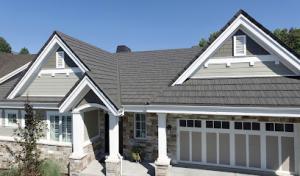
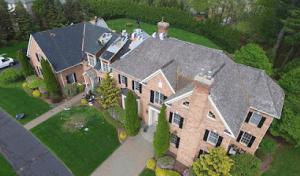
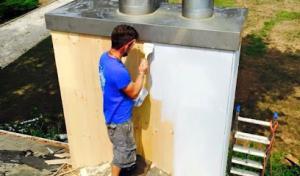
In Enfield, chimney-related roof work is common because many homes sit on older masonry penetrations where flashing details struggle with Connecticut's freeze-thaw cycles. Leaks often show up first around where the brick or stone meets the roof, not across the middle of the field. A careful eye on flashing seams and step flashing can stop problems before they spread.
Chimney penetrations demand extra attention during service calls. Since masonry shifts with freeze-thaw, the flashing along the chimney needs annual checks for loose tabs, lift at the base, and deteriorating sealant. If you notice wet brick or staining near the chimney base, inspect the metal cricket or counter-flashing where roof and chimney intersect. Small failures here can cascade into attic leaks after a storm.
Skylight service is also a recurring specialty in Enfield, with curb flashings and aging seals acting as common failure points. The curb is a plastic or metal frame that should be sealed evenly with a continuous bead of sealant. Look for hairline cracks, dry rot in the surround, or uneven shimming that creates a gap for rain to ride down the curb. During heavy rain or rapid temperature swings, the flashing around the skylight border can separate and let water into the interior.
Freeze-thaw movement and storm-driven rain tend to expose weaknesses first at penetrations rather than across the entire field. Focus on consistent contact at the flashing joints, seals, and fasteners around the chimney and skylight. If the roof feels soft or creaky near these penetrations after a thaw, there is a good chance water has found a path around the flashing.
Inspection and quick fixes should prioritize ensuring sealant integrity, resealing where necessary, and confirming that flashing is securely fastened. Small, targeted repairs around the chimney and skylight can prevent major interior damage during Enfield's icy winters.
Find contractors experienced in skylight installation, flashing, and leak repairs to bring natural light into your home.

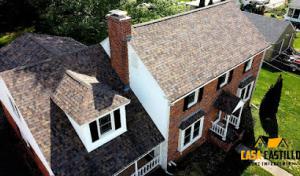
In a town built on old colonials and capes, the flat or low-slope portions-porches, additions, garages-often bear the brunt of Enfield's freeze-thaw cycles. These areas are prone to ponding after heavy spring rain, which can drive water toward seams and flashing and accelerate membrane wear. The flat segments also collect snow and ice longer, making ice dam influence more persistent than on steeper main roofs. Understanding that those low-slope portions age at a different pace helps homeowners plan staged repairs or partial-system upgrades rather than a single, full-roof approach.
Flat and low-slope roofs in this climate rely on membranes, fasteners, and edge detailing that tolerate repeated freeze-thaw cycles. In practice, you'll see notable differences between porch or garage roofs and the main house roof, even when the roofing material looks similar from the ground. A membrane that remains flexible through cold snaps and a properly flashed transition between the low-slope roof and vertical walls are crucial to limit leak persistence after winter storms. When aging becomes visible-granule loss, blisters in the surface, or minor membrane splits-tackling the issue early with targeted repairs keeps the larger system healthier.
Because these roof areas often age differently, partial-system planning makes sense: address the flawed section(s) without overhauling the entire roof. Regular inspections should focus on flashing, detailing around skylights or vents, and any perimeter edge components that contact siding. Drainage remains key: ensure scuppers, downspouts, and secondary drains stay clear so ponding doesn't back up into seams during thaw cycles. For Enfield homeowners, coordinating a patch with a broader renovation cadence-especially on aging garage or porch roofs-can help manage long-term performance and minimize disruptions during winter repair work.
Find specialists in TPO, EPDM, and built-up flat roofing systems for residential and commercial properties.

In Enfield, the rhythm of winter with the Connecticut River Valley freeze-thaw cycle means that insurance decisions often hinge on whether damage can be tied to a specific wind, hail, or storm event rather than to age-related wear alone. That reality means your documentation needs to focus on clear, event-driven evidence rather than hoping that age alone will tell the story. If a single storm caused a leak or visible damage, your claim stands a better chance when you can connect the dots with objective proof.
Start with the storm dates. Keep a simple timeline of when a damaging event occurred, when leaks or interior staining appeared, and when you first noticed any visible roof changes. Exterior photos should capture broad roof conditions and close-ups of any damaged flashing, shingles, or ice dam indicators. In Enfield, those ice dam cues can look like concentrated staining near gutters or soffits, along with sagging eaves from repeated freeze-thaw cycles. Pair each photo with a short note describing exact location and date. When possible, include a quick video walk-around after a storm to show wind-driven debris or lifted shingles.
Collect contractor findings as well. If a roofer has diagnosed wind or storm-related damage, request a written scope that ties each finding to a measurable condition, such as lifted shingles or compromised underlayment. Adjusters often compare these findings against prior roof condition, so having a professional assessment that notes what existed before the event is invaluable. Because insurance-claim help is a prevalent local specialty, Enfield homeowners should expect contractors to assist with photo sets, scope summaries, and estimate documentation. This collaboration can shape a stronger, more defensible claim when storms arrive and the timing of damage remains pivotal.
Connect with contractors who help homeowners navigate the claims process from damage assessment to final approval.
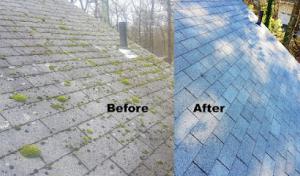
Ugly Roof Doctor LLC, Roof Cleaning, Repair & Replacement
(860) 752-4876 www.uglyroofdoctor.com
Serving
4.3 from 6 reviews
Late spring through fall is the most workable replacement window in Enfield because winter conditions interfere with tear-off safety and installation consistency. In practical terms, plan work for that shoulder between thaw and leaf fall when temperatures are mild enough for shingles to seat properly and ice won't back up under flashing. If weather is unusually mild in early spring, a contractor may start with a strategic dry day, but expect reschedule risk if a front moves through with wind or rain.
Spring in Enfield can bring heavy rainfall that delays open-roof work and exposes existing leak paths before replacement crews can start. If a roof is marginal, a temporary patch might be considered to buy time, but understand that persistent rain can push the project back by days or even weeks. Schedule with contingency in mind, and coordinate with weather forecasts for a week or two of drier days. Clear gutters and valleys ahead of the crew so they can assess flashing and seam integrity once the roof is uncovered.
Autumn leaf buildup is a local maintenance issue because debris can trap moisture in valleys and gutters and hide shingle or flashing damage before winter arrives. Before the first frost, have gutters cleaned and valleys checked for loose or damaged flashing. A crisp, dry installation window in late fall is possible, but rushing through autumn debris can compromise long-term performance. If a tear-off is needed, aim for early autumn so there is enough time to inspect attic ventilation and ensure ice-dam risk is reduced before winter sets in.
Coordinate with a trusted Enfield contractor who understands how CT River Valley cycles affect roof systems. Prioritize a clear plan for tear-off, installation, and temporary protection if a late-season shower appears. Keep an eye on wind advisories and freeze-thaw forecasts; these factors influence safety and the integrity of underlayment and flashing. By aligning work with the local climate rhythm, repairs and replacements stand the best chance of lasting through Enfield winters.