
Last updated: Apr 19, 2026
Cold winters bring snow and ice that sit on steep-slope roofs long enough to oscillate between freezing and thawing. This cycle drives ice dam formation at the eaves, pushing meltwater back under shingles and into edge flashing. In older houses with slate-dense or steep roofs, heat loss into the attic is a major culprit: warmth moves up and refreezes at the outer edge, creating recurring ice dam problems that threaten shingles, gutters, and attic ventilation. When a thaw hits, already stressed edges leak, and water finds paths through weakened edge flashing. The urgency is not just discomfort; repeated cycling accelerates edge damage and invites hidden leaks.
Spring thaw exposes the consequence of long, cold stretches followed by sudden sun and rising attic temperatures. Shingle edges are the first to crack or bend under repeated freeze-thaw cycling, especially where insulation gaps or venting are insufficient. The city's older housing stock often features steep-slope roofs, which means meltwater has a steep run and more opportunities to back up under flashing if the attic isn't vented and sealed properly. Gutter ice backup becomes a visible indicator that meltwater is not draining cleanly, often signaling underlying edge damage or flashing leaks. If snow accumulates along the eaves and then melts in a rapid warm spell, the risk of damming rises sharply.
Start with a quick attic check for heat leaks: signs of warm roof spots or haloing near the eaves indicate heat loss that fuels refreezing at the edge. Inspect soffit vents and ridge vents for obstructions and verify they are balanced so air can circulate along the entire attic space. From the exterior, look for chipped or lifted shingles at the lower edge, cracked flashing, and gutters showing ice buildup that doesn't clear with mild above-freezing days. If you notice staining or damp spots inside ceilings near exterior walls, treat those as urgent leaks and locate the precise pathway-water often travels far from the original dam. In cold snaps, keep meltwater moving by safely clearing long stretches of ice from gutters and downspouts, but never climb onto a steep roof during freezing conditions without proper safety measures.
A proactive approach centers on plugging heat loss and improving ventilation. Target attic leaks with sealing, insulating gaps around penetrations, and ensuring a continuous insulation layer beneath the roof deck to minimize warm zones that drive refreezing. Ventilation must be robust enough to pull cold air along the entire attic, preventing hot spots near the eaves where ice dams start. For steep slopes, consider reinforcing edge flashing with durable, ice-resistant materials and upgrading gutters to handle peak melt rates. Regular fall inspections aimed at catching loose flashing, sagging gutters, and missing shingle edges can dramatically reduce spring leaks.
As temperatures swing toward thaw, expect some latent leaks to surface. Prioritize roof and attic inspections to identify water intrusion paths formed during winter, and address damaged shingles or flashing promptly before warmer rains test the roof's integrity. Use targeted patching for overhead leaks and monitor any newly formed staining near interior ceilings. By coordinating timely repairs with the late-winter to early-spring window, you minimize ongoing damage and protect the roof's performance through the next freeze-thaw cycle.
In Holyoke, the roofing landscape blends asphalt shingles with enduring slate, clay tile, concrete tile, wood shingles or shakes, and synthetic or composite products. That mix mirrors older historic homes alongside later replacements, so decisions can't be one-size-fits-all. On block after block you'll encounter long-life slate in neighborhoods that predate modern roofing, alongside newer installations that mimic or update the original look. Understanding this variety helps when evaluating options for an ice dam risk that escalates with winter weather.
Slate, clay tile, and concrete tile add significant weight to a roof, and winter in this region compounds that dead load. As snow accumulates and melts, the added mass can stress aging framing that wasn't designed for today's heavier combos. If a roof was originally built with lighter materials or smaller spans, a heavy replacement or repair needs to respect existing framing and the potential for movement over time. When you're weighing repair or replacement, consider how a new or repaired surface will sit on that older structure and whether a retrofit to strengthen the deck or rafters is advisable.
Older steep-slope roofs are particularly susceptible to freeze-thaw ice dam issues, especially where snow slides onto eaves and refreezes. A roof mix with slate or heavier tile can exacerbate dam formation if ventilation, insulation, and installation details aren't matched to the roof's age and configuration. The key is proactive control of heat loss into the attic, paired with proper underlayment and nail patterns that secure long-life materials without inviting nail-head leaks. In practice, that means evaluating whether the roof's ventilation and insulation are doing their part to keep the attic near outdoor temperatures in winter, reducing the driving force for meltwater to back up under the roofing material.
Begin by identifying the current material on the visible slopes and the roof's edge details. If slate or tile is present, inspect around perimeters and hips for broken or loose pieces that could create channels for water entry during thaw cycles. For asphalt or synthetic options, check for cupping, curling, or missing granules that signal aging. Note how the roof transitions to vertical surfaces, chimney details, and skylines, since penetrations and flashing in those zones are common failure points during freeze-thaw cycles. If you're considering repairs, prioritize restoring a continuous, well-sealed weather barrier over chasing cosmetic updates that don't address the dam risk.
On historic or mixed roofing fabrics, repair decisions should respect original intent while addressing current performance needs. Where feasible, repair damaged slate or tile rather than full tear-off to preserve historic character, but only if the underlying deck and underlayment are sound. For decks that show signs of sag or rot, plan structural reinforcement before re-shingling or re-slating. When choosing replacements, consider materials that closely resemble the original look, but ensure the selected product works with the roof's slope, climate loads, and ventilation strategy. In installations, use appropriate fasteners and nailing schedules that suit the material type and the roof's age, facilitating long-term performance in cold winters.
Winter snow loads and freeze-thaw cycles in Holyoke can worsen existing roof defects and also delay tear-off and dry-in work. If you have suspect decking or aging underlayment, plan to stagger the project so that workmanship isn't compressed into an icy window. When temperatures sit around freezing, shingle sealing isn't optimal and fasteners may not seat properly. The goal is to avoid exposing decking to repeated freeze-thaw cycles for longer than necessary. If a tear-off is unavoidable, target the core work when days are consistently above freezing and the roof is dry, then wait for a solid dry-in period before applying new underlayment and shingles. In practice, this means coordinating with a crew to block out the coldest stretches and scheduling the critical sealing steps for late morning, when sun exposure helps drive moisture out.
Spring thaw and frequent rainfall in Holyoke can disrupt scheduling, making this a high-risk season for projects that expose decking for too long. After the snowpack recedes, lingering moisture can trap humidity under the new layers and slow sealant curing. If a tear-off extends into late spring, you may see unexpected dampness in attic spaces as meltwater finds its way through lingering gaps. The practical approach is to complete tear-off and dry-in during a window of dry, mild days and to avoid lingering exposed decking through even short rain events. Keep gutters and downspouts clear so water isn't pooling near fasteners or along eaves, which could invite ice dam risk once temperatures drop again.
Summer heat in Holyoke can affect shingle sealing and underlayment performance. High ambient temperatures can accelerate or unevenly set sealants and complicate adhesive-backed vent details. If asphalt or synthetic shingles are used, ensure the chosen product is compatible with hot-weather installation and that ventilation is not compromised during the tear-off. Plan for morning or late-afternoon work when temperatures aren't at peak and ensure crews verify nailing patterns and shingle alignment under direct sun, so sheets don't cave or curl as they acclimate.
Autumn brings wind and foliage buildup that can hide drainage issues before winter. Leaves and branches can clog valleys and gutters, masking subtle sagging or improper flashing that would otherwise be visible in drier conditions. Schedule a pre-winter inspection once the primary tear-off is complete and the roof is dry. Use this window to address any hidden defects, reseal flashing, and confirm proper ventilation. The goal is to finish with a clean, staggered dry-in that remains protected as temperatures drop and wind events intensify. This helps prevent sudden ice dam formation once the deep cold returns.
Dicky Matos Roofing
(860) 936-9446 www.dickymatosroofinginc.com
23 Hadley Mill Rd, Holyoke, Massachusetts
4.7 from 84 reviews
Fully licensed and insured roofing, gutter and siding contractor! FREE Estimates and we are happy to work with your insurance company directly - Call us today, (413)530-5335
US Metal Roofing
(800) 232-0399 www.usmetalroofing.com
740 High St, Holyoke, Massachusetts
4.7 from 60 reviews
U.S. Metal Roofing is your source for professional metal roofing service and installation. For over 45 years we have brought the life-long benefits of metal roofing to individuals and organizations throughout Massachusetts, Connecticut and New York. From service to installation, we guarantee 100% customer satisfaction.
Dave Miner Exterior Home Improvements
(413) 533-0481 www.daveminerroofing.com
264 Southampton Rd, Holyoke, Massachusetts
4.3 from 49 reviews
Dave Miner Exterior Home Improvements has been serving Western Mass homeowners with high quality craftsmanship and personal service since 1980. Using state of the art materials with a commitment to quality has earned Dave Miner several national certifications, including Certainteed Shingle Select Master and GAF Master Elite Roofer. Less than 2% of all contractors in the United States are recognized as certified roofing contractors. This allows our company to provide homeowners with a better warranty! Dave Miner Exterior Home Improvements is a family-owned and operated business.
Exterior Construction
(413) 222-1775 exteriorconstructioninc.com
Serving
5.0 from 138 reviews
Established in 2015, Exterior Construction safeguards homes in Western MA & Northern CT with reliable roofing, vinyl siding, gutter services and so much more. Our family-owned business approach ensures meticulous attention to detail, treating every project as if it is our own. Commercial & Residential services Fully Licensed & Insured - A+ BBB rating - 5-Star Google rating Free estimates - Financing available Warranties available on select products and services
J. Sicard Construction
(413) 535-9908 www.jodysicardconstruction.com
Serving
4.9 from 29 reviews
J. Sicard Construction, Inc. is a trusted and reputable roofing and siding company proudly serving South Hadley, MA, and all surrounding areas within a 50-mile radius. As a family-owned business, we take immense pride in providing top-notch storm damage insurance claims and restoration services. Spearheaded by Jody Sicard, a seasoned professional with over 20 years of experience in the industry, our company specializes in handling storm damage, wind damage, roofing, siding, and slate repair.
Adam Quenneville Roofing & Siding
(413) 798-8117 1800newroof.net
Serving
4.9 from 1260 reviews
Adam Quenneville Roofing & Siding has proudly served over 25,000 satisfied customers in New England for 25+ years! As part of the top 3% of roofing contractors in North America with Master Elite™ status, we’re committed to excellence in sales, service, and installation. We offer 0% financing for 18 months and a full range of services, including residential and commercial roofing, siding, windows, gutters, roof cleaning, roof tune-ups, and Roof Maxx™ treatments. Trust us for the “best and safest choice” in roofing and siding solutions!
Klaus Roofing Systems by J Smegal
(413) 384-3200 www.jsmegalroofing.com
Serving
5.0 from 120 reviews
Does your home have a leaky roof, damaged flashing, missing shingles, or other roofing problems? Your roof plays a major part in preserving the look, feel, and value of your home. That is why you should trust the experts at Klaus Roofing Systems by J Smegal to help. We have been fixing Berkshire, Franklin, Hampden, & Hampshire County homeowner's roofing problems since 2010, providing reliable solutions, courteous service, and lasting results every time. Our roofers are highly trained and come equipped with generations of experience. We also have a construction supervisor license, home improvement license, and real estate license. Schedule a free estimate on any of our services to learn more.

Beaulieu Home Improvement
(413) 592-1498 beaulieuhomeimprovement.com
Serving
4.8 from 152 reviews
Beaulieu Home Improvement, the "exterior experts”, has been a Chicopee, MA family owned business for over 50 years. Our company is now the largest home improvement contractor in the area, installing roofing, vinyl siding, windows, doors, decks, porches, and creating custom detailed carpentry using vinyl for all of Western Massachusetts, Northern Connecticut, and its surrounding areas. Reach out today for more information about the other services we offer, like: vinyl and aluminum siding and trim repair, exterior home entryway remodels, rot repair and carpentry work, skylights, gutters, and so much more!
Kerry Enterprises
(413) 459-2091 kerryenterprise.com
Serving
5.0 from 17 reviews
We offer comprehensive solutions to maintain and enhance the integrity of residential and commercial properties. From intricate repairs to custom installations, we are committed to delivering unparalleled craftsmanship and exceptional customer service.
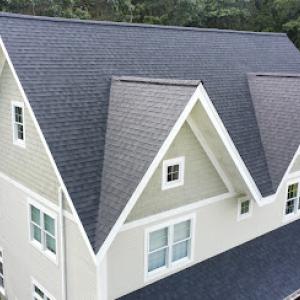
Peak Performance Roofing
(413) 203-5888 www.peakperformanceroofingllc.com
Serving
4.9 from 104 reviews
At Peak Performance Roofing, we specialize in high-quality residential and commercial roofing across Western Massachusetts. Owner James Flannery brings over 40 years of hands-on experience to every project. Originally from the Greater Boston area, James relocated to Easthampton in 2015 and quickly built Peak into the trusted name it is today — known for expert craftsmanship, dependable service, and a personal commitment to every customer. With a strong focus on honest estimates, clear communication, and roofs built to last, Peak Performance Roofing is proud to deliver exceptional results on every job we take on.
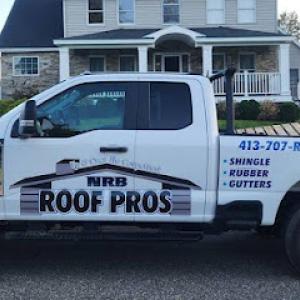
NRB Roof Pros
(413) 707-7663 www.roofpros413.com
Serving
4.9 from 49 reviews
Welcome to NRB Roof Pros, a division of NRB Exteriors, your premier choice for exterior home improvements in South Hadley, MA! Specializing in roofing, siding and gutter installation, we're fully licensed, bonded, and insured with decades of experience. Since 2003, we've delivered top-quality roof installations and repairs. Trust our skilled team of roofing contractors for lasting results on every project.

Stone Mountain Roofing
(413) 998-9010 stonemountainroofingllc.com
Serving
5.0 from 56 reviews
Owner Matthew Carrier has been in the roofing industry for over 15 years. Based out of Easthampton MA, we service residential and commercial roofing services to most of Western MA and CT. Stone Mountain Roofing believes in providing honest and useful information throughout the entire process and will NOT be pressuring you into making a decision. We offer free roof inspections! Specializing in: asphalt shingles, standing seam metal, skylight replacement, siding and gutters!
A full re-roof in Holyoke typically requires a permit through the City of Holyoke Building Department. Before any shingles are stripped, your contractor should submit a clear project scope that outlines replacement materials, estimated timelines, and compliance with local ventilation and fastening requirements. The permit process is there to ensure that the roof system will stand up to Holyoke's freezing winters and frequent wind events, while also aligning with the city's emphasis on proper nail patterns and ventilation. If a contractor skips the permit, you risk delays, rework, and potential penalties when the inspector notices the omission.
The Holyoke Building Department reviews the roofing project scope to verify that the proposed work meets current code and local expectations. The department charges a permit fee based on the scope and size of the project, so the approval step is not a formality. Receiving the permit is not the finish line; a final inspection is required to release the permit. This inspection serves as a check on how the roof was installed-and whether the chosen ventilation strategy provides enough airflow to help mitigate ice dam risk and moisture buildup behind the attic insulation.
The final inspection concentrates on three concrete areas. First is proper nailing: shingles must be secured according to the local standard so that wind uplift and freeze-thaw cycles do not compromise the roof edge or hips. Second is ventilation: the inspector looks at attic ventilation adequacy, ensuring soffit, ridge, or other approved configurations support continuous air movement. Poor ventilation is not just a nuisance; it increases ice dam risk and accelerates decking deterioration in Holyoke's climate. Third is overall code compliance: the installation must adhere to current building codes and the city's specifics, including flashing details and appropriate underlayment. Ventilation upgrades are not just best practice but a local approval issue, so plan to discuss them explicitly during permit review and scheduling.
Coordinate early with a contractor who understands Holyoke's steep-slope roofs and historic housing stock. Ask to see the permit application and any correspondence with the Building Department, and confirm the planned ventilation approach aligns with what the inspector will expect at final inspection. Prepare for weather-related scheduling fluctuations common in late fall and winter, since these can impact both the installation sequence and the timing of the final inspection. If modifications are required after the preliminary review, address them promptly to avoid delays in permit release and completion.
Asphalt shingles run about 350 to 650 per square, a common range for mid- and aging roofs with limited damage in this area. Clay tile tends to be 800 to 1,400 per square, reflecting its heavier installers and more careful handling on older structures. Concrete tile sits roughly between 700 and 1,100 per square, offering durability but adding weight and teardown considerations on frayed decking. Wood shingles or shakes typically run 600 to 1,000 per square, where grain follow-through and veneering can influence the price. Synthetic or composite shingles generally come in the 450 to 900 per square range, often chosen for lighter weight and easier maintenance. Slate commands the highest price, about 1,200 to 2,600 per square, due to specialty labor and long-term performance. For a typical homeowner, these ranges guide whether you're pursuing a full tear-off or a measured replacement on a stubborn, age-weary roof.
On older homes, prices tilt upward when decking repairs are needed or ventilation corrections are required to meet the region's winter demands. If the existing slate or tile system needs careful tear-off rather than a straightforward asphalt replacement, labor and disposal become more prominent line items. The steep slopes common to Holyoke houses compound safety and access costs, particularly when crews must navigate icy or thawing surfaces after long winters. Expect extra days of labor when edging around historic patterns or preserving period materials, and plan for higher waste handling if damage is found beneath the surface.
Seasonal weather tightens contractor availability after winter damage and spring leak discoveries, which can affect scheduling pressure and labor pricing. In practice, a late-winter or early-spring push may bring tighter crews and higher bids, while a calm late summer window can yield steadier rates. If you're weighing material choices, consider how a lighter weight option like synthetic or composite might reduce deckprep and teardown time versus slate, where long-term durability competes with premium labor costs. Planning with this cycle in mind helps align material selection, decking condition, and timely installation.
In Massachusetts, insurers commonly require roof photos and documentation, which matters in Holyoke where many homes have older roof systems and layered repair histories. A wind or hail event can trigger scrutiny, and the adjuster will want to see a clear record of when the roof was installed, what repairs have been done, and what materials were used. If a roof has undergone multiple patch repairs rather than a single, coordinated replacement, that history can influence what a carrier considers as existing damage versus new damage. Being ready with a concise timeline and dated photos helps keep a claim from stalling or being downgraded.
Adjusters typically evaluate damage in relation to roof age and installation date, so homeowners with older slate or long-service asphalt roofs need records before wind or leak claims. Slates that show signs of delamination or repeated freeze-thaw cycles, and asphalt roofs that have seen multiple reseal or re-nail attempts, can complicate the claim if there isn't a traceable installation history. A thoughtful file-photos from different seasons, a simple map of known repairs, and notes on previous professionals who worked on the roof-can illuminate condition beyond a single storm snapshot.
Some Massachusetts carriers may limit coverage or push replacement requirements for older roofs after wind or hail events, making professional damage assessment especially important in aging housing stock. Before reaching out to an insurer, arrange a neutral, qualified roof inspection focused on structural integrity and membrane condition, not just cosmetic wear. If a claim is anticipated, have the findings documented with date stamps, professional licenses, and clear photographs that show the state of the roof relative to its installation date. Clear, objective records help prevent disputes when the storm season tests steep-slope roofs here.
The mix of older slate and tile roofs standing alongside newer asphalt replacements creates a landscape that ages in a way lightweight suburban homes don't. In houses with legacy materials, the roof system often carries decades of decisions about underlayment, ventilation, and fastening that were not standardized in a single era. You'll frequently encounter mismatched sections-slate or tile perched above a newer asphalt retrofit-and those transitions require careful assessment. The difference in material behavior means repairs can't be assumed to match the surrounding roof; each section may respond to weather, freeze-thaw cycles, and wear differently. Understanding the history of each roof area helps you target the most vulnerable spots first, rather than treating the entire surface as if it aged at the same rate.
Holyoke's housing stock reflects a long arc of construction-from era-specific detailing to modern replacements-so maintenance decisions unfold in stages. A repair on a slate or tile section might extend life significantly, but it can also reveal underlying substrate or deck issues once you remove damaged materials. In contrast, asphalt sections installed during later eras can deteriorate more uniformly, inviting more straightforward maintenance cycles. The result is a repair strategy that prioritizes sealing, ventilation, and secure nailing for all slopes while balancing the need to preserve historic roofing elements where feasible. This nuanced approach helps avoid over- or under-investing in a single intervention.
Holyoke experiences cold winters, wet springs, and humid summers that interact with roof systems in a distinctly seasonal rhythm. Problems tend to surface in stages: an early freeze-thaw crack here, a soppy deck pocket there, a slipped tile in a corner valley later. That pattern rewards a proactive, rather than reactive, maintenance mindset. Regular inspections after heavy storms and at the end of winter can catch creeping issues before they cascade into larger damage. When you see the first signs of moisture intrusion or tile movement, address it promptly to prevent a wider collapse of the roof's efficiency and its ability to shed water.
Ventilation strategies matter more on Holyoke roofs because older sections may rely on different underlayment choices and historical nailing patterns. A modern re-roofing approach often emphasizes a full-coverage venting plan and continuous nailing to resist wind uplift and accommodate freeze-thaw movement. For homeowners, this means ensuring the roof's ventilation is not just present but correctly distributed, and that fasteners penetrate the appropriate substrates for each material zone. Proper ventilation reduces ice dam risk and helps preserve the lifespan of both historic and contemporary sections.