
Last updated: Apr 19, 2026
Massachusetts winters drive brutal freeze-thaw cycling that creates ice damming at eaves and forces repeated expansion-contraction in roofing materials. In older homes with slate or chimney-heavy profiles, those dampened yet brittle edges are especially vulnerable. Ice dams back up meltwater under shingles, pushing against underlayment and decking and signaling hidden rot or fastener failure. If you hear dripping inside or notice stained ceilings near exterior walls after a heavy thaw, you're likely seeing a sign that heat is escaping through the attic and feeding ice buildup at the eave. Addressing this early-before a full roof leak forms-requires both prompt temporary control and a plan for enhanced insulation and ventilation to stop the cycle at its source.
Heavy snow and ice can suspend safe roof access in a hurry, making rescue operations or on-roof fixes dangerous. When storms pile up, temporary leak control and tarping become essential tools in your winter response kit. If a leak manifests after a storm, do not delay staging a tarp, sandbags, or waterproof membrane over the most vulnerable regions-typically around valleys, chimneys, and low-slope runs. Keep a clear, accessible path from your attic hatch to the most exposed leak area so you can monitor moisture without stepping into a collapsing snow cover. Schedule a rapid follow-up inspection as soon as weather permits to identify whether the intrusion came from a single compromised shingle, a creased flashing detail, or an interior attic ventilation shortfall.
Older housing stock often features rooflines interrupted by chimneys and multiple valleys. Those features are frequent leak points when snow backs up and refreezes. A missealed chimney chase or a crushed valley flashing can invite water intrusion even if the rest of the roof looks intact. If you notice water staining along a chimney chase, around a vent pipe, or at the intersection of two roof planes, treat these as high-priority failure spots. In many cases, the fix involves resealing flashings, reinforcing valley integrity, and ensuring that the flashing transitions are continuous from the roof deck to the chimney or vent piping. Do not rely on cosmetic shingle replacements alone when the underlying flashing or deck is compromised.
During a severe cold snap or rapid thaw, keep vents and soffits free of snow to maintain attic ventilation, which helps reduce ice dam formation. If you start seeing active leaks, place a tarp over the affected area and extend it well beyond the visible ingress to guide meltwater away from interior walls. Avoid aggressive roof walking unless you're properly equipped and secured; a fall on ice can be devastating. If you can access the attic safely, locate buried moisture paths and consider temporary insulation strategies to cut heat loss through the ceiling-tightening the attic hatch and sealing gaps around pipes can reduce the source warmth feeding ice dams.
Preparation hinges on addressing both insulation and ventilation quality in the attic and ensuring that flashing around chimneys and valleys remains continuous and properly sealed. A roof that tolerates Springfield's freeze-thaw cycling relies on secure fasteners, sound deck underlayment, and materials matched to the local climate stressors. Plan for periodic inspections after winter transitions, focusing on eaves, flashing seams, and valley lines. Building a proactive winter maintenance habit now reduces the risk of escalating damage from back-to-back storms, all while preserving the integrity of aging rooflines and their most vulnerable connections.
Springfield sees active insurance claim activity after weather events, and adjusters commonly want clear pre-loss and post-loss photo documentation. You should have recent photos of your roof and attic spaces before any damage occurs, stored in a safe, easily shareable format. When a storm hits, take high-resolution images from ground level and from crawlspace or attic access if safe. Document any ice dam formations, stained ceilings, or attic condensation promptly. If you discover damage, photograph the edges of shingles, flashing, vents, and the deck after a storm, then again after temporary repairs. The goal is to build a timeline that shows the house's condition before, during the event, and after you've taken initial mitigation steps. For Springfield homes, this is not theoretical-adjusters read rooftop evidence against freeze-thaw cycles, wind-driven rain, and spring melt, so clear, dated images make the process smoother and faster.
High winds in this part of Massachusetts can push moisture under shingles even when the surface looks fine from the ground. Snow and repeated freeze-thaw cycles compromise roofing systems from the ridge line to the eave. Ice dams form where warm attic air melts snow near the eaves, then refreezes as temperatures dip overnight. In old neighborhoods with slate or chimney-rich structures, damage can start at the flashing around chimneys or at the transitions to dormers and valleys. A storm event may produce wind-driven rain intrusion that isn't obvious from street level, yet penetrates under shingles or through poorly sealed chimney and vent joints. You need to inspect for soft spots, curling, or missing granules after a heavy storm and check attic insulation and ventilation, since poor setup accelerates ice dam risk and interior leaks.
Homeowners replacing roofs through insurance should expect requests for licensed contractor information and exact material specifications. When discussing a claim, be prepared to provide your contractor's license details, the manufacturer's name, and the product line or shingle type precisely used on the replacement. The adjuster will want a clear match between what was damaged and what is being installed, so choose materials that address Springfield's climate realities-robust wind resistance, good underlayment, and reliable flashing around penetrations. If you anticipate a partial replacement, plan for color and profile matches to keep the overall roof line cohesive, especially on older homes with distinctive silhouettes. In conversations with your insurer, emphasize pre-loss attic conditions, ventilation efficiency, and the presence of ice dam mitigation measures-these points often influence the scope of work and coverage outcomes.
After a storm, prioritize safety: avoid climbing on damaged sections, and place temporary tarps over exposed areas to reduce further moisture ingress. If you spot active leaks, address them with rapid, temporary sealing that won't void coverage or complicate the claim. Gather your documentation, secure certified contractor contact details, and arrange a third-party roof inspection to corroborate professional findings. In Springfield, the timing of repairs matters because continuing exposure to freeze-thaw cycles compounds damage. Start with a clear, factual record of conditions and a coordinated plan with your contractor to document the work scope and materials exactly as specified for the claim.
Find local contractors experienced in assessing and restoring roofs after hail, wind, and severe weather events.
Pro Builders Home Improvement
(413) 519-0902 probuildershomeimprovement.com
80 Cornell St, Springfield, Massachusetts
4.8 from 31 reviews
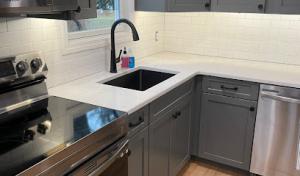
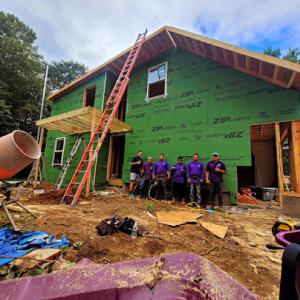
Pro Builders Home Improvement is a fully licensed and insured roofing contractor serving Springfield, MA and surrounding communities. We specialize in roof repair, roof replacement, and new roof installations for residential and commercial properties. Beyond roofing, our skilled team also provides siding installation, gutter repair and replacement, carpentry, and general home improvement services, all backed by years of hands-on experience and a commitment to quality workmanship. Whether you need to fix a roof leak, replace old shingles, or update your home’s exterior, we deliver reliable results with professional service and local expertise. We have 24-hour emergency roofing services
Worthington Construction Group
(413) 883-6171 worthington-roofing.com
254 Worthington St, Springfield, Massachusetts
5.0 from 12 reviews
Worthington Roofing Offers Efficient and Cost-Effective Roof & Repair Services. With years of experience, Worthington Construction Group, Inc. has established itself as a premier roofing contractor in Springfield, MA. We specialize in both residential and commercial roofing, providing our clients with professional installation, repair, and maintenance services. Our commitment to quality and customer satisfaction sets us apart. Whether you need a quick roof repair or a complete installation, trust our skilled team to get the job done right. Contact us today and give your roof the attention it deserves! We also specialize in property insurance claims, sheet rocking, siding, gutters, and painting!
Hdz construction
602 Dickinson St, Springfield, Massachusetts
5.0 from 2 reviews
Roofing siding

Vanguard Roofing
(413) 443-7720 www.vanguardroofing.com
34 Front St, Springfield, Massachusetts
5.0 from 2 reviews
As commercial roofing contractors, we offer professional commercial roofing services for flat roofs, metal roofs, shingle roofs, and slate roofing solutions. We are experts in our field, which means you can count on Vanguard to find the best solution for your problem and do the job right the first time. Whether your business is need of roof repairs, general maintenance and seasonal upkeep, or are in need of new roofing system, you can count on our roofers to provide you with a stress-free, professional solution.
Sun Roofing
(413) 734-7774 www.sunroofinginc.com
71 Walnut St, Springfield, Massachusetts
4.3 from 4 reviews
Sun Roofing has been an industry leader throughout Massachusetts for 50 years! We specialize in all roofing construction from installing a new roof or repairing an existing roof to installing commercial and industrial roofing systems.
Green Roof Solutions,LLC
(413) 977-7290 www.greenroofsolutionsllc.com
Serving
5.0 from 117 reviews
"We provide industry leading Commercial/Industrial metal roofing systems restorations and flat roof rubber coatings. Our mission is to save the planet with more eco-friendly products over the competition and cut building owners heating and cooling expenses at the same time. We strive to satisfy the customer by saving them money and building a lasting relationship."
Fitzgerald Roofing
(413) 734-8438 www.fitzgeraldroofingco.com
Serving
4.8 from 69 reviews
Fitzgerald Roofing Company specializes in Roofing. We are locally owned and operated, have over 30 years of experience, and have completed thousands of roof installations and repairs. Our goal is to exceed the customer’s expectation by providing quality craftmanship at a fair price. You can trust Fitzgerald Roofing’s expertise for all your residential roofing needs. Call today to schedule a free roofing consultation. 413-734-8438.

Beaulieu Home Improvement
(413) 592-1498 beaulieuhomeimprovement.com
Serving
4.8 from 152 reviews
Beaulieu Home Improvement, the "exterior experts”, has been a Chicopee, MA family owned business for over 50 years. Our company is now the largest home improvement contractor in the area, installing roofing, vinyl siding, windows, doors, decks, porches, and creating custom detailed carpentry using vinyl for all of Western Massachusetts, Northern Connecticut, and its surrounding areas. Reach out today for more information about the other services we offer, like: vinyl and aluminum siding and trim repair, exterior home entryway remodels, rot repair and carpentry work, skylights, gutters, and so much more!

Slate Roof Repair
(413) 262-3662 www.slateroofrepairllc.com
Serving
4.9 from 85 reviews
Serving New England for over 25 Years, Slate Roof Repair specializes in the installation, maintenance and repair of Natural Slate, Wood and Copper roofing systems. We also offer installation and repairs of Asphalt shingle, Composite Slate, EPDM and Metal roofing systems.

Supreme Roofing
(413) 331-4490 www.supremeroofing.com
Serving
4.8 from 34 reviews
Located in our CEO’s hometown of Chicopee, Massachusetts, Supreme Roofing's New England office opened in 2012 and serves all the states in the New England area, including Massachusetts, New Hampshire, Connecticut, New York, Maine and Rhode Island. Supreme’s New England branch is locally owned and operated. Commercial Roofing Contractor managing repairs/maintenance, roof replacement, snow removal, roof restoration, custom copper fabrication, storm/disaster response projects, slate and copper repair, new construction and more. From small business offices to high rises to manufacturing plants, hospitals, hotels and distribution centers, we have the experience, training and know-how to address any commercial roofing needs. ROOFING.DONE.RIGHT
Kerry Enterprises
(413) 459-2091 kerryenterprise.com
Serving
5.0 from 17 reviews
We offer comprehensive solutions to maintain and enhance the integrity of residential and commercial properties. From intricate repairs to custom installations, we are committed to delivering unparalleled craftsmanship and exceptional customer service.
Vector Home Improvement
(413) 883-1636 vectorhomeimprovements.com
Serving
5.0 from 22 reviews
Roofing, construction, residential
Springfield's roofing scene isn't a one-material story. The dominant mix includes asphalt shingles, slate, clay tile, fiber cement shingles, synthetic/composite shingles, and standing seam metal. That variety reflects a neighborhood pattern where older homes with slate or long-service stone roofs sit alongside newer re-roofing choices after winter wind and spring storms. When choosing a replacement or repair path, expect a decision matrix that weighs appearance, service life, and how well the roof sheds snow in heavy winters.
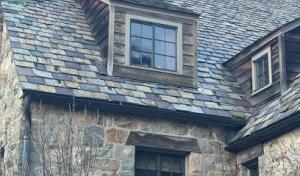
Slate remains locally relevant because many older homes in western Massachusetts still carry original or long-service stone roofs. Those roofs don't respond to tear-offs the same way as asphalt. If a slate roof is damaged, matching the stone look and sourcing repair slates often becomes a careful, targeted fix rather than a full roof replacement. In Springfield, slate repairs hinge on keeping joints sealed and addressing any delamination or broken slates quickly; a full tear-off can unravel the historic character of a home, so repairs are usually the prudent path for limited damage.
Freeze-thaw cycles and heavy snow loads are daily realities here. Materials that shed snow reliably, resist ice dam formation, and tolerate repeated freezing are prioritized, especially on homes with steep pitches or long eaves. Standing seam metal and synthetic alternatives often come under consideration because they manage snow shedding better than basic shingles without compromising weight or structural load. If a roof already carries history-such as slate or clay-upgrade decisions tend to balance preserving the original look with practical performance against ice dam risk and interior leaks.
Asphalt shingles remain a common, practical choice when a homeowner wants straightforward service life and repair practicality in mixed neighborhoods. Clay tile offers classic curb appeal and strong freeze-thaw performance, but it comes with heavier weight and careful framing checks. Fiber cement shingles provide durability with a closer resemblance to traditional looks, while synthetic/composite shingles offer flexibility, lower maintenance, and improved snow shedding compared with some older shingle styles. Standing seam metal delivers reliable snow-shedding and durability, and its smooth surface helps minimize ice dam risk when paired with proper insulation and ventilation. In intervals of cold snaps and wind-driven storms, selecting a material with predictable performance under freeze-thaw exposure saves frustration down the road.
When evaluating options, start with the roof's current condition and its visible wear pattern. If long-serving slate or stone remains, consult a slate-savvy contractor who can assess slate integrity, hidden rot, or fastener corrosion before any decision. For shingle-based options, prioritize systems with sealed edge detailing and known performance in cold, humid summers. For homes with limited attic insulation, address ventilation and insulating gaps first, since temperature differentials intensify ice dam risk and accelerate roof material fatigue. In this market, the best choice often aligns with the home's architectural character, local weather patterns, and the balance between maintenance needs and the historical look of the roof.
Most Springfield re-roofs are scheduled from late spring through early fall because dry, moderate Massachusetts conditions are better for tear-off and installation. This window helps crews work efficiently without the freeze-thaw cycles that can stress shingles and underlayment. If a project starts in late spring, plan for a finish before the first heavy summer storms roll in, and be aware that peak heat can slow progress on attic ventilation checks and interior moisture management. For slate or clay tile, the timing matters even more, since heavier materials demand steadier temperatures and longer, cooler days to avoid warping during installation.
Summer humidity in Springfield can affect installation pacing and drying conditions even when weather is otherwise favorable. Materials like asphalt shingle bundles can be easier to handle on dry days, but high humidity can slow curing of roof sealants and vent closures. Expect slightly longer mornings or afternoons around humid spells, and coordinate interior work such as attic ventilation checks with outdoor weather. Communication with the crew about intervals between lifts and inspections helps keep the project moving without compromising dry-in quality.
Fall leaf drop in Springfield increases gutter clogging and moisture retention at roof edges, so late-season projects often include drainage cleanup concerns. Before tear-off, confirm gutter clearance and downspout accessibility, since blocked outlets can cause water to back up under shingles at the eaves. During installation, pay special attention to edge flashing and ice dam protection, especially on homes with older chimney connections or slate shoulders. After installation, ensure debris removal includes edge sweep cleanups and a final gutter flush to prevent residual moisture from lingering at the fascia.
Different materials respond to the local climate in distinct ways during Springfield's shoulder seasons. Asphalt and synthetic shingles can adapt more quickly to variable temperatures, while slate, fiber cement, and clay tile demand steadier heat and cooler evenings for best fastening and long-term integrity. If a replacement is planned for autumn, discuss with the contractor how to pace fastening and attic venting to minimize heat buildup and maximize edge protection before winter.
Get a clear picture of your project costs upfront - no commitment required.
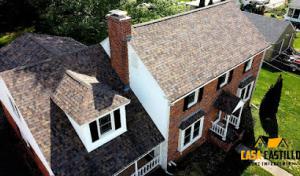

Typical Springfield material pricing runs about $320-$550 per square for asphalt shingles, $900-$1500 for clay tile, $450-$800 for synthetic/composite shingles, $1100-$1800 for slate, $480-$750 for fiber cement shingles, and $700-$1100 for standing seam metal. Those figures reflect the mix of aging homes with slate trim or chimneys and newer houses that lean toward asphalt. When you shop, ask for a price per square and a clear breakdown for tear-off, disposal, and any underlayment work. The higher end often includes deck repair and more complex flashing around chimneys and dormers.
Costs in Springfield can rise on older homes where tear-off reveals decking repairs, chimney flashing complexity, or heavier legacy materials such as slate and tile. If a contractor uncovers damaged decking or rotten sheathing, expect an upsell that can push total by several thousand dollars. In homes with multiple chimneys or intricate ridge lines, labor time climbs, and so does the bill. Build your estimate with a contingency of 5-10 percent for decking and flashing so you don't get surprised mid-project.
Seasonal storm demand and the narrow preferred installation window from late spring to early fall can tighten scheduling and labor availability in Springfield. If a project starts late in the season, you might face overtime or shorter daylight hours, increasing labor costs slightly. Asphalt remains the most economical route for the typical Springfield roof, but if you're balancing freeze-thaw risk, clay tile and slate offer longevity at a premium, with clay tile often chosen for its resistance to freeze-thaw cycles in certain older homes. Synthetic/composite shingles provide a middle ground: good durability at a moderate price. Standing seam metal can be cost-effective long-term, especially in wind-exposed areas, but installation complexity can add upfront cost.
Get at least three written bids and ask for itemized line items: tear-off, disposal, underlayment, flashing, and ventilation. If you anticipate ice-dam risk, plan for improved flashing around chimneys and multi-penetration skylight areas, plus an upgraded insulation or roof venting package. For older homes with slate or tile, request a separate scope for possible decking work; neglecting deck condition is a common source of post-install disputes. Finally, confirm a realistic schedule window and contingency allowance to navigate Springfield's spring storm pulses without derailing your project.
Don't let upfront costs delay a critical repair - these contractors offer payment plans to fit your budget.
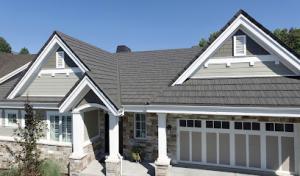
A full roof replacement in Springfield typically requires a permit through the City of Springfield Building Department. Knowing this upfront helps you avoid delays when a contractor starts removing shingles or decking. The permit ensures the work meets local safety standards, zoning rules, and ice-dam mitigation practices that are especially important after harsh winters and freeze-thaw cycles common in this area.
The Springfield permit process generally involves submitting project scope, contractor information, and material details before work begins. Have a clear plan that notes roof type, underlayment, ice and water shield locations, ventilation strategy, and any attic insulation updates. Your contractor should supply the necessary professional credentials, insurance, and a description of any structural modifications. If your home has historic elements or chimney work, flag those items so the permit review can address preservation or specialty requirements.
Once submitted, expect a review period that may include plan checks and potential questions from the Building Department. In practice, the process moves faster when the project scope is precise and complete. Plan for the permit to be active before the first shingle is removed, and coordinate with your contractor to align inspections with milestones. Springfield weather can compress timelines, so clarity in documentation helps avoid weather-related hold-ups.
Springfield inspections commonly occur after roof removal and again after completion, and the department may ask for proof of licensing and local code compliance. The first inspection verifies removal of old materials, proper deck condition, and correct installation of underlayment and starter courses. The final inspection confirms proper flashing, ventilation, fastening patterns, and overall workmanship. If any deviations are found, a re-inspection may be required, so keep uninterrupted access for the inspector and have a point person available for questions.
Prepare to coordinate with your contractor to ensure all notes and amendments are documented in the permit file. Having a labeled, accessible plan set, updated material certificates, and a clear schedule reduces back-and-forth with the Building Department and helps protect against weather-related delays and ice-dam vulnerabilities during spring thaw.
Massachusetts homeowners in Springfield operate in an active roof-claim environment after weather events, so how thoroughly you document damage can shape claim handling. Insurance adjusters will expect a clear trail from the onset of damage through final repairs. If the snow, ice damming, or wind damage creates gaps in records, your claim can stall or be split across multiple visits.
Springfield homeowners should keep date-stamped photos of shingles, flashing, skylights, gutters, and interior leak staining before temporary repairs and after work is completed. Start with wide exterior shots that show the whole roof line, then close-ups of problem areas. Indoor photos of stained ceilings or warped drywall provide critical context for when water has traveled beyond the attic.
Insurers handling Springfield roof claims often want confirmation that the contractor is properly licensed and that replacement materials match the approved scope. Save and share the contractor's license, insurance certificate, and a written scope of work that aligns with the damage findings. When possible, request a brief note from the contractor describing how ice dam risk, freeze-thaw cycles, or wind damage were addressed in the plan.
Keep a repair timeline that includes dates for temporary measures, material deliveries, and final completion. After each milestone, add photos or notes that document conditions at the start and end of the step. If you encounter delays, document why and how temporary fixes were chosen to protect the home.
Avoid relying on memory alone after a storm. Insurance reviewers look for a consistent, dated trail. If a document is missing, replace it with a quick, dated note and corroborating photo. Missing or mismatched details can complicate claims and extend settlement timelines.
Springfield contractor demand shows meaningful specialization in skylight work, reflecting how penetrations become leak-prone under snow, ice, and wind-driven rain. When a skylight exists on a roof that already endures freeze-thaw cycles, flashing must be cleaned and resealed with hardware that resists moisture intrusion. A practical approach is to schedule skylight flashing inspection after heavy storms and before winter, then follow up with a careful sealant refresh in the spring. Use ridge and eave inspections to ensure shingle-to-flashing transitions stay dry, and verify that the curb or curbless system is properly integrated with the surrounding roofing surface. If a skylight is showing condensation or interior frost, address it promptly, because small leaks here amplify quickly in rapid temperature swings.
Chimney-adjacent roofing matters in Springfield because many local homes have masonry chimneys that complicate flashing and snow backup patterns. Start with a full assessment of the step flashing against the chimney, not just the cap flashing. Ice dam risk is higher where snow stacks against masonry, so ensure counter-flashing is continuous and free of gaps. Mortar joints can loosen with freeze-thaw cycles, allowing water to bypass flashing. In practice, check the intersection during a dry spell, then re-seal with a compatible sealant rated for masonry exposure. Pay attention to chimney cricket placement; improper or absent crickets force water toward the flashing joints, increasing the chance of attic leaks during spring thaws. For chimneys shared with brickwork, a careful comparison of old flashing material versus new, corrosion-resistant metal helps a lot in reducing long-term deterioration.
Although pitched residential roofs dominate, Springfield also has enough low-slope and flat-roof work in the market to justify specialist attention for porches, additions, and mixed-use buildings. Low-slope roofs demand careful attention to drainage and membrane continuity where deck surfaces meet vertical walls. In practice, verify that edge drains, scuppers, and terminations are clear of debris after storms and that any parapet walls are flashed to a continuous plane. For snow and ice, install adequate insulation and consider temporary protective measures on exposed low-slope sections during peak winter months. On porches and additions, keep in mind that flashing must extend beyond the main roof plane to prevent meltwater from migrating into interior joints, especially where a ridge line transitions to a flat or gently sloped surface. Regular, targeted inspections after heavy snow events help catch creeping leaks before they spread.
Find contractors experienced in skylight installation, flashing, and leak repairs to bring natural light into your home.

In Springfield, leaks often follow winter weather or spring storms, so fast response and cleanup can be decisive after a shingle failure, ice dam damage, or wind removal. Debris control on tight residential lots matters just as much as the repair itself, since cleanup impacts you and your property's curb appeal. Look for a roofer who treats emergency callouts as part of the service, not a separate expense, and who can outline a plan for storm-season cleanup that minimizes further damage to siding, gutters, and landscaping.
The local market includes many long-established and family-owned firms, so tenure and neighborhood reputation are meaningful screening factors. Ask about how long the company has served nearby blocks and which neighbors have recent experience with them. The best candidates will provide references you can actually verify and a history of steady work rather than sporadic, last-minute projects. In a town with repeated freeze-thaw cycles, staying power often correlates with solid material knowledge and dependable crews.
Because re-roofing is a dominant service, you should ask whether a contractor regularly handles full tear-offs, inspection sequencing, and documentation for insurance-backed jobs. Ensure the crew can perform a complete tear-off when needed, conduct a systematic roof and decking inspection before work begins, and deliver thorough post-project documentation, including photos and warranty information. If a roofer cannot articulate these steps, you may face unresolved leaks or disputes after a spring storm. In Springfield, clarity up front saves headaches when winter returns.