
Last updated: Apr 19, 2026
Windsor's cold winters and repeated freeze-thaw cycles are a primary local cause of shingle edge damage, flashing movement, and leak development. When snow sits on the roof and temperatures swing above and below freezing, meltwater runs toward the edge and refreezes at the cold eaves. That creates ice dams that push against shingles, peel edges, and lift flashing where roof decks meet walls. In older homes, the roof lines are often uneven, and soffit or rafter areas may have been tucked in with less rigorous sealing. The result is faster wear on exposed edges and quicker pathways for water to reach the underlying roof decking and interior ceilings. The danger isn't just a stain on the ceiling; it's hidden rot and concentrated leaks that can undermine the attic and ceiling joists.
The town's older housing stock increases the importance of attic ventilation and insulation because uneven roof temperatures make ice dam formation more likely. If the attic is poorly ventilated or poorly insulated, warm attic air can warm the roof deck from the inside, accelerating melt near the eaves and intensifying dam formation. In practical terms, you should verify that soffit vents are clear, ridge or gable vents are unobstructed, and the attic floor has adequate insulation with a continuous seal around penetrations. Look for gaps around chimneys, plumbing stacks, and electrical wires that let warm air leak into the attic. The goal is to keep the roof deck temperature as close to outside air as possible, especially during melt cycles in late winter and early spring. If you can't confirm solid attic sealing and insulation with a quick inspection, treat it as a priority before any major roof work or replacement.
Replacement timing in Windsor is best from late spring through early fall, when crews can avoid winter sealing problems and reduce weather delays. Plan to align shingle or metal installation with a solid stretch of dry days, not the heart of January thaw or February freeze whooshes. A well-timed replacement reduces the risk of interior leaks during the process and minimizes the chance of leaving openings that let cold snaps penetrate the attic and cause further dam problems. If an immediate repair is unavoidable, focus on sealing around flashing, reinforcing drip edges, and temporarily improving attic ventilation to slow down ice dam development until a full replacement can be scheduled.
If you notice irregular roof edge curling, missing granules at the eaves, or ceiling staining following a thaw, treat it as urgent. Do not delay in arranging a temporary fix to reseal flashing and secure any vulnerable edges. After a heavy freeze, inspect for ice along the gutters and at the eaves, and clear any small ice ridges that threaten to back up water into the roof line. For ongoing protection, coordinate with a trusted local roofer who understands Windsor's freeze-thaw cycle and the typical aging patterns of the town's older homes, so you can catch issues before they become bigger, wetter problems.
In Windsor, spring storms can arrive quickly, and wind gusts or hail can reveal or create issues with shingles soon after installation or during the life of an older roof. The combination of freeze-thaw cycles and sudden weather swings means a small failure can become a big problem in a hurry. After a storm, you'll want to inspect not just the shingles that were damaged but also flashing, drip edge, and the vent boot seals that can fail under pressure. Acting fast to document any damage reduces exposure to leaks when the next thaw hits and helps prevent minor problems from turning into costly failures.
Connecticut insurers commonly review wind and hail exposure during roof replacement decisions and may ask for photos, prior-damage records, and proof of roof age. In practice, that means getting a clear, dated set of photographs from before and after any wind event, plus notes from a professional assessment if possible. If a previous claim exists, gather the claim numbers and resolution details. Having an accessible timeline - when the storm hit, what was observed, and how damage progressed - can smooth negotiations and avoid delays when a claim is opened or renewed.
Some carriers in this market may limit coverage for certain materials or require updated wind-uplift documentation, making installation records especially important in Windsor. If the roof uses materials with known wind performance considerations, prepare to present manufacturer specifications, last service or replacement dates, and any retrofit measures taken to bolster wind resistance. A record of installation details, fastener types, and underlayment choices can influence coverage decisions and help ensure the repair plan aligns with what the insurer expects in a windy, freeze-thaw environment.
You should schedule a rapid exterior and interior inspection after a significant wind or hail event, looking for lifted or missing shingles, lifted flashing, compromised attic ventilation, and signs of water intrusion. Take comprehensive photos from multiple angles and note date and time for each image. Contact your insurer promptly with the documentation and a clear description of observed damage. Retain the services of a local, licensed roof professional who can provide a written damage report, wind-uplift considerations, and material recommendations that stand up to Windsor's spring volatility. Keep a detailed file of all communications and repair steps to support the claim process and future maintenance.
Find local contractors experienced in assessing and restoring roofs after hail, wind, and severe weather events.

Casa Castillo Home Improvement
(860) 997-7948 castillohomepro.com
25 Laurel Ave, Windsor, Connecticut
5.0 from 63 reviews
With over 14 Years of experience in the home improvement industry and our commitment to offering the best materials on the market with equally matched workmanship; homeowners can trust in Casa Castillo for their Roofing and Vinyl Siding needs.
Carpenters Roofing & Home
51 Hayden Station Rd, Windsor, Connecticut
5.0 from 3 reviews
We perform all aspects of home improvements .kitchen and bathroom remodeling painting roofing repairs window replacement door replacement siding repair quality guaranteed
Erie Home
Serving
4.6 from 192 reviews
Since 1976, Erie Home has manufactured, supplied, and installed the best-performing roofing on the market. By providing ironclad warranties and convenient financing, we ensure that every homeowner we work with receives top quality service and value for their homes and properties. Erie Home professionals are the roofing company of choice in the greater Hartford, CT area. Whether you need roof inspections or roof damage repair services, Erie Home has been the go-to roofing contractor for nearly 50 years because of our attention to detail and dedication to making sure our customers are satisfied with their results. Contact us today for a quote and see why we're the trusted roofing company Hartford counts on.

J.J. Landerman Roofing Company
(860) 419-6579 jjlandermanroofing.com
Serving
4.9 from 152 reviews
We at J.J. Landerman Roofing Company are proud to be a woman-owned business with over 80 years of experience serving Hartford, Bloomfield, and surrounding areas. Certified by top manufacturers like Elevate, Johns Manville, Carlisle, GAF, and Owens Corning, we handle all types of roofing—from shingles to flat systems. Our services include repairs, installations, maintenance, free inspections, free estimates, and assistance with insurance claims. We also offer emergency services and residential financing, including 12-month zero-percent options for qualified homeowners. Call us today for reliable roofing backed by warranties!
CT Homes & Roofing
Serving
5.0 from 24 reviews
Your home remodel and roofing specialists! 20+ years of experience in the field. Fully licensed and insured contractor. Roofing, siding, flooring, door and window installation, kitchen remodels, bathroom remodels, trim work, and more!
Rising Star Roofing
(860) 796-5668 www.risingstarroofing.com
Serving
4.9 from 268 reviews
Whether you need urgent repairs, help with an insurance claim, or you’re looking for the best and most reliable roof replacement, we can gladly help. With offices in South Windsor, CT, Lake Worth Beach, FL and Bonita Springs, FL, our experts are seasoned professionals in both commercial and residential roof replacement and repair. We handle all types of roofing systems including concrete, title shingle, flat, metal and more. We have gathered the most experienced team of professionals available to service any and all your needs year-round. We’re here to help you deal with the insurance restoration process, repairs, inspections, and installation of a new roof.
JT home improvement
Serving
5.0 from 10 reviews
Commercial and Residential roofing and siding company.
Donewell Services
(631) 428-3997 www.donewellservicesllc.com
Serving
5.0 from 7 reviews
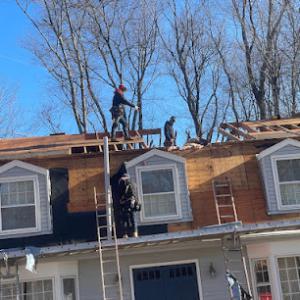
At Donewell Services we’re redefining roofing excellence in Connecticut with cutting-edge technology, unmatched craftsmanship, and a customer-first approach. As a forward-thinking roofing company, we combine years of expertise with innovative solutions to deliver durability, aesthetics, and peace of mind for every project—residential or commercial. Why Choose Us Donewell? ✔ Premium Materials ✔ Uncompromising Quality ✔ Transparent & Hassle-Free Service ✔ Local Expertise, Nationwide Standards Whether it’s storm damage restoration, energy-efficient roofing, or a sleek modern design, we bring a fresh, dynamic approach to protect and enhance your property. Trust Donewell Services where innovation meets integrity.

Olympus Home Improvement
Serving
5.0 from 38 reviews
Our company is a small yet mighty force in the roofing, siding, and gutter industry. Our unique approach to providing exceptional service and unparalleled quality sets us apart from the competition. We go above and beyond to ensure that every aspect of our work meets and exceeds our customers' expectations. Our unwavering dedication to excellence shines through in everything we do, whether it's installing a new roof, repairing a gutter system, or replacing siding. We take pride in our personalized approach to customer care, as we believe that every job is unique and requires individualized attention to detail. With us, you can trust that your home's exterior is in good hands. We are here to provide you with the peace of mind that comes with

Safe Roof Cleaning
(860) 810-0019 saferoofcleaningllc.com
Serving
4.2 from 74 reviews
Safe Roof Cleaning is Connecticut’s industry leader in roof and exterior cleaning. We have been helping people beautify their houses for over the last 10 years. As a company we are proud to use all biodegradable cleaning solutions that are safe for your home and property. As the industry grows, new equipment and cleaning solutions are designed. Safe Roof Cleaning’s owner Joshua Scavetta bring his company the best cleaning techniques, equipment and cleaning solutions by attending seminars all over the USA.

Eagle Rivet Roof Service Corporation
(860) 431-6962 ctroofing.contractors
Serving
4.3 from 23 reviews
Since 1919, Eagle Rivet Roof Service Corporation has been a leading commercial roofing contractor serving Connecticut, Massachusetts, and beyond. Businesses and property managers trust Eagle Rivet for roof design, installation, maintenance, and repair on all major roofing systems including EPDM, TPO, PVC, asphalt, and metal. The company also provides roof replacements, green roofing, and snow removal. With more than a century of experience, Eagle Rivet delivers proven solutions backed by skilled crews. Call Eagle Rivet Roof Service Corporation today to schedule your roofing consultation.
Long Home Products
Serving
4.8 from 808 reviews
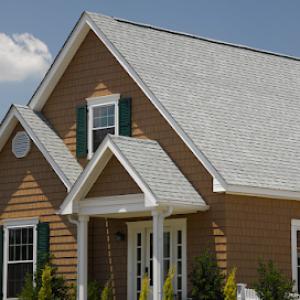
For over 8 decades, Long Home has helped families throughout the East Coast enjoy safer, more beautiful homes. From durable roofs to stunning baths, our quality products, outstanding craftsmanship, and dedication to customer satisfaction are at the core of our philosophy. We work with customers to make home improvement projects more affordable through competitive loan rates and flexible payment plans that fit your budget.
In this market, the replacement mix centers on asphalt shingles, with metal, synthetic/composite, wood, and smaller numbers of tile projects affecting the local price spread. The typical job in older homes leans toward asphalt because it handles Windsor's freeze-thaw cycle well when installed with proper ventilation and attic insulation. The price spread you'll see across materials reflects both material cost and the need to address existing decking, ventilation, and flashing when you're replacing a roof in one of the area's aging neighborhoods.
Asphalt shingles are the most common and cost-effective option here, with a typical range around 350 to 800 USD per square (100 square feet). That spread accounts for varying shingle quality, warranty length, and the amount of labor needed to strip old roofing, repair decking, and install improved ventilation if the attic is consistently cold or damp. In practice, if you're replacing an older roof with good decking and standard venting, expect the lower-to-mid end of that range. If the roof is steep, has complex geometry, or requires significant ice-dam mitigation measures, costs push toward the higher end.
Metal roofing in this market runs roughly from 700 to 1,400 USD per square. The higher end reflects textured or coated panels, more intricate flashing work around chimneys, and the potential need for upgraded ventilation to manage heat gain and condensation in attics that aren't dry-walled or well-sealed. Synthetic/composite shingles generally fall in a similar range to metal, from about 500 to 900 USD per square, with pricing driven by the same labor considerations plus the long-term performance in freeze-thaw cycles. These materials often appeal when homeowners need better wind resistance or extended warranties, and when the three-season climate demands reliable ice-dam defense integrated into the system.
Wood shingles and shakes run roughly 450 to 900 USD per square. The price spread is influenced by the quality of the wood, installation complexity, and the additional flashing or ventilation work needed in older structures. Clay tile and concrete tile carry higher ranges, typically from 1,400 to 2,800 USD per square for clay and 1,500 to 3,000 USD per square for concrete. Tile projects are less common in this market but do appear on larger, old homes with strategic roof sections, and they require careful substrate preparation to avoid future ice-dam problems. Expect substantial decking checks and upgraded underlayment when tiles are installed in older buildings.
Storm demand across the Hartford County area can tighten labor supply, especially for quick-response re-roofing crews. When a hail or heavy-snow event hits nearby towns, prices can spike as crews juggle multiple urgent repairs. Older houses tend to add cost beyond material, with decking repairs, ventilation upgrades to reduce condensation, and flashing replacement around chimneys contributing to the final bill. If the roof needs a full tear-off, those costs rise further due to disposal and disposal-site timing, plus the extra inspection and staging work needed in established neighborhoods.
When planning, you'll want at least three written bids, each detailing decking condition, ventilation strategy, and flashing around chimneys. In cooler months, ice-dam mitigation features like improved attic ventilation, baffles, and continuous ridge vent can be critical to long-term performance. For many Windsor projects, a well-ventilated attic paired with a durable shingle or metal system will reduce the risk of recurring leaks, frost damage, and snow-load related failures in the years following installation.
Windsor typically requires a building permit for a full roof replacement through the Windsor Building Department. The permit helps ensure the project aligns with local code, preserves structural integrity, and supports proper ventilation-critical in freeze-thaw cycles and the spring storm season. Starting with a permit can prevent post-work delays and potential rework if a deficiency is found later.
Permit applications in Windsor generally need contractor license information, project scope, and material specifications before work begins. Have your roofing contractor provide their license number, the exact plan for replacing underlayment and shingles or other covering, and a clear description of venting strategy, attic insulation, and ice-dam mitigation measures. If you're tying in additional work like attic ventilation upgrades or structural framing changes for longer-term durability, note those in the scope. A precise scope helps avoid back-and-forth during plan review and keeps inspections smooth.
Plan review is usually uncommon unless structural changes are proposed. Most Windsor projects proceed with standard replacement scopes that meet code and ventilation requirements. If you are replacing roof decking, adding a skylight, or altering load paths, expect a brief plan review. In those cases, the permit reviewer will want drawings or notes showing connections, fasteners, and vent placement to support efficient airflow and moisture control in a climate with frequent freeze-thaw cycles.
Inspections commonly occur during and after the job to verify installation quality and ventilation. A mid-project inspection may confirm underlayment and nail patterns are correct, particularly around vented eaves and valleys where ice dam risks concentrate. A final inspection verifies the roof, ventilation ducts, attic vents, and insulation interfaces meet code and the approved plan. Arranging for inspections at the right times helps prevent rework and ensures the roof system performs under Windsor's winter profile.
Coordinate with the contractor early to align the work schedule with weather windows, since delayed wind-driven rain or sudden winter snaps can extend timelines. Keep a clear line of communication with the Building Department for any additional documentation they request. Finally, ensure the ventilation strategy is explicit in the permit package, with details on soffit, ridge, and gable vents, to support effective moisture control and reduce ice-dam risk once the new roof is in place.
Asphalt shingles are the common-sense choice for Windsor's older housing stock and replacement budgets. The current mix of cap-and-truss homes and modest, practical renovations tends to favor a material that's familiar to local crews and homeowners, with straightforward maintenance pathways. Asphalt shingles handle the typical Connecticut River Valley freeze-thaw cycles well when paired with a sound underlayment and proper attic ventilation. For many Windsor projects, they offer reliable protection against the kinds of winter wind-driven rain and seasonal temperature swings that drive early wear on less forgiving roof systems. When you're balancing appearance, performance, and long-term upkeep, asphalt shingles provide a predictable, widely supported option that fits the neighborhood norms.
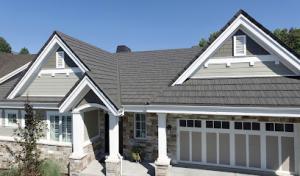
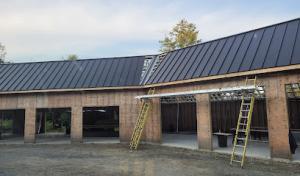
Metal roofs have carved out a meaningful niche for homeowners who prioritize snow shedding and resilience through repeated freeze-thaw seasons. In this climate, metal can offer faster snow release, which reduces the risk of thaw-freeze cycles pooling near eaves and gutters. If a property has limited attic ventilation or known ice-dam challenges, metal can help blunt some of that impact by reducing the duration of vulnerable roof surfaces being in contact with standing moisture. That said, metal requires careful detailing at penetrations, flashings, and transitions to avoid leaks in older Windsor dwellings where retrofit work is more complex. When choosing metal, focus on a well-sealed installation with adequate insulation and robust underlayment, and expect attention to sealing edges, chimneys, and skylights that commonly plague older homes.
Clay and concrete tiles exist in the local material mix, but they are far less common, especially on older Windsor structures. They can offer excellent longevity and a distinctive look, but their weight and fragility in puncture-prone areas demand careful assessment before replacement. Tile roofs require a strong structural sublayer and precise design to handle the region's freeze-thaw cycles without edge cracking or grout failures. For Windsor homes with substantial existing deck height or limited attic space, tile installation may necessitate structural upgrades or reinforcement. If choosing tile for replacement, pursue a thorough evaluation of attic ventilation, insulation, and the ability to support the added weight, along with a plan for managing ice dam risk at eaves and valleys.
In Windsor's older neighborhoods, the combination of freeze-thaw cycles and variable attic ventilation makes ice dam potential a practical concern across all roof types. Prioritize a well-insulated attic and a ventilated roof deck to keep roof surfaces closer to ambient temperatures, reducing the likelihood of meltwater refreezing at the eaves. Consider roof edge treatments, such as heated cables or perimeter insulation strategies, but evaluate the long-term reliability and compatibility with your chosen material. Whatever the primary choice- asphalt, metal, or tile-pair it with a robust underlayment, proper drainage design, and consistent maintenance to extend performance through Windsor's distinctive winters.
Explore specialists in steel, aluminum, and standing seam metal roofs built to last 50 years or more.
Chimney-related flashing work matters in Windsor because many homes in this older New England market still have masonry chimneys intersecting the roofline. When the seal where brick, mortar, and metal flashing meet the shingle deck fails, ice dams and water intrusion follow the same path you see on stubborn leaks after a winter thaw. A careful inspection should verify that step flashing against the chimney and head flashing above the flashing collar are continuous and free of gaps. If brick is spalling or mortar is crumbling, moisture can wick into the roof deck at the most vulnerable joints, multiplying freeze-thaw damage across the peak and along eaves.
Fall leaf accumulation is a recurring Windsor maintenance issue because blocked gutters can trap moisture and worsen ventilation-related roof problems before winter. Leaves that litter the gutters slow drainage, encouraging standing water and ice buildup near vent stacks and chimney transitions. Clear gutters and downspouts before a heavy rain or a first big freeze, and keep an eye on any sagging or loose sections that might divert water onto the roof rather than away from it. Poor drainage amplifies condensation under shingles and accelerates deterioration of underlayment in older roofs.
Skylight leak risk rises locally when freeze-thaw movement and spring storm exposure stress older seals and flashing details. Check rooftop flashing around skylights for signs of lifting or corrosion after winter or months of rain. Seals around skylight domes or curb-mounted units can crack with repeated temperature swings, allowing moisture to migrate into the attic and insulation. Regular lid and frame inspections, plus prompt resealing if you notice fogging or damp insulation, can prevent small leaks from becoming costly interior damage.
Find contractors experienced in skylight installation, flashing, and leak repairs to bring natural light into your home.
Casa Castillo Home Improvement
(860) 997-7948 castillohomepro.com
25 Laurel Ave, Windsor, Connecticut
5.0 from 63 reviews

Windsor homeowners should keep dated roof photos, installation invoices, and material specifications because Connecticut adjusters often request detailed proof after storm events. Start a bindering file or a clearly labeled digital folder that mirrors the progression of the roof-from installation notes, underlayment details, and shingle type to any repair invoices. Having these documents organized makes the adjuster's job faster and minimizes back-and-forth after a claim.
Take high-resolution photos before a storm season and after any incident, focusing on flashings, valleys, and transitions where ice damming tends to begin. Include close-ups of shingle tabs, granule loss, and visible gap or cracking around vents, chimneys, and penetrations. A dated timestamp on each photo helps establish the roof's condition over time. If a portion of the roof was replaced, photograph the junctions between new and existing materials to document continuity and workmanship.
Full replacement cost documentation is especially useful in this market because insurers may scrutinize roof age, prior damage, and compliance with current wind expectations. Keep copies of the original warranty, any service or maintenance contracts, and notes from storm-related repairs. Document any wind or hail events separately, noting dates, local weather reports, and the affected areas of the roof. This level of detail supports the claim when the focus shifts to wind performance and overall system integrity.
Insurance decisions are influenced more by wind and hail claim patterns than by coastal storm-surge concerns. When wind-driven damage is suspected, proof of attic ventilation, ice-dam mitigation measures, and prior compatible repairs can matter. Maintain evidence that the roof system was installed or upgraded to meet current wind expectations, including attic ventilation improvements or secondary drainage considerations if you pursued them. In Windsor, timely documentation reduces ambiguity and helps ensure a fair assessment during the claim process.
After a severe event, contact the insurer promptly, then begin compiling and forwarding the documentation you've kept. If you end up needing a professional assessment, request a report that ties observations to photos and invoices. Clear, organized records shorten the path from claim to repair and support faster, more accurate decisions.
Connect with contractors who help homeowners navigate the claims process from damage assessment to final approval.
Casa Castillo Home Improvement
(860) 997-7948 castillohomepro.com
25 Laurel Ave, Windsor, Connecticut
5.0 from 63 reviews
While this market is known for pitched-roof replacements, a smaller but real segment of local contractors handles flat and low-slope systems on additions, porches, and commercial-style sections. You'll still find common residential examples where a low-slope patch or extension needs the same attention to moisture control as the main roof. In Windsor, these areas are especially vulnerable to lingering moisture after winter and to freeze-thaw cycling, which can shorten membrane life if the details aren't addressed. Plan for careful edge detailing, proper drainage, and a roof system that can handle seasonal shifts without trapping water where it can seep into eaves or joints.
After a harsh Connecticut winter, inspect any low-slope sections for signs of pooling water, blisters, or edge-delta failures near penetrations. In practice, that means verifying that drain paths aren't blocked by debris or settled insulation, and that the transition from slope to vertical surfaces is sealed with compatible materials. Because these areas often abut existing walls or additions, it's essential to match flashing configurations to the adjacent roof assemblies and to test seams under spring winds when storm patterns shift. If you're pairing a new low-slope patch with a larger roof replacement, coordinate the reversal of roof planes so that the membrane transitions stay continuous and the roof line remains watertight through spring thaws.
Solar-related roof work is present in the local market and should be coordinated with replacement timing so penetrations and flashing are addressed before Connecticut storm season. For homes with solar arrays or attic-mounted panels, you'll want a plan that accounts for flashing compatibility with the chosen roof covering, especially around hips and valleys where ice dam risk concentrates. Pre-installation surveys are valuable: confirm that rafter spacing and substrate support meet the panel system's mounting requirements, and ensure that any inverter or conduit routes won't create a new leak path during heavy rains. In practice, align the solar installation window with a full roof replacement or major repair so that flashing and edge details are brought to the highest standard before the next winter.
Find specialists in TPO, EPDM, and built-up flat roofing systems for residential and commercial properties.
Connecticut Roofing Solutions
(860) 245-9665 www.connecticutroofingsolutions.com
Serving
5.0 from 215 reviews