Last updated: Apr 19, 2026
This part of the north Twin Cities metro faces hail and wind claims at a higher rate than many suburban areas, and the local mix of homes-area bungalows and mid-century builds with varying roof planes-means that damage can cluster quickly after a storm. When a hail storm rakes across the neighborhood, you want to be ready to respond with a plan that protects your attic, your interior, and your wallet. The high prevalence of storm-damage and insurance-claim contractors in the area means you'll see a crowded field after a major hail event, and not every crew will approach your job with the same thoroughness you deserve. The risk isn't just cosmetic; exposed underlayment and flashing failures can seed leaks that worsen with the next freeze-thaw cycle.
After a storm, you may be tempted to accept the first bid, but in Circle Pines the claim path hinges on documentation, timely reporting, and a contractor who understands the seasonal window you're aiming for. Start with clear, dated photos of shingles, dents, granule loss, and any attic signs of moisture. If you've got burst gutters or damaged flashing, note those as well-these gaps are what often push a partial claim into a full replacement discussion. When adjusters review a full-replacement project, they'll expect a scope that includes attic ventilation, insulation, and flashing upgrades, not just new shingles. A trusted local contractor will coordinate a ladder-and-inspection plan, ensure that the underlayment is sound, and translate the scope into a line-item, insurer-friendly package. The goal is to prevent future failures by addressing ventilation and insulation as part of the same replacement, which is crucial here where severe winters test every roof.
In this market, a full replacement isn't merely laying down shingles; it's a complete system upgrade. Expect the contractor to verify continuous underlayment integrity, confirm proper roof-to-wall flashing detail, and assess attic ventilation and insulation levels as part of the project. In homes with older roofs, you'll often find mismatched ventilation or crushed insulation that undermines the roof's long-term performance. A rigorous replacement evaluates these elements at the outset and designs the new installation to resist both wind-driven rain and ice dam risk. Proper attic ventilation helps regulate moisture and temperature, which reduces ice dam formation when winter returns. The right installer will treat the job as a system-with a plan for intake and exhaust, soffit and ridge vents, and a seal that truly blocks wind-driven moisture from infiltrating the eaves.
Ice damming becomes a practical replacement concern when cold rounds of snow and freezing temps sit atop a roof with compromised insulation or inadequate ventilation. When snow melts on a warm attic surface and refreezes at the eave, you get damming that pushes water under shingles and toward the sheathing. The consequences aren't just water in an attic; they're rot, mold, and accelerated wear on flashing, which then challenges the next storm. In this climate, addressing ice dam risk during a full replacement is standard practice: upgraded insulation levels, improved attic ventilation, and a well-sealed attic space that keeps snowmelt from infiltrating from above. Your contractor should model heat flow in the attic and demonstrate how the new roof assembly minimizes ice dam potential while maintaining effective drainage off the peak.
Replacement timing is heavily seasonal here. The preferred window runs from late spring through early fall, after winter snow loads have settled and before autumn freeze-thaw cycles tighten up cracks and crevices around flashing. If you're navigating a hail event or a roof leak, prioritize mobilizing a qualified crew during that window to avoid winter delays, reduce the risk of moisture intrusion, and ensure ventilation and insulation upgrades can be completed before the next heating season. Planning ahead for the seasonal lull also helps align your claim with repairs that deliver long-term performance rather than quick fixes.
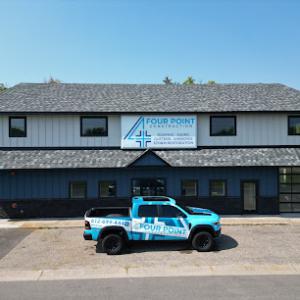
Four Point Construction
9040 N Hwy Dr, Circle Pines, Minnesota
5.0 from 227 reviews
Four Point Construction is a roofing contractor in Circle Pines servicing Blaine, Plymouth, Minneapolis, and nearby areas. Our roofing company offers residential roofing, commercial roofing, roof repair, asphalt shingle roofing, metal roofing, and more. We also specialize in siding, windows, and gutters. Customers love us because of our comprehensive roof warranties and affordable roof financing options. We also have industry affiliations and certifications such as IKO Craftsmen Premiere, Tamko MasterCraft Pro, Owens Corning Preferred, and LEAD Safe Certified. If you want to experience how your most trusted Minneapolis roofing company embraces our motto, “For On Point Service”, call us now for a free estimate!
Midwest Roofing, Siding & Windows
(763) 230-0491 www.midwestplus.com
3543 88th Ave NE #100, Circle Pines, Minnesota
4.7 from 130 reviews
At Midwest Roofing Siding & Windows, our mission is to establish lifelong customers by providing them with premium products and the same quality service that we gave our first customers over 50 years ago.
M & A Exteriors, Inc - Roofing Tiler, Roofing Shingles in Circle Pines, MN
Circle Pines, Minnesota
5.0 from 5 reviews
If you need a roofing and siding service provider, get in touch with M & A Exteriors, Inc.. High-quality services, really good prices and attitude which deserves admiration.

Minnesota Custom Exteriors
(612) 618-8763 www.mcexteriorsinc.com
Serving
4.3 from 30 reviews
Owners, Moises Cabrera and Dan Verdeja have a combined experience of 25+ years in the roofing and insurance restoration industry. They joined forces in 2015; combining Dan’s background in the insurance process and sales management, with Moises background in construction management, they quickly created a winning team that is growing fast and continue to deliver top of the line service that is unmatched in Minnesota.

Roofs R Us
(612) 282-8092 roofsrusminnesota.com
Serving
4.8 from 232 reviews
Since the dawn of the new millennium in 2000, Roofs R Us has been a beacon of excellence in the greater Minneapolis area, providing homeowners and organizations with unparalleled exterior solutions. From intricate residential and HOA asphalt roofing projects to storm damage restoration, soffit and fascia installations, seamless gutter systems, pristine siding, and more, Roofs R Us is synonymous with impeccable craftsmanship and unwavering commitment to customer satisfaction. As steadfast advocates for prompt and efficient storm damage restoration, combined with seamless gutter systems to safeguard properties from water damage, the team at Roofs R Us goes above and beyond to restore properties to their former glory.

Grand Exteriors
(763) 272-7857 grandexteriorsinc.com
Serving
4.9 from 154 reviews
Grand Exteriors is your trusted roofing contractor serving Blaine, MN, and nearby areas, including Minneapolis, St. Paul, Bloomington, Brooklyn Park, Plymouth, Maple Grove, Minnetonka, Eden Prairie, Eagan, Burnsville, Woodbury, Andover, Lakeville, and Otsego. We provide high-quality roofing, siding, window installation, and gutter services designed to enhance the beauty and durability of your property. Whether you need roof replacement, residential siding, or expert window solutions, our team is committed to delivering exceptional craftsmanship at market competitive rates. We also work with insurance companies to further simplifying the claims process for our clients. Contact Grand Exteriors today for a free consultation and estimate!
MN Smart Homes
(952) 367-6948 www.waterhail.com
Serving
5.0 from 43 reviews
We are a restoration company located in Blaine, specialize in roofing, siding, storm & water damage. We have the capacity and experience to handle large to small project without missing a beat. If your looking for a contractor you can trust and will have your best interests at heart please reach out to us to set up an appointment.
Hoffman Weber Construction
(763) 373-4229 www.hwconstruction.com
Serving
4.7 from 366 reviews
Hoffman Weber Construction is a family owned award-winning general contractor, based in Minnesota, offering home and property owners design-build exterior remodeling and storm damage restoration services. We specialize in roofing, siding, windows, gutters, and attic insulation. We use only industry leading materials that come with an unparalleled warranty, and we provide a level of professionalism that's a cut above our competitors. Whether your project is residential, commercial, multifamily or insurance related, we are the contractor of choice in the Twin Cities area. Come check out our Home Design Showroom at the Minneapolis, MN location, and let our knowledgeable team guide you to the best options for your home or business!
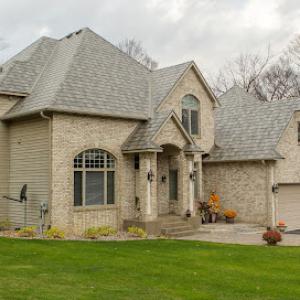
Quarve Contracting
Serving
4.9 from 112 reviews
Quarve Contracting has been working to protect and beautify the outside of homes since 1983. Located in Spring Lake Park, MN we focus on metal roofing and seamless siding, we also install quality asphalt roofs, energy-efficient windows and exterior doors, gutters, and other exterior home improvement services (including other siding options).
Innovative Building & Design
(612) 808-6025 innovativebuilding.com
Serving
4.8 from 159 reviews
All homeowners desire to feel safe in their own homes and a properly functioning roof goes a long way to create that feeling of security. The good news is that your work in maintaining your roof’s integrity is nothing more than just picking up the phone and reaching out to Innovative Building and Design, the best roofing company in Blaine. Innovative Building and Design will take care of all of your roofing needs, be it a minor leak or major storm damage, our team of roofers in Blaine, MN have what it takes and more to get your roofing restored to its pristine state of holding its own as the first line of defense against the elements. Contact Us today and leave the job to us!

Arko Exteriors
(763) 434-2756 arkoexteriors.com
Serving
4.8 from 218 reviews
At Arko Exteriors, we know that storm damage can be devastating to you and your family. Low claim settlements and dealing with your insurance adjuster on your own can only add to the stress of an already challenging situation. We offer to work both for you and with you to make sure your home repairs are completed without any compromise or out-of-pocket expense to you aside from your insurance deductible.
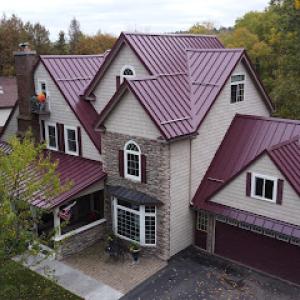
Collins Roofing & Sheet Metal
(952) 295-4986 www.collins-mrc.com
Serving
5.0 from 35 reviews
Collins Roofing and Sheet Metal is a trusted roofing contractor serving Minneapolis and the Twin Cities metro. We specialize in commercial roofing and standing seam metal roofing for residential and commercial properties. Our team manufactures panels and custom trim with onsite rollforming and our in-house metal shop, ensuring a precise fit and faster installation. From new roofs to repairs and maintenance, we deliver quality-driven solutions built to last. Contact us today for expert commercial roofing services.
In Circle Pines, pricing pressure is real when storm-driven demand spikes hit the Twin Cities metro after hail and wind events. Scheduling and labor availability tighten up quickly, and that show-up-time can influence material choice as contractors juggle full replacements and insurance timelines. Asphalt shingles remain the baseline in this market, with typical costs ranging from 350 to 700 USD per square for full replacements. That price band is reliable when you're lining up your options after a hail event or a wind-driven finale to winter, and it often serves as the benchmark against which durability-focused materials are weighed.
Metal and synthetic/composite shingles are common considerations for homeowners who want better resistance to Minnesota weather swings. In Circle Pines, metal roofing tends to sit in the 800 to 1500 USD per square range, reflecting the heavier install crew requirements and the improved longevity under freezing cycles and ice formation. Synthetic or composite shingles follow a similar logic, here often cited from 800 to 1400 USD per square. If your goal is to minimize ice-dam risk and extend the roof's life through harsher winters, these options can be worth the investment, even if the upfront cost is noticeably higher than standard asphalt.
Heavier systems, such as clay tile and concrete tile, do appear in the market, but they're appreciably less typical for homes here. A structural review becomes more critical if you're considering tile, since the weight load interacts with attic framing and roof deck design. In practical terms, you'll see concrete tile pricing around 900 to 1900 USD per square and clay tile from 1200 to 2600 USD per square, but actual costs often push higher due to required specialized labor and limited installer availability. For a homeowner facing a full replacement after a storm, these factors can complicate scheduling and push the overall project timeline, especially during peak demand periods.
Wood shingles or shakes are another traditional option, with typical costs in the 600 to 1100 USD per square range. The appeal here is a natural look and good resilience in dry cycles, but Minnesota winters and ice buildup can elevate maintenance needs. If ice dam prevention is a priority, wood requires careful flashing and venting work to avoid cold snaps driving moisture under the seams, which can add to the total installed cost.
Ventilation, flashing detail, and attic insulation quality play a pivotal role in a successful full replacement, particularly after a hail event where temporary damages can mask underlying weaknesses. While material choice drives the headline price, the real-world total often comes from the combination of updated ventilation, upgraded flashing, and ensuring the attic space remains adequately insulated to reduce ice dams. Synthetic shingles, for example, can offer a good balance between cost and performance, but the advantages multiply when paired with proper ventilation and a well-sealed attic.
In practice, when you're evaluating bids after a storm, treat the material cost as the starting point, then weigh the installer's capacity to handle rapid scheduling and the crew's familiarity with Circle Pines' typical roof pitches and snow loads. Heavier options demand careful structural checks and potentially longer lead times, especially during spring cleanups following a major hail event. The right choice balances your budget, expected winter performance, and the likelihood of snag-free insurance coordination through the full replacement process.
A full roof replacement in Circle Pines typically requires a permit issued by the City of Circle Pines building department. Before any tear-off begins, verify that the permit is issued and active, and arrange for the project details to be entered correctly in the permit records. The permit must be posted at the job site for the duration of the project, visible to inspectors and neighbors alike. This posting is not just a formality; it's a practical signal that the project is being tracked on code compliance, including ventilation, flashing, attic insulation, and final workmanship. If the posted permit is missing or partially obscured, pause work and contact the building department to rectify the display.
Circle Pines inspections are structured to align with the sequence of work on a full replacement. Start with the underlayment and roof deck setup, then verify ventilation provisions are in place and meet local standards. The inspector will check that attic ventilation is adequate and balanced with insulation to avoid ice dams and heat transfer issues. After the installation of flashing around chimneys, vents, and skylights, the inspector will review general workmanship, including fastener patterns and alignment of shingles or other materials. A final inspection confirms that the project has been completed to code, and final approval is required before the project is considered closed.
Prepare for each inspection by ensuring access to the attic and roof edge, cleanly exposed flashing, and clear pathways for the inspector to view critical details. Have documentation ready that confirms material specifications, installation methods, and attic insulation levels meet Circle Pines requirements. If any part of the permit scope is deferred or altered, update the permit records and inform the building department promptly to avoid delays. On the day of inspection, arrive early with the crew so minor adjustments can be made quickly if an inspector notes gaps or noncompliance. Maintaining organized project notes helps auditors review the sequence of work and reduces the chance of repeated visits.
After the final inspection is approved, the project reaches its close in the permit system. Keep the final inspection report with the home records, along with the permit closure documentation. This can simplify future maintenance, warranties, and potential follow-up work. In Circle Pines, the emphasis on proper ventilation, flashing, and attic insulation will show up in the final approval, reflecting the city's intent to deter ice-dam formation and weather-related wear. If a temporary disruption occurs due to weather or supply delays, coordinate with the city to maintain permit validity and document any approved extensions.
Circle Pines experiences a wide annual temperature swing, with harsh winter雪 stress from heavy snow and ice, and summer heat that can accelerate aging in certain materials. That means every roof you consider should resist freeze-thaw cycles, maintain insulation performance, and hold up under wind and hail exposure common to the north-m metro. Material choices that shed snow efficiently and resist ice dam formation tend to perform better over the long run, especially on full replacements where flashing, ventilation, and attic insulation are scrutinized during inspections. The goal is a system that stays durable across seasons and minimizes the risk of costly storm damage leaks after a harsh Minnesota hail event or a rapid warm-up after a cold snap.
Asphalt remains a practical, familiar option for many Circle Pines homes, but the long-term value hinges on selecting a product with high wind and impact resistance and a reflective, closed-alternative design for summer heat. Look for shingles with a robust granule layer and a laminated profile that provides better dimensional stability through freeze-thaw cycles. Even with premium asphalt, winter ice dam potential should be addressed through proper attic ventilation and insulation, plus an integrated ice-dam prevention plan at the eaves and rake edges. When paired with an effective underlayment and strategically placed flashing, asphalt can deliver reliable performance, while still offering a gentler upfront cost if that aligns with your goals.
Metal is a realistic local option for homeowners prioritizing snow shedding and long-term durability over the lowest upfront price. Metal roofs shed snow more reliably, reducing ice dam risk and the weight burden on the structure during heavy storms. In Circle Pines, a metal system can also tolerate temperature swings with less expansion-contraction stress than some synthetics, provided the panel seams are properly sealed and venting is integrated. Aesthetics range from modern panels to traditional standing-seam looks, and the reflective surface can help mitigate summer heat gain. If considering metal, ensure the installation includes corrosion-resistant fasteners and a counterflashing scheme that resists wind-driven moisture, especially around valleys and chimneys.
Wood shingles and shakes offer a distinctive look but are niche in this market. Minnesota moisture and freeze-thaw cycles demand rigorous attention to installation details, including proper drying times, gap management, and a durable underlayment. Insurer scrutiny on older roofs can complicate updates that involve wood, so anticipate a higher likelihood of inspection-related challenges if renewal is contemplated after severe weather. When chosen, premium-grade cedar or redwood with tight grain and proper spacing, plus a robust ventilation plan, can deliver character without compromising performance-yet they require ongoing maintenance to stave off moisture-related issues and visible aging in sun-exposed areas.
Regardless of material, the best outcome comes from a holistic approach: accurate attic insulation, balanced ventilation, and a well-sealed roof-to-wall transition, along with high-quality flashing at penetrations and skylights. For full replacements, insist on an ice-dam prevention strategy that targets eave insulation, ventilation baffles, and a drip edge that directs meltwater away from fascia. When hail storms strike, a roof that combines a solid underlayment with a robust outer skin and thoughtful curvature of lines tends to hold up better, reducing the likelihood of interior damage and the need for repeated repairs.
Explore specialists in steel, aluminum, and standing seam metal roofs built to last 50 years or more.
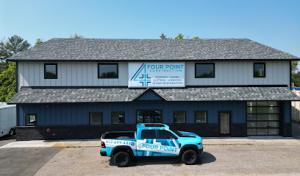
Four Point Construction
9040 N Hwy Dr, Circle Pines, Minnesota
5.0 from 227 reviews
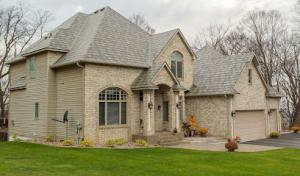
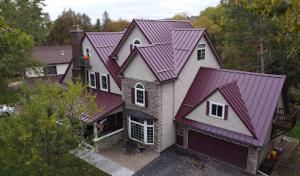
Minnesota is a high hail-and-wind claim environment, and a Circle Pines home faces those pressures in every major storm season. Hail can leave subtle deck bruising or roof edge damage that isn't instantly obvious, while strong winds can lift shingles or expose underlayers. Insurers will scrutinize documentation closely, so the bar for what counts as a reconcilable repair versus full replacement is higher than it used to be. Understanding this climate ahead of time helps avoid unsettling surprises when a claim is filed.
Because this market moves on thorough records, you should expect insurers to want before-and-after photos, a detailed damage narrative, and, often, an adjuster site visit. Your goal is to produce a credible, organized file that shows the condition before the storm and the condition after. Concrete, verifiable notes on attic ventilation, flashing quality, and visible ice dam indicators carry real weight. A contractor who can deliver a precise, inspection-grade report tailored to Circle Pines weather patterns becomes a practical ally in guiding the insurer through what actually happened.
Because some carriers limit coverage for older roofs or certain materials, verify policy treatment before committing to premium materials or partial repairs. If a roof shows its age or if a chosen material doesn't align with policy allowances, a deductible-focused dispute can arise just as the weather season ramps up. This is not just about the surface layer; matching, archival shingles, and the roof's overall ability to shed moisture in thaw-and-freeze cycles all factor into the insurer's calculus.
Accurate estimates and pre-authorization matter more in this market because storm-related claim volume can create disputes over scope, matching, and whether damage is repairable versus replacement-worthy. A precise scope of work that addresses ventilation, attic insulation, and flashing-as well as a clear plan for ice-dam prevention-helps prevent downstream disagreements about what constitutes a complete, code-compliant fix. If a claim hinges on whether a full replacement is required, having a documented, independent assessment strengthens the position and speeds the process.
Keep a dated project timeline and file every communication with your insurer and contractor. When possible, align the contractor's assessment with the insurer's expectations, especially around ice dam risks and attic ventilation. If a disagreement arises about whether a repair suffices or a replacement is necessary, insist on getting a second opinion that focuses on long-term reliability and climate resilience. In Circle Pines, where winters punish weak detailing, the difference between a timely, properly ventilated fix and a rushed patch can show up in the next heavy snowstorm.
Connect with contractors who help homeowners navigate the claims process from damage assessment to final approval.
Four Point Construction
9040 N Hwy Dr, Circle Pines, Minnesota
5.0 from 227 reviews
Midwest Roofing, Siding & Windows
(763) 230-0491 www.midwestplus.com
3543 88th Ave NE #100, Circle Pines, Minnesota
4.7 from 130 reviews

In Circle Pines, winter snow loads and ice damming can delay full replacement work, so temporary leak control and tarping are often the first step until weather allows permanent repairs. If you notice active leaks, set up quick tarping and plastic sheeting over the most vulnerable ridge and skylight areas, and clear accessible drains to reduce ice backup. This is not cosmetic-water can back up under flashing and into attic spaces fast when a storm hits. Have a bucket ready inside and take clear photos for your insurer; report damage promptly.
Skylights are a meaningful local specialty signal, and in this climate they deserve extra attention because flashing and surrounding ice buildup can turn a small detail into a recurring winter leak source. Inspect skylight flashings for tight seams, brittle sealant, and ice streaks, and have a pro reseal before a heavy snowpack arrives. Keep the interior demo-free until the roof line is stabilized to prevent interior damage. Walkable access is key for a crew; avoid stepping on wet snow or glazed ice.
Autumn freeze-thaw cycles in the area can widen existing flashing and penetration defects before winter, making late-fall leak calls more urgent than they appear. If you see hairline leaks or damp attic spots after warm days turn cold, schedule a quick evaluation to address flashing, vent stacks, and chimney transitions before the next freeze. Don't delay a call; if a freeze is forecast, request temporary sealant that cures in cold weather.
When you can't wait, these contractors offer fast response times to stop leaks and prevent further damage.