Last updated: Apr 19, 2026
Hail storms and wind gusts in spring are a recurring reality for homes here, and when they hit, inspections often follow. You'll see neighbors reporting damaged shingles, dented metal, and lifted edges that can quickly escalate into leaks after the next thaw. The clock starts ticking the moment hail is reported by your insurer or observed by a contractor. Quick, decisive action protects your roof's remaining life and your home's weather resistance through Osseo's harsh spring-to-summer swing.
Minnesota's hail-driven insurance environment is unforgiving about proof. Adjusters commonly ask for detailed roof measurements and thorough before-and-after photo documentation. You should prepare a roof map that notes each elevation, eave lines, chimney and vent penetrations, and visible damage like granule loss, punctures, or curling shingles. Take fresh photos from multiple angles and on a dry day for clarity. If you've had prior spot repairs, document them with dates and contractor notes. A clear, organized package helps the adjuster see the full scope of what's been affected, reducing back-and-forth and the risk of partial settlements that hinder a proper replacement.
Winter snow and ice create a drag on tear-offs and installations, pushing work into less favorable conditions. In Osseo, the best installation window is typically late spring through early fall because this aligns with stable weather and adequate curing conditions for underlayment and sealants. Delays are not just inconvenient; they can compromise warranty coverage and long-term performance. If your roof shows widespread damage, get the claim started early in spring while days are longer and temperatures are more predictable. Coordinating with your insurer and your chosen contractor during this window minimizes the chance of weather-driven setbacks and patchwork that only buys time before a full replacement becomes unavoidable.
If you suspect hail damage, avoid postponing a professional assessment. Hidden damage from wind-driven hail can penetrate under shingles and into the decking, which may not be obvious from ground level. Early inspection helps you distinguish between spot repairs and a full replacement decision, preserving home integrity and reducing the possibility of leaks during the next freeze-thaw cycle. Expect a staged process: roof assessment, documentation package, insurer review, and then scheduling within the late-spring-to-fall window. Coordinating these elements quickly reduces risk and sets a clear path to a durable, long-lasting roof.
Reach out to a trusted local contractor with experience in Osseo hail claims to begin the assessment and measurement process. Gather a file of recent weather events, timestamps for any observed damage, and notes on prior repairs. Start the insurance documentation bundle now so you're ready when the adjuster arrives. Remember: the sooner you act, the more complete your replacement will be when the season's weather returns.
Typical Osseo material pricing runs about $350 to $650 per square for asphalt shingles, $700 to $1100 for metal, $1100 to $2100 for clay tile, $900 to $1700 for concrete tile, $500 to $900 for wood shingles or shakes, and $600 to $1000 for synthetic or composite shingles. In practice, many homes in the area sit in the asphalt range, with occasional midrange upgrades for thicker underlayment, premium dimensional shingles, or a more robust wind-resistant design. When you're comparing bids, focus on the installed price per square (100 square feet). A price spread among contractors often reflects differences in underlayment quality, starter courses, ventilation upgrades, and waste disposal. For Osseo's snowy winters and hail-prone springs, a robust warranty and a shingle with adequate impact resistance can matter more than a glossy per-square price alone.
Storm-driven demand spikes in the northwest Twin Cities can tighten scheduling and labor availability after hail events, which can push Osseo replacement pricing upward. When a derecho or hailstorm pops up nearby, local crews get booked quickly and suppliers pull from neighboring towns, stretching lead times. If your roof is visibly damaged after a hail event, expect more competition for the same week windows. The result is not just higher labor rates in the short term; it can also mean longer waits between inspection, tear-off, and tarp- or shingle-install phases. To minimize disruption, map out a rough replacement window as soon as you have damage verified, and be prepared to lock in a date with a reputable local roofer within a few days of getting an estimate. If you can avoid peak storm weeks, you'll gain more control over scheduling and can often secure a steadier crew.
Osseo experiences a relatively short installation season that peaks in late spring and early summer, with a lull in the deep winter months. Heavy snow late in the season or early thaws can complicate access and the ability to safely complete a full replacement in a single push. When planning a replacement, aim for a window when the ground is dry, temperatures are consistently above freezing, and there's a stretch of calm weather ahead. If you're replacing after a hail event, you may need to coordinate around material shipping schedules and crew availability that are sensitive to weather-driven delays and drive time from nearby suburbs. In practical terms, start the process early: schedule an inspection, review a few bid packages, and secure a preferred date before the first big thaw or late-spring hail cycle hits. That proactive approach helps avoid resorting to higher-cost expedited slots or weekend nailing crew tandems.
When you're selecting materials, balance initial cost with long-term performance in Osseo's climate. Asphalt shingles may be the most economical per square, but if you've got a house with a roof complex pitch or limited access, a higher-end synthetic or metal option could reduce maintenance and acceleration of replacement cycles after hail. For hail-prone areas, ask contractors about impact resistance ratings (UL or ASTM standards) and wind uplift performance, particularly for metal and tile roofs. Finally, keep an eye on the short Osseo window for installation; aligning your project with a calm stretch of weather helps you avoid weather-driven delays and keeps bids accurate as prices shift with demand.
SMA Exteriors & Restoration
(763) 315-8900 newexterior.com
19340 Linden Dr, Osseo, Minnesota
4.7 from 287 reviews
SMA Exteriors is your trusted exterior contractor serving Minneapolis, MN and the surrounding areas. We specialize in windows, roofing, and siding—and we're here to help you protect and enhance your home. Need new windows? We offer a wide selection, including Richlin by Hayfield, Andersen, Pella, Marvin and more! Looking for roofing experts? Our crew installs all types of shingles—asphalt, metal, wood, and more—and can tackle everything from leak repairs to full roof replacements. Thinking about siding? Choose from LP Smartside, vinyl, or steel siding to give your home lasting beauty and protection. 💬 Contact us today for a free estimate and see why homeowners trust SMA Exteriors for expert service and top-quality craftsmanship.
Minnesota Exteriors
(763) 703-5961 minnesotaexteriors.com
8600 Jefferson Hwy, Osseo, Minnesota
4.4 from 351 reviews
Minnesota Exteriors (MEI) is a home improvement company that has been serving the Twin Cities metro and surrounding suburbs for over 75 years. We offer free inspections and estimates on our installation and replacement services, including roofing, siding, windows and doors, seamless gutters and downspouts, and attic insulation. Having been home improvement contractor for decades, MEI has earned numerous awards for quality and craftsmanship—which is why all of our projects are backed with a lifetime workmanship warranty in addition to the manufacturers’ warranties. Learn more and get your FREE estimate today!

Bold North Roofing & Contracting
(763) 373-4077 boldnorthroofing.com
Serving
4.9 from 224 reviews
Fortune Favors the Bold. Let us help protect your home so that you can go boldly into any storm or night. Whether you are looking to upgrade or working through an insurance claim, you trust our local Minnesota team of professionals to provide high quality work that we stand by with a lifetime guarantee on our work and materials.

Turnkey Restoration
(612) 405-8876 turnkeyrestorationmn.com
Serving
4.9 from 236 reviews
Locally owned and operated with over 25 years of experience, we the premier choice for your roofing and storm damage restoration. Our family run business is dedicated to making sure your exterior damage is repaired or replaced with a stress-free process. We are also very proficient with the insurance claim process and can bring peace & clarity to your chaotic situation. Get back to normal life quickly and call us today for your free inspection!

Intelligent Design
(763) 315-0745 idesigncorporation.com
Serving
4.2 from 66 reviews
At IDC, we specialize in restoration and repairs of residential and commercial properties with storm damage. We work with all insurance companies and have the industry knowledge to guide you through the often complicated claim process. Along with storm restoration, we are the team to trust when you need roofing, decks, siding, windows and doors, home remodeling and much more. IDC offers free, in-home estimates and is skilled to tackle any job, big or small. Our employees' years of experience in the industry combined with IDC's full service general contractor knowledge is what makes us the perfect fit for your job.
Keystone Builders & Exteriors
(612) 509-9000 keystonebuilders.com
Serving
5.0 from 358 reviews
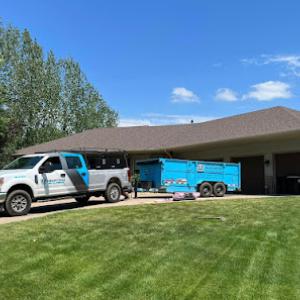
Keystone Builders is a roofing contractor in Maple Grove, MN servicing Minneapolis, Plymouth, Wayzata, and nearby areas. Our roofing company takes pride in offering quality and restoration services. We are large enough to handle any size project, yet small enough to offer an unmatched level of customer service. We are not satisfied until you are. We strive to go the extra mile, treating our smallest projects with the same level of importance and attention to detail as our largest ones. For more information or for a free project consultation, please give your reliable Minneapolis roofing company a call today.
Mighty Dog Roofing of Maple Grove
(763) 280-5115 www.mightydogroofing.com
Serving
4.7 from 30 reviews
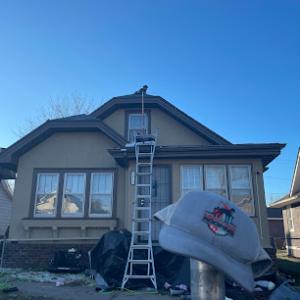
Mighty Dog Roofing of Maple Grovespecializes in Roofing, Storm Damage Repair, Siding and Windows. A locally owned and operated company is your choice for servicing Maple Grove, MN and surrounding areas. Mighty Dog Roofing is the most trusted name in the roofing industry, offering state-of-the-art 25 point inspections using our GoLive and Drone Superscan technology. This technology, matched with the highest quality products and superior workmanship, allows you to have peace of mind on the most important investment you have - your home. Do you keep your roof “top of mind”? Our Mighty Watchdog Maintenance Program keeps an eye out for any issues today to avoid big repairs or replacements tomorrow
MSP Exteriors
(612) 208-6635 www.mspexteriors.com
Serving
4.9 from 105 reviews
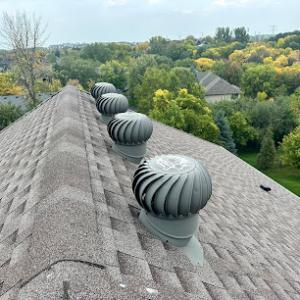
Established in 2017, MSP Exteriors is a family owned and operated business, which takes pride in construction done right. We are a Maple Grove, Minnesota based roofing contractor servicing Minneapolis, Edina, Plymouth, Wayzata, and nearby areas. Our growing success is based on our honest, truthful, & competitive pricing, combined with unbeatable customer service... and quality construction. We are building customers for life! We're experts in: Storm Damage Restoration Roofing Repairs Siding Repairs Windows/Doors Replacement Insulation Gutter repairs Concrete/Stone Chimney Repairs Cedar Decks Flexible financing options make our comprehensive services accessible to all. #Roofing with Finance #24-hour emergency roofing services

Presidential Construction
(651) 766-3464 presidentialconstructioninc.com
Serving
5.0 from 357 reviews
Presidential is a trusted local contractor specializing in roofing, siding, windows, exterior remodeling, and insurance restoration throughout Minnesota. Based in the Twin Cities, we deliver expert craftsmanship, honest service, and long-lasting results tailored to withstand harsh Midwest weather. From exterior remodeling to storm damage repairs, our licensed and insured team works closely with homeowners to restore and enhance curb appeal. With deep local roots and a strong reputation for quality, Presidential is your go-to source for reliable, high-value exterior home improvements. Experience the Presidential difference today.
Summit Exteriors
(763) 300-3245 www.summitexteriorsmn.com
Serving
4.9 from 97 reviews
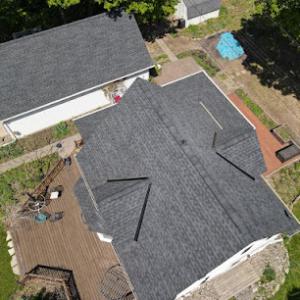
Get reliable roofing, siding, windows, storm damage and gutter services with professional installation and great warranties. Get your free estimate today!

Storm Group Roofing
(612) 887-3053 stormgrouproofing.com
Serving
4.8 from 272 reviews
Storm Group Roofing is the trusted local, licensed, and insured Minneapolis, Twin Cities roofing contractor near you. In business for over 10 years, we are dedicated to helping property owners throughout the Minneapolis, St. Paul, and entire Twin Cities metro area find the exterior solutions they’re looking for. As one of the top rated Minnesota contractors, we offer professional residential roofing, commercial roofing, roof repair, vinyl, steel, and James Hardie siding, gutter and gutter guard installation services, and much more! You can depend on our team to finish your job professionally and efficiently at a great price.

Excel Roofing
(763) 712-0757 www.excelroofingmn.com
Serving
4.8 from 96 reviews
Excel Roofing is backed by our outstanding workmanship and manufacturer warranties that all can be transferred with the sale of your home. The Excel Roofing team consists of skilled craftsmen, client-oriented project consultants, visionary management, and our rock-solid local business partnerships. You can make sure that the covering of your residence or place of business is structurally sound by hiring Excel Roofing. We're also adept at performing routine maintenance to make certain our clients and their belongings remain safe and protected. Excel Roofing is a locally-owned roofing contractor that has been an industry leader in the Minneapolis area for 30+ years.
Before any full roof replacement begins, a building permit is required through the City of Osseo Building Department. This process sets the project scope, ensures code adherence, and aligns with the city's inspection schedule. The permit application typically requires details about the roof replacement, including materials, ventilation changes, and any alterations to flashing or venting. Plan for a review period that accounts for weather windows in Osseo's climate, because the installation season tends to be shorter and weather delays can push work past the acceptable window.
Once the permit is issued and crews are ready to start, the rough-in inspection is the first critical hurdle. This visit confirms that the roof structure and underlayment are installed correctly and that ventilation arrangements will meet code. In practical terms, a rough-in check happens while the roof is exposed and before any decking or shingles go on. Make sure the contractor coordinates the inspection ahead of time, with the city inspector arriving while the deck and related components are accessible. Delays here can push back the entire schedule, especially during busy seasons.
Osseo inspectors pay close attention to ventilation and flashing as part of the rough-in and final inspections. Proper attic ventilation helps manage heat buildup and moisture, which is especially important in a snow-heavy climate where temperature swings are frequent. The flashing around chimneys, skylights, gutters, and roof-to-wall transitions must be installed to prevent leaks and ice dam issues. Nail patterns, spacing, and fastener type are also checked to ensure the new roof will hold up under hail and wind events typical of the Twin Cities area. Understanding these focal points helps you align with the inspector's expectations and reduces the risk of a failed first pass.
The final inspection marks the project's completion in the city's eyes. This visit verifies that all prior requirements-ventilation, flashing, nail patterns, and overall installation quality-are in place and conform to code. The inspector will confirm that any city-imposed adjustments from the rough-in phase have been addressed. The project is not considered complete until this step passes, even if the exterior looks finished to a homeowner.
Throughout the process, keep a clean file of all documents: permit receipt, permit number, inspection appointment confirmations, and any city-required drawings or schematics. Your contractor should provide access and be present for inspections, ready to demonstrate that the installation matches the approved plan. In Osseo, it's common for the permit to require both rough-in and final checks rather than a single closeout visit, so align scheduling and crew availability accordingly. A proactive approach reduces the risk of rescheduling during a tight installation window and helps ensure a compliant, long-lasting roof.
In Osseo, asphalt shingles dominate the re-roofing landscape because they fit the mainstream residential market and align with a lower entry cost. This practical choice tends to pair well with typical roof pitches and the neighborhood stock, making it a familiar option for crews and homeowners alike. The blend of winter storms, summer hail, and Minnesota snow means you'll often see shingles chosen for their straightforward repairability and broad availability.
When snow piles up and hail stings the rim of a roof, metal roofing stands out for certain homeowners. It offers improved snow shedding and notable hail resilience compared to standard shingles. A metal system can reduce the risk of ice dam buildup and can keep attic heat loss more predictable with proper underlayment and ventilation. If your goal is to minimize snow-loaded drifts near eaves and maximize resilience to through-severe-weather impacts, metal becomes a thoughtful counterpoint to the familiar shingle option.
Other materials exist in the market, but their performance hinges on installation quality and flashing details that matter in this climate. Wood shakes, synthetic shingles, and tile products show up in local projects, yet freeze-thaw cycles, snow load, and storm exposure place extra emphasis on correct nailing patterns, edge detailing, and step flashing. If choosing wood or tile, expect a higher sensitivity to temperature swings and moisture, and plan for rigorous attic ventilation and premium flashing work to protect transitions around chimneys and skylights.
For those considering less common systems, coordinate closely with an experienced local roofer who understands Osseo's typical wind gusts and hail paths. A well-executed installation should feature reinforced fasteners, corrosion-resistant components, and a careful match between roof deck type and underlayment. In the face of a stiff winter wind and rapidly shifting temperatures, the interaction between roof covering and flashing becomes the deciding factor in long-term performance.
Ongoing maintenance matters across all options. After hail events or heavy snow seasons, inspect for loose shingles, lifted edges, and surface granule loss. Early repairs prevent larger leaks and preserve the roof's protective function through the region's variable seasons.
The most popular roofing material in the US. Find pros who install, repair, and replace asphalt shingles.
SMA Exteriors & Restoration
(763) 315-8900 newexterior.com
19340 Linden Dr, Osseo, Minnesota
4.7 from 287 reviews
Osseo roofs are exposed to heavy winter snow and ice that can delay work, limit access, and increase the risk of leak development around vulnerable roof details. When crews pull back flashing, repair fasteners, or install underlayment in the middle of a big storm, delays aren't just inconvenient - they can leave exposed edges and penetrations vulnerable to melting water that refreezes in place. Plan for occasional winter interruptions and expect that access to the roof may be restricted by drifting snow, compacted ice, and driveways that must be cleared before equipment can reach the slope. The result is not just a schedule wobble; it's a real possibility of moisture finding its way into the attic if the temporary conditions aren't managed carefully.
Repeated freeze-thaw cycling in the Osseo area can widen small flashing and shingle defects into active leaks by late winter or early spring. A hairline seam or a loose shingle edge may hold under dry, cold overnight conditions but can open with daily thawing and re-freezing. Those tiny gaps let meltwater penetrate into the attic space where ice dam formation and attic warmth interact. The practical takeaway is to treat any prior minor damage as a warning sign: even a modest imperfection warrants attention during the replacement window. Insist on thorough inspection of valleys, step flashing, chimney and vent flashings, and any previously repaired areas before the final wrap goes on.
Because inspectors review ventilation on replacements, attic airflow is a local concern tied to winter moisture, ice formation, and long-term roof performance. Inadequate intake or venting can trap humidity, fueling condensation and ice buildup on the underside of the roof sheathing. Ensure the attic has a clear, balanced ventilation path and that insulation levels don't obstruct airflow. Proper ventilation isn't a seasonal luxury; it directly affects how well the roof manages winter moisture and how resilient the replacement will be year after year.
The short installation season means you'll want a realistic weather buffer plan. Beyond securing dry, wind-free windows, consider staging critical exterior work during days with sustained above-freezing temperatures to minimize the risk of ice-related setbacks. Communicate clearly with the contractor about potential delays tied to heavy snow events and the need for safe, accessible work platforms. In the end, patience during peak winter conditions helps protect the roof's long-term performance and reduces the chance of moisture issues surfacing after the crew has departed.
Osseo sits in a Minnesota insurance market with frequent hail and wind claims, so roof losses often receive close scrutiny from carriers and adjusters. In practice, expect some insurers to tighten roof coverage terms or raise deductibles compared to markets with fewer high-claim events. The result is a careful, methodical review of damage, not a quick approval, especially after a serious storm.
Detailed documentation matters in Osseo claims. Gather date-stamped photos that show the crown of the roof, gutters, and interior evidence of leaks, plus comparative shots from before and after the storm if available. Create an elevation-by-elevation record of visible damage to the shingles, flashing, and vents. Have precise roof measurements ready before any replacement begins, including area by slope and extent of hail impact. Keep a written log of communications with the insurer and any contractors, with dates and names.
Timing matters when storms hit and the short installation season approaches. File promptly to preserve the standing of evidence and to align with the insurer's inspection schedule. When an adjuster visits, be prepared to walk through above-the-rafters components as seen from attic and basement levels, and to point out wind-damaged decking or fascia. If tone or conclusions from the adjuster feel inconsistent with your records, request a re-inspection or a second opinion through your agent. Consistency between photos, measurements, and the adjuster's notes reduces back-and-forth.
Approach the claim as a documented project rather than a generic replacement. Use your elevation-by-elevation records to verify that the scope matches the actual damage. When discussing coverage, reference the date-stamped documentation and your measurement data to support the replacement plan. A well-organized file helps both you and the adjuster move toward a clear, accurate repair path.
The Osseo-area contractor market leans toward re-roofing and storm response more than niche restoration. After hail and wind events, many crews swing into action quickly, prioritizing immediate tarp and debris cleanup, then moving into full replacement. Expect firms to emphasize rapid deployment, coordinated debris control, and strong communication from the first call.
Prioritize license-verified contractors with a reliable local presence who can document damage for insurance and manage the entire project while coordinating inspections. Long-established, family-owned, and locally owned firms matter when homeowners want smooth permit handling, inspection coordination, and solid post-job follow-up. Ask for a dedicated project lead who will stay the same from start to finish.
Request a tangible storm-response track record: number of recent full replacements, typical lead times, and how they handle moisture intrusion and ventilation during replacement. Reputable crews will provide a clear, written plan for cleanup, attic and vent checks, and a staged schedule that minimizes exposure to winter weather. Check references from nearby homes with similar roofing materials and structures.
Choose a roofer who can assist with insurance documentation and create a concise, organized claim package. A local team should offer site-specific guidance on hail damage indicators, shingle granule loss observations, and wind-related delamination. Expect them to supply photos, a scope of work, and a concise contact log for the insurer, the homeowner, and the city's checks-and-balances during the project.
In Osseo, the best choice is a contractor with a stable local team, a history of post-job follow-up, and a reputation for tidy cleanup and dependable warranty support. You want a partner who will be there after the crew leaves to address any lingering concerns and to verify proper settlement and documentation.
Skylight work in Osseo appears often enough in the local market to merit specialist attention when leaks show up after hail or winter weather. The issue isn't just a cracked pane; the surrounding flashing, curb, and sealants bear the brunt of freeze-thaw cycles, wind-driven impact, and attic condensation. A leak that starts at a skylight can travel along knee walls or into ceiling cavities before it becomes obvious, which is why the flashing assembly deserves a thorough, methodical inspection rather than quick cosmetic tweaks.
Low-slope and flat-roof expertise exists locally but is a smaller niche than standard residential steep-slope re-roofing in Osseo. When a flat or near-flat section performs poorly, ponding water concentrates around penetrations, transitions, and edge details. In practice, this means skylight curbs, transitions to adjacent shingles or membranes, and perimeter flashing are common failure points. Do not assume a minor surface blemish can be ignored; the underlying membrane health and drainage geometry drive long-term performance.
Flashing quality is a formal inspection issue, making penetrations and transition areas more important than cosmetic shingle matching alone. During a final walk, inspectors will scrutinize seam laps, pitch transitions, and the integrity of the flashing around skylights and vents. If a component shows wear, replacement with compatible flashing materials and correct zpack connections is essential to prevent future leaks, especially after hail and heavy snow events.
When there is uncertainty after a storm, request a detailed flashing assessment that includes curb integrity, membrane adhesion, and the sealant compatibility at joints. Coordinate skylight work with roof repairs so that each transition is tested for wind load and water intrusion, reducing the chance of surprises during the next thaw.
Find contractors experienced in skylight installation, flashing, and leak repairs to bring natural light into your home.
SMA Exteriors & Restoration
(763) 315-8900 newexterior.com
19340 Linden Dr, Osseo, Minnesota
4.7 from 287 reviews