
Last updated: Apr 19, 2026
Hail and wind in Hugo don't wait for a roof's age to matter; they drive the timing of replacements more than you might expect. In this market, decisions are often spurred by a spring or summer storm event, not by the roof's calendar age. When a hail hit leaves dimpling on shingles, or a wind gust tears under edge flashing, the insurance conversation starts with the storm's clock, not the contractor's. You need to treat every major hail or high-wind incident as a potential trigger for replacement review, because insurers in Minnesota scrutinize storm damage closely and the claim is only as strong as the evidence you bring to the table.
Local replacement timing is constrained by cold-weather installation limits. Late spring through early fall generally presents the most workable window after storm season begins. That means if a storm hits in March or April, waiting for the calendar to align with "good weather" can push you into risky delays. The practical takeaway is that you should assess damage promptly, document it well, and plan for installation during that spring-to-fall span when temperatures cooperate for proper shingle adhesion, underlayment performance, and flashing sealing. In Hugo, where early snow can arrive quickly and late-season freezes can linger, waiting too long means gaps in protection and higher risk of wind-driven leaks during unpredictable shoulder seasons.
Minnesota insurers can require thorough condition records before and after storms. In Hugo, that means you should build a concise, dated dossier that includes high-resolution photos of all roof faces, attic signs of moisture, and any hail impacts on the exterior-plus clear notes on observed leaks or interior staining. Before storms, gather baseline records: recent roof observations, maintenance notes, and any previous repair work. After a hail event or strong wind, capture close-ups of damaged shingles, fascia, gutters, and vent flashing, then step back to show the overall roof condition. The more precise and organized the documentation, the better the insurer can assess whether a full replacement or a repair is warranted. If a claim is contemplated, you'll want photographs from multiple angles and time-stamped files that tell the weather and damage story in sequence.
Act promptly after a storm to initiate the claims process and protect the roof surface with temporary measures if needed. Contact your insurer early to understand their documentation requirements and preferred formats for photos and estimates. When you hire a Hugo-area contractor, insist on a thorough, itemized assessment that differentiates damaged from undamaged components, with visible triage notes for shingles, underlayment, ice-dam barriers, and ventilation. If you suspect hail or wind-related damage, request a roof inspection report that includes a detailed map of impacted zones, so you can compare it with post-storm photos. Demonstrate to the insurer that you maintained a careful record of the roof's condition before and after storms to strengthen the case for replacement when warranted. In Hugo, where the climate compounds risk, timely and precise documentation becomes a critical part of navigating the claims process and ensuring you're not placed in a position where cost or coverage mismatches dictate a postponed improvement.
Because Hugo sits in Minnesota's hail- and wind-prone insurance environment, the sequence of events matters. A timely claim tied to a spring or early-summer storm can align with the workable installation window, reducing exposure to late-year weather complications. If a claim is approved, plan for the shortest feasible timeline between claim approval and project start to minimize exposure to late-season storms. Communicate openly with the insurer about your preferred replacement window, while remaining flexible to the realities of weather, product availability, and local crew schedules. In this climate, decisive action after a damaging event-not procrastination-significantly improves outcomes and helps protect the home through the next season's risks.
Castle Exteriors
(320) 224-2083 castleexteriorsinc.com
16213 Europa Ave N, Hugo, Minnesota
5.0 from 19 reviews
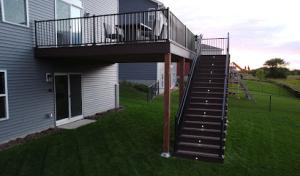
Castle Exteriors is Minnesotas Premier home exterior remodeler specializing in Roofing, Siding, and Custom Deck Construction.
The Expert Co. Metal Roofing
(952) 393-0060 www.theexpertcompany.com
Serving
4.9 from 60 reviews
Discover unparalleled roofing solutions with The Expert Metal Roofing, serving Centerville, MN, and beyond since 2009. With over a decade of experience in roofing and restoration, we specialize in crafting long-lasting roofing systems designed to save you money while benefiting the environment. From metal shingles and standing seam metal to traditional asphalt and cutting-edge synthetics, we offer a wide range of roofing options. Our expertise extends from roof repairs to full replacements of flat roofing, roof restoration systems, roof coatings, and storm damage repairs. Enhance your home's protection with our gutter installation, gutter protection, and siding installation services. Trust The Expert for quality and enduring value.
Right Now Roofing & Restoration
Serving
5.0 from 212 reviews
Right Now Roofing offers a comprehensive suite of commercial & residential roofing, siding and water/fire damage restoration services based in White Bear Lake, MN, serving all of the Twin Cities. From fixing leaks, to ice dams, to installing new roofs, they can handle all your roofing needs. Their services also extend to siding, gutters, and windows, making them a one-stop shop for exterior home improvement.
JTR Roofing
(651) 334-8199 www.jtrroofing.net
Serving
4.5 from 32 reviews
Since we started this company in 1992 it has been our personal goal to provide quality and customer satisfaction unequaled in the industry. Having quality control people oversee every job ensures that this is accomplished. We take pride in knowing that we provide the highest quality materials and labor available at a competitive price, to keep your project within your budget. We look forward to working with you and continuing our dedication to quality and customer satisfaction!
Lake Area Exteriors
(651) 442-7478 www.lakeareaexteriors.net
Serving
5.0 from 49 reviews
Lake Area Exteriors is a licensed contractor providing roofing, siding and gutter solutions to residential and commercial customers across the greater Twin Cities, MN metro. Whether you're remodeling your entire exterior, or repairing or replacing just one component of your exterior like the roof, siding or gutters, we can help. We also work with insurance companies for storm damage claims. With a focus on customer satisfaction, we’re your reliable company for roofing, gutters, siding, and storm damage solutions, keeping Minnesota homes and businesses safe and attractive. Give us a call today to for a free estimate!
American Eagle Home Improvement
(763) 297-3925 americaneaglemn.com
Serving
4.9 from 160 reviews
Roofing and gutter projects can be confusing and stressful, especially with all the choices and details involved. That’s why American Eagle Home Improvement is set on making the process as easy as possible for you
All Built Right Exteriors
(612) 246-7079 www.roofingmpls.com
Serving
5.0 from 13 reviews
Since 2010, our award-winning roofing company has specialized in superior roof repairs and roof replacement projects, expertly handling hail and storm damage restoration projects. Based in St Paul, MN, we are the trusted choice for homeowners and businesses in Minneapolis, St. Paul and the surrounding Twin Cities suburbs. Whether you need a roof repair or an estimate for roof replacement cost in Minnesota, trust us to deliver top-notch roofing services tailored to your needs. Discover why we are the best roofing company in St. Paul and Minneapolis for all your roofing solutions.
Timberline Roofing & Contracting
(952) 900-3626 timberlineroofingmn.com
Serving
4.8 from 168 reviews
Timberline Roofing and Contracting, Inc. in White Bear Lake, MN provides professional roof replacement services designed to protect homes against Minnesota’s harsh winters, heavy snow, and summer storms. Our skilled team specializes in replacing worn or damaged roofs with durable solutions that improve both safety and curb appeal. We understand the unique challenges local homeowners face, from ice dams to storm damage, and deliver reliable results that stand up to the elements. As trusted roofing contractors in White Bear Lake, we pride ourselves on professionalism, experience, and quality workmanship you can count on.
Spartan Contracting
(651) 329-6396 roofwithspartan.com
Serving
4.9 from 87 reviews
Family Owned General Contractors Serving Eastern Twin Cities and Western Wisconsin MN. Lic. #BC767463 WI. Lic. #DC022000192
Saints Exteriors
(651) 300-4330 saintsexteriors.com
Serving
5.0 from 42 reviews
We offer home inspections for hail, wind, and storm damage.

Bruggeman Exteriors & Roofing
(651) 426-8176 www.bruggemanexteriors.com
Serving
4.8 from 50 reviews
Bruggeman Exteriors, located in Woodbury, MN, specializes in top-quality residential roofing and solar roofing solutions tailored for your home. Our professional team delivers expert home roofing and exterior construction services, including commercial roofing, storm & hail damage repair, siding, gutters, and window replacement. We pride ourselves on using premium materials and offer the trusted GAF Golden Pledge Product and Workmanship Warranties, ensuring long-lasting protection and peace of mind. Whether upgrading your roof or adding solar panels, Bruggeman Exteriors is your go-to expert for durable, efficient, and beautiful roofing and exterior solutions in Woodbury and beyond. Contact us today!
EcoRoofing
(651) 797-8621 www.ecoroofingmn.com
Serving
4.8 from 138 reviews
We are a residential roofing contractor that has proudly served the Twin Cities Metro Area and surrounding suburbs for over a decade. We offer the best services available in the Metro Area, hands down. Our licensed team of professionals will provide the exterior products and installation services you need to successfully and quickly complete your project.
Hugo roofs endure repeated freeze-thaw cycling throughout Minnesota winters. Those day-to-night swings can gently pry apart shingle seals that looked solid after a fall delivery or a crisp sunny day. Over time, the seals loosen, minor granule loss piles up, and tiny gaps can open along edges and around protrusions. The result isn't dramatic all at once, but it quietly compromises the roof's ability to shed water during the next warm spell. The practical takeaway is to check after each thaw cycle: look for lifted edges or granule loss in the gutters, and note any shingles that don't lay flat where they meet flashing or vent pipes.
Snow piles up deep on the roof, then sits through cold nights and warmer afternoons, creating a band of meltwater that can refreeze at the eaves. That's where ice dams form, especially on heated homes with noticeable attic heat loss and cold roof edges. The dam blocks drainage, forcing water to back up under shingles and into the attic or ceiling. In winter, the first sign of trouble may be a small attic leak that appears only during a thaws, long after the roof otherwise seemed fine. The edge condition matters: when the roof edge is consistently cold and the attic is warmer, the dam risk climbs. Proactive measures-insulation, sealing gaps, and ensuring a clear path for meltwater-pay off in less frequent, less dramatic damage events.
Emergency leak calls in Hugo often come during thaw periods, even if the roof looked intact earlier in the season. That pattern speaks to the ice dam dynamic: water can travel a surprising distance once it breaches a small spot, saturating insulation or ceiling materials before dripping inside. If a leak arrives with the warming trend, it's a reminder that a seemingly sound roof may be masking vulnerable spots. The practical response is to treat thaw leaks as a signal to re-evaluate attic venting, insulation levels, and any flashing joints, rather than waiting for the next heavy snow to test the deck.
Start with a quick attic check: ensure vents are not blocked, insulation is thick enough near the roof line, and there are no obvious gaps around penetrations. If snow is tall, consider removing some of it from the roof edge-carefully, from a safe position-so meltwater has a clear path to the gutters. Maintain proper clearance at heat sources that touch the roof edge, and if discoloration or moisture appears on ceilings during thaws, investigate for hidden ice daming or compromised flashing. In Hugo, the combination of heavy snowfall, long snow cover, and persistent freeze-thaw cycles makes regular attention to edge details and attic conditions especially critical to stave off costly, winter-driven leaks.
When you can't wait, these contractors offer fast response times to stop leaks and prevent further damage.
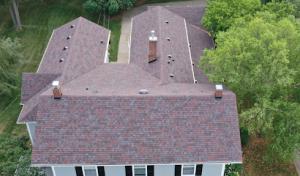
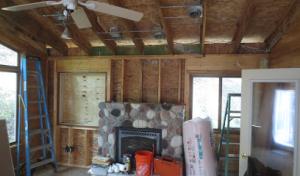
Asphalt shingles dominate Hugo because they fit the area's residential re-roofing market and are widely used across the north-metro housing stock. They're familiar to local crews, come in a broad range of colors, and install quickly on typical Hugo home footprints. For most homeowners, they're the practical baseline option: reliable performance in snow, hail resistance that's sufficient with good underlayment, and predictable replacement cycles. If you're weighing return on investment and ease of service after a wind event, asphalt shingles are the default you'll most often encounter during inspections and insurance conversations.
Metal roofing is a meaningful local upgrade option for homeowners prioritizing snow shedding and durability through freeze-thaw seasons. In Hugo, metal panels or standing-seam profiles shed light-to-moderate snowfall more aggressively than asphalt, reducing ice dam risk on favorable slopes and improving overall attic heat balance in colder months. Installation tends to be more exacting, and the look can range from low-profile modern to rugged traditional, which matters when the appearance must blend with nearby long-established homes. If you anticipate frequent hail exposure or want the longest possible service life with lower maintenance, metal provides a compelling, durable alternative to consider.
Wood shakes, synthetic products, slate, and copper exist in the market but are far less common choices than asphalt and metal for typical Hugo replacement projects. Wood shingles offer appeal in certain styles but require more maintenance and can be sensitive to moisture and hail; synthetic options mimic wood with lower upkeep but still carry considerations for color fading and warranty terms. Slate and copper bring longevity and a premium aesthetic, yet their weight, cost, and installation needs limit their practicality for the average Hugo home. If a project involves a distinctive architectural cue, or if a homeowner wants a premium, nonstandard roof, these materials may fit, but they require careful planning around structure, weight load, and local expectations.
When choosing, consider how often severe weather comes through your neighborhood and how that aligns with your replacement timing. Talk through wind robustness, hail resistance, and the ease of matching or upgrading underlayment to guard against ice dam risk. Local crews recognize Hugo's mix of older homes and newer builds, so selecting a material that installers can efficiently manage on your roof's pitch and eave lines helps prevent surprises during replacement. For most properties, aligning material choice with existing curb appeal, maintenance tolerance, and insurance conversation will yield the most predictable, satisfactory outcome.
In this market, asphalt shingles stay the most common choice, especially after a hail event that spikes demand. Your base material cost runs roughly from $350 to $800 per square, but Hugo weather realities push totals higher when ice and wind drive crews to longer days. Cold-climate detailing-ice-and-water shield, upgraded underlayment, and proper ventilation checks-can nudge project totals above the base price. If you have steeper slopes or a detached garage, expect extra labor for setup, tear-off, and cleanup that adds to the bottom line.
Metal options bring durability and fast installation, but storm-driven demand can tighten scheduling across the north metro. Base material pricing sits around $600 to $1,200 per square. In Hugo, consider the impact of wind and hail on fasteners, panel alignment, and flashing selection, as these can influence overall cost after purchase and labor. Steeper homes or metal over decking with integrated vented systems may require more detailing and temporary protection during installation, pushing totals above the basic range.
Wood options offer a distinct curb appeal but require meticulous installation in wind-prone, hail-typical seasons. Expect roughly $700 to $1,400 per square as a starting point. The cold-climate reality means additional ice-and-water protection and careful flashing replacement to prevent moisture infiltration, which can push costs beyond the base. On larger or multi-structure lots, labor for handling, staging, and debris control increases with each extra square of material.
Synthetic or composite shingles balance resilience with weight, which helps in wind-heavy periods. Base ranges run about $500 to $1,000 per square. In Hugo, storm-driven demand can compress crew availability, so project timing matters for price. Enhanced underlayment and ventilation adjustments, plus replacement of weathered flashing, can add to the total when cold-weather protections are installed.
Slate remains a premium, long-life option, with base pricing typically higher due to material and handling requirements. Expect roughly $1,500 to $3,000 per square. In winter and during hail surges, installation complexity increases from careful quarry-cut pieces to precise jointing and seam work. Ventilation needs and flashing replacement are common add-ons that can push totals well above the base slate price.
Copper is the standout for longevity and aesthetics, but Hugo's weather cycles can amplify installation costs through specialized detailing and longer crew times. Base pricing sits around $2,500 to $5,000 per square. Ice and wind protections, along with custom flashing and ventilation considerations, frequently push the job into higher end ranges, particularly on steeper structures or large accessory buildings that demand careful teardown and secure cleanup.
Get a clear picture of your project costs upfront - no commitment required.
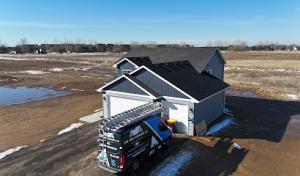
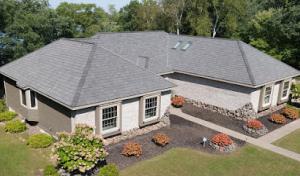
For a full re-roof, a building permit is typically required before any work begins. This ensures that the reroof meets local code, wind uplift requirements, and drainage standards that are critical in the exurban north-m metro exposure you live with. The local building department in partnership with Washington County reviews the scope of the reroof, focusing on underlayment types, ventilation, flashing details, and any structural considerations. Expect the process to include verification of contractor licensing as part of the permit evaluation, since the county and Hugo's oversight aim to protect homeowners from underqualified labor.
Before submitting, have your chosen roofing contractor ready with their license number, a scope of work, and a rough timeline. The permit application typically asks for property details, roof size, and the proposed roofing materials. You will likely need a site plan or roof plan showing eave lines and any venting changes. Prepare a recent copy of the homeowner's proof of ownership and any local endorsements specific to Washington County requirements. If the project touches any exterior work beyond the roof plane, additional approvals may be requested. Submitting a complete package helps minimize back-and-forth and keeps the project moving through the permit queue.
Inspections in Hugo generally occur at key milestones rather than a single end-point. The first milestone commonly occurs after underlayment and drip-edge installation to verify correct installation, flashing, and ventilation approaches. A final inspection confirms that the reroof is completed to code, with all penetrations sealed and flashing integrated, and that the new roof meets wind uplift and drainage criteria. Scheduling around weather windows is essential, since heavy snows or hail seasons can shift inspection timing. A responsible contractor will coordinate access for these inspections and ensure the workforce is ready to address any required adjustments.
Expect some scheduling lead time for both permit review and inspections, especially during peak construction seasons or after severe weather events. Communicate clearly with the contractor about anticipated inspection dates and any required documentation. The permit process in Hugo and the broader Washington County system is designed to keep the project on track while protecting structural integrity and insurance requirements. Coordinating ahead with your roofer on material delivery windows helps avoid delays that could push milestones beyond favorable weather.
In Hugo, Minnesota's high hail and wind claim environment means homeowners may face closer insurer review of roof age, prior repairs, and maintenance history. When a storm hits, photographic records alone are not enough; carriers want a clear trail of what happened and what was done to address it. You are more likely to secure favorable outcomes if your file shows consistent upkeep and timely responses to problems as soon as they appear.
Detailed photo sets, date-stamped storm notes, and line-item estimates are especially important in Hugo because carriers may question whether damage is storm-related or wear-related. Take exterior shots from multiple angles, then zoom in on damaged areas, fasteners, flashing, and any granule loss. Keep a calendar log of weather events, hail size if known, and any temporary measures you applied to prevent further damage.
Some insurers in this market may restrict coverage on older roofs or require replacement by licensed contractors, affecting whether repair or full replacement is practical. If the claim leans toward age or prior repair history, you may face tighter scrutiny or higher deductibles, increasing your decision points. Know your policy's definitions of wear versus storm damage and be prepared to document how recent maintenance mitigates risk.
Coordinate with a trusted local contractor who understands Washington County oversight quirks and submission expectations. Before filing, assemble a concise packet: recent roof warranty cards, contractor estimates, and a clean set of stamped photos with captions. Submit promptly after a storm, and keep copies for your records. A clear, organized presentation can both speed decisions and reduce the chance of disputes later on. In storms common here, timely documentation can tilt repairs toward practicality rather than a full-roof replacement. Seek guidance when unsure.
Connect with contractors who help homeowners navigate the claims process from damage assessment to final approval.
Castle Exteriors
(320) 224-2083 castleexteriorsinc.com
16213 Europa Ave N, Hugo, Minnesota
5.0 from 19 reviews
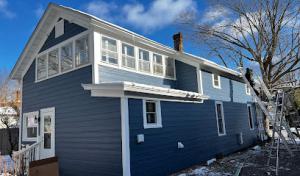
Freeze-thaw movement in Minnesota makes flashing details around skylights and chimneys a recurring weak point on Hugo homes. Metal step flashing can loosen, sealant can degrade, and the transition from vertical to horizontal planes is where seasonal stress concentrates. In winter, ice dams push against those penetrations; in spring, thaw cycles reveal gaps that were barely perceptible when the roof looked fine. The result is often small leaks that travel along the flashing or under the skylight curb long before shingles curl or granules shed.
Winter snow buildup and spring melt can expose installation defects at penetrations long before field shingles visibly fail. Look for staining on interior ceilings near the skylight or chimney, damp spots on attic sheathing after a melt event, and exterior signs such as lifted flashing, cracked sealant, or rusting metal. On chimneys, pay attention to cracked mortar joints around the flashing base and any rusted or deteriorated step flashing that sits beneath the chimney boot. Skylights reveal themselves with condensed moisture around the frame, pinhole leaks along the curb, or ice build-up along the glazing line.
Because many local contractors advertise chimney and skylight work, penetration detailing is a practical concern in Hugo rather than a niche add-on. When evaluating bids, prioritize those who document flashing material choices, curb flashing details, and backer rods or sealants rated for freeze-thaw cycles. Ask about a multi-point inspection of the surrounding shingles and drip edge, ensuring that the rain pan or skylight pan is integrated with proper slope away from the curb. Confirm that any chimney chase counter-flashing is tied into the roof deck and that the ladder of flashing above the roofline is continuous with no gaps.
Schedule a seasonal check after the snow clears and again after spring rains. Examine the skylight around the curb from the exterior for any lifting, and inspect the chimney base for slipping mortar or displaced flashing. If a leak is suspected, document with photos and note the season; this helps distinguish wind-driven leaks from melt-related seepage. When hiring, request a written plan detailing flashing materials, seam treatment, and warranty coverage specific to penetrations.
Find contractors experienced in skylight installation, flashing, and leak repairs to bring natural light into your home.
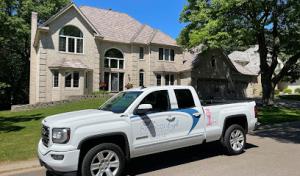
The Hugo market is heavily re-roof and storm-repair oriented, so homeowners should prioritize crews with proven insurance-process experience and fast post-storm response. Look for a company that can move from assessment to order of materials quickly, coordinates directly with your insurer, and has a ready crew roster to avoid delays when storms hit. A local team with a track record of handling hail-damage claims reduces backlog and confusion.
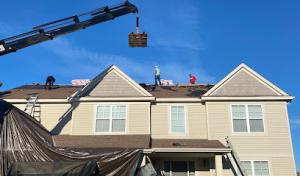
Cleanup is a major local hiring factor, reflecting the prevalence of tear-off replacement work on occupied residential properties. Ask about daily cleanup routines, tarping standards, debris containment, and how they protect landscaping and driveways during removal. Request recent job photos or a walkthrough of a finished project to see how the crew handles tenant-style disruptions and the final rake-out before they leave.
Established and family-owned contractors are common in this market, which matters when homeowners want continuity for warranty follow-up after storm seasons. Verify who will be your on-site point of contact after the roof is installed, and confirm a clear process for any warranty questions or post-install concerns. A locally rooted company often provides smoother follow-up and accountability.
Start by collecting a short list of references from recent Hugo-area projects and calling those homeowners about cleanup, timeliness, and whether they'd hire the same crew again. Check licenses and general contractor status, then ask how they manage storm-response timelines and insurance documentation. End by selecting a crew with transparent communication, thorough cleanup, and a reliable post-install support plan.