Last updated: Apr 19, 2026
Savage sits in the south Twin Cities metro where hail and wind claims are a routine driver of roof replacement activity rather than an occasional event. That pattern means your roof is routinely evaluated after every significant thunderstorm, and insurers expect careful documentation of storm damage. When a hail event hits, the clock starts ticking on assessments, claim filings, and possible reroof decisions. If you wait, you risk additional water intrusion, accelerated wear from freeze-thaw cycles, and a rushed post-storm repair that only patches the surface rather than solves the underlying problem. Your best move is to act quickly, not reactively.
The local contractor signal mix is dominated by storm damage and insurance-claims work, showing that post-storm roof assessments are a primary homeowner need in this market. After a hail storm, expect a surge of contractor calls, some of them legitimate and experienced, others less so. Prioritize firms with a proven track record in hail damage assessment, insurance-claim navigation, and documented workmanship on similar Savage homes. Ask for a written verification of recent storm projects in comparable neighborhoods, and request a thorough, non-salesy inspection that identifies hail dents, granule loss, and underlying deck or fascia damage. If a contractor pushes a quick patch or a full replacement as the only option, get a second opinion before committing.
Spring hail risk overlaps with the start of the main reroof season in this area, so homeowners often have to decide quickly between spot repair, temporary protection, and full replacement. The decision hinges on the extent of hail impact, the roof's age, and the condition of underlayment and plywood. If you can, schedule a storm-season inspection promptly after a clear day, while moisture is still in control and before the next round of weather disrupts access. If damage is confirmed but a full replacement isn't immediately necessary, ask about temporary protection options that prevent water intrusion while you secure the claim, verify coverage, and finalize your plan.
Document everything: take wide and close-up photos of shingles, dents in metal components, and any granule loss or shingle curling. Keep a running log of dates, insurers contacted, and the names of any adjusters who visit. Hire a contractor who can coordinate directly with your insurer, provide a detailed scope of work, and schedule work around weather forecasts to minimize delays. Be prepared for iterative claim steps-adjuster visits, possible supplementary claims, and revisions to the repair plan. In this market, a proactive homeowner who stays organized reduces risk of coverage disputes and speeds the path from assessment to a durable, code-compliant roof.
Find local contractors experienced in assessing and restoring roofs after hail, wind, and severe weather events.
Exteriors Plus Roofing, Siding & Windows
(952) 260-0305 exteriorsplusmn.com
12481 Rhode Island Ave, Savage, Minnesota
4.9 from 308 reviews
Foremost Exteriors
(952) 495-5545 www.foremostexteriors.com
4740 124th St, Savage, Minnesota
4.9 from 134 reviews

Exteriors by Highmark
(952) 641-6086 exteriorsbyhighmark.com
8720 Eagle Creek Pkwy, Savage, Minnesota
4.7 from 63 reviews
Exteriors Plus Roofing, Siding & Windows
(952) 260-0305 exteriorsplusmn.com
12481 Rhode Island Ave, Savage, Minnesota
4.9 from 308 reviews
Exteriors Plus is a family owned and operated, premier roofing contractor throughout the Twin cities metro area. We are licensed and insured roofing contractors. We offer a wide range of exterior home remodeling and home repair services, including residential and commercial roofing, siding repair, damage repair, home window installation, and more. Our restoration specialists have the knowledge and experience necessary to help you with any of your home restoration needs throughout Savage, MN area. With our services and quality materials, you can rest assured that your home is functioning and looking its best. Call our expert roofers for a free estimate today!

Foremost Exteriors
(952) 495-5545 www.foremostexteriors.com
4740 124th St, Savage, Minnesota
4.9 from 134 reviews
License # BC777460 Small, local business focusing on your roofing, siding, gutters, painting and window/door needs.

Exteriors by Highmark
(952) 641-6086 exteriorsbyhighmark.com
8720 Eagle Creek Pkwy, Savage, Minnesota
4.7 from 63 reviews
Locally owned and operated Exteriors company. Some of the services we offer are: Roofing Siding Windows Gutters Storm Damage Repair Hail Damage Repair We work on both residential and commercial projects.
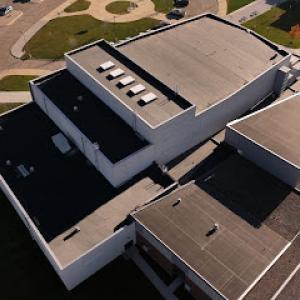
Schwickert's Tecta America
(612) 284-4233 www.schwickerts.com
8600 W 125th St, Savage, Minnesota
4.5 from 6 reviews
Founded in 1906, Schwickert's Tecta America in Savage, MN offers Residential Plumbing Service, Commercial HVAC Service & Commercial Roofing.
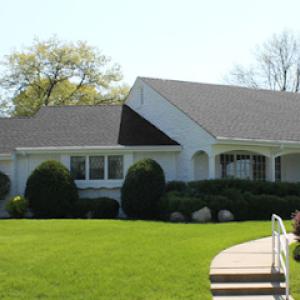
Kaufman Roofing
(612) 722-0965 kaufmanroofing.com
Serving
4.8 from 417 reviews
Kaufman Roofing installs residential shingle roofs, slate and tile roofs, flat roofs, wood shake roofs, and metal roofs in Minneapolis, MN.
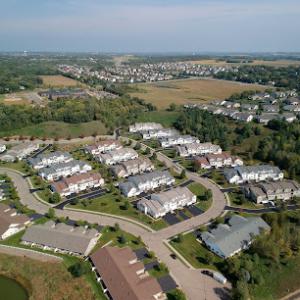
Association Reconstruction
(952) 222-3999 www.associationreconstruction.com
Serving
5.0 from 22 reviews
Association Reconstruction is a roofing, siding, and full service storm damage restoration contractor. We are based in Prior Lake, Minnesota and serve the entire Twin Cities and western Wisconsin. Please contact us today to learn more.
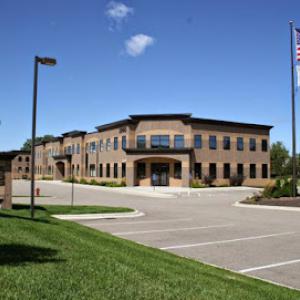
American Building Contractors
(952) 562-2400 abcwillhelp.com
Serving
4.8 from 148 reviews
American Building Contractors (ABC) has been helping Homeowners, Property Managers and Board Members since 1998 with their roofing, siding, windows and gutter needs. We believe in always putting the wants, needs and concerns of our customers first. Our team is committed to delivering on our promise of safety and respect for you, your time and your property. We appreciate "It's Not Just a House...It's Your home!"® Our Insurance Restoration Services Department helps our customers before, during and after mother nature strikes, with understanding the claims process to complete restoration. ABC's headquarters is in Burnsville, MN and we are licensed to do business in 44 states. Our regional offices are in Illinois and Florida.
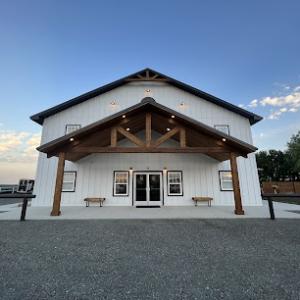
Schmidt Roofing
(952) 952-3103 schmidtroofing.com
Serving
4.6 from 172 reviews
With more than 30 years of experience, we’re bringing our family to your home or office to provide you with the roofing services in Burnsville, MN, you’re in need of, at a price that won’t break the bank. The team at Schmidt Roofing has completed more than 10,000 residential and commercial roofing, siding, window, and gutter installations, making us the leading exterior and roofing contractors in MN. No matter the job, big or small, our team has you covered, so you can get back to enjoying your home or office building’s exterior without worry. We can’t wait to make you a part of the Schmidt Roofing family. Contact us today to learn more or to book services in Burnsville, Mn and the surrounding area.
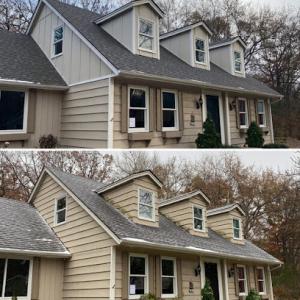
Solaris Companies - Roofing
Serving
5.0 from 94 reviews
At Solaris Roofing, we have established a strong reputation for delivering high-quality exterior restorations and interior remodeling services. Our team of skilled professionals is a source of pride for us. We ensure that our technicians are well-informed about the latest industry standards and equipped with top-notch tools, allowing us to provide every customer with dependable service at a competitive price. When it comes to protecting your home, Solaris Companies is here to always deliver a result you can rely on for years to come.

Sharp Exteriors
Serving
4.9 from 69 reviews
Sharp Exteriors, established in 2011, proudly serves the Prior Lake community and surrounding areas. With over a decade of expertise in roofing and siding services, we deliver top-quality solutions to enhance the protection and beauty of your property. From damage restoration to refreshing upgrades, our team of skilled professionals is dedicated to delivering exceptional results that stand the test of time.
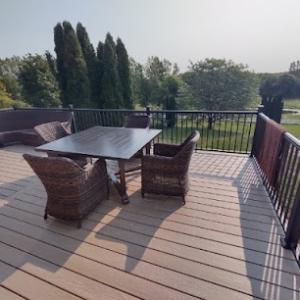
L & M Property Solutions
(651) 783-2161 lmproperty.solutions
Serving
5.0 from 14 reviews
At L&M Property Solutions, we’re here to help you love where you live—inside and out. Whether it’s a custom kitchen, updated bathroom, new roof, or a backyard deck, we bring your ideas to life with skilled craftsmanship and honest service. Based in Prior Lake, Minnesota, we proudly serve Minneapolis, Burnsville, Lakeville, Shakopee, Plymouth, Saint Paul, Woodbury, Wayzata, Maplewood, Mound, North Saint Paul, Savage, Minnetrista, White Bear Township, and surrounding areas. Let’s work together to create a home you’re proud of.
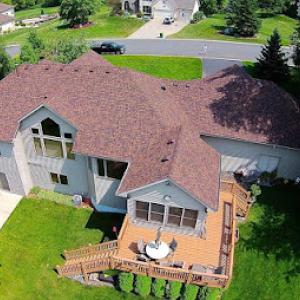
All Craftsmen Exteriors
(952) 898-4680 allcraftsmenexteriors.com
Serving
5.0 from 63 reviews
Since 2005, All Craftsmen Exteriors has helped property owners tackle complex roofing projects. From damage repair to full roof replacements, each of our projects presents unique challenges and requires a customized approach. Thanks to extensive experience within the industry and knowledge of available products and installation best practices, our team of roofing experts is up to the task of tackling even the most complex projects.
Reroof projects in this area tend to exist on a narrow runway: late spring through early fall is when crews can reliably work without the Minnesota cold pinning everything down. The days are longer, access to materials is steadier, and the roof deck dries out in a way that supports a durable install. If hail or storm damage triggers a claim, aim to start within that window and push through before the first hard freeze. Waiting too late in the season can compress the schedule into a tight autumn timeline, with holiday weather and building-code closeouts complicating workmanship and inspections.
Winter conditions in this part of the metro area advance the need for careful planning. Freeze-thaw cycling in the months when frost is common can turn minor flashing or shingle issues into active leaks by repeatedly expanding trapped moisture. If a crew spots a small flashing notch or a seam during inspection, there is real value in addressing it proactively rather than letting it ride as the roof goes on. Rains-and-snow can exaggerate vulnerabilities, so the best practice is to treat any flashing anomaly as a potential risk and allocate time for proper sealing, step/metal flashing replacement where needed, and ensuring the counterflashing is sealed to the base wall.
Summer heat and humidity in this climate can affect roof decking moisture conditions and shingle handling. Decks may hold more moisture early in the season, which can influence nailing depth and adhesive behavior for certain shingle types. High temperatures also shorten set times for sealants and can drive faster expansion in some metal components. Ventilation becomes a practical concern during the replacement: ridge and soffit vents should be inspected and, if needed, upgraded to maintain airflow under the new roof. Plan for staged protection of warm roof surfaces during peak sun hours and ensure crews have shaded areas, water access, and periodic breaks to keep workers' exposure manageable and the installation consistent.
Savage experiences intense storm activity that can trigger hail damage and insurance-driven roof replacements. The timing should align with dry spells in late spring and early fall to minimize moisture intrusion while allowing for proper adhesive cure times and underlayment installation. If a storm interrupts progress, the goal is to shield the exposed deck with temporary underlayment and tarps, then re-sequence the work to complete a solid, watertight stage before the next round of weather. Because the local hail pattern can be unpredictable, coordinate a flexible start window with the roofing crew and your insurance adjuster so they can adapt if a major storm opens up a new claim or shifts required materials.
On a typical full reroof, begin with a thorough attic inspection to gauge decking condition and look for signs of moisture penetration that might not be visible from the exterior. During the install, ensure ventilation paths are clear and that attic fans or vents remain operational, especially in late spring and late summer when heat stress is greatest. Keep nearby landscaping protected so shingles and nails do not accumulate where they can later cause recalls or warranties to require verification. Finally, set expectations with your crew: confirm the order of operations-deck inspection, underlayment, flashing, and drip edge-so there is a logical progression that reduces the risk of leaks during and after the replacement.
Asphalt shingles remain the dominant practical choice for homes in this area, aligning with Savage's reroof-heavy suburban housing stock and the local contractor base that has clear asphalt specialization. The rugged Minnesota winters and frequent hail events mean you want a shingle that can take a punch and still hold color and sealant. Modern asphalt options with improved impact resistance and dedicated attic ventilation perform well in freeze-thaw cycles, helping minimize ice dam risk and shingle cracking. For most homeowners, a high-quality 30-year or longer asphalt system offers a straightforward, reliable path to reroofing that the local market understands inside and out. Because the area sees recurring storm activity, choosing shingles with strong wind and hail ratings from a reputable manufacturer matters more than chasing the newest trend.
Metal roofing is present in Savage, but it remains a secondary specialty rather than the default choice. Homeowners often consider metal when snow shedding, long replacement cycles, or exceptional durability are priorities. Metal can excel in a climate with heavy snow loads where rapid shedding reduces ice dam formation risk on shallow pitches. It also performs well in hail-prone periods, thanks to its tough, impact-tolerant surface. If a home already has attic space optimized for metal installation or if the roof pitch and surrounding landscape favor a low-profile, visually cohesive metal look, this material can be a smart long-term investment. Keep in mind that the pool of installers who handle metal at residential scale in this market is smaller than for asphalt, which can influence scheduling and customization options.
Clay tile, concrete tile, and wood products such as cedar shakes exist in Savage but occupy a niche position. If clay or concrete tile is considered, expect a smaller pool of experienced installers and longer lead times for projects, especially on more complex rooflines. Tile carries excellent longevity and a distinctive appearance, but weight, underlayment needs, and wind/ice considerations require careful site evaluation. Cedar and other wood shakes can offer a rustic, long-lasting look, yet they demand proactive maintenance and more frequent inspections to manage moisture-related issues in damp springs. For homes choosing tile or cedar, engaging contractors who regularly work with these materials is essential to ensure proper anchoring, ventilation, and compatibility with the local freeze-thaw pattern.
In practice, most Savage homes benefit from asphalt due to ease of sourcing, broad local expertise, and robust performance under hail and cold weather. When evaluating options, consider how each material handles hail exposure, the anticipated interval to reroof, and the installer's familiarity with local roof geometry and typical suburban layouts. For those aiming to optimize storm-season timing and insurance-related reroofs, having a trusted local contractor who understands the nuances of the Twin Cities climate and Savage's housing stock can streamline decisions and protect the roof's long-term performance.
The most popular roofing material in the US. Find pros who install, repair, and replace asphalt shingles.
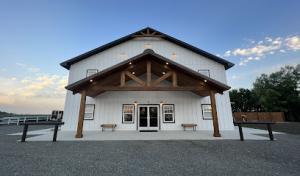
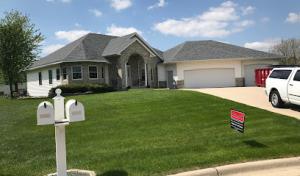
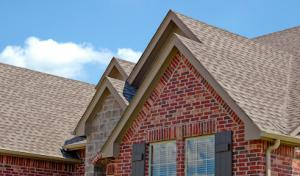
After a major hail event in the south metro, Savage homes often see a spike in contractor schedules and material demand. That pressure tends to push both scheduling timelines and prices higher, especially during the main reroof window that runs from late spring into early fall. For a typical asphalt shingle roof, you should expect costs in the 350 to 650 USD per square range, with metal running 700 to 1100, clay tile 900 to 1800, concrete tile 900 to 1600, wood shingles or shakes 500 to 900, and synthetic or composite shingles 550 to 1000. These figures reflect the local mix of aging homes and storm-repaired roofs, where higher-end materials and larger homes easily shift totals beyond the base material and labor.
Savage homeowners commonly face tighter calendars after a hail event, because the storm-driven demand concentrates work into a relatively short window. If your roof shows widespread damage, expect crews to book up quickly and to prioritize full replacements over cosmetic fixes. Working with a local contractor who has experience navigating the post-storm landscape helps avoid delays. When a storm hits, short-term pricing pressure can come from material shortages, expedited lead times, and the need to coordinate with insurance-driven timelines.
Choosing materials should balance climate, longevity, and budget. Asphalt shingles remain the most common, offering predictable cost and solid hail performance for a typical Savage home. If you're weighing metal, clay, or concrete, plan for the higher end of the ranges, especially in larger homes or those with complex rooflines. Wood shingles or shakes present a traditional look but can incur higher install costs and maintenance down the line. Synthetic or composite shingles are a flexible, mid-range option that often delivers durability without stepping into the premium price tier. Map out a realistic total based on roof size, pitch, and any necessary underlayment upgrades to avoid sticker shock when the project is scoped.
Don't let upfront costs delay a critical repair - these contractors offer payment plans to fit your budget.

Slim & Trim Construction / STC Roofing
(952) 228-0006 www.slimandtrimconstruction.com
Serving
4.9 from 79 reviews
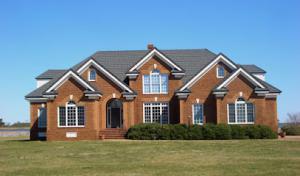
A roofing permit is typically required in this city for a full reroof, making permit verification part of the homeowner's contractor screening process. That means before any shingle is pulled or nail gun fired, you need to confirm your contractor has submitted the permit application and that you've got a valid permit number on file. In practice, this helps guard against delays caused by a missing permit, and it creates a clear record for both you and the city if any storm-season inspections or follow-ups are needed. Don't assume a permit is automatic because you've done work elsewhere or last year's project was "approved." The local process expects you to prove the work is tracked from start to finish.
The City of Savage Building Department performs a completion inspection that checks underlayment, flashing, vents, and nail installation rather than treating reroofing as a no-oversight trade. That means the inspector will look up close at how the underlayment is laid, how chimney and vent flashing are integrated, and whether fasteners are driven correctly and with proper spacing. A well-timed inspection often hinges on ensuring these details are finalized and accessible for review, not after the entire roof is hidden behind new shingles. If your contractor stalls or misses a step, the inspection won't pass, and a re-inspection fee or corrective work may follow.
Savage permit turnaround can range from a few days to a couple of weeks depending on workload, which matters when homeowners are trying to line up storm-season replacements. If a hail event or severe weather window is driving decisions, plan for that potential lag in permit processing when scheduling delivery of materials and crew arrival. Communicate openly with your contractor about expected permit dates and keep a conservative buffer in your project timeline to avoid a rush that leads to missed details during the final phases.
Expect the inspector to verify any temporary or permanent ventilation adjustments, proper sealing around roof penetrations, and a clean, orderly nail pattern that aligns with the manufacturer's and code's requirements. Have documentation handy: permit number, inspection approvals, and a brief summary of key installation steps your crew completed. If you've pursued insurance-driven reroofs, the city's completion clearance can be the final hurdle to closing out the project with your insurer and the permit file. Stay organized, stay communicative with your contractor, and anticipate a practical, not ceremonial, final review.
Minnesota insurers commonly cover hail and wind damage, and Savage is a market where roof claims are frequent enough that documentation quality can materially affect claim outcomes. The claim file hinges on clear, organized evidence that shows the damage and the progression of costs from assessment through replacement. Gather a simple timeline: when the storm occurred, when the damage was first noticed, and every step taken afterward. This helps in conversations with the insurer and the adjuster who will review the claim.
Savage homeowners should expect adjusters to rely heavily on roof photos, date-stamped damage records, and contractor estimates when evaluating whether a replacement is covered. Take high-resolution photos from ground level and from the attic if accessible. Capture roof facets, gutters, vents, and fascia, noting any hail hits, granule loss, or deflection in shingles. Create a dated photo log, with brief notes about what each shot shows. Maintain copies of all communications with the insurer, including emails and notices. If a storm season spans multiple events, keep separate photo packs for each incident to avoid confusion during review.
Timely reporting matters. File your claim promptly after a storm and request an in-progress appraisal trail from the insurer. When the adjuster arrives, walk the roof with them and reference your photo log and any contractor estimates. In Savage, adjusters may place more weight on a straightforward hail loss with clean documentation than on older roofs where wear and preexisting issues complicate the picture.
For older roofs in this market, some carriers may request an engineering report, which can slow claim resolution compared with straightforward newer-roof hail losses. If an engineer's assessment is requested, provide the most recent roof condition information you have, along with photos and any previous assessments. Coordinate with your roofer to ensure the engineer's findings align with observed damage and repair options.
Your contractor can help translate damage findings into a repair or replacement plan and a detailed estimate. Ensure contractor estimates are itemized, include material and labor breakdowns, and reflect current Savage weathering considerations like hail-prone exposure and freeze-thaw cycles. Share the estimates with the insurer promptly and keep a single point of contact for all correspondence to minimize back-and-forth and expedite the claim decision.
In this climate, freeze-thaw cycles are not a seasonal nuisance but a constant test. Flashing transitions where valleys meet walls, chimneys, and vents are the first lines of defense-and often the first places to show wear. Repeated winter cycling can widen small openings over time, letting ice, water, and wind-driven snow creep into places it shouldn't go. Pay attention to any lifting, corrosion, or loose sealant around metal step-flashing and base flashing at penetrations. When those weak spots fail, the damage often travels from a single joint to a broader area of the roof plane.
The city's inspection emphasis on vents, flashing, underlayment, and nails reflects what actually determines a reroof's long-term performance. If drip edges aren't secured, if flashing around vent stacks isn't lapped and sealed correctly, or if underlayment isn't continuous and protected at edges, a storm season can amplify those flaws. Nails must penetrate stud or rafter depth with proper spacing and corrosion resistance. A roof that shows inconsistent nailing or patchy underlayment is more prone to wind-driven leaks after the first heavy snowfall or spring melt.
Spring hail followed by summer heat can expose weak shingle seals and compromised accessories on roofs that looked serviceable before storm season. Granule loss, cupping, or curling on shingles can be accelerated by rapid temperature swings, especially near eaves and penetrations where heat concentrates. Sealant around roof-to-wall terminations and at ridge caps can soften or crack, inviting leakage during late spring storms or sudden downpours. Regular visual checks after hail events help identify early failures before interior damage sets in.
Look for: lifted edges, dark streaks indicating moisture behind the outer layer, and rust or corrosion on flashing. Tap along transitions with a rubber mallet to detect loose components. If you notice gaps, gaps that widen with cold, or any moisture staining in ceilings, address the issue promptly rather than waiting for the next thaw. A well-sealed, properly flashed roof is your best defense against Savage's demanding winter and storm cycles.
Find contractors experienced in skylight installation, flashing, and leak repairs to bring natural light into your home.
Exteriors Plus Roofing, Siding & Windows
(952) 260-0305 exteriorsplusmn.com
12481 Rhode Island Ave, Savage, Minnesota
4.9 from 308 reviews
Foremost Exteriors
(952) 495-5545 www.foremostexteriors.com
4740 124th St, Savage, Minnesota
4.9 from 134 reviews