
Last updated: Apr 19, 2026
Chaska sits in a Minnesota market where periodic hail and wind events drive high roofing claim activity and can delay adjuster scheduling across multiple properties. The result is a crowded claims calendar when a big hail storm hits you and your neighbors. Delays aren't just a nuisance: if the roof is visibly damaged or leaks start, waiting too long can complicate moisture control, deck and flashing condition, and the overall replacement process. The local replacement season is typically pushed into late spring through early fall because winter snow cover and freeze conditions limit tear-off and installation windows. If your roof is hit in late spring, summer storms can compress your timeline even further, so you must plan with urgency and flexibility.
After a severe hail event, you need a concise, complete record for the insurer and the contractor you'll hire. Start with a dated, on-roof inspection if safe, focusing on dented metal, bruised shingles, lifted granules, broken seals, and any immediate leaks. Take wide shots of the entire roof and close-ups of damaged areas, plus exterior walls and attic signs of water intrusion. Create a simple log: date of the storm, weather conditions, and any reported leaks or attic moisture. Save all weather reports, emergency repairs, and any prior storm claims on the home. Insurance adjusters in this area often juggle multiple properties after a single event, so having a clean, organized file speeds the process and reduces back-and-forth. If a contractor spots concealed damage during teardown, document it with photos and notes so the insurer understands the full scope before they authorize any change orders.
Expect adjuster scheduling to be stretched across several nearby homes after a hail event. To minimize gaps, request a rapid inspection appointment and be ready with your documentation package the moment the adjuster arrives. When you file, specify that you want a full replacement if the damage is widespread, not a patch repair. If your insurer approves a claim, confirm the agreed scope, including deck and flashing condition, ventilation considerations, and any necessary roof deck relamination. Maintain a single point of contact for the insurer and the contractor to avoid mixed messages about what the scope includes. If a second storm hits while the claim is open, you may experience prompt, iterative inspections-coordinate ahead of time with your contractor to plan for potential scope expansions without stalling the project.
Spring storms and rapid thaw in this region can create moisture-related delays, so homeowners often need both storm documentation and flexible scheduling after severe weather. Dry days are precious for tear-off and installation, and lingering thaw can slow insulation and underlayment work. Build a concrete plan for weather windows: identify a target start date, then map backup dates in case rain, flood warnings, or mudding conditions push work. Have a temporary mitigation plan for leaks during the interim-drip edges, tarps, or temporary coverings-so interior damage is minimized while waiting for a favorable window. Early coordination with your roofing team helps lock in prioritized slots as soon as the weather supports safe work and permit-ready conditions are not a barrier to progress.
With the primary risk window spanning late spring through early fall, your goal is to secure clear documentation, a coordinated claim, and a scheduling framework that adapts to fluctuating weather and adjuster availability. If you can, request a preferred crew and a single, consistent crew lead to minimize miscommunication across inspections, ordering, and installation. Keep communication open with your insurer about any scope clarifications, and verify that the final plan includes all critical components-ventilation, flashing, and a deck condition check-so the replacement takes every measure to endure the next round of Minnesota weather without a surprise return visit.
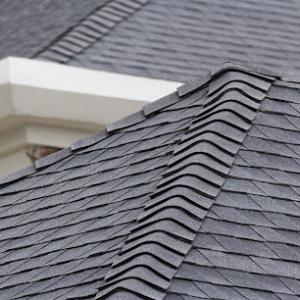
Iron River Construction
(952) 442-1762 ironriverco.com
586 Bavaria Ln, Chaska, Minnesota
4.8 from 213 reviews
We're a full service Minneapolis remodeling contractor, specializing in everything from roofing & siding to storm repairs & complete home renovations.
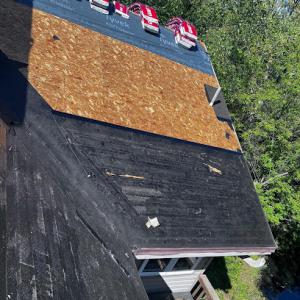
Defining Craftsmanship Construction
(612) 475-0614 www.definingcraftsmanshipconstruction.com
1239 Parallel St, Chaska, Minnesota
5.0 from 10 reviews
Defining Craftsmanship Construction stands as an unwavering sentinel in Chaska, Minnesota, a testament to the art of flawless construction and meticulous roofing artistry. With an unwavering commitment to excellence, this reputable company has become synonymous with quality work, exceptional customer service, and a passion for preserving the integrity of your most valuable asset—your home. Their dedication to craftsmanship will ensure that your property is a work of art, worthy of its place in the urban landscape.
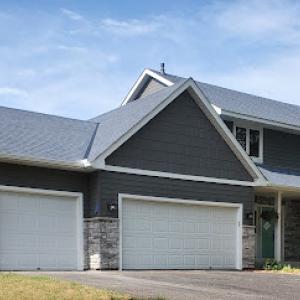
Minnesota Roofing Contractors
(320) 583-8030 www.mn-roofs.com
Chaska, Minnesota
5.0 from 6 reviews
Offering Value Add Roofing Contracting Services for Residential and Commercial as a Minnesota Licensed Contractor, BC789757. Minnesota Roofing Contractors can repair some roofs and help owners discover the most economical solution for their roof replacement when repairs are not reliable. We work with many types of roofing systems, such as shingle roofs, flat roofs and steel roofs to name a few.
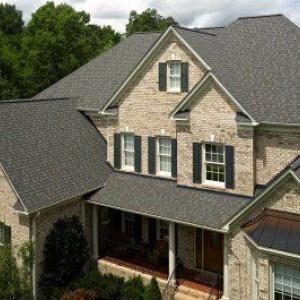
Pudas Construction
(612) 481-3053 www.pudasconstruction.com
Serving
5.0 from 56 reviews
Pudas Construction is a locally owned and operated family run business. We know Minnesota and are dedicated to offering quality work and personal attention. Your neighbors are our neighbors and our reputation is on the line. That’s why at Pudas Construction we only employ experienced professionals who are skilled at their craft and will get the job done. We strive for excellence and work until we've achieved it. We look forward to providing you with the same excellent service.

Superior Point Exteriors
(952) 960-9109 superiorpointexteriors.com
Serving
5.0 from 29 reviews
Superior Point Exteriors is a locally owned, leading home exterior business committed to providing homeowners with quality service, high-grade materials, master craftsmanship, and unmatched storm restoration process. We are a Better Business Bureau-accredited business and fully licensed and insured. From our initial consultation to the final clean-up, we're here to address your concerns, answer your questions, and ensure your peace of mind throughout the entire process.
Weathersafe Restoration
(952) 229-4577 www.weathersafeinc.com
Serving
5.0 from 8 reviews
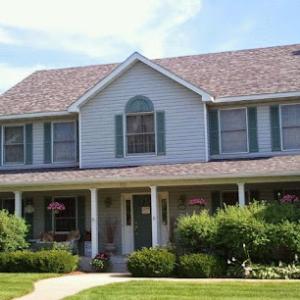
A Professional Roofing, Siding, Window, and Storm Damage Contractor Serving the Minneapolis, St. Paul, MN Metro Areas and the Hudson, WI Saint Croix River Valley Area With locations in Woodbury, MN, Shakopee, MN, and Hudson, WI, Weathersafe Restoration holds customer satisfaction as our greatest priority. We provide exceptional quality in the installation and repair of roofs, windows, siding and restoration services at the lowest possible prices. Weathersafe Restoration, Inc. is a business devoted to positive interactions, reliability, and timely services. Our sole priority is to ensure that every customer witnesses our commitment to consistently exceeding expectations.
Gold Star Contracting
(612) 221-4553 www.goldstarcontracting.com
Serving
5.0 from 76 reviews
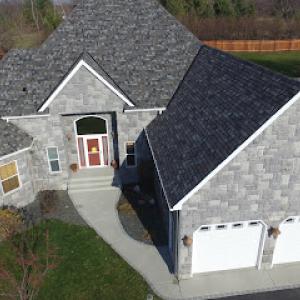
"Gold Star Contracting is a full-service roofing and siding contractor servicing Shakopee and surrounding areas. We specialize in roof replacement, storm damage repair, siding and gutters. Licensed, insured and BBB A+ rated."
Incline Exteriors
(952) 471-9065 inclineexteriors.com
Serving
4.8 from 129 reviews
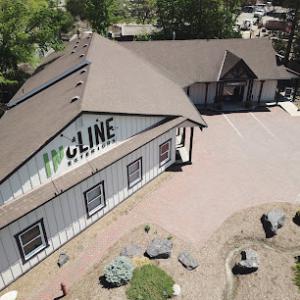
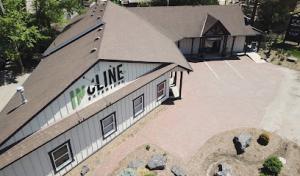
Founded in 1996, our Minnesota roofing company is locally owned and approaches each roofing or exterior job with the same “one job at a time” approach we applied in the beginning. Personalized, top-rated service is something that our owner, Bill Schenkel, insists on. Unlike some other roofers or exterior service contractors, we treat each project as our most important project. We insist on top-quality materials, installation and performance on every job, and provide that quality at highly competitive pricing.
David Ernst Construction
(612) 987-6714 davidernstconstruction.net
Serving
4.9 from 59 reviews
David Ernst Construction is a licensed and an insured general contractor serving clients in Shakopee and the surrounding areas. We offer a wide variety of services, including residential roofing, commercial metal roof restoration, siding, and gutter work. Our professionals pride themselves on providing unparalleled customer service and quality installations on every job they take on. Contact us today to get started!

Refresh Exteriors
(612) 324-7663 www.refreshexteriorsmidwest.com
Serving
4.8 from 127 reviews
Refresh Exteriors is a full-service, licensed and insured Minnesota roofing, siding, and gutter contractor specializing in replacements, repairs, and maintenance services for residential, multi-family and commercial buildings. The fully certified home improvement professionals at Refresh Exteriors are committed to delivering the highest quality service and materials at competitive prices. Whether it's Gutters, Roofing, Siding or Windows our experienced design team and installation crews use the latest products and materials from the country’s leading brand name manufacturers. We ensure every project we complete delivers superior performance and lasting value. Call today to discuss a project or request a free estimate 612-324-ROOF
Midwest Reliable Roofing
(952) 250-2154 www.midwestreliableroofing.com
Serving
5.0 from 7 reviews
OUR MANY YEARS OF EXPERIENCE IN THIS FAMILY RUN BUSINESS ALLOW US TO WORK ON ALL TYPES OF ROOFING SYSTEMS WITH MANY DIFFERENT PRODUCTS ENSURING THE LONGEVITY OF YOUR ROOF. COMMITMENT TO QUALITY WORK, RELIABILITY, AND CUSTOMER SATISFACTION HAS MADE THIS FAMILY RUN BUSINESS, A LEADER IN PROFESSIONALISM. ROOFING AND SIDING SERVICES FOR RESIDENTIAL AND COMMERCIAL PROPERTIES. THE MIDWEST WAY, FAMILY RUN AND PUTTING THE CUSTOMER FIRST.

Stronghouse
(651) 705-6376 stronghousebrands.com
Serving
4.8 from 696 reviews
Stronghouse is a national leader in exterior home and commercial remodeling, providing expert roofing, siding, windows, and gutters. We support teams across the country delivering trusted roof replacement, storm restoration, siding installation, energy-efficient windows, and seamless gutter systems. At Stronghouse, we do things the right way - your home deserves it. With honest service, durable materials, and professional installation, we stand behind every project. We build peace of mind, strong homes, and communities that know we have their back.
Minnesota winters subject Chaska roofs to repeated freeze-thaw cycling that accelerates shingle wear, flashing movement, and leak risk around penetrations. When temperatures hover around freezing, water trapped in shingle courses and around seals can repeatedly freeze and thaw, causing micro-cracks and edge deterioration. Shingles lose their protective resin and bend with each cold snap, reducing their ability to shed water properly. In practice, that means small imperfections at roof edges, joints, or around vent stacks can grow into slow drips that are easy to overlook until the thaw arrives and the water finds a path through weakened spots.
Heavy snow accumulation is a core local roof stressor, especially when thaw-refreeze patterns trap moisture at vulnerable roof details. If snow sits on the deck for extended periods, the underlayment and flashing joints face sustained compression and moisture exposure. As the sun returns and the temps swing, edges of shingles and flashing where fasteners meet a metal or plastic step can become stress points. Pay particular attention to valleys, chimney bricks, and dormer junctions, where snow load meets a compromised seal. The practical risk is not just a visible leak but a hidden moisture intrusion that travels along the roof deck, potentially compromising sheathing and attic insulation before a homeowner notices.
Winter access limits in this area mean small defects found late in the season can remain temporary repairs until safer replacement conditions return. If a leak is detected during a January cold snap, the immediate response may be to tarp or seal, but those measures are stopgaps. The real harm hides in the days or weeks of every thaw when moisture sits on vulnerable details. Consider how rain events in late winter can reveal a previously quiet attic drip that only becomes obvious after a long cold stretch ends. The consequence is that some problems only become clear after the snow has melted and trucks and ladders can operate safely again. That delay can push replacement decisions into a narrow spring window, when crews can work efficiently and the city's inspection cadence is more predictable, so plan around that seasonal rhythm.
Look for peeling granules in the gutters after a cold spell, damp streaks on interior ceilings near ceilings or walls adjacent to the attic, and any moisture around penetrations like vents, skylights, or vent pipes. Ice dams are another warning flag: the combination of heat loss at the attic plane and thickened snow at the eaves can force meltwater upward against shingles and flashing. If you notice inconsistent shingle alignment, lifted tabs, or soft spots on the deck after a thaw, treat those as urgent indicators rather than routine wear. In these cases, documenting the affected areas with photos, noting dates of thaw cycles, and tracking any recurring dampness helps when coordinating a replacement strategy once conditions permit.
Asphalt shingles dominate the market here because they balance install familiarity, cost and performance that suits Minnesota's freeze-thaw cycles. In a typical Chaska home, you want a shingle with enhanced impact resistance for hail exposure, plus good adhesion and cold-weather performance so that shingles don't become brittle in deep freezes. When evaluating a replacement after a hail event, the decision curve often starts with the underlying roof deck and ventilation, since cold snaps can reveal hidden deck issues and poor attic airflow. Choose a product with a robust warranty and a factory-backed impact rating that matches your local hail history, then verify proper sealant and flashing detail to withstand repeated freeze-thaw cycles. If the home has lower slopes or multiple roof faces, double-check that the selected shingle type records strong wind performance and edge-fastening stability to minimize lift in spring storms.
Metal becomes a meaningful option for homeowners prioritizing snow shedding and long-term durability. In snow-rich months, metal's slick surface helps snow release, reducing ice dam risks that can stress the eaves and flashing. In Minnesota winters, the installation sequence matters: ensure correct attic insulation and ventilation so that snow isn't melting unevenly and refreezing at the eaves, which can create ice dams under metal profiles too. Pay attention to the fastener layout, panel overlaps, and sidewall detailing, because improper integration with chimneys, vents, and skylights can become trouble points once temperatures plunge. If timing is tight after a hail event, understand that metal requires precise flashing integration at valleys and terminations; the right detailing minimizes maintenance calls during the cold months and keeps the system performing through repeated freeze-thaw cycles.
Wood shakes and real clay or concrete tiles appear in the market but they demand careful evaluation for weight on the existing structure and for cold-climate performance. Heavier products require a structural assessment and possibly reinforce the roof deck, which is an extra consideration in a city with older housing stock. Clay and concrete tiles offer durable, long-term appeal but can be brittle in extreme cold and during rapid temperature fluctuations; installation details such as appropriate underlayment, proper nailing patterns, and compatible ridge and venting matter to avoid premature cracking or warping. Synthetic shingles, including composite options, present a lighter-weight alternative with potentially better hail resistance and easier installation in uneven or damaged decks; however, verify that the product holds up to freeze-thaw exposure and that color stability remains consistent after repeated sun and winter cycles.
When hail or storm damage prompts a replacement, assemble a clear, dated record of the work plan and condition prior to replacement. Take high-resolution photos of the roof, flashings, and potential deck damage, then keep notes on weather conditions and storm timelines. Document communications with the insurance provider, including claim numbers, adjuster visits, and written approvals. For Chaska residents, this documentation helps ensure the replacement aligns with the actual damage and supports any scheduling needs that arise from cold-weather constraints. Have the contractor's proposed scope of work and material selections in writing, and confirm how the chosen material interacts with existing ventilation and flashing details to avoid gaps in weather protection during the following winter.
After a hail event in the southwest Twin Cities corridor, local roofing crews tighten schedules quickly. In Chaska, storm-driven demand spikes push project start dates later into spring and sometimes squeeze windows into late spring through early fall. That compression can translate to higher bid numbers, tighter crews, and shorter decision timelines for homeowners. If a hail-due claim lands in the spring, expect a few weeks of backlog before materials arrive and crews can begin. Planning early and securing a firm start date with a chosen contractor helps protect price certainty in a season when labor and materials can surge.
Material choice drives the core cost picture, and the numbers reflect common market rates in this market. Asphalt shingles sit in a broad middle range, typically around 350 to 600 USD per square. Metal roofing climbs higher, usually 600 to 1,200 USD per square, reflecting the faster install and longer service life many homeowners want when hail damage is fresh. For heavier, more durable options, clay tile generally runs from 1,000 to 2,000 USD per square, while concrete tile ranges from 900 to 1,800 USD per square. Wood shingles or shakes occupy roughly 600 to 1,000 USD per square, and synthetic or composite shingles fall between 450 and 900 USD per square. In Chaska, the choice often hinges on local weather tolerance and long-term performance, since the freeze-thaw cycle and occasional hail exposure influence both warranty coverage and homeowner satisfaction.
Costs can rise when inspections reveal needed corrections to flashing, ventilation, or the roof deck. The City of Chaska closely checks these items during the permit process, and addressing them can add to the project price. If inspection reveals deteriorated decking, poor ventilation, or improperly flashed chimneys or dormers, expect scope changes that adjust material and labor hours. On the flip side, addressing these items during replacement can improve roof longevity and reduce future maintenance calls, which is a practical trade-off in a climate where ice dam risk and wind uplift concerns matter. In practice, ask for a detailed scope that itemizes deck repairs, new venting needs, and flashing upgrades so price comparisons reflect the full project, not just the visible shingles. This approach helps ensure the final plan remains resilient through multiple winters and storm seasons.
Get a clear picture of your project costs upfront - no commitment required.

A full roof replacement in Chaska typically requires a permit issued by the City of Chaska Building Department. The permit process is designed to ensure that every replacement meets local standards for durability and safety, especially after harsh Minnesota winters and hail events. Starting the project with a permit not only keeps the work above board but also helps protect the homeowner from potential fines or rework if the city's records show the project was incomplete or unpermitted. The Building Department staff can provide a clear checklist for what to submit, including details about the proposed materials, ventilation, and any necessary deck repairs. Plan to allow extra lead time for permit review, especially during busy spring and summer windows after hail storms.
City inspections are part of the local process and are used to verify flashing, ventilation, and roof deck conditions during and after installation. The inspector will check that all flashing around chimneys, vents, and skylights is properly integrated with the new roofing system and that roof vents provide adequate intake and exhaust to prevent moisture buildup in the attic. Ventilation is particularly important in Minnesota's climate, where extended heating seasons and rapid temperature swings can impact attic moisture and ice dam risks. The inspection will also confirm that the roof deck is solid, dry, and free of significant defects, with proper nailing patterns and adequate fastener coverage for the chosen roofing material.
Because deck condition is part of the inspection focus in Chaska, homeowners should be prepared for scope changes if tear-off reveals damaged sheathing. A common scenario is discovering water damage or delamination once the old roofing material is removed. When such issues arise, plans may shift to include deck repair or replacement, which can affect project timing and city documentation. Working with a contractor who anticipates this possibility and communicates promptly with the Building Department helps prevent delays. If deck work becomes necessary, the permit may require updated structural details, and the contractor will need to provide new measurements and material specs for approval before proceeding. Having a contingency plan and clear documentation ensures that the final installation meets inspection standards and city expectations, while minimizing disruption to the timeline.
Minnesota's hail and wind claim environment means you often need detailed records of roof age, prior repairs, and current condition before approvals are finalized. In a city like this, storms can trigger multiple simultaneous roof assessments, so having a clear, organized file helps prevent delays when the insurance company schedules their review. Your documentation should tell a concise story: when the roof last worked well, what failed in the recent event, and what is visible from the surface to an adjuster.
Insurers in this market commonly expect photo documentation, and adjusters may be handling multiple nearby inspections after regional storm events. Take current photos that show the overall roof, the attic ventilation, flashing at valleys and intersections, and any visible deck concerns. Include close-ups of hail damage on shingles, dented vents, and any greenish staining or granule loss. A simple chronological set-pre-event photos, post-event photos, and recent repair records-reduces back-and-forth and helps an adjuster gauge scope accurately.
Documentation should cover more than the immediate damage. Create a concise history of the roof: age estimates from contractor notes or previous permits, a log of past repairs, and any known deck or ventilation issues. If there was an earlier wind event or hail that caused partial repairs, capture those details as well. A written note from a trusted contractor about the roof's surface condition, attic ventilation status, and the integrity of underlayment can be invaluable when an adjuster compares pre- and post-storm conditions.
Project timing in a Minnesota storm environment can be affected not just by contractor availability but by insurer review pace and adjuster backlog after severe weather. Expect potential scheduling gaps between the initial inspection and final approval. To keep the process moving, keep communications with the insurer tight: confirm receipt of photos, provide any requested documentation promptly, and have both your contractor and your agent coordinate their notes to ensure the adjuster sees a consistent, complete picture. This collaborative approach helps reduce coverage disputes once a decision is made in a busy market like this.
The City of Chaska places a keen emphasis on flashing during roof work, so plan around transitions where the roof meets walls. Inspectors will scrutinize valleys, step flashing along side walls, and the base of dormers. When replacing a section of the roof, verify that all flashing pieces are replaced or resealed and that the sealant joints are clean and gasketed. Start with the most exposed transitions first-ridge lines, chimney and skylight penetrations, and where a vent stack meets the deck. If any flashing shows even slight corrosion or loose nails, address it before new shingles go on. A thorough transition detail now can prevent a slow drip late in thaw cycles.
Penetrations are a frequent weak link in winter climates. In rapid thaw periods, moisture cycles through small gaps around plumbing stacks, roof vents, and exhaust vents, amplifying any existing voids. Check that all vent boots are intact, pliable, and fully integrated with the flashing. Replace cracked boot lips and ensure nail holes are properly sealed. Vent channels should not be obstructed, and any soffit or ridge ventilation should align with the roof's new deck to avoid channeling water toward the interior.
Edge details and eaves are stations where ice dams and wind-driven rain often infiltrate. During replacement planning, confirm that edge metal and fascia are securely anchored and that drip edges extend beyond the fascia to route water away from the soffit. If the edge is damaged or deformed, water can back up behind shingles during fast thaw periods. Schedule edge inspections as part of the project so that new materials sit flush and weather tight against the decking.
Skylight and chimney-adjacent leaks matter in this region because winter movement and moisture cycling can open vulnerable transitions even when field shingles still look serviceable. Inspect around these openings for lifted flashing, misaligned sealant, or deteriorated shingles that butt up to the flashing. Re-seal and restore flashing kickouts where needed, and ensure the flashing extends correctly under surrounding shingles to prevent capillary transfer of water.
Find contractors experienced in skylight installation, flashing, and leak repairs to bring natural light into your home.
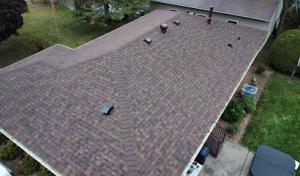
In this market, the strongest contractor pattern is re-roofing rather than niche new-construction work. That focus aligns with the storm-driven replacement demand seen after hail and severe weather events around the southwest Twin Cities. When a roof is compromised, a true re-roofing specialist can coordinate decking checks, flashing refresh, and ventilation needs in one pass, which keeps the project moving rather than stalling on a builder's schedule.
Homeowners here prioritize quick response and cleanup, reflecting the practical realities of storm damage, insurance timelines, and occupied homes during replacement. A contractor who can arrive promptly, establish temporary protection, and mobilize a full crew to protect interiors earns trust fast. Look for teams that can set expectations on start times, protect landscaping, and complete debris removal each day. A swift, tidy job minimizes disruption and helps maintain normal routines in households still living under the roof.
Established, locally owned, and family-run firms have a visible presence in this market, but homeowners should still verify licensing, insurance, and who handles inspections and site cleanup. Ask for current state licenses and proof of workman's compensation and general liability insurance. Clarify who conducts the final roof inspection, who signs off on warranty paperwork, and who is responsible for disposing of the old materials. In Chaska, a contractor with ongoing community ties and repeat customers often demonstrates reliability through consistent communication and a transparent, on-site project lead who can answer questions about flashing, ventilation, and deck condition during the replacement.