
Last updated: Apr 19, 2026
Spring hail risk collides with the start of the practical reroofing season, and that intersection drives a high-stakes decision point for homeowners. In Hopkins, storm-driven claims surge as storms roll through the Minneapolis area, so the moment the sun comes out after a hail event, the roof becomes a hot topic for conversations with neighbors, insurers, and contractors. The window between damage and replacement can close quickly if a claim is denied or delayed, so acting fast is essential. If your roof shows new impact marks, cupping shingles, or rising granule loss after a hail event, treat it as more than a cosmetic concern: insurers are watching for how the roof aged since installation and how much life remains. When spring winds kick up, the risk of additional damage increases, making timely decision-making and documentation critical to getting a scope approved rather than just a patch job.
Insurers in this market commonly review roof age, condition, photos, material specifications, and installation details before approving replacement scope. That means your claim package needs to clearly show the roof's current state and how it failed to perform during the latest storm. Photos should capture close-ups of hail impact points, edge and valley damage, flashing integrity, and any signs of water intrusion indoors. Documentation should include the roof's original type, the exact materials used, and any upgrades or retrofits that affect life expectancy. Be prepared to provide a concise narrative tying observed damage to the insurance timeline, from the initial event through the claim submission and settlement. If shingles are near the end of their expected life or if the deck shows concerns, the insurer may lean toward a full replacement rather than multiple patches. Accuracy in your materials specs and installation history can tip the decision in favor of a complete reroof, so gather every receipt, warranty card, and installation certificate now.
You should initiate a rapid, organized claim package the moment weather warnings end. Start with a professional roof assessment that documents current damage and projects expected performance under remaining life. Take high-resolution photos from multiple angles, include attic observations if there's any staining or intrusion, and obtain a written summary that connects defects to hail impact and wind exposure. Communicate clearly with your insurer about whether the damage exceeds typical wear-and-tear for the roof's age and whether emergency measures-like tarp or temporary protections-are appropriate while the claim is processed. Align with a contractor who understands Hopkins' storm patterns and the local insurance expectations, and request a scope that reflects full replacement when warranted, not just patchwork. Timing matters: delays in documentation or misalignment on material specs can stall approvals and push the project into the next season, increasing risk of weather-related setbacks. If you're weighing spot repairs versus full replacement, prioritize the long-term resilience of the roof system-especially in a climate where freeze-thaw cycles and wind events stress shingles and underlayment. The right documentation and a decisive approach can help you secure a complete reroof when the claim is approved, rather than chasing temporary fixes that fail under the next storm.
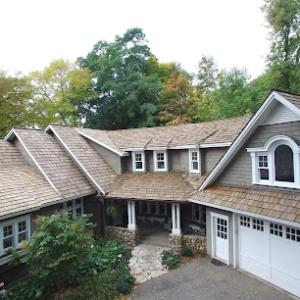
Kuhl's Contracting
(952) 935-9469 www.kuhlscontracting.com
1515 5th St S, Hopkins, Minnesota
4.9 from 113 reviews
You know us. We've been roaming the greater Minneapolis area since the late 80's doing quality roofing and exteriors work on thousands of homes.

Rocket Renovation
(612) 473-9111 www.rocket-renovation.com
7900 Excelsior Blvd #80, Hopkins, Minnesota
5.0 from 28 reviews
We are a full-service exterior renovation company driven by a passion for clear communication, a high level of attention to detail, and timely completion. With over 40 years of industry experience, we are experts in dealing with storm damage renovation, roofing, siding, windows, and gutters. If you or someone you know has a situation that may require our expertise, please reach out for a professional assessment, and we can guide you in the right direction.
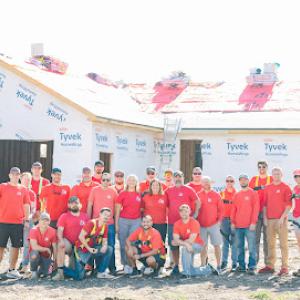
Heartland Roofing, Siding & Windows
(612) 541-9510 www.heartlandroofingandsidingmn.com
1589 MN-7 #200, Hopkins, Minnesota
4.5 from 19 reviews
Heartland Roofing, Siding, and Solar: Raising the Bar of the Contractor Experience. As a local Minneapolis Roofing Contractor, our vision is to provide exceptional service by creating a great workplace and installing top-of-the-line products. With our commitment to excellence, we are revolutionizing the contractor experience.
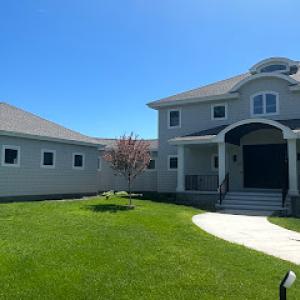
Northern Edge Restoration
(651) 428-5331 urbanedgerestoration.com
605 12th Ave S, Hopkins, Minnesota
5.0 from 7 reviews
The forefront of roofing and restoration innovation in the Twin Cities. As the leading restoration company in this vibrant community, we pride ourselves on setting trends and raising standards to redefine the roofing industry. Our team of skilled professionals is committed to delivering unparalleled expertise and craftsmanship in every project we undertake. We continually invest in the latest technologies, materials, and techniques to ensure that we are at the cutting edge of the industry. By staying ahead of the curve, we not only meet but also anticipate the evolving needs of our clients. When you choose Northern Edge Restoration, you are choosing a partner who understands the significance of your investment.
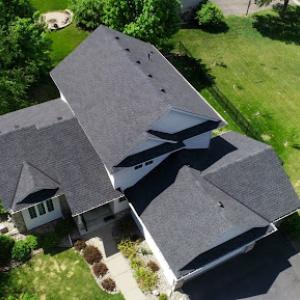
Tonka Roofing
(952) 237-3035 www.tonkaroofing.com
Serving
5.0 from 97 reviews
Quality Roofing & Exterior Services Tonka Roofing is a family-owned company that has been a trusted name in the Minnesota community for decades. We offer reliable roofing, siding, gutters, windows and multi-home development services with integrity and transparency. We specialize in identifying and repairing storm damage. Tonka Roofing / Raising the Roof on Quality.
Due North Construction/ Due North Windows & Doors
Serving
5.0 from 39 reviews
Derek takes pride in his work and the work of the team at Due North Construction. With over 15 years of experience, he prides himself on quality service, customer satisfaction, and transparency from start to finish. Our Team of restoration specialists have an passion for quality installations and quality customer service. Our goal is to build relationships while using the best building materials and best practices in all of our installation.

Prominent Construction Roofing
(952) 900-4193 prominentconstructionllc.com
Serving
4.7 from 306 reviews
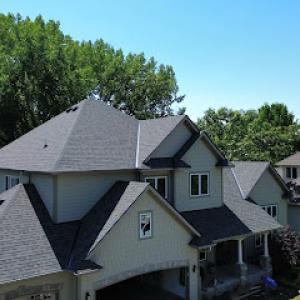
Prominent Construction Roofing is the trusted roofing and exterior contractor serving Minnetonka, Eden Prairie, Edina, Wayzata, Hopkins, St. Louis Park, Plymouth, Chanhassen, Shorewood, Deephaven, and Excelsior. Homeowners choose us for our top-quality craftsmanship, honest communication, and long-lasting results. Whether you need a roof replacement, roof repair, siding, gutters, or storm restoration, our local team ensures your home is protected and your investment lasts. With years of experience across the western Twin Cities suburbs, we’ve built our reputation on being reliable, responsive, and detail-driven. At Prominent, we believe homeowners deserve clear pricing, timely service, and a stress-free process from start to finish.
Iris Exteriors
(612) 270-0505 www.irisexteriors.com
Serving
5.0 from 28 reviews
Transforming roofs into lasting shields against the elements, Iris Exteriors is dedicated to superior craftsmanship and exceptional service. With a passion for precision and commitment to quality, we specialize in all aspects of roofing, siding, windows, and gutters. Trust us to safeguard your home!

Summit Construction Group
Serving
4.9 from 287 reviews
Summit Construction Group is your company in the local Minneaplois Metro area specializing in high-end and premium exterior projects, primarily focusing on roofing, siding, and windows.
eRoof
Serving
4.9 from 259 reviews
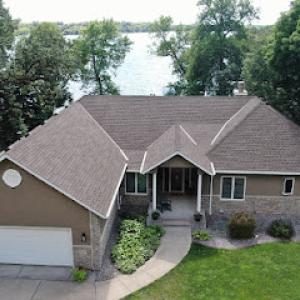
eRoof is a trusted, locally owned residential & commercial roofing contractor in Minnetonka, serving Minneapolis, St. Paul, the Twin Cities metro, suburbs, & Greater Minnesota. We’ve helped hundreds of property owners with roof repairs, full roof replacements, storm damage restoration, siding, gutters, windows, & more. We handle all roof types, including asphalt shingles, flat roofing systems, metal roofs, & cedar shakes. We offer free inspections, honest recommendations, and fast, high-quality service built around your needs. eRoof is proud to be BBB A+ Accredited and a GAF Master Elite® Certified Roofing Contractor. Whether you’re dealing with hail damage from a recent storm or looking for an upgrade, call us today for a free estimate.
Smart Builders Group
(612) 433-0000 www.mysmartbuilders.com
Serving
5.0 from 342 reviews
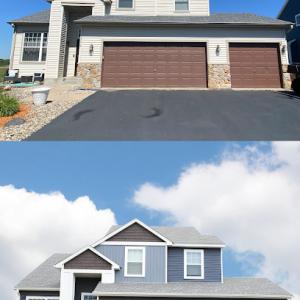
Smart Builders Group is a Concierge Storm Restoration Group! We offer a five star experience through the entire renovation process. Roofing Siding Windows and Gutters is Smart Builders specialty. With over 12 years in the industry and two locations to serve you, Smart Builders is excited to extend Commercial and Residential full service exterior restoration. We will work with your insurance company to get you the proper coverage for all storm damages. Our goal is to leave you better off and completely satisfied. Call our office with the call button on Google or call any of our field representatives directly to experience the best Twin Cities has to offer in exterior restoration.
Bayport Roofing & Siding
(612) 235-7663 www.bayportroofing.com
Serving
4.6 from 279 reviews
When it comes to roofing and siding systems, the experts at Bayport Roofing and Siding are the metro’s primary hail and storm damage specialists. Bayport Roofing and Siding always offers free storm damage inspections and re-inspections, as well as free insurance claim consultations and restoration estimates.
Minnesota winter snow loads and repeated thaw cycles are a primary roof-aging force in Hopkins, especially at eaves, valleys, and flashing transitions. Slush and ice build up along lower edges, then refreeze, pushing against shingles and protective underlayment. That cycle accelerates granular loss on asphalt shingles, weakens sealant joints, and unsettles metal edging where water must shed quickly. If your roof has already weathered a dozen seasons with heavy snows, the risk isn't just a leak today - it's a vulnerabilities ladder that climbs with every freeze-thaw swing.
The local inspection focus on eave protection reflects the region's ice-dam exposure and the need to protect vulnerable lower roof edges during winter conditions. Ice dams form when attic heat and sun soften upper roof sections while lower edges stay cold, letting melted water back up under shingles. In practice, this means the first sign of trouble often shows at the eaves: shoulders of shingles curling, underlayment exposed, or a damp ceiling sheetrock inside. Valleys and flashing transitions behave similarly, with water finding small gaps and refreezing in corners. If gaps exist where two roof planes meet or where a valley turns, winter can magnify any weakness into a slow drip or sudden leak.
Short winter work windows in Hopkins often push full replacements into late spring through early fall, while winter issues are more likely to be handled as temporary leak control or emergency repair. With the calendar tight and weather windows narrow, a roof that's marginal in late autumn can linger as a patchwork through March. That pattern isn't just inconvenient; it increases the chance that a winter storm exposes unseen damage and forces a reactive fix rather than a planned replacement. If you're watching for signs of creep or softness at flashings, plan around the calendar to avoid mid-winter service interruptions that don't address the root problem.
Prioritize eave and flashing inspections after heavy snows melt and after thaw cycles. Keep visible valleys clear of ice buildup when safe to do so, and direct exterior drainage away from the home's edge to reduce ponding near the eaves. If you notice ongoing leaks during cold snaps, document the affected areas and arrange a temporary, controlled repair to minimize interior damage while a longer-term plan is developed for spring or summer. A careful eye on edge conditions now can prevent a small winter leak from becoming a bigger, more costly issue once spring rains and summer heat resume.
A full roof replacement in Hopkins typically requires a building permit through the City of Hopkins Building Department. Before any shingles come off, you need to align the project with local codes and inspection expectations. The process begins with understanding whether the scope triggers a full replacement or a smaller repair project, and ensuring that the roof system details are clear to the permit reviewer. This city-specific step is not optional; it sets the timetable for weather windows, especially after hail or strong winds.
Hopkins accepts permit applications online or in person. If applying online, you will upload basic project information and contact details, then track the status through the city portal. In person, you can visit the Building Department with the property address, a description of the work, and your contractor's contact information. Either path may require a formal project scope, including the roof type, number of layers, underlayment plan, flashing details, ventilation strategy, and eave protection. Being prepared with these details helps prevent delays when the planner reviews your submission, particularly after a hail event when insurance-driven replacements surge.
The city often requires documentation that demonstrates adherence to current code and the specific roof system plan. Expect to provide roof dimensions, attic ventilation approach, underlayment type, flashing around chimneys and vents, and eave protection details for any overhangs. If the project has unique features-such as a hip roof, complex valley configurations, or skylight work-note them clearly. Clear, organized submission materials accelerate the approval and reduce the chance of back-and-forth requests that can push replacements into tighter weather windows.
Inspections in Hopkins focus on the critical components that protect the home during freeze-thaw cycles and storm exposure. During installation, the inspector will look at underlayment installation and fastener patterns, the integrity of flashing around vent stacks, chimneys, and skylights, and the adequacy of attic ventilation. Proper eave protection is also checked to ensure the roof edge is sealed against wind uplift and moisture intrusion. After the roof is installed, a final inspection is required to close the permit. This final check confirms that all aspects-from underlayment to ridge caps-meet code and the permit scope, and it grants the final approval to consider the project complete.
Coordinate timing with your contractor so that the permit is active during the actual roofing work. Weather in this region can compress or lengthen timelines, especially after hail-driven claims. Ensure the contractor provides a detailed written scope that aligns with city requirements, since discrepancies between submitted scope and on-site work can trigger additional inspections or hold the permit. If the project involves staging in multiple days, discuss how to protect open roof edges and interior spaces between sessions to minimize exposure to precipitation and temperature swings.
Keep copies of the permit, inspection reports, and any city-issued notes or required corrective actions. When the final inspection clears, store the approval notice in a safe place with the project records. This documentation helps with future property transactions and any potential insurance inquiries, and it confirms that the replacement met Hopkins standards for future weather events.
Asphalt shingles dominate the local market, and you'll see them on many mid-range homes across the neighborhoods. But metal, tile (both clay and concrete), synthetic/composite shingles, and slate show up often enough that homeowners are comparing premium systems instead of only basic reroofs. If you're weighing materials, expect asphalt to be the most economical entry point, with metal and synthetic options offering better longevity in storm-prone periods, and tile or slate serving as long-term upgrades on updated, high-value homes. In Hopkins, the choice often comes down to balancing immediate weather resilience with long-term maintenance costs.
Prices in Hopkins reflect the regional storm tempo and the scheduling realities after hail events. For asphalt shingles, budget roughly from 360 to 750 per square, making it the most accessible option when timing and finances are tight after a large hail storm. Metal roofing runs higher, about 700 to 1100 per square, offering strong resistance to wind and hail but with a steeper upfront investment. Clay tile sits in a higher tier at roughly 900 to 1500 per square, bringing distinctive curb appeal and durable performance in freeze-thaw cycles. Concrete tile lands near 800 to 1200 per square, providing a balance between weight, durability, and cost. Synthetic/composite shingles sit around 450 to 850 per square, delivering wind-and-hail resilience with a mid-range price tag. Slate, the premium option, ranges from 1600 to 2800 per square, reflecting its luxury positioning and long-lasting nature.
Storm-driven demand spikes in the Minneapolis area can tighten scheduling and labor availability in Hopkins, pushing reroof pricing higher after major hail events. When a large hail event hits, crews flock to the area, and local roofing teams re-prioritize larger or insurance-driven jobs, which can shorten timelines and increase material procurement costs. For a homeowner facing a hail-driven replacement, it's practical to expect not just material costs but the potential premium for expedited scheduling and coordinating inspections, especially in late spring through early fall when weather windows narrow. When you're weighing premium systems-metal, tile, or slate-recognize that the higher upfront cost often aligns with longer service life and better performance under Minnesota's freeze-thaw cycles, which can help justify the investment over time.
Asphalt shingles remain the default choice for many Hopkins homeowners because they fit the local reroofing market and are widely used across established residential neighborhoods. They balance straightforward installation with reliable performance under our freeze-thaw cycles and spring hail events. When hail-driven insurance adjustments steer a reroof, asphalt shingles often provide the most predictable timing and accessibility through local contractors who are familiar with the typical roof pitches found in this area. If you're weighing long-term upkeep, consider laminated or architectural options within the asphalt family to maximize wind resistance and perceived weight, while keeping the installation practical for the typical Hopkins roof deck.
Metal roofing is a meaningful local option for homeowners prioritizing snow shedding and durability through freeze-thaw cycles. In Hopkins, the extra durability of metal can translate to fewer roof penetrations and lower maintenance after heavy storms, especially on homes where snow accumulation is a recurring concern. Metal panels or standing-seam systems tend to shed ice and snow more effectively than traditional shingles, which can be a practical advantage for uphill or shaded sections of your property. If you anticipate frequent wind-driven hail or rapid thaw cycles, metal may offer a more resilient long-term performance, though it requires careful roof framing assessment and professional detailing at edges, penetrations, and transitions.
Clay tile and concrete tile bring distinct aesthetics and enduring life, but their higher weights demand a compatible structure and careful workmanship. In a market where asphalt still dominates, these materials are more sensitive to contractor experience and substrate suitability; improper installation can lead to cracking or premature failures in Hopkins' climate. Synthetic or composite shingles provide a middle path, offering improved impact resistance and a lighter install compared to natural tile, while still delivering a step up in durability over basic asphalt. Slate showcases premium curb appeal and longevity, yet its weight, cost, and the need for highly skilled crews make it a choice for homes with a solid, reinforced deck and a contractor who has prior slate experience. For most neighborhoods, the decision hinges on structural compatibility and the availability of qualified installers who can manage the local freeze-thaw stresses and storm-related wind loads.
Ranch-style, mid-century, and two-story homes each present unique considerations for material choice in Hopkins. The roof's exposure to hail trajectories from nearby avenues and the typical attic ventilation pattern influence how much a material benefits from higher wind resistance or superior water shedding. When a reroof aligns with an insurance claim, you'll want to partner with a local contractor who can explain how each option handles rapid temperature swings and the recurring Minnesota freeze-thaw cycle. In most cases, asphalt shingles stay the practical baseline, with metal offering a clear advantage for snow-aware owners and premium tiles reserved for homes with the structural support to accommodate the heavier assemblies and more intricate detailing.
Because this city sits in a high-claim Minneapolis-area hail and wind market, insurers often expect detailed photo sets, contractor information, and material documentation before finalizing claim decisions. Take clear, date-stamped photos of the entire roof from ground level and from ladders or a perched vantage point if safe. Include close-ups of hail impacts, wind damage, and any existing leaks in attic or ceiling. Keep a log of storm dates and the order in which damage appeared.
Adjusters in this region may ask for verification of the roof material and installation details, not just visible shingle damage. Have product names, shingle lot numbers if available, and proof of previous roof work from the contractor. Attach a simple diagram showing roof planes, vent locations, and any skylights. If you used temporary tarps, document the date and weather before installing them, and note any interior signs of moisture.
Homeowners in Hopkins benefit from documenting storm dates, exterior elevations, soft-metal impacts, and any interior leak evidence before temporary repairs are made. Photograph the exterior from all sides, including flashings around chimneys and vents. Record any gutters, downspouts, or metal edges that show denting or bending. Preserve receipts, warranties, and the contractor's written scope of work so the insurer can compare what was damaged to what is proposed for replacement.
When a payout is issued, align your contractor's material and installation details with the insurer's expectations. Ensure the final paperwork lists the exact shingle or panel type, dimensions, and any security fasteners recommended for wind resistance. If questions arise, respond promptly with the documentation packet that was originally provided, plus a concise progress photo set from the latest repair stage.
Keep the documentation organized in a folder or digital drive, and label each file with the storm date and roof section. A tidy package speeds decisions during claim review.
When storms roll through the first-ring area, the joints around chimneys, vent stacks, and skylights bear the brunt. If flashing around these penetrations isn't tight and integrated with the roof deck, you'll see slow leaks that mimic other roof problems. In Hopkins, attention to flashing and ventilation points is essential because these are common local failure areas around penetrations, wall intersections, and attic airflow transitions. A slight lift or loose seal here becomes a water funnel after a hail event or a rapid thaw. Inspectors will look for rusted step flashing, overly old sealant, and misaligned kick-outs that channel runoff into undesired paths. If you notice staining along a wall line or damp attic corners near penetrations, address it promptly; later fixes cost more and disrupts living space longer.
Eave edges are a recurring vulnerability because regional snow and ice buildup concentrates water backup risk at the lower roof line. Pay close attention to ice dam indicators, flashing at the eave turns, and gutter connections. In Hopkins, even a well-installed roof can fail first at the eaves if the underlayment is compromised or if drainage details aren't matched to a long winter. Missing or degraded drip edge and improper insulation at the soffit can magnify heat loss and meltwater movement, inviting slow leaks that travel inward without obvious exterior signs. If you see peeling paint inside or staining near the soffit, treat it as a warning flag for eave-edge problems and investigate corresponding exterior drip-edge and fascia conditions.
Summer heat and rainfall in Hopkins can expose ventilation and drying problems that were masked during winter, especially after storm repairs or rushed replacements. Hot afternoons reveal sagging roof decks or poorly vented attic spaces as warm, moist air accumulates and strata within the roof deck diverge from long-term performance. Vent stacks and ridge vents must function in harmony with attic baffles and insulation to prevent condensation and mold. After a hail event or a quick repair, recheck for disturbed attic airflow transitions and ensure vents aren't blocked by debris or new insulation. Poor airflow here accelerates aging and invites costly interior damage.
Find contractors experienced in skylight installation, flashing, and leak repairs to bring natural light into your home.
Kuhl's Contracting
(952) 935-9469 www.kuhlscontracting.com
1515 5th St S, Hopkins, Minnesota
4.9 from 113 reviews

Prominent Construction Roofing
(952) 900-4193 prominentconstructionllc.com
Serving
4.7 from 306 reviews