
Last updated: Apr 19, 2026
In Chanhassen, spring and summer hail and wind events are the main trigger for full roof replacement decisions rather than simple age alone. The moment storms pass, eyes should go to the roof, attic, and gutters. A compromised surface can fail quickly if left unchecked, especially after a freeze-thaw cycle or a rapid swing from warm afternoons to chilly evenings. If you hear metal on the roof during a hail storm or notice granule loss in gutters, treat it as a red flag. Do not assume a few dents are cosmetic; impact can create unseen delamination in underlayment and valleys where water can pool and advance along rafter lines. Your first step is to plan a safe, non-disruptive inspection window within 24 to 72 hours, weather permitting, prioritizing access with proper footwear and a sturdy ladder. If shingles are split, lifted, or displaced, immediate temporary protection matters to prevent water intrusion before a formal assessment.
Minnesota carriers commonly scrutinize hail claims closely, so you need date-stamped photos, elevation-by-elevation roof notes, and documentation separating fresh storm hits from older wear. Take high-resolution pictures from multiple angles, including close-ups of hail strikes on the shingles, flashing, vents, and dormers. Keep a running log of weather dates, times, and any subsequent storms that could contribute to damage. An elevation-by-elevation map helps a adjuster understand which sections were impacted in the latest event versus pre-existing wear. If some areas show impact at higher elevations while lower slopes look intact, that distinction can influence whether a full roof replacement is pursued or a localized repair is deemed sufficient. Preserve all receipts, contractor estimates, and any communication about the storm window that triggered the claim. The goal is to present a clear, timestamped narrative that aligns with the actual storm path and the roof's vulnerable zones.
Rapid weather swings in the southwest Twin Cities can compress contractor schedules after storms, making early inspection and temporary protection especially important. After a significant hail event, days can feel like weeks in the contractor calendar as crews chase the next urgent call. Set up an inspection with a trusted local roofer within 48 hours to identify whether the damage is isolated to shingles, fascia, or vents, or if the decking and underlayment show signs of exposure. If temporary tarping or protection is advised, implement it promptly to minimize further water intrusion while awaiting a detailed assessment. In a market where crews shift quickly between projects, having a documented damage map ready will help prevent misalignment between your expectations and the contractor's plan. A clear scope, aligned photos, and a scheduled start date keep the process moving and reduce the risk of delayed or disputed claims.
When you or your roofer walk the roof, prioritize ridge and hip lines, valleys, and transitions into skylights or chimneys, as these are common failure points after hail exposure. Look for broken or curling shingles, crushed asphalt granules in gutters, dented metal edges, and lifted seam seals on metal flats. Don't overlook the attic side: signs of elevated moisture, musty odors, or damp sheathing near joints can indicate hidden leaks that spills over into insulation and interior ceilings. If you discover compromised decking or widespread moisture intrusion, plan for a comprehensive replacement rather than a piecemeal fix. The goal is clarity: a definitive determination that reduces back-and-forth, aligns with storm timing, and ensures your home's protection through the next season.

Refresh Exteriors
(612) 324-7663 www.refreshexteriorsmidwest.com
Serving
4.8 from 127 reviews
Refresh Exteriors is a full-service, licensed and insured Minnesota roofing, siding, and gutter contractor specializing in replacements, repairs, and maintenance services for residential, multi-family and commercial buildings. The fully certified home improvement professionals at Refresh Exteriors are committed to delivering the highest quality service and materials at competitive prices. Whether it's Gutters, Roofing, Siding or Windows our experienced design team and installation crews use the latest products and materials from the country’s leading brand name manufacturers. We ensure every project we complete delivers superior performance and lasting value. Call today to discuss a project or request a free estimate 612-324-ROOF
Incline Exteriors
(952) 471-9065 inclineexteriors.com
Serving
4.8 from 129 reviews
Founded in 1996, our Minnesota roofing company is locally owned and approaches each roofing or exterior job with the same “one job at a time” approach we applied in the beginning. Personalized, top-rated service is something that our owner, Bill Schenkel, insists on. Unlike some other roofers or exterior service contractors, we treat each project as our most important project. We insist on top-quality materials, installation and performance on every job, and provide that quality at highly competitive pricing.
Pro Custom Builders
(612) 250-1814 www.procustombuilders.net
Serving
5.0 from 26 reviews
Pro Custom Builders is a licensed and insured Minnesota roofing contractor with over 18 years of experience. We specialize in residential and commercial roofing, roof repair, roof installation, siding, gutters, waterproofing, and roof coatings. Serving the Twin Cities and greater Minneapolis–St. Paul area, we provide storm damage inspections, insurance claim support, and complete exterior restoration. Clients work directly with the owner for trusted service and expert craftsmanship. We use premium materials and proven techniques to ensure durability, curb appeal, and long-term protection for your home or business.

Stronghouse
(651) 705-6376 stronghousebrands.com
Serving
4.8 from 696 reviews
Stronghouse is a national leader in exterior home and commercial remodeling, providing expert roofing, siding, windows, and gutters. We support teams across the country delivering trusted roof replacement, storm restoration, siding installation, energy-efficient windows, and seamless gutter systems. At Stronghouse, we do things the right way - your home deserves it. With honest service, durable materials, and professional installation, we stand behind every project. We build peace of mind, strong homes, and communities that know we have their back.
Grussing Roofing & Exteriors
(952) 479-5501 www.grussingroofing.com
Serving
4.9 from 125 reviews
Grussing Roofing & Exteriors is Eden Prairie’s trusted authority for professional roofing, siding, replacement windows, and gutter services. Family-owned and operated since 1971, we bring over 50 years of experience to every project across the Twin Cities. We specialize in residential asphalt and metal roofing, as well as durable commercial roofing solutions. Our expertise extends to high-performance gutter systems and premium siding installations designed to protect your property for decades. We pride ourselves on honest inspections, transparent pricing, and a legacy of integrity. From family homes to commercial buildings, trust the local experts who have been building excellence for over half a century. Schedule your free estimate today!
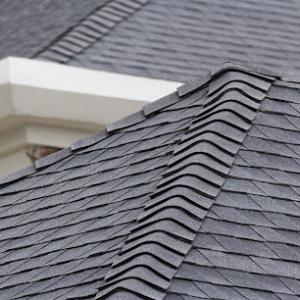
Iron River Construction
(952) 442-1762 ironriverco.com
Serving
4.8 from 213 reviews
We're a full service Minneapolis remodeling contractor, specializing in everything from roofing & siding to storm repairs & complete home renovations.
Pudas Construction
(612) 481-3053 www.pudasconstruction.com
Serving
5.0 from 56 reviews
Pudas Construction is a locally owned and operated family run business. We know Minnesota and are dedicated to offering quality work and personal attention. Your neighbors are our neighbors and our reputation is on the line. That’s why at Pudas Construction we only employ experienced professionals who are skilled at their craft and will get the job done. We strive for excellence and work until we've achieved it. We look forward to providing you with the same excellent service.
Superior Point Exteriors
(952) 960-9109 superiorpointexteriors.com
Serving
5.0 from 29 reviews
Superior Point Exteriors is a locally owned, leading home exterior business committed to providing homeowners with quality service, high-grade materials, master craftsmanship, and unmatched storm restoration process. We are a Better Business Bureau-accredited business and fully licensed and insured. From our initial consultation to the final clean-up, we're here to address your concerns, answer your questions, and ensure your peace of mind throughout the entire process.
Minnesota Roofing Contractors
(320) 583-8030 www.mn-roofs.com
Serving
5.0 from 6 reviews
Offering Value Add Roofing Contracting Services for Residential and Commercial as a Minnesota Licensed Contractor, BC789757. Minnesota Roofing Contractors can repair some roofs and help owners discover the most economical solution for their roof replacement when repairs are not reliable. We work with many types of roofing systems, such as shingle roofs, flat roofs and steel roofs to name a few.
Gold Star Contracting
(612) 221-4553 www.goldstarcontracting.com
Serving
5.0 from 76 reviews
"Gold Star Contracting is a full-service roofing and siding contractor servicing Shakopee and surrounding areas. We specialize in roof replacement, storm damage repair, siding and gutters. Licensed, insured and BBB A+ rated."
Defining Craftsmanship Construction
(612) 475-0614 www.definingcraftsmanshipconstruction.com
Serving
5.0 from 10 reviews
Defining Craftsmanship Construction stands as an unwavering sentinel in Chaska, Minnesota, a testament to the art of flawless construction and meticulous roofing artistry. With an unwavering commitment to excellence, this reputable company has become synonymous with quality work, exceptional customer service, and a passion for preserving the integrity of your most valuable asset—your home. Their dedication to craftsmanship will ensure that your property is a work of art, worthy of its place in the urban landscape.
Honest Exteriors
(763) 272-5706 www.honestexteriors.com
Serving
4.8 from 113 reviews
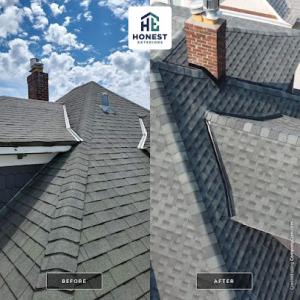
Honest Exteriors is a trusted roof replacement company serving Eden Prairie, MN, providing professional solutions for residential and commercial properties. From full roof replacements to detailed inspections and exterior upgrades, our team focuses on protecting homes from Minnesota’s harsh weather conditions, including heavy snowfall, ice dams, strong winds, and seasonal hail. We understand how freeze-thaw cycles and storm damage impact roofing systems in the Twin Cities area and tailor each project accordingly. Located conveniently in Eden Prairie, Honest Exteriors delivers dependable workmanship, clear communication, and local expertise.
Late spring through early fall is typically the preferred installation window for roofs in this area. Winter snow and ice, plus spring rain, can disrupt tear-off and dry-in timing, so planning your project for the warmer months reduces weather-related delays. In practice, this means starting preparations as soon as the ground firms up and crews can work without constant water intrusion concerns. If a project starts in late spring, you're more likely to finish before the first heavy fall winds and the onset of freeze-thaw cycles.
Winter weather in this neighborhood has a knack for turning small flashing or shingle defects into active leaks by the time spring storms arrive. That means a careful pre-inspection in late winter or early spring is worth doing, focusing on flashing around chimneys, vents, and roof-to-wall intersections. If any issues are found, address them before the main tear-off begins in the milder months. A thorough drying-in plan pays off, especially for roofs with complex layouts or multiple roof planes that collect meltwater and runoff from shaded corners.
Heavy spring rainfall is common enough to create scheduling uncertainty for Chanhassen projects. When a storm belt rolls through, crews may need to pause work for safety and material protection. The practical approach is to build in weather contingencies: extend the project timeline by a week or two, have flexible start dates, and coordinate with the roofing crew to secure tarps, edge protection, and temporary drainage so imperfect weather doesn't translate into days of work stoppage. Property owners can reduce disruption by arranging for alternative parking and by ensuring exterior spaces are cleared for staging and material handling when windows open.
Begin with a proactive sequence: conduct a mid-winter roof check if possible, then lock in a late-spring start once overnight temperatures consistently stay above freezing. Prioritize projects that involve larger roof areas or complex detailing, as these benefit from the dry-in period the most. On a practical day-to-day level, keep a close eye on forecasted storms and have an agreed-upon decision point with the contractor for shifting initial tear-off to a later window if a major storm is forecast. For homes near lakes and wooded neighborhoods, expect microclimates around the property that can push rain or wind differently on the same day.
By aligning the roof replacement with a late spring through early fall window, homeowners can minimize moisture-related setbacks and make the most of dry-in conditions. Maintain open lines of communication with the roofing crew about anticipated weather swings, and be ready to adapt the schedule to protect the interior and landscaping while the new roof goes on.
Asphalt shingles dominate replacements in this market because they fit the suburban housing stock that characterizes the area and offer the broadest price range for storm-driven reroofing. In Chanhassen, this material pairs well with many home styles, from ranches to two-story porches, and it adapts to the typical attic layouts found on lake-adjacent lots. The latest dimensional and architectural grades bring improved dimensional stability and better wind performance, which matters after hail events. When selecting asphalt, pay attention to tear resistance and granule adhesion, since hail can abrade the surface and expose the underlayment sooner than expected. In practice, a well-installed shingle system with a solid underlayment, proper nailing, and adequate attic ventilation can deliver dependable service through multiple Minnesota seasons. Look for options that balance impact resistance with colorfast pigmentation to minimize visible staining after storms and freeze-thaw cycles.
Metal is a meaningful upgrade option for homeowners focused on snow shedding and hail resilience. In this market, metal provides exceptional durability and a long service life, and it can reduce ice damming when paired with a proper ventilation and drainage plan. In a region where freeze-thaw cycles stress fasteners and penetrations, the detail work matters more than the material itself. Pay close attention to how metal panels terminate at edges, how they handle snow retention, and how valleys and skylights are flashed. Properly sealed penetrations and well-designed valley configurations are essential to prevent ice buildup and water intrusion during rapid thaw cycles. If stepping up to metal, consider a color and texture that blends with the home's exterior and the surrounding wooded landscape, while keeping in mind low-slope sections and roof transitions common to suburban layouts. A sound installation with a reinforced edge and a well-sealed ridge line can help maintain performance across many winters.
Tile, slate, and composite systems appear in higher-end homes with more demanding structural considerations. These materials bring distinctive aesthetics that suit larger lots and more formal curb appeal, often on homes with generous roof pitches. The heavier weight demands careful structural assessment and precise installation practices to ensure longevity in a climate with freeze-thaw stress. Tile and slate require skilled craftsmen who understand how to manage thermal expansion, expansion joints, and repair matching in the event of replacement sections years down the line. Composite shingles offer a middle ground, delivering a premium look with fewer weight constraints and a more forgiving installation window. For these systems, the neighborhood's trees, proximity to lakes, and occasional storm debris call for meticulous maintenance planning, especially around penetrations, chimneys, vents, and solar attachments. In practice, a well-coordinated replacement plan leverages material compatibility with existing deck and attic systems, ensures adequate ventilation, and aligns with long-term performance goals for a refined, durable roof.
Chanhassen experiences sharp, storm-driven demand spikes in the Twin Cities west metro when hail events trigger a wave of roof replacements. After a severe hailout, prices can move upward as crews are booked months in advance and local suppliers shuffle material runs to match demand. Homeowners should expect shorter windows to choose materials and schedule work, especially during late spring and early summer when storms are most common. Planning ahead for a potential surge can help a project stay on track and avoid delays that push costs higher due to labor availability.
Larger two-story suburban homes common in the area add layers of complexity to the project. Tear-off, staging, and cleanup become more labor-intensive and can elevate cost compared with simpler single-story layouts. Access constraints on steep or multi-level rooftops may require additional safety measures and more specialized equipment. As a result, estimates for two-story homes often include a higher proportion of labor hours and may translate to a higher per-square price, even if material choices remain similar.
Material selection in this market spans a broad range. Asphalt shingles sit near the low end, roughly 350 to 650 USD per square, while slate sits at the high end, around 1400 to 2600 USD per square. Metal, clay tile, and concrete tile fall between these extremes, with synthetic or composite shingles offering a middle ground. The choice hinges on aesthetics, expected lifespan, and local weather resilience. In hail-prone periods, higher-end options that resist impact better or provide longer warranties may reduce lifecycle costs, even if the upfront price is greater.
When estimating, factor in tear-off costs and possible disposal fees, which can add noticeably on larger roofs. Consider potential staging area requirements and vehicle access constraints that can complicate a two-story project. If hail damage is suspected, it is prudent to obtain multiple, detailed bids that break out labor, tear-off, disposal, underlayment, and accessory costs-this helps avoid sticker shock once the project begins. For homeowners leaning toward longer-term value, compare not just the upfront price per square but the expected lifespan, warranty terms, and responsiveness of the local contractor network during storm season.
Get a clear picture of your project costs upfront - no commitment required.

Full roof replacements are handled through the local building department with a formal permit process, not as informal maintenance. This means the project will be reviewed for code compliance and the requested scope must align with what is structurally sound for the home. In neighborhoods with lake access and dense trees, crews often need to consider decking integrity, ventilation pathways, and the potential need for upgraded underlayment or attic insulation as part of the permit package. The permit ensures that the replacement accounts for local wind resistance and the freeze-thaw cycles that stress roof assemblies over time.
Older homes and large suburban layouts commonly present unique challenges that can shift the scope of work once the permit review begins. Structural considerations-such as joist spacing, roof deck condition, and shingle exposure-are routinely scrutinized. Attic ventilation details also draw careful attention because improper venting can shorten a roof's life and affect indoor comfort. If the review identifies concerns, you may see required add-ons like improved soffit or ridge ventilation, or deck repairs before new shingles can be installed. When planning, expect the review to pause or adjust timelines if structural or ventilation issues surface.
Inspections typically occur during installation and after completion. A mid-installation inspection helps verify that the work follows approved plans and that materials, fasteners, and flashing meet code. A final inspection confirms the project is done to specification and that attic ventilation, insulation, and ventilation pathways remain compliant with current standards. In Chanhassen, the schedule for these inspections can shift with department workload and weather interruptions, so timing can be less predictable in peak replacement seasons. Coordinating with the contractor to anticipate inspection windows and having all required documentation ready will help minimize delays.
Before work starts, secure clear documentation of the permit lot, approved plans, and any conditions tied to the review. Keep a direct line of communication open with the contractor about anticipated inspection dates and any weather-related postponements. For older homes, request a pre-inspection walkthrough to flag potential ventilation or structural issues that could affect the scope. On the day of inspection, ensure access to attic spaces, mechanicals, and the roof line so inspectors can verify ventilation routes and deck integrity without delays. This proactive approach helps ensure a smoother permit-to-installation sequence in this market.
In this city, cold winters and repeated freeze-thaw cycles make eave ice and refreezing runoff a recurring concern on roofs with uneven attic temperatures. When heat from the living space escapes into the attic, certain roof areas warm unevenly while the edges stay cold, creating a mix of melted water that refreezes along the eaves. That cycle not only adds weight and stress to the roof edge but also starts to creep under shingles and into fascia, soffits, and gutters. The result is a stubborn ice dam that can cap your roof and push water back into the attic or living spaces if preventive measures aren't addressed.
Because local permit review pays attention to venting, reroofing in Chanhassen is often the moment when intake and exhaust ventilation problems are finally corrected. The roof becomes a crucial junction between cold exterior temperatures and a warm, drying attic. If intake vents are blocked or insufficient, attic moisture can accumulate, accelerating mold risk and compromising insulation. Conversely, exhausted air must escape freely to prevent warm air from pooling at the roof's peak. During a reroof, identifying blocked or undersized vents and establishing a balanced system can dramatically reduce ice dam formation and reduce long-term moisture issues.
Wooded neighborhoods in Chanhassen can combine shade, snow retention, and leaf buildup, which slows drying and can worsen moisture-related roof edge problems. When snow lingers on shaded sections or leaves clog drip edges and gutters, meltwater has fewer places to escape, increasing the chance of edge moisture penetration. Regular debris removal and attention to gutter integrity help your roof dry more evenly after storms and thaws, minimizing the risk of ice dams forming at the eave line.
During planning or after a heavy snow event, ensure attic insulation is cleanly sealed and that baffles or soffit vents are unobstructed. Check that ridge or soffit ventilation is adequate for the size of the attic, and consider a venting layout that promotes continuous air flow from soffits to peaks. In wooded lots, schedule a thorough gutter inspection to clear leaves and debris before temperatures drop again. By treating ventilation as a central roof health measure during a reroof, you reduce the likelihood of costly moisture damage and the recurring ice dam cycle.
Skylights can be a frequent trouble spot when hail storms or heavy winds hit, and the curb and flashing details often determine whether a leak will appear long after the shingle wear has started. When evaluating a skylight, check that the flashing sits tight against the curb and that sealant around the base remains pliable after cold snaps. In the Chanhassen climate, freeze-thaw cycles can pry even small gaps open, so you should test seasonal transitions by inspecting the edge seal after a few warm days and a quick freezing night. If you notice any condensation spots on the interior side near a skylight, address the flashing first, then reseal the curb if you see sealant chalking or cracking.
Chimney work is a common focus for local contractors, because the flashing and masonry transition where brick or stone meets the roofline is a frequent failure point during reroofing on older Minnesota homes. Inspect the step flashing along the chimney base and the counter-flashing that ties into the shingles. Look for cracked mortar joints, rusting metal, or loose shingles adjacent to the chimney deck. When repairs are needed, prioritize replacing damaged flashing and resealing any vulnerable mortar joints to prevent water tracking down into the attic or along interior walls.
Any roof-wall intersection in this area can be stressed by storm timing and wind-driven water. Start by surveying all penetrations-vent pipes, drain collars, and skylight curbs-for tightness and proper seal. Pay special attention to areas where sheet metal folds into the underlayment; a small lift here can become a major leak after a freeze-thaw cycle or a sudden hail impact. If an inspection finds you are replacing shingles near a penetration, ensure the surrounding underlayment is undamaged and that step orboot flashing is correctly oriented to shed water away from the seam. Regular checks after storms help catch problems before they become widespread.
Find contractors experienced in skylight installation, flashing, and leak repairs to bring natural light into your home.
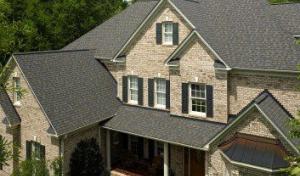
When a storm hits and a reroof becomes the immediate plan, you need to separate what the manufacturer covers from what the installer promises. Material warranties protect you against manufacturing defects in shingles, underlayment, and fasteners, but they do not guarantee the roof will stay leak-free if workmanship falls short. Look for clear language that explains which failures are covered under the material warranty and what is required to keep that coverage intact. You will not want a situation where a hail-damaged surface is blamed on harsh weather, yet the claim hinges on proving the installation met every specification.
The market in this area features a notable presence of warranty-focused and manufacturer-certified contractors. That signals you should be comparing long-term backing, not just how quickly a claim can be filed after a storm. Ask for proof of manufacturer certification, a list of completed projects, and documentation that the crew has had training on the exact product you choose. A robust warranty program often accompanies better installation practices, which translates into fewer callback visits and more reliable performance across a few harsh Minnesotan winters.
Post-storm contractor volume can be high, so the written scope matters more than ever. Ensure the contract spells out what work will be performed, what is considered acceptable cleanup, and what happens if the project needs adjustments after the initial teardown. Pay attention to whether the warranty transfers to new owners if you sell the house and what steps are required to maintain coverage across that change. A clear transfer process protects you and any future owners from gaps in protection when the roof has endured severe weather and the inevitable contractors' schedules become tight.
Finally, verify that the warranty documents include what happens after a hail event-how soon service is promised, how repairs outside the main replacement are handled, and what conditions could void coverage. In this market, a careful read of the fine print can prevent disputes that arise long after the last hammering thunder.