Last updated: Apr 19, 2026
Spring hail season is a major local trigger for roof inspections, insurance claims, and sudden contractor demand in Minnesota, with noticeable activity surging in the immediate aftermath. In Shakopee, a hailstorm can light up the neighborhood with shingle granules on driveways and pocked metal flashings, signaling an inspection that may quickly escalate into a claim. This season brings not only the hail itself but a wave of adjusters, roofers, and billable days as storms roll through the region. Plan for the fact that your roof project may be driven by weather-intense windows rather than a steady calendar, and understand that the fastest path to restoration often runs through a quick, accurate claim decision rather than waiting for ideal conditions.
Many Shakopee reroofs are scheduled from late spring through early fall because winter snow, freezing temperatures, spring thaw, and rain regularly interrupt exterior roof work. The practical consequence is a compressed, high-demand window where quality work depends on your ability to move quickly when the season opens and to protect your home from lingering weather afterward. If your roof is damaged by hail, the sequence typically shifts into an accelerated timeline: damage inspection, claim filing, adjuster visit, and a faster selection of materials and crews to fit a short-installation shelf-life. Delays are common if the weather breaks repeatedly or if the crew's calendar fills with back-to-back claims, so timing matters more than ever.
Minnesota claim handling is often weather-data-driven, so Shakopee homeowners should expect adjusters to compare reported damage dates against documented hail and wind events. If a storm event is logged on a given date, the claim may be tied to that event, and mismatches between the date of discovery, the date of damage, and the date of the claim can complicate settlements. Be precise in noting when symptoms first appeared, such as granule loss, curling shingles, or lifting flashing, and correlate those observations with public storm reports and dated photos. Coordinating with the insurer early helps prevent later disputes about causation or the scope of repairs.
Create a documented damage baseline as soon as you suspect hail impact: take wide-angle and close-up photos, record dates, and note visible signs on multiple roof faces. Contact a reputable local roofer with storm-damage experience who understands Shakopee's climate nuances, so you have a prepared scope of work when the adjuster arrives. If possible, align the claim timing with favorable weather blocks to avoid multi-week gaps between inspection, approval, and installation. In practice, readiness reduces exposure to windy spring days and helps protect interior spaces from further weather intrusion during repair windows.
Gold Star Contracting
(612) 221-4553 www.goldstarcontracting.com
3025 4th Ave E, Shakopee, Minnesota
5.0 from 76 reviews
"Gold Star Contracting is a full-service roofing and siding contractor servicing Shakopee and surrounding areas. We specialize in roof replacement, storm damage repair, siding and gutters. Licensed, insured and BBB A+ rated."
David Ernst Construction
(612) 987-6714 davidernstconstruction.net
1275 Diamond Ct, Shakopee, Minnesota
4.9 from 59 reviews
David Ernst Construction is a licensed and an insured general contractor serving clients in Shakopee and the surrounding areas. We offer a wide variety of services, including residential roofing, commercial metal roof restoration, siding, and gutter work. Our professionals pride themselves on providing unparalleled customer service and quality installations on every job they take on. Contact us today to get started!

Superior Point Exteriors
(952) 960-9109 superiorpointexteriors.com
500 Marschall Rd #208, Shakopee, Minnesota
5.0 from 29 reviews
Superior Point Exteriors is a locally owned, leading home exterior business committed to providing homeowners with quality service, high-grade materials, master craftsmanship, and unmatched storm restoration process. We are a Better Business Bureau-accredited business and fully licensed and insured. From our initial consultation to the final clean-up, we're here to address your concerns, answer your questions, and ensure your peace of mind throughout the entire process.
Weathersafe Restoration
(952) 229-4577 www.weathersafeinc.com
100 Fuller St S #240, Shakopee, Minnesota
5.0 from 8 reviews
A Professional Roofing, Siding, Window, and Storm Damage Contractor Serving the Minneapolis, St. Paul, MN Metro Areas and the Hudson, WI Saint Croix River Valley Area With locations in Woodbury, MN, Shakopee, MN, and Hudson, WI, Weathersafe Restoration holds customer satisfaction as our greatest priority. We provide exceptional quality in the installation and repair of roofs, windows, siding and restoration services at the lowest possible prices. Weathersafe Restoration, Inc. is a business devoted to positive interactions, reliability, and timely services. Our sole priority is to ensure that every customer witnesses our commitment to consistently exceeding expectations.
Midwest Reliable Roofing
(952) 250-2154 www.midwestreliableroofing.com
287 Marschall Rd Suite #203A, Shakopee, Minnesota
5.0 from 7 reviews
OUR MANY YEARS OF EXPERIENCE IN THIS FAMILY RUN BUSINESS ALLOW US TO WORK ON ALL TYPES OF ROOFING SYSTEMS WITH MANY DIFFERENT PRODUCTS ENSURING THE LONGEVITY OF YOUR ROOF. COMMITMENT TO QUALITY WORK, RELIABILITY, AND CUSTOMER SATISFACTION HAS MADE THIS FAMILY RUN BUSINESS, A LEADER IN PROFESSIONALISM. ROOFING AND SIDING SERVICES FOR RESIDENTIAL AND COMMERCIAL PROPERTIES. THE MIDWEST WAY, FAMILY RUN AND PUTTING THE CUSTOMER FIRST.
JA Construction
(952) 288-5625 www.jaconstruction612.com
3084 Marcia Ln, Shakopee, Minnesota
5.0 from 6 reviews
JA Construction is your trusted local contractor specializing in roofing, siding, gutters, and windows. We deliver high-quality craftsmanship, reliable service, and lasting results for residential and commercial properties. Serving all over Minnesota, we’re committed to protecting and enhancing your home or business.
L & M Property Solutions
(651) 783-2161 lmproperty.solutions
Serving
5.0 from 14 reviews
At L&M Property Solutions, we’re here to help you love where you live—inside and out. Whether it’s a custom kitchen, updated bathroom, new roof, or a backyard deck, we bring your ideas to life with skilled craftsmanship and honest service. Based in Prior Lake, Minnesota, we proudly serve Minneapolis, Burnsville, Lakeville, Shakopee, Plymouth, Saint Paul, Woodbury, Wayzata, Maplewood, Mound, North Saint Paul, Savage, Minnetrista, White Bear Township, and surrounding areas. Let’s work together to create a home you’re proud of.
First Choice Exteriors
(952) 380-8248 firstchoiceexteriorsmn.com
Serving
4.9 from 93 reviews
We specialize in Roofing, Siding, Windows, and Gutters! Weather, you have been affected by hail damage or just need a new roof or Exteriors call us today!
Exteriors Plus Roofing, Siding & Windows
(952) 260-0305 exteriorsplusmn.com
Serving
4.9 from 308 reviews
Exteriors Plus is a family owned and operated, premier roofing contractor throughout the Twin cities metro area. We are licensed and insured roofing contractors. We offer a wide range of exterior home remodeling and home repair services, including residential and commercial roofing, siding repair, damage repair, home window installation, and more. Our restoration specialists have the knowledge and experience necessary to help you with any of your home restoration needs throughout Savage, MN area. With our services and quality materials, you can rest assured that your home is functioning and looking its best. Call our expert roofers for a free estimate today!

Exteriors by Highmark
(952) 641-6086 exteriorsbyhighmark.com
Serving
4.7 from 63 reviews
Locally owned and operated Exteriors company. Some of the services we offer are: Roofing Siding Windows Gutters Storm Damage Repair Hail Damage Repair We work on both residential and commercial projects.
Association Reconstruction
(952) 222-3999 www.associationreconstruction.com
Serving
5.0 from 22 reviews
Association Reconstruction is a roofing, siding, and full service storm damage restoration contractor. We are based in Prior Lake, Minnesota and serve the entire Twin Cities and western Wisconsin. Please contact us today to learn more.

Sharp Exteriors
Serving
4.9 from 69 reviews
Sharp Exteriors, established in 2011, proudly serves the Prior Lake community and surrounding areas. With over a decade of expertise in roofing and siding services, we deliver top-quality solutions to enhance the protection and beauty of your property. From damage restoration to refreshing upgrades, our team of skilled professionals is dedicated to delivering exceptional results that stand the test of time.
Asphalt shingles dominate local replacements because they fit the region's re-roofing market and are widely used on suburban homes common in Shakopee. They install quickly, work well with the typical attic ventilation layouts found in mid-century and newer homes, and provide solid hail resilience when a stout asphalt product is chosen. In the wake of spring hail events, this material often becomes the default because contractors can reroute crews efficiently, and homeowners can sequence replacements with less disruption. When evaluating asphalt, focus on a heavy-weight, impact-resistant granule mix and a weather-rated underlayment that stands up to Minnesota winters. Proper nailing pattern and adequate roof deck ventilation prove critical, since temperature swings can stress fasteners and open up vulnerable seams.
Metal roofing, synthetic slate, fiber cement shingles, cedar shakes, and true slate all appear in this market, but freeze-thaw stress, snow load, and hail exposure make detailing and fastening more important than in milder climates. Metal roofs shed snow more aggressively, which can help in deep cold snaps, but poor edge detailing or incorrect fastener spacing invites wind-driven damage and ice buildup at eaves. Synthetic slate and true slate bring longevity and a refined look, yet their weight, attachment requirements, and potential for damage from hail impact should be weighed against the added complexity of replacement in the field. Fiber cement shingles offer good durability and a familiar profile, but fastener corrosion and expansion under freeze-thaw cycles must be planned for. Cedar shakes provide a rustic aesthetic, yet their performance hinges on proper sealing, venting, and maintenance to prevent moisture-related issues in the Minnesota freeze-thaw pattern. In all cases, the fastening method, the attic ventilation, and the ability to stage repairs during a short reliable installation season are central concerns for Shakopee homes.
When you compare these materials, start with how they handle impact and snow. Hail cycles in Minnesota can create localized damage that isn't immediately visible from the ground, so an emphasis on impact resistance matters more here than in milder climates. Snow shedding is another practical factor: rapid shedding reduces ice dam risk but can affect the roofing profile and eave protection, especially for lighter-weight materials. Ventilation compatibility is crucial because improper intake or exhaust can trigger condensation issues in the attic during warm spells, then exacerbate ice formation during winter. Replacement complexity matters too: some materials require specialized crews or longer field work windows, which can be a challenge in a market that moves quickly during late-spring through early-fall. The goal is to choose a balance between durability, ease of repair, and compatibility with existing attic systems.
In Shakopee, pulling a permit is a standard step before a full roof replacement begins. The city's permit process helps ensure that the work aligns with local code requirements, storm-season conditions, and the town's typical housing stock. Before any new shingles go on or metal panels are fastened, a permit sets the project parameters and keeps the driveway of work smooth, especially when weather compresses the installation window in late spring through early fall.
A typical project plan in this area anticipates submitting roofing drawings or a simple scope of work that shows the roof's size, the chosen materials, and any changes to venting or flashing details. The goal is to demonstrate that the roof will meet Minnesota's performance expectations for underlayment, ventilation, and drainage. Since hail and freeze cycles can stress roofing components, the plan reviewers look closely at how the underlayment is installed, how vents are integrated, and how flashing around chimneys, skylights, and valleys will perform under freeze-thaw cycles. Scheduling the permit review with the city or county helps align the work with the limited reliable installation window, reducing the risk of delays when the weather turns unsettled.
The local review process concentrates on several practical details that directly affect durability. Roofing plans should clearly show underlayment type, overlaps, and access points for inspection. Ventilation is checked to ensure there is sufficient intake and exhaust to prevent heat buildup and moisture-related issues, which are common stressors during rapid spring-to-summer work in this climate. Flashing details around dormers, chimney crowns, and transitions to metal or slate require careful configuration to resist wind-driven rain and hail impacts. Reviewers also verify that the roof edge, drip edge, and gutter integration will behave correctly when temperature swings occur. The emphasis on these components reflects the common Shakopee pattern of short, intense work seasons, where a well-planned installation minimizes callbacks and late-season moisture risk.
Inspections may be scheduled through the city or county, depending on the project setup. A typical sequence includes an inspection during installation to confirm that framing and underlayment orientation meet code, followed by a final inspection to verify overall workmanship and compliance with the approved plan. The final inspection often serves as the last hurdle before the permit is closed out, ensuring that any revisions from the plan have been implemented and that the ventilation, underlayment, and flashing details are correctly installed. In a storm-damage scenario, the timing of inspections can be particularly important to align with insurer timelines and ensure that the project progresses without long holds, while still prioritizing roof performance through Shakopee's fluctuating spring weather.
Local pricing is strongly affected by storm-driven demand spikes, especially after hail events when many homeowners seek inspections and replacements at the same time. In Shakopee, a big hail hit can jam crews and materials for days or weeks, pushing up both labor and supply costs. If your roof was damaged in a storm, expect a tighter window to choose and schedule, which can translate into higher bids or faster but more expensive shingle orders. Planning for a storm cluster helps you avoid paying a premium for last-minute scheduling.
The city's short dependable roofing season can compress scheduling and labor availability, which can influence pricing for full replacements. If you need a full roof in late spring or early fall, contractors may bid tighter calendars and tighter crew rosters, leading to higher per-square costs or added charges for expedited work. If possible, start comparisons early in the shoulder months and aim for mid-season windows when crews are more readily available. In practice, early positioning often yields smoother coordination and less price volatility than chasing a peak-season slot.
Material choice matters sharply in this market, with provided average ranges per square running from asphalt shingles at 350 to 600 USD to slate at 1200 to 2600 USD. Asphalt shingles remain the most common, balancing cost with reliable performance in Minnesota's freeze-thaw cycles. Metal roofs show up as a credible middle ground, but still sit higher than asphalt, especially if custom detailing is needed for snow runs. Synthetic slate and fiber cement shingle options offer durable appearances with cost that often lands between asphalt and true slate. Cedar shakes, while visually distinctive, can carry higher installation complexity and maintenance considerations in this climate, nudging the total toward the upper end of the spectrum.
First, get multiple written estimates that itemize materials, labor, and removal. In a market shaped by storm-driven demand, pricing can swing quickly; comparisons help identify legitimate best value rather than simply the lowest bid. Second, confirm that the bid includes proper underlayment, flashing, and ventilation-corners and peaks are where issues can crop up after a hail event. Third, discuss timing realistically: aim for a window with good weather forecasts and crew availability to avoid weather-related delays that cost time and money. Finally, ask about phased options if a full replacement isn't immediately necessary; you may be able to address critical sections first and complete the rest as the schedule allows.
Get a clear picture of your project costs upfront - no commitment required.
Exteriors Plus Roofing, Siding & Windows
(952) 260-0305 exteriorsplusmn.com
Serving
4.9 from 308 reviews
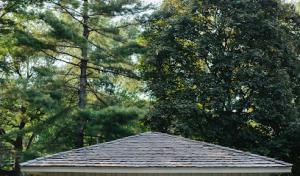
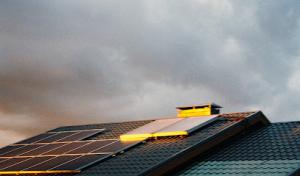
When hail and wind tear through a Minnesota spring or early summer, the weather pattern doesn't wait for your calendar. Immediate documentation helps you build a solid narrative for your claim. The sequence you capture now-roof, flashing, gutters, and any interior signs of leakage-translates into credibility later, especially as the local market shifts quickly to storm-damage repairs and rapid re-roof projects.
After a storm, photograph the roof from multiple angles with clear close-ups of shingles, flashing at valleys and vents, and condition around chimneys. Grab wide shots that show granule loss, lifting edges, and any bruising or denting on metal fascia or gutters. Inside the attic, document any signs of water intrusion-stains, discoloration, or warped sheathing-with date stamps if possible. Keep a simple, dated log of observed damage and any accompanying weather notes, because these details help anchor timelines when insurers review the claim.
Carriers commonly want photos, inspection notes, and a licensed contractor estimate before moving a claim forward in this region. Expect to be asked for a professional assessment that outlines the scope of damage and the recommended repair plan. Coordinating a timely estimate from a qualified contractor can prevent delays and reduce the risk of claims being delayed or denied due to gaps in documentation or perceived uncertainty about the damage.
Coverage decisions may depend on storm date matching and damage timelines, so delayed reporting can complicate claims in the local market. If the storm happened in late spring or early summer, insurers will look for a consistent trail of evidence-from the initial event to the observed damage and the subsequent repair actions. Procrastination can create questions about when the damage occurred and whether it aligns with the claim, especially during the short reliable installation season when many contractors are busiest.
Collect and organize all evidence within days of a storm: photos, notes, and any correspondence with adjusters or contractors. If possible, secure a licensed contractor's written assessment early and have it ready to share with the insurer. Keep records of every contact, including dates and who you spoke with, since the timing and sequence of communications can matter when insurers review the claim and determine eligibility for a repair in a crowded market.
Connect with contractors who help homeowners navigate the claims process from damage assessment to final approval.
Gold Star Contracting
(612) 221-4553 www.goldstarcontracting.com
3025 4th Ave E, Shakopee, Minnesota
5.0 from 76 reviews
David Ernst Construction
(612) 987-6714 davidernstconstruction.net
1275 Diamond Ct, Shakopee, Minnesota
4.9 from 59 reviews
Superior Point Exteriors
(952) 960-9109 superiorpointexteriors.com
500 Marschall Rd #208, Shakopee, Minnesota
5.0 from 29 reviews
When a leak shows up during snow or a deep freeze, the immediate threat is not just water but structural weakness from ice buildup and hidden damage. The winter season in this area restricts exterior roof work, so a rapid, realistic first step is temporary stabilization to keep water from soaking into insulation or ceiling frameworks. Small drips can quickly expand into larger pockets if left unchecked, especially with ongoing freeze-thaw cycles.
Freeze-thaw cycling can turn minor flashing or shingle failures into recurring cold-weather leaks before replacement season opens. Water that penetrates a seam or nail line may freeze, expand, and pry its way through once the sun returns or daytime temps rise. That cycle can compound damage on roof edges, vents, and chimneys, turning a manageable issue into a larger repair when crews finally get an installation window.
Fast tarping is not a luxury-it's a local necessity. A sturdy tarp anchored well provides immediate protection against melting snow and sleet. Prioritize moisture control inside the attic as well: remove or vent damp insulation if safe, and keep indoor temperatures from spiking to reduce condensation. If you can access attic or crawlspace ingress points safely, seal any obvious gaps with temporary material to slow wind-driven moisture intrusion.
As winter loosens and the ground thaws, the reliable installation season begins, but storms can still interrupt timing. Coordinate a plan that minimizes exposure during the coldest snaps, and have a clear sequence for when weather permits exterior work to resume. Persistent leaks should be documented with photos and notes to guide emergency responders and crews once conditions improve.
When you can't wait, these contractors offer fast response times to stop leaks and prevent further damage.
In Shakopee, the area's recurring hail-and-freeze cycles stress the roof's more delicate layers. Replacements often reveal that underlayment, ventilation, and flashing receive the most critical inspection, because installation errors here tend to show up first after a harsh Minnesota winter. If the underlayment is aged or compromised, or if attic ventilation isn't balanced with intake and exhaust, warm attic air can condense on cold nights, accelerating ice dam concerns and encouraging moisture intrusion. A neighborly reminder: plan a careful check of drip edges, ridge vents, soffit intakes, and any vent boots so that water can shed cleanly around the eaves and through the roof deck.
Autumn temperature swings and winter freeze-thaw cycles are relentless in this climate. They can expose weak flashing details and marginal shingle sealing long before a contractor's calendar opens for a full roof replacement. Shakopee homes often show edges where metal or synthetic flashing has warped or where sealant around penetrations has cracked, allowing slow leaks to creep in behind the fascia. The practical consequence is not immediate collapse, but gradual rot, interior staining, and escalating repair needs that catch homeowners off guard when storms move in.
Chimney intersections, skylights, and other penetrations sit at the most vulnerable seams as roofs age through repeated snow, melt, and refreeze cycles. In this market, those details frequently bear the first signs of trouble after a heavy melt or a storm. Look for hairline gaps around flashing, loose or lifted shingles near projections, and compromised sealant zones. When those spots fail, water tracks along the attic knee wall, into soffits, or down interior walls, masking the real origin until damage becomes obvious on ceilings.
In any roof assessment, prioritize the spots above and keep an eye on how the system behaves after typical late-winter thaws. Early intervention saves larger headaches as the season's window for reliable installation remains narrow. If shingles or flashing show signs of aging, address them before a storm load pushes the problem into a larger, more costly repair.
Find contractors experienced in skylight installation, flashing, and leak repairs to bring natural light into your home.
Midwest Reliable Roofing
(952) 250-2154 www.midwestreliableroofing.com
287 Marschall Rd Suite #203A, Shakopee, Minnesota
5.0 from 7 reviews
Exteriors Plus Roofing, Siding & Windows
(952) 260-0305 exteriorsplusmn.com
Serving
4.9 from 308 reviews
While steep-slope residential reroofing dominates the local market, Shakopee also has contractor activity for flat and low-slope sections on additions, porches, garages, and mixed-use buildings. These areas are especially vulnerable during spring rain and thaw periods when drainage problems show up quickly. If you added a sunroom, covered patio, or garage with a low-slope roof, treat that section as a separate drainage zone from the main shingle field. Track water flow, scuppers, and edge details from the moment you're planning work.
Low-slope sections behave differently than standard shingles. In practice, membrane underlayments and edge terminations that tolerate ponding are common for these areas. Look for products with proven ability to shed water under shallow slopes and with strong seam durability. Consider a system that offers compatibility with the adjacent main roof so flashing transitions stay tight and predictable during Minnesota thaw cycles. Seasonal color and aesthetics matter less than reliable weathertight performance for these areas.
Low-slope roofs often reveal leaks along flashings, penetrations, and transitions to vertical walls. In spring, inspect after heavy rains or rapid thaw events when drainage bottlenecks show up first. Pay attention to scuppers, parapets, and any offset between the addition and the main roof line. Document any identifying signs of moisture intrusion, including staining or musty odors inside the adjoined space. If prior repairs exist, confirm that flashing materials and sealants are continuous and not bridging cold corners.
Spring and early fall carry the most risk for low-slope work because drainage and sealing are highly weather-dependent. Coordinate with the main reroof timeline to avoid long gaps that expose vulnerable corners. If you anticipate storm season or rapid temperature swings, prioritize a complete, integrated installation over piecemeal fixes to prevent repeated resealing and resealing costs.
Seasonal inspections after major storms help catch edge failures early. Keep interior penetrations clear of debris that could clog drainage paths. Ensure snow and ice buildup doesn't sit atop the low-slope section for extended periods, as it can compromise seals and mitigate proper drainage during melt.
Find specialists in TPO, EPDM, and built-up flat roofing systems for residential and commercial properties.