
Last updated: Apr 19, 2026
H3: Hail season realities and insurance timing
Farmington homeowners are navigating a Minnesota insurance environment where hail and wind claims happen regularly. Storm documentation and coordinating with adjusters are a first-order roofing issue, not an afterthought. When a storm hits, you're not just checking granules and dented vents-you're gathering dates, photos, and a clear record of any indoor signs of water intrusion. Prompt documentation helps insurers see the extent of damage and move toward a fair assessment. Delays can open gaps that slow or derail a claim, so act quickly after a hail event to photograph hail size, roof condition, and any visible leaks around penetrations and flashing.
H3: The pressure cooker of summer hail and tight schedules
Summer hail season in Farmington can push homeowners toward replacement decisions rapidly, while also tightening contractor schedules and inviting sharper insurer scrutiny. If the roof shows bruising, curling shingles, or lifted edges, the clock starts ticking on your claim timeline. In this climate, a fast, organized approach can prevent miscommunications and avoid gaps between investigation, approval, and installation. You'll want a plan that aligns your insurer's adjuster visit with a trustworthy roofer who can translate the adjuster's findings into a solid replacement scope-without surprises that slow implementation.
H3: The best reroof window-and the risk window
Late spring through early fall is typically the best reroof window, offering milder weather and easier warranty planning. But that same period overlaps with the city's highest hail-related claim pressure. Scheduling during this window means you're competing with many neighbors who've experienced damage, so you should secure an estimator and materials order early, while still allowing time for careful inspection after the initial storm. Midsummer heat and autumn freeze cycles can affect material handling and installation pace, so align timing with your chosen contractor's crew availability and weather forecasts.
H3: Documentation, first steps, and avoiding common delays
Begin with a thorough, dated photo log: the roof surface, eaves, gutters, fascia, skylights, and any interior signs of water, plus a copy of the police or fire department if relevant for hail events. Collect past maintenance records that show normal wear versus new damage. When you file, pair your photos with a concise summary of observed issues and the date of the storm. Share this package with your adjuster as soon as possible, and request a pre-inspection sighting so you can highlight problem areas before the contractor arrives. A clear, well-timed narrative to the insurer helps prevent back-and-forth that can stall start dates. Finally, coordinate a single point of contact-your contractor or public adjuster-to streamline communications and keep the project moving through the peak claim period.
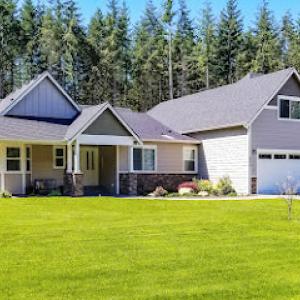
Homestead Builders
(612) 799-3433 www.homesteadbuildersmn.com
923 8th St Ste 941G, Farmington, Minnesota
5.0 from 136 reviews
General contractor specializing in exterior residential and commercial roofing, siding, windows and gutters.
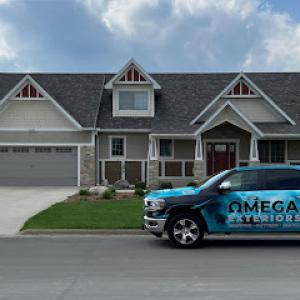
Omega Exteriors
(651) 998-8500 omega-exteriors.com
821 3rd St, Farmington, Minnesota
4.9 from 157 reviews
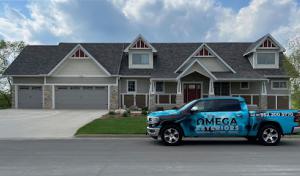
Omega Exteriors is proud to be an independently-owned home exterior business in Farmington, Minnesota. Since our inception, Omega Exteriors has established its mission on three basic principles – honesty, quality craftsmanship, and exemplary customer service. As the fastest growing roofing company in the state of Minnesota, we aim to be the last exterior company you will ever need to take care of your home's roofing, siding, gutters, windows and doors.

Bormann Brothers Contracting
(952) 891-8586 bormannbros.com
17593 Foxboro Ct, Farmington, Minnesota
5.0 from 31 reviews
At Bormann Brothers Contracting, we provide top-quality Roof Replacement, Roof Repair, and Emergency Roof Repair services in Lakeville, Minnesota and surrounding areas. Our team specializes in Asphalt Shingle Roofing ensuring long-lasting protection for your home or business. We also offer expert Storm Damage Roof Repair, assisting homeowners with insurance claims and fast restoration. In addition to roofing, we provide Gutter Installation and Siding Contractor services, improving both function and curb appeal. If you need residential roofing solutions, our skilled team is here to help. Trust Bormann Brothers Contracting for durable, high-quality
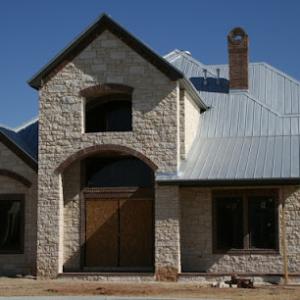
Platinum Builders
(952) 683-1066 platinum-builders.com
Serving
5.0 from 48 reviews
Since 2012, excellence in Roofing, Siding, Windows & Exteriors. Platinum Builders LLP is one of Minnesota’s most experienced exterior companies, trusted by countless homeowners and many of Minnesota’s premier home builders. LAKEVILLE | BURNSVILLE | APPLE VALLEY | EAGAN | BLOOMINGTON | RICHFIELD | MINNEAPOLIS We offer a variety of quality products. The products are installed by highly qualified, experienced installers, and backed by the best warranties in the business. Platinum Builders is a full service construction company, serving residential, commercial, and storm damaged properties. We have the experience and knowledge to complete projects with 100% satisfaction.
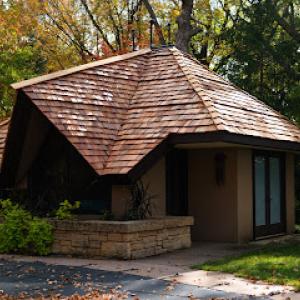
All Sons Exteriors
Serving
4.8 from 33 reviews
All Sons' Exteriors is a Roofing and Siding contracting company servicing the Twin Cities Metro Area. We have provided premium materials and expert installation since 2011. Our professional team strives for excellence and precision on each and every project. At All Sons' Exteriors we are dedicated to providing Minnesota homeowners with the most modern exterior options for your home in 2023.
Kinmount Exteriors
(952) 209-0930 kinmountexteriors.com
Serving
5.0 from 29 reviews
We started Kinmount Exteriors because Twin Cities homeowners deserved better from their contractors. Based in Lakeville and serving the entire metro, we specialize in residential & commercial roofing, windows, siding, gutters, and doors – with honest pricing and no games. Our 5-star reviews speak to what makes us different: we're not pushy or salesy, we give you one clear price upfront, and we actually stick to it. Whether it's storm damage repair, full exterior remodels, or a single window replacement, we're here to help. Our team guides you through insurance claims when needed and treats your home the way we'd want contractors to treat ours. No job too big or small. Contact us for a free inspection and honest estimate.
Roof Time
(952) 592-2292 www.rooftime.com
Serving
4.8 from 47 reviews
Roof Time, Inc. in Lakeville provides expert roofing replacement, roof repair, siding, and window services tailored to Minnesota homes. Our team understands local challenges like harsh winters, storm damage, and aging shingles, delivering solutions that protect your home long-term. We’re known for our personal service — we stay involved throughout the project, inspecting the roof as we work to ensure quality craftsmanship and your full satisfaction. Recognized by the BBB and Angie’s List for our commitment to excellence, Roof Time, Inc. remains a trusted choice for experienced, reliable roofing contractors.
Hoyt Exteriors
(651) 212-4965 www.hoytexteriors.com
Serving
4.6 from 54 reviews
Your local family business prioritizes quality and family values. Specializing in roofing, siding, windows, and decks, focusing on storm damage restoration. Hoyt Construction specializes in multi-family service and maintenance.
Premier Roofing by Rusty
(612) 202-9723 www.premierroofingmn.com
Serving
5.0 from 16 reviews
When your house is damaged by a storm or hail, it is important to find a roofing and siding specialist that you can trust. That is where Premier Roofing by Rusty comes in. As your roofing and siding specialist, we are proud to serve the Twin Cities and the surrounding communities. We also perform a slew of home services such as gutter installation and cleaning, window and door replacement, remodeling, and more. We are adept at dealing with insurance claims firsthand and will make sure to walk you through the whole process and get your life back to normal. We look forward to the opportunity to help you in your time of need and it would be our pleasure to assist in any way we can. Give us a call today!
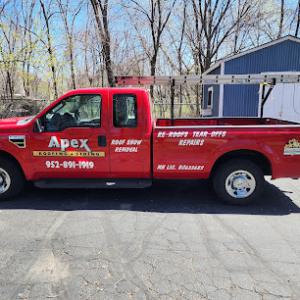
Apex Roofing & Siding
(952) 891-1919 apexroofingandsiding.net
Serving
5.0 from 20 reviews
Apex Roofing and Siding Company Serving Dakota County and surrounding areas for over 25 years! Locally owned, years to come we will be here for you. We are licensed and insured in the state of Minnesota. MN Building Contractor #BC633682
All Craftsmen Exteriors
(952) 898-4680 allcraftsmenexteriors.com
Serving
5.0 from 63 reviews
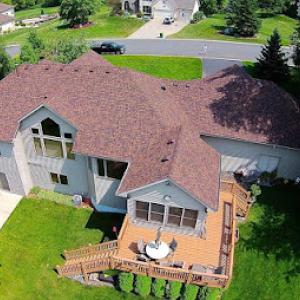
Since 2005, All Craftsmen Exteriors has helped property owners tackle complex roofing projects. From damage repair to full roof replacements, each of our projects presents unique challenges and requires a customized approach. Thanks to extensive experience within the industry and knowledge of available products and installation best practices, our team of roofing experts is up to the task of tackling even the most complex projects.
DSquared Building
(952) 395-2424 dsquaredbuilding.com
Serving
4.6 from 45 reviews
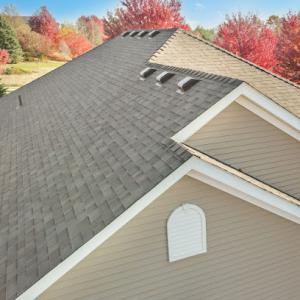
D Squared provides both commercial and residential general contracting services in both Minnesota and Wisconsin. Roofing replacement, siding replacement, gutter installation, and window installation are just some of our specialities. For our commercial clients we also offer interior and exterior restoration services. We are an education and relationship-based construction company. We value you above any project. We seek to provide all the information that is necessary for you the homeowner or commercial business owner to make a well-informed wise decision.
Farmington's cold winters and repeated freeze-thaw cycling test roof assemblies differently than milder climates. Asphalt shingles, metal systems, wood products, and tile all face expansion, contraction, and potential seal failures when water freezes and then thaws. The dominant material mix in the area includes asphalt shingles, metal roofing, clay tile, concrete tile, wood shingles or shakes, and synthetic or composite shingles, so choosing a material that stands up to winter movement and summer hail exposure matters more than glossy marketing headlines. The climate also means decking and underlayment need extra resilience because spring frost heave can lift edges and disrupt the roof deck if installation details aren't solid.
Asphalt remains a practical staple for Farmington homes, but selection should favor durability over aesthetics alone. Look for shingles with good granule adhesion, thicker statures, and robust nailing patterns to resist wind uplift and the pounding from hail. In freeze-thaw cycles, ensure the underlayment is full-coverage and installed with correct laps, especially around penetrations and eaves where ice dams can form. Ventilation matters: a balanced intake and exhaust path reduces condensation under the shingles, which translates to fewer edge cracks after a harsh winter.
Metal systems perform well when edge details are tight and fasteners are corrosion-resistant and correctly spaced. The metal panels should be installed with proper foam closures at hips, ridges, and chimneys to minimize water intrusion during thaw events. Where metal meets existing decking, ensure a continuous underlayment and careful flashing transitions to prevent ice dam leaks. Snow shedding is a factor in Farmington winters; choose a profile that reduces sleet buildup in valleys and around vents.
Clay tile and concrete tile offer excellent long-term durability but demand precise substructure and ventilation. Freeze cycles can stress tile-to-deck connections, so a solid batt or batt-friendly underlayment becomes critical. In Farmington's climate, ensure the roof has a reinforced substrate, and that tile supports and fasteners are rated for freeze-thaw movement. Proper flashing around dormers, chimneys, and skylights is essential, as is ensuring valley and rake details are weather-tight.
Wood products can be an attractive option, but they require careful detailing for winter movement. Choose treated or decay-resistant wood and ensure fiber-forward underlayment beneath the shingles. Infreeze-thaw climates, wood edges are more prone to checking, so proper sealing at edges and fastener patterns that avoid splitting are key. Ventilation should prevent moisture buildup in attic spaces, which accelerates wood degradation in cold months.
Synthetic options offer consistent performance against hail and temperature swings. Look for high wind resistance, flexible adhesive layers, and a tested commitment to freeze-thaw cycles. As with other systems, ensure a robust underlayment, meticulous flashing, and proper attic ventilation to minimize ice dam risk and edge deterioration.
Regardless of material, the strongest path through Farmington's winter weather is a thoughtful sequence: accurate deck preparation, continuous underlayment, careful flashing at joints and penetrations, and a ventilation plan that maintains a dry, temperature-stable attic. If a roof is already showing signs of frost heave or edge cracks after winter, pay special attention to deck integrity and re-check underlayment coverage during reroofing. A durable assembly in this climate means the details matter more than the surface appearance.
A reroof project cannot proceed without a permit. The City of Farmington Building Department expects you to submit a clearly defined scope, including the exact roofing material, the number of layers to be removed, and any ancillary work such as venting or flashing updates. The permit process is not just a formality-it sets the blueprint for how the job will be reviewed and what inspectors will look for on the day of inspection. In particular, the permit ties the project to local amendments and current building codes, so delays often come from unclear scope or mismatched material specifications. Accuracy at this stage can prevent costly corrections later.
During reroofing, inspections are not optional in this community. A typical sequence includes at least one pre-coverage check to verify roof deck integrity, underlayment type, and nailing patterns, followed by an inspection after installation but before final approval. In Farmington, inspectors expect meticulous adherence to underlayment requirements, flashing details around roof penetrations, and proper venting that aligns with attic ventilation needs. If any discrepancy is found, the contractor may need to pause work and correct the issue before the project can move forward. This proactive oversight helps minimize leaks and warranty disputes once the roof is in service.
Final approval hinges on a precise alignment of the project with the approved scope, material specifications, and the local amendments that govern Farmington reroofs. The inspectors will verify that the chosen underlayment, flashing configurations, and venting strategies meet the city's standards. In addition, changes to the original plan-such as switching to a different underlayment class or altering ventilation layouts-often require updated documentation and re-issuance of the permit. The consequence of noncompliance can range from rework requests to delay in obtaining final occupancy or reinspection fees, so every detail should be locked in before work begins.
Coordinate material orders with the Building Department's checklist in mind, and ensure your contractor's scope document explicitly names the exact underlayment, flashing details, and venting plan. Schedule the reroof to avoid peak freeze-thaw periods when possible, since weather can complicate inspections and extend timelines. If a pre-coverage inspection identifies a risk-for example, insufficient ventilation or weak underlayment support-address it promptly and document the fixes for the inspector. Keeping these elements transparent and aligned with local expectations minimizes surprises and helps the project reach final approval on a predictable timeline in this community.
When you're budgeting after a hail season, you'll notice Farmington's reroof cost ranges align with typical shingle and tile options, but the numbers take on local nuance. Asphalt shingles run roughly from 350 to 600 USD per square, a spread that reflects roof pitch, attic ventilation, and the labor market after storms. Metal roofs ballpark 700 to 1100 USD per square, with higher side allowances where complex detailing or insulation upgrades are needed. Clay tile clocks in around 900 to 1500 USD per square, and concrete tile typically lands between 800 and 1300 USD per square. Wood shingles or shakes fall roughly from 520 to 900 USD per square, and synthetic or composite shingles sit in the 360 to 700 USD per square range. In practice, the exact price in Farmington hinges on roof complexity, the extent of hail damage, and how aggressively you pursue upgraded underlayment and ventilation improvements.
In Farmington, hail-driven surges in demand can tighten scheduling and spur labor competition during the late spring through early fall window when reroofs are easiest to complete. If your project happens to land in that surge period, you may encounter shorter lead times for materials and tighter contractor calendars. Planning ahead helps you avoid extended gaps between damage assessment and start of work. If you can, align your reroof window away from peak storm chatter, or confirm a firm start date with your contractor to reduce the chance of delays, missed weather days, or price fluctuations caused by demand spikes.
Expect that the timing of the project will influence both labor availability and material pricing. In addition to the base per-square costs, workers may charge a premium during high-demand periods, and crews can be leaner on substitution decisions when storms have left residents with multiple needs. A careful, option-focused plan during the initial assessment helps you trade a faster schedule for a durable result. If underlayment, flashing, or venting adjustments are recommended, they can add time and cost compared with a purely cosmetic replacement, so factor those potential improvements into your decision and timeline.
Don't let upfront costs delay a critical repair - these contractors offer payment plans to fit your budget.
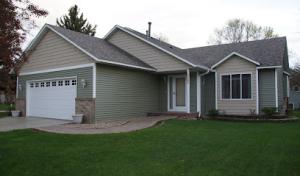
Slim & Trim Construction / STC Roofing
(952) 228-0006 www.slimandtrimconstruction.com
Serving
4.9 from 79 reviews

Winter weather in this community can turn a planned roof replacement into a tight timing puzzle. Heavy snow loads and freeze-thaw cycles stress shingles, underlayment, and flashing, so crews often pause on a full replacement to wait for safer conditions. When storms slam through, temporary stabilization becomes the practical priority to prevent interior damage and wind-driven leaks. You should plan for a contingency window and understand that vendors may shift toward tarping, board-up, and rapid temporary fixes rather than a full install in the same week.
Come spring, the schedule tightens further. Warmer days bring more crews, but frequent spring rains slow crews, complicating underlayment and ventilation checks. Roofs that moved or cracked ice dams in winter can reveal weakened seams that demand careful staging. In this climate, a window for a complete reroof can slip as weather runs long, gutters overflow, and debris fills the valleys. The result is a staggered process: emergency repairs first, then gradually completing the roof as moisture drops and temperatures stabilize.
Because the reroof season is compressed by winter conditions, emergency tarping and fast leak response matter more here than in milder markets. If a leak appears after a thaw, act quickly: keep the area ventilated, place durable tarps or rubber sheeting, and contact your contractor for a temporary seal that holds until the crew can return. Proactively clearing snow from around eaves, ensuring attic ventilation is functioning, and documenting water intrusion with photos helps speed approvals and repairs when crews can return. Delays are not just annoying-they raise the risk of interior damage, compromised insulation, and accelerated shingle deterioration.
Neighbors who have faced tight windows know that timing matters for attic ventilation and flashing lines. Hail damage from late-season storms may create hidden gaps where water sneaks in during thaw cycles. Inspect after every storm, note stains, and share findings with yourroofer immediately to avoid a prolonged dry-out. A coordinated plan that aligns forecasts, crew availability, and moisture management can shave weeks off the project and reduce the risk of damage.
When you can't wait, these contractors offer fast response times to stop leaks and prevent further damage.

Bormann Brothers Contracting
(952) 891-8586 bormannbros.com
17593 Foxboro Ct, Farmington, Minnesota
5.0 from 31 reviews
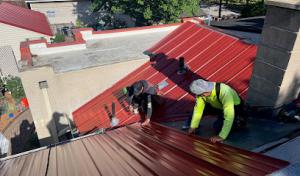
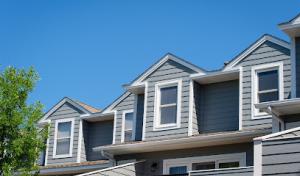
Minnesota carriers commonly require photos and a post-storm adjuster assessment, so you should document damage before temporary repairs obscure evidence. In a town used to bold hail strikes, a clear record breaks down what happened when and where. Start with a date-stamped photo gallery from multiple angles, both on the ground and from higher vantage points if safe. Keep notes of each hail event, wind gusts, and locations on the roof that show impact or missing granules. If you can, arrange for a neutral third party to photograph key details after the storm but before any shingle lifting or patching; miss a step, and the insurer may request a redraw to verify loss. Store copies of your photos with time stamps and maintain a simple log of conversations with your adjuster.
In Farmington's high-claim hail and wind environment, policy terms may tighten during high-risk seasons, affecting whether owners repair, patch, or fully replace. When storms cluster, carriers scrutinize damage more closely and may impose stricter requirements on documentation and scope. Your goal is to line up an adjustment as soon as practical, but not so soon that you lose evidence of incremental deterioration. If temporary repairs are unavoidable, photograph those repairs clearly and keep receipts; your insurer may reassess after a proper evaluation to determine if a full reroof is warranted.
Material choice in Farmington can be influenced by insurance considerations because repeated hail exposure changes how homeowners weigh durability, premiums, and future claim risk. Durable options may resist hail better and offer more favorable wind ratings, potentially smoothing future claims. But every roof is a conversation with the insurer: some coverings invite fewer questions, others require longer proof of ongoing performance. Weigh a panel's hail resistance, impact on indoor comfort during harsh winters, and how well a given roof type holds up under Minnesota freeze-thaw cycles, knowing that past hail history can color future claim decisions and coverage expectations.
Connect with contractors who help homeowners navigate the claims process from damage assessment to final approval.
Homestead Builders
(612) 799-3433 www.homesteadbuildersmn.com
923 8th St Ste 941G, Farmington, Minnesota
5.0 from 136 reviews
Omega Exteriors
(651) 998-8500 omega-exteriors.com
821 3rd St, Farmington, Minnesota
4.9 from 157 reviews
Bormann Brothers Contracting
(952) 891-8586 bormannbros.com
17593 Foxboro Ct, Farmington, Minnesota
5.0 from 31 reviews
In Farmington, inspections verify flashing as part of the reroof process, so penetrations like skylights and chimneys become a local compliance and leak-risk focus. The goal is to ensure transitions from the field roofing to the vented or surfaced edges are seamless, since a small flaw here can echo across the entire roof during freeze-thaw cycles. Even if the main roof surface looks sound, the flashing around skylights and chimneys often tells the true story of performance after a harsh winter.
Freeze-thaw movement in this climate puts extra stress on flashing transitions. The boundary between metal or waterproofing and the surrounding shingles or tiles is where ice and water can push, buckle, or lift. You may notice hairline gaps or a slight misalignment after a fast warm spell followed by a cold night. When inspecting or planning a reroof, treat these flashing transitions as high-priority components, not as cosmetic add-ons. A well-sealed, properly lapped transition can prevent repeated cycle damage from seasonal temperature swings.
Because spring moisture and summer storms test penetration details, skylight and chimney flashing should be incorporated into the reroof scope rather than addressed later. During the project, verify that step flashing, counter-flashing, and sealants are installed to create a continuous, watertight sleeve around the penetrations. Ensure any chimney masonry or skylight curb is clean, with proper bonding and backer-rod materials where needed. Look for a flashing layout that accounts for wind-driven rain, common in summer storms, and for proper drainage away from the flashing seams.
On the job, confirm that the flashing integrates with the chosen roofing system, matching material transitions with correct overlaps and fastener schedules. Check that ventilated soffits remain unobstructed and that any vented or sealed attic spaces align with the flashing lines. After installation, request a brief visual walkthrough focusing on skylight edges and chimney bases, so you have a clear understanding of where potential future leaks could arise and how to monitor them seasonally.
Find contractors experienced in skylight installation, flashing, and leak repairs to bring natural light into your home.
Homestead Builders
(612) 799-3433 www.homesteadbuildersmn.com
923 8th St Ste 941G, Farmington, Minnesota
5.0 from 136 reviews
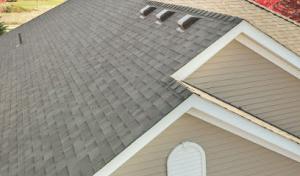
Flat and low-slope roofing is not the dominant roof type in Farmington, but it shows up often enough for additions, porches, and some garage sections that matter when you're planning a reroof. In these zones, you'll notice that the success of both waterproofing and long-term durability hinges on careful detailing of edge flashings, field seams, and transitions from the main steep-slope portions. The local climate's freeze-thaw cycles make any membrane vulnerability or seam failure more consequential, so expect a tighter standard for edge detail and a more robust underlayment on these areas.
Snow load and spring moisture demand that drainage systems on low-slope sections be kept clear and reliable. In practice, that means ensuring proper slope toward dedicated outlets and ensuring membrane laps are sealed with compatible sealants and seam tapes that accommodate temperature swings. In Farmington's damp springs, a fully adhered or mechanically fastened membrane with solid perimeter detailing helps prevent leaks at penetrations and transitions. Pay special attention to parapet walls and planters where moisture can pool and seep if flashing or membrane detailing is imperfect. Your contractor should inspect the edge details from both the low-slope area and adjacent steeper sections to confirm a continuous, watertight envelope.
When a home mixes a steep-slope reroof with a low-slope section, coordination becomes essential because different assemblies may be reviewed together for inspection and performance. The low-slope portion often requires a different underlayment system, vapor control strategy, and flashing configuration than the steep areas. Expect careful sequencing of tear-off and installation so that membranes, fasteners, and flashing meet at transitions without creating a point of failure. If a project page includes porches or future garage expansions, plan ahead for how these spaces will tie into your main roof system to avoid retrofits that compromise drainage or continuity of the weather barrier.
Low-slope areas benefit from attention to ventilation and insulation detail, particularly where the space under the roof is conditioned or partially enclosed. In Farmington's climate, ensuring that the roof assembly breathes correctly helps prevent condensation on the underside of the membrane and reduces the risk of ice damming at transitions. Coordinate venting strategy with the attic or crawlspace design, so that the low-slope section does not create a stagnant space that undermines the overall envelope. A well-planned, integrated approach keeps the railing of warranties intact and reduces surprises during the first thaw.
Find specialists in TPO, EPDM, and built-up flat roofing systems for residential and commercial properties.

Millersberg Construction
(507) 301-3626 www.millersbergconstruction.com
Serving
4.8 from 510 reviews
In this market, warranty value is tied closely to whether the roof passes local inspection for underlayment, flashing, and venting rather than to product branding alone. That means a shingle with a big brand name can still fall short if the installation isn't up to the checklist inspectors expect after a hail event or a winter freeze-thaw cycle. You should plan for the inspection to be a gatekeeper, not a courtesy step.
The local market shows more emphasis on reroofing, cleanup, and quick response than on warranty marketing. Homeowners should verify what workmanship and manufacturer coverage actually applies, and where it might fall short after a weather event. Do not assume that a glossy warranty automatically covers hail-related damage or long-term performance in freeze-thaw conditions. Read the fine print about exclusions, coverage windows, and what is required to keep coverage active.
Because roofs are repeatedly tested by hail, wind, and freeze-thaw movement, installation quality has an outsized effect on whether a warranty claim is realistic. If underlayment or flashing is compromised during a hail surge, or venting becomes insufficient as temperatures swing, a claim can be denied even for a properly rated product. The best protection is meticulous workmanship that follows the exact sequence and materials specified by the chosen system.
During reroof planning, insist on a detailed install plan that covers underlayment, flashing, and venting, with notes for weather-related risks. Have the contractor document each step, and hold them to a pre-inspection checklist aligned with local expectations. If a claim seems possible after a storm, you'll appreciate the traceable record and the clarity it brings to coverage decisions.