Last updated: Apr 19, 2026
Asbury Park sits directly on the Atlantic coast, so roofs are exposed to stronger onshore winds during nor'easters and tropical systems than inland Monmouth County locations. That wind history translates into a consistent pattern of uplift and wind-driven contact along the eaves and ridges, especially on older homes with mixed-use massing and flatter roof profiles. Your roof is routinely meeting gusts that slam water against vulnerable seams, and the salt air accelerates corrosion on connectors, nails, and metal flashings. The result is a higher-than-average chance of accelerated wear around edges, penetrations, and ridge lines. When a storm pushes a sustained gust path or adds a sharp burst of wind from the east, the first signs show up as loose or cupped shingles, lifted flashing, and gaps where water can sneak in behind the surface layer rather than just over it. This is not a distant concern; it becomes a recurring, storm-driven risk year after year, and the pattern repeats in the seasons that bring nor'easters and tropical storms.
Wind-driven rain is a major leak trigger near the shore because water can be forced under aging shingles, flashing, and ridge details even when the roof is not at end of life. In practice, look for water invasion at three core trouble spots: underlayment laps near the eaves, where wind-driven spray can push moisture into the attic; around vent pipes, chimneys, and other penetrations where flashing has settled or degraded; and along the ridge cap where fasteners can back out or sealant can fail. On older shore stock, the combination of elevated salt exposure and roof substrate that's already softened by years of exposure creates tiny, invisible leaks that become obvious only after a storm passes. Post-storm, you may notice damp spots on ceilings away from the obvious fastener lines, or a musty odor in attic spaces if moisture sat for an extra cycle before drying. Your action plan after a storm should focus on verifying the integrity of flashings along hips and valleys, testing the seals around vent stacks, and performing a careful roof walk to identify lifted shingles or blistered surfaces that signal water intrusion pathways.
Post-storm demand spikes are especially disruptive in shore communities like Asbury Park, where emergency tarping and temporary dry-in work often becomes the first priority before full replacement scheduling. When a nor'easter or tropical system leaves a compromised roof, the first steps involve rapid assessment and temporary containment. Schedule an early in-person inspection with a trusted local roofer who understands salt-air corrosion and the wear pattern on older materials. If you see active intrusion or pooling in the attic after a wind event, priority is given to tarping and sealing around obvious openings until a full repair plan can be put in motion. Expect that storm windows, temporary patches, and tarp placements will require quick mobilization-often in the immediate days after a storm-so having a ready-to-call contractor list is part of smart home readiness. In practical terms, document the storm damage with photos, note the specific roof sections affected (edge laps, penetrations, ridge lines), and share that with the contractor promptly to minimize delay. A proactive neighbor-to-neighbor network for temporary protections can reduce interior damage and keep adjacent properties safer while the full repair schedule is arranged.
Asbury Park's housing stock blends older coastal residences with mixed-use buildings just off the Atlantic. That mix often translates to irregular decking conditions, older flashing details, and multiple roof transitions that can complicate a reroof. When you're planning, expect to encounter decks that aren't perfectly flat, plus flashing that may have corroded or settled over time. A reroof in this patchwork environment isn't a one-size-fits-all job; it requires careful mapping of transitions-from hips to ridges to dormers-and attention to where roof planes meet walls or balconies. The goal is a system that sheds salt-laden spray and wind-driven rain without compromising the building's historic look or its functional integrity.
The local material mix is unusually broad for a compact shore city, with asphalt shingles leading but metal, tile, wood shake, and synthetic products all appearing in the market. In older shore properties, asphalt remains a practical baseline due to availability and ease of installation, but salt air and strong onshore winds demand materials with good wind resistance and long-term durability. Metal roofing can offer excellent wind performance and rapid shedding of moisture, yet it may clash with certain aesthetic expectations or historic detailing. Tile and wood shakes provide distinct appearances but require careful substrate preparation and ventilation to prevent moisture entrapment in irregular decking. Synthetic shingles can be a favorable compromise, offering varied looks with improved uniformity and resilience to salt exposure. The right choice balances wind resistance, durability under salt air, and how well the roof visually integrates with the building's historic character.
Older flashing details can be a weak link in this environment, so verify the integrity of step flashing at walls, chimneys, and dormers. Pay special attention to intersections where multiple planes meet, such as valley-roof junctions and skylight housings, because these are common leak points after a coastal season of storms. When detailing transitions, ensure proper drip edge installation, continuous underlayment, and a well-sealed ridge line that can resist wind scouring. If any flashing shows corrosion or deformation, plan for timely replacement rather than patchwork. In practical terms, expect to rework or retrofit some surrounding trim and fascia to ensure a tight, wind-resistant edge that remains visually compatible with the house's age and style.
Material choice in Asbury Park has to balance salt-air exposure, wind resistance, and the visual expectations of a historic shore community rather than focusing on price alone. Even when selecting a modern material, consider color and profile compatibility with the home's era and with neighboring, historically dominated streetscapes. For composite or synthetic options, pick textures and shades that read as traditional from the street while delivering modern performance against wind-driven rain. The roof isn't just a weather barrier; it's a street-facing component that shapes the home's curb appeal. Ensure that chosen materials retain their finish under salt exposure and that installation methods respect existing roof shapes, so the overall look remains coherent after the upgrade.
In this shore neighborhood, reroof pricing moves with the calendar. Local pricing is affected by shore-season demand swings, especially after coastal storm events when labor availability tightens and scheduling delays increase. Your project may book closer to the fall or late spring window, and contractors often adjust estimates to cover overtime, storm-related mobilization, and material backlog. If a storm just passed, expect a noticeable jump in both material lead times and labor add-ons. Planning with a realistic window helps avoid rushed decisions or forced upgrades that aren't necessary for your roof's current condition.
Older Asbury Park roofs tend to reveal more once contractors lift shingles. Tear-off often uncovers decking repairs, ventilation upgrades, and flashing corrections on aging structures. Those hidden fixes push the price above a simple replacement quote and can extend the job duration. This is especially true on structures with multiple layers, compromised underlayment, or inadequate venting that hasn't kept pace with seasons. If your home has a detached garage, a dormer, or a wraparound porch, expectations should include potential deck work and improved ventilation as part of the scope.
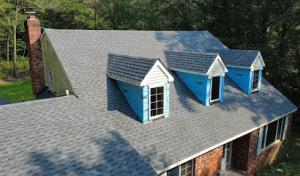
Steeper rooflines, porches, dormers, and architectural complexity common in older shore neighborhoods can increase labor time compared with simple suburban gable roofs. Wedges, hips, and irregular outlines require more custom flashing and precise shingle alignment. In practice, this means your bid may show higher labor hours even before material choices, simply because installers must work slower on angles, mitered joints, and attic access points. If your roof has multiple levels or a turret-like feature, ask for a breakdown that separates decking, flashing, and ventilation work so you can see where time is spent.
The local cost landscape aligns with common material choices. Asphalt shingles typically run from 400 to 800 USD per square, while metal roofs span 600 to 1100 USD per square. Clay tile, concrete tile, wood shingles or shakes, and synthetic or composite shingles appear on the higher end and can push per-square prices accordingly. For an older home with unique detailing, consider how differences in weight, installation drama, and weather resistance influence both upfront cost and long-term performance. A practical approach is to select a material that balances durability against weight on existing framing, and to request a parallel estimate for a lighter option if the structure isn't reinforced for heavier systems.
After a coastal event, expect scheduling uncertainty and tightened labor calendars. To avoid delays taking a toll on your home's comfort, contact several local crews early in the season and lock a start window, with a clear contingency plan for unplanned decking or flashing repairs. If you're weighing options, prioritize contractors who include a thorough tear-off assessment, a transparent line-item breakdown, and a dry-in plan that covers ventilation and attic seal considerations. This approach helps prevent wind-driven leaks and accelerated wear from lingering moisture while the project unfolds.
Miller & Sons Roofing & Remodeling
(848) 360-3220 millersonsroofingremodeling.com
1060 NJ-35, Asbury Park, New Jersey
4.8 from 52 reviews
We specialize in both residential and commercial projects, ensuring top-notch results.
Omp roofing
(732) 621-0015 www.facebook.com
1029 Sewall Ave, Asbury Park, New Jersey
4.7 from 14 reviews
is a company with 12 years of experience we do roofing and siding windows New projects and repairs lic.#13vh110887700 fully guaranteed and free estimates full insuret

First Choice Roofing
(732) 443-1098 www.firstchoiceroofings.com
218 2nd Ave, Asbury Park, New Jersey
5.0 from 8 reviews
Full service roofer in New Jersey. Emergency roofer available
Five Stars Quality Construction
Serving
4.9 from 141 reviews
Welcome to Five Stars Quality Construction We are a local, family owned business serving central New Jersey. ESTABLISHED ON 2013 We specialize in Roof Installation and Repair. We work with all kinds of roofing SINCE 1996 GIVING TO US 27 years experience, we are licensed and certified in the state of New Jersey. We are available 24/7. Owner Operated, No Subcontractors. Credit Cards Accepted. Call us today for a Free Estimate.
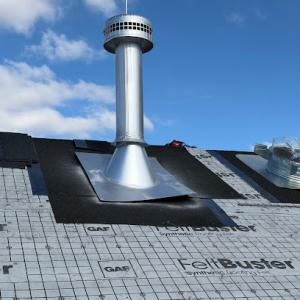
DGM Construction
(732) 231-5321 www.dgmconstructionllc.com
Serving
5.0 from 23 reviews
DGM Construction is a locally owned and operated roofing and siding company based in Neptune City, New Jersey. We serve residential customers within a 50-mile radius and throughout New Jersey. Services include roof installation, repair, inspection, replacement, siding services, and gutter installation. With 15 years of experience, we provide comprehensive roofing and siding solutions for residential properties.

More Core Construction
(732) 531-5500 www.justroofit.com
Serving
4.9 from 115 reviews
We are NJ's exterior experts. We specialize in roofing, siding, gutters and windows. Call us for a free estimate today We also offer financing Just roof it!
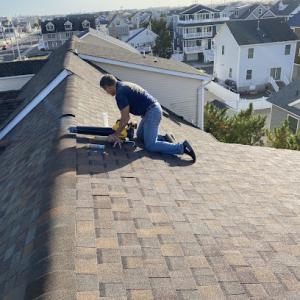
Unrivaled Roofing Repairs
(732) 965-8500 unrivaledroofingrepairs.com
Serving
5.0 from 10 reviews
If it’s about roofing services, there’s no premier choice to call but Unrivaled Roofing Repairs! Whether it’s an immediate roof repair or routine maintenance, count our skilled and well-experienced roofing contractors to do the job seamlessly.
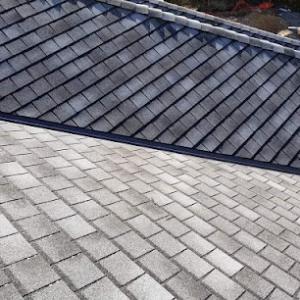
El Primo Construction
Serving
5.0 from 9 reviews
Roofing, siding, and Windows. whatever your house needs, we do complete remodeling.
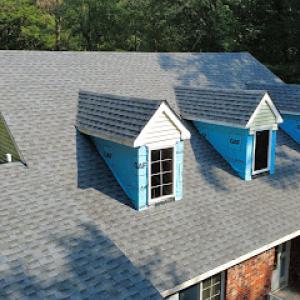
Jar Roofing Repair
(732) 682-5451 jarroofingrepair.com
Serving
5.0 from 100 reviews
At JAR Roofing Repair, we are always ready to serve you! Whether it is an entire roofing restoration or just a single repair, we can do it. We work with top of the line quality brands to bring you the absolute best quality roof for every budget. Each JAR employee is highly trained and skilled to provide the highest level of quality on all of our projects. Call today for your free estimate and see how we can provide you with the best roofing service available!

Apex Roofing Solutions
Serving
5.0 from 13 reviews
Apex Roofing Solutions is your go-to provider for all your roofing needs. Their team of experienced professionals specializes in roof installations, repairs, and maintenance for residential and commercial properties. With a focus on quality craftsmanship and attention to detail, Apex Roofing Solutions delivers reliable and durable roofing solutions. They prioritize customer satisfaction, ensuring that your roof is in top condition and providing long-lasting protection for your property.
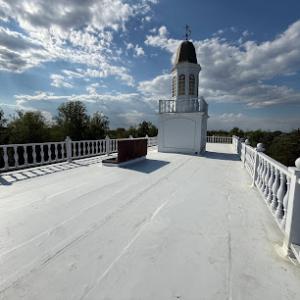
All Covered Roofing & Exteriors
(732) 963-5312 www.allcoveredroofing.com
Serving
5.0 from 80 reviews
Specializing in roofing, siding, and gutters, All Covered Roofing is a trusted company. Our dedicated team delivers exceptional craftsmanship and uses top-notch materials to protect and enhance residential and commercial properties. Whether you need roof replacement, siding work, or gutter services, we prioritize reliability, efficiency, and transparent communication. Trust us for durable, weather-resistant solutions that ensure your property remains aesthetically appealing. Contact us today for the highest standard of service in the industry.
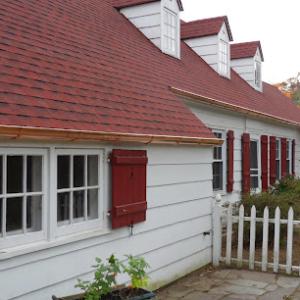
Superior Siding & Roofing
(732) 229-1890 www.superiorsiding.com
Serving
4.4 from 27 reviews
Established by John J. Stillings, our company has had continued ownership and operated under the same familiar name of Superior Siding & Roofing since 1983. Our office and showroom is located in Ocean Township, New Jersey. We service all areas in central and southern New Jersey from points within Monmouth, Ocean, and Middlesex Counties.
A full re-roof in Asbury Park typically requires a building permit through the City of Asbury Park Construction Code Office. The permit process is not just a stamp of approval; it sets the stage for durable, wind-resilient roofing against salt air and coastal storms that are common here. Because this area ages with a mix of older shore houses and mixed-use buildings, the city expects a structured plan that shows how the new roof will meet local wind loads, ventilation needs, and fire-safety requirements. Doing this right at the front end helps prevent delays when the project is ready for final inspection.
Permit applications generally require material specifications and contractor details before approval, which makes product selection and installer information part of the front-end process. In practical terms, you should have your chosen roofing system pinpointed (including underlayment, vents, and flashing) along with the exact manufacturer and model numbers. The contractor's license, contact information, and a built-out scope of work are usually requested up front. This diligence helps the city verify that the installation plan aligns with current code provisions for coastal wind exposure and flood-prone areas, if applicable.
Before submitting, verify that the chosen materials are permitted for your roof slope and exposure class. Coastal winds can drive rain and salt into vulnerable joints, so specify drip edges, proper ventilation, and corrosion-resistant metal components if applicable. It helps to have a short narrative prepared for why the selected system is suitable for Asbury Park's conditions-emphasizing wind-driven leak resistance and compatibility with existing roofing deck materials. If there are multiple structures on the property, ensure the scope covers all sections that will be re-roofed, since the city may review them together.
City inspections are typically scheduled at key milestones including rough-in and final, and the department may ask for evidence that ventilation and code compliance issues were addressed. Rough-in inspections focus on deck integrity, underlayment installation, flashing details around dormers or chimneys, and proper nailing patterns. The final inspection confirms that the roof finished surface, vents, and eaves meet code requirements and that any wind-resistance enhancements are properly installed. In a coastal setting, inspectors may scrutinize fastener corrosion protection and the continuity of ventilation paths to prevent moisture buildup.
Keep a clear record of the roof assembly layout, including attic ventilation strategy and any rust-resistant hardware as specified in the permit. Have contractor certification documents and supplier receipts accessible in case inspectors request evidence of product compatibility with Asbury Park's climate. Clear, accessible exterior access to the roof area for inspection is essential, so plan around any temporary obstruction during the permitting phase.
Asbury Park sits in a coastal New Jersey insurance environment where nor'easters and storm-driven wind claims are common enough to influence underwriting and claim scrutiny. The salt air, frequent sea breeze, and seasonal storms press on aging roofs in ways that can blur the line between wear and event damage. This mix means your carrier may view a retrofitted, well-maintained roof differently from one with visible chronic wear, even if both suffered a sudden impact during a storm. Planning with this nuance in mind helps avoid surprises when a claim is opened or denied.
Carriers and adjusters in this market often want roof age, pre-loss condition, and detailed before-and-after photos because coastal storm damage can be disputed as wear versus event damage. A clear photo trail-shots of the entire roof, close-ups of damaged flashing, fasteners, and any signs of prior repairs-can save time and reduce disputes. Keep a dated record of maintenance, contractor letters, and any temporary protections installed after a storm. In a neighborhood where homes share similar materials and heights, consistent documentation matters as much as the roof's current state as the storm's impact.
After major regional storms, carrier appetite in coastal New Jersey can tighten even when the local market remains generally available, which affects replacement timing and documentation strategy. That tightening can slow approval and push replacement windows into longer timelines, especially for older homes with mixed-use envelope details. Be prepared for a temporary shift in how quickly a claim progresses and for the need to provide additional evidence showing a distinct event-related failure rather than ongoing deterioration. Staying ahead with regular roof inspections and up-to-date photos can help anchor a claim while the weather window for response remains favorable.
When you suspect wind-driven or storm-driven damage, assemble a straightforward, dated file of roof conditions from before and after the event. Emphasize any sudden leaks, blown-off surfaces, or flashing failures that align with the storm timeline. If a contractor notes specialized coastal considerations-like corrosion-prone fasteners or salt-corrosion on metal components-that detail can support an event narrative. In this market, clear, event-focused documentation often makes the difference between a straightforward adjustment and a protracted dispute.
Connect with contractors who help homeowners navigate the claims process from damage assessment to final approval.
Miller & Sons Roofing & Remodeling
(848) 360-3220 millersonsroofingremodeling.com
1060 NJ-35, Asbury Park, New Jersey
4.8 from 52 reviews
Winter in coastal New Jersey raises the risk of ice dams and snow-related leak events, especially on older roofs with uneven insulation and ventilation. If a tear-off is on the table, plan for extra time to address potential ice buildup along eaves and headers, and have heat cables or alternative mitigation ready if conditions warrant. Scheduling work during a stretch of colder but dry days may reduce the chance of thaw cycles undermining new underlayment, but keep an eye on forecasted freezes that could slow access to the roof deck. When temperatures swing, adhesive performance on underlayment and certain shingle types can shift; adjust your install sequence accordingly so fasteners seat properly and sealants cure without moisture trapping.
Spring rain can slow tear-off and dry-in schedules in Asbury Park, where exposed roofs are vulnerable to fast-moving coastal weather changes. Lock in a window with a reliable forecast and a contingency plan for sudden wet spells. If layers must be removed, use temporary weather protection that sheds breeze-driven spray and salt spray while exposing the deck. Prioritize ventilation checks and ridge or soffit balance to prevent wind-driven moisture from finding its way under the new materials. Quick-dry puncture tests and careful membrane laps help avoid late-season leaks when storms shift from offshore fronts to inland systems.
Summer heat and humidity can affect asphalt shingle handling and adhesive behavior, while late-summer and fall overlap with hurricane and nor'easter risk on the shore. Coordinate tear-off to avoid the peak heat window, and schedule dry-in during mornings with lower humidity if possible. Ensure fasteners, nails, and sealants resist salt air creep and corrosion. Build in swing days for high-wind warnings and keep temporary covers ready for sudden squalls, so roofing can resume once conditions stabilize without compromising deck protection.
Asbury Park's mix of residential and commercial buildings means low-slope roof sections are more relevant here than in many purely suburban towns. Older shore properties often have additions, rear sections, or mixed roof geometries where flat roofing details become leak points during wind-driven rain. Pay close attention to transitions between flat sections and steeper roofs, and map where penetrations occur to prioritize inspection.
Skylights and roof penetrations are especially vulnerable near the coast because repeated storm exposure stresses flashing and sealant details over time. After a storm, check along seam lines, around skylights, vents, and any vented equipment for pooling water, lifted flashing, or crusty sealant. During dry weather, run a finger along flashing edges near joints to feel where sealant has become brittle or cracked. Look for rust on metal flashings and any scuffs or delamination on membrane materials at corners and edges.
Develop a seasonal inspection rhythm that targets low-slope sections first, especially on additions or rear roofs with complex geometry. Clean debris from edges and gutters where standing water can back up at seams. Keep roof penetrations thoroughly sealed, reapplying sealant where dulling or cracking is evident. When flashing shows age, prioritize replacement of the most exposed runs, starting at corners and transitions. If a flat roof section has experienced repeated wind-driven leaks, consider upgrading to a more wind-resistant membrane or reinforcing edge details to resist wind uplift.
Skylights near the coast should be checked for frame corrosion, degraded glazing seals, and deteriorating curb flashings. Re-seal and re-flash vulnerable edges, especially where wind-driven rain can force water under the cladding. If multiple failures occur in the same area, plan a coordinated repair that addresses flashing, curb, and sealant in one sequence to prevent recurring leaks during the next coastal storm.
Find specialists in TPO, EPDM, and built-up flat roofing systems for residential and commercial properties.
Miller & Sons Roofing & Remodeling
(848) 360-3220 millersonsroofingremodeling.com
1060 NJ-35, Asbury Park, New Jersey
4.8 from 52 reviews