
Last updated: Apr 19, 2026
Neptune sits close enough to the Atlantic that roofs endure coastal nor'easters, salt-laden wind, and storm-driven rain even outside direct beachfront conditions. That combination accelerates wear on the outer roof skin and pushes edge damage to the forefront. In practical terms, you'll notice faster edge lifting on shingles during seasonal transitions, and flashing along chimneys, skylights, and vents may begin to loosen sooner than you expect. These signals aren't cosmetic fluff; they map to real moisture pathways that can sneak into attic spaces and travel along roof valleys where drainage slows. The house next door that was fine five years ago may now show brittle granules accumulating in gutters and tiny, telltale rust along metal drip edges. When you see that pattern, treat it as a warning: coastal exposure is actively reshaping the roof's lifespan in this part of Monmouth County.
The area's cold winters and repeated freeze-thaw cycles increase the risk of shingle edge lifting, flashing movement, and ice-related leak paths after snow events. Water can seep beneath the edge of the shingle and refreeze in valley corners or around step flashing, prying the metal away from its seal. In Neptune, that means a higher chance of hidden leaks that only reveal themselves after a melt-often weeks after a storm. Inspect after each major thaw and look for lifted edges, loose granules, or dark staining at the undersides of protrusions. If ice dams form on the eave, do not wait for an obvious drip to appear; the freeze-thaw cycle will push moisture deeper into the roof deck if unaddressed. Proactive maintenance-repairing small shingle lifts, resealing flashing, and ensuring proper ice and water barriers at eaves and along overhangs-avoids bigger, more disruptive repairs later.
Warm, humid summers and heavy seasonal rainfall keep roof systems under prolonged moisture stress, making ventilation and underlayment performance especially important in this part of Monmouth County. A roof is only as protected as the attic living beneath it: insufficient ventilation traps heat and accelerates deck and shingle deterioration, while a tired or incompatible underlayment can fail during a heavy rain event. In Neptune, attic ventilation should be evaluated for both intake and exhaust balance, with soffit and ridge vents-or an efficient alternative-keeping airflow alive even in tight urban roofs. Underlayment quality and compatibility with coastal conditions matter: a robust, moisture-resistant layer beneath shingles helps slow water intrusion when salt-laden winds drive rain sideways or up into eaves. Don't overlook vented soffits, baffles, and proper insulation; heat and moisture buildup is a double-edged risk in this climate.
Start with a visual sweep after storms: look for lifted shingle tabs, especially near roof edges and in valleys; check metal flashing around vents, chimneys, and dormers for movement or corrosion; feel for damp patches or a musty smell in the attic after rain. Garages and sheds with adjacent roof structures can betray the main roof's health with shared fascia or flashing wear. If any edge lifting, loose flashing, or damp decking is observed, treat it as urgent and schedule a targeted repair before the next seasonal cycle begins. For ongoing protection, prioritize improving attic ventilation and ensuring the underlayment beneath the shingle layer remains intact and continuous across eaves and at transitions. In this coastal zone, small, timely actions preserve roof integrity longer and reduce the frequency of more extensive repairs driven by moisture and salt exposure.
Asphalt shingles are the dominant practical choice locally, but the wind exposure and winter cycling here make product grade and fastening details more important than in milder inland markets. Choose architectural or laminated shingles from reputable brands, and insist on a robust nailing pattern-two fasteners per tab for most courses, with the nails driven to the proper depth and sealed with high-quality sealant to resist wind uplift. In this climate, superior underlayment and drip edge matter, as blowing spray and freeze-thaw cycles can push moisture toward the deck. Look for shingles with good granule adhesion and a warranty that explicitly covers wind resistance in coastal and northern exposure conditions. In higher wind or storm-prone areas of the home, consider additional vented ridge or dedicated wind-resistant detailing to help manage moisture migration.
Metal roofing has a meaningful local presence and is often considered for better wind performance and lower maintenance in salt- and storm-exposed conditions. Metal panels or standing-seam systems can shed salt spray more readily and resist uplift better than standard asphalt where wind is a primary concern. When evaluating metal, prioritize corrosion-resistant alloys and coatings rated for coastal environments, and ensure panel seams are continuous and properly sealed. Pay attention to fastener placement and the use of neoprene or silicone seals compatible with winter moisture cycling. If opting for metal, confirm that the roof shoulders the additional weight safely and that the underlying structure is prepared for the overlay, especially on older homes that may require reinforcement or rafter adjustment to avoid flex under load.
Clay tile, concrete tile, wood shake, and slate appear in the market but require careful structural and moisture planning because older regional homes may not be ideal candidates without upgrades. Clay and concrete tiles add considerable heft and can crack or loosen with freeze-thaw stress if support framing isn't conditioned for the weight. Wood shakes must be treated for moisture and rot but can perform well in blue-sky days if fastened correctly and kept dry. Slate offers durability in theory, yet installation sensitivity and regional substrate constraints demand meticulous workmanship. In practice, these materials often demand a roof deck that's sound, a backup moisture barrier, and sometimes structural reinforcement. If considering any of these, have a qualified roofer assess load calculations, attic ventilation, and attic moisture management before committing.
Across all materials, coastal storm exposure and winter cycling make fasteners, underlayment, and moisture barriers non-negotiable. Use corrosion-resistant fasteners appropriate to the chosen material, with a sealing strategy that remains effective through salt spray and freeze-thaw cycles. A high-quality synthetic underlayment and a well-provented roof deck help prevent moisture intrusion when wind-driven rain or sleet drives in at odd angles. Ventilation-both intake and exhaust-keeps attic temperatures balanced, reducing condensation risk on colder mornings. For homes with prior moisture issues, consider a secondary drainage plane behind the exterior surface to capture any latent moisture before it penetrates the deck.
In Neptune, ongoing inspection matters as much as the initial install. After seasonal storms, examine for lifted shingles, exposed fasteners, and wind-driven debris striking the edges of the roof. Check seals at eaves, chimney flashing, and transitions to avoid salt-laden spray from seeping into vulnerable joints. Clean gutters and downspouts regularly to preserve proper drainage and reduce ice dam risk during winter cycles. If a retrofit is needed, address any structural or moisture-plan gaps before replacing with a new material to keep the roof performing against coastal exposure for years to come.
Late spring through early fall is generally the preferred replacement window in Neptune, because crews can avoid winter ice issues while still working before peak late-season coastal storm disruption. Plan replacements for late May through September whenever possible, giving yourself a solid stretch of dry days and milder temperatures. Scheduling during this window minimizes the chance of shattering cold snaps and keeps crews from fighting salt spray and windy Nor'easters that can roll in late in the season.
Winter replacements in this area are complicated by snow load, ice damming risk, and brittle shingle handling during cold snaps. If a roof shows signs of failure during winter, expect longer lead times and higher risk of weather-related delays. Shingle granules can shed unevenly when temperatures swing, and icy eaves make personal safety and access harder for crews. If you must pursue a winter replacement, target days that are above freezing, with a dry forecast and a plan for temporary heat or moisture protection where necessary. Have a contingency, because a dry, calm spell may be short and weather can turn quickly.
After major coastal storms, local demand can surge quickly, which can delay scheduling and tighten material and labor availability across the Neptune area. If a big storm hits, expect a scramble for crews, shingles, and fast-tracking permits and inspections (where applicable). The best approach is to secure a firm start window as soon as the weather allows and maintain flexibility within a two- to three-week range. Confirm that the contractor has a plan for storm-related delays, and ask about temporary protection for exposed roof edges in case the project lags and more storms roll through.
When debating timing, assess the current roof condition against the oncoming weather pattern. If shingles are curling, flashing shows corrosion, or there are recurring leaks after moderate rain, a replacement window in the late spring to early fall range becomes a practical target. Consider the proximity of the next anticipated coastal storm and how long materials will need to arrive and be staged. In a neighborhood with mixed aging stock, coordinating with neighbors for a shared removal day can reduce disruption and improve access for equipment. If a cold snap looms or a major storm surge is forecast, postpone until conditions stabilize, then lock in the earliest workable slot in the preferred window.
Get a clear picture of your project costs upfront - no commitment required.


Jar Roofing Repair
(732) 682-5451 jarroofingrepair.com
Serving
5.0 from 100 reviews
At JAR Roofing Repair, we are always ready to serve you! Whether it is an entire roofing restoration or just a single repair, we can do it. We work with top of the line quality brands to bring you the absolute best quality roof for every budget. Each JAR employee is highly trained and skilled to provide the highest level of quality on all of our projects. Call today for your free estimate and see how we can provide you with the best roofing service available!

Apex Roofing Solutions
Serving
5.0 from 13 reviews
Apex Roofing Solutions is your go-to provider for all your roofing needs. Their team of experienced professionals specializes in roof installations, repairs, and maintenance for residential and commercial properties. With a focus on quality craftsmanship and attention to detail, Apex Roofing Solutions delivers reliable and durable roofing solutions. They prioritize customer satisfaction, ensuring that your roof is in top condition and providing long-lasting protection for your property.

More Core Construction
(732) 531-5500 www.justroofit.com
Serving
4.9 from 115 reviews
We are NJ's exterior experts. We specialize in roofing, siding, gutters and windows. Call us for a free estimate today We also offer financing Just roof it!
DGM Construction
(732) 231-5321 www.dgmconstructionllc.com
Serving
5.0 from 23 reviews
DGM Construction is a locally owned and operated roofing and siding company based in Neptune City, New Jersey. We serve residential customers within a 50-mile radius and throughout New Jersey. Services include roof installation, repair, inspection, replacement, siding services, and gutter installation. With 15 years of experience, we provide comprehensive roofing and siding solutions for residential properties.
Miller & Sons Roofing & Remodeling
(848) 360-3220 millersonsroofingremodeling.com
Serving
4.8 from 52 reviews
We specialize in both residential and commercial projects, ensuring top-notch results.
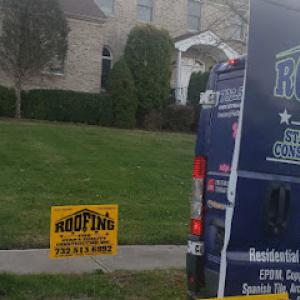
Five Stars Quality Construction
Serving
4.9 from 141 reviews
Welcome to Five Stars Quality Construction We are a local, family owned business serving central New Jersey. ESTABLISHED ON 2013 We specialize in Roof Installation and Repair. We work with all kinds of roofing SINCE 1996 GIVING TO US 27 years experience, we are licensed and certified in the state of New Jersey. We are available 24/7. Owner Operated, No Subcontractors. Credit Cards Accepted. Call us today for a Free Estimate.

Fortified Roofing - Roofing Contractor in NJ
(732) 201-2019 www.fortifiedroofing.com
Serving
4.9 from 205 reviews
For quality roofing services and trusted local roofing contractors Farmingdale NJ, call Fortified Roofing today! We will provide you with an honest free estimate for any residential roofing services that you need. Our skilled Farmingdale NJ roofers are true professionals with a reputation for high quality and fast results. Using cutting-edge methods and equipment, we will conduct roof replacement and repairs, roof installation services, roof inspections, solar roof shingles installation as well as gutter and skylight installation and repair to your utmost satisfaction. Call us today!
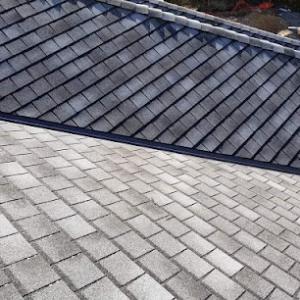
El Primo Construction
Serving
5.0 from 9 reviews
Roofing, siding, and Windows. whatever your house needs, we do complete remodeling.
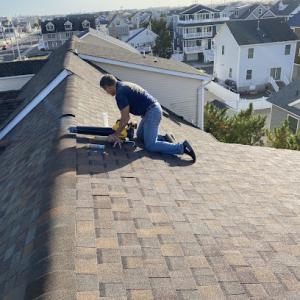
Unrivaled Roofing Repairs
(732) 965-8500 unrivaledroofingrepairs.com
Serving
5.0 from 10 reviews
If it’s about roofing services, there’s no premier choice to call but Unrivaled Roofing Repairs! Whether it’s an immediate roof repair or routine maintenance, count our skilled and well-experienced roofing contractors to do the job seamlessly.
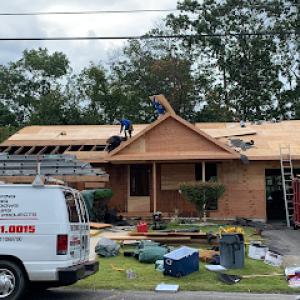
Omp roofing
(732) 621-0015 www.facebook.com
Serving
4.7 from 14 reviews
is a company with 12 years of experience we do roofing and siding windows New projects and repairs lic.#13vh110887700 fully guaranteed and free estimates full insuret
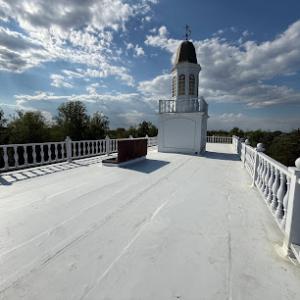
All Covered Roofing & Exteriors
(732) 963-5312 www.allcoveredroofing.com
Serving
5.0 from 80 reviews
Specializing in roofing, siding, and gutters, All Covered Roofing is a trusted company. Our dedicated team delivers exceptional craftsmanship and uses top-notch materials to protect and enhance residential and commercial properties. Whether you need roof replacement, siding work, or gutter services, we prioritize reliability, efficiency, and transparent communication. Trust us for durable, weather-resistant solutions that ensure your property remains aesthetically appealing. Contact us today for the highest standard of service in the industry.
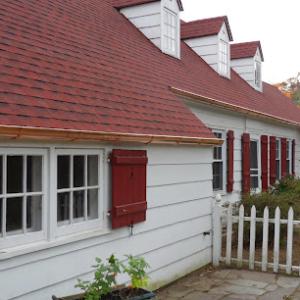
Superior Siding & Roofing
(732) 229-1890 www.superiorsiding.com
Serving
4.4 from 27 reviews
Established by John J. Stillings, our company has had continued ownership and operated under the same familiar name of Superior Siding & Roofing since 1983. Our office and showroom is located in Ocean Township, New Jersey. We service all areas in central and southern New Jersey from points within Monmouth, Ocean, and Middlesex Counties.
A full roof replacement in this area typically requires a building permit obtained through the municipal building department, usually by the contractor rather than the homeowner. The permit process reflects local expectations for work that spans multiple trades-framing, ventilation, insulation, underlayment, and exterior finish. To keep the project moving smoothly through Neptune's code cycle, make sure the contractor provides a complete scope of work up front, including vents, attic insulation, and underlayment disclosures. Delays often stem from missing details, so the initial submission should lay out all components, materials, and connection points to the existing structure. Because coastal exposure and inland freeze-thaw cycles stress roofs differently than inland suburbs, the permit package should highlight any enhancements to wind resistance and moisture management that apply to your home.
Inspections are conducted under the New Jersey Uniform Construction Code framework, with an in-progress rough inspection and a final inspection after completion. The rough inspection typically occurs once the roof deck, underlayment, and initial ventilation installations are in place. Expect guidance on attic ventilation balance and moisture control as part of the review, since proper exhaust and intake paths are critical for Neptune's humid coastal climate. The final inspection confirms that the roof system, flashings, penetrations, and finishing details comply with the approved plans and applicable code provisions. The city often aligns with state requirements to verify that the attic insulation and ventilation meet current standards, given the local emphasis on preventing moisture-related issues that can accelerate premature roof failure in storm-prone, salt-laden environments.
Before submitting, ensure the project description is thorough. Local staff may request details on roof-to-wall interfaces, attic access, ventilation calculations, underlayment type, and any exterior detailing tied to salt exposure and wind loads. If the scope describes a vented roof assembly, include ridge, soffit, and turbine or powered vents with specifications for airflow. In Neptune, it helps to attach product data for membranes and underlayment, along with a brief note on how the chosen materials address coastal moisture and freeze-thaw stress. Communication with the contractor during this stage reduces back-and-forth with the building department and supports a smoother path to permit approval and timely inspections.
In New Jersey's storm-sensitive insurance environment, roof age and material can heavily affect how carriers review claims after wind and weather events affecting Neptune homes. The coastline and inland freeze-thaw cycles combine to stress shingles, underlayment, and flashing in ways that can shift the insurer's view on damage versus wear. A roof that has weathered several Nor'easters may be scrutinized more closely than a newer installation, and the age of the roof often informs whether a claim is paid in full, partially, or after a depreciation adjustment. Being aware of this reality helps homeowners approach the process with clearer expectations and less friction when a storm hits.
Homeowners in this market should expect insurers to want strong documentation such as date-stamped photos, contractor findings, and repair or replacement estimates after nor'easters and severe rain events. Take recent, high-quality photos after a storm and before any temporary tarping or repairs so the claim file has a clear timeline. Gather notes from a qualified local contractor detailing observed wind damage, moisture intrusion, and potential secondary problems like deck or fascia damage that can influence settling the claim. Keep a simple log, dated, of all weather events that could affect the roof, including unexpected hail or gusts from coastal storms. When speaking with an adjuster, reference the coastal exposure Neptune homes experience, because wind-driven salt spray and persistent dampness are common factors in deterioration.
Carriers may favor wind-rated, code-compliant replacement systems after prior storm losses, which can influence both claim outcomes and future premiums. If a roof is eligible for replacement rather than repair, insurers may prefer tests or certifications that demonstrate wind resistance and adherence to current code standards. This is particularly relevant for common local materials-whether asphalt shingles with enhanced wind features or metal roofing-that stand up to frequent nor'easters and salty coastal air. In practice, that means you should expect adjusters to consider not only the visible damage but also the long-term resilience of the system. Having your contractor's assessment aligned with the insurer's expectations-especially around fasteners, underlayment, and proper flashing-can streamline the process and help protect future coverage posture.
After a severe event, prioritize securing the attic and interior from further moisture, then focus on documentation. If a replacement is pursued, ensure the selected system is clearly described as wind-rated and code-compliant, with a plan that addresses coastal exposure risks observed on your property. Recognize that coastal storm and moisture exposure drive earlier roof failure and replacement timing by local weather patterns, so keeping proactive maintenance records and timely reporting can make a meaningful difference when the insurer reviews the claim.
Connect with contractors who help homeowners navigate the claims process from damage assessment to final approval.

Miller & Sons Roofing & Remodeling
(848) 360-3220 millersonsroofingremodeling.com
Serving
4.8 from 52 reviews

Local pricing is affected by the wide material spread in the Neptune market, from asphalt shingles at 480 to 900 USD per square up to slate at 1400 to 2500 USD per square. That spread matters when budgeting, because several shingle options can hit similar performance goals but land very differently on the ledger. If a home has higher maintenance needs or expects a longer service life, metal or tile might pay off even if the upfront cost is steeper. The mix of older and newer homes means you'll see both quick replacements and longer, heavier retrofits that require careful structural checks.
Costs can rise after coastal storm periods when emergency demand, scheduling pressure, and disposal logistics tighten across Monmouth County contractors. In practice, that means your chosen window for a tear-off could shift, and crews may charge a premium for expedited timelines or after-hours work to keep roofs weather-tight. If a storm has just passed, expect bids to be closer together but higher on rush fees, disposal limits, and the need for quick decking or vent work. Plan ahead for winterized scheduling if storms are in the forecast.
Older homes common in parts of the area can add cost when decking repairs, ventilation corrections, flashing replacement, or heavier-material structural considerations are discovered during tear-off. If existing decking shows water damage, or the underlayment needs replacement, those costs accumulate quickly. Heavier materials like concrete tile or slate may require a light structural assessment and potential reinforcement, raising both time and price. Budget for contingencies and choose materials with proven performance in salt spray and gusty Nor'easters.
Start with a mid-range option like architectural asphalt or metal and compare long-term warranties against a tile or slate upgrade. Gather three local bids and ask for a teardown-and-replacement plan that includes decking, ventilation, flashing, and disposal. If storms loom or recent events occurred, reserve a contingency of 10-15 percent for scheduling shifts and material spikes.
Don't let upfront costs delay a critical repair - these contractors offer payment plans to fit your budget.
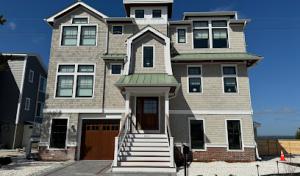
Coastal storms bring wind-driven rain that meets the roof at the most vulnerable seams. In Neptune, that means flashing around chimneys, vent pipes, skylights, and transitions from roof to wall often fail before the field shingles show obvious wear. Ridge lines, where two planes meet, are especially exposed to salt-laden gusts that pry at sealants and nails. If you notice moisture tracking along these seams after a nor'easter, or see condensation forming under the flashing in colder mornings, address the sealant and fastener condition promptly. A small failure there can cascade into attic intrusion and ceiling staining that sneaks up on you between seasonal checks.
Winters in this coast-and-inland blend can push water up the eaves when heat escapes upward into the roof deck and ice dams form. The resulting backing of water not only risks interior leaks but also threatens underlayment and the attic's insulation performance. If soffits feel cool to the touch during a warm day or you notice dampness high on walls near the attic access, that's a warning sign. The consequence isn't just a wet ceiling-heat loss and higher energy use follow, especially in homes with older or insufficient insulation and ventilation. Prioritize a proper attic seal, continuous insulation at critical spots, and ensure the roof's ventilation path isn't choked by crowded fascia or cluttered soffits.
Roofs that face more direct exposure to wind and spray accumulate salt that corrodes exposed metal components. Copper and aluminum flashings, pipe collars, and ridge vent fasteners can corrode, loosen, or lose their watertight grip over time. In Neptune's climate, it's common to see fasteners corrode first at exposed corners and along coastal sections of the house. If metal edges look dull, scratched, or discolored, or if you hear tiny tapping noises after storms, inspect for loose or corroded fasteners and replace with marine-grade finishes where appropriate. This proactive care keeps leaks from sneaking in through seemingly sturdy joints.
Find contractors experienced in skylight installation, flashing, and leak repairs to bring natural light into your home.

Miller & Sons Roofing & Remodeling
(848) 360-3220 millersonsroofingremodeling.com
Serving
4.8 from 52 reviews
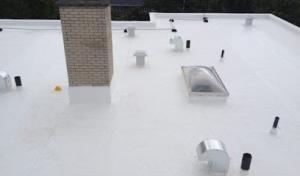
While pitched residential roofs dominate, Neptune's mix of additions, porches, attached garages, and multifamily structures creates a meaningful need for low-slope roofing expertise. These sections often cradle multiple potential water entry points and live long enough to reveal wear from salt-laden winds and seasonal deluge. The coast-influenced moisture cycle makes accurate drainage a priority from day one.
These lower-slope sections are especially vulnerable in the area's heavy spring and summer rain because drainage problems show up faster than on steeper roofs. When selecting materials, prioritize true water shedding capability and consistent slope across the surface. In practice, ensure the field of the roof drains toward a defined path, with clean discharge points and unblocked downspouts. A logically graded surface reduces ponding, which accelerates wear in salty air and Nor'easter-driven downpours.
Transitions where low-slope sections meet older main roofs are common trouble spots in regional re-roofing work. Pay special attention to flashing at those interfaces: use continuous metal kick-out flashings, properly backed and sealed counterflashing, and continuous drip edges to keep moisture from seeping at the seam. If the old main roof is of a steeper pitch, ensure the transition includes a well-finished hip or ridge line that directs moisture off the combined surface rather than pooling at the junction.
In these spaces, the fastening plan matters as much as the material choice. Favor systems with proven wind resistance and solid fastening patterns that hold up in coastal exposure. For retrofits, inspect existing deck structure for signs of moisture damage and confirm it can support the added load and drainage demands of a low-slope addition. Regularly scheduled inspections after major storms help catch issues before they propagate.
Find specialists in TPO, EPDM, and built-up flat roofing systems for residential and commercial properties.
Miller & Sons Roofing & Remodeling
(848) 360-3220 millersonsroofingremodeling.com
Serving
4.8 from 52 reviews
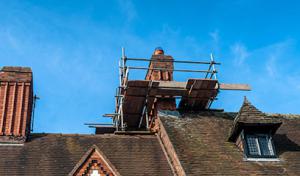
Solar-related roofing work has a visible but secondary presence in the Neptune market, so roof condition should be evaluated before panel installation or reinstallation. The mix of inland freeze-thaw stress and Jersey Shore coastal wind means shingles and flashing face more cycles of moisture movement and salt-laden air than inland neighborhoods. When a roof is nearing the end of its service life, mounting panels on a worn surface invites failures around penetrations or underlayment, which can quickly complicate both roof and solar system performance. A thorough roof inspection should confirm the integrity of the sheathing, drip edge, valley metal, and the primary flashing at chimneys and dormers before any solar work is planned.
In a storm-exposed coastal environment, attachment points and flashing details matter more because wind and water intrusion risks compound around penetrations. Solar racking introduces additional load paths and potential for uplift if flashing around mounts or skylights isn't properly sealed. For Neptune homes, prioritize a roof that already has robust step and counter-flashing, with secure sealant transitions at cutouts and edge trims. Consider panel layouts that minimize long runs across weakened roof areas and reduce the number of penetrations drilled through the deck. A reputable installer should perform a drip-edge-to-chimney-to-ridge assessment, ensuring the system remains watertight even during nor'easters and heavy rainfall.
Homeowners replacing older roofs in Neptune should coordinate timing so they do not pay to remove and reset solar equipment soon after a reroof becomes necessary. If a re-roof is planned, schedule the solar design and installation to coincide with the new roof install, so penetrations and flashing can be integrated with the new deck and underlayment. This approach reduces the risk of wind-driven leaks around mounting feet and helps preserve the longevity of both the roof and the solar system in the face of coastal moisture exposure. A well-timed project minimizes rework and keeps the primary roof in optimal condition for the long term.
Find contractors who integrate solar panels or solar shingles into your roof for long-term energy savings.
Miller & Sons Roofing & Remodeling
(848) 360-3220 millersonsroofingremodeling.com
Serving
4.8 from 52 reviews

Fortified Roofing - Roofing Contractor in NJ
(732) 201-2019 www.fortifiedroofing.com
Serving
4.9 from 205 reviews