Last updated: Apr 19, 2026
Middletown's proximity to Raritan Bay and the Navesink River means every neighborhood faces stronger wind-driven rain and more frequent gusts than inland Monmouth County locations. That exposure pushes shingles, underlayment, and flashing to fatigue at a faster pace. In storms, wind-driven rain can get under edges and along eaves, accelerating deterioration and inviting hidden rot. The housing stock here-older caps, varied roof lines, and mixed venting-creates unique pockets where wind can peel, lift, or bypass common protection. If your roof isn't precisely fastened and properly vented, a single blow can set off a cascade of leaks down the ceiling line. The practical risk is not just a leak; it's a failure that can compromise attic insulation, interior walls, and even electrical systems in the attic space.
Ice damming is a recurring problem when winter temperatures swing through the season. In this coastal environment, moisture-laden air meets cold attic structures, leading to ice buildup along the lower roof edge that backs up melted water into soffits and framing. The result is stained ceiling lines, warped trim, and potential mold development in roof-to-wall transition zones. Summer humidity compounds the problem by inflaming condensation under roofing materials and accelerating the corrosion of metal flashings. If that moisture sits near fasteners or penetrates through compromised underlayment, the damage can spread behind the scenes where you can't easily see it until a heavy rain or a hail event reveals the weakness. The resilience of a roof here hinges on meticulous sealing, continuous ventilation, and an underlayment system designed for a coastal, storm-prone climate.
Storm-driven wear isn't the only pressure. Local roof replacements are commonly timed to avoid the peak snow and the peak humidity windows, which complicate installation. In practice, spring and fall become the most reliable seasons to execute full roof replacements, because the work can proceed with consistent outdoor conditions and less risk of rapid temperature swings that impact adhesive or sealant performance. If your project timeline is constrained, recognize that delays tied to weather or summer humidity aren't inconveniences-they're protections that preserve the integrity of the roof system.
The local market reflects a steady demand for storm-related work. Emergency repair and storm-damage contractors are a familiar sight in Middletown after a significant event. This creates a practical reality: the best-qualified teams are often the busiest right after a storm, and response times can extend as crews maneuver around multiple urgent calls. If a leak or wind uplift issue is suspected, acting quickly to secure temporary weather protection and initiate a professional assessment is essential. Rushed repairs in the aftermath can leave vulnerable details unaddressed, allowing minor issues to evolve into larger failures that require more invasive, costly remediation later.
Begin with a thorough inspection focusing on edge channels, ridge lines, and flashing around chimneys and vent pipes, where wind energy concentrates. Look for loose fasteners, torn underlayment, and shingle edges that have started to curl or lift-signs that the wind has found leverage points. Prioritize ventilation assessment: the attic should balance intake and exhaust to minimize warm, moist air that condenses at the roof deck. Ensure the underlayment selected for a full replacement is appropriate for coastal exposure and wind uplift criteria, not just aesthetics. If a storm has recently passed, don't delay a professional inspection to verify that there's no hidden intrusion behind siding or fascia board. In neighborhoods with frequent storm activity, a proactive, high-quality roof system is the best defense against recurring damage and escalating repairs.
Roof Works
(732) 543-7813 www.roofworksnj.com
Serving
5.0 from 104 reviews
At Roof Works, we firmly believe that you deserve nothing short of the best! Specializing in both residential and commercial shingle roof replacements, roof repairs, gutter installations, and siding installations, we're committed to addressing your key needs. Our commitment to providing top-notch service is reflected in our pursuit of excellence. As a testament to our dedication, we proudly hold certifications with both GAF and Owens Corning. When you choose Roof Works, you're choosing quality without compromise. Our focus on delivering a flawless roof installation every single time is our promise to you. It's this promise that sets us apart and affords you the peace of mind you deserve.
Shingle Guard Roofers
Serving
5.0 from 20 reviews
Shingle Guard Roofers is Middletown's premier destination for high-quality roofing services.
Rhino Roofing NJ
(908) 415-3160 rhinoroofingnj.com
Serving
4.9 from 114 reviews
Having been in business for over 30 years, we pride ourselves on a commitment to customer satisfaction and competitive pricing. We install and repair a variety of different roofs—asphalt, metal, fluid applied acrylic and more. We back every project with the industries longest included labor warranty of 10 years. Contact us today to learn about your roofing options and to schedule your free, no obligation estimate.
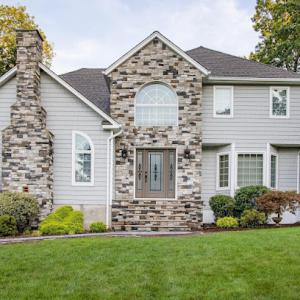
London Construction Exterior Services
(973) 362-5447 www.londonlcs.com
Serving
5.0 from 7 reviews
London Construction Exterior Services is a full-service construction company specializing in all types of roofing, siding, window and remodeling services. The company holds 20 plus years of rich history in the exterior construction field. We offer a wide range of services for residential or commercial clients including roof repair and replacement, siding installation and repair, gutter repairs and installation and window installation and replacement. We are licensed, fully-insured company holding million dollar worth workers compensation to provide a peace of mind to our customers when we work on their projects. We provide free onsite estimates. Get in touch with one of our experts to learn more about our exterior construction expertise.
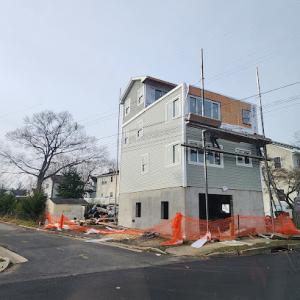
Ed Watson Home Services
Serving
5.0 from 32 reviews
Your Trusted 2nd Generation GAF Roofing & Siding Experts in Monmouth County As a Certified GAF Roofing Contractor proudly serving Monmouth County, New Jersey, we are your premier source for comprehensive exterior remodeling and repair services. We bring proven expertise and local commitment to every project, whether residential or commercial. Comprehensive Exterior Solutions We specialize in delivering durable, high-quality results across all aspects of your property's exterior, offering full installations and prompt, expert repairs for any issue you may encounter. Our Installation and Repair Services Include: Roofing: New installations and leak repairs (Residential & Commercial). Siding: Replacement and repair of all exterior siding
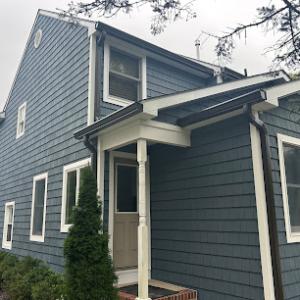
Garden State Roofing
(732) 787-5545 www.gsroofingnj.com
Serving
4.6 from 63 reviews
Garden State Roofing & Siding works with all types of roofing systems in the state of New Jersey. We provide service for new construction, tear-offs, re-roofing, TPO, and EPDM commercial roofing systems. At Garden State Roofing & Siding, we pride ourselves on our commitment to quality, and that's why we are GAF Master Elite Roofing certified. Our team of experienced and certified technicians can easily tackle any roofing project, ensuring you receive top-notch workmanship every time. Our experienced team also offers siding, gutters, windows, and more.
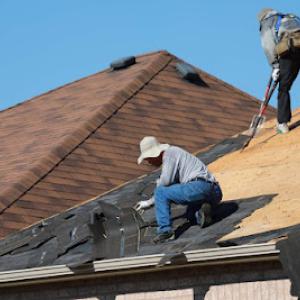
Fimi Roofing & Siding
(908) 484-9670 fimiroofingandsiding.com
Serving
5.0 from 73 reviews
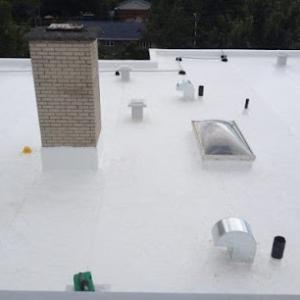
A top notch roofing service that is over 20 years in the business is one phone call away. Reach Fimi Roofing and Siding and we will exceed your expectations.
Neighborhood Roofing
(609) 276-9557 www.neighborhoodroofingnj.com
Serving
5.0 from 23 reviews
Serves All of NJ, Monmouth, Ocean, Middlesex, Essex, Hudson, Bergen, Morris, and Passaic. At Neighborhood Roofing, we take pride in being one of NJ's most trusted roofing contractors. With years of experience and a team of skilled professionals, we are dedicated to delivering top-notch roofing services to our clients in all of NJ, Monmouth, Ocean, Middlesex, Essex, Hudson, Bergen, Morris, and Passaic.
Salvador Roofing
Serving
5.0 from 8 reviews
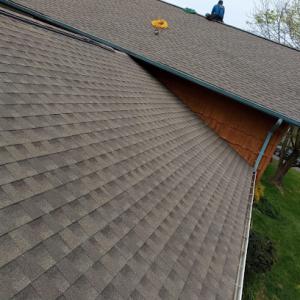
Salvador Roofing safeguards Asbury Park and all of New Jersey with residential and commercial roof installations, repairs, and replacements, boasting a decade of expertise.

Westgate Construction
(732) 393-2572 www.westgateroofing.com
Serving
4.2 from 11 reviews
General Contractor, Roofing Contractor, ICF builder, deck builder, window and door installer, and carpentry related work.
Armor Home Improvements
(443) 992-2353 www.armorhome.net
Serving
5.0 from 15 reviews
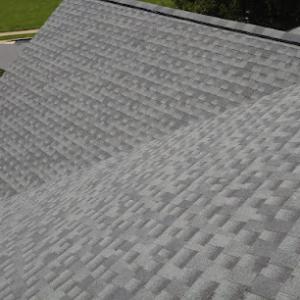
Every roofing problem is serious. And you deserve serious roofing services when your roof is damaged. Armor Home Improvements is a dedicated roofing company in Baltimore, MD that can help with all kinds of issues. Whether your roof just has a small leak or needs to be completely replaced, you can count on us to leave you with a reliable, sturdy roof. As certified GAF installers, our highly-trained team has the skill and experience needed to fix your roofing problem correctly the first time.
Heritage Builders
(732) 813-0298 www.heritagebuildersnj.com
Serving
4.8 from 329 reviews
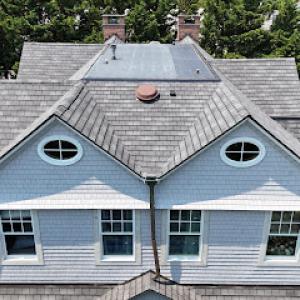
Heritage Builders is a high-end family-owned contractor specializing in roofing (all types), siding (all types), custom home building, additions, decks, windows, & renovations. We do both residential & commercial work and we are fully insured. We offer a wide range of construction services throughout New Jersey and Pennsylvania. We can help whether you need roofing, siding, gutters, a new deck, or an entire home. When you work with Heritage Builders, you can expect competitive pricing, along with quick & reliable service; all while keeping a clean, safe work environment.
The cold-winter pattern in this area drives freeze-thaw cycles that are especially hard on eaves, flashing transitions, and older shingle roofs. When evenings stay below freezing and daytime sun doesn't fully reach the roof line, water that melts on the upper roof can refreeze at the colder edges. Over time, this creates a stubborn ice dam that pushes against flashing and ridge vents, forcing meltwater under shingles and into attic spaces. In neighborhoods where homes have varied age and roof geometry, shared walls, dormers, and multiple additions create uneven heat loss. That uneven heat loss becomes a map for localized ice buildup, so what looks like a small dam on one slope can be a larger, stubborn issue on another.
Snow followed by refreezing is a recurring local risk for ice damming. When snow blankets the roof and then refreezes at night, the resulting ice edge can act like a dam that blocks drainage. The attic plays a decisive role here: poor or uneven ventilation traps heat and moisture, which softens asphalt shingles and invites ice to cling to the eaves and around flashing. A replacement inspection should examine how attic vents, soffit intake, and exhaust airflow line up with the roof's cold zones. If underlayment isn't properly laid and maintained, the first thaw can push water into the decking and along the interior walls long before a leak is obvious from the ceiling.
Older neighborhoods often feature rooflines with dormers and additions that create sharp transitions and changes in pitch. Those features can become hot spots for heat escaping into the attic, even when the rest of the house is well insulated. When heat leaks unevenly, ice forms more quickly along eaves, but it can also creep up onto flashing at valleys, skylines, and step-down transitions where flashing meets shingles. The result is a pattern of intermittent moisture intrusion that shows up as damp drywall, peeling paint near ceilings, and spotting along interior cornices. Recognizing these hotspots during a replacement or major repair makes it possible to plan for ventilation tweaks, better underlayment coverage, and flashing upgrades that hold up to Middletown winters.
During a roof replacement, focus on improving drainage efficiency and controlling heat in the attic. Ensure the underlayment is continuous and extends over eaves and hips without gaps, and that flashing transitions are securely tied into the ridge and dormer junctions. Ventilation should be rebalanced to reduce attic heat buildup, prioritizing intake and exhaust paths that align with the roof's geometry. Sealing gaps around vents and chimneys helps keep warm air from migrating into the attic and thawing the roof surface from above. For roofs with multiple angles or dormers, consider a careful review of ridge vent placement and the potential need for additional soffit or gable vents to equalize pressure and airflow. By addressing these details, you reduce ice dam risk not just at the obvious edge, but along every complicated corner of Middletown's aging rooflines.
In Middletown, asphalt shingles remain the practical workhorse for the majority of suburban homes. They handle the coastal wind better than they used to, especially when a good underlayment and proper fastenings are in place. Look for architectural or dimensional shingles with a stout nailing pattern and wind-rated shingles for the bayside exposure. For winter, ensure the ridge vent and soffit ventilation are paired with a solid underlayment to minimize ice damming risk from water trying to back up under the roof edge. When considering replacement, match the shingle color and granule finish to nearby roofs to maintain curb appeal, while paying attention to roof pitch and any potential shading that could affect heat buildup or moss growth in humid seasons. In practice, heavy pine-needle litter and coastal salt wind can accelerate wear at the rake and eave edges, so plan for edge-on flashing and boot repairs as preventive steps.
Clay tile and concrete tile bring a coastal-resilient aesthetic and excellent durability, which is why you'll see more of it on older or higher-end coastal-area properties here. These materials excel at shedding moisture and surviving wind when installed with skilled flashing and appropriate clearance from valleys and dormers. The key locally is structure: ensure the roof deck is solid enough to support the load, and that mechanical fastening aligns with local wind uplift expectations. Clay and concrete tiles require careful matching of replacement tiles to preserve the look and prevent mismatched flashing gaps where wind-driven spray can creep in. Expect maintenance on flashing around chimneys, vents, and roof-to-wall transitions to be a periodic necessity, given coastal exposure and seasonal humidity.
Slate is the long-term, high-end option that some Middletown homes wear with pride. It handles moisture and wind very well when embedded in a rigid substrate and paired with precise flashing details. The locally relevant note is matching replacement pieces during repair work to avoid visible seams and to maintain a uniform surface under wind gusts and freezing cycles. Slate's weight calls for a competent structural assessment before installation, and flashing must be integrated with the slate's joints to resist damp air and salt spray that creep in with storm-driven air currents.
Metal options like aluminum and copper are increasingly common due to coastal moisture exposure. Aluminum offers a lighter footprint and good wind resistance with fast, straightforward installation, while copper brings a premium look and excellent durability in salty air. For Middletown homes, metal roofs shine where long-term resistance to moisture and ice damming matters, and where contractors can properly seal seams and maintain edge flashing. Copper develops a patina that many homeowners value but requires careful matching at fasteners and flashings to keep corrosion from creeping under the panels. In all cases, ensure the roof's underlayment and ventilation are designed to work with metal panels to minimize condensation-related issues during humid seasons.
Provided local cost ranges per square are $350 to $550 for asphalt shingles, $700 to $1000 for clay tile, $650 to $950 for concrete tile, $900 to $1400 for slate, $1800 to $3200 for copper, and $500 to $900 for aluminum. In practice, a simple asphalt shingle replacement on a straightforward ranch or split-level can land near the lower end, while a complex two-story with multiple chimneys or skylights pushes toward the higher end. Premium materials like slate, copper, or concrete tile bring substantial upfront costs and more labor for proper installation, especially when wind uplift and ventilation details are under tight inspection during a full replacement.
Costs in this area can rise when coastal storm demand compresses contractor schedules, especially after wind and rain events that trigger emergency repairs and insurance inspections. That means a window to start the job might tighten, and crews may quote premium rates to cover accelerated timelines. Older homes with heavy premium materials, multiple roof penetrations, or unusual pitches also widen pricing variation beyond a simple shingles-only market. If your roof has a chimney chase, skylights, or a steep slope, plan for an uptick above the base material range.
Begin with the material you're most comfortable maintaining long-term. Asphalt shingles stay the most price-stable, but if you're weighing longevity and wind resistance, consider modifier costs for underlayment, ventilation, and proper flashing-areas that are closely examined on full replacements. For planning, assume the higher end of the listed ranges for premium options or complex layouts, and add a contingency for scheduling shifts after major coastal storms. A timeline buffer helps you avoid emergency repair premiums and aligns with insurance inspection windows.
After a storm or during peak seasons, contractors may queue up quickly, and prices can drift upward due to demand. If you're upgrading to a heavier or more wind-rated system, coordinate with a roofer on a phased plan that minimizes exposure to moisture while keeping ventilation and underlayment requirements met. In this climate, a well-timed replacement that addresses winter ice damming and humid-season moisture is not just aesthetic-it protects your home's envelope and interior comfort over the long haul.
Get a clear picture of your project costs upfront - no commitment required.
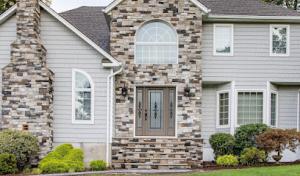
A full roof replacement in Middletown requires formal authorization from the local Building Department before any tear-off or installation starts. This process is designed to ensure that the new roof will stand up to coastal wind exposure, seasonal moisture, and the town's specific underlayment and ventilation requirements. Start with the contractor submitting plans and a scope of work that clearly calls out underlayment type, fastening pattern, venting details, and the intended roof system. Expect the review to confirm that the installation will meet Middletown's wind uplift standards and that venting will support attic air exchange to minimize condensation during humid seasons.
Local inspections in Middletown are not a mere final sign-off. Inspectors commonly verify underlayment installation, the nailing pattern, proper venting, and wind uplift compliance while the work is in progress and again after completion. This means the project can be paused if any element appears out of spec, and the contractor must correct issues before the permit is closed. Your contractor should schedule inspections at key milestones-typically framing, rough-in, and final-so documentation lines up with the actual workmanship on the roof. The emphasis on fastening and venting details reflects how coastal winds and winter moisture interplay with roof performance in this area.
Because Middletown inspection attention includes fastening and venting details, homeowners should expect the contractor's scope to be more than a simple tear-off and reshingle. A compliant project considers attic ventilation adequacy, the uniformity of shingle nailing, and the continuity of protective layers around chimneys, vents, and valleys. Ask for a written checklist tied to the permit plan that shows exact fastening patterns for shingles or tiles, location of any exhaust vents, and measures to address potential wind uplift at edges and hips. This proactive approach helps prevent rework and aligns with the town's emphasis on durable installation in a marine climate.
Keep a clear line of communication with the Building Department and the contractor. Have all permits, plan sheets, and inspection notices accessible, and confirm appointment windows ahead of time. In a coastal town with varied housing stock, a well-documented process helps ensure the project proceeds smoothly despite weather interruptions or scheduling constraints. If questions arise about a specific detail-such as a ventilation retrofit or an enhanced fastening pattern-address them early to align with Middletown's inspection expectations and the eventual long-term performance of the new roof.
New Jersey insurers commonly want roof-condition documentation and prior-claim history, which matters in Middletown because weather-related roof claims are tied to wind and storm timing. When a claim is filed after a coastal squall or a winter melt, the carrier will look for a clear record of what failed, when it failed, and what steps were taken to protect the interior. Having organized photos, dates, and any previous claim notes ready can slow the process, or work in your favor, if the damage aligns with documented weather events.
For storm-related work in Middletown, carriers may request photos and an adjuster site visit before approving scope, so homeowners should document damage immediately after local weather events. Take wide shots of the roof and surrounding areas, then close-ups of shingles, flashing, and any attic signs of water intrusion. Note the timing of the storm, wind direction, and any noticeable debris. Keep a log of voice messages or emails with the insurer so nothing slips through the cracks before an inspection is scheduled.
Regional premium pressure and weather-risk reassessment can influence whether owners repair selectively or replace proactively before another claim cycle. If a claim is approved for a partial repair, be prepared for questions about whether a broader, proactive replacement would reduce future risk. The adjuster may weigh how long the roof has left in its usable life against the likelihood of successive storms, so timely, accurate documentation becomes a practical shield against disputed scope.
Connect with contractors who help homeowners navigate the claims process from damage assessment to final approval.
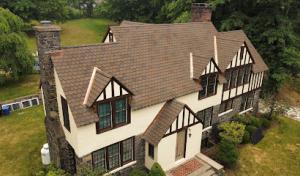

Miller & Sons Roofing & Remodeling
(848) 360-3220 millersonsroofingremodeling.com
Serving
4.8 from 52 reviews
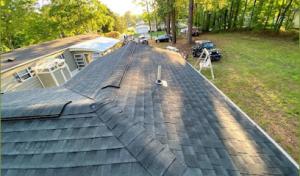
Skylight service is notably active in Middletown's contractor market, signaling that leak-prone roof penetrations are a meaningful local homeowner concern. When a leak shows up, the first focus is often the skylight perimeter rather than the field shingles. Leaks may arrive after winter thaws or humid seasons, and coastal wind exposure can stress flashing around the skylight curb. Check for dried or cracked sealant, loose flashing, and any foam or glazing that has separated from the curb.
In practice, ensure flashing transitions are fully integrated with the roof deck and valley lines nearby. Use a flashing boot designed for flat or low-slope skylight bases, and verify that the sealant bead remains continuous without gaps. If a skylight shows persistent condensation or fogging inside, address the interior glazing as well as the exterior flashing. When replacing a skylight, opt for units with laminated glazing and a robust curb flange to better resist wind-driven moisture in storm season.
Chimney-related roofing work is also common locally, which fits the stock of older homes where flashing transitions often drive leak calls. Inspect the chimney crown and surrounding flashing for cracks, rusted or lifted step and counter-flashing, and worn masonry sealant. Valleys near a chimney are particularly vulnerable to moisture intrusion; ensure proper termination and sealant continuity at the first sign of movement or staining.
On roofs with multiple penetrations and additions, leak diagnosis is often more about flashing and tie-ins than field shingles alone. Map all penetrations, then trace leaks to overlaps, boot corners, and transitions where two different materials meet. The goal is to seal the moving interfaces so wind-driven moisture cannot find a route into the attic.
Find contractors experienced in skylight installation, flashing, and leak repairs to bring natural light into your home.
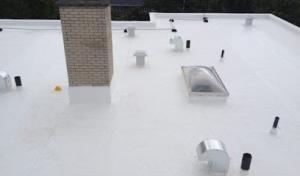
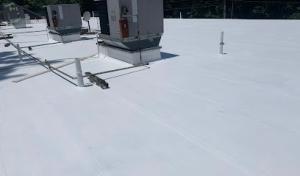
Flat and low-slope roofing shows up in Middletown more than some homeowners expect, especially around additions, porches, or rear sections where the low-slope transition meets the steeper main roof. Those joints become chronic leak points if the detailing isn't dialed in. The coastal wind and humid summers push moisture into seams, and heavy spring rain can reveal drainage and seam issues on these sections long before any trouble shows up on the primary roof. The most telling signs are pooled water along the edge, wisps of moisture in the attic near the transition, or wet streaks that run down the wall framing after a rain. When these symptoms appear, the problem is not just the surface but the connection between planes.
In this climate, you want a low-slope system that resists wind-driven lift and maintains a clean seam when it's wet. A shingle-over cap sheet with a compatible underlayment is common, but the real durability comes from selecting a membrane with proven edge detailing and sufficient slope continuity at the transition. If the addition uses metal or single-ply, verify that the seams are heat-welded or mechanically locked, and that the flashings at the main roof junction extend properly over the transition to keep wind-driven spray from sneaking under. Dark, smooth surfaces can encourage water sheeting, so ensure the surface texture and slope promote positive drainage toward a defined gutter or scupper. For repairs, you'll often see fabric reinforcements or fleece-backed membranes used at the step-downs to bridge joints without creating a new failure point.
The installation sequence matters here. Have the low-slope area fully flashed to the steeper roof with continuous, corrosion-resistant metals at the transition, and confirm that the drip edge and gutter lines direct water away from the wall instead of onto the siding. During maintenance, inspect those transition zones after heavy rains for signs of pooled water, lift, or micro-cracks in the sealant. A proactive approach-checking seams, fasteners, and drainage alignment annually-saves the interior from the seasonal push of moisture and wind that Middletown routinely faces. If you notice any recurring dampness near the junction, schedule a targeted inspection before the next spring deluge.
Find specialists in TPO, EPDM, and built-up flat roofing systems for residential and commercial properties.
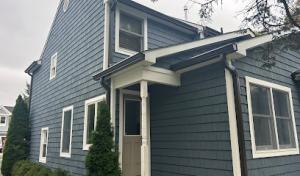
Coastal wind in Middletown can drive wear on roofs quickly, especially on the coast-facing exposure points where wind-driven debris and uplift stress common asphalt and metal systems. Winter ice damming adds a seasonal layer of risk, pushing meltwater under shingles and flashing if attic ventilation or insulation isn't balanced. Humid-season moisture can linger, stressing fasteners and underlayment. For homeowners replacing roofs now, the goal is to build a roof that accommodates future solar equipment without compromising performance or the integrity of the roof deck, flashing, or edges. Asphalt shingles and metal roofs are the most practical candidates for solar-ready details in town, while heavier slate and tile roofs often require more specialized planning.
A solar-ready approach starts with the roof's current condition and the continuity of flashing and edge details. When replacing an asphalt shingle or metal roof, inspect and, if needed, upgrade the weatherproofing around penetrations-vent pipes, plumbing stacks, and HVAC curbs-to allow clean, continuous flashing that won't require later reopening. Attachment points must be chosen to align with the roof's structure and anticipated mounting hardware, avoiding compromised gaps where wind or ice can intrude. Pay attention to the roof's age and remaining life; a newer roof minimizes the risk of rework and ensures solar retrofits won't force early teardown. While heavy slate or concrete tile roofs are workable in this market, their greater mass requires a full structural and flashing assessment before any solar planning is added.
If solar is on the horizon, the roof design should anticipate panel layout without creating high-stress zones. In asphalt or metal systems, plan for clean, sturdy attachment points that won't peel back under wind uplift or freeze-thaw cycles. Ensure attic ventilation remains balanced after any top-layer changes, so moisture doesn't accumulate and compromise underlayment. Consider a weatherproof seal around edge trim and ridge lines that won't corrode with solar mounting hardware. For homes with existing vents or skylights, coordinate their locations in concert with panel rails to minimize penetrations and maintain a coherent waterproofing strategy.
Engage a contractor who understands the local wind patterns, humidity cycles, and the way Middletown seasons stress different roof types. A knowledgeable estimator will assess deck condition, venting, and flashing compatibility, then map a solar-ready path that won't require reopening a newer roof later. The result is a smoother transition when or if solar panels are added, preserving performance and the roof's long life.
Find contractors who integrate solar panels or solar shingles into your roof for long-term energy savings.