Last updated: Apr 19, 2026
Penfield's cold winters drive repeated freeze-thaw cycles that aggressively age shingles. When water freezes and expands, it can lift and crack the surface, opening pores for water intrusion. After a thaw, the cycle repeats, gnawing at shingles' edges and at vulnerable transitions where roof deck meets flashing, vents, and valley lines. That pattern shows up fastest on homes with sun-exposed slopes, underscoring why a once-stable roof can suddenly feel "off" after a harsh winter. The weather pattern in this area means shingle aging isn't gradual-it's accelerated by cycle after cycle, with the effect most visible at eaves and along roof-to-wall interfaces.
Replacement work in Town of Penfield is typically pushed into late spring through fall because winter conditions complicate tear-offs and installation quality. Frozen nails and chilled materials slow crews and risk improper seating of shingles or tiles. In practical terms, this means a home that shows signs of active damage-soft spots, curling edges, or visible granule loss-may not be able to get a full replacement until conditions stabilize after winter. Planning ahead is essential: if there are prior years of ice damming, expect that a major repair or replacement will be coordinated for spring or fall windows when crews can guarantee quality workmanship and a proper seal around flashing and gutters.
Ice damming arises when heat escaping through the attic warms the roof edge, melting snow that refreezes at the eaves. In Penfield, that cycle is almost predictable after heavy snows followed by thaws. Look for icicles that hang in thick, sharp rows along the roof edge, and check for ridges of melted ice along the fascia. More telling are small roof leaks that appear inside attic spaces or along walls near exterior top plates after a thaw. If you notice staining on ceilings near exterior walls or damp spots along the roof-to-wall junction, treat it as a red flag for ice dam damage and a potentially compromised flashing system.
Weak points cluster at eaves, flashing transitions, and ventilation details. Penfield homes with modest attic insulation or venting gaps are more prone to damming because heat builds near the roof edge. Address those areas proactively: improve attic insulation to minimize heat loss, seal gaps around penetrations, and ensure soffit vents, ridge vents, or turbine venting operate freely. At the roofline, damaged or lifted flashing invites water intrusion; any curvature, loose booting around vents, or inadequate sealant requires immediate attention. When a severe winter threatens, temporary measures such as removing snow from critical eave areas can reduce dam risk, but long-term protection depends on a properly ventilated, well-insulated attic and sound flashing.
Storm-related damage is a common trigger for urgent repairs in this area. A hail hit, a windy day that shears shingles, or a thaw-refreeze event that exposes flashing weaknesses can push a homeowner toward decisive replacement rather than patchwork. Because replacement work is most reliable in the spring through fall, a candidate house should be evaluated for full-capability performance-proper shingle or tile seating, a watertight flashing system, and a ventilation plan that prevents future damming. If a winter event reveals hidden vulnerabilities, schedule a professional assessment as soon as practical in late winter or early spring to map out a replacement strategy that avoids repeating the same failure.
If you suspect damage or persistent ice damging, document the affected areas with dated photos and arrange a thorough inspection focusing on eaves, fascia, valleys, and flashing transitions. Prioritize correcting insulation and ventilation gaps to reduce future damming risk. For homes facing imminent spring or fall replacement windows, coordinate early with a trusted local roofer familiar with Penfield's seasonal constraints to ensure the job proceeds with the necessary weather windows and quality control measures.
In western New York, wind and hail events account for a notable share of roof insurance claims, making storm documentation especially important for Penfield homeowners. Spring brings microbursts, sudden squalls, and hail that can ding shingles, loosen flashing, or dent metal. Even when a roof looks superficially fine after a storm, microscopic damage can lurk beneath the surface, ready to worsen with the next freeze-thaw cycle. Understanding the pattern of Penfield storms-short, intense bursts followed by rapid temperature swings-helps homeowners spot problems before they become costly repairs.
Insurers commonly compare claimed damage to nearby weather data, so Penfield homeowners benefit from dated photos and records of roof condition before storms. After a clear spell, take wide shots of the entire roof and close-ups of any granule loss, lifted shingles, or cracked vent boots. Keep a simple log of dates, wind speeds if available, and hail size observations from local weather apps or public reports. If shingles show curling or granules accumulate in gutters after a hail event, note those specifics with a timestamp. When the next storm rolls in, this baseline helps you argue for replacement versus repair and reduces disputes over whether new damage occurred during a later event.
Some carriers in the region have tightened available coverage after large-scale storms, which can affect how Penfield homeowners approach repair versus full replacement. If multiple roof sections show edge lift, flashing corrosion, or widespread granule loss after a single damaging event, repair may be insufficient to restore long-term performance. Conversely, if damage is localized to a small area, a careful patch might be viable-but only if the rest of the roof remains sound and the flashing and underlayment are intact. A practical approach is to evaluate the roof as a system: shingles, underlayment, ventilation, and flashing must all be capable of keeping out moisture through the next freeze-thaw cycle. When storms repeatedly hit, the strain compounds, and replacement can become the more resilient choice to prevent recurring leaks and interior damage.
Prepare by inspecting nearby trees for branch overhang that could cause impact during wind events, and ensure gutters are clean so drainage isn't compromised by storm debris. After a hail event, perform a cautious roof check from the ground with binoculars or hire a trusted local contractor to assess the surface-without climbing on a possibly unsafe roof. If you do climb for a close look, wear proper aluminum-strap footwear and avoid walking on wet or icy sections. Maintain a careful record of any findings, and synchronize those notes with your insurance provider if a claim seems likely. In Penfield, the combination of lake-influenced winters, spring winds, and hail exposure makes timely documentation and careful evaluation of damage essential to prevent hidden issues from turning into expensive surprises down the line.
Find local contractors experienced in assessing and restoring roofs after hail, wind, and severe weather events.
Skyways Contracting
401 Penbrooke Dr, Penfield, New York
5.0 from 59 reviews
City Wide Roofing & Siding Rochester
(585) 318-0948 citywideroofingrochester.com
Serving
4.8 from 21 reviews

Skyways Contracting
401 Penbrooke Dr, Penfield, New York
5.0 from 59 reviews
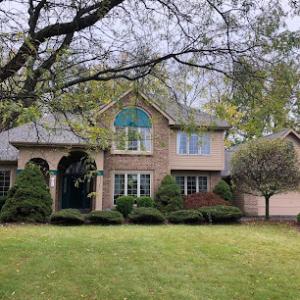
At Skyways Contracting, based in Rochester, NY, we’ve been delivering high-quality roofing and exterior renovation services since 2019. Fully insured and locally operated, we treat every project like it’s our own home. We specialize in residential and commercial roof replacements, storm damage repairs, and preventative maintenance. Our team offers free inspections, drone assessments, and strong warranties for your peace of mind, you work directly with us from start to finish. We take pride in honest communication, hands-on service, and results that last.
Roof Rangers
(585) 434-5489 theroofrangers.com
3410 Atlantic Ave, Penfield, New York
4.7 from 207 reviews
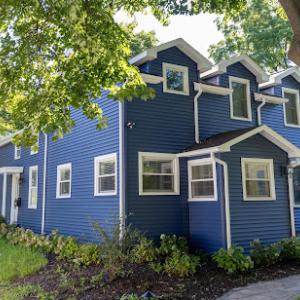
At The Roof Rangers, we’re proud to be your trusted roofing contractor in Penfield, NY, delivering reliable solutions for both residential and commercial properties. As local roofing experts, we specialize in roof replacement, roof repair, and roof installation, as well as gutter and solar services. Our experienced team uses top-quality materials from brands like Owens Corning and GAF to ensure long-lasting results. Whether you're missing shingles or exploring financing options, we’re here to help. Let us handle your roofing needs with the care and professionalism you deserve!
Oaks Roofing & Siding
(585) 247-6257 oaksroofingandsiding.com
Serving
4.9 from 60 reviews
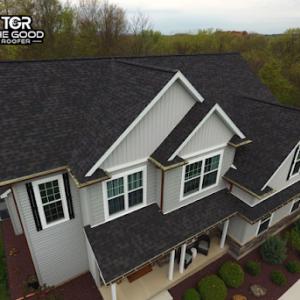
Kris Oaks founded Oaks Roofing and Siding, formerly Oaks Construction, in 2003 with the goal of providing superior construction services to homeowners throughout Rochester, NY, and the surrounding communities. For over 20 years, our family-owned and operated construction company has helped hundreds of customers achieve the home improvements of their dreams.
The Good Roofer in Webster
Serving
5.0 from 21 reviews
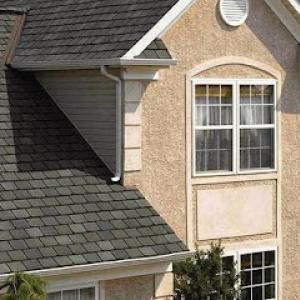
Trusted roofer in Rochester, NY, proudly serving Webster and nearby areas. Our local roofing company offers expert roof repairs, replacements, and inspections using top-quality materials. With skilled roof contractors and a stress-free process, we ensure durable, reliable roofing solutions. Choose *The Good Roofer* for experience and excellence.

Mr. Fix It
(585) 266-7663 mrfixofrochester.com
Serving
4.9 from 131 reviews
When you need roofing and roof repairs or any other exterior repairs completed on your home, you want to work with a contractor who’s committed to ensuring your property will stand against wind, rain, and other natural elements. With more than 20 years of experience, Mr. Fix It in Rochester, NY, has the tools, expertise, and services you need. No matter the size of your project, when you need a new roof,roof repairs, soffit and fascia, or any exterior repairs, there’s no one better than the team at Mr fix it. They will make sure all your homes needs will be taken care of. We at Mr fix it are dedicated to quality.and performance. Mr fix it proudly serves all of Monroe County and surrounding counties.

Ontario Exteriors
Serving
4.8 from 41 reviews
Ontario Exteriors is a trusted roofing and exterior services company based in Fairport, NY, proudly serving Penfield, NY and surrounding areas. As Rochester’s premier exterior contractor since 1995, we provide dependable residential roofing for Perinton, NY and durable commercial roofing for Penfield, NY. Our team specializes in roof installation and complete roofing systems, along with siding installation, gutters, windows and doors, and skylights. We focus on quality materials, skilled workmanship, and clear communication from start to finish. Whether you’re planning an upgrade or addressing exterior concerns, our experienced team is ready to help. Contact us to learn more or schedule a consultation at your convenience.
Rochester Premier Roofing
(585) 233-4576 www.rochester-premier.com
Serving
4.9 from 57 reviews
Owens Corning Platinum roofers, over 15 years of experience in the roofing industry and a 10-year warranty for our work makes Rochester Premier Roofing, one of the leading roofing contractors in Rochester, NY. From roof-repair, re-roofing to new roof installation we are able to do it all. We also offer gutter & siding installation. For a free estimate contact us today!
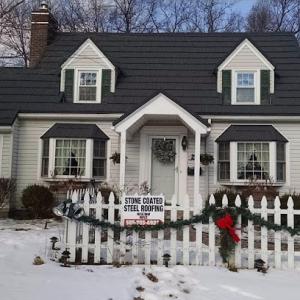
The Metal Roof Outlet
Serving
4.9 from 28 reviews
The Metal Roof Outlet is changing the way homeowner's purchase a roof! Our conveniently located showroom offers consumers the opportunity to shop for their new metal roof on their own time. View your roof in our showroom using Pictometry. See multiple metal roof styles and colors on display and speak with our courteous, knowledgeable, non-commissioned staff. Financing is Available! Member of The Better Contractor's Bureau, Webster Chamber of Commerce, Rochester Home Builders Association, The Metal Roofing Alliance
Rooferdave Roof Cleaning
(585) 414-6267 paintyourroof.com
Serving
5.0 from 28 reviews
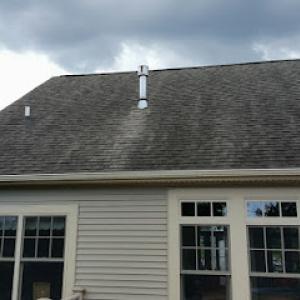
My Name is Dave Parker. I have been a roofer for 32 years. After learning the roofing trade I became the owner of Homefix. RooferDave replaced Homefix after some time. I have installed hundreds of commercial and high end roofs for many top contractors in our area. These roofs were new construction and tear-offs with many re-roofs in between. So, after 30 years I noticed the horrible black algae stains on everyone’s roofs. Some time went by and I came across an article from IKO, a shingle manufacturer, that recommended a way to remove these nasty stains from their shingle products. That’s when I chose to transition into roof cleaning, washing, and painting. And oh yes you can paint your roof, (BEHR paint) with many colors to choose from.
Giordano Roof Replacement & Roof Restoration
(585) 467-6767 www.bestroofingcompanyofrochester.com
Serving
4.9 from 311 reviews
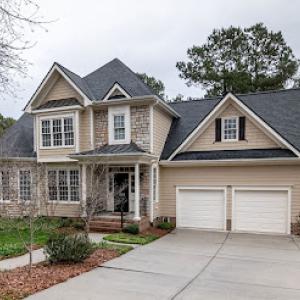
At Giordano Roof Replacement & Roof Restoration, our experienced roofing contractors in Rochester NY can handle your roofing needs. Whether you need a roof replacement, repairs, insulation, ventilation, emergency roof repairs, metal roofing or gutter installation, we have got you covered! From Slate, Clay, Terracotta, Concrete Tile to Metal Roofs we can repair all types of roof your home has. Serving in Rochester, Victor, Pittsford, Mendon NY.
Daniel Roofing
Serving
5.0 from 180 reviews
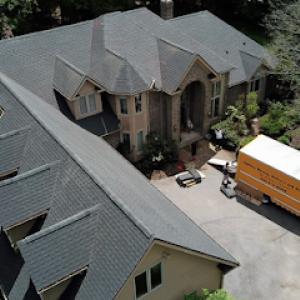
We are one of Rochester's "roofing exclusive" companies, focusing our experience on everything roof related. No matter your roofing needs, we've got your back, including new construction, complete re-roof, repairs, and roof-overs. From small jobs such as sheds and garages, to large homes and commercial buildings, we can handle it all. With most jobs done in a day or two, our team provides exceptional and speedy service, so that we can get out of your hair and you can get back to your daily routine as quickly as possible. We know that a job like this can be overwhelming, and our team is here to help. Call Daniel Roofing today and we'll help you get your roof done right.

Graves Brothers Home Improvement
Serving
4.7 from 918 reviews
Graves Brothers Home Improvement has been locally-owned and operated in Upstate N.Y. since 1977. As one of the fastest growing businesses in the region, they offer their residential and commercial clients Roofing, Siding, Windows, and other Home Improvement services. Graves is a nationally-recognized contractor that has been repeatedly named a Top 100 company in the region as well as one of the top 500 home improvement companies in the United States, annual Angie’s List certification holder, countless product certifications, and more. Graves Brothers services Upstate and Western New York, the Finger Lakes Region and the Capital District from their facilities in Rochester, Buffalo, Albany and Syracuse.
Asphalt shingles dominate the market in this area, and you'll notice a broad mix of homes with this profile from modest colonials to ranch-style houses that face Monroe County winters. The typical cost runs roughly from 350 to 650 USD per square, installed. In Penfield, the freeze-thaw cycle and occasional ice damming make a reliable underlayment and proper ventilation essential, which is part of the price you'll see. If you're watching for a balance of upfront affordability and local performance, asphalt remains the default option, with fast availability and straightforward installation during calm weather windows.
Metal options are increasingly common here, offering strong wind resistance and lighter loads for older structures. Expect pricing from about 700 to 1500 USD per square, installed. In practice, metal can pay off in a storm season when wind-driven hail spikes demand and you want a longer service life with lower maintenance. The local climate's freeze-thaw exposure can be hard on seams and fasteners, so plan for solid installation details and a finish that supports snow shedding without pooling.
Clay tile delivers a distinct look and exceptional longevity, but it's a taller order for Penfield homes. The installed cost typically falls in the 1100 to 2100 USD per square range. Weight and roof structure capacity matter here, especially on older houses. Tile can handle broad temperature swings, yet it's more affected by heavy hail impacts if impact resistance isn't addressed in the selection. Expect longer lead times if you're mixing tile with unique architectural details.
Concrete tile sits between clay and practical asphalt in terms of weight and cost, roughly 800 to 1500 USD per square installed. It handles freeze-thaw cycles well and can be a good compromise for those seeking a heavier look with solid durability. Availability tends to be steadier than clay but still benefits from early planning in the busy spring-to-summer window.
Wood, whether shakes or shingles, runs about 550 to 1000 USD per square installed here. They offer a timeless texture, but they're more sensitive to moisture and hail. Your choice should weigh long-term maintenance and local replacement cycles against the aesthetic you want, especially on homes with steep pitches or historical features.
Synthetic options sit in the 550 to 950 USD per square installed. They mimic natural textures with often better impact resistance and lower maintenance in our lake-influenced climate. If you're weighing a modern profile that still speaks to classic Penfield streetscapes, a synthetic option can be a practical middle ground.
In Penfield, a full roof replacement requires a building permit from the Town of Penfield Building Department. Before a permit is issued, the department typically requires plan review of the proposed replacement. This step ensures that the chosen roof system and installation approach meet local code, ventilation, and attic moisture control requirements, which are especially critical after harsh winters and freeze-thaw cycles. The plan review is meant to catch issues early, so delays here can push back the actual permit issuance and scheduling of work. A homeowner or contractor should be prepared to submit full roof specifications, venting calculations, and flashing details as part of the plan package. Missing or unclear documentation is a common source of hold-ups, so gather manufacturer data and a simple roof layout that shows attic vents, ridge vents, eaves, and eave protection.
Once the plan review is approved, the permit is issued and work can begin. It helps to align the project timeline with the permitting office's hours and any seasonal backlogs that may exist, especially after winter storms or spring winds. Throughout the project, keep a copy of the permit on site and post any required notice or permit tag where it is easily visible. If a licensed contractor is handling the replacement, confirm that the permit base may require inspections at key milestones, not just at the end. When plans change-whether due to ridge vent choices, underlayment quality, or drip edge details-resubmit to the building department to avoid noncompliance issues later in the project. The goal is to maintain a clear paper trail that demonstrates ongoing adherence to Penfield's building standards and to prevent reuse of outdated permits.
An on-site inspection after completion is used to verify flashing, ventilation, and proper installation. The inspector will look at flashing around chimneys, skylights, and roof penetrations, as well as attic ventilation and the overall roof deck readiness for the chosen system. Since department workload can delay timing, scheduling the final inspection as soon as the last course is installed helps prevent hold-ups in essential verification steps. It is prudent to coordinate a single walkthrough with the contractor and the inspector to address any minor touch-ups or adjustments identified during the review. If adjustments are needed, complete them promptly and reschedule the final inspection to avoid rework or extended project timelines. The end result should be a roof that meets local standards and performs reliably under Penfield's freeze-thaw and storm exposure.
Penfield's dominant roofing materials include asphalt shingles, metal roofing, clay tile, concrete tile, wood shingles or shakes, and synthetic or composite shingles. Each material has a distinct response to the area's climate and housing stock. Asphalt shingles are prevalent for their balance of performance and value, while metal roofs excel at rapid shedding and resilience against wind. Clay and concrete tiles bring long-term durability but require a solid structure to support the weight. Wood shingles or shakes provide a classic look but need careful maintenance to resist moisture, and synthetic or composite shingles aim to blend durability with lower maintenance. The right choice depends on roof slope, attic ventilation, and the expected pace of freeze-thaw cycles through winter.
Freeze-thaw cycling in Penfield is a key consideration when comparing materials. Cracking risk increases with asphalt over time in areas that see repeated freezing and thawing, particularly if flashing and fasteners are not regularly inspected. Metal roofing tends to resist surface cracking but can experience fastener movement if not properly installed or maintained, especially when seasonal expansion occurs. Clay and concrete tiles are heavier and handle freeze-thaw well if installed on a reinforced deck, yet their failure modes include edge cracks and tile displacement during winter storms. Wood shingles or shakes are sensitive to moisture and can suffer splitting or cupping after repeated cycles, while synthetic or composite options often offer enhanced dimensional stability but may vary by product line. Understanding the specific climate pattern of your roof helps match a material to expected performance over decades.
Warm summers combined with winter stress make material choice in Penfield a balance between seasonal expansion, moisture shedding, and storm resilience. Metal roofs expand and contract with temperature swings, which can influence fastener longevity if the system isn't designed for Penfield's cycle. Clay and concrete tiles shed moisture well but require careful gutter and underlayment planning to prevent water intrusion during rapid thaw events. Asphalt shingles rely on consistent attic ventilation to minimize overheating and moisture buildup in summer. Wood shingles or shakes demand a tight installation with proper sealing to resist moisture ingress, while synthetic shingles aim to mimic traditional looks while offering improved weather resistance. In all cases, proper attic ventilation, underlayment, and secure flashing are essential to manage the region's moisture and wind-driven storm exposure.
When selecting materials, consider the home's roof geometry, existing deck structure, and long-term maintenance expectations. Heavier systems like clay or concrete tiles may require structural upgrades, while lighter options such as asphalt or synthetic shingles can be more forgiving for mid-size renovations. For storm resilience, prioritize a well-sealed edge details, robust fastener patterns, and a quality underlayment designed for freeze-thaw environments. Regardless of material, a roof that is correctly installed to accommodate Penfield's climate will perform better through winter ice damming and spring wind events.
Find contractors experienced in skylight installation, flashing, and leak repairs to bring natural light into your home.
Skyways Contracting
401 Penbrooke Dr, Penfield, New York
5.0 from 59 reviews
Roof Rangers
(585) 434-5489 theroofrangers.com
3410 Atlantic Ave, Penfield, New York
4.7 from 207 reviews
Autumn in Penfield brings a heavy leaf load that can trap moisture at roof edges and along drainage paths before replacement season ends. Those damp leaves act like tiny blankets, slowing evaporation and encouraging moisture to linger at the eaves and in gutters. If a roof is nearing the end of its life, that extra leaf load can push small leaks from nuisance to noticeable, especially where shingles meet flashing and at valleys. Paying attention to gutter flow and edge cleanliness now helps prevent edge rot from sneaking in just as the weather turns.
Leaf-related moisture retention can hide deck deterioration that only becomes visible once a Penfield roof tear-off begins. When the old roofing is stripped, water-stained boards, warped decking, or corroded nails may suddenly show up. Those issues can require additional repairs you hadn't anticipated, and timing matters: moisture that lingers through late autumn into early spring can accelerate wood damage. If you're contemplating a tear-off, inspect the underlying deck with care and plan for any hidden repairs alongside the roof replacement.
Because replacement work is commonly concentrated from late spring through fall, many homeowners are deciding on replacement as leaf buildup starts affecting roof performance. That seasonality means you may face compressed scheduling and a tighter window for weather-dependent work. Being proactive-addressing leaf buildup before the first cold snaps, coordinating inspections when trees shed most, and preparing for the possibility of uncovering deck issues-can help ensure the project proceeds with fewer surprises when crews arrive.
Chimney-related roofing work is a meaningful part of the local contractor market, indicating Penfield homeowners frequently need attention at roof-to-chimney transitions. The area's cold winters and lake-influenced freeze-thaw cycles push vetting of flashing, mortar joints, and through-flashings. Skylights sit under the same pressure, facing rising moisture from storm exposure and seasonal temperature swings. Expect more attention to flashing around brick and stone chimneys, as well as the junctions where skylight curb meets the roof plane.
When you inspect or plan a repair, start with the primary flashing at the chimney first. Look for lifted metal skirts, loose step flashing, and corroded alkali around the counter-flashing. Ice dam formation often starts here, pushing water under flashing into the roof deck. Skylight flashing should be checked where the curb meets the roof, especially along the long edge seals and the end cap joints. If you see hairline cracks or widened gaps after a freeze-thaw cycle, that's a sign the flashing needs resealing or replacement.
Begin with a controlled test for leaks by gently spraying water along the chimney crown, step flashing, and skylight perimeter during a calm, dry day. If water shows up at the interior ceiling line or along the wall behind the skylight, address the most vulnerable seam first. Remove loose shingles back to solid, clean flashing surfaces, and replace any damaged shingles with ice-and-water shield applied beyond the flashing base. Re-secure or replace counter-flashing where needed, and seal joints with a compatible caulk that remains flexible in cold weather. For skylights, ensure the curb is properly sealed to the roof deck and that the tray or pan beneath the skylight is intact and sloped toward the drainage plane.
Check flashings after major storms, especially if a storm brings hail or high winds. In spring, inspect for any mortar hairline cracking around brick chimneys, as that can shift the flashing under repeated freeze-thaw stress. Keep snow and ice off the chimney crown and skylight areas during mid-winter to reduce direct load on the flashing. A timely reseal or minor flashing replacement now can prevent larger leaks after the next freeze-thaw cycle.
Find contractors experienced in skylight installation, flashing, and leak repairs to bring natural light into your home.
Skyways Contracting
401 Penbrooke Dr, Penfield, New York
5.0 from 59 reviews
Roof Rangers
(585) 434-5489 theroofrangers.com
3410 Atlantic Ave, Penfield, New York
4.7 from 207 reviews
Penfield homeowners should keep records of prior roof condition because regional insurers often request documentation when evaluating wind or hail claims. In the wake of a storm, adjusters review what was already present on the roof before damage, and gaps in history can complicate or delay payouts. This is not about fear of a denial, but about making sure the claim reflects reality, not memory. When the weather pattern in western New York pushes hail and gusts across the lake-influenced shoreline, having a clear paper trail helps support what happened and when.
Nearby weather-event verification is commonly used by adjusters in western New York, so date-stamped photos and repair invoices matter in Penfield claims. Capture multiple angles of the entire roof, including flashing, valleys, vents, and gutters, both before and after any incident. Save invoices for every repair, even small fixes like blown-off shingles or damaged vent caps. Keep a simple log noting the date, time, and observed conditions, especially after storms that deliver high winds or hail. If a contractor issues an assessment, request a written copy that links observed damage to the corresponding weather event.
Coverage tightening after major regional storms means Penfield homeowners may need to review deductibles, exclusions, and actual cash value versus replacement cost terms before damage occurs. Build a organized file now, so when an insurer asks for proof, the process doesn't stall. In practice, that means consistently updating your records after each significant weather event and storing them in a weatherproof place, accessible for quick reference during a claim. This foresight helps ensure that legitimate wind or hail damage is recognized for what it is, not dismissed due to missing context.
Connect with contractors who help homeowners navigate the claims process from damage assessment to final approval.
Skyways Contracting
401 Penbrooke Dr, Penfield, New York
5.0 from 59 reviews
Roof Rangers
(585) 434-5489 theroofrangers.com
3410 Atlantic Ave, Penfield, New York
4.7 from 207 reviews