
Last updated: Apr 19, 2026
Liverpool sits in the Syracuse-area snow belt, so roofs routinely face lake-effect snowfall patterns that can load roof planes unevenly during winter storms. That means you can see sections of the roof carrying heavier weight while others stay relatively light, creating stress points at ridges, hips, and along fascia lines. When the wind-driven snow shifts or settles, flashing and edge details bear the brunt of the weight transfer. The result is not just a snowy nuisance; it's a real risk of premature wear, warped decking, and hidden damage that only shows up after the thaw. Plan for a targeted approach: confirm that fascia boards and edge supports are solid, inspect for soft spots after heavy storms, and treat any sagging or deflection as a red flag. In practice, that means you should keep a careful eye on roof edges after big snow events and schedule prompt inspections if you notice uneven snow buildup or displaced ice along the eaves.
The village's proximity to Onondaga Lake and the Seneca River corridor means cold, damp winter conditions often cycle above and below freezing, accelerating shingle edge wear and flashing movement. Freezing and thawing push shingles at their edges, invite micro-cracks, and loosen flashing where gutters and dormers meet the main roof plane. Ice damming at eaves becomes more likely as meltwater refreezes and creates a frozen barrier that forces water to back up under shingles. The result can be slow leaks that mimic other problems, especially after a thaw when the entire roof breathes and shifts with fluctuating temperatures. Your best defense is proactive care: ensure edge metal and step flashing stay tight, seal any visible gaps around penetrations, and keep the roof's underlayment protected by a continuous, well-sealed barrier at the eaves. If you notice staining near the soffit, unusual icicles that persist, or damp spots inside upper walls after a thaw, treat it as a warning sign to recheck flashing integrity.
In this market, homeowners are more likely to be dealing with ice damming at eaves, refreezing around gutters, and leak entry after thaw periods than with hail-driven roof loss. The recurring pattern of melt and refreeze near gutters pushes water under shingles at the edges, creating concealed leaks that can travel along the attic before becoming visible on ceilings far from the original source. The fix is multi-layered: ensure attic insulation is thick enough and free of gaps to limit warm-air rise, upgrade or install proper attic vents to promote continuous air flow, and install or maintain heat cables only where necessary and with proper control to prevent heat-shaping of gutters and fascia. At the same time, check gutters for loose hangers, ice shields at the eaves, and any pooling water that freezes into dense ice ridges. After heavy thaws or rapid temperature swings, perform a careful interior and exterior inspection focusing on the attic knee walls, ridge vents, and the instant edge area where water might sneak in.
Targeted preventative maintenance matters. Start with a winter readiness check: verify attic insulation reaches recommended R-values with no compression around kneewalls, seal any gaps around chimneys and pipe penetrations, and confirm that flashing around dormers and skylights remains watertight. Establish a simple seasonal routine to clear light, non-heavy snow from the roof edge using a roof rake from ground level-never get on a wet, icy slope. Keep an eye on eaves for ice dams and on gutters for movement or sagging, and address small issues before they become large leaks. If signs of water intrusion appear after a thaw, treat it as a high-priority problem, because the combination of lake-effect loading and freeze-thaw cycles can accelerate edge wear and increase the chance of repeat problems. This is where timely, decisive action protects both the roof and the interior from costly damage.
Late spring through early fall is the practical replacement window in Liverpool because winter tear-offs are complicated by snow cover, frozen seal strips, and unsafe decking conditions. That means planning projects for late May through September gives the crew a safer, more predictable work environment and helps protect you from the normal freeze-thaw cycle that can worsen roof wear. If you're aiming to replace a roof before the first heavy snows of the season, this is the window to target. The idea is to finish before October's unsettled weather and early snows, when access and material handling become more challenging.
Spring in Central New York often brings rain and temperature swings that can expose underlayment and flashing details to moisture if scheduling slips. During this time, a late cold snap or a stretch of rain can slow progress or necessitate extra precautions to dry-in seams and penetrations. Homeowners should build a realistic schedule with the contractor for several dry days in a row and have any pre-finishing tasks wrapped up before the first significant warm spell or shower. In the early fall, the risk shifts again: a wet, windy stretch can delay work as leaves clog gutters and valleys, and cooler nights may slow some sealants. The goal is to keep the roof dry and the interior free of leaks as work progresses.
Summer thunderstorms in the Syracuse metro can interrupt installation days even when the overall season is better for full replacements. Afternoon storm cells can force crews to stop, cover exposed decking, and re-seal after the weather passes. If a project spans several weeks, you'll want contingency days built into the plan for possible weather-induced pauses. On hot, humid days, attic and deck temperatures rise, which can affect adhesive and sealant performance and crew comfort. Clear, dry mornings followed by planned mid-day pauses (or temporary interior protection) help keep the project on track without sacrificing quality.
Coordinate with the contractor to stage materials in a shaded, secure area and to stage access points that minimize tracking mud onto finished interiors. Anticipate dew or frost in early mornings during shoulder seasons, which can delay decking work or misalign underlayment laps if not accounted for. Maintain proper ice dam awareness even in late spring for any lingering buildup, and ensure roof flashings are inspected and protected as installation proceeds. For best results, align arrival, inspection, and work-start times with predictable daily weather patterns typical of this region, and keep communication open to adapt the plan as conditions shift.
Get a clear picture of your project costs upfront - no commitment required.
Dynasty Roofing
(315) 532-9967 dynastyroofingcny.com
7854 Oswego Rd Ste. 201, Liverpool, New York
5.0 from 170 reviews

Dynasty Roofing
(315) 532-9967 dynastyroofingcny.com
7854 Oswego Rd Ste. 201, Liverpool, New York
5.0 from 170 reviews
Dynasty Roofing is a family-owned and operated roofing company built on the strong foundation of delivering exceptional customer service to homeowners and businesses in Liverpool, NY, and surrounding areas for over 20 years.
Grand Homes Construction #13
(315) 415-6639 www.grandhomesconstruction.com
Serving
4.9 from 27 reviews
With over 24 years of experience, we know how to take on all kinds of roofing services, from minor repairs to full roofing installations. Our family-owned and -operated company can carry out any roofing job you need. Homeowners and home builders alike can count on us for roofing services. We're available 24/7 to provide emergency support.

Michael C. Graham & Son
(315) 825-6313 michaelcgrahamandson.com
Serving
5.0 from 113 reviews
Michael C. Graham & Son Construction is Syracuse, NY's top roofing contractor. We specialize in residential and commercial roofing services and are your go-to source for roof repair, gutter installation and window replacement. Need a reliable roofing contractor? Look no further. Our expertise goes beyond the roof to ensure the safety and curb appeal of your home. Schedule a free roof inspection with our skilled team and experience our commitment to excellence
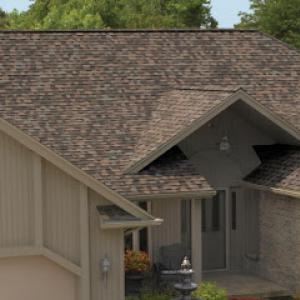
Forte Roofing
(315) 849-4496 www.forteroofingny.com
Serving
4.9 from 372 reviews
Forte Roofing is a local roofing contractor in Syracuse New York, offering professional roofing services at competitive prices from roof repair to new roof installation. An A+ rating from the BBB and hundreds of satisfied customers are what sets us apart from the competition in Central New York. Our goal is to provide 100% customer satisfaction. Contact us Today for a Free Roofing Estimate.

Cuse Roofs
(315) 273-2973 www.cuseroofscny.com
Serving
5.0 from 14 reviews
Cuse Roofs understands your trust is earned and so is your money. That's why we make sure your home receives the same care and personalized detail that we put into our own. Your home is one of the most precious investments you'll make in your lifetime. Your roof's #1 job is to protect that home, which is why our #1 job is to protect your roof. We are one of the leading roofing companies throughout CNY. We provide our services in Onondaga, Cayuga, Herkimer, Cortland, Oswego, Oneida, Madison and Tompkins counties.
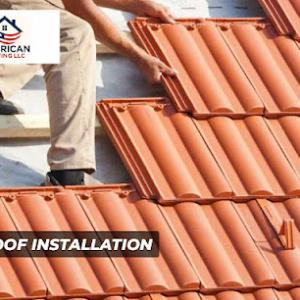
American Roofing
(315) 447-4993 americanroofingllc.net
Serving
5.0 from 5 reviews
Welcome to American Roofing in Fayetteville, NY, where quality craftsmanship meets trusted roofing and exterior care. Our team specializes in roof installation, metal roofing, architectural roofing, siding services, gutter installation, chimney repair, and window installation. From storm damage roof repair and inspections to seamless gutters, vinyl siding, and residential roofing solutions, we ensure your home is protected and looking its best. Every project is handled with care, precision, and a commitment to your satisfaction. Call today for a free estimate and let us keep your home safe, strong, and beautiful!
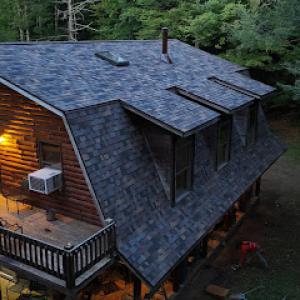
Mike Home Improvements
(315) 641-5591 mikehomeimprovements.com
Serving
4.9 from 126 reviews
At Mike home improvements , we pride ourselves on being your trusted partner in transforming your residential or commercial property. With our expertise and unwavering commitment to excellence, we've earned a well-deserved reputation as the best in the industry. Contact us today to discuss your project, and let us bring your dreams to life.

Graves Brothers Home Improvement
Serving
4.7 from 285 reviews
Graves Brothers Home Improvement has been locally-owned and operated in Upstate N.Y. since 1977. As one of the fastest growing businesses in the region, they offer their residential and commercial clients Roofing, Siding, Windows, and other Home Improvement services. Graves is a nationally-recognized contractor that has been repeatedly named a Top 100 company in the region as well as one of the top 500 home improvement companies in the United States, annual Angie’s List certification holder, countless product certifications, and more. Graves Brothers services Upstate and Western New York, the Finger Lakes Region and the Capital District from their facilities in Rochester, Buffalo, Albany and Syracuse.
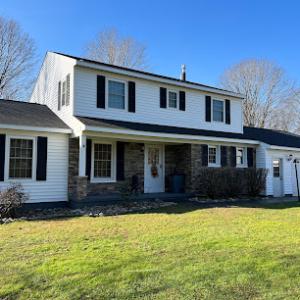
Hometown Exteriors - Roofing & Gutters
(315) 234-4775 www.htexteriors.com
Serving
5.0 from 59 reviews
Hometown Exteriors, a trusted roofing contractor based in Syracuse, New York, is your one-stop shop for all exterior home improvement needs. From roof repairs and replacements to gutter installations and window upgrades, their team of experienced professionals delivers exceptional service and quality craftsmanship. Whether you're looking for a minor fix or a complete overhaul, Hometown Exteriors can help you achieve the look and functionality you desire for your home's exterior.
Onondaga County Construction
Serving
4.6 from 11 reviews
Onondaga County Construction, your trusted roofing experts in Syracuse, NY! With over 15 years of dedicated service to Onondaga County, we specialize in Roof Repair, Roof Estimates, Roof Installation, Commercial Roofing Repair, and Commercial Roofing Installation. Proudly holding an A-plus rating with the BBB, we ensure top-quality craftsmanship and customer satisfaction. Serving Syracuse, Cicero, Dewitt, and Fayetteville, we've got your roofing needs covered. Contact us today for a solid roof over your head & also Get A Free Roofing Estimate!!
Top Notch Roofing
(315) 920-7949 topnotchroofingcny.com
Serving
5.0 from 17 reviews
If you are looking for a roofing quote and insist on quality work at a fair price, put Top Notch on the list. Welcome to Top Notch Roofing, your trusted source for TOP-NOTCH roofing solutions. We specialize in installations for residential properties for asphalt and metal roofing. Please feel free to contact us today for a free estimate.
Erie Home
Serving
4.7 from 360 reviews
Since 1976, Erie Home has manufactured, supplied, and installed the best-performing roofing on the market. By providing ironclad warranties and convenient financing, we ensure that every homeowner we work with receives top quality service and value for their homes and properties. Erie Home professionals are the roofing company of choice in the greater Syracuse, NY area. Whether you need roof inspections or roof damage repair services, Erie Home has been the go-to roofing contractor for nearly 50 years because of our attention to detail and dedication to making sure our customers are satisfied with their results. Contact us today for a quote and see why we're the trusted roofing company Syracuse counts on.
Asphalt shingles dominate the local re-roofing scene because they fit the typical Liverpool home stock and are straightforward to install or replace after harsh winters. They balance weight, compatibility with common roof framing, and a broad range of styles that suit post-winter curb appeal. In a climate with lake-effect snow, you'll notice asphalt's versatility when storms push heavy snowloads onto eaves and hips. Look for upgraded granule protection and a shingle with good embossing to resist cracking from freeze-thaw cycles. On roofs with complex profiles, asphalt's forgiving nature helps maintain flashing integrity around valleys, chimneys, and skylights during rapid temperature swings. Proper underlayment and rigorous attic insulation remain essential: a well-sealed deck reduces the chance of ice dams forming behind compromised shingles, and a vented attic helps keep roof temperatures closer to ambient, limiting gutter melt-and-freeze cycles that stress edges.
Metal has carved out a meaningful local specialty, often appealing to homeowners who want snow shedding plus durable performance in our long cold spells. If you're dealing with frequent ice dams or want to minimize recurring maintenance after winter storms, metal can be a wise choice. Metal's smooth surface guides snow to slide more predictably, especially when paired with appropriate panel profiles and edge details that promote controlled drainage. In practice, a metal roof can spare gutters and fascias from the constant freeze-thaw abrasion that snow-heavy winters impose on other systems. Installers emphasize uninterrupted flashing at roof-to-wall junctions and careful treatment of penetrations to prevent ice buildup at those common weak points. When considering metal, prioritize corrosion-resistant alloys and coatings for our winter salt exposure, and ensure the roof plane is well-ventilated to avoid condensation under the metal skin. A well-executed metal installation can stay weather-tight through many seasons with minimal mid-winter resealing compared to some heavier premium options.
Clay and concrete tile are available options, but they tend to be less naturally aligned with Liverpool's snow-load and freeze-thaw environment than lighter systems. They also require careful assessment of structural capacity because the weight of tile is substantial and seasonal freeze-thaw can amplify stresses if the deck or rafter system isn't prepared. When tiles are chosen, the installation needs experienced hands who understand how to detail tile-to-flashing transitions, venting, and drainage in a way that prevents ice dam formation at eaves and penetrations. If you already have a tile roof and a crusting snowpack builds along gutters, it's important to monitor for cracked tiles after severe cold snaps, since impact from ice and debris can propagate through ceramic or concrete units. In practice, lighter systems with flexible underlayment and robust edge flashing tend to perform more reliably in our climate, so tile requires extra attention to framing, substrate, and professional experience in our snowfall pattern.
Across all materials, the integration of ice dam prevention tactics starts with robust insulation and a barrier-free attic. Ventilation should promote even roof temperatures to limit warm-air pockets that melt snow near the interior and refreeze at the eaves. Flashing around chimneys, skylights, and vent stacks demands extra scrutiny after severe freezes, to avoid leaks that show up as winter storms rattle through Onondaga Lake's lake-effect context. In the end, the best choice balances local snow behavior, roof structure, and the installer's familiarity with Liverpool's typical winter wear.
A full roof replacement in this area typically requires a building permit issued through the Village of Liverpool building department. Before any tool touches the roof, you or your contractor should file for the permit, submit the project scope, and align on mandatory approvals. In practice, the permit ensures that the job considers local snow load, ice dam prevention, and proper flashing around vents and chimneys, which are critical in winters shaped by lake-effect snow. Planning with the building department early helps avoid delays when the crew is ready to start tear-off and re-decking.
Local inspections are commonly scheduled after tear-off and again after completion, rather than being treated as a one-time final-only review. That sequencing gives the inspector a clear view of deck integrity, underlayment choices, and ventilation strategy as the roof takes shape. Expect notices to book inspections at the points when the crew has removed old material, installed new decking and underlayment, and before flashing and vent work are sealed in. A proactive builder or roofing contractor will coordinate these inspections to minimize back-and-forth and keep the project moving through the winter months.
Inspectors in this jurisdiction typically review roof decking condition, underlayment, flashing, and venting for code compliance before the job is fully closed out. Decking must be solid and free of moisture damage or significant deflection. Underlayment needs to be properly lapped and sealed around penetrations to resist meltwater around hips and valleys. Flashing around chimneys, skylights, and roof-to-wall transitions must be continuous and well bedded to prevent ice dam seepage. Venting is checked to ensure adequate attic airflow during freeze-thaw cycles. If any of these areas don't meet code, adjustments are required before the closeout can be signed off.
During the project, keep a clean, organized site and readily available documentation for the inspector-permit card, plan set, manufacturer installation details, and any amendments. After each inspection, address any noted deficiencies promptly, because ice dam risks and freeze-thaw wear hinge on a tight, properly ventilated, weather-resistant assembly. When the final inspection is approved and the job is closed out, ensure all perforating penetrations and flashing are fully secured and that any warranty paperwork reflects the code-compliant installation.
In this market, tear-off often reveals decking damage caused by long-term moisture intrusion after freeze-thaw cycles. When snow sits on a roof for weeks and melts irregularly, ice dams can force water under shingles, masking rot until the old shingles are removed. During replacement, expect to find soft or warped decking, broken fasteners, or compromised underlayment. Plan for those hidden repairs to add time and budget, since they are common after several Liverpool-style winters. A thorough inspection before ordering materials helps prevent surprises mid-project and keeps the schedule from sliding.
Pricing can rise during the short Central New York peak roofing season when many homeowners try to schedule between late spring and early fall. Local crews fill up quickly, and intervals between storms can push jobs into tight windows. If you're aiming for a May or June start, reserve your spot early and confirm crew availability for the specific slope and access needs of your home. Increases are not just in labor; some materials may shift slightly in price as supply chains tighten to meet demand. Build your project timeline with buffer for weather, ice dam prevention measures, and potential decking repairs.
Steeper residential rooflines common in older village and suburban housing stock can increase labor time, staging needs, and cleanup complexity compared with simple low-slope layouts. More time on the ladder, extra fall protection, and careful debris containment add to the bill, even if the material is the same. That means a higher per-square cost for complex roofs, with longer crane or scaffold setups and more meticulous flashing work to prevent future ice dam issues. Factor these realities into both the bid and the expected installation window.
Common materials fall into these ranges per square (10x10 ft): Asphalt Shingles 350-550 USD; Metal Roofing 700-1200 USD; Clay Tile 1000-1800 USD; Concrete Tile 900-1500 USD; Wood Shingles/Shakes 700-1100 USD; Synthetic/Composite Shingles 650-1100 USD. For Liverpool winters, allocate extra for potential decking repairs and enhanced underlayment, plus a contingency for a longer install due to slope. Start with a clear, written scope that captures hidden repairs, ice-dam mitigation steps, and staging needs to avoid mid-project price shifts.
Don't let upfront costs delay a critical repair - these contractors offer payment plans to fit your budget.
Dynasty Roofing
(315) 532-9967 dynastyroofingcny.com
7854 Oswego Rd Ste. 201, Liverpool, New York
5.0 from 170 reviews
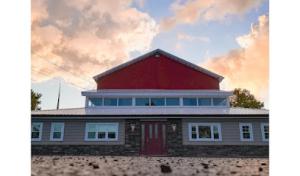
You may find that in New York, insurers want solid documentation of a roof's age and condition. In this area, winter wear can mimic gradual deterioration more than a single storm event, so a quiet, steady decline is easy to misread. When a file lands on an adjuster's desk after a tough season, that prior wear becomes the lens through which every new leak or missing shingle is judged. Gather clear records of roof age, original materials, and any previous repairs so a claim isn't filtered through assumptions about recent events alone.
After major regional weather events, adjuster scheduling tightens across the Syracuse-area market. That means approvals can move slower than expected and documentation needs to be extra precise. Expect more time between damage verification and a formal decision, and plan accordingly for possible delays in replacements or partial approvals. The better you organize the timeline, the less friction there is when the carrier reviews weather-linked claims.
Keep a dated log of interior leak staining that appears after a thaw or a fresh wind event, and photograph exterior shingle loss and flashing displacement as soon as safe conditions allow. Note dates of heavy snow, ice buildup, and wind gusts, especially when ice damming is suspected. Carriers may send an adjuster to verify storm-related damage, so your records should tell the full weather story: when it started, how it progressed, and what you observed inside and out.
If you identify potential damage, preserve affected areas until the adjuster arrives, but avoid further risk by addressing active leaks with temporary patches. Contact a trusted local roofer to assess flashing integrity and snow-load impact, so the documentation you provide reflects current conditions rather than assumed post-storm status. This grounded approach helps prevent small issues from becoming larger, costlier problems once the claim is under review.
Connect with contractors who help homeowners navigate the claims process from damage assessment to final approval.
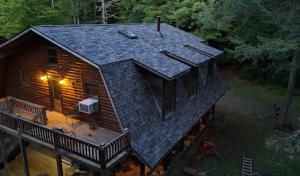
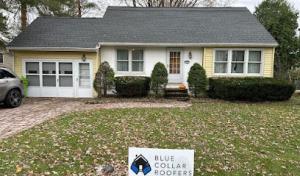
In Liverpool, leak calls often center on eaves, valleys, chimney intersections, and roof penetrations that are repeatedly stressed by snow buildup and thaw runoff. When the snow packs, heat from the attic escapes and melts through the deck, pushing moisture toward these weakest seams. You'll see staining along soffits, damp spots on ceilings, and a know-it-when-you-see-it drip at the edge where water can sneak in between shingles. Stay alert for sudden thaw cycles that spike leakage after a storm, and treat any active drip as a red flag.
Skylights are a meaningful local specialty category, which reflects how curb flashing and surrounding shingles can become vulnerable during freeze-thaw movement. If you notice condensation between the glass panes, cracked seals, or damp patches along the flashing, don't delay. Freeze-thaw cycles push flashing out of square, widening gaps that let water migrate into the attic. Ensure the top flashing, side flanges, and shingle laps around the skylight are sealing well. A quick check after heavy snowmelt can save you a larger, more invasive repair later.
Because many contractors here emphasize quick response and emergency work, temporary tarping and fast leak stabilization are a real part of the local service landscape during active weather. If you spot active dripping, lay a tarp over the affected area and secure it to structural members. Keep gutters clear so runoff doesn't pool near penetrations. For chimney intersections and vents, use temporary sealant or flashing straps to bridge small gaps until a full repair is possible.
Focus on solid flashing integrity where the roof meets walls and at all penetrations. Replacing deteriorated step and counter flashing, re-sealing chimney collars, and upgrading valley protection can dramatically cut recurring leaks. In winter, address any ice dam build-up on eaves promptly to limit back-up behind flashing and under shingles. If you suspect hidden damage, a careful attic inspection after a storm can reveal moisture paths before they become pervasive leaks.
Find contractors experienced in skylight installation, flashing, and leak repairs to bring natural light into your home.
Dynasty Roofing
(315) 532-9967 dynastyroofingcny.com
7854 Oswego Rd Ste. 201, Liverpool, New York
5.0 from 170 reviews
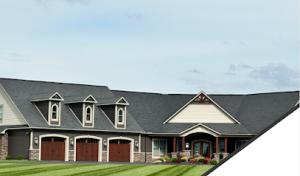
The local market leans heavily toward re-roofing, so you want a crew that brings strong tear-off, cleanup, and residential replacement experience rather than firms focused mainly on new construction. In this climate, crews that routinely handle snow-related wear, ice dam risks, and the staging of materials on winter sidewalks tend to perform more reliably through a full project cycle. A contractor's familiarity with typical Liverpool housing stock-maintenance-heavy eave details, older decking, and mid-century roof lines-can prevent hidden issues from delaying your project.
Choose teams that show a disciplined tear-off method, thorough debris containment, and a defined cleanup plan for each workday. Given repeated winter freeze-thaw cycles, proper staging and protection of landscaping, driveways, and vehicle access are essential. Ask for a clear timeline of the tear-off sequence, how they manage disposal, and how they verify that every corner, valley, and ridge line is clean and ready for new material before the next shift. Long-established crews often have established waste-hauling partners and concrete best practices that reduce on-site disruption.
In this market, long-established and affordable companies are common, which means homeowners frequently weigh responsiveness and cleanup reputation as much as price. Look for referrals from neighbors who had recent roofing, and request a project timeline with milestone updates. The right crew will return calls promptly, provide a dedicated point of contact, and document progress with photos. A strong track record of tidy work sites and reliable follow-through matters more than初appearance or flashy quoting.
Because permit inspections look at decking, flashing, and venting, favor contractors comfortable working through municipal inspection checkpoints rather than bypassing them. Ask how they document flashing replacement, attic vent integration, and underlayment continuity. A crew that plans for inspection milestones and can walk you through the required checks will minimize delays and keep your project on track in the winter weather.