
Last updated: Apr 19, 2026
The cold winters and repeated freeze-thaw cycles create a high-stakes environment for roofs in this area. Ice dams form along eaves after snow accumulates, forcing meltwater to back up under shingles and into your attic. This is a common and urgent hazard in neighborhoods with steep asphalt roofs, chimneys, and skylights, where heat leaks and sun exposure aren't perfectly even. If you've watched icicles grow heavy or heard the drip of water inside walls, you're not imagining the danger: ice dams can cause rot, interior water damage, and accelerated membrane wear that leads to costly fixes later.
Warm attic air escaping into roof assemblies is amplified by steady winter melt-refreeze cycles. As attic temperatures rise even slightly, melted snow can flow toward the colder eaves and refreeze, creating vertical ice barriers that lift shingles and underlayment. This back-and-forth pressure is especially problematic on homes with skylights or chimney flashings, where heat leaks are concentrated. If you've noticed shingle lifting, staining, or damp spots near exterior walls during thaw periods, you're seeing the practical impact of those warm-air pathways.
Start seasonal checks by inspecting the eaves, gutters, and rake edges for dark streaks, peeling coatings, or obvious ice buildup. Pay special attention to areas around chimneys and skylights, where flashing can fail first under freeze-thaw stress. Inside the attic, look for signs of warmth near roof sheathing-shiny, oily, or damp patches indicate heat leakage that needs sealing. If you spot moisture staining after a thaw, treat it as a red flag and schedule a prompt assessment, since delayed response compounds damage and raises the risk of leaks on snowy days.
Prepare for the next snow event by clearing gutters and ensuring downspouts drain away from the foundation. Install or adjust interior attic baffles to create a cold-sail barrier that keeps roof decks cooler and reduces ice dam risk. Seal gaps around chimneys, pipes, and vent stacks with high-quality, low-odor sealant or appropriate flashing upgrades to limit warm air from seeping into the roof assembly. Use insulated, vented soffits to maintain a cold attic environment, and consider adding a temporary exterior heat source or heat cable under the affected eaves where ice dams repeatedly form (with professional installation and safety in mind).
Winter roofing work in this area is often constrained by snow cover and icy access, and temporary leak control is essential before any full replacement can begin. If a roof problem surfaces late in the season, prioritize securing the interior with tarps and temporary leak barriers to minimize interior damage while you coordinate longer-term repairs or replacement. Schedule disruptions should be anticipated: freezing temperatures, wind, and snow can push traditional roof work into narrower windows, so align contractor timelines with the harshest weeks to ensure a solid plan and minimize the chance of back-to-back weather delays.
Spring storms in this region can batter roofs with sudden wind, hail, and heavy rain, and the effects aren't always visible from ground level. Shingle edges can lift, flashing around chimneys and vents can suffer, and gutters can take a direct hit, creating hidden leaks that only show up after a warm afternoon or a thaw. In heavy snow years, lingering ice dam damage often follows a quick thaw, leaving attic heat escaping under shingles and into eaves-a problem that only becomes obvious after it starts dripping inside walls. The pattern is familiar: roofs that look intact from the curb may carry compromised underlayers, vulnerable flashing, or gutter damage that accelerates wear and allows water to intrude where it's least expected.
Because claim documentation expectations are rising in this market, homeowners in Clifton Park benefit from dated pre-storm and post-storm photos and clear scope notes. Keep a dated album or cloud folder accessible for quick sharing with your insurer and your contractor. Take wide-angle shots that show entire roof segments, then close-ups of any dimples, lifted shingles, or dented vents. Note yard debris that could indicate hail impact and document any wind-driven damage to vents, skylights, or chimney caps. After storms, write a simple, time-stamped summary of observed issues: roofs with granule loss, flashing gaps, or gutter separations need clear, slide-ready explanations for adjusters. Preserve receipts, inspection reports, and a written record of all communications with insurers. This isn't a vanity project; it's a practical safeguard against disputes when the market tightens and response times lengthen.
Local demand can spike after regional storm events, which affects response times for inspections, tarping, and full reroof scheduling. If a storm hits, don't wait for a leak to appear before acting. Request a temporary tarp if wind-driven rain threatens to intrude into attics or ceilings, especially where attic vents or skylights are nearby. When you call for an inspection, share your storm date, a brief damage checklist, and the photos you now have on file. If you can't reach a contractor promptly, arrange a minimal temporary measure yourself-keep ladders secure, move valuables away from affected eaves, and shield any exposed interior with tarps until a pro can arrive. Be prepared for a staggered schedule: the local crews prioritize structural risks first, then secondary damage, so plan around potential delays and have a backup plan for temporary temperature control and interior protection.
Keep gutters free of leaves and shingle granules because backed-up drains can magnify freeze-thaw stress. Inspect flashing around chimneys and skylights after a storm cycle; even small gaps can become big water paths as ice forms and melts. If you notice damp spots near ceilings, contact a roof professional promptly to assess whether flashing, underlayment, or structural components were compromised. In periods of heavy activity, pre-storm prep-secure loose objects, trim overhanging branches, and seal any obvious roof penetrations-reduces risk and helps ensure smoother post-storm recovery.
Find local contractors experienced in assessing and restoring roofs after hail, wind, and severe weather events.
Next Generation Roofing
(518) 406-3291 nextgenerationroofingco.com
1858 US-9, Clifton Park, New York
4.9 from 983 reviews
Affordable Roofing & Exteriors
(518) 300-3335 www.affordroof.com
1741 US-9, Clifton Park, New York
5.0 from 124 reviews
All Star Roofing
(518) 609-7663 allstarcontractorllc.net
904 NY-146, Clifton Park, New York
4.9 from 269 reviews
Next Generation Roofing
(518) 406-3291 nextgenerationroofingco.com
1858 US-9, Clifton Park, New York
4.9 from 983 reviews
Next Generation Roofing is a family owned & operated residential roofing company that values honesty and integrity and treats your home as if it were our own. We are experts in all aspects of roofing projects and our services are customizable to fit your needs.
Affordable Roofing & Exteriors
(518) 300-3335 www.affordroof.com
1741 US-9, Clifton Park, New York
5.0 from 124 reviews
We provide high quality, affordable roofing and exteriors services to New York's Capital Region. We don’t cut corners or install cheap products. We don’t do high-pressure sales or hours-long presentations. Instead, we work hard to provide real value, quality install, and superior customer service on every project.
All Star Roofing
(518) 609-7663 allstarcontractorllc.net
904 NY-146, Clifton Park, New York
4.9 from 269 reviews
All Star Roofing Contractor is a locally owned and operated roofing company dedicated to craftsmanship and long lasting protection for every home and business we serve. For over 15 years, we've built a trusted reputation across Clifton Park and the Capital Region by delivering consistent and dependable customer care from start to finish. As a GAF Certified+ Residential and Commercial Roofing Contractor, Owens Corning Preferred Contractor, and an IKO RoofPro installer, we provide industry leading warranties and proven manufacturer backed expertise. We carry full liability and workers compensation coverage, and every roof replacement is overseen by an onsite supervisor to ensure quality, safety, and the unmatched highest level of workmanship.
Elite Contracting
(518) 817-7253 elitecontractingny.com
8 Emmons Dr, Clifton Park, New York
4.9 from 132 reviews
Elite Contracting is a family owned business serving the capital region. We offer high quality roofing services at a great value. Get in touch with us to get a free estimate!
Top Gen Roofing
(518) 633-2477 topgenroofing.com
2023 US-9, Clifton Park, New York
4.9 from 133 reviews
Top Gen Roofing, located in Round Lake, NY, specializes in expert roof replacements and new roof installations. We provide high-quality roofing services, including shingle styles to match your home’s aesthetic, and gutter installations to protect your property from water damage. Our team is experienced in diagnosing symptoms of roofing issues and offering effective solutions. Whether you need a full roof replacement or simple repairs, Top Gen Roofing ensures durable, reliable results with attention to detail. Trust us for all your roofing and gutter needs in Round Lake and surrounding areas.
Mike's Roofing Repair & Carpentry
603 Clifton Park Center Rd, Clifton Park, New York
5.0 from 28 reviews
Roof repairs and replacements An old or damaged ceiling can reduce your property's appeal and quickly turn little problems into more significant ones that could endanger you and others. You can count on Mike's Roofing Repair and Carpentry's carpentry services to help keep your home safe and clear of water intrusions from holes or cracks in your roof that accelerate home depreciation in Clifton Park, NY. We are a company that prides itself on outstanding attention to detail and excellent customer service. Additionally, we only use the latest equipment to ensure we provide you with the best results.
Mastaba Roofing
(518) 757-9168 mastabaroofing.com
800 NY-146 Suite 385, Clifton Park, New York
4.6 from 11 reviews
Welcome to Mastaba Roofing —your trusted expert in residential roof installation, roof replacement, and roof repair across Saratoga County, Broadalbin, Glens Falls, Clifton Park, Albany, Latham, East Greenbush, Amsterdam, Schenectady, and the entire Capital Region. As a premier licensed and experienced roofing company, we take pride in delivering top-quality craftsmanship, durable materials, and exceptional customer service. Whether you need a new roof, a full replacement, or fast repairs, our skilled team ensures long-lasting results you can rely on. Get started today with a free instant quote and experience the professionalism and expertise that set us apart!
Clifton Park Roofing & Siding
6 Hawthorne Ct, Clifton Park, New York
5.0 from 4 reviews
We offer roofing services and siding installation.
United Roofing & Siding
(518) 861-4979 unitedroofingservicellc.com
Serving
5.0 from 60 reviews
Welcome to United Roofing & Siding, your expert roofers in Albany, NY. With decades of experience, we are the trusted choice for top-notch roofing and siding services in the capital region. Fully insured and committed to excellence, our team of professional roofing contractors delivers exceptional workmanship and customer satisfaction. We offer comprehensive solutions as a leading roofing company, from residential roofing installations and roof replacement to commercial roofing and maintenance. As local roofing contractors, we understand the demands of New York’s climate. In addition to roofing, we specialize in siding and gutter installation to protect your property. Choose United Roofing & Siding for reliable, high-quality roofing servi
F&C Pro Roofing
Serving
5.0 from 7 reviews
F & C PRO ROOFING is a top-rated roof repair and roof replacement contractor serving the Albany Capital Region, including, Albany, Colonie, Latham, Troy, and Schenectady. We specialize in leak repair, emergency roof repair, storm damage, shingle repair, siding, fascia, and soffit work. Fast service, honest pricing, and durable results. When you need reliable roofing near you, we deliver quality you can trust.
518 Bernard Roofing
(518) 227-5561 www.518bernardroofing.com
Serving
4.8 from 20 reviews
Coming to terms with a damaged roof can be frightening without the support of a trusted contractor, especially when insurance companies are involved. You want to make sure that you are protected from these problems in the future so you don’t have to repeat the process. Carefully selecting whom you work with can make all the difference in preventing further damage. And it’s nice to know that you have someone on your side if trouble calls again!.
Capital Gutters
(518) 213-2153 www.capitalgutters.com
Serving
5.0 from 72 reviews
Capital Gutters provides gutter installation, cleaning, and repair services to the Capital, Syracuse, and Rochester areas.
Asphalt shingles are a practical fit for much of Clifton Park's suburban housing stock, but freeze-thaw exposure makes underlayment, flashing, and ventilation details especially important. Choose a shingle with good granule adhesion and a cold-weather warranty, and pair it with a solid underlayment that will resist water intrusion during rapid freeze-thaw cycles. In areas around chimneys, skylights, and vent stacks, step flashing should be continuous and well-sealed, with flashing integrated into a robust drip edge. Ventilation becomes critical: ensure soffit and ridge vents provide balanced intake and exhaust to minimize condensation under shingles and reduce ice-dam risk along eaves. Regular inspection after heavy snows helps catch damaged shingles or sagging underlayment before leaks form.
Metal roofing has local appeal because it sheds snow more effectively in upstate winters, but snow-slide management near entries and walkways matters on Clifton Park homes. If you install metal, consider a panel layout that encourages controlled snow movement away from doors, stairs, and driveways. Install snow guards or snow stops at strategic intervals to prevent sudden avalanches onto walkways. Coastal-grade or high-snow-rated panels can withstand freeze-thaw cycles without the same degree of deck expansion as some low-grade metals. Pay attention to fastener corrosion resistance and proper sealing around penetrations to avoid ice backup along eave lines. Complement metal with a compatible underlayment and venting plan to prevent condensation and ice-damming at roof-to-wall transitions.
Slate, tile, and composite options appear in the market, but their weight, repair complexity, and compatibility with existing framing and decking need closer review on older regional homes. Slate and concrete tiles demand structural consideration: verify that the roof structure can bear the load without excessive deflection, especially on steep pitches where wind-blown debris can impact edges. Repairs are more specialized and can be costly if components break or crack. Composite shingles offer a middle ground, mimicking natural textures with easier maintenance, but still require solid underlayment and properly executed ventilation to handle Clifton Park's freeze-thaw cycles. Before committing, have a framing assessment and confirm that existing decking can support the chosen material over the long term.
Chimneys that rise through a shingle roof often interrupt the clean planes of a simple roof. In Clifton Park, this detail becomes a local weak point because masonry chimneys can push against, crack, or misalign the surrounding flashing. The result is a vulnerability that ice and meltwater exploit during freeze-thaw cycles. You should pay close attention to the areas where step flashing meets shingles, where counter-flashing meets mortar joints, and where the chimney apron or cricket ties into the roof. If flashing is exposed to thawing and refreezing, sealant and metal will tighten and loosen with temperature swings, creating gaps that allow water to back up under shingles and into the attic. The consequence is not decorative damage; repeated interior leaks can rot sheathing, trigger mold, and compromise insulation. A thoughtful precaution is to have a roofer inspect chimney flashing after heavy snows or warm spells when ice dam formation is most pronounced. Look for cracked mortar, spalling brick, and gaps at the flashing joints that could permit water movement even on relatively quiet wind-driven days.
Skylights are a common feature on many Clifton Park homes, and diagnosing leaks often requires separating four competing failure points: glazing, curb, flashing, and the surrounding shingle field. The plastic or glass itself may show micro-cracks or sealant failures at the edges, but water can also creep around a curb with shifting roof planes or poor integration with nearby shingles. Freeze-thaw movement around penetrations can magnify tiny sealant gaps into recurring drips. When a leak is suspected near a skylight, don't assume it's the glass first. Inspect the curb flashing for misalignment, flashing step-over where it meets shingles, and any deteriorated sealant between the curb and the roof. Seasonal fluctuations can cause the skylight to settle differently than the roof, creating stress at the interface. If you notice condensation between panes, pinholes in glazing seals, or damp patches along the skylight perimeter, plan for a targeted repair rather than a full replacement, and prioritize flashing remediation and curb integrity before addressing the glass.
Begin with a cautious, staged inspection approach: inspect the chimney flashing area for loose or lifted metal, and check for moss or debris that holds moisture against the flashing. For skylights, confirm that the curb is solid, the flashing is continuous, and the surrounding shingles are not lifting at the edges. In both cases, address any gaps with materials compatible with your roof type, and consider upgrading flashing to more durable metals if prior work shows recurring failure. In winter, monitor steep spots and any areas downstream of the chimney for ice dams, and plan timely resealing rather than waiting for a drip to appear inside the attic. These targeted checks help keep interior spaces dry without overhauling visible roof surfaces that otherwise perform well.
Find contractors experienced in skylight installation, flashing, and leak repairs to bring natural light into your home.
All Star Roofing
(518) 609-7663 allstarcontractorllc.net
904 NY-146, Clifton Park, New York
4.9 from 269 reviews
Elite Contracting
(518) 817-7253 elitecontractingny.com
8 Emmons Dr, Clifton Park, New York
4.9 from 132 reviews
In a town with heavy winter use and spring storms, you'll see pricing swing as contractor calendars tighten after harsh weather. Local reroof pricing in Clifton Park tends to spike after winter damage and during busy spring windows, when crews are filling schedules and travel costs are higher. If you're planning a replacement but don't have a rushed timeline, you can often save by scheduling in the early shoulder season or late fall, when crews are more available and prices stabilize. Expect variations of a few hundred dollars per square over the year as demand shifts.
Asphalt shingles remain the most common choice for suburban homes with steep slopes. A typical replacement runs in the lower-to-mid range for the area, but steep pitches and multiple layers can push costs upward. Metal roofing, clay or concrete tiles, and synthetic options push price per square higher, particularly if the roof has more complex geometry or requires added ventilation and underlayment upgrades. Slate is a premium option that adds substantially to material and labor costs, especially when careful handling and additional structural support are required. In Clifton Park, the local climate and snow load considerations can nudge prices upward compared with milder markets.
Typical cost ranges per square (one square equals 100 square feet) to use as a rough guide:
Homes with multiple penetrations-chimneys, skylights, vent stacks-tend to require more flashing detail, boot replacements, and potential sealing work. Each penetration adds labor time and the chance of discovering hidden issues during tear-off, such as decking deterioration or soft spots. If the roof has many penetrations or the existing decking needs repair, expect the project to move toward the higher end of the range. Chimneys and skylights are not just aesthetic features; their integration with new flashing and venting is a common cost driver when a tear-off reveals compromised decking or requires re-flashing around complex intersections.
Steeper suburban rooflines common to this area create extra safety staging needs and longer setup times for crews. Snow season staging challenges-such as icy access and the need for winterized materials-can briefly extend project duration and labor costs. The location of the home relative to driveways and street access also influences crew logistics and material handling. If the tear-off reveals deteriorated decking or failed underlayment, replacement of decking and additional insulation or ventilation work may be needed, pushing final costs higher than initial estimates.
Start with a rough assessment of roof size and slope, plus a walk-through to note penetrations and visible flashing. Get multiple written estimates that itemize material cost, labor, tear-off, disposal, and any decking or flashing upgrades. If you're balancing several bids, prefer the one that provides a transparent line item for each penetration and flashing detail, plus a clear schedule. With winter damage and spring storms influencing schedules, timing your project to avoid peak windows can help lock in more favorable terms and reduce delays.
Get a clear picture of your project costs upfront - no commitment required.
Elite Contracting
(518) 817-7253 elitecontractingny.com
8 Emmons Dr, Clifton Park, New York
4.9 from 132 reviews
Mastaba Roofing
(518) 757-9168 mastabaroofing.com
800 NY-146 Suite 385, Clifton Park, New York
4.6 from 11 reviews
Full roof replacements in Clifton Park typically require a permit handled through the Town of Clifton Park Building Department. This is not optional; pulling the permit early helps ensure your project aligns with local codes, especially with steep asphalt roofs common on many homes and the need to address flashing around chimneys and skylights. The Building Department reviews structural considerations, drainage, and eave protection to prevent future ice dam risk. If your roof includes unusual materials or retrofit elements, expect the department to request additional documentation from your contractor or designer. Understanding the permit timeline helps align with typical winter work windows.
Inspection sequencing can include verification of decking condition, flashing, ventilation, and code compliance before final approval is issued. During the process, an inspector will check that decking is sound after freeze-thaw cycles, that metal flashing around chimneys and stacks is continuous, and that soffit and attic ventilation meet code for moisture control. In winter months, scheduling may require coordination with weather windows, since significant snowfall can complicate access. Have a clear plan for temporary weather protection during staging to avoid delays in inspections caused by snow buildup. Expect confirmation that roof ventilation meets energy code requirements as part of the overall review.
Project requirements and fees may vary based on house features and scope, so reroof jobs with structural concerns or unusual materials may trigger added review. If the project involves substantial structural repair, roof deck replacement, or integration with skylights and dormers, the Building Department may request engineering notes or additional plan details. Ensure your contractor provides a detailed scope, including decking condition, ventilation strategy, and flashing details, so the permit review proceeds smoothly and readiness for a timely final sign-off. Coordination with the town's inspector will be key to handling any refresh related to ice-dam risk. Avoid starting work before permit issuance to prevent compliance issues or work stoppages.
Insurers serving this region generally still cover reroof projects, but claim activity can increase scrutiny around depreciation, damage scope, and repair-versus-replace decisions. This means the file you build should clearly reflect what happened, what was damaged, and why a full replacement may be more prudent than a patch. Documentation should be precise and orderly, with dates, weather events, and contractor assessments aligned to the sequence of events. Any pre-existing issues-like prior leaks or wear on steep sections and around chimneys or skylights-should be noted so the claim evaluator can separate new damage from older conditions.
Homeowners in Clifton Park should expect requests for clear pre-loss and post-loss photos, especially after storm-related claims. Take sharp, well-lit images of every roof plane, flashing around chimneys, skylights, and ridge lines, plus interior photos of any attic moisture or insulation staining. Organize pictures by location and timestamp them if possible. When storms are recent, submit a chronological album showing the progression from the initial event to the latest repairs. Delays in providing these photos can stall approvals and increase the chance of a partial denial or a shift toward a repair-versus-replace decision.
Some claims in this market may involve requests for engineering input or decking verification, which can affect approval timing and contractor coordination. Be prepared for an insurer to ask for a structural assessment, especially on steep, multi-hip configurations or roofs with significant ice-dam risk. If decking verification is needed, ensure the contractor coordinates promptly with any appointed engineer and shares the findings with the insurer. Timely, clear communication between homeowner, contractor, and insurer reduces the risk of misalignment and keeps the project moving forward.
In additions, porches, and attached garages, low-slope sections often age differently from the main pitched roof. This is common in the Capital Region where snow sits longer and drainage slows in the colder months. Acknowledge that these areas may have different wear patterns, edge flashing needs, and membrane exposure than the primary field of shingles. Planning around this difference helps prevent surprises when you later tackle a re-roof or patch job.
Snow retention and slower drainage on upstate winters make membrane condition and edge flashing more important than on the main shingle field. Inspect the transition from high-slope to low-slope carefully after every major snow melt. Look for membrane cracks, loose seams, or ponding in the low-slope zone, especially near changes in direction or near penetrations like vents and skylights. Edge flashing should be butt-sealed and well-secured where the low-slope meets gutters or fascia, because ice dam risk climbs where water backs up along the edge.
Mixed-slope homes in Clifton Park often need replacement planning that treats the main roof and low-slope sections as separate systems. When a replacement is considered, evaluate the life cycle, flashing details, and drainage path for each system independently, then coordinate at the intersection. Ensure the new materials and fasteners in the low-slope portion align with the existing outer flashing and gutter setup to minimize cold-season leaks and freeze-thaw wear.
Schedule a targeted inspection after heavy snows and thaws, focusing on the connection points, penetrations, and flashing where the low-slope meets the main roof. Consider upgrading to a compatible membrane or improved edge restraint if the existing setup shows aging signs or frequent icicle-related damage. This approach keeps the addition more resilient through Clifton Park winters without overhauling the entire roof.
Find specialists in TPO, EPDM, and built-up flat roofing systems for residential and commercial properties.
Next Generation Roofing
(518) 406-3291 nextgenerationroofingco.com
1858 US-9, Clifton Park, New York
4.9 from 983 reviews
Mike's Roofing Repair & Carpentry
603 Clifton Park Center Rd, Clifton Park, New York
5.0 from 28 reviews
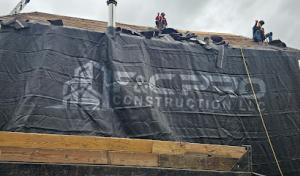
In Clifton Park, late spring through fall is typically the most workable replacement window because snow, ice, and frozen materials complicate winter tear-offs. By targeting that milder stretch, crews can manage material handling, vent and chimney clearances, and attic ventilation checks without the interference of frozen substrates. If you're planning a full roof, align your project so the schedule avoids the peak heat of midsummer and the shoulder periods when rain can push work days back. Early fall offers clearer schedules, but kept-to-cleanups and drainage checks in leaf season require a deliberate pace.
Summer demand can tighten labor availability in this market, while fall leaf buildup can affect cleanup, drainage checks, and site access. On a steep asphalt roof with chimneys or skylights, a fall start means extra attention to debris control and gutter protection. If a crew is juggling multiple projects, confirm a realistic start window and protection plan for your yard and landscape. Discuss ladder safety, roof access routes, and debris containment ahead of time to minimize disruptions from late-season rain and wind.
Homeowners dealing with active winter leaks often need temporary stabilization first, then full replacement once weather and inspections are easier to manage. Temporary sealants and tarping can buy time, but focus on shoring up attic ventilation and addressing ice dams where safe to do so. Plan for a firm, dry-weather window once a weather front passes and the roof can be inspected thoroughly. This staged approach reduces risk to interior spaces and helps ensure the replacement proceeds without weather-driven setbacks.
The local market strongly favors re-roofing specialists who understand a mature suburban housing stock, where steep asphalt roofs, chimneys, and skylights are common features on many homes. In this climate, you will want a crew that speaks the language of long-lasting underlayment, proper attic ventilation, and ice-dam prevention strategies that hold up through freeze-thaw cycles. The best fit are teams that regularly tackle re-roofs rather than general carpentry crews dabbling in new-construction work, because they bring process discipline and material know-how shaped by years of Clifton Park projects.
Quick response and cleanup are major hiring priorities after storm events and during occupied-home tear-offs. When heavy snow or ice events threaten roof integrity, you need a firm that can arrive promptly, protect landscaping and interiors, and minimize disruption to daily life. Look for contractors who have a documented plan for staging, tarping, and debris containment, plus clear communication about timelines, access, and after-work cleanup. In this market, a robust on-site cleanup protocol isn't an afterthought; it's a measure of reliability during stressful weather windows.
Long-established and family-run contractors remain visible in this market, and that stability matters to homeowners evaluating warranty follow-through and service after installation. A business with generational continuity is more likely to honor warranty issues, provide timely inspections, and maintain parts and labor support across years. These firms often offer a personal touch-named crews, direct project oversight, and responsiveness that comes from roots in the community. The result is a smoother experience from contract signing through post-installation service.
In Clifton Park's environment, parameter-driven planning matters: accurate assessment of attic insulation, ventilation, and snow load considerations, plus a clear plan for mitigating ice dams before they form. Homeowners benefit from a contractor who translates this climate knowledge into a concrete on-site approach, including staged work sequencing, indoor protection during tear-offs, and a transparent handoff to maintenance or annual inspection routines. This combination-specialist focus, rapid response, and trusted continuity-helps ensure longevity and peace of mind.