Last updated: Apr 19, 2026
Cold winters and repeated freeze-thaw cycles can widen small shingle, flashing, and decking defects into active leaks by late winter or early spring. In practical terms, what looks minor under a blue sky can become a soggy attic problem once the temperatures swing, the ice melts, and water finds every little crack. The aging stock in many Hartford neighborhoods means there are more latent weaknesses than you might expect: loosened granules on asphalt shingles, oxidized flashing seams, and lumber that has barely held up to decades of freeze-thaw stress. This is not a problem you can ignore until the first warm weekend; by late winter the risk is real and escalating.
Spring in this city brings wind-driven rain and hail that often reveal weaknesses at ridge caps, valleys, chimney flashing, and older roof penetrations. Those ridge caps that look snug after a dry spell can loosen when a winter storm drives water under unsealed seams. Valleys that were marginal last fall may suddenly weep after a heavy rain, and chimney flashing can fail where mortar has cracked or where fastening nails have corroded. If your roof includes clay, concrete, or slate tiles, you may notice displacement or cracking that accelerates once moisture hits a thaw cycle. The gaps created by shrinkage through winter are a magnet for capricious spring winds, and this is when minor defects become active leaks with little warning.
You should be vigilant for dark streaks or damp drywall near ceilings, for shingles that curl or delaminate at the edges, and for any spongy feel when you walk the attic floor. In attic spaces, look for light shining through decking seams or for stained roof sheathing that didn't stand up to the winter moisture. If you notice water stains after a thaw or a quick warm spell, treat it as a true emergency until a professional can assess. In particular, any evidence of wind-driven rain entering around chimney flashing or at roof penetrations means you need an immediate temporary containment plan to keep the interior from worsening while a repair crew is mobilized.
Temporary protection is harder during cold conditions because cold makes safe repair windows smaller and more dangerous. If active leaks exist, prioritize tarping and rapid deck protection to minimize further damage. Use a sturdy tarp, weighted edges, and boards to hold it in place until the roof can be accessed safely. Clear the attic of loose insulation near the leak and create a visible drainage path so water doesn't pool and back up into living spaces. If there is a dormer or a low-slope section, pay extra attention to sealant failures around penetrations and at ridge lines, where wind-driven rain can force its way in.
Document the leak with photos and notes so a contractor can quickly understand the scope. Keep a log of when the leak occurs and how the weather correlates to the problem-this helps pinpoint vulnerable areas like flashing joints, chimney flanges, or scarfed seams. Schedule a professional roof inspection as soon as feasible after a thaw or storm cycle, especially if your roof uses aging materials such as slate or clay tiles. For owners with historic or dense-density homes, expect tighter access windows and plan accordingly to minimize interior disruption. If a temporary patch is needed, ensure the material chosen is compatible with your roof type and will not trap moisture beneath it.
A local roofer will prioritize areas where ice and water backing have caused porcelain-like splits or where deck boards have softened. They will assess flashing integrity, cap fastener corrosion, and the condition of penetrations through valleys and at chimneys. Expect a targeted repair plan that mitigates immediate leaks while laying out a longer-term fix for the most vulnerable sections, keeping in mind the harsh winter-to-spring transition that defines this city's storm season.
In this city, homeowners commonly choose among asphalt shingles, metal, slate, clay tile, concrete tile, and synthetic/composite shingles. Asphalt and slate are especially relevant to the mix of standard and older homes encountered in dense neighborhoods and historic districts. Asphalt shingles remain the practical baseline for many mid- and late-20th century homes, offering a straightforward replacement path with reasonable short-term value. Slate is popular on established, higher-end exteriors where weight and long life matter, but it demands careful handling and qualified labor. Metal roofing can be a good fit for modernized roofs or mid-century houses seeking longevity and resistance to freeze-thaw cycles. Clay and concrete tiles bring distinct curb appeal and substantial durability, yet their heavier weight and precise substrate needs mean higher installation demands. Synthetic/composite shingles provide a budget-friendly alternative that mirrors the look of natural materials while often simplifying installation on aging decking.
Costs in Hartford reflect both material price and the labor complexity that comes with older homes. Asphalt shingles run roughly from 350 to 650 USD per square installed, a range that covers standard removal and deck inspection, plus basic flashing and underlayment. Metal roofing generally sits between 600 and 1100 USD per square, with the upper end reflecting thicker panels, improved insulation, and more meticulous venting. Slate is the premium option, typically 1200 to 2600 USD per square, driven by quarry quality, weight considerations, and the need for skilled slate setters. Clay tile ranges from about 900 to 1800 USD per square, while concrete tile lands around 900 to 1700 USD per square, with heavier weight and longer install times pushing labor costs higher on older structures. Synthetic/composite shingles offer a middle ground, approximately 450 to 800 USD per square, combining easier handling with decent longevity.
On older homes, tear-off reveals can reveal damaged decking from winter moisture cycling, which adds to both material and labor costs. When heavier materials like slate or concrete tile are chosen, expect additional structural evaluation and possibly reinforcement, porch or parapet adjustments, and more specialized labor. In dense neighborhoods, the need to work around limited staging space, tight access, and multi-story facades can further elevate scheduling and crew costs. These factors can push the price toward the higher end of the ranges, particularly if replacement sequences involve multiple roof faces or complex valleys.
Late spring through early fall remains the best window for scheduling a roof replacement here, but seasonal demand during that period can affect timing and pricing. If a storm creates urgent repair work, price pressures and crew availability can rise quickly. When budgeting, build in a contingency for decking checks and potential material substitutions if weight or age of the current structure dictates a lighter or more robust option than initially planned. For older homes, a phased approach or staged replacement may help manage both disruption and cost, especially on roofs with multiple slopes or steep pitches.
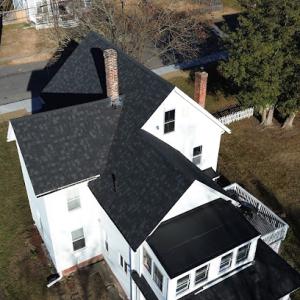
Hemlock Roofing CT
(774) 418-3724 hemlockroofingco.com
105 Evergreen Ave, Hartford, Connecticut
5.0 from 103 reviews
Hemlock Roofing CT serves the Hartford area consisting of roof replacements, roof repairs, and drone inspections. Call for your FREE quote today!
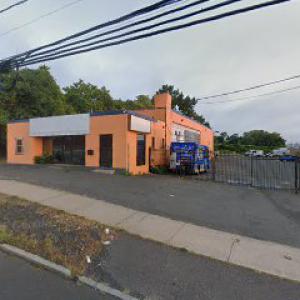
Nayelie Construction
(860) 461-0546 www.nayelieconstruction.com
30 Airport Rd, Hartford, Connecticut
5.0 from 19 reviews
Nayelie Construction Roofing & Restoration is a trusted name in the roofing and restoration industry, serving both residential and commercial clients with excellence and integrity. With years of experience under our belt, we have established ourselves as a reliable partner for all property needs, from minor repairs to major renovations.
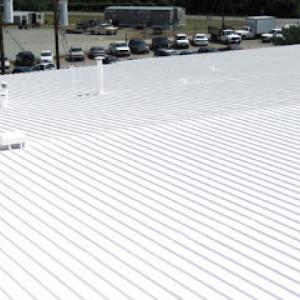
Roofing Services
(860) 707-9171 roofingservicesct.com
275 Pearl St, Hartford, Connecticut
5.0 from 11 reviews
Top Rated Commercial Roofing Contractors in Hartford, CT: Roofing Services offers a full array of commercial roof services for any size customer with a commercial or industrial building to manage. From manufacturing facilities, office buildings, schools, stores, small businesses, apartment complexes, and condos, our commercial roofing company has a solution for every large or small structure. Call us today to discuss your project requirements and request a free estimate. Roofing Services: Commercial Roofing ● Residential Roofing ● Roof Coatings ● Roof Repair ● TPO Roofing ● Flat Roof Specialists ● EPRDM Roofs ● Metal Roofs ● Industrial Roofers ● Flat Roofing Specialists - we are your local Commercial Roofing Company in Hartford, CT.
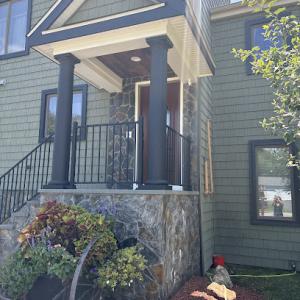
John's Roofing Siding & Windows
(860) 490-8952 www.johnsrsw.com
Serving
4.7 from 78 reviews
John's Roofing Siding & Windows provides roofing, siding, windows, doors, and gutters to the Tolland and Hartford counties of Connecticut.

Olympus Home Improvement
Serving
5.0 from 38 reviews
Our company is a small yet mighty force in the roofing, siding, and gutter industry. Our unique approach to providing exceptional service and unparalleled quality sets us apart from the competition. We go above and beyond to ensure that every aspect of our work meets and exceeds our customers' expectations. Our unwavering dedication to excellence shines through in everything we do, whether it's installing a new roof, repairing a gutter system, or replacing siding. We take pride in our personalized approach to customer care, as we believe that every job is unique and requires individualized attention to detail. With us, you can trust that your home's exterior is in good hands. We are here to provide you with the peace of mind that comes with
Hartford Services
(860) 508-0021 www.hartfordrestorationservices.com
Serving
4.6 from 10 reviews
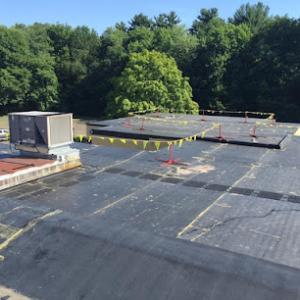
At Hartford Restoration Services, we deliver extensive solutions for commercial roofing needs, addressing everything from flat roof repairs to metal roof installations. Located in East Hartford, CT, our services extend throughout Connecticut, covering Stamford, New Haven, Waterbury, Danbury, and the surrounding areas. Discover how we can meet your roofing needs.
Roofing Company West Hartford
(860) 606-3905 roofingcontractor-westhartfordct.com
Serving
5.0 from 22 reviews
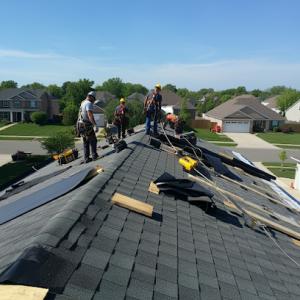
We are Roofing Contractor of West Hartford, and our roofing specialists are here to deliver top-notch residential and commercial roofing in West Hartford, CT, and surrounding areas. Our roofing company’s licensed roofer in West Hartford, CT, offers services such as roof installation, maintenance, replacement, and repair, to name a few. You can count on our residential and commercial roofing specialists if you want a solid and sturdy roof that will serve you for a long time.
JCJ Services
(860) 633-3987 www.jcjservicesllc.com
Serving
5.0 from 5 reviews
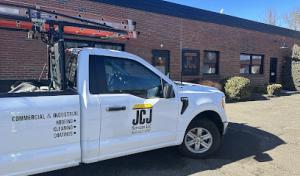
JCJ Services is Central Connecticut's premier commercial and industrial roofing contractor. We offer decades of experience with the full scope of roofing systems used on commercial and industrial buildings. We repair, maintain, and install roofing on a variety of property types, including apartment and office buildings, storage facilities, farm buildings, retail establishments, and more. We also provide specialty services, including masonry restoration and solar.
Connecticut Roofing Solutions
(860) 245-9665 www.connecticutroofingsolutions.com
Serving
5.0 from 215 reviews
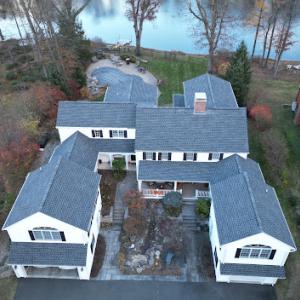
Connecticut Roofing Solutions, based in West Hartford, CT, is your dependable roofing partner, bringing together a team of seasoned experts dedicated to delivering outstanding products and unmatched service. As your go-to roofing company in West Hartford, we provide a comprehensive range of roofing services, ensuring peace of mind through extensive roof warranties and budget-friendly financing options. Our commitment to excellence is underlined by prestigious affiliations and certifications, including GAF Certification. Reach out to us for all your roofing needs and discover how we can make your next project a resounding success!
RRCA - Roofing & Reconstruction Contractors of America -CT
Serving
4.9 from 54 reviews
RRCA - Roofing & Reconstruction Contractors of America, LLC proudly opened its doors in 1993 in Texas, and over the past 30+ years, we’ve completed more than 10,000 roofing projects throughout the country. We are your go-to source for top-quality commercial, residential, and solar roofing services. As one of the top 100 roofing contractors in the U.S., we prioritize customer satisfaction above all else. We ensure peace of mind with high-quality materials, professional craftsmanship, and comprehensive after-service warranties. Our dedicated roofing experts treat every customer like family, ensuring your project is completed to the highest standards—far surpassing industry expectations.

J.T. Burke & Sons
(860) 289-9381 www.jtburkeandsons.com
Serving
4.9 from 389 reviews
Roofing Contractor, Vinyl Siding Contractor, Aluminum Gutters, Replacement Windows, Family Business...
Bartlett Brainard Products
(860) 233-4475 bartlettbrainard.com
Serving
4.7 from 40 reviews
Unleash the potential of your home with Bartlett Brainard Products! Rooted in West Hartford since 1921, we're a third-generation company excelling in roofing, siding, windows, doors, and more. We take pride in our craftsmanship and commitment to quality, recognized as we clinched West Hartford Magazine's Best of We-Ha award for the 7th consecutive year. As BBB members, we underscore our dedication to integrity and customer satisfaction. Handpicking only premium brands like Andersen, Certainteed, Harvey, Owens Corning, ProVia, and Wolf, we deliver a fusion of style and durability. Need a trusted partner for your exterior transformation? Call for a complimentary estimate. Don't forget to follow us on Facebook!
In Hartford, a full re-roof project generally triggers a building permit rather than being treated as simple maintenance. This means the process is built into the city's plan review and inspection schedule, with specific steps you'll need to follow to stay compliant and avoid delays during the busy repair season brought on by storm activity and freeze-thaw cycles.
Your first move is to confirm whether a full re-roof requires a permit for your address, as rules can differ between neighborhoods and historic districts. Contact the City of Hartford's Building Inspection Department to verify permit necessity, submittal requirements, and any neighborhood or HOA overlays that may add review steps. Submittals typically include project plans, material specifications, and a basic shingle or panel layout that shows counts, ventilation, and edge details. A permit review aims to ensure proper flashing, drainage, and wind resistance are addressed-crucial factors when storms push rain and ice toward vulnerable skylights and eaves.
Once the permit is approved, scheduling inspections becomes the next priority. The process usually follows a staged path: a pre-construction inspection to confirm existing conditions, mid-project checks to verify installation conforms to code and the approved plan, and a final inspection to close out the permit. Inspections are designed to verify proper underlayment, roof deck integrity after freeze-thaw cycles, and the correct installation of fasteners, ventilation, and drip edge. Timeliness matters, especially after a wind or hail event, so plan ahead and leave room for potential re-inspections if adjustments are needed.
Some Hartford neighborhoods or HOAs may add their own review or approval requirements before work proceeds. It is common to encounter fencing, setback, or architectural compatibility criteria in historic districts. If your home sits in one of these zones, contact the HOA or neighborhood association early in the planning stage to prevent last-minute changes that could stall permit issuance or inspection scheduling. Clear communication with neighbors can also help minimize disputes about access to shared easements or curb appeal during the project.
Keep all permit documents accessible on-site, including the approved plan set, permit card, and inspector contact information. Prepare the roof area so inspections can proceed without undue delay: clear access points, safe walkways, and a predictable schedule around weather that can complicate ice and moisture management. If a storm event impacts the site, notify the Building Inspection Department promptly to coordinate required repairs or temporary protections that won't violate permit conditions. A well-documented permit trail and timely inspections help ensure the project moves from teardown through final approval with fewer hold-ups after freeze-thaw cycles stress the roof structure.
Wind and hail drive a notable share of roofing claims in Connecticut, and after spring and severe-weather events, Hartford homeowners are more likely to need photo documentation. The way a roof looks in photos can influence how a claim is reviewed, especially when damage isn't obvious from ground level. Focus on capturing recent storm effects, both on the field and near the flashing around chimneys, vents, skylights, and edge details. Photos taken with dates visible and from multiple angles help the adjuster understand the scope before any temporary repairs.
Insurers commonly ask for roof age, material type, detailed estimates, and photographs that show both field damage and flashing or penetration damage. Keep a folder or digital album with receipts for past roof work, contractor notes, and any prior repairs that relate to the current claim. When presenting damage, include close-ups of shingle granule loss, lifted edges, and any signs of moisture intrusion inside attic spaces. Be prepared to annotate photos with dates and what area of the roof each image represents, so the claim review isn't left guessing about scope or location.
Claim outcomes can depend on whether the roof was properly installed and brought back to code-compliant condition, so homeowners benefit from keeping permit and final inspection records. If a storm finds a mismatch between existing installation and current code expectations, that gap can affect reimbursement or repair approvals. Assemble a concise history: prior repairs, original roof type, and any known installation deficiencies. Having clear records at the ready speeds the process and reduces back-and-forth delays during a Hartford-area claim.
Document the scene promptly with wide exterior shots and close-ups of damaged shingles, flashing, and roof penetrations. Note weather timing, names of any contractors visited, and any temporary measures taken to prevent leaks. When talking to your insurer, present a cohesive package that pairs dated photographs with a simple, itemized description of damage locations and observed leakage patterns. Keeping meticulous records now helps ensure a smoother resolution when the claim lands on your desk.
Connect with contractors who help homeowners navigate the claims process from damage assessment to final approval.
Nayelie Construction
(860) 461-0546 www.nayelieconstruction.com
30 Airport Rd, Hartford, Connecticut
5.0 from 19 reviews
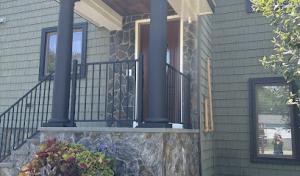

Older housing stock in this city carries a higher likelihood of leak points that aren't easy to spot from ground level. Masonry chimneys introduce extra joints and mortar seams that can crack with freeze-thaw cycles, letting moisture work behind brick and under flashing. Aging step flashing along the chimney and along roof-to-wall transitions often loses its bite over time, especially where the roof deck meets masonry accents or parapets. Those areas tend to trap moisture longer than open roof fields, so expect more frequent checks around chimneys and transitions after big thaw-and-freeze events or fast spring rains.
When inspecting or planning repairs, prioritize the chimney-flashing neighborhood first. Step flashing that looks a little bent or loose from years of wind-driven rain deserves a closer look, since a small misfit can channel water under shingles and onto the underlying deck. Pay attention to the intersections where the roof planes meet brick detailing or dormer headers. In many Hartford homes, popping or curling shingles aren't the sole culprits-the metal interlayers behind them may be the actual failure points after decades of exposure.
Skylights are a meaningful local repair category, and they often reveal themselves during a heavy rain when wind drives droplets at odd angles. Freeze-thaw movement can stress the seals around skylights, while wind-driven rain can pry at the nailing fins and curb connections. When you notice condensation between panes or damp insulation near a skylight, investigate flashing laps and the sealant bed. A careful reseal or flashing adjustment around the curb can restore a long-running seal without a larger roof teardown.
On older Hartford homes, replacement planning often needs to account for hidden deck repairs discovered only after tear-off. Long-term moisture may have been trapped near penetrations, especially around chimneys, skylights, and vent stacks. A teardown can reveal soft spots or cupped boards that were protected by a thin shingle field but exposed once the roof deck is exposed. Expect to address deck integrity in tandem with flashing and penetrations, so that the visible repair isn't undermined by a failed substrate.
When evaluating an aging roof, use a targeted approach: start at the chimney and transitions, then move to skylights and vents, and finally test the surrounding deck for moisture after the removal of any loose materials. Document any frost-cracked mortar, uplifted flashing, or softened deck edges, and plan repairs that address multiple problem points in one pass to reduce disruption in the next freeze cycle.
Find contractors experienced in skylight installation, flashing, and leak repairs to bring natural light into your home.
Connecticut Roofing Solutions
(860) 245-9665 www.connecticutroofingsolutions.com
Serving
5.0 from 215 reviews
Asphalt shingles remain the most accessible option for typical Hartford homes, especially when a faster turnaround is needed after a storm. The area's summers crank up attic heat, which can push the underlayment and sheathing harder if the roof isn't properly vented or if the shingles aren't installed with attention to drainage and flashing. In older neighborhoods where roofs shoulder years of freeze-thaw cycles, the quality of installation shows up in sustained edge and seam performance. Choose a product with a solid warranty and ensure the installer rounds out venting, chimney flu, and plumbing vent connections to stand up to Hartford's seasonal extremes. Regular inspection after heavy rains is prudent because fast-moving storms can exploit small gaps before they become noticeable leaks.
Slate remains a relevant Hartford material because of the city's enduring, character-rich housing stock. Its natural durability pairs well with long-term thinking, but repairs and replacements require specialized handling. Portals, parapets, and valley work demand a contractor who understands slate's unique fastening and cut patterns and who can source consistent batch material. Expect longer lead times and a higher budget when slate needs replacement tiles or when a roof section must be matched to an existing, aging color and texture. Because slate can be fragile, careful navigation around chimneys, dormers, and gutter lines minimizes breakage during maintenance. If the home's roof has significant vintage elements, preserving visual harmony becomes part of the project's value.
Metal and synthetic/composite options offer stronger footholds against storm-driven leaks and the freeze-thaw stress Hartford experiences. Metal panels resist hail and wind-driven debris more reliably than aging asphalt, while synthetic shingles mimic traditional looks with improved weather resistance and reduced maintenance needs. For historic facades or mid-century designs, metal can be shaped to retain a classic silhouette while delivering modern performance. When choosing these materials, plan for careful detailing at roof penetrations and transitions to dormers and chimneys, since smooth integration with existing gutters and flashing matters as much as material choice. This combination can yield a resilient, lower-maintenance roof over time, especially in storm-prone, older neighborhoods.
Explore specialists in steel, aluminum, and standing seam metal roofs built to last 50 years or more.
Roofing Services
(860) 707-9171 roofingservicesct.com
275 Pearl St, Hartford, Connecticut
5.0 from 11 reviews
Connecticut Roofing Solutions
(860) 245-9665 www.connecticutroofingsolutions.com
Serving
5.0 from 215 reviews
Flat-roof systems in mixed residential and commercial blocks create a distinct local market for low-slope repair and replacement. The neighborhood fabric means drainage details, edge flashing, and transitions see frequent foot traffic, parapets, and walkable decks. In this climate, the freeze-thaw cycle in winter and the tendency for wind-driven spring rain expose vulnerabilities more often than on steeper roofs. A practical plan starts with a realistic assessment of the common failure points on these roofs: membrane laps, termination bars, and any flashings at vents or skylights.
Hartford's freeze-thaw conditions stress low-slope drainage areas where standing water or slow drainage increases membrane and flashing stress. Before any punch-list repairs, verify that the primary drainage path is clear, including scuppers, internal drains, and scuttle holes. Inspect the seam laps and field-seamed areas for consistency and security, especially where aging membranes have seen temperature swings. Edge details and transitions deserve extra attention; even small gaps can allow wind-driven moisture to penetrate the system during a spring shower. Consider a targeted upgrade to higher-performance membranes if the existing layer shows aging or blisters.
Wind-driven spring rain can quickly expose weak seams, edge details, and transitions. After heavy rain events, perform a quick leak check on interior ceilings near the lowest points of the roof and around penetrations. In the fall, preemptive resealing of seams and reinforcing edging can prevent a late-season leak scenario. Establish a simple, repeatable monthly inspection during the shoulder seasons to catch small issues before they become bigger repairs.
Create a routine that prioritizes drainage verification, flashing integrity, and parapet protection. Document any changes after storms and season transitions. For accessibility, keep a basic inspection checklist in a weatherproof folder near the utility area or on-site. When you notice pooling, edge deterioration, or bold flashing movement, plan a targeted repair rather than a full replacement unless the membrane shows extensive wear. Flat-roof work benefits from a small-team approach: one person for access and safety, one for inspection, and one for flashing and seam work.
Different materials respond variably to Hartford weather. If choosing a replacement, prioritize membranes with robust seam technology and UV resistance, and pair with wind-rated edge details. For older buildings, consider retrofit flashing kits designed for walkable surfaces to extend service life without disruptive upheaval. Remember that the goal is reliable drainage and durable seals at every transition point, especially where the roof meets walls, penetrations, and mechanical curbs.
Find specialists in TPO, EPDM, and built-up flat roofing systems for residential and commercial properties.
Roofing Services
(860) 707-9171 roofingservicesct.com
275 Pearl St, Hartford, Connecticut
5.0 from 11 reviews
Connecticut Roofing Solutions
(860) 245-9665 www.connecticutroofingsolutions.com
Serving
5.0 from 215 reviews
Late spring through early fall is usually the preferred replacement window because winter conditions complicate tear-off, sealing, and temporary dry-in work. In Hartford, the sequence matters: you gain dependable drying days, better sealant performance, and fewer weather-related delays when you target this stretch. Planning for a mid-May to early-October push helps align with milder temperatures and calmer storm patterns, reducing the risk of renegotiating the job mid-season.
As temperatures lift in spring, roof deck drying becomes more predictable, which helps with underlayment adhesion and shingle seating. Watch for lingering thaw cycles that can push ice dam risks if the attic isn't ventilated well; address ventilation early so insulation and soffit intakes aren't overwhelmed once heat rises. By early summer, attic-side heat stress can accelerate aging of asphalt and synthetic underlayment, so confirm an effective intake and exhaust balance. This timing also helps crews coordinate with weather windows before the peak summer heat arrives.
Fall leaf buildup in Hartford can clog gutters and valleys, which is especially important to address before winter freeze events lock in moisture. A clean gutter and valley line reduces standing water that can freeze and force leaks beneath roofing materials. If a replacement spans into autumn, prioritize a thorough gutter and downspout clearance and a proactive sealant check around penetrations. Target mid-to-late October for final progress checks to ensure the roof is ready to withstand early winter moisture without delays.
Winter weather slows tear-off and dry-in work and can complicate temporary protections. If winter conditions appear unavoidable, plan for a staged approach: partial tear-off when feasible, with reinforced temporary covers, and a clear schedule for completing sealing and underlayment when temperatures reliably rise again.
In this market, leak calls and storm-related repairs tend to collide with tight weather windows. Homeowners often prioritize contractors who can respond quickly and finish the cleanup the same day to prevent interior damage. When evaluating bids, watch for promised response times in the first 24 to 48 hours and a plan for daily cleanup during and after work. A crew that leaves gutters blocked, debris in the yard, or shingles scattered on the driveway can invite new leaks or warrant a repeat visit, especially after a late-w-season cold snap or a windy Nor'easter.
The local mix of long-established and family-owned outfits matters beyond the initial repair. In many neighborhoods, a contractor with a decades-long presence stands behind weathered warranties, follows up on repairs, and can ease the permit closeout process when a project drags into winter. Look for a business with verifiable local references, a track record of performing similar repairs, and a willingness to return for minor adjustments after the job is signed off. A stable company often means smoother warranty handling if a leak reappears during freeze-thaw cycles.
Chimney-related work is a common (and often stubborn) source of trouble after storms or during rapid temperature swings. Confirm that the contractor regularly handles flashing details at masonry penetrations, not just field shingle replacement. Ask for recent examples where flashing was integrated with brick or stone chimneys, valley intersections, and step-flashings around chimney crickets. If the proposal focuses only on replacing shingles without addressing flashing, plan for a follow-up visit that targets the masonry interface and seals any potential leak paths.
Beware of contractors who emphasize low material costs without detailing access routes, roof deck prep, or weather-related contingencies. A credible Hartford-area team should document roof age, identify potential ice dambing risk, and explain the sequence of temporary protections during heavy rain or freezing rain events. Clarify who will supervise the project, how weather delays are handled, and what constitutes a completed job in terms of interior protection and debris removal.
Get a clear picture of your project costs upfront - no commitment required.
Hemlock Roofing CT
(774) 418-3724 hemlockroofingco.com
105 Evergreen Ave, Hartford, Connecticut
5.0 from 103 reviews
Roofing Services
(860) 707-9171 roofingservicesct.com
275 Pearl St, Hartford, Connecticut
5.0 from 11 reviews
RRCA - Roofing & Reconstruction Contractors of America -CT
Serving
4.9 from 54 reviews
Solar-integrated roofing is an active specialty among Hartford contractors, where storm response and seasonal freeze-thaw cycles test every rooftop. If you are replacing a roof and considering future solar plans, treat the timing as a joint decision. Waiting for a second roof cycle to install panels can help avoid rework on flashing, penetrations, and rafter access after the panels go up.
On homes with older, stone- or wood-structured roofs, coordinating replacement before solar installation minimizes the chance of removing rooftop equipment later. A single, well-planned replacement allows the roofing crew to integrate the panel mounting system with a continuous, weatherproof surface. In dense neighborhoods, a phased approach can reduce street disruption and keep ladders and hoses from blocking neighboring driveways.
Solar integration requires careful attention to long-term performance during the city's freeze-thaw cycles and winter storms. The ideal install aligns an impermeable roof with properly flashed mounts and a solar-ready underlayment. Your contractor should review attic ventilation, insulation, and ridge venting to prevent ice dams and interior leaks that stress panels' edge seals.
Permit and inspection coordination matters more when homeowners nearby combine roofing work with other exterior upgrades. If a replacement is planned alongside fascia, gutter, or siding updates, ask about a single inspection path and shared permit records so the project moves smoothly and minimizes rework around roof penetrations.
In all cases, choose established local roofers who understand historic districts and the rhythms of seasonal storms. A solar-ready roof installed with attention to freeze-thaw durability can help protect both the structure and the investment in panels. Think about how future maintenance will unfold with a roof that houses solar equipment. In the city climate, a roof that remains accessible for inspections, vent cleaning, or snow removal should be designed to minimize penetrations and to keep panels serviceable without disassembly.
Find contractors who integrate solar panels or solar shingles into your roof for long-term energy savings.
RRCA - Roofing & Reconstruction Contractors of America -CT
Serving
4.9 from 54 reviews