Last updated: Apr 19, 2026
You're dealing with winter that bites: snow sits, then freezes and thaws repeatedly, loosening shingle seals and stressing flashing details. This is how Bristol's hilly neighborhoods become ground zero for leaks once spring storms roll in. After a bite from a cold snap, the same roof surface that looked fine can suddenly fail at a seam or around a vent pipe. Warm-season storms bring wind and hail that hammer weakened spots, turning small issues into urgent repairs. If you've noticed damp spots inside after a storm or granules in gutters after a thaw, that's a red flag you shouldn't ignore.
Older housing stock often means aging underlayment and compromised flashing around chimneys, skylights, and vent stacks. In Bristol, a shingle pair that seems loose or cupped, a curl at eaves, or staining near valleys can point to freeze-thaw stress that never fully recovered. Hail impact marks, dented metal flashing, or shingles that lift at the edges after a wind event should trigger an immediate roof inspection, especially if a storm follows a cold stretch. Don't wait for a drip to appear-preemptively checking exposed intersections and ridge lines after freeze-thaw cycles pays off.
If a storm hits and you hear wind-driven rain, protect interior areas first. Move belongings away from soaked ceilings and place buckets under active drips while you arrange a quick tarp or temporary cover over exposed roof penetrations. Document damage with photos from multiple angles-timestamped images help when dealing with insurance claims. Contact a local contractor who specializes in emergency repair and storm damage to perform a rapid assessment. Choose a firm with a track record of prioritizing leak response and clear, homeowner-friendly guidance on next steps.
Before the next big wind or hail event, walk the roof with a partner or use binoculars from ground level to check for lifted shingles, damaged flashing, or missing granules. After a storm, inspect gutters and downspouts for dented shingles fragments or metal debris, and check the attic for moisture or condensation signs that weren't there before. Keep an emergency contact list ready: a trusted local contractor, your insurance representative, and, if needed, a public adjuster who can help file and document claims promptly. In Bristol, it is common to see a surge in demand for urgent repairs and insurance-claim assistance right after severe weather, so having a plan lowers the stress when the first inspection report arrives.
Addressing the root causes-failed seals, compromised flashing, and degraded underlayment-reduces repeat leaks after freeze-thaw cycles. Regular, targeted inspections after winter and before the storms arrive create a proactive defense. When a repair is needed, prioritize solutions that seal vulnerable joints and improve drainage. For older roofs, upgrading flashing details and selecting materials that tolerate temperature swings can extend service life through several seasons, reducing the chance of storm-related calls during the next hot, windy period.
Asphalt shingles are the dominant practical choice for Bristol's aging and mid-century homes. The common residential re-roof market in town leans heavily toward these shingles because there are plenty of crews, quick installs, and broad compatibility with existing roof shapes. In hilly neighborhoods with frequent freeze-thaw cycles, asphalt provides forgiving performance when paired with proper underlayment and vents. For most homes, a standard laminated shingle offers solid durability through winter ice and spring storms, while a trained crew can tailor underlayment and drip edge details to resist wind uplift on steeper pitches. When selecting asphalt, focus on a shingle with good granular resistance and a warranty that covers hail and wind, and plan for regular inspections after winter thaw events to catch lifted tabs or minor granule loss before leaks form.
Metal roofing appears in Bristol's market, but it remains more specialized than standard shingle work. The existing contractor pool is smaller, and metal requires precise installation practices to manage expansion gaps, flashing at vents, and snow shedding on pitched roofs. If choosing metal, work with a contractor who has recent Bristol-area experience and references for snow-prone, freeze-thaw climates. Metal can offer excellent longevity and resistance to wind-driven leaks when installed correctly, but the learning curve for field upgrades, seamless panels, and color-matched flashings matters more here than with asphalt. Expect careful attention to fastener type, panel alignment, and roof-edge details to prevent leaks after heavy storms and during the seasonal freeze-thaw cycle.
Slate, wood shingles or shakes, clay tile, and synthetic composites do show up but remain niche choices. Slate can deliver outstanding longevity, yet the weight demand and repair matching make finding specialists in Bristol more challenging. When a slate roof needs patching or barge board work, the repair crew must be proficient with slate alignment and feathering around dormers and chimneys; mismatches are easy to spot and can affect water shedding on steep pitches. Wood shingles or shakes offer a traditional look but are more susceptible to moisture-related issues in older homes if not properly ventilated and sealed, and they require regular maintenance to prevent rot. Clay tile provides a distinct aesthetic and long life but is brittle, heavy, and dependent on precise roof framing-limiting which houses can support it without reinforcement. Synthetic products bridge some gaps by combining durability and lower weight, yet installed correctly they still behave differently than asphalt, and matching color tones after weathering can be challenging.
In Bristol, the surrounding landscape, snow load expectations, and exposure to seasonal storms influence which roof type makes the most sense for a given house. For older pitched roofs with dormers, a straightforward asphalt system often remains the simplest path to reliable leak resistance after winter thaw cycles. When a homeowner considers an upgrade or a switch to a non-shingle system, the choice should factor in the local crew availability and the likelihood of needing skilled repairs down the line. For repairs and reroofing, your best baseline is a system that handles freeze-thaw stress and storm impact without requiring constant rework on flashing, vents, and ridge lines. In practice, that means prioritizing solid installation practices, proper underlayment, and a durable finish that weatherizes well through Connecticut winters and summer downpours.
In this market, asphalt shingles are the baseline material for residential roofs, with typical per-square costs ranging from about 350 to 650 USD. That makes them the most common option for Bristol homeowners seeking a balance of cost and performance amid winter freeze-thaw cycles and summer storms. If you look beyond asphalt, metal roofing sits in the 700 to 1100 USD per square range, while clay tile runs higher, about 900 to 1500 USD per square. Wood shingles/shakes are commonly found around 550 to 900 USD per square, synthetic or composite shingles generally 650 to 1100 USD per square, and slate can run from 1200 to 2500 USD per square. Use these ranges as your starting point when you're evaluating bids, and expect the contractor to tailor the price to your roof's specifics.
Older housing stock in the area often carries more complexity that drives price higher. A tear-off revealing multiple roofing layers adds to labor time and disposal costs, and aging roof decks may require shedding rotten sections and reinforcing deck areas before you can lay new shingles. Chimney and flashing work is also a frequent driver of price in the local contractor mix, because aging flashings and water leaks around protrusions tend to recur after repeated freeze-thaw cycles. If your roof has complicated geometry-dormers, tighter eaves, or small peaks-expect more fasteners, more trimming, and longer installation windows, all of which elevate the bottom line compared with a straightforward, single-plane install.
Spring and summer weather in this area can trigger storm-driven scheduling surges. After powerful wind or hail events, Bristol crews may be booked up for weeks, or even months, which pushes labor costs higher and squeezes window availability. If you're negotiating during or right after a storm season, you'll see longer lead times and potential price premium as crews juggle urgent repairs with new installs. Conversely, a colder, drier shoulder period can offer more flexible timing and occasionally better pricing, especially if material supply lines are steady. If you're planning a re-roof, consider lining up estimates and committing to a timeline before the peak storm risk-and be prepared for a window that shifts with weather and crew availability.
Begin with asphalt shingles as the baseline and apply the local ranges to your roof's square footage. Add 10-15% for tear-off and disposal if you suspect multiple layers, plus 5-15% for flashing and chimney work if the existing hardware shows signs of wear. If your roof deck is aging, budget an additional contingency for deck repair or replacement. When storms loom or just after a major event, expect bids to tighten and schedules to compress; build that into your plan so you're not surprised by delays or higher-than-expected costs. In all cases, request itemized bids that separately show roofing, tear-off, flashing, and any deck work for clear comparison.
The Roofers
(860) 573-5861 www.theroofersllc.com
575 Broad St Ste 9, Bristol, Connecticut
4.9 from 52 reviews
With 35-years of experience, Impressive Homes specializes in installing high quality, affordable roofs in Connecticut. We are a preferred contractor of Owens Corning, a market leader in roofing products. Locally owned, licensed and insured. Additionally, we can work with your insurance company to fix damaged roofs.

Carden Home Improvement
(860) 406-7294 www.cardenroofing.com
Serving
4.9 from 239 reviews
At Carden Home Improvement, we proudly serve Plainville and nearby towns like Southington, Bristol, Farmington, New Britain, Berlin, and beyond — delivering expert exterior home services backed by industry-leading warranties and unmatched speed. Whether you need a roof replacement, new siding installation, energy-efficient windows, custom entry doors, seamless gutters, professional solar panel removal, or chimney cap replacement, our local team is ready to help. As certified Tamko Diamond Contractors, we offer premium materials, a 50-year warranty, and a 1-day roof replacement guarantee that keeps your home protected without the long wait.
Busy Bee Roofing
(203) 206-6157 www.busybeeroofingllc.com
Serving
5.0 from 23 reviews
Busy Bee Roofing provides expert roof repairs, replacement and installation in Wolcott, CT and surrounding areas. Fully licensed, insured and committed to quality.
R&R Roofing
(203) 879-2822 www.randrroofingllc.com
Serving
4.6 from 40 reviews
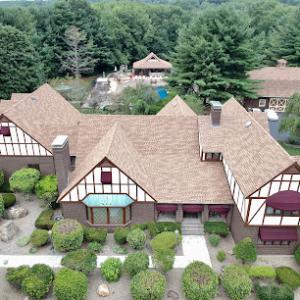
R & R Roofing offers full-service professional and reliable roof repair and installation for residential and commercial clients throughout New Haven, Hartford & Litchfield counties. We have over 30 years of trusted construction experience and understand the craftsmanship required to deliver a quality watertight roofing system for either flat or pitched roofs.
First Choice Roofing
(860) 218-8770 firstchoiceroofingcontractors.com
Serving
5.0 from 44 reviews
When searching for roofing companies near me, First Choice Roofing emerges as a highly rated group of professionals you can rely on for your needs. Our team at First Choice Roofing isn’t just another crew of workers; we are a local roofing company in CT committed to safeguarding your property investment. We take pride in being a residential roofing company that CT residents count on for quality craftsmanship and lasting appeal. Look no further if you require roofing services, as we have got you covered! We are fully equipped to meet all your commercial and residential roofing needs competently and effectively.
Epic Exteriors
(860) 925-7663 www.epicexteriorsct.com
Serving
5.0 from 169 reviews
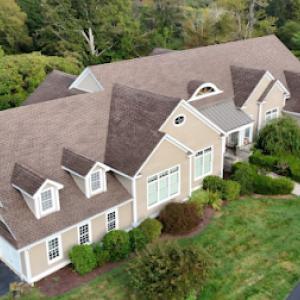
At Epic Exteriors, we specialize in protecting homes by repairing and installing key exterior components. Our team ensures roofs are weather-resistant, siding is durable and attractive, and gutters effectively manage water runoff to prevent damage. We stand out through quality craftsmanship, reliable materials, clear communication, and excellent customer service. Fully licensed and insured, we stand behind our work with strong warranties and a commitment to cleanliness, professionalism, and respect for your home. If you are experiencing leaks / storm damage or just looking for an new roof estimate, we will come out and inspect your roof at no charge! Trust us to get the job done right—on time and with your satisfaction as our top priority.
Mega Construction of CT
(203) 510-4085 megaconstructionllcofct.com
Serving
5.0 from 61 reviews
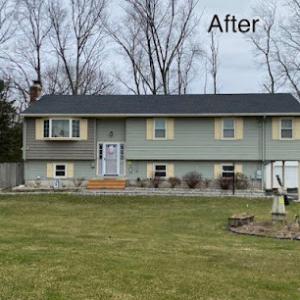
Welcome to Mega Construction of CT, your reliable roofing contractor based in Waterbury, CT. We pride ourselves on delivering top-tier services marked by unparalleled quality, innovation, and expertise. Specializing in residential roofing repair and installation, as well as siding installation and repair, our team boasts a wealth of experience and a stellar reputation for exceptional craftsmanship and customer service. Serving the communities of Waterbury, Naugatuck, Watertown, Middlebury, and the greater New Haven and Hartford regions, we are committed to exceeding your expectations.
City Roofing & Siding
(860) 621-5656 cityroofingandsiding.com
Serving
5.0 from 21 reviews
Founded in 1958, City Roofing and Siding is a third-generation, family owned and operated professional home improvement company. Our employees take pride in the trades in which they are skilled, and the quality of roofing, siding and windows replacement work they perform in Central CT. Owner supervision every step of the way assures that your project progresses to your 100% satisfaction from start to finish, with your project concerns and desires as the homeowner coming first. Our family takes great pride in the fine, over 60-years reputation in the home improvement business, and the end result on your home will reflect that!
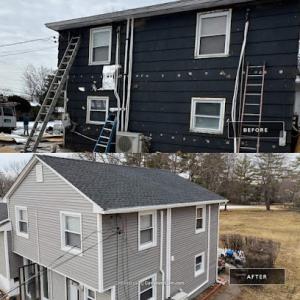
Lifetime Quality Roofing
(475) 233-8114 lifetimequalityroof.com
Serving
4.8 from 46 reviews
Lifetime Quality Roofing Leader in residential roofing in Connecticut. Based in Wolcottt, we serve the entire state. Specialists in roofing, siding, and gutters. We offer installation, repair, and replacement with high-quality materials. Safe, durable, and guaranteed solutions. Trust us. We protect and enhance your home.

Ferdi
(203) 706-8600 www.ferdillc.com
Serving
5.0 from 5 reviews
FERDI is the preferred residential roofing contractor in Connecticut for thousands of homeowners. Our goal with every roofing project that we work on is to provide the homeowners we work with a safe, sound, and long-lasting roof to protect their home and their families. We proudly offer a variety of roofing solutions and products to cater to everyone’s needs and ensure that no matter what type of roofing needs you have, we will be there for you from start to finish.
Rodrick Roofing & Siding
(860) 436-7098 rodrickroofing.com
Serving
5.0 from 26 reviews
Rodrick Roofing and Siding has the perfect team to help you with all of your roofing, siding, and interior remodeling needs! We are OSHA certified, BBB A+ Accredited, and offer complete services for your roof, siding, interior and exterior home remodeling projects. Our services include roof repairs, installs, and replacements for asphalt, TPO, standing seam, metal, and cedar shake roofing systems, as well as storm damage repairs, gutter installation, siding installation, kitchen and bathroom remodeling, deck building, detached garages, and more! We’ve been helping customers all over the state of Connecticut since 2013. Our most recent service areas include Thomaston, Torrington, Shelton, Avon, Farmington, Greenwich, Darien, and Ridgefield,
Best Way Roofing
(860) 855-3218 bestwayroofingllc.com
Serving
4.9 from 239 reviews
WHY CHOOSE BEST WAY ROOFING Best Way Siding and Roofing specializes in residential and commercial roofing contractor services, we are dedicated to providing customer service that is second to none. Whether you have a new roof construction project or need to replace an old or damaged roof, we offer roofing repair and roof replacement contractor services. We also provide steel roofing contractors services.
Bristol generally requires a building permit for a full re-roof rather than treating complete replacement as permit-free maintenance. The permit landscape is designed to ensure that age-worn decks, chimney flashings, and ridge lines are addressed in a way that stands up to repeated freeze-thaw cycles and summer storm bursts that bruise older pitched roofs.
When you prepare to start, you should expect to submit a permit application describing project scope, roofing materials, and contractor information. The city's building department wants a clear map of what is being replaced, including whether any structural components or ventilation details will change. If you are upgrading to a heavier or more durable material-such as transitioning from an asphalt shingle to a metal roof or a synthetic option-include calculations or manufacturer notes that demonstrate compatibility with existing decking and underlayment. Your application should also include a recent set of roof plans or sketches, a list of vents, and the location of any penetrations for plumbing, exhausts, or sky lights. The contractor's license, insurance certificate, and a point of contact with a local address help the review process move smoothly.
During construction, inspections are scheduled as the work progresses to verify that the installation adheres to code requirements and to confirm that the roof remains weather-tight as layers are added. Expect inspections at key milestones: when underlayment is installed, after any decking repairs or replacements, and again once the new roofing material is fully in place. The inspector will look for proper nailing patterns, flashing around chimneys and vents, ridge vent or cap installation, and adequate attic ventilation to prevent moisture buildup that can worsen freeze-thaw damage. If any unexpected issues surface-such as soft spots in decking or signs of prior leaks-address these items before proceeding. Scheduling with the building department a few weeks ahead helps avoid project delays that can leave vulnerable roofs exposed to winter weather.
A final inspection closes out the permit and formally documents that the roof replacement meets local standards. This final visit confirms that the selected roofing system is compatible with the existing attic ventilation, that drainage directs water away from the eaves, and that all penetrations are properly sealed. Keep in mind that changes to the original scope-like adding additional vents or changing from a shingle system to a metal panel-may require update filings or amendments to the permit. Retain shade cards, warranty documents, and proof of material compliance so you can present them if questions arise during the final review. Coordinating closely with the roofing contractor to align the permit schedule with weather windows makes the process less stressful and reduces the chance of weather-related setbacks.
The hills and older pitched roofs around here endure repeated winter freeze-thaw cycles, followed by summer storms that bring sudden leaks. When wind or hail tests a roof's seams, flashing, and shingles, the impact isn't just on the surface-water can chase through joints and into attic spaces before a visible drip appears. In Connecticut's standard homeowners-insurance environment, Bristol claims still depend heavily on clear documentation when wind or hail damage is involved. That means a careful record trail is not optional; it's essential to stand up to adjusters and substantiate when damage started to show. The consequences of gaps in evidence can be real, with delays, reduced scope, or even unresolved leaks after the storm season passes.
Because severe-weather losses can increase scrutiny, Bristol homeowners should keep dated photos, contractor assessments, and records showing when leaks first appeared after a storm. Start with photos taken as soon as possible after a storm, focusing on roof features such as shingles, flashing around chimneys, and vent connections. Save the most legible images from multiple angles, including any hail marks or missing granules. Have a trusted contractor perform an independent assessment after a wind or hail event and document findings in writing, with diagrams if possible. Maintain a simple log noting when leaks were first noticed in living spaces, and how those leaks progressed through seasonal changes. This documentation chain helps establish a clear sequence from storm impact to subsequent damage, which is how adjusters and insurers prefer to view the claim.
The strong local prevalence of insurance-claim and storm-damage specialists suggests many Bristol homeowners seek contractor help navigating adjuster visits and scope documentation. If you do partner with a specialist, ensure their scope aligns with what the insurer would typically request: a dated summary of observed roof deficiencies, the suspected cause (wind-related shingle lift, damaged flashing, or ice-dam-related seepage), and any temporary mitigation measures you implemented. When speaking with adjusters, present your organized file and keep conversations concise and fact-based. If a dispute arises over the extent of damage, rely on the sequence of documented events and the professional assessments you've collected to support a fair, thorough adjustment process. Above all, avoid delaying documentation after a storm; the sooner the records exist, the stronger the position you hold should questions arise.
Connect with contractors who help homeowners navigate the claims process from damage assessment to final approval.
Evergold Roofing Group
(860) 846-7598 evergoldroofing.com
40 James St, Bristol, Connecticut
4.9 from 80 reviews
The Roofers
(860) 573-5861 www.theroofersllc.com
575 Broad St Ste 9, Bristol, Connecticut
4.9 from 52 reviews

Chimneys on older pitched roofs in Bristol show up frequently in local contractor chatter, especially where masonry joints sit close to the roof deck. Flashing failures are common after winter freezes and rapid spring thaws. When inspecting, look for loose step flashing, rusted kick-out elbows, and mortar gaps that seep water around the base. Plan replacements with the understanding that crown damage and deteriorating flashing can extend beyond the chimney throat and affect nearby shingles.
Skylight service is a meaningful specialty in this area, making curb flashing and aging seals a recurring issue during replacement planning. Inspect skylight curb flashings for rust or fastener corrosion, and check the sealant bead around the frame for hairline cracks that widen with freeze-thaw cycles. In areas with heavy snow load, verify that the curb is securely anchored and that the surrounding shingles have a clean, uninterrupted breach line to prevent ice dams from forming at the seal.
Sealants around penetrations take a beating from Bristol's freeze-thaw pattern. Joint sealants and internal linings around vents, chimneys, and skylights can crack, peel, or delaminate. During a replacement, request a detailed plan for re-sealing transition zones where the roof plane meets the penetration skirt, and ensure compatible, flexible sealants are specified for seasonal movement.
After storm events, perform a targeted leak check around chimneys and skylights first, then verify surrounding shingles for lifted edges or flashing voids. Prioritize preventive resealing and flashing verification as part of a standard seasonal maintenance routine to mitigate recurrent leak risk in older local homes.
Find contractors experienced in skylight installation, flashing, and leak repairs to bring natural light into your home.
The Roofers
(860) 573-5861 www.theroofersllc.com
575 Broad St Ste 9, Bristol, Connecticut
4.9 from 52 reviews
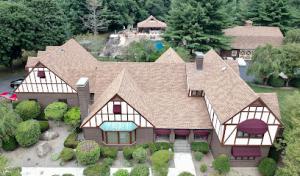
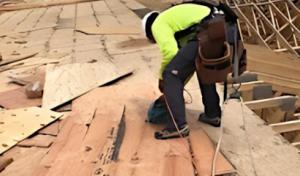
Flat and low-slope roofing is a smaller but real specialty in Bristol, relevant for porches, additions, garages, and some mixed residential-commercial properties. These areas face a different drama than steep pitched roofs, especially during the quick Connecticut transitions from fall leaves to winter moisture. Treat low-slope sections as separate water conduits that need dedicated attention, not an afterthought when the main roof is being repaired.
These roof areas are more vulnerable to drainage problems when fall debris builds up and holds moisture on the surface. Regularly inspect for clogged scuppers, trench drains, or edge gutters before the first heavy rains of late summer and again after a big storm. Clear leaves, pine needles, and acorn shells that can form a dam at the transitions between the low-slope roof and existing parapets or skylights. After storms, check for standing water after a rain-persistent ponds indicate a drainage or flashing issue that should be addressed promptly.
Low-slope roofs in Bristol commonly incorporate penetrations for vents, skylights, and equipment. Inspect flashing around these details for corrosion or lifting from freeze-thaw cycles. Pay special attention to the seam where the low slope meets any vertical surfaces or parapets. A small lift or gap can become a leak path after a winter freeze or a summer downpour.
Because Bristol's market is dominated by pitched residential re-roofing, homeowners with low-slope sections should verify that a contractor regularly handles those assemblies. Confirm the crew's familiarity with common low-slope materials and proper sealant choices to withstand freeze-thaw stress and seasonal humidity without premature deterioration. Establish a short annual check to catch early signs of moisture intrusion before a storm response is needed.
Find specialists in TPO, EPDM, and built-up flat roofing systems for residential and commercial properties.
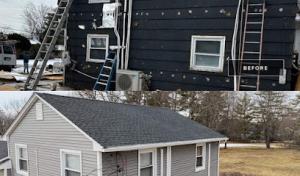
Bristol homeowners are hiring in a market where re-roofing, quick response, affordability, and cleanup are more prevalent signals than niche luxury installation. The emphasis is on getting a solid roof covering in place after storm damage or through a planned refresh, with attention to the practical realities of older pitched homes. The most common roof lines in this area-sloped, multi-angled surfaces on aging framing-mean that a project can quickly become a teardown-and-replace job rather than a simple overlay. Expect crews to juggle frozen gutters, careful flashings, and seasonal constraints that slow progress when winter damage appears.
Long-established and family-owned firms have a visible presence locally, which matters in a city where older homes often need experienced tear-off and detail work rather than simple overlay jobs. A contractor with a brick-and-mortar tradition in town is more likely to honor careful cleanup after a messy tear-off, protect landscaping, and communicate clearly about crew scheduling during winter thaw cycles. When a crew has rooted ties to neighbors, you'll hear about past projects from trusted sources, which can translate into steadier workmanship and fewer last-minute surprises.
Manufacturer-certified and warranty-offering contractors are present but not dominant, so homeowners should confirm both workmanship coverage and product registration details. Ask for proof of active EPA or local environmental compliance, as well as a clearly stated warranty on both materials and labor. If rain is forecast during tearing off, a trustworthy contractor will have a plan to protect interior spaces and minimize storm-related leakage days. Be wary of firms that cannot document product registrations or reliable transferability of warranties to future owners.
When evaluating bids, prioritize those with thorough roof wear assessment, staged tear-off plans, and a written cleanup protocol. Request a detailed timeline that accounts for winter conditions and possible storm-days, plus a point of contact who will show up after every significant weather event. Inquiries about their approach to flashing, ice dam prevention, and attic ventilation reflect an understanding of the unique freeze-thaw and summer storm cycles that shape Bristol roofs.
A reputable local contractor will conduct a post-project walk-through, address any remaining debris, and provide documentation for future reference. Since storms and seasonal shifts test Bristol roofs, retaining a trusted local source for future inspections can save time and trouble when the first post-wabo leak appears. Remember, a solid re-roof is as much about dependable response as it is about the initial installation-and in this market, that dependable response matters more than anything.
Solar-integrated roofing exists in Bristol's contractor market but remains a smaller specialty than standard re-roofing and storm repair. That means many projects start with a traditional roof assessment, then branch into solar only if the roof is proven solid and the structure can support a panel or integrated system. For homes with older pitched roofs, winter cycles have already stressed the shingles, underlayment, and fasteners. If the roof shows signs of aging or recent freeze-thaw damage, it's wise to align solar goals with a roof replacement plan so the system isn't constrained by retrofit timing or limited panel clearance.
Start with a thorough roof health check focused on structural soundness, attic ventilation, and roof deck integrity. Look for uneven sagging, curled shingles, or moss buildup-those are flags that a retrofit to solar could be delayed or require additional reinforcement. For a pitched roof, ensure there is adequate slope, clear access for future service, and a solid, continuous deck to support mounting hardware. In older homes, a solar-ready assessment should also consider potential utility-scale modifications, such as inverter placement, cable routing, and shading from nearby trees or chimneys that could reduce performance.
Freeze-thaw cycles are brutal on roofing joints, fasteners, and edge details. Plan solar installation after a structural-only replacement or repair is completed, so the system isn't jeopardized by a mid-project freeze-thaw risk. If a storm event has recently damaged the roof, address those leaks and ensure a watertight surface before panel installation. A staged approach-roof repair first, then solar-helps preserve warranty validity and minimizes the chance of storm-related setbacks during the solar integration.
Contractor selection is more limited locally for solar-roofing work than for asphalt re-roofing, so planning should start earlier. Look for a roofer with proven experience in both pitched-roof repair and solar integration, including panel mounting, flashing compatibility, and potential roof-age documentation. Reach out early to gauge availability, battery storage compatibility, and the feasibility of a phased project that keeps weather risk low. When you talk with candidates, ask for references from similar homes and a clear plan for sequencing roof repair, flashing updates, and solar equipment installation to minimize disruption and ensure long-term performance.
Consider whether you want a solar fabric solution, traditional PV panels on a standing seam or asphalt-cap roof, or an integrated solar shingle system. For older roofs, modular solar panels that can be detached for maintenance may offer more long-term reliability than a fully integrated system. Ensure the chosen approach aligns with the roof's pitch, color, and expansion plans, so the system remains aesthetically acceptable and mechanically sturdy through Bristol's winter storms and spring rain.
Find contractors who integrate solar panels or solar shingles into your roof for long-term energy savings.
Hira Roofing | Storm Damage Professionals
(203) 707-1104 hiraroofing.com
Serving
5.0 from 63 reviews