
Last updated: Apr 19, 2026
In Asheboro, spring and summer thunderstorms are the most disruptive force on a roof. Direct wind damage can rip shingles, loosen flashing, and drive debris into vents and eaves. Repeated rain events create project delays as crews juggle quick tarping with longer, drying-out repairs. The window between a sudden leak and a full-coverage fix is narrow, and delayed responses can turn a manageable repair into a larger, more expensive job. When a storm rolls through, speed matters: the moment you notice wind-driven shingle lift or attic moisture is the moment to act, not to wait for a perfect weather day or a lull in the schedule.
Hurricane season from June through November matters even this far inland because remnants can still bring wind-driven rain and scheduling backlogs for Randolph County homeowners. A fast-moving front can unload heavy rain in a single afternoon, followed by days of sticky humidity that aggravates leaks. Insurance adjusters and roofers alike know the drill: storms spark a surge in emergency repairs, and crews fill up quickly with tarping, leak control, and post-storm assessments. Expect that your project timeline may stretch when storms collide with the typical local demand spike, especially after back-to-back events.
The local contractor signal mix shows emergency repair and storm damage as the strongest specialties in this market. Homeowners commonly seek tarping, leak control, and post-storm assessments first. That means the fastest path to a secure roof is through an immediate temporary fix-tarps, plywood, or other protective measures to seal leaks and prevent interior damage. If a crew identifies structural concerns or compromised decking during the initial assessment, expect recommendations that prioritize stabilization before cosmetic repairs. Your willingness to authorize quick, temporary measures can keep interior damage at bay and shorten the overall timeline.
Storm claims in this market often ride on a tight calendar: weather windows close quickly, and adjuster schedules fill fast after a large event. When a leak is active or wind-blown shingle edges show daylight, pressing for a prioritized inspection helps lock in a path toward faster restoration. If insurance coverage is involved, document every spot of damage with dated photos, note wind directions and affected elevations, and schedule a storm-damage assessment promptly. Delays in the initial response can cascade into hơn disruptive repairs, inflated costs, and longer-than-necessary occupancy disruptions.
Keep a ready-to-activate plan: identify a primary tarp-and-seal crew, know who to call for rapid on-site assessment, and have a clear line of communication with your insurer about timing. After a storm, your aim is to move quickly from leak containment to a full assessment, then to prioritized repair or replacement during the calmer weather windows. If a contractor indicates that your roof needs attention due to wind exposure or moisture intrusion, treat it as urgent work, not a future project. The roof, attic, and interior storage zones depend on that prompt response to minimize damage since a late-season backlog can blur the path to a timely fix.
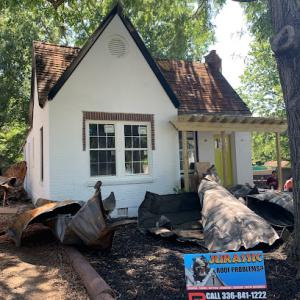
MJAK Company
(336) 441-8006 www.mjakcompany.com
Asheboro, NC
4.7 from 449 reviews
MJAK Company is a veteran-owned business serving North Carolina, specializing in roofing, solar installations, and attic insulation services. Founded by Matt Sears, a Mount Airy native with over 12 years of business ownership experience, MJAK emphasizes high-quality craftsmanship, energy-efficient solutions, and exceptional customer service. Their services include roof replacements, solar panel installations, and radiant barrier installations to enhance attic insulation. The company is known for transparent pricing, clear communication, and stress-free project management, ensuring that clients receive reliable and efficient service. MJAK operates across North Carolina, and offers free online roofing estimates through their website.
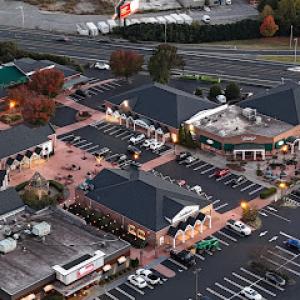
American Titan Restoration & Construction
(336) 203-9957 americantitannc.com
3520 US HWY 220 Business South, Asheboro, North Carolina
4.9 from 34 reviews
Looking for a local roofing contractor in Asheboro, NC? American Titan Restoration and Construction offers residential and commercial roofing services including roof repairs, roof replacement, new roof installation, emergency roof repair, storm damage restoration, and roof inspections. We install asphalt shingles, metal roofing, TPO roofing, and commercial flat roofing systems built for long-term performance. Proudly serving Asheboro, Greensboro, Winston-Salem, High Point, Kernersville, Jamestown, Concord, Raleigh, and Charlotte.
B&B Roofing
2662 Bethel Lucas Rd, Asheboro, North Carolina
5.0 from 6 reviews
We are a Family owned and operated roofing company that believes in quality over quantity. We have been in business since 1981 and specialize in shingle roofing, metal roofing, and rubber roofing
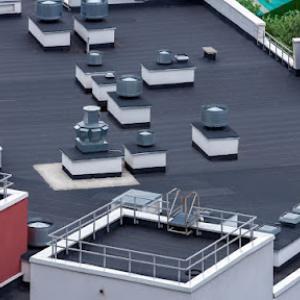
McRae Roofing
(336) 672-0133 mcraeroofing.com
2147 N Fayetteville St, Asheboro, North Carolina
4.1 from 14 reviews
At McRae Roofing, we pride ourselves on finding innovative ways to address the needs of our customers throughout the Southeast, including Asheboro, North Carolina where we are based. Our team consists of estimating and logistics personnel, highly trained project leaders, experienced roofing technicians, and project inspectors. All of our employees are fully insured and comply with all federal regulations. We take safety seriously and ensure ongoing training takes place to keep our employees safe and make sure we always provide you with the unrivaled service and outcomes you deserve. If you own a commercial property in our service area, contact us today to learn how our high-quality materials and 50 years of service can benefit you.
RRS roofing
(336) 335-8746 www.rrsroofingllc.com
3733 Earnhardt Rd, Asheboro, North Carolina
5.0 from 3 reviews
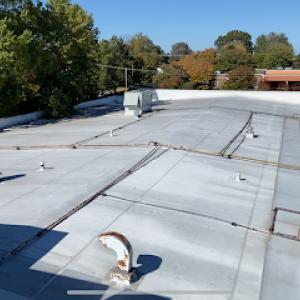
We are highly skilled and experience independent roofing contractor. We specialize in Residential, Commercial roofing repairs and Installation. We work on Shingle, Metal, TPO, PVC, EPDM, Modified roofing systems. We also Adding/demolishing of Hvac curbs, Skylight, Stacks. We are licensed, Experience, fully Insured.
Seabolt Roofing Solutions
(336) 964-1275 seaboltroofing.com
Serving
5.0 from 10 reviews
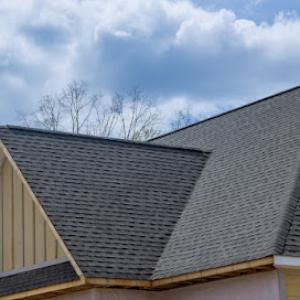
At Seabolt Roofing Solutions, our roofing company is dedicated to helping you protect your home in Randolph County, North Carolina. Whether you need our experts to install a new roof or repair and maintain your existing one, you can count on us. We have over 30 years of experience offering exceptional workmanship. Plus, we maintain a reputation for excellence and have a track record of satisfied customers. No matter how large or small your roofing needs are, we will tackle them with attention to detail, efficiency, and a commitment to safety. Contact us today to request a roofing estimate.
Valentine Roofing & Restoration
(919) 538-8065 valentineroofingco.com
Serving
5.0 from 29 reviews
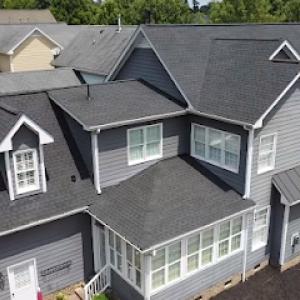
We are a smaller roofing & restoration company that is able to meet your needs on a more personal level than larger competitors can! We specialize in fighting to get your storm damaged roofs approved by insurance and take on all of the work on your behalf at no extra charge! We guarantee excellence in our workmanship and have a 100% positive response rate from all of our clients we've worked with thus far! We are proud and confident to offer a 2 year labor warranty on all of our roof replacements and more!
Carolina Custom Roofing Services
(336) 594-2833 www.ccroofingservices.com
Serving
4.9 from 153 reviews
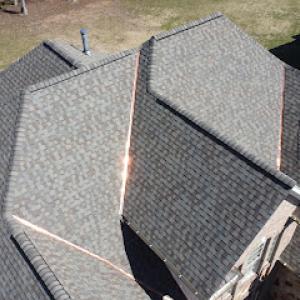
Carolina Custom Roofing Services provides residential and commercial roofing, gutters, siding, skylights, and solar energy systems in the North Carolina Triad.
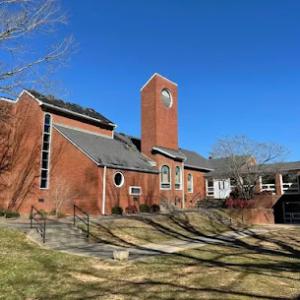
Mid State Roofing
(336) 268-0201 www.midstateroofingnc.com
Serving
4.9 from 38 reviews
At Mid State Roofing, we offer top tier roofing contractor services in Franklinville, North Carolina. We work diligently to meet the needs of our customers while adhering to industry quality standards. We are committed to completing our work with diligence and extreme attention to detail. Mid State Roofing is your best choice when it comes to roof installation, asphalt shingle roofs, metal roofs, gutter installation & repair, window installation & replacement, vinyl siding, and commercial roofing and more. Contact us today, our team is waiting to assist you!
Tru Restoration
(704) 747-4273 www.trurestorationllp.com
Serving
4.8 from 71 reviews
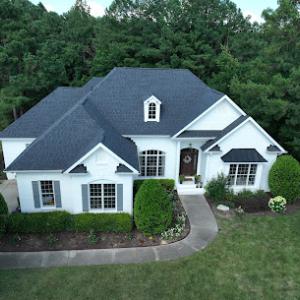
Tru Restoration specializes in ROOFING, SIDING, GUTTERS and insurance restoration, including hail and wind damage. The peace of mind and satisfaction of our customers in the aftermath of a devastating storm is our top priority. As a trusted and experienced contractor, we help ease our clients' burdens with high quality insurance and roofing expertise.
Old North Roofing & Construction
(704) 684-9424 oldnorthconstruction.com
Serving
5.0 from 3 reviews
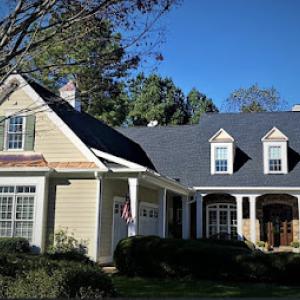
Old North Roofing & Construction is proud to offer the highest quality roofing and exterior renovation services of the Carolinas and Virginia.
Thompson Roofing Services
Serving
4.6 from 11 reviews
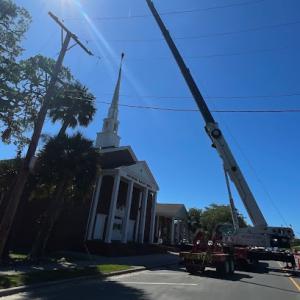
Thompson Roofing Services, serving Sophia, NC, and beyond, is your trusted partner for all commercial roofing needs. Since 2008, they have been inspecting and installing roofs across diverse commercial structures. Licensed in North Carolina, South Carolina, and Virginia, Thompson Roofing Services brings expertise to every project, from churches to expansive industrial complexes. Trust their experienced team to deliver quality and reliability for your commercial roofing solutions.
In this part of the Piedmont, prolonged moisture exposure drives faster wear on roofing components. Shaded roof planes tend to stay damp longer after rainfall, which encourages moss growth, leads to edge and fastener corrosion, and softens underlayment faster than sunny sections. You'll notice earlier aging along north-facing slopes, valleys, and underside eaves where airflow is restricted. If you're inspecting after a storm, focus on cupped or curled shingles, algae staining, and any soft spots in the decking that appear near shaded corners. When you see excessive moisture-related staining or surface discoloration, plan targeted cleaning and a closer look at underlayment and flashing in those zones.
Hot summers in the North Carolina Piedmont push temperatures high and then drop quickly at night, which causes repeated expansion and contraction of roofing materials. Asphalt-based products feel this cycle most acutely, often showing hairline cracks, lifted edges, or sooner-than-expected granule loss. Flashing details-around chimneys, vents, and transitions-are especially susceptible to stress from daily heating and cooling. Pay attention to sparkling or darkened sealant lines, joints that feel loose when poked gently, and any movement at flashing margins after a heat wave. In Asheboro, where the seasonal swing is pronounced, it's prudent to check flashing after the hottest stretches and after the first heavy rain of a heat period, when expansion can reveal preexisting weakness.
Dry, milder periods are favored for replacement scheduling because summer heat and humidity can complicate material handling and installation pace. When planning a replacement, choose windows with cooler daytime highs, lower humidity, and reliable cooler night-time temperatures to help sealants and adhesives cure properly. If a storm has caused damage, address emergency repairs quickly, but align the full replacement plan to a dry stretch where crews can move efficiently and avoid heat-related delays. For homes with multiple roof planes, prioritize areas with visible moisture intrusion or compromised flashing first, then schedule the remaining sections during the more forgiving weather window.
After a storm, perform a rapid internal check for active leaks in the attic ceiling and upper walls. If water is present, place a temporary containment and contact a local roofer promptly for a temporary tarping or quick-fix assessment. Within 24 to 48 hours of weather clearing, arrange a professional inspection to assess structural decking, underlayment integrity, and flashing performance. If damage is detected, document it with photos and notes for insurance conversations, as many homeowners find the assessment pace and replacement timing greatly influenced by claim processing timelines. For shaded, damp regions, schedule a second pass to verify that moisture intrusion has not persisted beneath flashings or along rafter tails, especially in areas where vegetation or nearby trees shade the roof for extended periods. In dry intervals, confirm that any temporary protections remain in place and that sealants have cured before the final replacement begins.
The dominant residential roofing materials you'll see on homes in this area are asphalt shingles and metal roofing, with tile, wood, and synthetic products present but less typical for broad replacement demand. For most neighborhoods, asphalt remains the practical workhorse for a first roof or a fast storm recovery, while metal roofs stand out for their durability and wind resistance. When choosing a type, match the material's performance to your house's exposure: hot, humid summers, frequent rain bursts, and the occasional high-wind event. This blend of conditions makes water-shedding performance, algae resistance, and dependable flashing execution especially relevant beyond aesthetics.
Asphalt shingles deliver straightforward installation, solid curb appeal, and ease of repair after damage from a thunderstorm. In moisture-rich climates, a quality asphalt roof with a layered installation and high-performance underlayment helps shed rain quickly and resist minor wind uplift. Look for shingles with algae-resistant coatings and a robust sealant system to minimize wind-driven leaks around vents, chimneys, and ridge lines. If your home has a shallow roof pitch, asphalt can be more forgiving for leaks and flashing details, provided the roof has been properly vented to manage summer heat and humidity. In areas with rapid weather shifts, a well-sealed edge and sound flashing practice can reduce the risk of sudden leaks after heavy downpours.
Metal roofs offer notable advantages when storms arrive. They shed rain rapidly, resist impact better in many cases, and tolerate wind-driven debris with less risk of immediate catastrophic damage. For homes facing back-to-back storms or long monsoon periods, metal's durability and lower weight can translate to faster, more confident storm repair timelines. Metal systems also pair well with proactive flashing and integrated snow or water channels, which helps prevent leaks in corners and along rake edges. If a home already has porous soffits or gapping ridge vents, metal can emphasize the importance of a comprehensive flashing plan and quality sealant choices.
Clay or concrete tiles, wood shingles, and synthetic composites appear in scattered replacements but are less common for whole-house choices in this market. Tile demands a solid substrate and careful flashing around roof penetrations to handle heavy rains and high humidity; wood requires vigilant moisture protection and maintenance to avoid rot. Synthetic shingles can bridge the gap between cost and performance, offering improved algae resistance and lighter weight, but require compatible underlayment and flashing details to perform reliably under Asheboro's storm cycles.
When storm damage occurs, the priority is rapid leak control and a solid temporary patch while arranging a permanent roof. Asphalt allows quick patching and relatively fast re-roof timelines, while metal can sometimes shorten timelines due to fewer delicate asphalt layers to reseal after hail or wind events. Regardless of material, insist on high-quality flashing around chimneys, vents, and skylights, and ensure the roof deck is dry before any replacement starts. A well-prepared roof, matched to local weather patterns and storm response expectations, supports a smoother insurance-driven replacement process when that path becomes necessary.
Typical Asheboro pricing runs about $350-$700 per square for asphalt shingles, $550-$1100 for metal, $700-$1500 for clay tile, $550-$1000 for concrete tile, $450-$900 for wood shingles or shakes, and $360-$800 for synthetic or composite shingles. For a standard residential roof, a full replacement often lands within those ranges, but final numbers can swing based on roof complexity, existing decking, and the need for upgraded underlayment or ventilation. In practice, you'll see asphalt as the most common, with metal sparking when a home owner wants a longer life or better wind performance. Clay and concrete tiles fetch higher base pricing but can offer long-term durability in the Piedmont climate. Synthetic options sit in the middle, blending reasonable upfront cost with decent performance in heat and storms.
Storm-driven demand spikes in Asheboro can push scheduling and labor pressure higher after major thunderstorm or tropical-weather events, especially for fast-turn re-roofing crews. If a tree impact or roof collapse follows a severe storm, you may encounter tighter timelines and higher emergency-m leak-response pressure. In those moments, crews may prioritize speed, which can affect material selection, sequencing, and cleanup efficiency. When the weather settles, it's common for a few reputable local installers to work through backlogs, so knowing your preferred material and a realistic window helps avoid rushed decisions.
Permit review and inspection requirements add administrative steps to full replacements, and complex flashing, ventilation corrections, or steep residential rooflines can raise final cost beyond base material pricing. Ventilation upgrades are particularly relevant with Asheboro's heat and humidity, where proper attic airflow helps long-term shingle performance. Steep pitches or difficult access can increase labor hours, further nudging prices upward. If ongoing storm exposure is expected, consider a plan that accounts for rapid debris removal and durable flashing details to minimize future call-backs.
Begin with a trusted local contractor who can inventory roof condition, install a matching underlayment, and stage materials for a quick but thorough replacement after a storm. Ask for itemized bids showing material type, square footage estimates, waste disposal, and site cleanup. Confirm lead times and what constitutes a sound post-install inspection to verify flashing, ventilation, and shingle alignment meet the area's weather patterns.
Get a clear picture of your project costs upfront - no commitment required.
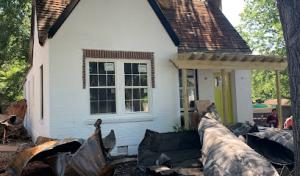
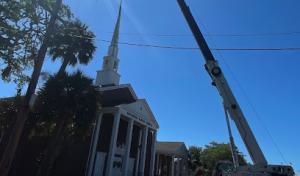

A full roof replacement in Asheboro typically requires a permit submitted to the city building department with the project scope before work proceeds. That means you can't just start tearing off shingles and hope the inspector finds you later-you're expected to present a clear plan: what roofing system you're installing, underlayment choices, venting changes, and any structural work tied to the upgrade. The city's process is designed to catch code concerns early, especially for storm-damaged homes where quick fixes can turn into long-term problems if not properly reviewed.
Permit issuance generally follows plan or scope review and fee payment rather than same-day informal approval. In practice, that means you'll need to assemble a straightforward project description and any manufacturer specifications for the chosen materials, plus roof dimensions and added ventilation if applicable. Expect a brief review window and a formal notice before work can begin. If you're dealing with an emergency after a storm, there may be expedited steps, but you still need to secure the necessary documents and approvals before or right after temporary protection is installed.
Local inspections during and after installation focus on flashing, ventilation, and nailing methods, making workmanship details a key compliance issue for re-roofing jobs. The inspector will look closely at the transition points around chimneys, vents, and valleys to ensure waterproofing holds up under Piedmont humidity and storm-driven rain. Ventilation sufficiency is checked to prevent heat buildup and moisture issues under the decking, which is especially critical in hot, humid summers. Nailing patterns, fastener spacing, and shingle alignment are not cosmetic concerns here; they're essential to lasting performance and to passing the final inspection. Plan for a mid-project check if you're replacing roof decks or adding new underlayment, and be prepared to correct any flashing or venting discrepancies the inspector identifies.
If a storm-damaged roof is being replaced under an insurance claim, keep all permit records and inspection documents readily accessible for the adjuster. Insurance-driven timelines can pressure quick decision-making, but the city's requirements maintain a baseline of safety and durability that protects you in the long run. Missing or delayed inspections can result in hold-ups or rework, so coordinate closely with your contractor to align the schedule with both weather windows and the city's review timetable.
Insurance claims for wind, hail, and storm damage are a familiar part of the local roofing rhythm. North Carolina insurers commonly handle these claims, and that reality shapes how repairs unfold after a severe weather event. When a storm hits, the priority is often securing an emergency leak fix and preventing interior damage, but the claim process itself follows its own timetable and rules that homeowners should understand.
On older roofs in Asheboro, you will need clear documentation that separates fresh storm damage from pre-existing wear caused by heat and humidity. Photos taken before any temporary tarping, plus dated notes from a trusted roofer, help the adjuster see what is new versus what was already deteriorating. This distinction can influence how the claim is interpreted and how much recovery work is approved.
Adjuster scheduling can slow project start dates after widespread weather events, so temporary protection and photo documentation are part of the local roofing process. A homeowner who has tarps in place, downspouts protected, and a simple photo log from the first 48 hours often accelerates the claim review and minimizes secondary leaks during the wait.
What to expect once a claim is opened: an inspection window, a rough damage tally, and a contractor's estimate that aligns with the insurer's scope. Storm season can flood schedules, and some repairs may be staged to fit a broader replacement timeline. Knowing this helps you plan for weather gaps and guard against premium durability questions.
Practical steps for local homeowners: keep a dated record of every storm, file promptly, and share clear contact information for your adjuster. Use high-quality photos that show attic and exterior elevations, and maintain a safe, dry work zone once repairs begin. A neighborly reminder: storms pass, but a well-documented claim keeps the repair on track. If water intrusion worsens, contact your roofer and insurer immediately to outline temporary mitigation steps and preserve your rights this season.
Connect with contractors who help homeowners navigate the claims process from damage assessment to final approval.
American Titan Restoration & Construction
(336) 203-9957 americantitannc.com
3520 US HWY 220 Business South, Asheboro, North Carolina
4.9 from 34 reviews
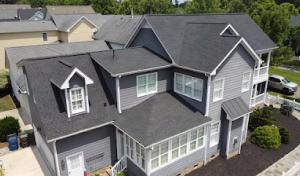
Metal roofing stands out as a durable, high-demand option in Asheboro's residential scene. The local mix of heat, humidity, and storm exposure keeps metal top-of-mind for homeowners who want a system that lasts and sheds water quickly. In many neighborhoods, metal signals quality and a willingness to invest in long-term performance, which helps it stand apart from more common, lower-cost choices.
In Asheboro, metal's water-shedding capabilities matter as summer showers roll through and thunderstorms become a regular concern. The material's smooth panels help resist wind-driven rain and reduce the chance of ice damming in colder stretches. A properly installed metal roof also tends to stay cooler on hot days, which can ease attic heat transfer and help curb interior temperature swings.
In the replacement market, metal often competes directly with architectural asphalt shingles rather than tile. This means homeowners are weighing long-term resilience against initial appearance and installation practicality. Metal offers a reliable weather barrier and a distinct curb appeal, which suits many Asheboro homes that aim for a modern look without entering the higher-cost niche markets.
Metal roofs in this area benefit from regular, simple maintenance: keep gutters clear, inspect for loose fasteners after severe storms, and watch for sealant wear at laps and edges. Proper fastener tightening and panel alignment help maintain performance through hot summers and soggy springs. With routine upkeep, metal commonly delivers dependable protection across multiple Ashevilles worth of seasons.
When selecting a metal system, consider panel profile, coating, and color that complements existing siding and roof lines. A reliable contractor should emphasize proper ventilation and underlayment compatibility to manage condensation and maximize longevity. In a neighborhood where demand for durable, fast-shedding solutions is high, metal remains a practical, widely supported choice.
Explore specialists in steel, aluminum, and standing seam metal roofs built to last 50 years or more.
American Titan Restoration & Construction
(336) 203-9957 americantitannc.com
3520 US HWY 220 Business South, Asheboro, North Carolina
4.9 from 34 reviews
RRS roofing
(336) 335-8746 www.rrsroofingllc.com
3733 Earnhardt Rd, Asheboro, North Carolina
5.0 from 3 reviews
Asheboro homes often face a tight window between storms and scheduled roof work, which amplifies the risk of poorly integrated flashing. When crews hurry to finish, penetrations around vents, skylights, and chimneys can sit slightly off, and the transition details may not seal evenly. The result is a pattern of slow leaks that only shows up after a series of quick storms or a heavy afternoon downpour.
Frequent rainfall in this area means small installation errors around skylights can translate into visible interior leaks within days rather than weeks. A flashing piece that seems correct at teakettle temperature can deform or shift when heat, humidity, and storm-driven wind press on the roof. If the skylight deck and curb flashing aren't unified with proper sealant and flashing bends, the leak path often follows the shortest route straight into living spaces.
Skylight service has emerged as a meaningful specialty signal when planning a re-roof, indicating enough local demand to warrant dedicated attention. In practice, that means your project should include a written sequence that prioritizes skylight flashing inspection alongside ridge vent, drip edge, and valley protection. Ask the crew to demonstrate how they integrate the skylight flashing with the surrounding shingles, including starter strips, step flashing, and the transition from curb to roof plane. If a leak appears after the first rain, address it promptly, because quick containment often hinges on correctly timed flashing repair and resealing around the skylight.
Asheboro inspections specifically checking flashing make roof penetrations and transition details a recurring local concern during replacement work. Keep the focus on these points during the project briefing to reduce the chance of interior damage after the next storm.
Find contractors experienced in skylight installation, flashing, and leak repairs to bring natural light into your home.
RRS roofing
(336) 335-8746 www.rrsroofingllc.com
3733 Earnhardt Rd, Asheboro, North Carolina
5.0 from 3 reviews
Carolina Custom Roofing Services
(336) 594-2833 www.ccroofingservices.com
Serving
4.9 from 153 reviews