Last updated: Apr 19, 2026
Spring and early summer bring heavy rain, gusty winds, and high humidity that can turn small roof issues into major headaches fast. After a storm, your first move is to locate active leaks and gaps, then seal them to limit interior damage. Use tarps or heavy-duty plastic sheeting secured with boards or battens to cover any visibly exposed roof areas, flashing gaps, or cracked shingles. If water is pooling inside, place buckets under drips and create a quick barrier with roofing cement or exterior-grade sealant around the source to slow seepage while you arrange a proper temporary fix. Quick containment buys critical time for a proper assessment and reduces secondary damage to walls, ceilings, and insulation.
Wind and hail are common in this market, and the storm season from June through November raises the stakes for repair-versus-replacement decisions. Photograph every damaged area from multiple angles, including close-ups of damaged shingles, lifted edges, dented flashing, and compromised ridge caps. Capture surrounding yard debris and any trees or branches that may have contributed to the impact. Keep a dated log of when you first noticed damage and when you contacted your insurer. This documentation will streamline the claim process and clarify whether a patch will suffice or if a full reroof is the more reliable long-term option.
Nearby trees, wind-prone ridges, and humidity-driven rot can turn a minor imperfection into a larger failure before the next storm. Inspect for lifted shingles, curled edges, cracked sealants, and corroded metal flashing. Gaps in chimney, vent, and stack flashing deserve prompt attention, because moisture intrusion around those points often drives widespread interior damage. If you cannot safely inspect the entire roof from the ground, hire a local, licensed roofer to perform a rapid but thorough inspection after the first major rain event. Addressing issues that are clearly exposed reduces the probability of repeated costly repairs during the peak storm window.
With the inland placement, tropical-moisture risk remains elevated through hurricane-season months, even if direct hits are less frequent. Plan proactive roof maintenance and benign-weather repairs during lower-humidity periods between the spring storms and the late-summer peak. Schedule a professional inspection for pre-storm readiness and canopy the expected labor window if a more extensive repair is anticipated. Communicate clearly with your insurer about timing; prompt reporting after a storm can influence whether the claim supports patchwork fixes or a full replacement, so keep your notes organized and readily shareable.
A resilient roof in this climate anticipates both wind-driven damage and moisture intrusion from heavy downpours. Consider flashing upgrades, stronger underlayment, and more robust fasteners in high-wind areas like ridges and above skylights. Choosing roofing systems that tolerate humidity and temperature swings helps minimize rapid deterioration after storms. By aligning fast leak containment, precise documentation, and timely repairs with the local storm pattern, homeowners can reduce downtime and protect the home's value across the entire storm season.
Spring arrives with a predictable rhythm in this Piedmont town: cooler mornings, gradual humidity rise, and the tail end of winter moisture that helps or hinders depending on timing. For reroofing, this window tends to offer the most reliable pace. Battling only a few heavy rain days means tear-off crews can keep on track without forcing extended delays. Early spring is a good time to coordinate underlayment, ventilation checks, and shingle delivery before the peak heat arrives. If a spring storm rolls through, a well-timed tarp or temporary cover can protect open sections to prevent weather-related setbacks. This period also aligns with milder temperatures that help shingles set and seal without the stress of mid-summer heat.
In Thomasville, spring timing matters for moisture-sensitive materials. Plan several clear-weather days between critical stages: deck drying, underlayment installation, and final shingle layment. Have a plan for gutter and downspout protection during tear-off so collected debris doesn't clog nearby drainage or back up into new materials. If a stray spring shower interrupts work, a quick reseal or recheck of flashing can prevent slow leaks that mimic more serious problems later.
Early summer brings the Piedmont's signature thunderstorm pattern. The risk of sudden rain can disrupt tear-off schedules and expose open roofs to rain events that complicate insulation and sealing. The practical response is to set a conservative sequence: weather-safe windows from rough-in to shingle installation, with contingency time built in for damp days. Coordinating with suppliers on net delivery timelines helps avoid material exposure on the roof deck, where even short rain bursts can compromise underlayment and the first rows of shingles.
On days forecasted for storms, postpone high-wriction tasks such as long roof deck shingle alignment or intricate flashing work. Instead, focus on fast, protective steps: secure temporary tarps, seal around penetrations, and verify that roof vents and drainage are unobstructed. If a storm interrupts a tear-off, document the exposed areas, then resume as soon as the weather clears to minimize the window during which the roof remains vulnerable. By keeping a tight but flexible schedule, the crew can preserve warranty conditions on underlayment and adhesive cures, which can be sensitive to heat and humidity spikes typical of early summer.
Autumn in this part of the state brings leaf buildup and occasional cold snaps that can complicate drainage and installation conditions late in the season. Leaf litter can clog gutters and valleys, so a pre-project cleanout and ongoing sweep during the installation helps maintain proper flow and reduces the risk of standing water on the roof after rain. Cooler days improve adhesive behavior and allow certain products to cure at a steadier pace, but sudden cold snaps can shorten outdoor work windows. Plan installation around frost risks and ensure that sealants and mastics have adequate curing time before nighttime temperatures dip.
In this season, keep drainage paths clear and avoid leaving bare decking exposed after the final row is set. A careful closeout checklist matters: confirm valley and step flashing are secure, gutters are free of debris, and drainage outlets are fully aligned with the roof edge. Autumn conditions favor a measured pace that respects the environment-shorter days, cooler temps, and the need to protect finished areas from falling leaves while the roof settles into its new coverings.

Twin County Construction
(336) 414-3550 twincountyconstructionnc.com
Thomasville, NC
5.0 from 73 reviews
Twin County Construction was founded in 2016 with the goal to provide roofing services to the Piedmont Triad area. We are locally owned and operated company that specializes in Roofing, Storm Damage Repair, Siding, Windows and Gutters. We provide the highest quality products and superior workmanship, which allows you to have peace of mind on the most important investment you have - your home. Twin County Construction is dedicated to taking care of your roofing needs. Our team of experienced craftsman provide you with a free estimate of what you need, carefully walk you through each step, and deliver a final product that you can trust.When you need a job done right, Twin County Construction is ready to help!
High Rock Roofing
(336) 689-8687 www.highrockroofing.com
6 W Main St, Thomasville, North Carolina
5.0 from 50 reviews
Family owned Roofing Contractor serving all of Central North Carolina. Specializing in Metal and Shingle residential project. Storm damage restoration, Free Inspections. Free Estimates
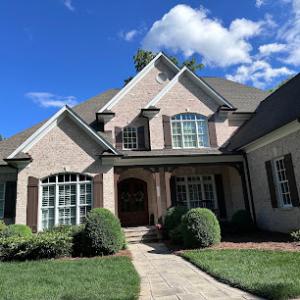
Twins Roofing Solutions
633 Ben Lee Rd, Thomasville, North Carolina
5.0 from 45 reviews
BBB accredited. No job is too small or too big. Service entire Piedmont Triad area. Free estimate and roof inspection. All types of roofing and gutters.
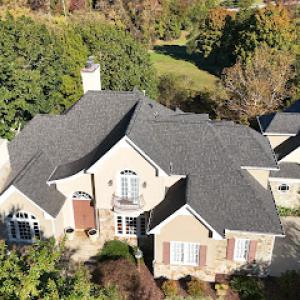
KW Roofing
(336) 850-9425 www.kwroofingnc.com
107 Kaylan Ln, Thomasville, North Carolina
4.9 from 60 reviews
KW Roofing, located in Thomasville, NC stands out among roof replacement companies with a reputation for excellence in roof replacement and repair services. Our skilled roofers deliver comprehensive roofing solutions, from emergency roof repairs to efficient installations. As a top-rated roofing business we specialize in roofing inspections, storm damage repair, and maintenance services. We also offer gutter installation and repair, and siding services, ensuring the integrity and beauty of your home. Trust KW Roofing for certified inspections, water damage prevention, and expert consultation. With a commitment to quality and reliability, we are your go-to roofing contractors and company in the area, providing free inspections and estimates.
Swink Roofing
1120 Lexington Ave, Thomasville, North Carolina
4.9 from 82 reviews
Commercial, Residential, industrial specialist
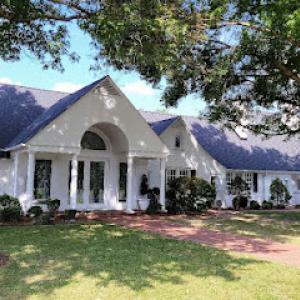
Motivation Roofing
(336) 491-4848 motivationroofing.com
118 Circle Dr, Thomasville, North Carolina
4.9 from 39 reviews
Motivation Roofing is a trusted, BBB-accredited roofing contractor serving Thomasville, Greensboro, Winston-Salem, High Point, and surrounding areas. We specialize in residential and commercial roofing, offering expert roof repairs, replacements, and new installations using top-quality materials. Our services also include storm damage repair, insurance claims assistance, and routine roof maintenance to keep your home or business protected. With a commitment to honest pricing, superior craftsmanship, and exceptional customer service, we ensure every project is done right the first time. Call today for a free estimate!
Modern Roofing
(336) 664-8123 modernroofingusa.com
100 W Guilford St, Thomasville, North Carolina
4.7 from 122 reviews
Modern Roofing offers residential roofing services in Thomasville, NC for all types of roofs. With over 10 years of experience and high-quality materials, we prioritize safety and satisfaction from start to finish. Trust us as your roofing partner for exceptional service and results.

Look Roofing Company
(336) 848-2572 lookroofing.com
105 Julian Ave B, Thomasville, North Carolina
5.0 from 15 reviews
Welcome to Look Roofing, your trusted roofing contractor serving High Point, Thomasville, Archdale, Winston Salem, Greensboro and Lexington, NC. We have been serving the community since 1985, providing quality roofing services for residential and commercial properties. Whether you need a new roof installation, roof repair, roof replacement, or roof maintenance, we have the skills, experience, and equipment to handle any project.
MRT Mendoza's Roofing of The Triad
(336) 307-1469 mendozasrofingnc.com
Douglas Dr, Thomasville, North Carolina
4.7 from 24 reviews
Mendoza’s Roofing is a local, family-owned company that has been offering quality roofing services to the greater Greensboro, Winston Salem, High Point, Thomasville and Salisbury areas for over 15 years. We are a licensed and insured contractor that meets all of the requirements of the North Carolina Contractors Licensing Board. We have built up a reputation for service with professionalism providing a wide range of roofing solutions that range from commercial buildings to residential home
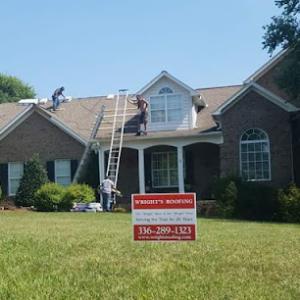
Wrights Roofing - Thomasville
709 Dillon St, Thomasville, North Carolina
4.9 from 8 reviews
Wright's Roofing has been in business for over 25 years, serving the Triad area.
Liberty Construction
(919) 877-6277 www.nclibertyconstruction.com
Serving
4.8 from 16 reviews
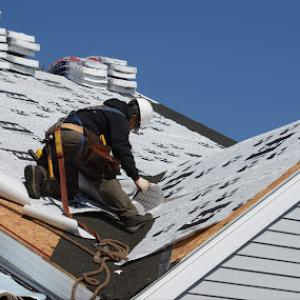
Go with one of North Carolina’s most trusted roofing contractors: Liberty Construction. Located in Apex, NC, we bring over 20 years of industry experience to your project and have developed a reputation for superior craftsmanship using quality materials. Locally owned and operated, we are roofing contractors that offer professional roof repair and roof replacement services to commercial and mostly residential clients. We take the time to understand your unique needs - our priority is you because..."My Focus Is Customer Satisfaction”. At our company, we are committed to providing good service to our community at very competitive prices!
LC Quality Roofing
(336) 481-7336 lcqualityroofing.com
Serving
5.0 from 31 reviews
LC Quality Roofing is a premier roofing and exterior specialist serving the North Carolina Triad since 2000. Based locally, we provide expert residential roofing, siding, and gutter solutions across Greensboro, Winston-Salem, High Point, and the surrounding Piedmont area. With over 25 years of local experience, our team specializes in insurance restoration, helping homeowners navigate storm damage claims for hail and wind. Our core services include professional roof inspections, leak repairs, and full roof replacements. We also offer exterior maintenance, including seamless gutter repair and siding installation. LC Quality Roofing is known for craftsmanship and protecting Triad homes through meticulous leak detection.
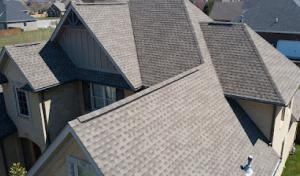
Asphalt shingles are a dominant choice locally, fitting the mainstream residential reroofing market and matching the typical homeowner budget. The humidity of the Piedmont and the spring-to-summer thunderstorm pattern mean shingles that seal well when hot and shed rain quickly are highly valued. You'll often find a wide range of textures and color blends that help homes blend with the neighborhood character, while keeping installation straightforward for local crews. If you're prioritizing a quick, reliable response after a storm, asphalt shingles offer a dependable track record for leak resistance when properly installed and maintained. Look for high-quality laminated options that improve wind resistance and a robust underlayment to bolster moisture defense during heavy downpours.
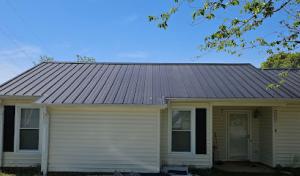
Metal roofing has meaningful local demand, reflecting homeowner interest in stronger wind performance and long-term durability in a storm-aware market. Metal panels tend to shed wind-driven rain more efficiently and resist impact from hail better than basic asphalt when installed with appropriate fasteners and flashing. In areas with tropical-storm exposure, a well-sealed metal roof can wind up reducing the chances of penetration and interior water intrusion between roof-to-wall connections. While metal sheets can be louder in heavy rain, modern underlayments and proper attic ventilation mitigate that concern. If your home has a roof pitch that suits metal or you're facing decoratively compatible profiles, metal offers a compelling long-term option that pairs well with energy-efficiency upgrades, such as reflective coatings or cool-metal finishes.
Clay tile, concrete tile, wood shakes, and synthetic products are present but far less central to the local contractor landscape than asphalt and metal. Clay and concrete tiles bring distinct curb appeal and offer excellent durability in dry stretches, but their weight and installation requirements necessitate structural checks and careful detailing around chimneys, vents, and skylights. Wood shakes provide a classic look and strong insulation value, yet they demand rigorous maintenance to prevent moisture-related rot and insect issues in humid interiors. Synthetic shingles and composites can balance appearance with practical performance, offering moderate weight and resistance to some weathering factors, though their long-term performance in frequent storms should be evaluated against the specifics of underlayment, ventilation, and warranty coverage. In homes with limited attic space or retrofit projects, these options may require additional structural review and careful transitioning from existing materials.
When planning reroofing in a storm-prone climate, the material choice should align with exposure to wind, rain, and humidity, as well as the home's framing and attic design. The goal is to minimize leakage pathways, optimize fastener continuity, and maintain reliable flashing around penetrations. Consider how the roof will respond after a thunderstorm-quick water shedding, resilient edge detailing, and a solid seal along eave and rake lines. In practice, this means prioritizing products and installations that emphasize secure nailing patterns, quality underlayment, and careful treatment of transitions between roof planes and vertical surfaces. For many homes, this combination leans toward asphalt or metal configurations, with any alternate material selected only after confirming structural compatibility and long-term maintenance commitments.
In this part of the Piedmont, roof replacement pricing should be framed around the provided per-square ranges, with asphalt generally occupying the entry tier and tile products sitting at the top end. For most homes with typical gable or hip designs common to the area, asphalt shingles offer a practical balance of cost and performance, especially when storm-season wear and heat exposure factor into the long-term durability. If you're considering long-term weather resilience, metal and synthetic options sit in the middle of the spectrum, while clay or concrete tile push toward the high end of the price scale. When budgeting, treat a "square" as 100 square feet of roof, and translate the listed ranges into total project estimates based on your roof's size and complexity.
Thomasville costs can rise after regional storm events when demand surges for emergency repairs, full replacements, and insurance-scope work across the Triad area. The timing of storms, especially the spring-to-summer thundershowers and tropical-system exposure, can create brief pricing bumps as crews and materials become more scarce. If a claim is involved, it helps to document storm damage promptly and align with your insurer's inspection timeline to minimize misalignment between remediation needs and settlement.
Scheduling in spring or fall can help homeowners avoid some summer weather delays that increase labor time and project complexity in this humid Piedmont climate. Quiet shoulder seasons reduce the risk of rain interruptions, allow for more consistent crew availability, and typically translate to smoother coordination with inspections and deliveries. If a quick response is needed after a storm, prioritize initial assessments and temporary protection, then lock in a reroof date once a scope is confirmed and insurance coordination is in motion.
Don't let upfront costs delay a critical repair - these contractors offer payment plans to fit your budget.

Excel Roofing Solutions High Point
(336) 281-3833 excelroofingsolutions.com
Serving
4.9 from 188 reviews
Statewide Roofing Specialist
(336) 438-8705 statewideroofingspecialist.com
Serving
4.7 from 35 reviews
When a full reroof is planned, a permit is typically required in this jurisdiction rather than treated as informal maintenance. This means you will need to submit project details to the local building department and secure approvals before any tear-off or new installation begins. Expect delays if the project scope shifts midstream, since the permit is tied to the final design and materials.
The local building department handles permit issuance and inspections, with homeowners typically seeing inspection checkpoints at the underlayment or deck stage and again at final. The underlayment/roof deck inspection is your early warning that the structure and ventilation are correct before shingles or tiles go on. The final inspection confirms that the work matches the approved plan and meets code, including flashing, drainage, and venting accuracy.
Licensed contractor involvement is an expected part of the reroof process in this jurisdiction, which affects how homeowners should plan bids and scheduling. A licensed pro brings the documentation you'll need for proving compliance during inspections and helps ensure that the permit path isn't delayed by missing specifications or improper workmanship. Expect a contractor to coordinate permit submittals, inspection appointments, and any required corrections.
Begin planning well in advance of any roof work to accommodate permit review timelines and weather-related scheduling. The department will want detailed scope of work, material choices, and an approved roof penetration plan for features like chimneys, skylights, and vents. Any deviations from the approved plan can trigger re-inspection or permit amendments, so keep all correspondence and drawings organized.
If permits are not secured or inspections skipped, your project can face fines, stop-work orders, or mandated removal of unpermitted work. Insurance considerations may also come into play, and future resale could raise red flags with buyers who expect a documented, code-compliant reroof. Being proactive with permits reduces the risk of costly rework after a storm season.
Piedmont humidity combined with frequent spring-to-summer thunderstorms and occasional tropical-storm winds means insurers in this market see more weather-driven roof claims than many places. North Carolina insurers periodically adjust rates after major storm activity, which makes roof age and claim history especially relevant for homeowners in this area. A claim filed after a severe storm can ripple into future renewals, so understanding how losses are reviewed matters just as much as the immediate repairs.
Carriers in this market commonly ask for documentation of roof age, prior claims, and wind-mitigation details when evaluating storm-related roof losses. Wind and hail are common, and adjusters expect to see a clear, organized record. Having proof of when the roof was installed, any previous hail or wind damage, and notes on upgrades that improved wind resistance can influence how a claim is valued. If a roof has a documented history of small leaks or repairs, expect the adjuster to factor that into coverage decisions or depreciation. Preparation that presents a precise, chronological picture helps reduce surprises.
Because wind and hail claims are common, adjuster documentation and photo evidence gathered immediately after a storm event can materially affect coverage outcomes. Take wide-angle and close-up photos of every impacted area, including skylights, flashing, and hips where wind pressure concentrates. Keep a dated log of water intrusion, displaced shingles, and any temporary measures you take to mitigate further damage. If you can, obtain third-party assessments or reports on roof condition and wind-resistance features, then share those with your insurer promptly. Clear, timely documentation tends to minimize back-and-forth delays and helps ensure your claim reflects the true extent of storm-related damage.
After a storm, contact your insurer promptly to initiate a claim and request guidance on preferred documentation. Arrange a professional roof inspection if there's visible damage or lingering leaks, but coordinate with the insurer first to ensure the scope aligns with their requirements. Store digital copies of all photos, repair estimates, and correspondence in a single, organized folder. If an adjuster visits, accompany them with your organized records highlighting roof age, prior claims, and any wind-mitigation features. The goal is to present a straightforward, evidence-driven case that supports timely, appropriate coverage outcomes and avoids later disputes.
Connect with contractors who help homeowners navigate the claims process from damage assessment to final approval.

Twin County Construction
(336) 414-3550 twincountyconstructionnc.com
Thomasville, NC
5.0 from 73 reviews
High Rock Roofing
(336) 689-8687 www.highrockroofing.com
6 W Main St, Thomasville, North Carolina
5.0 from 50 reviews
KW Roofing
(336) 850-9425 www.kwroofingnc.com
107 Kaylan Ln, Thomasville, North Carolina
4.9 from 60 reviews
In the heavy-rain thunderstorm pattern that hits the Piedmont, roof penetrations and transitions become high-risk leak points during sudden downpours. Skylights, vent stacks, and similar roof openings concentrate water flow and can expose flawed flashing or poorly seated seals. Repeated wet-humid cycles elevate the chance of condensation and micro-leaks finding their way into attic spaces and ceilings. This market shows enough skylight specialization to justify calling out repair experience for leak investigations tied to storm-driven water entry.
During inspections after a storm, focus on skylight perimeter flashing, curb flashing, and the contact between glazing and roofing material. In Thomasville's climate, aging sealant joints around skylights often fail first, followed by rust on metal flashings and hairline cracks in plastic curb trim. Look for plasma-like staining along edges, bubbled roof sealant, or uneven skylight shading that indicates underlying deck movement. A deliberate test involves gently pressing the skylight frame from inside while observing any movement or seepage at the flashing from the attic access.
If water appears inside, start by drying the affected area and documenting with quick photos for insurance notes. Temporarily divert any active drip with a watertight patch that seals around the skylight edge, then mark the exact leak location for a professional assessment. Schedule prompt evaluation of the skylight perimeter by a contractor experienced with storm-driven water entry. Ask specifically about flashing integrity, sealant age, and curb condition, since those factors drive long-term reliability in this climate.
Keep surrounding shingles and flashing free of debris to prevent pileups that channel moisture toward openings. Inspect skylight seals seasonally, especially after strong storms, and re-seal any suspect joints with high-quality interior/exterior sealants designed for humid environments. If you notice ongoing condensation at night or persistent damp spots near the skylight, arrange a targeted site visit from a roofer who understands how storm patterns stress eroding seals and compact transitions.
Find contractors experienced in skylight installation, flashing, and leak repairs to bring natural light into your home.