Last updated: Apr 19, 2026
Summer in this area brings the heaviest roofing disruption risk. June through November is when tropical moisture and wind-driven rain can turn what looks like minor shingle wear into active leaks in days. Heavy bursts, fast-moving bands, and sudden gusts can lift edges or expose underlayment in vulnerable spots. If a storm hits and shingles show lifting, curling, or granule loss, treat it as an urgent warning sign. The goal is to stop leaks fast and prevent interior damage, not to test a patchwork fix. After a significant storm, perform a quick roof check from the ground if safe, and call for a trained inspection promptly before another system arrives.
Autumn offers a much more favorable replacement window in this market. The drier days, cooler temps, and fewer intense storm events make multi-day tear-off and dry-in scheduling practical. If you've got shingle damage lingering from summer storms or exposure, plan the major work for September or October when crews can complete full crews and materials can cure without the pressure of back-to-back tropical systems. Delaying the bulk of the work into autumn reduces the risk of weather delaying critical dry-in and minimizes the chance of a second storm forcing rework.
Because the area is inland rather than coastal, roofs endure repeated rain events, gusty storm bands, and heat aging more than storm surge concerns. That means the top failure modes are uplift from wind, creased or blistered shingles from heat cycles, and exposed underlayment from cumulative wetting. Roofs with inadequate spacing, old sealants, or aging drip edges tend to show leaks after a few rapid storms rather than one dramatic event. Focus on addressing visible damage quickly and plan proactive repairs before the next storm cluster arrives.
If a leak appears, act immediately. Place temporary tarps or leak barriers only if you can do so safely, and avoid climbing on a slick roof during rain. Take clear photos from multiple angles, including the interior water streaks and the attic gaps, to document the progression. Contact a licensed roofer for a same- or next-day inspection if possible; time matters when a small issue can cascade into attic and ceiling damage. For ongoing moisture, set up a staging plan: prioritize damaged bays, waterproofing the interior with temporary measures, then schedule a full replacement window when conditions permit.
Storm-driven wear often hinges on documentation. Gather evidence of pre-storm condition, post-storm damage, and any interim repairs. Save weather reports, incident dates, and the names of any contractors who inspected the roof. Keep repair notes and photos organized so the claim review can proceed without delays. When you communicate with your insurer, present a concise timeline: initial damage, quick mitigation taken, and the planned replacement or major repair window during the drier autumn months. Clear, timely documentation helps ensure coverage aligns with actual storm impact and rapid response needs.
In this area, asphalt shingles and metal roofing are the dominant practical choices for a re-roofing project. They align with the mainstream residential stock and local expectations after storm wear. Asphalt shingles respond well to the common home dimensions and roof pitches found on Sanford-area houses, while metal offers a durable, fast-install option that resists wind uplift and rapid rain runoff. Premium tile and slate stand in contrast to typical Sanford repairs: they're often heavier, slower to install, and better suited to homes with specific architectural styles or long-term maintenance plans. This section focuses on how to match the roof you choose to the local climate realities and typical housing stock.
Sanford's hot summers and humid conditions accelerate granule loss on aging asphalt roofs, which dulls the shingle surface and can shorten the practical life of a roof. Seal-strip fatigue on older shingles becomes a risk after several seasons of sun exposure, and algae staining can creep across north-facing slopes or shaded facades. Metal roofs, while resistant to many heat-driven problems, can experience paint chalking or panel seam issues if coatings are poorly matched to the local humidity and sun exposure. When evaluating aging roofs, look closely at granule loss in gutters, signs of edge curling on asphalt, and any color fading that may indicate underlying wear. Addressing these symptoms sooner rather than later helps maintain energy efficiency and curb appeal, especially during the hottest months.
Heavy rainfall and tropical-system remnants place a premium on effective water shedding, robust underlayment, and solid valley and flashing details. In this market, a roof must reliably shed water during intense afternoon downpours and tropical-induced downpours that can pound the eaves. Ensure the underlayment is continuous and properly integrated at all eave lines, hips, and valleys. Valley flashing should be well-sealed and corrosion-resistant, with appropriate overlap to handle rapid water flow. Where shingles meet venting or dormers, sealants and step flashing need to be inspected for wear and resealed if necessary. For metal roofs, pay attention to panel seams and sealant around penetrations, as improper sealing can become a weak point during storm bursts.
Post-storm checks are a practical habit in this climate. After a heavy rain event or a tropical system, inspect for lifted shingles, lost granules, or disturbed flashing. On asphalt, look for lifted tabs near edges or around penetrations where wind-driven rain may have forced issues under the edge of the shingle. On metal, inspect for loose fasteners or damaged sealant around flashing and gutters. Clean gutters promptly to prevent ice-dam or backflow issues if a late-season cold snap follows heavy rains. If a roof shows accelerated wear after a single season of storms, consider a staged replacement plan that prioritizes the most vulnerable areas first, rather than waiting for widespread failure.
Storm-driven wear and roof failures require careful documentation for insurance considerations. Keep a dated photo log of roof conditions after major storms, focusing on granule loss, flashing wear, and any visible leaks inside the home. Note roof age, current materials, and any prior repairs. When dealing with an adjuster, provide clear evidence of wind-and-rain impact on the roof system, including gullies where water could back up and leak into the attic. A well-documented history that connects storm events to observed damage can streamline the claim process and support timely repairs. This practical habit reduces friction and helps ensure that the roof restoration protects the home through the next season of heavy rain.
In Sanford, material choice matters more than in many neighboring towns because the local market leans heavily toward asphalt shingles and metal. After a summer of wind, heavy rain, and tropical-system exposure, crews get booked up quickly, and pricing can swing as storm activity spikes demand. Asphalt shingles carry the broadest entry point and fastest turnaround, typically running from about 350 to 650 USD per square installed. Metal roofing sits higher but offers durability that can pay off in storm-prone weather, roughly 700 to 1,200 USD per square, depending on panel profile and underlayment choices. If tile options are pursued, clay tile tends to range from 1,000 to 2,400 USD per square, concrete tile from 900 to 1,800 USD, and both are more labor-intensive, with longer scheduling windows. Slate sits at the top end, commonly 1,500 to 3,000 USD per square, reflecting specialized labor and careful handling. Fiber cement shingles provide a middle ground for cost-conscious replacements, about 600 to 1,100 USD per square. In practice, most Sanford homeowners land in the asphalt or metal tiers, with tile or slate reserved for a targeted look or longer-term durability, knowing the trade-off is longer lead times and steeper labor costs.
Storm-driven re-roofing can tighten scheduling across Sanford and nearby central North Carolina communities. When a cluster of intense wind and rain events hits, crews shift from standard jobs to emergency dry-in work, which can push up both material ordering and labor charges. Weather delays-rains that interrupt shingle or underlayment installation, or heat that slows roofing crews-also push timelines out and can inflate temporary labor costs. In a typical replacement, consider a window of several days to a couple of weeks for material delivery, inspection-ready installation, and final surface sealing, but be prepared for extensions after high-wind events or significant rainfall. If you're pivoting from minor repairs to full replacement, expect the project to stretch beyond a simple weekend job when storm recovery drives demand.
Summer storms in this area make documenting damage essential. Start with a thorough, dated photo log of all affected panels, flashing, and underlayment before any removal begins. Keep a written timeline of when materials arrive, when crews start, and any weather-induced delays. Insurance plan reviews often hinge on clear, contemporaneous records; your file should include estimates from multiple reputable Sanford contractors, photos of prior leaks, and notes on interior impacts. When addressing an insurer, align your claim with the most cost-effective, code-compliant replacement path-often asphalt or metal-while acknowledging that tile and slate, though pricier, may offer longer-term performance. Finally, budget for potential contingency costs tied to weather delays or equipment availability after storms, as those factors commonly influence final project cost and completion date in this market.
Behold Roofing
(919) 825-0301 www.beholdroofing.com
603 Bragg St, Sanford, North Carolina
4.9 from 113 reviews
Asphalt shingle roof installations are a major requirement for property owners, and it begins with a heralded roofing contractor. With years of experience, we set the standard for passionate roofing and high-grade finishing. Whether it’s an installation or replacement project, we have your needs covered. Comprehensive Roofing Evaluation Roofing Maintenance Roofing Installations Roofing Replacements And More! When it comes to roofing services, we are the best in town for a reason. We have years of experience and understand the nuances of asphalt shingles and what makes them click. If the goal is to have an aesthetically pleasing roof that is going to last for years to come, you want to give up a quick call to begin this process.
Central Piedmont Roofing
(919) 935-1389 www.facebook.com
200 High Ridge Dr, Sanford, North Carolina
4.9 from 55 reviews
Central Piedmont Roofing Specializes in permeant roofing solutions. Including Residential Metal, Asphalt shingles, and Flat roofing applications. We also provide seamless aluminum gutter services.
Graham's Roofing & Painting
(910) 689-8729 contactgrahams.com
Sanford, NC
4.9 from 33 reviews
Graham's Roofing and Painting is a locally owned professional roofing, painting, and remodeling company servicing Fayetteville, NC and surrounding areas. As an expert roofing contractor, we provide our clients a wide range of affordable quality skilled services for all their remodel and repair needs, including roof replacement. We take great pride in our work and strive for 100% customer satisfaction. Renovate your space today and make your vision a reality. Contact us today for your free estimate or ask about 24-hour emergency service options.
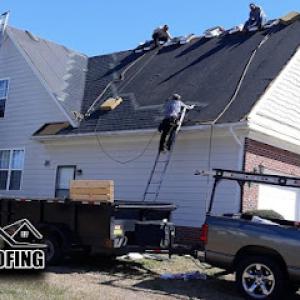
AMQ Roofing
2940 Industrial Dr, Sanford, North Carolina
5.0 from 13 reviews
AMQ Roofing has been serving our neighbors throughout North Carolina for more than 15 years. We specialize in all phases of the roofing process: from roof repairs to roof replacements, as well as maintenance and inspections. We work on commercial and residential. Whether you are looking for help with new construction or need roof repairs on an older property, your project represents an investment. We will provide the absolute best quality work on budget and on time.
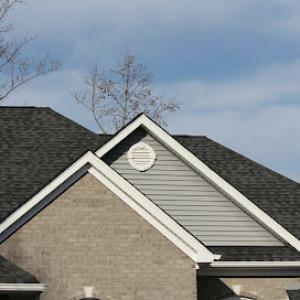
A Call Away Roofing
(919) 578-6505 acallawayroofing.com
1434 Tramway Rd Suite 2, Sanford, North Carolina
4.8 from 21 reviews
We Provide residential and commercial roofing services to customers in Central North Carolina to Eastern North Carolina. All work is guaranteed. We offer financing.
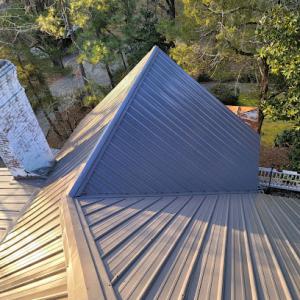
Luviano Roofing & Remodeling
(919) 888-8584 www.luvianoroofingandremodeling.com
612 N Steele St, Sanford, North Carolina
4.6 from 11 reviews
Luviano Roofing & Remodeling was founded many years ago under the values of professionalism, diligence, and integrity in the city of Sanford, NC. Our team is locally known for its professionalism and cost-effectiveness. Our company grew from ground up thanks to the referrals from our clients. Our clients don’t hesitate to recommend us to their families, friends, and co-workers because they know what we deliver; an exceptional service with high-quality finishes and great customer service.
David Snead Roofing - Roof Repair Contractor, Roof Replacement & Installation Service in Benson NC
Sanford, NC
5.0 from 1 review
David Snead Roofing is a Professional Roofing Service provider in the Benson, NC area. Reach our experienced team at (919) 673-6655 now. Make the right move by choosing our professionals.
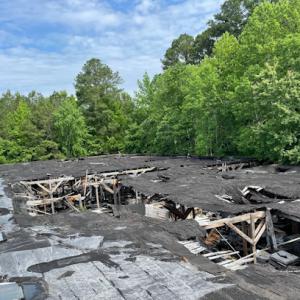
CTG Contracting
(919) 770-7668 www.ctgcontractingnc.com
Sanford, NC
5.0 from 1 review
When it comes to your home in Sanford, NC, you want to know you’re in good hands. CTG Contracting, Inc. is a roofing company that has been serving the community for over ten years. With us, you can rest easy knowing that the industry’s most experienced professionals handle your rood. Whether you need to replace your shingles or repair damage, we’ve got you covered with our residential roofing services. Our team of experts is here to walk you through every step of the process.
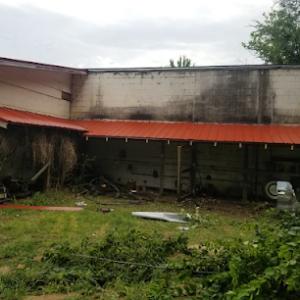
NL Roofing
(919) 888-3112 www.nlroofingllcnc.com
Sanford, North Carolina
5.0 from 1 review
NL Roofing is a family owned and operated business, in the city of Sanford, NC. Ever since we first opened our doors, the goal has been to offer the most reliable roofing service around. We are a reputable company whose name is associated with excellence. We are a team that sticks together. We believe that quality comes first- hand in hand with customer satisfaction. From the start of a project, to the finalization, we ensure that we never overlook any details. Without question, NL Roofing is your trusted roofing expert!
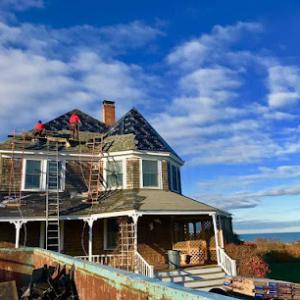
RMC Remodeling LLC Home Remodel & Renovation
(910) 676-9949 www.rmcremodeling.com
Serving
4.9 from 36 reviews
RMC Remodeling: Your Premier Home Improvement Partner At RMC Remodeling, we specialize in transforming your home with top-notch home renovations. Our expert team offers kitchen remodeling, bathroom renovations, and home additions tailored to your needs. We also provide comprehensive roofing solutions, including roof replacements, repairs, and new installations, ensuring your home is safe and secure. Committed to quality craftsmanship and customer satisfaction, we deliver energy-efficient upgrades and sustainable home improvements. Let us enhance your living space and elevate your lifestyle. Contact us today for a free consultation!
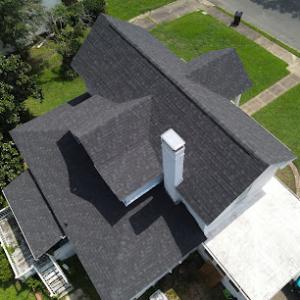
WestSlope Roofing
(910) 812-9909 www.westsloperoofing.com
Serving
5.0 from 36 reviews
At WestSlope Roofing, we've been raising the roof for customer service in our industry since 2022. We're a family-owned roofing company based in Sanford, NC, and we proudly serve surrounding areas including Fayetteville, Apex, Southern Pines, and more. We've built our name on storm damage roof repairs and insurance claim replacements—and we know how overwhelming that process can be. From retail roof repairs to full roof replacements, gutters to new construction, we bring reliable results and personal service that’s hard to find these days. With clear communication, top-quality materials, and a done WITH you approach, we’re proud to serve Sanford and surrounding areas with roofing done right. When the storm clears, we’re the ones you call.
A-Team Roofing & Construction
(910) 690-0872 ateamroofingnc.com
Serving
5.0 from 152 reviews
A-Team Roofing & Construction, located in Vass NC proudly serves eastern Carolina. We are your trusted local experts for high-quality roofing services.Our experienced team specializes in roof repair, new roof installation, and full roof replacements for both residential and commercial properties. We specialize in metal, shingles and flat roofs. If your roof has been damaged by a storm, we can help guide you through the insurance claim process, making repairs as smooth and stress-free as possible. At A-Team Roofing & Construction, we are committed to honest assessments, clear communication and exceptional workmanship. Our goal is to provide reliable roofing solutions to protect your property for years to come.
A full roof replacement in Sanford typically requires a permit through the Lee County Building Inspections Department rather than being handled as an informal contractor-only process. This means you'll want to start by submitting plans and securing approval before any Shingle or other material comes off the existing roof. The department's review focuses on drainage, ventilation, and local code compliance, so having a clear set of photos and a simple scope of work can help speed things along. If you're unsure whether a particular repair qualifies as a full replacement, check with the inspector early in the planning stage to avoid surprises during the project.
Common inspection points in this jurisdiction include tear-off, post-deck installation, and final completion, so scheduling matters if weather interrupts the sequence. The tear-off inspection confirms the entire old roof has been removed and the deck is sound. Post-deck installation checks the new underlayment, venting, and any necessary reinforcement before the new roof is laid. The final completion inspection verifies that the roof system, flashing, valley details, and penetrations meet code and the storm-related wear patterns typical in the area have been addressed. Because Sanford sits in a humid subtropical climate with heavy summer rain, inspectors pay close attention to ventilation and moisture barriers.
Plan-review and inspection timing in Lee County can vary with department workload and weather, which is especially relevant during storm-heavy parts of the year. If a storm rolls in and forces a delay, you may see a temporary hold on the permit progress or a need to reschedule inspections to fit the updated weather window. When the forecast is favorable, try to align your tear-off to start after a dry period to keep decking exposure minimal. Communicate proactively with both your contractor and the county inspector about any weather-related delays, as missed inspections can trigger re-entries and potential rework. For best results, coordinate the sequence so that the tear-off, deck work, underlayment, and shingle or tile installation are contiguous, avoiding gaps that could invite moisture intrusion during late-summer thunderstorms.
Storms and high winds during the summer thunderstorm season drive more claim activity around here, and that activity can influence underwriting after major weather events. Homeowners should expect adjusters to scrutinize not only the visible damage but also whether the roof carries updated wind-resistance features that align with current expectations. The pattern in this market is to push toward evidence of enhanced durability when evaluating claim legitimacy or renewal terms.
When a claim is on the table, thorough photo documentation is not optional-it's essential. Gather date-stamped records of damage from the first sighting through any subsequent repairs. Take wide shots to show overall roof condition and close-ups of hairline cracks, lifted shingles, fastener corrosion, and any interior leaks that trace to roof issues. Keep a detailed log of storm dates, rainfall patterns, and wind gusts if you can access that information. This level of documentation helps your insurer connect the dots between a specific event and the resulting damage, which can influence coverage decisions and the scope of replacement.
Insurers pay attention to upgrades that improve wind resistance. If your roof uses hurricane-rated underlayment, impact-resistant shingles, reinforced edging, better attic ventilation, or improved fastener patterns, have those installations documented with receipts, product specs, and installer notes. Photos should clearly show the fasteners, underlayment type, and any code-upgrade work completed after prior storms. When presenting a claim or discussing renewal, this evidence can support a more favorable evaluation, or at least a clearer understanding of how the roof meets contemporary wind standards.
Carrier terms can shift after regional storms, sometimes steering homeowners toward specific replacement materials or discussing code-upgrade considerations. If the insurer signals a preference for certain materials or updated components, you'll benefit from having a comparative record of options, along with independent assessments of wind performance and installation quality. Be prepared to explain your current roof's age, its wind-related upgrades, and how the recent weather events affected it. This transparency helps prevent misunderstandings and aligns expectations during the claim process.
As soon as you suspect storm damage, document promptly and organize files by event date. Schedule a professional roof assessment if you notice curling, loose granules, or leaks inside, and request a written report that highlights wind-resistance features. When meeting with the adjuster, bring the organized photo log, dated damage records, and product documentation to clearly demonstrate how the roof responded to the season's weather and what upgrades have been implemented. This approach reduces surprises and supports a fair, timely resolution.
Connect with contractors who help homeowners navigate the claims process from damage assessment to final approval.
Behold Roofing
(919) 825-0301 www.beholdroofing.com
603 Bragg St, Sanford, North Carolina
4.9 from 113 reviews
Central Piedmont Roofing
(919) 935-1389 www.facebook.com
200 High Ridge Dr, Sanford, North Carolina
4.9 from 55 reviews
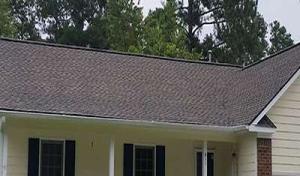
In Sanford, repeated summer heat and humidity commonly show up as aging asphalt shingle wear, including curling, granule loss, and shortened service life after years of thermal cycling. You may notice brittle edges, sections that blister or lift, and a darker, worn look where granules have shed away. To catch this early, inspect after the heaviest summer storms or a heat wave when shingles are most stressed. Regular, careful venting and avoiding improper overdriving of nails help slow deterioration.
Wind-driven rain from thunderstorms and tropical systems makes flashing transitions, valleys, and roof penetrations frequent leak points in this region. Pay attention to metal flashings at chimneys, vents, and skylights, and at the intersection with walls. Look for loose or caulking-sealed joints, rusted fasteners, or gaps where sealant has degraded. After a heavy rain, check the attic for new pry points of water staining or damp insulation. If leaks appear, target the most vulnerable transitions first and reseal with compatible, long-lasting sealants.
Mild winters mean freeze-related roofing damage is usually a secondary concern here compared with moisture intrusion, storm uplift, and heat-related material fatigue. Shingle fractures, underlayment wear, and roof deck softening can result from repeated daytime heat and rapid cooling at night. If you notice sudden attic humidity, damp spots along rafters, or musty odors after a storm, investigate roof-to-deck moisture pathways and repair vented areas to restore proper air flow. Tighten up any sealant around flashing and reapply where flashing has pulled away from the deck.
Find contractors experienced in skylight installation, flashing, and leak repairs to bring natural light into your home.
Behold Roofing
(919) 825-0301 www.beholdroofing.com
603 Bragg St, Sanford, North Carolina
4.9 from 113 reviews
Avant-Garde Roofing & Gutters
(919) 935-7934 www.avant-garderoofing.com
Serving
5.0 from 108 reviews
Low-slope sections are especially vulnerable during prolonged summer rain patterns because drainage performance matters more when storms arrive in repeated waves. When gutters clog, downspouts back up, or debris blocks drip edges, water can sit on flat areas and gradually find seams or fasteners to penetrate. In Sanford storms, you may notice telltale dampness along the upper wall line, unexpected staining on ceilings, or telltale damp spots on the interior side of attic kneewalls after a heavy shower. Regular early-season inspection helps identify membrane wear, lifted flashing, or minor punctures before a full roof failure develops.
Flat-roof service is present in the local contractor market but is less dominant than standard residential re-roofing, suggesting this is a secondary issue for most homeowners rather than the city's main roofing story. When issues arise in a low-slope section, many crews prioritize patching over full replacement, especially if the rest of the roof is in reasonable condition. For many homes, a measured repair of seals, edge detailing, and flashing transitions can extend life without a full tear-off. But be mindful that repeated water intrusion may require more substantial work.
Roof coatings and restoration appear as niche services rather than the default solution, so homeowners should treat them as condition-specific options. In practice, coatings can be useful on modest wear, or as a temporary fast fix after a storm, but they do not replace failed membranes or compromised flashing. Use coatings only after a professional assessment confirms the underlying deck and interface components are sound, and prefer products designed for humid, salt-prone Southern climates.
After a summer shower, check for damp ceilings near the attic access, inspect fascia for curling, and test flashings by running a hose along suspected joints. Document leaks with photos for insurance claims.
Find specialists in TPO, EPDM, and built-up flat roofing systems for residential and commercial properties.
Central Piedmont Roofing
(919) 935-1389 www.facebook.com
200 High Ridge Dr, Sanford, North Carolina
4.9 from 55 reviews
A Call Away Roofing
(919) 578-6505 acallawayroofing.com
1434 Tramway Rd Suite 2, Sanford, North Carolina
4.8 from 21 reviews
Storm season in this market often means rapid post-event temporary fixes, then a full re-roof. Start by listing what failed: leaks, damaged sheathing, or wind-stripped shingles. Prioritize contractors who offer on-site tarping, staged temporary repairs, and a clear plan for rapid stabilization. In many neighborhoods, quick response and organized cleanup swing a project from inconvenience to a smooth handoff between you, the adjuster, and the crew.
Residential work dominates this market, so expect crews trained to handle houses with tight setbacks and crowded yards. Ask about how the crew protects landscaping, disrupts daily routines, and cleans up daily. A strong Sanford candidate will present a detailed cleanup protocol, waste containment, and a predictable daily schedule. Verify they communicate updated timelines after storms and that they assign a single point of contact for weather-impacted delays.
Family-owned, locally owned, veteran-owned, and long-established firms are common here, but the common denominator is responsiveness after weather events. Seek companies with visible local references and a track record of post-storm claim support. Favor firms that routinely coordinate with local suppliers and adjusters, showing competence in navigating the patchwork of insurance documentation and temporary fixes.
Ask for recent project lists from storms, with addresses you can verify. Request before-and-after photos focused on edge detailing, flashing, and valleys. Check for a clearly written scope of work, material warranties, and a plan for debris containment. Confirm they will provide a lien waiver and a written cleanup guarantee. Ensure they are willing to walk you through the jobsite daily flows and leave a clean, safe yard at project close.
Narrow to two or three options, compare response timelines, cleanup commitments, and the clarity of their communication plan. Schedule in-person visits to observe the crew in action and to review the proposed materials for your roof. Choose a contractor whose approach aligns with the storm-driven realities of this market and who demonstrates a dependable, customer-centered handoff from start to finish.
Get a clear picture of your project costs upfront - no commitment required.
Central Piedmont Roofing
(919) 935-1389 www.facebook.com
200 High Ridge Dr, Sanford, North Carolina
4.9 from 55 reviews