
Last updated: Apr 19, 2026
Cameron sits in inland southern North Carolina where late spring through early fall thunderstorms are a routine roofing threat even without direct coastal landfall. Those fast-moving bands bring sharp wind gusts, hard rain, and occasional hail that can whip through the Sandhills neighborhood fabric in minutes. The pattern you'll notice locally is not just a single event but a series of stress tests on shingles, flashing, and roof edges. Hot, humid summers push materials to their limits, then sudden downpours push water through spots that look solid from the ground. The result is a mixed bag of damage that you may see in the same storm season: lifted shingles, ridge damage, flashing leaks, and tree-limb strikes that leave tiny entry points as the storm passes.
Because the town can see both severe summer storm impacts and fall tropical-system remnants, homeowners often face a pattern that ping-pongs between wind-driven dislodgement and water seepage. Lifted tabs on asphalt or synthetic shingles show where gusts ripped first, while ridge lines may reveal cracked or displaced cap shingles after a big gust or hail. Flashing around vents and along the chimney often takes the first hit in steep valleys, where wind pressure concentrates. Roof-to-wall transitions are a frequent weak point in Cameron's climate, as rain-driven wind can pry gaps open where the wall meets the roof deck. Tree limbs add a second phase of damage: impact breaks and punctures, followed by slow leaks that worsen with each passing storm band. Inland exposure means you should expect variability-some storms barely rattle the surface, while others test every seam and flashing detail.
Wind-driven rain does not always announce itself with a dramatic shingle lift. In Cameron, water tends to reveal itself first around valleys, pipe boots, chimneys, and roof-to-wall transitions after storm bands move through. Those areas are prone to micro-leaks that enlarge over minutes or hours of rain, then slip into attic spaces or ceilings before you notice the telltale damp spots on ceilings below. Look for damp insulation near penetrations and any dark staining along the interior wall lines just beneath the attic level. Valleys are notorious for pooling and slow seepage; check the interior ceiling directly below any valley line after the next big rain event.
If a thunderstorm is rolling through Cameron, secure items on the roof deck that could become projectiles during high wind. After it passes, do a careful, daylight visual inspection from the ground or a safe ladder position for missing shingles, lifted tabs, and obvious flashing gaps. Do not climb onto a wet roof; instead, focus on exterior signs of water entry and any sagging in the attic. If you notice fast dripping near a vent pipe or chimney, prioritize temporary containment with a tarp or roof-safe sealant until a professional can assess. For visible damage, document with clear photos from multiple angles, especially around ridges, valleys, and transitions, so a nearby contractor can triage quickly when time matters.
A practical approach in this area is to prioritize robust flashing around penetrations and along the roof-to-wall interface, since those are the zones most likely to fail after storm bands move through. Consider continued attention to ridge lines, ensuring cap shingles are secure and any compromised sections are resealed promptly. Regular attic vent checks help identify hidden moisture before it progresses to mold or wood damage. And when storms threaten, plan a rapid response: a pre-chosen contractor, a weather-ready tarp kit, and a clear, accessible path to the roof so quick action doesn't delay protection.
RMC Remodeling LLC Home Remodel & Renovation
(910) 676-9949 www.rmcremodeling.com
396 US-1 BUS, Cameron, North Carolina
4.9 from 36 reviews
RMC Remodeling: Your Premier Home Improvement Partner At RMC Remodeling, we specialize in transforming your home with top-notch home renovations. Our expert team offers kitchen remodeling, bathroom renovations, and home additions tailored to your needs. We also provide comprehensive roofing solutions, including roof replacements, repairs, and new installations, ensuring your home is safe and secure. Committed to quality craftsmanship and customer satisfaction, we deliver energy-efficient upgrades and sustainable home improvements. Let us enhance your living space and elevate your lifestyle. Contact us today for a free consultation!
PW Roofing
Cameron, NC
4.3 from 44 reviews
PW Roofing is a roofing contractor based out of Fayetteville, NC specializing in residential roofing. Whether you're looking to repair your existing roof or get a new one, we offer a wide selection of roofing materials like clay tile, synthetic, metal, shingles, slate roofing, and more. In addition to roofing, we also provide window replacement, gutter installation, and siding installation services. Book your free inspection and consultation with PW Roofing!
A-Team Roofing & Construction
(910) 690-0872 ateamroofingnc.com
Serving
5.0 from 152 reviews
A-Team Roofing & Construction, located in Vass NC proudly serves eastern Carolina. We are your trusted local experts for high-quality roofing services.Our experienced team specializes in roof repair, new roof installation, and full roof replacements for both residential and commercial properties. We specialize in metal, shingles and flat roofs. If your roof has been damaged by a storm, we can help guide you through the insurance claim process, making repairs as smooth and stress-free as possible. At A-Team Roofing & Construction, we are committed to honest assessments, clear communication and exceptional workmanship. Our goal is to provide reliable roofing solutions to protect your property for years to come.
Graham's Roofing & Painting
(910) 689-8729 contactgrahams.com
Serving
4.9 from 33 reviews
Graham's Roofing and Painting is a locally owned professional roofing, painting, and remodeling company servicing Fayetteville, NC and surrounding areas. As an expert roofing contractor, we provide our clients a wide range of affordable quality skilled services for all their remodel and repair needs, including roof replacement. We take great pride in our work and strive for 100% customer satisfaction. Renovate your space today and make your vision a reality. Contact us today for your free estimate or ask about 24-hour emergency service options.
STM Roofing & Construction
(910) 635-1381 www.stmconstruction.us
Serving
5.0 from 48 reviews
STM Roofing and Construction is a local family owned licensed roofing contractor. We provide quality new roof construction, roof replacement and repairs. We specialize in working with insurance companies to make the process quick and easy for you.

Statewide Roofing Company
(910) 986-2474 statewideroofing.biz
Serving
5.0 from 28 reviews
Your local roofing business, we install and repair shingle roofs, metal roofs, and rubber roofs. Locally owned and operated we have more than 35 years of successful experience serving home and business owners in Moore County NC, Richmond County NC, Lee County NC and surrounding areas with high-quality roofs, gutters, siding and more. From roof replacement to hail storm damage repair, we’re more than just a roofing company near you, we offer a comprehensive suite of services to meet your needs and budget. Accepting emergency calls 24 hours a day. (910) 986-2474
Central Piedmont Roofing
(919) 935-1389 www.facebook.com
Serving
4.9 from 55 reviews
Central Piedmont Roofing Specializes in permeant roofing solutions. Including Residential Metal, Asphalt shingles, and Flat roofing applications. We also provide seamless aluminum gutter services.
Vertex Roofing & Restoration
(910) 446-3143 www.vertexrr.com
Serving
5.0 from 41 reviews
Vertex Roofing & Restoration, with over 10 years of experience, specializes in roofing, storm damage repair, and comprehensive home restoration services. Serving Hoke County, NC, and surrounding areas, we are committed to exceptional craftsmanship and customer satisfaction. Trust Vertex Roofing & Restoration to enhance and protect your property with reliable, high-quality solutions tailored to your needs.

Behold Roofing
(919) 825-0301 www.beholdroofing.com
Serving
4.9 from 113 reviews
Asphalt shingle roof installations are a major requirement for property owners, and it begins with a heralded roofing contractor. With years of experience, we set the standard for passionate roofing and high-grade finishing. Whether it’s an installation or replacement project, we have your needs covered. Comprehensive Roofing Evaluation Roofing Maintenance Roofing Installations Roofing Replacements And More! When it comes to roofing services, we are the best in town for a reason. We have years of experience and understand the nuances of asphalt shingles and what makes them click. If the goal is to have an aesthetically pleasing roof that is going to last for years to come, you want to give up a quick call to begin this process.
A Call Away Roofing
(919) 578-6505 acallawayroofing.com
Serving
4.8 from 21 reviews
We Provide residential and commercial roofing services to customers in Central North Carolina to Eastern North Carolina. All work is guaranteed. We offer financing.
AMQ Roofing
Serving
5.0 from 13 reviews
AMQ Roofing has been serving our neighbors throughout North Carolina for more than 15 years. We specialize in all phases of the roofing process: from roof repairs to roof replacements, as well as maintenance and inspections. We work on commercial and residential. Whether you are looking for help with new construction or need roof repairs on an older property, your project represents an investment. We will provide the absolute best quality work on budget and on time.

Emergency Roofing & Remodeling
(910) 992-0670 www.instagram.com
Serving
5.0 from 4 reviews
We fix, repair or replace shingle/metal roofs. Free estimates, veteran owned business. We can put tiles, build/fix/replace decks. Paint, framing and Masonry.
In this area, the storm-heavy insurance environment means you should expect carriers to ask for dated photos, prior repair records, and contractor documentation after wind and thunderstorm events. The goal is to separate current storm-caused damage from long-standing wear that heat and humidity can accelerate on asphalt shingles. Because Cameron roofs are commonly hit by repeated seasonal storms rather than one obvious catastrophic event, having a clear, chronological record of your roof's condition is essential. If a claim is needed, the insurer will want to see a narrative that ties specific damage to a wind- or hail event, not just general aging.
Start a photo log before you even notice damage. Use a consistent date stamp from your camera or phone and shoot from ground level and attic vantage points so you capture both visible and hidden indicators. After each storm season, snap images of vulnerable areas: ridge lines, tree contact zones, chimney flashing, vent boots, and any granule loss along gutters. When you file after a storm, include images that show shingles lifted, curling, or missing granules, as well as any signs of moisture intrusion inside the attic, such as dark spots on rafters or insulation dampness. This isn't about fear but about building a credible timeline that supports a claim if questions arise.
Keep receipts, contractor notes, and warranty details for any previous roof work. If a leak appeared or a boot needed replacement last year, have those contractor statements ready to show whether the issue recurs or has evolved. Insurers in this market want to see that preexisting conditions weren't casually assumed to be new damage after a storm. A simple folder or cloud-backed archive with dates, services performed, and the provider's contact information can save hours of back-and-forth during a claim review.
Because the typical Cameron roof endures multiple seasonal events, it's wise to snapshot the condition just before storm season begins and again after it ends. This creates a clear contrast for claim reviewers, who may otherwise struggle to distinguish weather-driven changes from latent wear. If you notice consistent wear patterns-edges lifting, softer shingles near valleys, or flashing that looks loose-address them proactively with a qualified local contractor. Timely repairs before a major storm can reduce the risk of a contested claim later, and documented pre- and post-season conditions bolster your position if you need to prove where damage originated.
Choose a contractor familiar with this market's materials and exposure routes. After a significant wind or thunderstorm, you'll want written damage assessments that detail what the storm caused versus what was already deteriorating from heat and humidity. Have the contractor provide dated, itemized notes and photos showing the specific damage locations, the proposed repair scope, and anticipated timelines. This professional documentation often accompanies the photo log as the strongest evidence for a smooth, efficient claim process.
Understand that the cadence of storms in this region means you may face multiple claims opportunities across a few years. If a storm appears minor yet leaves telltale signs of substructure exposure, document early and discuss it with your roofer promptly. Early, precise documentation reduces ambiguity and helps ensure that protection for your home matches the reality of Cameron's climate-driven wear and tear.
Connect with contractors who help homeowners navigate the claims process from damage assessment to final approval.
RMC Remodeling LLC Home Remodel & Renovation
(910) 676-9949 www.rmcremodeling.com
396 US-1 BUS, Cameron, North Carolina
4.9 from 36 reviews
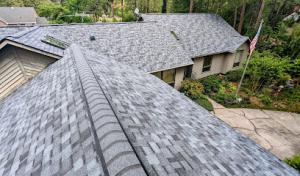
Spring and fall are the safest reroofing windows in Cameron because crews avoid the worst summer heat, humidity, and thunderstorm disruption. If you're planning a storm-ready roof, target early spring after the last freeze but before the first hot spell, or late September through October when humidity drops and afternoon storms are less frequent. In practical terms, book a crew enough in advance to secure a solid block of dry weather, and aim to have underlayment down before soils start staying slick with rain. These shoulder seasons reduce the risk of rapid heat buildup on exposed decking and help crews complete a clean seal before the next round of storms.
Hot humid summers in this area can complicate material handling and drying times, especially during tear-off and underlayment installation windows between storms. If a summer reroof is unavoidable, plan for an earlier start to each day and set a realistic pace to avoid heat-related pauses. Schedule the most labor-intensive tasks-tear-off, decking inspection, and underlayment placement-early in the morning and be prepared for quick rain interrupts that push work into the cooler evening hours. Communicate clearly with the crew about preferred drying times for roofing felt and starter courses, and have water management ready to reduce glare and heat exposure on exposed decking.
Winter work is possible but rain and occasional freezes can slow decking replacement and final dry-in scheduling. If a cold window cannot be avoided, prioritise dry days for decking work and shingle installation, with extra attention to attic ventilation and moisture control. Freeze-thaw cycles can complicate fasteners and sealants, so expect a slower cadence and potential postponements after several wet or frosty nights. Maintain a contingency plan for quick-turn completion after a period of dry air, since Cameron's microclimate can flip from damp to clear in a hurry.
1) Align a start date with a stretch of forecasted dry days, ideally avoiding late-season storms that routinely roll through the Sandhills.
2) Schedule teardown, decking inspection, and underlayment for cooler hours of the day in summer, or during milder mornings in spring and fall.
3) Build in buffer days for storm returns, especially when the radar shows developing afternoon storms.
4) Ensure crews have a clear plan for shut-downs if a sudden shower appears, with tarping and temporary protection ready to minimize water intrusion.
5) After the job, plan a quick, confident dry-in check during the first stretch of dry weather to verify ventilation and seal integrity before the next storm cycle.
Asphalt shingles dominate reroofing projects in Cameron because they fit the area's common residential housing stock and remain the lowest-cost replacement path after storm wear. They're familiar to local builders, easier to install on standard roof frames, and respond well to the region's humid summers and quick summer-to-hail transitions. When you're planning a storm-ready roof on a typical Cameron fixer-upper or a newer ranch, asphalt shingles offer straightforward replacement, accessible maintenance, and broad warranty coverage. Look for shingles with good granule adhesion and a reliable wind warranty to handle sudden gusts during thunderstorms.
Metal roofing has strong local traction in Cameron, reflecting homeowner interest in durability and storm resilience in a humid thunderstorm-prone inland market. Metal panels shed rain quickly, resist wind uplift, and can extend the roof's life in a climate that sees heavy downpours and salt-adjacent humidity from storm systems. For homes with existing attic ventilation challenges or flatter, open rafters, metal can be installed over a solid deck with minimal added weight. Selection should emphasize corrosion resistance in coastal-influenced inland air, and fasteners placed to guard against water intrusion where storms whip branches and debris.
Clay and concrete tile are available, but are less typical for mainstream Cameron homes, so structural suitability and specialized installation capacity matter more here than in tile-heavy markets. Tile brings a distinctive look and longevity in the right conditions, yet it demands a reinforced roof structure, precise underlayment, and careful attention to parapet and flashing details to prevent water intrusion during heavy storms. If considering tile, verify that the existing framing can handle the weight and that local contractors have tile-specific experience, especially in flood-prone or high-wind corridors.
Beyond material choice, matching roof type to the house's geometry and the area's storm profile is essential. Flat or low-slope sections require careful drainage planning to avoid ponding after thunderstorms. Symmetrical, well-braced roof designs tend to resist wind uplift more effectively. In Cameron's climate, the combination of storm potential and rapid reroofing needs means you'll benefit from a solution that balances install speed, durability, and repairability, with asphalt as a reliable baseline and metal offering a longer-lasting storm-focused upgrade when the structure supports it.
When you price a roof replacement, you'll notice Cameron's storm-driven demand can push scheduling and materials timing. Asphalt shingles typically run about 350 to 650 USD per square, metal roofing about 700 to 1200, clay tile about 1000 to 2300, concrete tile about 900 to 1700, wood shingles or shakes about 500 to 1000, and synthetic or composite shingles about 450 to 900. Those ranges reflect what homeowners in this sandhills belt typically pay, not just the sticker price from a contractor. If a project needs to finish fast after a damaging thunderstorm, expect crews to charge a premium for expedited work and multiple crews coordinating access through humid air windows.
Costs in Cameron can rise with decking repairs from hidden moisture damage, steep residential rooflines, and the need to sequence work around humid weather windows and inspection timing. Hidden moisture from a storm can reveal sagging decking, rotted sheathing, or rusted hardware. Factor in this possibility when you'd otherwise estimate only the shingles and underlayment. Steep pitches common on newer homes or additions can push some labor and equipment charges higher. If you're in a rushed post-storm timeline, price pressure may apply not just to materials but also to the pace of deck repair and replacement of fasteners or attic vents that show wear after heavy rains.
In practice, you'll want a bid that itemizes decking prep, underlayment, and the chosen roofing layer, plus ballast for potential indoor moisture remediation if attic spaces stayed damp. If a contractor anticipates a need to resequence work around humid weather windows, ask for a phased plan: initial roof strip and underlayment, then mid-course inspections, followed by final installation when outdoor conditions stabilize. Given the local demand spike after a widespread thunderstorm or tropical-weather event, confirm not only the price ranges but your project's critical path, which weather-sensitive steps must wait for dry days and when inspections are realistically achievable in Cameron's climate.
Get a clear picture of your project costs upfront - no commitment required.
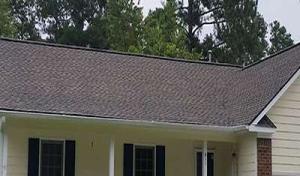
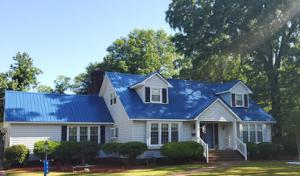
Most residential reroofs in Cameron require a building permit issued by the local jurisdiction before work begins. This is not a ceremonial step-the permit keeps the project aligned with Cameron's structural and safety norms, especially when storm damage is involved and quick reroofing logistics are in play. The permit creates a paper trail that helps if a post-storm inspection is needed.
Contractors commonly pull the permit for Cameron homeowners, and inspections usually occur at installation milestones plus a final inspection to close out the permit. The contractor's involvement typically speeds the process because they know the local paperwork cadence and the inspection schedule. If the permit is in your name, ensure the contractor provides all required documentation and access for each check.
Standard reroofs in Cameron rarely need plan review unless the roof structure is unusual or involves nonstandard framing. For most homes, the administrative checkpoints are the installation milestones and the final closeout. If a plan review is requested, it will slow things down and may require additional structural details, but that scenario is uncommon for typical Cape Fear-era truss layouts.
Schedule inspections in coordination with the contractor so that removal, decking, and shingle installation align with the city's checklist. Expect a rough-in inspection after decking and underlayment, a mid-inspection during shingle application, and a final inspection to verify work conforms to permit conditions. Ensure access for inspectors and keep copies of all permits and approval numbers handy.
At closeout, verify that all required forms, receipts, and manufacturer warranties are tied to the permit. Retain final inspection documentation for your records; it can be valuable if future storm repairs or resale documentation are needed. Regular communication with the contractor helps keep the process smooth and compliant.
In this humid storm pattern, repeated wetting can expose weak flashing details long before the main field shingles appear fully worn out. When the wind-driven rain drives against eaves and vents, those seams and step-flashes take the brunt. You may notice a damp spot along a roof edge after a storm even while the rest of the surface looks intact. Inspecting flashing connectors at least seasonally is essential to catch early failures before they expand.
Wind-driven rain in inland North Carolina commonly reveals leaks first at penetrations and transition details rather than across the broad roof plane. Vents, chimneys, skylights, and roof-to-wall transitions take daily punishment during violent storms, and a small crack here can become a soggy suture that feeds back inside walls. If you notice staining or musty smells near a vent or along a chimney chase after a thunderstorm, treat it as a portal, not a mystery. A proactive seal or flashing update around these points often stops the spread.
Older reroofs in the Cameron area may hide decking deterioration that only becomes visible during tear-off after years of humid-season exposure. When the surface shield finally gives way, you can uncover sagging plywood, cupped boards, or dry-rot smells that were masked by old shingles. Those signs indicate more extensive reconstruction is needed, and delaying inspection after a storm compounds damage. Regular attic and attic-vent checks can reveal warning tremors before a full deck replacement becomes unavoidable.
Keep a seat after the storm: note moisture marks, test penetrations, and schedule a roof pro to reflash vulnerable points promptly. Delay invites hidden costs.
Find contractors experienced in skylight installation, flashing, and leak repairs to bring natural light into your home.

Riverview Roofing Solutions
(910) 638-7693 www.riverviewroofingsolutions.com
Serving
5.0 from 2 reviews
Steep-slope residential reroofing dominates the local scene, but the mix of low-slope sections around porches, additions, garages, and small commercial-style pockets matters more than it might at first glance. These areas often ride alongside a main shingle roof, sharing transitions, underlayment, and flashing details. The practical approach is to treat each low-slope portion as its own micro-system, with attention to how it ties into the surrounding roofscape and drainage plan.
Cameron's frequent thunderstorms mean water threatens to linger on low-slope surfaces longer after the rain stops. Focus on maxing out drainage capacity: confirm that all seams and penetrations are adequately sealed and that your gutter and downspout network can move water away quickly from any low-slope planes. Where a porch or attached garage meets the main roof, verify that flashing turns are snug and that any valley or crimped seam details are reinforced. Consider in-service checks after heavy downpours to ensure no concealed sagging, standing water, or micro-leaks are developing at seams or around HVAC curbs and skylights.
Homes with both a main shingle roof and attached low-slope portions demand distinct scopes and inspection attention. During a reroof, ensure the scope includes a separate assessment for the low-slope areas, especially around transitions where the two roof types meet. In practice, this means confirming that underlayment choice and fastening patterns on the low-slope sections align with the adjacent shingle roof, and that edge flashing carries the same confidence as the main roof. Look for any differential movement at ridges or wall interfaces that could create slow, creeping leaks.
Outbuildings such as sheds or small commercial-style bays can accumulate wear differently than the main house. Inspect flat or near-flat sections for standing water after storms, and keep a vigilant eye on any penetrations-satellite dishes, vents, or plumbing stacks-that can become stress points. Schedule proactive resealing of seams and transitions, especially where metal trims or flashing meet old roofing materials. Regular, targeted touch-ups now save the hassle of a more disruptive repair later.
Find specialists in TPO, EPDM, and built-up flat roofing systems for residential and commercial properties.
After a storm, the strongest contractors in this area organize around storm scheduling and rapid cleanup. When thunder rolls and the first crews pull onto your street, expect teams that can mobilize quickly, coordinate with insurance timelines, and stage materials fast. The better crews keep a predictable sequence: tarp protection, debris control, roof removal, then installation, all while maintaining clear communication about weather windows and access needs. In Cameron, you'll notice a practical rhythm: crews arrive with a plan, work within the day, and prioritize getting your home dry again before the next squall.
The local market includes a noticeable share of long-established, family-owned, locally owned, and veteran-owned businesses. This matters in a small-community hiring environment where reputation, handshakes, and steady crews count. When you ask for references, you're not digging into distant corporate policy-you're validating a local track record, responsiveness, and the willingness to stand behind their work with a neighborly approach. Favor companies that can point to repeat storms within the same block and crews that show up on time with familiar trucks and familiar faces.
Cleanup inclusion is a strong local expectation, so treat site protection and debris removal as baseline scope rather than an add-on. Before the first nail is driven, confirm that tarps, edge protection, and yard cleanups are included. Ask how leaves, siding scraps, and nails will be retrieved and where they'll be disposed of. In a storm-prone area, a plan for daily cleanup cycles during active work helps reduce hazards and keeps your yard safe for kids and pets. Clear communication about daily end-of-day cleanup, material staging, and access routes will smooth the process and support a faster finish.