
Last updated: Apr 19, 2026
Mansfield's humid continental climate brings winter freezes, snow load, and regular precipitation that accelerate shingle wear and make leak events more likely around seasonal transitions. After a storm or hail event, the first hours matter: walk the roof only if safe, and look for bruising, granule loss, curling edges, or dark streaks on the living space ceiling. Take clear photos from ground level and with a long lens to capture widespread damage and any fasteners that appear loose or blistered. Document dates, weather conditions, and which areas of the roof showed signs of trouble first (e.g., valleys, chimney flashings, dormers). If a tree limb or debris is on the roof or gutters, photograph it as well. This documentation becomes the backbone of a claim and can be the difference between timely repair and a prolonged exposure to water intrusion.
After a hail or heavy rain event, insurance-adjuster availability in Richland County can spike, and contractors may book out quickly, sometimes weeks or longer. The goal is to strike while the window of access is open: file promptly, secure a home estimate, and align with an experienced local roofer who understands common claim pitfalls, like categorizing hail damage as cosmetic or missing hidden underlayment. When meeting the adjuster, point to the most vulnerable components first-shingles near roof edges, flashing around chimneys, and skylights-because these areas often drive the scope and payout. Keep a detailed log of conversations, including who was spoken to, the date, and the agreed next steps. If the initial inspection misses weather-related compromises, request a second opinion or an independent adjuster to review critical areas such as underlayment and attic insulation, which can be affected by moisture migration during severe spring storms or late-season temperature swings.
Spring storm and hail season creates a local surge in roof damage inspections and can compress contractor availability after severe weather events in Richland County. It is essential to anticipate this peak and avoid delaying the most critical steps: securing an estimate, selecting materials compatible with your roof type, and scheduling a repair window that minimizes exposure to continued precipitation. As winter lurches into spring, the temperamental transition often brings rain bursts and fluctuating temperatures that stress underlayment and fasteners. Plan for a rapid sequence: assessment, claim submission, contractor selection, and a tight repair timeline to reduce the chance of water intrusion slipping past imperfectly sealed penetrations.
Late fall replacement windows narrow in Mansfield because cold and wet conditions can delay tear-off, underlayment drying, and final installation scheduling. If a repair can be staged, prioritize temporary protections-tarping or boarding vulnerable openings-before the first hard frost. When the calendar flips to colder, wetter weather, any lingering tear-off or re-attachment tasks become more susceptible to weather-driven setbacks. Communicate clearly with a chosen contractor about your preferred sequencing and obtain a realistic schedule that factors in forecasted precipitation days. A proactive plan, anchored by documented damage and a strong claim path, can keep repairs from spilling into the harshest months.
Begin with a thorough homeowner inspection after any significant storm, focusing on shingle edges, near-vent areas, and flashing transitions. Capture and preserve imagery and notes promptly, then contact your insurer with an organized file that includes your photos, a dated log of observed issues, and the technical concerns you have about underlayment or ventilation. If a contractor recommends a tear-off, set expectations for a rapid, weather-conscious schedule and secure a start date that minimizes exposure to cold or wet conditions. In periods of peak demand, flexibility and clear communication with your insurer and contractor will protect your home from evolving leaks and greater moisture damage.
Absolute Assurance Restorations
1524 W 4th St, Mansfield, Ohio
4.9 from 197 reviews
Roofing companies Mansfield Ohio Top rated roofers providing roofing contractors services: roof replacement, roof repair, roof installation, storm damage roof repair, siding contractors, windows and skylight installation. We are licensed, insured, certified, and our highly trained roofers will uncover any storm damage on your roof. We repair or replace shingle roofs, slate roofing, metal roofing, rubber roofing and flat roofs. Additional services: commercial roofing, skylight contractors, windows & gutter installation. Service Area: Richland County, Ashland County, Crawford County, Morrow County, Licking & Knox Counties. Mansfield, Lexington, Bellville, Ontario, Shelby, Ashland, Galion, Bucyrus, Mt Gilead.
First Class Roofing
(888) 699-9321 www.first-class-roofing.com
302 Ashland Rd, Mansfield, Ohio
5.0 from 44 reviews
First Class Roofing, LLC - Commercial Roofing Company - is a dependable roofing contractor you can count on for all your commercial roofing services. We are a full-service commercial roofing company serving most of the state of Ohio. Main Focus Areas Include - Roof Maintenance/Roof Repairs, Proactive Roof Maintenance, Roof Restoration Systems with Long-lasting Coatings, and Roof Replacements. We apply the following: * Membranes - EPDM, TPO, and PVC * Foam and Coatings System * Metal Roofing * Shingles

Bo Lacey Construction
(800) 266-9916 www.bolaceyconstruction.com
1472 US-42, Mansfield, Ohio
4.8 from 556 reviews
Roofing, Siding, Windows, Gutters....Experience You Can Trust - Done Right On Time.
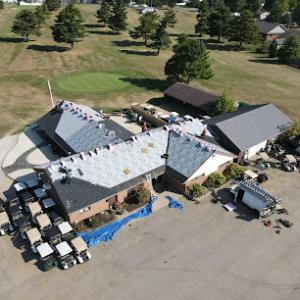
All American Roof Pros
(419) 989-4480 www.allamericanroofpros.com
720 5th Ave, Mansfield, Ohio
4.8 from 264 reviews
Established in 2018, All American Roof Pros is a local family and veteran owned and operated company with roofing experts that have decades of experience working within the industry and promise that Ohio's Best Roof is “The Last Roof You Will Ever Need.”
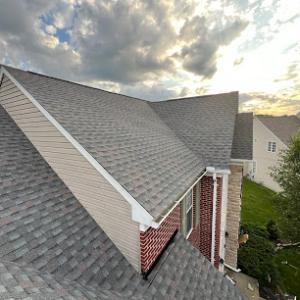
Elevated Roofing Solutions
(614) 954-3247 elevateroofco.com
1332 Park Ave W, Mansfield, Ohio
4.9 from 56 reviews
Elevated Roofing Solutions is a trusted roofing contractor in Mansfield, OH, specializing in professional roof replacements and repairs for homes and businesses. Ohio’s changing seasons bring heavy snow, rain, and humidity that can wear down roofing materials over time. our team delivers durable, weather-resistant solutions built to last. From detailed roof inspections to full replacements, we focus on quality workmanship and dependable service. Homeowners across Mansfield rely on Elevated Roofing Solutions for experienced roofers dedicated to protecting properties and ensuring long-term performance with every project.
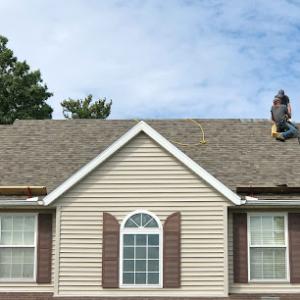
Results Roofing
(419) 989-7597 resultsroofingohio.com
Mansfield, Ohio
5.0 from 17 reviews
Results Roofing proudly serves Mansfield, Richland County, and surrounding counties with expert roofing services. From asphalt shingle replacements to storm damage repairs, we deliver quality solutions backed by over 26 years of experience. Locally owned and operated, we’re dedicated to protecting your home with reliable, professional care.
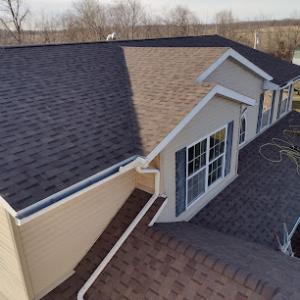
Thompson home improvements
Mansfield, Ohio
4.6 from 34 reviews
Home Improvement company that specializes in Roofing, Siding, Windows, and gutters.
Lakeview Roofing
(419) 515-2533 lakeviewroofingoh.com
4140 Flowers Rd, Mansfield, Ohio
4.7 from 27 reviews
At Lakeview Roofing, we understand the importance of a reliable, durable roof over your head. Located in Mansfield, OH, we cater to residential and commercial customers, offering a wide range of services designed to meet your roofing and exterior needs. Our commitment to quality craftsmanship and customer satisfaction has gained us a following in Mansfield. We specialize in roofing services that include asphalt shingle roofing, and metal roofing installation. Our team is skilled in asphalt shingle roof installation and repair, ensuring that your roof remains in top condition throughout its lifespan. For those looking for a sleek, modern look, our metal roof installation services provide both durability and style.
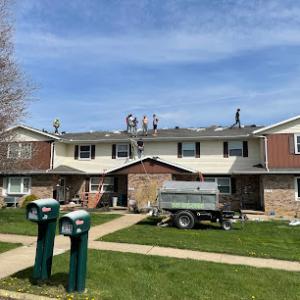
K&S Construction & Roofing
(567) 241-6393 ksconstructionandroofing.com
113 Smith Ave, Mansfield, Ohio
4.6 from 35 reviews
"Do it once, do it right!" K&S Construction and Roofing is here to help you with your home improvement needs! Give us a call today for free estimates.
Sherriff Goslin Roofing Mansfield
(419) 529-8249 www.sherriffgoslin.com
1445 W Longview Ave, Mansfield, Ohio
4.6 from 23 reviews
Sherriff Goslin Roofing Mansfield, the area's leading roofing contractor, brings over a century of expertise and service excellence to the Mansfield, Ashland, and Marion communities. Since 1938, we have been providing comprehensive roofing solutions, including high-quality installation, repairs, and replacements for residential homes, farm buildings, barns, and churches. Our commitment to exceptional craftsmanship, as an Atlas Pro® Diamond Level Contractor, ensures a durable and beautiful finish for every roofing project we undertake. Schedule your free roof inspection or estimate today and experience the unparalleled quality and professionalism of Sherriff Goslin Roofing Mansfield.

Kennedy Construction & Roofing 419-747-Roof
830 Pugh Rd, Mansfield, Ohio
4.0 from 48 reviews
family owned and operated reliable
K-line roofing an construction
1214 Bechtel Ave, Mansfield, Ohio
5.0 from 4 reviews
We're a roofing an construction company offering a wide range of services from new roofs an repairs.. gutters, soft, an facia. We also do inside remodels... trash outs ect...
Asphalt shingles dominate replacements around here because they fit the broad stock of pitched residential roofs and sit at the lowest local cost range among common materials. For most homeowners facing spring hail and winter freeze-thaw cycles, this is the material that plays well with existing roof decks and shape. When a re-roof is needed after a hail event or wind damage, asphalt shingles offer straightforward installation, predictable weather resistance, and a wide selection of colors that blend with traditional Mansfield streetscapes. If the goal is to minimize disruption and keep a reliable, easy-to-maintain roof, this is the choice most crews start with.
Metal roofing has strong local contractor support and is often considered for snow shedding, long service life, and resistance to recurring storm exposure. In practice, metal panels shed wind-driven hail better than many shingles and can reduce the chance of repeated damage in severe wind events. Metal systems also respond well to the freeze-thaw cycle because they are less prone to cracking than some tile or slate options. Installation needs precise deck prep and flashing, especially around chimneys and vent stacks, but the payoff is fewer shingle-related failures and a roof that holds up under brisk Ohio winds. If you anticipate heavy hail or you want a roof that lasts through multiple decades without frequent replacements, metal is a strong contender to discuss with reputable local crews.
Older Mansfield homes can still carry slate, clay tile, concrete tile, or wood roofing, which changes repair complexity because structural loading, matching materials, and specialized installation matter more than on standard shingle jobs. Slate and tile demand a careful structural appraisal: the existing roof framing must support the added weight, and repairs call for trades familiar with historic or semi-historic details to preserve appearance. Concrete and clay tiles bring durable weather resistance but can be brittle under impact; repair work may require exact replicas to maintain a consistent look. Wood shingles and shakes offer classic curb appeal but can be more susceptible to moisture intrusion and fire risk if not properly treated and ventilated. When a legacy roof is still in service, a roofer experienced with these materials will map out a plan that preserves performance and aesthetic, balancing load, spacing, and fastener compatibility with the home's original design.
In practice, the best choice for a given home hinges on the roof's pitch, architectural style, and the neighborhood's typical storm exposure. Moderate-pitched roofs with a history of hail response tend to favor asphalt or metal, which install quickly and repair efficiently after primary damage. Older, more ornate structures may justify slate, clay tile, or concrete tile if the deck can carry the weight and a skilled crew is available for precise matching. For any material, the plan should include a clear path for repairs that preserves the roof's load balance and water-shedding capability through the region's freeze-thaw cycles and variable spring weather. This approach keeps a roof resilient, visually coherent with surrounding homes, and aligned with long-term performance expectations for the area.
Local pricing spans about $350 to $650 per square for asphalt shingles, $600 to $1100 for metal, $900 to $1600 for clay tile, $700 to $1200 for concrete tile, $450 to $900 for wood shingles or shakes, and $1000 to $1800 for slate. When estimating, remember a square equals 100 square feet. Older homes or those with multiple rooflines, chimneys, or complex eave work add labor, materials, and disposal time, which nudges the total upward. In Mansfield, the variability is real: even a straightforward asphalt replacement can stretch if the roof has a high pitch, extensive decking issues, or if there's a need to repair flashing around dormers.
Costs in Mansfield can rise after spring hail and wind events when insurance-funded demand increases and scheduling pressure tightens across local crews. Storms flood the local market with projects, so you may see longer lead times and tighter windows to start. If your insurance claim is approved after a hail event, expect crews to prioritize those projects, potentially pushing other jobs back. Planning ahead and getting pre-approved quantities, like anticipated shingle type and estimated waste, helps prevent sticker shock when crews arrive. If you're choosing higher-end materials (clay or slate), the weather window matters: dry, mild weeks are easier for tear-off and installation, especially on steeper roofs.
Older Mansfield homes with slate, tile, chimneys, or multiple rooflines typically cost more to re-roof because tear-off, deck repairs, flashing work, and debris handling are more involved than on simple asphalt replacements. Slate and tile require more delicate handling and specialized crews, which can drive both material and labor costs up. Chimney detailing, venting transitions, and coordinating with gutters and downspouts also add phases to the project. If the roof has hidden rot or compromised decking, expect additional charges for deck replacement or reinforcement. Those factors are common of the city's mid-century to older era homes that populate the area.
Start with a realistic, written scope: confirm shingle type, number of layers to remove, flashing material, venting, and any necessary deck repairs. Get three local bids and check how each contractor accounts for tear-off, debris disposal, and disposal labor. Ask how weather contingencies are handled-some crews add a small contingency for spring conditions, which can minimize delays. Consider scheduling your replacement in late spring or early summer if possible, when the frost-thaw cycle is less punishing and crews often have steadier calendars, reducing the chance of weather-driven delays. For insurance-driven projects, keep a dedicated file of claim documents and a single point of contact with the contractor to streamline approvals and scheduling.
Get a clear picture of your project costs upfront - no commitment required.
Elevated Roofing Solutions
(614) 954-3247 elevateroofco.com
1332 Park Ave W, Mansfield, Ohio
4.9 from 56 reviews
Lakeview Roofing
(419) 515-2533 lakeviewroofingoh.com
4140 Flowers Rd, Mansfield, Ohio
4.7 from 27 reviews
K&S Construction & Roofing
(567) 241-6393 ksconstructionandroofing.com
113 Smith Ave, Mansfield, Ohio
4.6 from 35 reviews
In Mansfield, a full roof replacement typically requires a permit rather than being handled as informal maintenance. The distinction matters: a replacement that involves tearing off existing layers, installing new underlayment, and securing shingles or other materials is treated as a major project with structural and safety implications. Homes with slate or tile capable structures may still follow the same permitting framework if the work requires removal down to the sheathing. Knowing early whether a permit is needed helps avoid penalties, delays, and complications with insurance claims after a storm or hail event.
The permit application is commonly submitted by the roofing contractor and includes project details such as scope of work, tear-off procedures, and the tear-off and installation plan. That plan should spell out how many layers are being removed, how the old underlayment is disposed of, the type and grade of new underlayment, and the method of drainage and ventilation improvements if applicable. For homes with older roof assemblies, it helps to have the contractor address any structural considerations, like decking condition and potential repairs, as part of the plan. Keeping communications clear with the permit office can prevent back-and-forth delays and ensure the project aligns with local code requirements and frost-season considerations.
Mansfield roof work is generally inspected during the project and again after completion, with final approval issued once the new roof installation passes. Expect at least one mid-project inspection if the plan includes significant tear-off or decking replacement, and a final walkthrough to verify proper installation, flashing, ventilation, and water-tight integrity. The inspector will look for proper shingle or tile nailing patterns, correct installation around chimneys and vents, and compatibility with any venting or attic insulation improvements. If the weather window compresses work into spring or fall, coordinate with the contractor about scheduling to keep inspections aligned with the project timeline and avoid weather-induced delays.
Prepare by having weather contingencies in place, since freeze-thaw cycles and spring hail exposure can affect timing. Confirm with the contractor that the permit-approved plan includes temporary protections for landscaping and gutters, as storm-driven debris is a common risk during replacement season. If a roof is replaced as part of a larger home improvement package, ensure the permit covers all related trades and that subcontractors align with inspection schedules. After completion, keep copies of the final inspection report and any compliance notes, as these documents are valuable for future roof-related work or insurance considerations.
Ohio's hail and wind claim environment hits Mansfield homeowners directly, especially when roofs age or have prior weak spots. The freeze-thaw cycles and sudden spring storms mean that the date of a storm matters almost as much as the damage itself. When trouble shows up, you'll want a clear chain of evidence that ties damage to a specific event. A roof that looks fine after a storm but has hidden leaks can become a claim nightmare if the claim is delayed or contested. Photograph the exterior first, showing shingles, flashing, gutters, and any impacts on siding or skylights. Then inspect the attic for signs of interior leaks, moisture staining, or warped sheathing near the affected zones. Documentation should be tied to local storm dates you can verify with weather reports or a community storm diary, not just your memory.
Insurers serving this region expect comprehensive damage records, and they often want more than a simple afterthought note. Expect to supply exterior impact photos, interior leak evidence, and a written assessment describing how the damage aligns with a documented local storm event. If a claim involves multiple roof sections or several days of wind-driven impacts, organize the file by area, with a timeline of when each problem first appeared and how it progressed. A clear record also helps if adjusters need to distinguish between pre-existing conditions and new hail or wind damage. Keep a log of any temporary repairs or tarps you install, along with dates and who performed them, to show ongoing management of moisture risk.
In higher-claim years, carriers may tighten roof coverage terms in Ohio, so Mansfield homeowners need to review depreciation, actual cash value versus replacement cost, and exclusions before delaying a replacement. If a policy uses actual cash value, understand what portion of the roof's value will be absorbed by depreciation and whether depreciation can be offset by a future replacement payment. Look for exclusions that could apply to certain materials or installation methods, and note any age-related considerations that affect eligibility for full replacement. The goal is to set realistic expectations so decisions aren't postponed by uncertainty during a critical repair window.
Older Mansfield homes often carry slate, wood shingles, or clay/concrete tiles tucked under modern laminated shingles. In this climate, repair methods differ sharply from asphalt. When these materials age, hidden rot and fractured tiles can hide under overlays, making leaks sneaky and costly if caught late. You should expect that professional attention may reveal non-standard fasteners or underlayment that doesn't match newer homes.
Chimney intersections and aging flashing are a recurring concern, especially after freeze-thaw cycles and wet springs. Moss, rust, and cracked step flashing can develop gaps that let moisture travel down into walls. Before re-roofing, have a roofer inspect flashing at every chimney boot and sidewall intersection, and request metal flashing where appropriate to last through multiple winters.
Tile and slate systems, when present, require careful matching of valley and ridge details. Misaligned tile or slates on an older roof can trap moisture and cause selective deterioration at rakes and hips. If the attic shows sudden temperature swings, look for kinks in flashing that need realignment rather than patchwork.
Skylight and penetration leaks can become harder to diagnose on re-roofed older homes where multiple layers or past patchwork obscure the original flashing layout. Metal flanges corrode with age, sealants crack, and nails can back out after heavy storms. A cautious approach favors diagnostic testing and targeted resealing rather than blanket replacement.
In all cases, the condition of an older roof in this region hinges on timely inspection after storms and the right repair strategy that respects the original materials while ensuring weather-tightness for the next season and protects future roofs.
Find contractors experienced in skylight installation, flashing, and leak repairs to bring natural light into your home.
Absolute Assurance Restorations
1524 W 4th St, Mansfield, Ohio
4.9 from 197 reviews
Whitt Roofing & Restoration
(614) 665-6125 whittroofingandrestoration.com
Serving
4.9 from 138 reviews
While this area is primarily a pitched-roof market, some homes, additions, porches, and mixed residential-commercial properties still use low-slope sections that age differently under snow and standing water. In Mansfield, those areas often bear the brunt of meltwater pooling and repeated freeze-thaw cycles. Expect more frequent inspections of seams, edge flashings, and any transitions to steeper roof portions. If you notice persistent damp spots or granular shedding in adjacent shingles, treat those zones as an early warning for underlying deck moisture.
Regular precipitation and winter freeze conditions make drainage performance and seam integrity more important on low-slope sections than on steep asphalt roofs. Plan a proactive check after heavy rains and after the first big freeze of the season. Look for soft spots, pooled water on the surface, and any migrating water along penetrations or vents. Keep gutters and downspouts clear, and verify that downspouts direct water away from foundations. For coatings or membrane interfaces, keep an eye on wear around seams, lap joints, and drainage outlets.
Coating or restoration options are a niche but active local service category, especially where full replacement may be deferred on low-slope or aging secondary roof areas. If replacement isn't immediately feasible, discuss options like elastomeric coatings or resealing packs around penetrations, provided a proper moisture assessment confirms durable adhesion. In Mansfield, such approaches can extend service life on secondary roof zones while the main roof remains sound, reducing ongoing moisture risk during winter and spring thaw cycles.
Find specialists in TPO, EPDM, and built-up flat roofing systems for residential and commercial properties.
Absolute Assurance Restorations
1524 W 4th St, Mansfield, Ohio
4.9 from 197 reviews
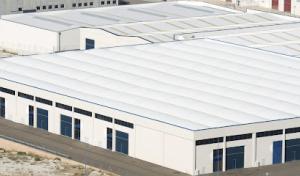
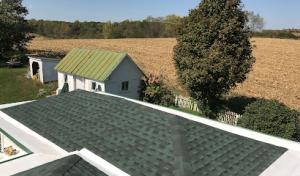
In a town where storm follow-up is common, homeowners expect crews to leave the site broom-clean and free of nails and debris. Local contractor signals show Mansfield homeowners strongly value cleanup included, quick response, and re-roofing experience over niche luxury offerings. When storms hit, a contractor who can contain drop zones, vacuum up shingle granules, and haul away waste earns steady trust from neighbors who know the next weather event could be right around the corner.
Weather swings in hands-on ways here, so timing matters. Homeowners look for contractors who answer calls promptly, schedule promptly, and keep you updated as crews mobilize. A clear plan for the first 24-72 hours after hail or wind damage reduces the stress of a sudden project. Local crews that routinely coordinate with adjusters, inspectors, and crews from nearby neighborhoods tend to keep projects moving without long delays.
The market includes a mix of long-established, family-owned, and some veteran-owned companies, which matters in a city where storm follow-up and local accountability influence hiring decisions. Experience handling a range of materials-shingles, metal, and the occasional tile-helps ensure the job stays on schedule and matches the house's original look. Homeowners prioritize crews that show up with proven methods for temporary protection, material staging, and wind-resistant detailing that stands up to Ohio winters.
Because storm-driven work is common, homeowners should ask who handles permit submission, inspection coordination, and post-job cleanup before signing. A straightforward answer about roles helps align expectations and avoids delays when the weather forces rapid decisions.