
Last updated: Apr 19, 2026
Central Ohio spring hail and wind storms are a major roofing trigger in Pickerington, turning routine roof wear into real, documented damage fast. After a big storm, the window to protect your home and your claim begins the moment the skies clear. Delays invite a creeping risk: rising leaks, worsened structural exposure, and gaps in evidence that can complicate insurer decisions. Immediate, thorough action helps lock in a solid record before weather and time erode the facts.
In this market, post-storm inspections should be treated like a medical checkup for the roof. Look for visible bruising on shingles, exposed underlayment, and granule loss in gutters and downspouts. Inside, check for attic moisture, staining, or signs of a slow drip. Photograph everything within 24 to 48 hours of a storm, focusing on areas most exposed to hail and wind-edge shingles, skylights, and any vent flashings. A plain, well-lit photo set that shows both close-ups and wider roof views makes the claim narrative clearer for adjusters and reduces back-and-forth.
Separating sudden wind or hail damage from aging wear is essential in this neighborhood's claim outcomes. Your documentation should distinguish new impacts from preexisting issues. Keep a dated log of storm events, including estimated wind speeds and hail sizes if available from local weather alerts. Collect contractor assessments that explicitly identify damage attributable to the storm, with notes on how the storm's impact differs from normal wear. Clear, consistent labeling in photos-date, location, and a brief caption-avoids ambiguity when the claim is reviewed.
Because contractor demand spikes after regional storms around Pickerington and the Columbus suburbs, timely engagement is crucial. Secure a reputable contractor early, ideally within days of the storm. A written, itemized estimate that notes hail impact zones, wind-driven damage, and any necessary temporary protections helps expedites the process with your insurer. The goal is to align the contractor's findings with the claim narrative, so the adjuster can see a coherent, damage-based path to replacement rather than a request rooted in wear and tear.
Insurer timelines are tight after a large-weather event, so anticipate a faster-than-usual scheduling pressure for appointments and inspections. Be proactive in sharing your photo set, the storm date, and the contractor's preliminary assessment. If a shift in scheduling occurs, maintain a record of all communications and any temporary protection measures (tarps, boards) you've implemented to protect the home. Clear, proactive communication reduces the chance of disputes around what was observed and when.
Expect the insurer to request additional documentation or follow-up photos. If the assessment appears to conflate age-related wear with storm damage, push back with your photo set and the contractor's notes that specifically attribute features to the storm event. Persistent, organized documentation often translates to a smoother claim path and a more timely decision for a replacement when warranted.
GKG Roofing
(614) 745-7650 www.gkgroofing.com
460 Hill Rd N, Pickerington, Ohio
5.0 from 649 reviews
For over three decades, GKG Roofing has been the trusted name in roofing, gutter, and siding solutions for the Pickerington, Ohio area. We take pride in our commitment to excellence and deliver expert craftsmanship, exceptional customer service, and superior products. Let us elevate the look of your home's exterior while providing lasting protection.
Empire Roofing & Exteriors
(833) 400-8325 www.empireroofingrae.com
22 W Columbus St, Pickerington, Ohio
4.9 from 256 reviews
For all your roofing and exterior needs in Pickerington, OH, look no further than Empire. Proudly serving Pickerington and the surrounding Central Ohio area, we're committed to delivering top-quality installations, repairs, and exceptional customer service. Our mission is to set the standard for our state in every aspect of your project. Whether it's roofing services, gutter repair/cleanout, or siding, Empire Roofing and Exteriors has you covered. We prioritize getting the job done right, on time, and within your budget, ensuring you have the best experience possible! roof roof repair roofing company roof repairs

Price Brothers Restoration
(614) 512-4530 pricebrothersrestoration.com
19 N Center St STE 1025, Pickerington, Ohio
5.0 from 85 reviews
Price Brothers Restoration is a local Pickerington roofing company serving Central Ohio. We provide general roofing and exterior home improvement services such as roof installation and repair, siding, gutters, and masonry services. We are a GAF certified, family owned business with over 40 years of combined experience in the home improvement industry. Our expertise and versatility in product knowledge and installation methods allows us to deliver durable, long lasting solutions for your home. We pride ourselves with our exceptional customer service, prioritizing your needs and ensuring quality of our work. Our skilled team of exterior remodelers ensures every project is completed with precision.
Mighty Dog Roofing of Columbus East
(614) 810-8863 mightydogroofingcolumbus.com
12960 Stonecreek Dr suite e, Pickerington, Ohio
4.9 from 125 reviews
Mighty Dog Roofing specializes in Roofing, Storm Damage Repair, Gutters, Siding, Windows, Drywall and Plaster repairs, Light Framing, Carpentry and Painting. We can do most any exterior project and can do most interior ones, too. A local Veteran owned and operated company is your choice for serving Central Ohio. We offer state-of-the-art 25 point inspections supported by our Drone Superscan technology. This technology, matched with the highest quality products and superior workmanship, allows you to have peace of mind on the most important investment you have - your home. We'll store your project information for you and our Watchdog Maintenance program helps you avoid big repairs in the future.
Kase Roofing
(614) 668-8351 www.kaseroofing.com
9811 Meadow Wood Dr, Pickerington, Ohio
5.0 from 32 reviews
Kase Roofing is a veteran-owned roofing company based in Pickerington, Ohio, proudly serving Reynoldsburg, Canal Winchester, Lancaster, Pataskala, and nearby areas. We specialize in roof repairs, replacements, storm damage restoration, and insurance claims, delivering expert roofing, siding, and gutter services backed by over 15 years of experience. Our commitment to integrity, precision, and customer care ensures top-quality results for every home. Contact us today for a free roof inspection and experience the Kase Roofing difference!

GOAT Roofing & Restoration
(614) 647-4628 www.ohioroofgoat.com
12920 Stonecreek Dr Unitr E, Pickerington, Ohio
4.8 from 87 reviews
Since 2018, GOAT Roofing and Restoration has provided Pickerington and the surrounding area with dependable and exceptional roofing services. This dedicated team of professionals offers high-quality solutions for residential and commercial properties. They specialize in accurate assessments and permanent repairs, ensuring that every customer receives an exceptional experience from the initial inspection to the final shingle. With a commitment to excellence, they strive to be the greatest of all time in every project they undertake.
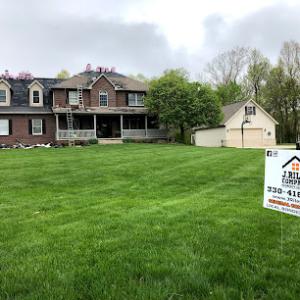
J. Riley Roofing
Back Lower Level, 8565 Refugee Rd, Pickerington, Ohio
4.7 from 95 reviews
J. Riley Roofing and Restoration is the leading choice for residential and commercial roofing, exteriors, and restoration in Central Ohio. We are a preferred contractor for Owens Corning, LP BuildSmart, and Roofing Insights.
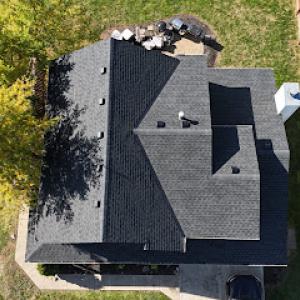
Shelter King Roofing & Exteriors
(614) 560-3637 www.shelterkingroofing.com
911 Dunvegan Cir, Pickerington, Ohio
5.0 from 20 reviews
At Shelter King Roofing & Exteriors, we take pride in delivering high-quality roofing services to homeowners in Pickerington, OH, and surrounding communities. With over 45 years of combined experience, our skilled team brings unmatched knowledge, craftsmanship, and dedication to every project. We specialize in roof repair, replacement, and installation—ensuring your home stays safe, secure, and protected in any weather. From minor fixes to full roof overhauls, we provide dependable solutions tailored to your needs and budget. At Shelter King Roofing, quality, integrity, and customer satisfaction are at the core of everything we do. Count on us for professional service you can trust—every time.
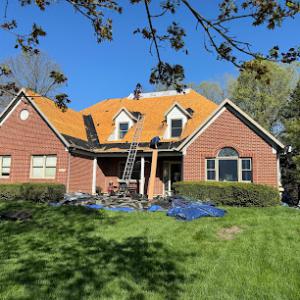
Peterson Home Building
(614) 549-9596 www.petersonhomebuilding.com
560 Colony Park Dr, Pickerington, Ohio
4.8 from 17 reviews
Welcome to Peterson Home Building, your trusted partner for roof repair and restoration solutions in Central Ohio. From storm damage restoration to expert siding, gutter, and roofing services, we are committed to delivering top-quality craftsmanship and exceptional customer service. Serving communities from Columbus to Cincinnati, our team takes pride in ensuring your home is protected and beautiful. With years of experience and a dedication to excellence, trust Peterson Home Building to safeguard your most valuable investment with integrity and precision.
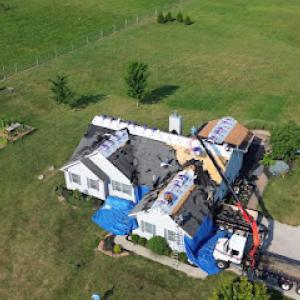
J.D Flora Roofing Contractor
(614) 778-0468 jdfloraroofing.com
355 E Columbus St, Pickerington, Ohio
4.4 from 45 reviews
A leader in roofing business since 1992 in Central Ohio, J.D Flora Roofing has achieved success due to principles & ethics based on fair pricing, professional workmanship and the use of high-quality materials. Our reputation for superior roofing in Central Ohio has made us a preferred contractor for clients of all types. J.D Flora Roofing contractor offers a complete range of roofing services
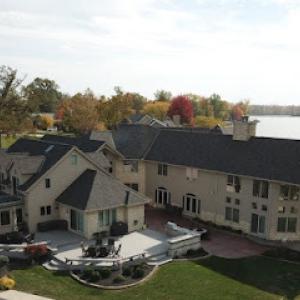
Roofs by Warren
(614) 522-9966 www.roofsbywarren.com
19 N Center St Suite 1028, Pickerington, Ohio
5.0 from 1 review
Roofs by Warren provides roofing and siding services here in Pickerington, Ohio and surrounding areas. When it comes to your construction project, finding the right company is a crucial step in planning repairs or replacements. At Roofs by Warren, we understand the importance of delivering outstanding results. Whether you require a roof repair, roof replacement, new construction roof, or complete siding installation, we are committed to providing you with the highest quality products and service. With over 30 years of experience in the industry, we possess the expertise to handle all your roofing needs. Contact us today for more information and let us assist you in choosing the perfect colors for your project. Trust Roofs by Warren to deli
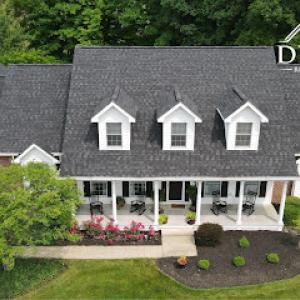
Dynasty Roofing & Restoration
(614) 567-3003 www.dynastyroofingohio.com
Serving
5.0 from 143 reviews
Dynasty Roofing & Restoration is a trusted provider of exceptional exterior solutions for residential & commercial properties. We transform roofs, siding & gutters to be functional & aesthetically pleasing.
Snow and cold arrive with a rhythm that can stress a suburban roof long before any major Midwest blizzard. In Pickerington, roofs endure repeated freeze-thaw cycles that push moisture into shingle edges, flashing joints, and around roof penetrations. On many homes, those cycles happen even when snowfall totals aren't dramatic by Great Lakes standards. The result is micro-cracks and micro-movements that quietly weaken the roof system over several seasons, especially on older asphalt shingles and lightly sealed seams. The danger isn't only visible damage after a storm; it's the cumulative wear that becomes a ticking clock leading into spring storm season.
Ice and snow loads are a recurring concern on suburban asphalt-shingle roofs, where attic ventilation and insulation aren't perfectly balanced. When warm indoor air escapes into uninsulated attic spaces, it can melt a thin layer of snow on the roof, which refreezes at the eave-creating ice dams that back up water behind shingles. This is worsened on roofs with shallow slopes or poorly sealed edge details. In Pickerington's winter, even a modest ice dam can cause water to creep under shingle tabs and into the fascia, soffits, or attic space if flashing or underlayment isn't performing as intended. Homes with rim-joist orouw attic vents that are blocked by insulation or clutter will push condensation and moisture toward the roof edge, heightening the risk of leak paths developing along roofing penetrations, such as vents, exhausts, and skylights.
Cold-weather performance of underlayment and sealing strips matters locally because winter conditions can expose nailing, edge, and flashing weaknesses before spring storm season arrives. If the underlayment becomes brittle or the seal strips fail to adhere at cold temperatures, minor wind-driven rain or sleet can find a path under the shingles. Edge metal, drip edge, and step-flashing around valleys are particularly vulnerable when temperatures plunge and then rise, causing rapid contraction and expansion. A roof that looks solid in fall can show telltale signs by late winter: small granular loss at edges, bubbled or lifted shingles at eaves, or a sparkling line of moisture along flashing during milder days.
In the heart of winter, keep an eye on attic ventilation-verify soffit and ridge vents aren't blocked by insulation, and that the attic doesn't feel excessively warm when the outside temperature is cold. Check for frost or ice buildup along eaves after a thaw, which signals moisture is moving where it shouldn't. After a notable freeze-thaw event, a careful inspection of flashing around chimneys, skylights, and vent pipes is prudent. Look for loose or lifted shingles near roof penetrations and along valleys, and pay attention to any soft spots or sponginess when pressing on shingles from the ground with a safe, clear view. If ice dams form, address insulation and ventilation gaps promptly to reduce repeated exposure of nailing and edge seals in subsequent winters. This is the season where proactive attention saves headaches when spring winds and storms roll back in.
Asphalt shingles dominate replacements in this market because they fit the large stock of suburban pitched roofs found in the area and are widely used after storm-related re-roofing. When selecting asphalt, look for a laminate (architectural) option that provides better wind resistance and a longer lifespan to ride out central Ohio's hail and wind events. In practice, you'll want shingles with a durable mineral granule coating and a respectable fire rating that matches the typical residential roof lines in local neighborhoods. Color choice matters for reflecting heat-medium to light tones can help reduce attic heat in hot summers without sacrificing curb appeal. Pairing the right underlayment with venting is essential to minimize ice-damming risk and to keep attic temperatures more even during freeze-thaw cycles.
Metal has a visible but smaller specialty presence locally, reflecting homeowner interest in durability through Ohio winters and summer heat. If you lean toward metal, consider standing-seam panels for a clean look on steeper pitches or shaded sections where snow slide concerns are prominent. Metal panels excel with hail resistance and longevity, but installation detail matters: ensure proper seam sealing, accurate fastener placement, and adequate attic ventilation to prevent condensation. Color and profile choices influence both aesthetics and performance, so coordinate with neighboring homes and the roof line to maintain neighborhood harmony. For add-on areas such as dormers or peeks, metal can be an efficient retrofit if the substrate is solid and recent roof work included adequate waterproofing.
EPDM is relevant in Pickerington mainly for low-slope sections, additions, and some residential flat areas rather than as the default roof type across the city. In practice, EPDM works well over attached or detached additions where a traditional shingle line would be awkward. When planning EPDM, focus on edge detailing, flashing connections to existing shingle roofs, and a robust seam seal to resist Ohio moisture intrusion. EPDM is not a one-size-fits-all solution for a typical suburban roof, but it provides a durable option for transitional areas where a flatter profile is needed. If a project includes a partial flat section, ensure the system integrates gracefully with the surrounding pitched sections to prevent water creep at transitions.
In neighborhoods with similar roof geometries, matching the roof's slope and alignment with the home's architectural details matters for curb appeal and performance. Consider long-term maintenance expectations, accessibility for future inspections, and the likelihood of storm-related damage in your area. A material choice that complements the roof's visible scale and local weather patterns will help maintain value and reduce the need for frequent repairs after storms.
Storm-driven surges in reroof demand across this area can tighten labor availability and affect pricing windows. After central Ohio hail and wind events, contractors may shift scheduling, leading to tighter lead times and higher mobilization costs. In Pickerington, price volatility tends to show up most in peak storm seasons when crews are scarce and material delivery windows compress. Expect rates to move within a narrow band during calm spells, and be prepared for possible temporary premiums after major hail events.
Costs can vary depending on whether the property falls under city administration or county processes tied to its Franklin/Fairfield edge location. That subtle boundary can influence timelines and site access, which in turn can affect total project duration and labor overhead. Homes on more exposed lots or with limited driveway space may see extra charges for material staging or crew parking. A thoughtful contractor will evaluate access, debris containment needs, and roof layout before refining a price.
Common suburban roof forms in this area often include multiple hips, valleys, garage tie-ins, and ventilation details that can push replacement complexity beyond a simple gable layout. Hips and valleys demand more precise shingle alignment and additional fasteners, which can extend labor hours. Garage connections introduce additional penetrations and flashing considerations. These features, along with multiple vent stacks and attic access points, can increase waste management and disposal costs as compared with flatter, simpler roofs.
Asphalt shingles run roughly from 320 to 550 USD per square, while metal roofing spans 600 to 1100 USD per square. Wood shingles/shakes typically sit between 900 and 1500 USD per square, synthetic/composite from 420 to 900 USD per square, and fiber cement from 520 to 900 USD per square. In contrast, EPDM rubber roofing is 3.5 to 6.5 USD per square foot. When budgeting, add a contingency for storm-related schedule shifts and for additional penetrations from vents or skylights. For a typical suburban Pickerington home, expect the higher end of these ranges if the roof has multiple hips, valleys, and garage tie-ins.
Get a clear picture of your project costs upfront - no commitment required.

Empire Roofing & Exteriors
(833) 400-8325 www.empireroofingrae.com
22 W Columbus St, Pickerington, Ohio
4.9 from 256 reviews

GOAT Roofing & Restoration
(614) 647-4628 www.ohioroofgoat.com
12920 Stonecreek Dr Unitr E, Pickerington, Ohio
4.8 from 87 reviews
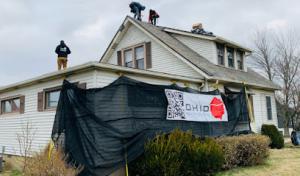
Residential roof replacements in Pickerington generally require a building permit through the City of Pickerington building department, or county authorities where applicable. The permit process is designed to ensure the work aligns with local code requirements, storm-resilient practices, and safety standards for a neighborhood that often sees rapid home updates after severe weather. Before any tear-off begins, verify that the project scope is eligible for a permit and that all required documentation is ready, including material selections and a project timeline that matches the expected inspection windows.
In this market, the roofing contractor typically files the permit rather than the homeowner managing the process alone. This arrangement helps streamline the process, as contractors are accustomed to coordinating with the building department, scheduling inspections, and addressing any code-related questions that arise during installation. Confirm with the contractor that the permit is pulled in the correct jurisdiction and that the schedule aligns with the planned work sequence. A clear start-to-finish permit timeline reduces delays caused by weather windows and storm-damage assessments after central Ohio hail and wind events.
Local inspections commonly verify roof sheathing condition, ventilation, and proper nailing and underlayment during and after installation. In the Pickerington area, inspectors look for continuous venting to manage attic moisture, adequately spaced fasteners to resist high-wind events, and correct installation of underlayment to guard against moisture intrusion. Expect at least one intermediate inspection during the roof deck installation and a final inspection once finished. If the home experienced recent storm activity, inspectors may pay close attention to the attachment of the new roof to structural components, ensuring that any prior wind or hail damage has been appropriately addressed before sealing the envelope.
Because storm damage and the documentation trail can affect insurance claims, keep a detailed record of the permit number, inspection dates, and the installation crew responsible for the work. Take dated photos before, during, and after the project, including close-ups of sheathing, ventilation, and flashing details. If an insurer requests evidence of compliance with code and installer workmanship, these records will support a smooth claim review and help demonstrate that a timely, code-compliant replacement was completed in a weather-resilient manner. Maintain ongoing communication with the contractor and the local building department to address any unexpected findings promptly.
In Pickerington, central Ohio is an active roof-claim environment, with repeated hail and wind events that test every asphalt shingle and metal seam. Storms leave a trail of damage that isn't always obvious at first glance, so meticulous records matter. The neighborhood patterns-fast-growing homes, mixed ages, and flat or peaked roof lines-mean insurers expect consistent documentation that ties observations to a storm event rather than routine wear. Those who wait for a post-storm window to grab photos risk gaps that complicate later decisions.
Photos should show the entire roof from multiple angles, plus close-ups of flashing, vents, and edge details. Before-and-after images are invaluable when a claim surfaces, and timing matters: capture the day after a storm and again after any temporary repairs. Document ice damming, granule loss, and lifted shingles in addition to any interior signs of water intrusion. Include notes on roof age, known pre-existing issues, and any contractor observations that could clarify whether damage aligns with a hail hit or sustained wind. In this market, adjusters often request this level of detail to separate storm-related damage from normal aging.
Ohio Department of Insurance oversight shapes policy language and claim handling, but local roofing decisions still hinge heavily on whether damage is classified as storm-related or normal wear. Early, precise documentation helps prevent disputes later in the process and supports timely movement toward replacement when warranted. For a homeowner, clarity about when and how damage occurred reduces the risk of downstream coverage gaps.
Connect with contractors who help homeowners navigate the claims process from damage assessment to final approval.
GKG Roofing
(614) 745-7650 www.gkgroofing.com
460 Hill Rd N, Pickerington, Ohio
5.0 from 649 reviews
Empire Roofing & Exteriors
(833) 400-8325 www.empireroofingrae.com
22 W Columbus St, Pickerington, Ohio
4.9 from 256 reviews
Price Brothers Restoration
(614) 512-4530 pricebrothersrestoration.com
19 N Center St STE 1025, Pickerington, Ohio
5.0 from 85 reviews
In Pickerington, autumn leaf buildup is a practical issue because clogged gutters and valleys can hold moisture through the city's wet-cold seasonal transition. Clear gutters and valleys before the first snows, and test downspout drainage to prevent ice dams. Inspect the roof edge and flashing for loose nails after summer heat, and keep a close eye on vent pipes for debris. Have a plan to stage debris containment during leaf drop and wind events.
During winter, anticipate freeze-thaw stress on vulnerable shingles and flashings. Ensure attic insulation is adequate to minimize condensation, which can worsen ice dam formation. If a storm comes, document damage promptly with photos from ground level and safely reachable angles. Keep pathways clear for any potential temporary tarp work after a wind event, and store roof equipment out of snow plow zones.
Spring is the key inspection season locally because it follows winter freeze-thaw stress and overlaps with the area's hail and wind exposure. Inspect all valleys and seals for hairline cracks that may have expanded, and check gutters for persistent shingle granule buildup. A thorough attic inspection helps detect moisture intrusion that isn't visible from the exterior.
Summer heat and humidity in central Ohio affect installation pace and material handling, so replacement timing in Pickerington is not just a winter-versus-summer decision. Plan for hotter days and possible delays due to weather or emergency roof repairs. Keep ladders and materials out of direct sun during peak heat, and coordinate timelines to minimize exposure. After storms, verify attic access remains secure and gutters are free of shingle fragments. Maintain a clear path for crews and neighbors when inspections resume this season.
When a hail event hits, the local market fills fast with storm-response and reroof contractors. Expect claims support, rapid inspections, and promises of quick scheduling. The goal is to pick a company that demonstrates solid documentation habits, communicates clearly about the scope of work, and can back up claims with references from nearby homes. In this climate, cleanup teams are often as visible as the roof crews, since full tear-offs and reroofs are common. Look for a contractor who prioritizes safe, thorough debris removal and protects landscaping and exterior finishes during the job.
You will notice a mix of long-established firms and family-run operators. Responsiveness and post-job follow-through often matter as much as initial price. Confirm that the company has a local presence, can provide recent project details with addresses you can verify, and offers a clear plan for staging the work around weather windows. Ask for a written sequence of steps: initial inspection, shingle sampling or decking evaluation, roof measure, project start date, and daily cleanup expectations. A reputable crew should assign a project manager who can be reached during the job and who visits the site for milestones, not just at the finish.
Storm-related work benefits from meticulous documentation. Request a detailed, itemized proposal that matches the inspection notes, with photos showing prior damage and the proposed replacement. Ensure subcontractors are identified and that the lead contractor will supervise the work from start to finish. The best hires provide a post-installation walkthrough, explain warranty coverage in plain terms, and leave you with written care instructions that reflect local winter freeze-thaw cycles.
Because cleanup is a major hiring priority here, prioritize crews that routinely perform full debris removal, roof-to-ground cleanup, and lawn and driveway protection. Inspect during the final pass for expected nail removal, outer-edge leaf protection, and proper flashing integration. A strong local contractor will address attic ventilation and interior protection, especially after a full tear-off, to prevent future moisture issues during the first winter after replacement.