Last updated: Apr 19, 2026
Canal Winchester sits in the Central Ohio hail-and-wind claim pattern that drives a high share of roof replacements after spring and summer storm cells. When a severe cell sweeps through, shingle edges lift, flashing can crack, and exposed underlayment starts to deteriorate. The first 24 to 48 hours after a storm are critical, because a small breach now can become a major interior problem once temperatures swing again. If you hear hail or see wind-driven debris, treat the roof as damaged until a pro confirms otherwise. Quick triage is not overkill-it is basic protection for your home and your wallet.
Local contractor signals show storm damage, insurance claims, and emergency repair as the most prevalent specialties in this market, indicating homeowners here commonly need post-storm inspections and temporary protection. Look for lifted or missing shingles, granule loss in gutters, bent vent headers, or gaps around chimneys and skylights. After a hail wind event, an immediate tarping or board-up may be necessary, especially if sleet, rain, or thawing happens in the same week. If a leak is active, place a sturdy container under drips and keep the area accessible for the adjuster's arrival. Do not delay temporary repairs; untreated openings become entry points for moisture and cold, accelerating interior damage.
Winter snow and ice followed by thawing can turn small storm-created shingle or flashing failures into active interior leaks before the next warm spell. In this climate, ice dams form where heat escapes attic space and melts snow down toward the eaves. If ice dams form, the risk is not just water intrusion at the eaves but interior staining along walls and ceilings from repeated freeze-thaw cycles. In Canal Winchester, quick action during thaw periods is essential: address any visible punctures or lifted edges now, because waiting can compound the problem with hidden moisture that weakens roof deck and insulation.
Document everything promptly. Take clear photos before and after any temporary protection work, noting date and time of the storm, wind speeds if known, and any observed damage from ground level. Keep a running record of all communications with insurers and contractors. When a claim is filed, request a dedicated adjuster inspection window and provide your roof's age, the types of materials present, and any prior repairs. A thorough, dated damage report with labeled photos helps the process move faster and reduces back-and-forth questions that slow recovery after a major storm.
Arrange for a local, licensed contractor experienced in Canal Winchester storm cases to perform a thorough inspection within 48 to 72 hours after the event. The focus should be on shingle integrity, flashing around chimneys and vents, attic ventilation adequacy, and signs of moisture intrusion in ceilings or walls. Ask for a written assessment detailing found damage, recommended temporary protections, and a proposed repair or replacement plan that aligns with local weather patterns. Early, decisive action keeps damage from escalating and positions you for a smoother restoration when the claim moves forward.
Precision 1
(614) 618-3444 www.precision1homeimprovement.com
7146 Snowberry Ln, Canal Winchester, Ohio
4.9 from 29 reviews
Precision 1 Home Improvement specializes in roofing, siding, gutters, windows, and more. We are based in Canal Winchester, Ohio and service Columbus, Cincinnati, Dayton and all surrounding areas.
Winchester Roofing & Sheet Metal
5427 Winchester Pike, Canal Winchester, Ohio
5.0 from 4 reviews
Bonded and insured General Contractors with expertise in Residential, Commercial, and Multi-family roofing, siding, windows, doors, exterior/interior trim work, remodeling, general carpentry, and sheet metal fabrication. "Our Success is Your Happiness"
Ohio Roofing Solutions
(614) 656-3459 ohioroofingsolutions.com
Serving
4.7 from 157 reviews
Ohio Roofing Solutions is a roofing contractor in Lancaster and Columbus serving Groveport, Grove City, Commercial Point, Obetz and nearby areas. Our roofing company offers commercial roofing, roof repair, roof rejuvenation, metal roofing and more. We also specialize in siding, gutter, and solar services. Customers love us because of our comprehensive roof warranties and our affordable roof financing options. We also have industry affiliations and certifications such as VSI Installer, Union Metal - Metal Pro Contractor, Directorii Certified. If you want to experience how your most trusted Columbus roofing company embraces our motto “Covering Ohio with Excellence", call us now for a free estimate!
C & J Roofing
(513) 867-1900 cjroofingllcoh.com
Serving
4.3 from 18 reviews
C & J Roofing is a premier family-owned-and-operated roofing contractor located in Hamilton, OH. We specialize in roofing installation, insulation, metal roofing, roof repairs, tear-offs, siding, windows, gutters, and more. Our team has many years of experience and is committed to providing our customers with the highest quality of workmanship and materials. We strive to provide superior customer service and satisfaction while providing a safe work environment for our employees. We take pride in our work and are dedicated to meeting the needs of our customers by delivering quality services in a timely and cost-effective manner.
Empire Roofing & Exteriors
(833) 400-8325 www.empireroofingrae.com
Serving
4.9 from 256 reviews
For all your roofing and exterior needs in Pickerington, OH, look no further than Empire. Proudly serving Pickerington and the surrounding Central Ohio area, we're committed to delivering top-quality installations, repairs, and exceptional customer service. Our mission is to set the standard for our state in every aspect of your project. Whether it's roofing services, gutter repair/cleanout, or siding, Empire Roofing and Exteriors has you covered. We prioritize getting the job done right, on time, and within your budget, ensuring you have the best experience possible! roof roof repair roofing company roof repairs

Price Brothers Restoration
(614) 512-4530 pricebrothersrestoration.com
Serving
5.0 from 85 reviews
Price Brothers Restoration is a local Pickerington roofing company serving Central Ohio. We provide general roofing and exterior home improvement services such as roof installation and repair, siding, gutters, and masonry services. We are a GAF certified, family owned business with over 40 years of combined experience in the home improvement industry. Our expertise and versatility in product knowledge and installation methods allows us to deliver durable, long lasting solutions for your home. We pride ourselves with our exceptional customer service, prioritizing your needs and ensuring quality of our work. Our skilled team of exterior remodelers ensures every project is completed with precision.
GKG Roofing
(614) 745-7650 www.gkgroofing.com
Serving
5.0 from 649 reviews
For over three decades, GKG Roofing has been the trusted name in roofing, gutter, and siding solutions for the Pickerington, Ohio area. We take pride in our commitment to excellence and deliver expert craftsmanship, exceptional customer service, and superior products. Let us elevate the look of your home's exterior while providing lasting protection.
Kase Roofing
(614) 668-8351 www.kaseroofing.com
Serving
5.0 from 32 reviews
Kase Roofing is a veteran-owned roofing company based in Pickerington, Ohio, proudly serving Reynoldsburg, Canal Winchester, Lancaster, Pataskala, and nearby areas. We specialize in roof repairs, replacements, storm damage restoration, and insurance claims, delivering expert roofing, siding, and gutter services backed by over 15 years of experience. Our commitment to integrity, precision, and customer care ensures top-quality results for every home. Contact us today for a free roof inspection and experience the Kase Roofing difference!
Peterson Home Building
(614) 549-9596 www.petersonhomebuilding.com
Serving
4.8 from 17 reviews
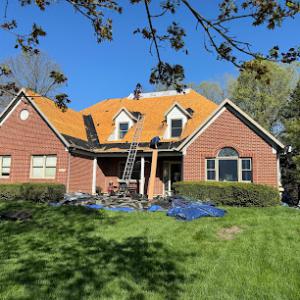
Welcome to Peterson Home Building, your trusted partner for roof repair and restoration solutions in Central Ohio. From storm damage restoration to expert siding, gutter, and roofing services, we are committed to delivering top-quality craftsmanship and exceptional customer service. Serving communities from Columbus to Cincinnati, our team takes pride in ensuring your home is protected and beautiful. With years of experience and a dedication to excellence, trust Peterson Home Building to safeguard your most valuable investment with integrity and precision.
Mighty Dog Roofing of Columbus East
(614) 810-8863 mightydogroofingcolumbus.com
Serving
4.9 from 125 reviews
Mighty Dog Roofing specializes in Roofing, Storm Damage Repair, Gutters, Siding, Windows, Drywall and Plaster repairs, Light Framing, Carpentry and Painting. We can do most any exterior project and can do most interior ones, too. A local Veteran owned and operated company is your choice for serving Central Ohio. We offer state-of-the-art 25 point inspections supported by our Drone Superscan technology. This technology, matched with the highest quality products and superior workmanship, allows you to have peace of mind on the most important investment you have - your home. We'll store your project information for you and our Watchdog Maintenance program helps you avoid big repairs in the future.
Shelter King Roofing & Exteriors
(614) 560-3637 www.shelterkingroofing.com
Serving
5.0 from 20 reviews
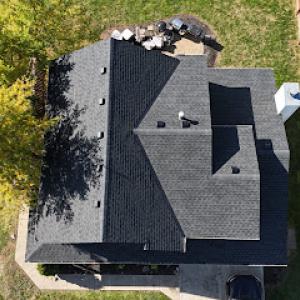
At Shelter King Roofing & Exteriors, we take pride in delivering high-quality roofing services to homeowners in Pickerington, OH, and surrounding communities. With over 45 years of combined experience, our skilled team brings unmatched knowledge, craftsmanship, and dedication to every project. We specialize in roof repair, replacement, and installation—ensuring your home stays safe, secure, and protected in any weather. From minor fixes to full roof overhauls, we provide dependable solutions tailored to your needs and budget. At Shelter King Roofing, quality, integrity, and customer satisfaction are at the core of everything we do. Count on us for professional service you can trust—every time.
J. Riley Roofing
Serving
4.7 from 95 reviews
J. Riley Roofing and Restoration is the leading choice for residential and commercial roofing, exteriors, and restoration in Central Ohio. We are a preferred contractor for Owens Corning, LP BuildSmart, and Roofing Insights.
Central Ohio winter temperature swings create repeated freeze-thaw cycling that can open vulnerable shingle tabs, stress flashing joints, and worsen small penetrations around chimneys and valleys. In homes where shingles lay flat against the attic, those micro-mavors between shingle layers can trap melting snow and refreeze it, forming ice dams that back up onto the roof. When ice damming occurs, meltwater can sit on the roof surface, finding tiny routes to seep beneath the shingles and into underlayment or wood decking. The result is a creeping leak that often reveals itself only after several cycles of frost and thaw, making early detection essential.
Heavy snow and ice dam conditions are a stated seasonal risk for Canal Winchester roofs, with leak and decking damage becoming more likely when attic heat loss melts roof snow unevenly. If heat in the attic escapes through ceiling penetrations or insufficient insulation, the edge of the roof tends to melt first and refreeze, creating a solid dam that directs water toward interior seams and joints. This is especially true near valleys, dormers, and where roof lines meet vertical wall structures. The consequences extend beyond a damp ceiling; damaged decking invites rot and, over time, structural concerns that can surprise homeowners after the thaw when it is harder to trace the source of the leak.
Homes in this area often need roof decisions tied to ventilation and moisture control because final inspections locally verify ventilation as part of code compliance. Poorly balanced attic ventilation can amplify freeze-thaw damage by trapping moist air beneath the roof deck. In winter, that moisture condenses on colder surfaces, increasing the likelihood of ice dam formation and promoting shingle deterioration as frost cycles repeat. A well-ventilated attic helps keep the roof deck closer to outdoor temperatures, reducing the rate of condensation and slowing the progression of ice-related damage. That is not a cosmetic upgrade but a practical measure that directly affects how long a roof survives harsh Ohio winters.
When storms deliver heavy snowfall, a proactive stance matters. After a major hail event or a windy day that piles snow against eaves and through roof valleys, it is prudent to inspect the attic access and look for signs of warmth escaping into the attic, such as uneven ceiling discoloration or obvious warmth-driven condensation. On the roof, check for loose or cupped shingles, missing granules, or lifted edges near chimneys and vents. Ice dams can form even on newer roofs if insulation or ventilation is insufficient, so a personal inspection should be paired with a professional assessment that focuses on the roof's edge details, flashing, and any penetrations that could channel water inward.
Finally, establish a communication plan for rapid response after a winter storm. A small leak today can become a bigger problem tomorrow, especially when the weather swings back to freezing and thawing cycles. Quick, coordinated action-documenting damage, drying soaked areas, and temporarily protecting interiors-helps reduce long-term damage and keeps homeowners from facing a larger repair bill later. In Canal Winchester, the combination of cluster housing styles and varied roof lines means that each home carries its own set of vulnerable spots, and understanding that nuance makes early intervention much more effective.
Asphalt shingles dominate locally because they fit the region's common residential re-roof market and lower entry cost. They are a practical choice for a mix of newer subdivisions and older village homes. In Canal Winchester summers, heat can soften some asphalt shingles, and the winter freeze-thaw cycle plus occasional wind-driven hail can shorten service life if attic ventilation is poor. When choosing asphalt, pair it with proper attic ventilation and an adequate underlayment to help the system breathe in hot summers and resist moisture during thaw cycles. A well-ventilated roof also reduces hot roof buildup, which translates to fewer rapid wear spots around eaves and valleys.
Metal roofing is an active specialty in Canal Winchester and performs well against snow shedding and long-term weathering. Metal shines when paired with a solid roof deck and precise seam detailing, especially on homes with eaves that trap wind-driven rain. Local installers will emphasize expansion and contraction details due to temperature swings, so look for a contractor who uses appropriate fasteners and flashing to manage movement. If opting for metal, ensure the panel layout accounts for typical Canal Winchester roof lines, including complex valleys and dormers common to older village homes.
Clay tile, slate, wood shakes, and synthetic products exist in this market but are less common choices, making installer experience and replacement matching more important on older or higher-end homes. Clay and slate offer longevity but demand careful weight assessment and structural support. Wood shakes bring rustic aesthetics but require precise maintenance to resist moisture invasion and insect exposure. Synthetic products can bridge the gap between weight and durability, but installation quality remains critical in ensuring long-term weather resistance. For older structures, verify the contractor's portfolio includes matching repairs that blend with existing textures and transitions.
In practice, the best roof for a given home balances local weather demands with the home's structure. For many houses, a high-quality asphalt or a well-installed metal system provides reliable protection with sensible maintenance. Roofs should be evaluated for proper flashing at chimneys, valleys, and penetrations, because these fail points often show up after hail events or strong winds. Regular inspections after severe weather help catch loose shingles, lifted edges, or damaged underlayment before leaks develop.
After a Central Ohio hail or wind event, focus on rapid assessment and documentation. Photograph damage from ground level and, if safe, from the roof with a ladder. Keep interior moisture visible with ceilings and walls; note any brown staining or feel of damp air. Collect contractor estimates promptly and compare them against any insurance correspondence. The goal is to identify compromised areas quickly and prevent a minor penetration from turning into a major leak during the next thaw or rainstorm. Once a temporary patch is in place, arrange for a thorough, permanent repair or replacement with a trusted local roofer who understands Canal Winchester's mix of homes and the need for careful matching to existing materials and aesthetics.
Local replacement pricing for asphalt shingles runs per square, with typical ranges from $350 to $550 per square. In Canal Winchester, these are the most common choice for mid-market homes, especially in neighborhoods with mixed-age roofs where installation crews can move quickly. After a hail or wind event in the Columbus metro area, scheduling can tighten and labor costs may spike, though asphalt remains the most budget-friendly option for full-repair programs. If existing decking or underlayment shows wear after a tear-off, expect adjustments in price and timing, since extra steps may be needed to restore a reliable base.
Metal roofs in this market are priced from $800 to $1,200 per square. They offer durability against Central Ohio winters and can reflect heat well in the spring. Storm-driven demand spikes can push project timelines and crew availability, which sometimes translates into higher temporary charges for expedited scheduling or extended crew days. If the roof is being replaced over damaged decking or if ventilation details must be corrected after inspection, metal installations can incur additional material and labor costs to ensure a proper seal and airflow.
Clay tile typically runs $900 to $1,800 per square in this area. Tile asks more from both structure and crew, particularly when crews encounter older substrates or the need to modify roof lines to fit the tiles' weight and spacing. After hail events, full re-roofs with tile can see longer lead times as specialty crews coordinate logistics. If underlayment or ventilation needs adjustment at inspection, your total cost will climb accordingly due to the additional materials and labor required for a sound, code-compliant installation.
Wood options are generally $600 to $1,200 per square. In Canal Winchester, wood delivers traditional curb appeal but requires careful detailing around eaves and chimneys to resist moisture and insect concerns. Storm activity can extend project windows, particularly on homes with multiple penetrations or where decking damage is discovered during tear-off. If older layers are found or structural framing needs reinforcement, expect higher costs and longer drying-in periods.
Synthetic or composite shingles sit around $450 to $900 per square. These can offer good resilience under freeze-thaw cycles and hail toward the region, with the advantage of lighter handling than tile or slate. After a heavy storm, scheduling pressure can push up labor availability and rates, especially for full replacements or emergency dry-ins. If inspection reveals ventilation issues or decking damage, price adjustments reflect the extra steps to restore a solid base for the synthetic system.
Slate ranges from $1,000 to $2,500 per square and is chosen for longevity and distinctive look. In Canal Winchester, slate projects can be particularly sensitive to the condition of existing roofing layers and decking; any hidden damage uncovered during tear-off often shifts the timeline and cost upward. High-demand periods after hail and wind events can exacerbate scheduling gaps, making advance planning crucial to securing skilled slate crews and avoiding delays in weather-sensitive seasons.
Get a clear picture of your project costs upfront - no commitment required.

In this area, a permit is typically required for a full re-roof rather than treated as a purely informal maintenance job. The process isn't something to treat as a surprise visit from a contractor's truck; it's a formal step that protects you and your home. Plan to start with a permit request through the local Building Department, and have ready the scope of work, including the exact roofing system you intend to install and any ventilation or attic modifications tied to the upgrade. The permit acts as a safety net to ensure the job aligns with Canal Winchester's adopted codes and material standards before shingles or panels go on.
The local Building Department reviews the roofing scope and material details before work proceeds, so homeowners should expect submittal of what is being installed rather than only a contractor start notice. This review focuses on the chosen underlayment, ventilation strategy, flashing details around chimneys and vents, and compliance with wind uplift and freeze-thaw considerations typical to Central Ohio. Have the product specifications on hand, including shingle type, underlayment grade, attic venting plan, and any screw or nail schedules. A clear set of drawings or a simple, stamped plan can help avoid delays once the contractor is ready to proceed.
After installation, a final inspection is performed locally to verify flashing, ventilation, and overall code compliance, making workmanship at penetrations and attic airflow especially important. The inspector will look closely at roof penetrations around vents, chimneys, and attic access points, as well as the attic venting layout to ensure there's adequate airflow to prevent heat and moisture buildup. Expect the inspector to verify that flashing is properly integrated with sides and abutments and that the overall roof deck is sound and properly fastened. Aligning your contractor's workmanship with these criteria reduces rework and helps the project pass without unnecessary setbacks.
Ohio's seasonal hail and wind losses make Canal Winchester part of a higher-claim roofing environment where insurers scrutinize whether damage is storm-created versus age-related wear. When a major storm hits, adjusters look for clear links between the event and the roof's current condition, and the record in the neighborhood matters as much as the individual house. The path to a smooth replacement often hinges on proving that the damage aligns with the storm window and not with long-term aging.
Insurers commonly ask for thorough photo documentation, date-of-loss support, and material condition evidence before approving replacement. After a storm, you benefit from documenting elevations, soft metals, and interior leak points immediately after the event. Take exterior shots from multiple angles, focusing on edge-strips, flashings, and any dents or lifted shingles. Inside, capture signs of moisture, staining, or attic condensation that could confirm a leak path. This level of detail can shorten interpretation disputes and reduce back-and-forth with the insurer.
Claim outcomes in this market are often influenced by workmanship history and warranty status, which matters in a city where re-roofing volume is high and many homes are being evaluated after the same storm event. If a home has a history of quality installations, proper flashing, and a reputable warranty record, the chances of a smoother claim can improve. Conversely, gaps in prior workmanship or missing warranty documentation can complicate the process and extend timelines.
When a storm is fresh, focus on gathering concrete evidence of the damage's origin. Photograph the roof's elevation changes, metal interactions with shingles, and any interior leaks linked to wind-driven rain. Maintain a chronological file that ties the storm date to when damage appeared, to help the insurer see a direct cause-and-effect pattern without ambiguity. In this climate, clarity about timing and condition often shapes the final claim result.
Local contractor signals show meaningful demand for chimney-related roof work, especially where masonry penetrations meet the roof. Freeze-thaw cycles can widen mortar joints and loosen flashing, which lets water track into attic or ceiling spaces. Start with a targeted visual after heavy storms: look for loose or missing step flashing along the chimney, rust spots on metal collars, and dark stains or peeling interior paint near the chimney base. If you smell must or see condensed moisture around a chimney chase during cold snaps, plan a prompt seal and flashing review. A careful retrofit typically employs weathered step flashing, a properly sealed counter-flashing at the chimney joint, and matching sealant that remains elastic through the season's shifts.
Skylight service remains active in this market, so address curb flashing and seal aging before leaks emerge. Inspect curb flashing where the skylight base meets the roof deck for lifted shingles or gaps in sealant. Condensation issues can signal poor drainage or venting, especially on newly added daylight features. For curb flashing, ensure flashing turns downward at the edges and that sealant beads are continuous without gaps. If condensation persists between panes, check for failed desiccant seals or interior pane issues; a puzzled homeowner can often verify by wiping the glass and watching for new droplets. Addressing both flashing and seal life now helps prevent wet ceilings during spring thaws.
Flat and low-slope sections appear as a recurring specialty locally, likely on porches and additions where drainage details differ from dominant pitched roofs. Inspect transitions from a steep roof to a low-slope area for standing water or ice buildup. Look for failed transitions where shingles meet a low-slope membrane, and confirm there is a proper slope away from the structure. Ensure edge termination and drip edges are aligned with the main roof system, and that any penetration flushings for vents or pipes are integrated with the surrounding flashing. Regular checks after storms prevent slow leaks from turning into rapid interior damage.
Find contractors experienced in skylight installation, flashing, and leak repairs to bring natural light into your home.