
Last updated: Apr 19, 2026
Central Ohio hail and wind losses are common enough that storm damage and insurance-claims services are the most prevalent roofing specialties in the area. In this corridor, a single severe event can overwhelm local crews for days, leaving homeowners waiting on assessments, paperwork, and contractor availability. The urgency is real: shingles, underlayment, and flashing exposed to repeated hail strikes or sustained high winds can deteriorate quickly, increasing the chance of leaks between storms. If you've had a hail wind event, treat the roof as a ticking clock, not a quiet week to come.
Lewis Center homeowners often need to separate fresh storm impacts from older wear because adjusters commonly request photos, dated estimates, and post-loss inspection reports after hail and wind events. The distinction matters because an adjuster may deny components that appear beyond their declared claim window or that resemble preexisting damage. As soon as you can, document with dated photos of dented shingles, lifted granules, compromised flashing, and granule loss in gutters and downspouts. Keep a brief log of when you noticed new issues after a storm, and gather any manufacturer warranties or prior repair notes. The goal is to present a clear before-and-after trail that demonstrates impact from the most recent event rather than progressive aging.
Project timing in Lewis Center is heavily affected by spring storm clusters, which can create sudden contractor backlogs across Orange Township and nearby Delaware County communities. A rapid cluster can push lead times from days to weeks, and even longer if a major event affects thousands of homes simultaneously. If your roof shows fresh impact damage or hail-induced delamination, act with focus: initiate the claim promptly, request an inspection window aligned with favorable weather, and secure temporary protections if leaks are suspected. Delays aren't just inconvenient; they can complicate moisture intrusion timelines and exacerbate interior damage, especially during late-winter thaws or early-summer hail cycles.
Hold a weather diary for the next 60 days after a significant storm, noting any new drip lines, cracked shingles, or lifted edges. Photograph the entire roof from multiple angles, then again after a rain event to capture any new leakage patterns. If an adjuster visit is scheduled, prepare a concise summary that highlights fresh damage and ties it to recent weather, not to prior wear. When contractors begin scheduling, prioritize those who understand the Delaware County corridor's climate and the local claim process, because familiarity with adjuster expectations and reliable documentation can shave days off the timeline. If you're unsure whether damage qualifies for a claim, request a storm-damage inspection from a reputable roofer who can provide an objective assessment and help navigate the post-loss paperwork. The objective is to secure a timely, accurate assessment that reflects the actual post-storm condition rather than a broader history of the roof.
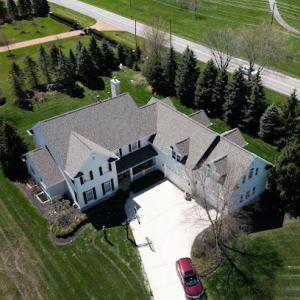
Ascent Roofing Solutions
(614) 280-1043 ascentroofs.com
401 Venture Dr B, Lewis Center, Ohio
4.9 from 223 reviews
Ascent Roofing Solutions, based in Columbus, OH, combines top-notch professionalism with a friendly touch. We're all about integrity and quality in every roofing job. Our experienced team offers reliable solutions to homeowners, businesses, and property managers across Columbus. Known for our friendly service, we've earned over 600 positive reviews and 19 Super Service Awards. Need roofing services you can trust? Call us at (614) 280-1043. We're here to help, one shingle at a time.
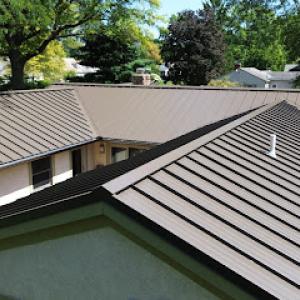
Cavalier Metal Roofing
(614) 579-4973 cavaliermetalroofs.com
7500 Green Meadows Dr Suite 1608, Lewis Center, Ohio
5.0 from 54 reviews
We help Ohio homeowners feel confident and protected with beautiful, energy-efficient metal roofs that are built to last a lifetime. Whether you’re replacing old shingles or planning a long-term upgrade, our team is here to make the process easy, clean, and stress-free. We take pride in honest work, clear communication, and results you can count on — no games, no pressure. If you’re looking for a metal roof you’ll never have to worry about again, we’d love to help.
Benchmark Roofing & Restoration
(614) 236-2000 benchmarkroofing.com
668 Radio Dr, Lewis Center, Ohio
4.5 from 125 reviews
Benchmark Roofing & Restoration provides expert residential and commercial roofing in Lewis Center, Columbus, Cincinnati, and Northern Kentucky since 1999. Family-owned with 50+ years of combined experience, we're an A+ BBB rated and GAF Master Elite Contractor specializing in roof replacement, roof repair, siding, gutters, windows, insurance restoration, and property management. Our skilled team uses premium materials and advanced techniques for exceptional craftsmanship. We handle insurance claims from start to finish and provide emergency roofing services. Free estimates available. Trust Benchmark Roofing for reliable exterior restoration throughout Central Ohio and Northern Kentucky.
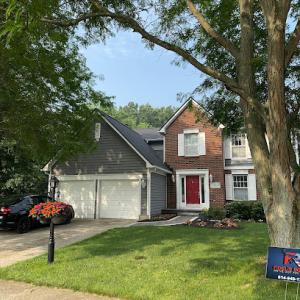
Fidelis Roofing
(614) 949-1788 fidelis-roofing.com
7500 Green Meadows Dr Unit 1515, Lewis Center, Ohio
5.0 from 14 reviews
Fidelis Roofing is your go-to solution for all your roofing needs, whether it's a new construction project or repairs. With our expertise and commitment to excellence, we provide a wide range of roofing services to meet your requirements. From roof installation and replacement to repairs and maintenance, our skilled team delivers reliable and high-quality workmanship. We prioritize customer satisfaction and strive to exceed expectations on every project. Trust Fidelis Roofing for professional roofing services you can rely on. Contact us today for more information or to schedule a consultation.
Absolute Contracting Plus
8185 Green Meadows Dr F, Lewis Center, Ohio
4.8 from 18 reviews
Your Reliable Roofing Contractors and Siding and Gutter Professionals.
Allstate Exteriors & Restoration Services
(380) 224-6410 www.allstateexteriorsinc.com
Serving
5.0 from 22 reviews
Allstate Exteriors & Restoration Services is a trusted leader in roofing, siding, and exterior restoration in Westerville, OH. With decades of experience, we offer high-quality roofing, storm damage repair, and exterior solutions for homeowners and businesses alike. Our exceptional craftsmanship and commitment to customer satisfaction make us the go-to choice for reliable service. We handle both residential and commercial projects, ensuring top-tier results focused on durability and aesthetics.
Know-A-Guy Roofing & Exteriors
(614) 216-6175 www.knowaguyroofingandexteriors.com
Serving
4.9 from 80 reviews
At Know A Guy Roofing & Exteriors, we’ve proudly served Columbus, Ohio, homeowners for over 8 years with honest, high-quality roofing and exterior solutions. Whether you need a full roof replacement, storm damage repair, or a simple inspection, our expert team delivers durable results with unmatched care. What sets us apart? Our exclusive 25-Year No Gap Warranty offers long-term peace of mind and protection for your investment. From asphalt shingles to metal roofing, siding, gutters, and more, we handle it all with professionalism and pride. Call today for a free estimate and discover why we’re one of Columbus’s top-rated roofing companies.
Ramos Roofing
(614) 761-7663 ramosroofingohio.com
Serving
4.9 from 377 reviews
With over 15 years of experience serving the Ohio area, you’ll be hard-pressed to find a better partner for your roofing, siding & gutter needs. We want your property exterior to be more eye appealing & maintenance-free. We’re Ohioans serving Ohioans.
Redtail Roofing
(614) 368-9700 redtailroofing.com
Serving
4.9 from 33 reviews
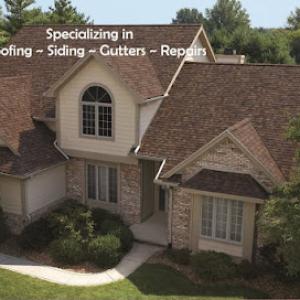
As a premier company specializing in residential roofing services, we are dedicated to providing customer service that is second to none. Whether you have a new construction project or need to replace an old or damaged roof, we offer roofing repair and replacement services.
Provantage Builders
(614) 702-2392 provantagebuilders.com
Serving
5.0 from 105 reviews
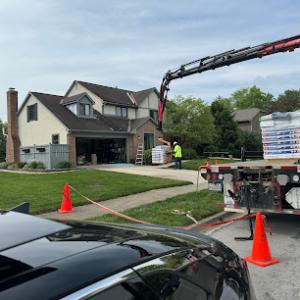
Provantage Builders delivers strong craftsmanship and dependable service across roofing, siding, gutters, skylights, and exterior repairs. The approach is straightforward: educate the homeowner, outline options clearly, and eliminate the pressure. Clients get honest guidance, not a sales pitch. Every project uses quality materials, installed with attention to detail, and backed by responsive support—whether it’s a repair question or post-project follow-up. From targeted leak fixes to full roof replacements, Provantage tailors solutions that protect your home long-term. Flexible financing options help make projects accessible, and the focus stays on trust, transparency, and results that hold up.
MaxForce Roofing & Siding
(614) 467-8910 www.maxforceroofing.com
Serving
4.6 from 24 reviews
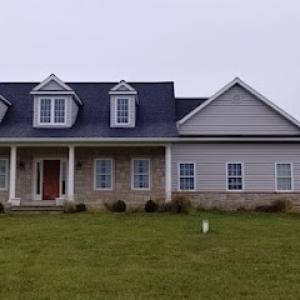
Welcome to MaxForce Roofing and Siding, your premier roofing Westerville, OH, contractor and construction company! With our expert team of professionals, we are dedicated to providing top-quality services that exceed your expectations. Whether you need a new roof, siding installation, or a complete home renovation, our top roofing contractor team has got you covered. Our skilled craftsmen use the highest quality materials and the latest techniques to ensure lasting results. Our commitment to excellent customer service means we listen to your needs and deliver personalized solutions. Contact us today for a free consultation! Also covering Columbus County, New Albany, Gahanna, Powell, Dublin, and more.
Great Roofing & Restoration
(614) 503-1966 greatroofing.com
Serving
4.9 from 138 reviews
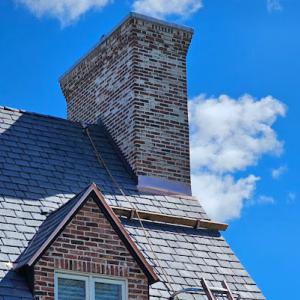
We specialize in residential, commercial, and multi-family roofing services. Our team of experienced contractors are dedicated to providing high quality workmanship and customer service to all our customers. We understand the importance of a secure roof for your home or business, and take pride in working with you to develop a plan that works for your home or business & within your budget. From repairs to full roof replacement, Great Roofing and Restoration has you covered. Contact us today for more information!
In this corridor of Orange Township and Delaware County, roofs endure repeated winter freeze-thaw cycling. That pattern is especially hard on flashing details, shingle seals, and roof penetrations after snow events. The result isn't dramatic one-time damage, but a slow, cumulative wear that challenges the integrity of joints, vents, and penetrations. When a thaw follows a cold snap, meltwater can seep into tiny gaps, refreeze at the eaves, and force ice damming to form along the lower edge of the roof. Over multiple seasons, that can create small leaks you notice only after a heavy thaw or after a stiff wind drives water under shingles. The local roofscape-steep-slope homes with asphalt, metal, or tile profiles-demands particular attention to these vulnerable edges and transitions.
Seasonal snowfall paired with freezing temperatures makes ice damming a real local concern. The bigger the heat loss from the attic, the more meltwater is produced to run toward the eaves. If attic ventilation is imbalanced or restricted, that heat transfer increases, pushing more water toward the roof edge where it can refreeze. This isn't just about a few icicles or a damp ceiling; repeated ice dam formation can lift shingles, loosen nails, and compromise flashing around chimneys, vents, and skylights. The result can be slow leaks during thaws that only show up after a few days of sun or after a heavy snow melt. What to watch for in this climate: stained ceilings, dark spots on interior walls near exterior corners, and a damp, musty odor after winter chinooks. If any of these appear, investigate the roof perimeter flashing and seal around penetrations promptly.
First, inspect attic insulation and ventilation to minimize heat buildup that fuels meltwater. Look for insulation gaps near access hatches, around kneewalls, and along soffit lines where baffles may have shifted. In Lewis Center, properly balanced soffit, ridge, and attic venting reduces the likelihood that attic heat becomes the engine of ice dam formation. If you notice persistent attic warmth or condensation on cold nights, arrange a quick evaluation of the ventilation strategy with a local roofer who understands the seasonal patterns here.
Second, manage snow on the roof when safe to do so. A clean, cautious approach-carefully using a non-abrasive plastic roof rake from ground level to remove compacted snow above the eaves-can prevent a heavy meltwater surge from spilling over and refreezing at the edge. Avoid chipping ice directly from the roof, which can damage shingles and flashings.
Third, after snow events, pay attention to the flashings around dormers, chimneys, and vents. If flashing appears displaced, bent, or corroded, arrange prompt repair. Ice dams may winterize and reappear each season, but addressing flawed flashings early reduces the risk of leaks during the next thaw.
Winter conditions do not just damage roofs; they also delay tear-offs and push most full replacement work into spring through early fall. The frozen ground, snow loads, and below-freezing temperatures complicate access and safety, often extending the timeline for major repairs. Planning ahead with a trusted local roofer to perform flashing and seal repairs during late winter or early spring can mitigate the risk of water intrusion during the next thaw cycle, while reducing the window of disrupted interior living spaces. Stay alert to any new signs after heavy snows and thaw events, and treat each incident as a cue to reassess ventilation, insulation, and edge details before the next winter arrives.
When you can't wait, these contractors offer fast response times to stop leaks and prevent further damage.
Ascent Roofing Solutions
(614) 280-1043 ascentroofs.com
401 Venture Dr B, Lewis Center, Ohio
4.9 from 223 reviews

Benchmark Roofing & Restoration
(614) 236-2000 benchmarkroofing.com
668 Radio Dr, Lewis Center, Ohio
4.5 from 125 reviews
Fidelis Roofing
(614) 949-1788 fidelis-roofing.com
7500 Green Meadows Dr Unit 1515, Lewis Center, Ohio
5.0 from 14 reviews
Asphalt shingles dominate the available market here, and for good reason: they fit the typical suburban roof profile, are straightforward to install on the common steep-slope homes, and pair well with the mid-winter freeze-thaw cycles that dip into single digits. Yet the local mix is not a one-horse race. Metal, clay tile, concrete tile, wood shakes, and synthetic or composite shingles are present locally enough to matter in replacement planning. That means you have viable alternatives if your priorities center on longer-term durability, aesthetic variety, or specific performance features. The choice should reflect not only personal preference but how a given material ages in our climate, how it handles attic heat, and how it behaves during a warm, humid Ohio summer.
You live with a dual climate challenge: harsh winter stresses from freeze-thaw cycles and the heat and humidity that gusts through attics and roof vents in summer. Asphalt shingles typically handle these swings well when paired with a well-sealed attic and proper ventilation. Metal roofing can excel in heat dissipation and wind resistance, but it may require more precise flashing details and substructure checks to prevent thermal expansion issues on older homes. Clay and concrete tiles offer impressive longevity and heat resistance, yet their weight and installation demands demand a structural assessment and careful integration with existing flashing. Wood shakes provide a distinctive look and good insulation potential, but they need maintenance and protection against moisture. Synthetic or composite shingles can blend the ease of installation with improved impact resistance, while offering a wider range of aesthetics. In practice, your decision should align with how the roof's age, attic conditions, and overall home envelope respond to seasonal stresses here.
Heavier systems such as clay and concrete tile are available in this market, but they require closer attention to structure, flashing, and replacement logistics than the area's more common asphalt roofs. If your home is older or has a marginally prepared roof deck, bringing in a structural assessment is essential before selecting a tile option. The installation sequence matters in this climate because long, cold snaps can affect fasteners and sealants, and the resulting weight distribution can influence fascia and rafter support. With clay or concrete, plan for a more deliberate pacing of labor and a tighter sequence of inspections to verify that the underlayment and drainage orientation remain optimal after the new covering is in place. For many homeowners, this means coordinating with a contractor who has hands-on experience with both the material and the peculiarities of local roof framing.
Start by listing what you value most: longevity, curb appeal, cost-efficiency, or ease of installation. Then compare how each option performs under freeze-thaw cycles and humid summers, focusing on attic temperature management and the potential for heat-related aging. If you lean toward a tile system, commission a structural evaluation and a detailed flashing plan to ensure the retrofit can be executed without compromising the envelope. For asphalt, invest in a ridge vent and attic insulation upgrade if needed to maximize longevity and reduce heat buildup. Finally, talk to local installers who routinely handle the full spectrum of materials; their insights about typical installation conditions and logistics in this market will help you land on a choice that balances performance with practicality. In Lewis Center, the right material choice is one that withstands both our winter rigidity and our summer humidity without sacrificing existing roof geometry or interior comfort.
Typical local pricing runs about $350 to $700 per square for asphalt shingles, $600 to $1100 for metal, $900 to $1800 for clay tile, $800 to $1500 for concrete tile, $600 to $1100 for wood shingles or shakes, and $500 to $1000 for synthetic/composite shingles. In practice, most Lewis Center homes with steep-slope roofs land in the asphalt-shingle range for standard tear-off and re-roof jobs, with premium materials pushing toward the upper end of town-area bids. When a contractor walks your roof, expect to see per-square quotes that reflect both material costs and the labor intensity of a steep slope, plus any necessary disposal and teardown.
Lewis Center pricing can rise after central Ohio hail and wind events because storm-driven demand compresses scheduling and increases competition for crews during the main spring-through-fall work window. That means if your roof is damaged and the project is weather-tight, a bid received in the wake of a major hail or wind event may look significantly different from a late-winter or early-spring quote. Homeowners should anticipate tighter scheduling, potential wait times for crews, and the possibility of expedited timelines driving up labor hours and material pick-up costs. If you're comparing bids, ask each contractor to specify how much of the quote is attributed to expedited scheduling or surge pricing versus standard production.
Costs in Lewis Center are also influenced by permit and inspection requirements for full re-roofs, by the steep-slope residential roof mix common in the area, and by whether hidden damage is found after tear-off. The typical local roof often involves steep pitches and more complex geometry, which can increase safety measures, equipment use, and crew hours. Hidden damage uncovered after teardown-such as compromised decking or roof-to-wall connections-tends to push bids upward, sometimes substantially, as crews must extend labor time and possibly bring in specialty carpenters or structural retrofits. When evaluating bids, factor in a realistic contingency for unseen issues, especially on homes with older decking or unusual roof lines common around the Delaware County corridor.
Start with the material you want and then tier your bid against your neighborhood's common practice. If you're choosing asphalt, plan for mid-range pricing unless you're selecting premium architectural shingles or include extra underlayment and wind-rated components. For storm-prone springs, build in a small cushion for scheduling-driven delays and surge labor, especially if your project aligns with peak demand. Finally, when a contractor proposes a broader scope-like additional ventilation upgrades or deck repairs-weigh those changes against the risk of incremental revisits or future leaks, since a tight schedule can also affect long-term performance.
Get a clear picture of your project costs upfront - no commitment required.
Benchmark Roofing & Restoration
(614) 236-2000 benchmarkroofing.com
668 Radio Dr, Lewis Center, Ohio
4.5 from 125 reviews
Know-A-Guy Roofing & Exteriors
(614) 216-6175 www.knowaguyroofingandexteriors.com
Serving
4.9 from 80 reviews
A full re-roof in this area typically requires a building permit, with applications handled through the Delaware County Building Department or the applicable local township process. The permit ensures that the roof replacement is designed and executed to meet current code, weather considerations, and structural realities of the homes commonly found in Orange Township and the Delaware County corridor. When planning, start with the permit check early in the project timeline, and verify whether the project triggers any additional approvals-such as if you have a historic designation on your street or a homeowner's association that imposes extra requirements. Because many Lewis Center homes sit on steep slopes, the permit review often includes details on deck or porch overhangs, attic ventilation, and eave drainage provisions.
Lewis Center re-roof jobs commonly receive an inspection after tear-off and underlayment, followed by a final inspection at completion. The tear-off and underlayment inspection focuses on ensuring all old roofing material is removed, the roof deck is sound, and the installation of underlayment and starter components meets local expectations. inspectors look for solid deck condition, proper nailing patterns, and adequate weather barriers to protect against the freeze-thaw cycles typical in central Ohio. The final inspection verifies that the finished roof and penetrations-vent pipes, chimneys, and vents for exhaust-are properly sealed, vented, and integrated with the drainage system. In this climate, inspectors emphasize the correct flashing at wall intersections, chimney flashing, skylight details if present, and the configuration of outlets, gutters, and downspouts to prevent water backflow and pooling near foundations.
Local inspections concentrate on flashing, venting, and drainage performance-areas that frequently fail when rapid work schedules collide with unpredictable spring storms or heavy fall winds. Expect the inspector to check kick-out flashing at eaves and sidewalls, step flashing along chimneys and wall transitions, and the integrity of roof-to-wall intersections where wind-driven rain can exploit minor gaps. Venting efficiency is another critical point: proper ridge, soffit, and gable-end ventilation maintains attic temperatures and reduces condensation risk, which is essential for long-term shingle life. Drainage considerations include confirming that gutters and downspouts are securely attached, pitched correctly, and directed away from foundations, with attention to any low spots that could pond after a heavy rain.
Coordinate your schedule with the contractor so that the tear-off and underlayment stage is completed in a window with predictable weather, reducing the need for temporary repairs. Have all vented penetrations clearly sealed and flashing materials ready for inspection. If your home has multiple roof faces, ensure deck boards are clean and free of debris that could obscure fastener patterns or damage detection. For steep-slope roofs, safety equipment and proper containment on the job site support a thorough inspection and help prevent call-backs for minor, fixable items. After completion, review the final inspection checklist with your contractor to confirm all items-especially flashing tightness, venting integrity, and drainage alignment-have been signed off.
Hail and wind events in this fast-growing corridor have built a reputation for shaping how roofs are replaced. The storm climate here often drives decisions more than cosmetic concerns, and carriers expect you to demonstrate a clear, storm-caused deterioration rather than age-related wear. When a claim is filed, the mix of steep-sloped residential roofs and frequent freeze-thaw cycles can complicate the adjuster's assessment, so preparation matters.
Homeowners should anticipate carriers scrutinizing roof age, material type, and the documented cause of loss before approving a full replacement. Adjusters serving this market commonly request dated photos that show the roof's condition before and after the event, written estimates from reputable contractors, and follow-up site visits to verify that storm damage, not aging or improper maintenance, prompted the claim. Clear, specific evidence helps the claim survive the initial review and reduces the chance of a partial denial.
To minimize friction, gather a concise packet: dated photographs of the affected areas, close-ups of hail or wind-related damage, one or more independent written estimates, and a simple narrative describing when the loss occurred and how it impacts the roof's current condition. If you have prior inspection notes or a recent maintenance record, include those as well. The more you document, the easier it is for an adjuster to separate storm impact from natural deterioration.
Expect that a complete roof replacement may hinge on proving a direct storm cause, not merely the presence of aging material. The adjuster will weigh the damage's location, severity, and the roof's overall condition against expected deterioration. In a high-claim environment, delays or partial approvals can occur if documentation is ambiguous or if damage sits near the line between storm-related and age-related factors. Plan accordingly to present a clear, well-supported case.
Connect with contractors who help homeowners navigate the claims process from damage assessment to final approval.
Ascent Roofing Solutions
(614) 280-1043 ascentroofs.com
401 Venture Dr B, Lewis Center, Ohio
4.9 from 223 reviews
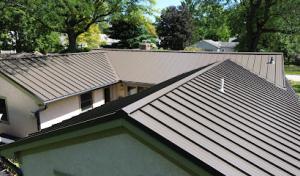
Cavalier Metal Roofing
(614) 579-4973 cavaliermetalroofs.com
7500 Green Meadows Dr Suite 1608, Lewis Center, Ohio
5.0 from 54 reviews
Benchmark Roofing & Restoration
(614) 236-2000 benchmarkroofing.com
668 Radio Dr, Lewis Center, Ohio
4.5 from 125 reviews
In Lewis Center's climate, flashing and drainage details are high-priority failure points because they are stressed by both winter ice and warm-season rain events. When the roof experiences freeze-thaw cycles, small gaps in step flashing around chimneys, vents, and along wall lines can grow into leaks. Similarly, improper drainage or misaligned gutters and downspouts invite water pooling at eaves and low spots, which accelerates deck and fascia deterioration. The practical expectation is that these areas are inspected with a critical eye during any repair or replacement, and that flashing is installed with continuous, properly sealed joints and properly counter-flashed to prevent ice-backed seepage.
Spring hail and wind can expose pre-existing weaknesses around vents, chimneys, skylights, and ridge areas that may not have been obvious before a storm. Pay close attention to the base flashing around vent pipes, end caps on skylights, and the transition from the roof deck to the curb or flashing collars. Ridge and hip areas, especially where old sealant or degraded shingle tabs show signs of movement, can reveal latent vulnerabilities after a heavy wind event. In practical terms, pre-storm checks should focus on loose shingles near penetrations, and post-storm inspections should re-check these zones for lift, displacement, or micro-cracks that could channel water inward.
Because local inspectors verify venting and drainage on re-roof projects, these details matter not only for performance but also for passing final approval. Ensure that all vents are correctly seated with integrated flashing for the chosen roof system, that crickets or saddles direct water away from congested eave lines, and that gutters are securely mounted with proper slope. The goal is a continuous water path from the roof surface into the drainage system, with minimized risk of ice dams forming at eaves or around skylights and chimneys.
When evaluating a roof, start at the penetrations and trace a path along each vent, chimney, skylight, and ridge. Confirm that flashing transitions are sealed, joints are continuous, and drainage paths remain clear after typical spring rain events. If any doubt remains after a storm, schedule a targeted inspection focused on these failure-prone details, so a repair or replacement plan can address them before minor issues escalate. In a re-roof scenario, insist on a drainage-first approach and meticulous venting verification to align with local inspection expectations. In Lewis Center.
Find contractors experienced in skylight installation, flashing, and leak repairs to bring natural light into your home.
Ascent Roofing Solutions
(614) 280-1043 ascentroofs.com
401 Venture Dr B, Lewis Center, Ohio
4.9 from 223 reviews
Benchmark Roofing & Restoration
(614) 236-2000 benchmarkroofing.com
668 Radio Dr, Lewis Center, Ohio
4.5 from 125 reviews
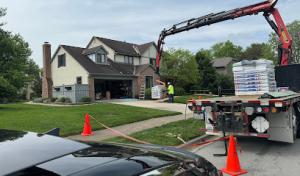
In Lewis Center, the practical roofing season runs from spring into early fall because winter freezing and snow complicate tear-off, sealing, and inspection timing. Start planning as soils thaw and temperatures consistently rise, but avoid the peak heat of midsummer when asphalt and metal installations can slow due to heat-sensitive materials. This window aligns with typical home maintenance cycles after winter damage checks, so scheduling soon after spring storms helps keep replace-and-seal work on track.
Spring can be the busiest booking period locally because homeowners are reacting to winter damage while also entering hail and wind season. If you anticipate a grid of local crews, aim for early to mid-spring to secure a crew before demand peaks. Weather fronts can cluster in April, so having a flexible start date within the season helps. Planning around typical storm patterns reduces the risk of delays tied to wind or sudden downpours that hinder tear-off and staging.
Autumn work in this area can still be productive, but rain and wind can interfere with installation sequencing and drainage planning before winter returns. If autumn is your chosen window, target the dry, moderate weeks and have a contingency plan for unexpected weather. Ensure drainage and attic ventilation considerations are coordinated ahead of the first freeze, so the project can wrap up before colder conditions tighten up access or complicate sealants.
Prioritize projects that address visible damage or aging signs, and align a start date with stable forecasts rather than emergency timing. Acknowledge that steep-slope homes are common here, so confirm ladder access, fall protection, and crew experience for pitched roofs. This practical approach reduces surprises and helps the project stay on track through the variable autumn and spring shoulder periods.
The neighborhood character around town is clearly shaped by fast suburban growth and frequent storm events, with insurance-driven activity guiding much of the work on steep-slope homes. Homeowners prioritizing quick response, emergency repair, and cleanup are common sights among local crews. When a storm hits, the rush to assess damage, tarp exposed areas, and get a roof safely closed becomes the norm. This means the market is more about speed, clear communication, and reliable post-storm follow-through than about niche or specialty roof systems. You'll notice contractor profiles that emphasize rapid mobilization, on-site safety, and efficient debris removal as standard practice.
In this market, the emphasis is on re-roofs and hail-wind damage response rather than one-off, high-concept installations. When you compare pros, look for responsiveness after a storm, the ability to set a realistic repair or replacement timeline, and how they support you through the insurance process. A solid local team will have established workflows for documenting damage, coordinating board-up or tarping, and securing materials quickly so your home is protected while the project is planned. Practical factors like clear communication regarding progress updates, anticipated weather impacts, and how crews manage material stock and on-site safety will save days and headaches when the next storm rolls in.
Documentation quality matters more here than glossy brochures. Ask how the contractor records damage, tracks weather delays, and documents changes to the scope as conditions evolve. Scheduling after a storm should feel predictable, with a transparent sequence from claim approval to material delivery and project kickoff. After work, the crew should leave the site broom-clean and free of debris, with a straightforward plan for temporary protections if lingering weather threatens. In this market, the strongest candidates lay out a clear, repeatable post-job cleanup routine, provide dependable follow-up, and demonstrate a track record of responsible storm-related repairs that keep your home secure and move you through insurance steps smoothly.