
Last updated: Apr 19, 2026
In this market, storm damage and insurance-claim work are the strongest contractor specialties, indicating that Delaware homeowners commonly deal with wind and hail-related roof events. Spring storms in central Ohio bring hail and heavy rain, while autumn winds can worsen already-aged roofing before winter sets in. That pattern means a roof that survived last season is not guaranteed to pass this season's test. A quick, accurate assessment after a storm can prevent small issues from spiraling into costly, widespread damage. When you hear hail rattling against the shingles or see granules washing into the gutters, treat it as a warning signal: act promptly, not plodding through the typical delay.
The most common trouble shows up in the attic and along the ridge line. You'll notice cracked shingles, bruised tabs, or darkened granule spots on the driveway and yard after a heavy storm. In older neighborhoods near downtown, roofs may have brittle flashing, deteriorating valleys, or sagging vent pipes from years of freeze-thaw cycles. In newer subdivisions along the US-23 corridor, recent installs may suffer from inadequate underlayment or insufficient nail patterns that didn't hold up to an unusually brutal wind gust. Either way, the first 24 to 48 hours after a storm is when evidence starts to appear, so don't wait to inspect or report what you find.
Ohio insurers commonly ask for photos, detailed estimates, prior-damage context, and code-related justification when deciding whether a Delaware roof qualifies for repair or replacement. Start the documentation early and be systematic. Photograph every angle of the roof from the ground with a wide shot and closer close-ups of damaged shingles, granule loss, flashing, and gutters. If you can access the attic, take pictures of any water staining, mold, or daylight intrusion around penetrations. Include images of interior ceiling stains and any insulation damage visible from the attic hatch.
Collect a clear, dated narrative that ties recent weather events to observed damage. Note the storm date, wind speeds if available, hail size, and any accompanying rainfall that could have overwhelmed drainage. Keep a running list of affected areas: front, back, sides, and skylights or dormers. Gather written prior-damage context: earlier repairs, previous leaks, or ongoing moisture issues. When you obtain a contractor's estimate, ensure it distinguishes between repair and full replacement and supplies a line-by-line justification for each item, including attic ventilation, flashing, underlayment, and fasteners. Your goal is to present a concise, persuasive case that the roof has sustained wind-driven and hail-induced damage beyond simple cosmetic wear.
The timing of work around Delaware's freeze-thaw and hail season is critical. After a storm, avoid delaying a licensed assessment. Delays can let moisture penetrate deeper into decking or insulation, increasing the risk of rot and mold as temperatures swing into winter. If an insurer approves a claim for repair or replacement, schedule a responsive crew quickly, but prioritize crews with strong local references and a proven track record handling older targets near downtown as well as newer homes along busy corridors. In this market, a coordinated approach with your insurer, a reputable local contractor, and an independent inspector often yields the smoothest outcome. Communicate openly: provide the insurer with the documented photos and the detailed estimate, and share the contractor's scope of work that addresses not only visible damage but also potential hidden issues like flashing, ventilation, and attic condensation. Finally, confirm that any temporary protections-tarps or boards-are properly installed to minimize further weather exposure while permits and scheduling proceed.
Find local contractors experienced in assessing and restoring roofs after hail, wind, and severe weather events.
Myers Roofing & Siding
(740) 272-1790 myersroofingusa.com
320 London Rd Unit 704, Delaware, Ohio
4.5 from 59 reviews
614 Contractors
5088 N Lake Hill Dr, Delaware, Ohio
5.0 from 30 reviews
Based in the Powell/Delaware area, 614 Contractors offers premium residential roofing solutions all over central Ohio. With decades in the industry, they excel in installing and repairing shingles, windows, siding, gutters, and entire roofing systems, all done with unparalleled communication and a commitment to involving their customers in every step. 614 Contractors is known for their free roof inspections and an exclusive referral program, offering a transparent and hassle-free roofing experience.
Myers Roofing & Siding
(740) 272-1790 myersroofingusa.com
320 London Rd Unit 704, Delaware, Ohio
4.5 from 59 reviews
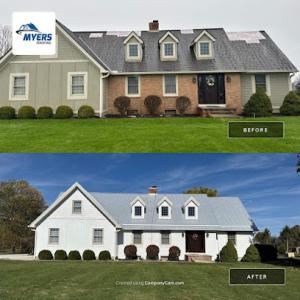
Myers Roofing is a trusted provider of comprehensive roofing solutions in Delaware County, OH, and surrounding areas, including Dublin, Lewis Center, and Powell. Specializing in roof installation and roof repair, we also offer professional gutter installation and siding services. Our expertise extends to metal roofing and the installation of leaf guards, ensuring your home is well-protected from the elements. What sets Myers Roofing apart is our commitment to quality workmanship and customer satisfaction, backed by years of experience and a detail-oriented approach. Whether you need a roof replacement or gutter cleanout, our skilled team is ready to deliver exceptional results tailored to your needs.
Best Roofing & Siding
(614) 725-9177 bestroofing-siding.com
18 E William St, Delaware, Ohio
5.0 from 8 reviews
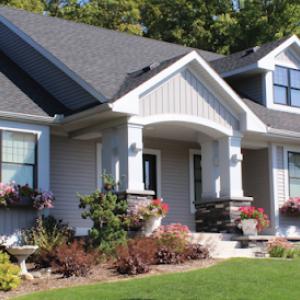
Best Roofing and Siding is a leading roofing and siding contractor in Delaware, OH, offering top-quality services to residential and commercial clients. Our experienced team delivers exceptional craftsmanship and customer service for all your roofing and siding needs. Whether you need roof repair, roof replacement, siding repair, or siding replacement, we have the skills and expertise to ensure the job is done right. Trust Best Roofing and Siding for reliable and professional service in Central Ohio.
2nd Generation Roofing/Repairs
(740) 279-5540 www.facebook.com
Delaware, Ohio
5.0 from 1 review
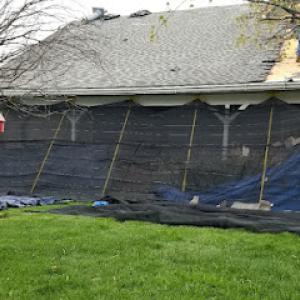
2nd Generation Roofing/Repairs is a locally owned and operated, small business based out of Ashley Ohio and services numerous surrounding counties. Our main focus is Residential Roof Replacement, Residential Roof Repairs, Storm Restoration, Seamless Gutter Installation and a wide variety of other roof related services. With 10+ years of general residential roofing experience. We can guarantee exceptional customer service, craftsmanship that we take pride in and very reasonable pricing. Contact "2nd Generation Roofing/Repairs" for a free estimate. Thank you!
Cavalier Metal Roofing
(614) 579-4973 cavaliermetalroofs.com
Serving
5.0 from 54 reviews
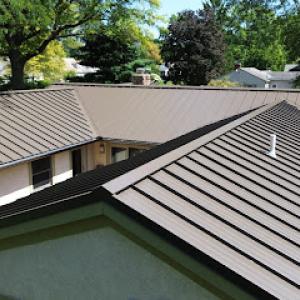
We help Ohio homeowners feel confident and protected with beautiful, energy-efficient metal roofs that are built to last a lifetime. Whether you’re replacing old shingles or planning a long-term upgrade, our team is here to make the process easy, clean, and stress-free. We take pride in honest work, clear communication, and results you can count on — no games, no pressure. If you’re looking for a metal roof you’ll never have to worry about again, we’d love to help.

Davis Roofing & Restoration
(614) 662-1973 davisroofingohio.com
Serving
4.9 from 85 reviews
At Davis Roofing it is our priority to deliver the best customer experience possible along with the highest quality work with every project we complete. We believe in making each and every customer feel special throughout the process and conduct business with the utmost level of Integrity with a no pressure approach. Our onsite crew managers have over 35 years of combined roofing and construction experience leading to unparalleled service in the industry. We are constantly working with trade organizations and manufacturers in the industry to stay current with new and improved techniques and products for our customers. We are not only committed to product knowledge and quality workmanship but we are committed to giving back to the community
Roofmasters
(614) 404-6272 www.myroofmaster.com
Serving
4.9 from 62 reviews
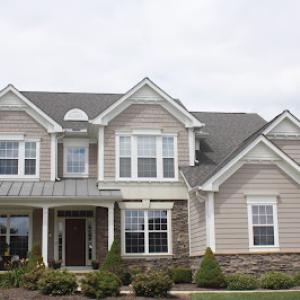
Whether you’re recovering from storm damage or constructing a new office building, the talented roofers at Roofmasters has you covered. Backed by over 35 years of experience, this trusted roofing contractor offers a wide range of exterior services to residential and commercial clients across Westerville, OH, and the surrounding area. They stand by the principles of quality craftsmanship, cost-effective solutions, and caring customer support. This family owned and operated roofing contractor is proud to upgrade your home or business with top-of-the-line roofing materials, including traditional shingles, single-ply, and rubber roof systems. Knowledgeable roofers will work with you to choose an affordable option.
Just Roofing USA
(614) 845-5878 justroofingusa.com
Serving
5.0 from 133 reviews
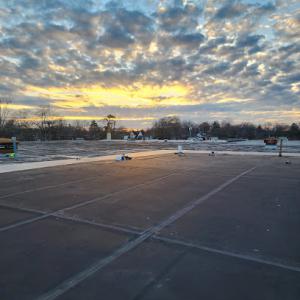
Just Roofing USA delivers top-quality residential and commercial roofing services throughout Columbus and the greater Ohio region. Our expert team specializes in roof installations, repairs, replacements, and storm damage restoration, serving both homeowners and businesses with reliable, lasting solutions. We pride ourselves on 100% transparency, exceptional customer service, and budget-conscious pricing without sacrificing quality. From protecting your home with durable shingle roofing to ensuring commercial properties stay secure, we bring precision craftsmanship to every project. We work efficiently to minimize disruption while delivering results that stand the test of time. Located in Powell, OH, contact us for a free roof inspection!
Ascent Roofing Solutions
(614) 280-1043 ascentroofs.com
Serving
4.9 from 223 reviews
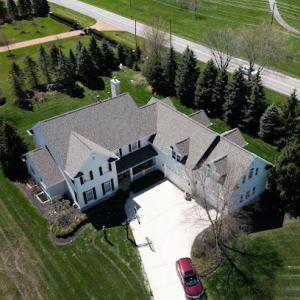
Ascent Roofing Solutions, based in Columbus, OH, combines top-notch professionalism with a friendly touch. We're all about integrity and quality in every roofing job. Our experienced team offers reliable solutions to homeowners, businesses, and property managers across Columbus. Known for our friendly service, we've earned over 600 positive reviews and 19 Super Service Awards. Need roofing services you can trust? Call us at (614) 280-1043. We're here to help, one shingle at a time.
Fidelis Roofing
(614) 949-1788 fidelis-roofing.com
Serving
5.0 from 14 reviews
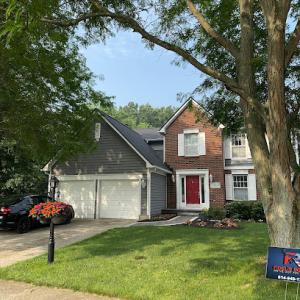
Fidelis Roofing is your go-to solution for all your roofing needs, whether it's a new construction project or repairs. With our expertise and commitment to excellence, we provide a wide range of roofing services to meet your requirements. From roof installation and replacement to repairs and maintenance, our skilled team delivers reliable and high-quality workmanship. We prioritize customer satisfaction and strive to exceed expectations on every project. Trust Fidelis Roofing for professional roofing services you can rely on. Contact us today for more information or to schedule a consultation.
M & R Roofing & Repairs
(740) 362-4722 www.mandrroofing.com
Serving
5.0 from 75 reviews
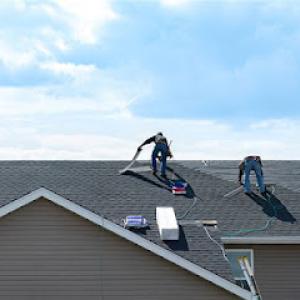
Family Owned and Operated were we strive to be your life long roofing company. We take Pride in our workmanship and Customer service. We offer services for most of Central ,Ohio . Give us a call today for your Free Est. 740-362-4722
Newman Roofing
(614) 639-7663 newmanroofing.com
Serving
5.0 from 1017 reviews
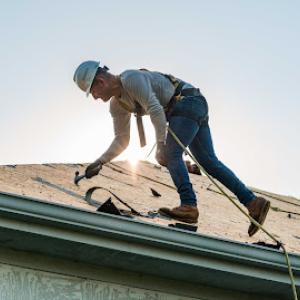
Newman Roofing, LLC: Family-owned and serving Columbus, Ohio since 1992, Newman Roofing brings decades of expertise to roofing, gutters, and siding with quality that lasts. Our approach stands out. Educational, low-pressure, and consultative, giving homeowners clear insights without the hard sell. We use premium materials on every project and back it up with unmatched responsiveness, whether it's a warranty call or a quick question. From leak repairs to complete roof replacements, we tailor solutions that protect your home for years to come. We offer flexible financing options to make your project accessible for every budget. Voted Best Columbus Roofing Company 2022-2025, Newman Roofing: where legacy meets trust, every step of the way.
Delaware, OH experiences cold winters with freeze-thaw cycles that stress shingles, flashing, sealants, and roof penetrations. When temperatures swing above and below freezing, water trapped in seams and around penetrations freezes, expands, and can create micro-cracks. Those small weaknesses may stay quiet through autumn, but as winter deepens, they become pathways for leaks. Ice can push against gutters, vents, and chimney flashing, loosening fasteners and weakening sealant joints. The result is not just a summer-style leak; it can show up as damp spots after a March rain or a heavy February thaw. You should expect that any visible deterioration-small cracks, missing granules, or loose flashings-will worsen over a winter and become more noticeable once spring arrives.
Projects are typically scheduled from late spring through early fall in Delaware to reduce weather delays and avoid cold-weather installation complications. The goal is to finish before the first sustained cold snap and before spring storms test winter repairs. If you live in an older neighborhood near downtown, you may see more variability in schedules due to tighter lot lines and tree cover; in suburban subdivisions along the US-23 corridor, crews often juggle tight access and drainage concerns. Start planning early, aim for mid-spring through early summer, and build in a contingency for an occasional late-season shower. For a roof that has seen winter damage, align the work with a period of dry, mild days so sealants can cure properly and flashing can settle without repeated freeze-thaw stress.
Winter freeze-thaw movement can turn minor flashing or sealant weaknesses into active leaks by the time spring rains arrive. If a contractor notes compromised step flashing at a chimney or a loose seal around a vent boot, the problem may not leak in December but can flash into a full drip after a thaw cycle. In practical terms, this means that a proactive repair strategy in late spring, after several dry weeks, often yields better results than waiting for the next storm. When scheduling, discuss how to stage work so that vulnerable details receive attention first-valleys, hips, and penetrations that intersect with gutters and downspouts are common trouble spots in this climate. A clear plan helps avoid a minor issue becoming a costly, expedited repair during a rain-heavy May.
If a hail event has occurred, document visible damage with dated photos of shingles, flashing, and sealants. Take wide shots of the roof line and close-ups of any dents or lifted edges. Keep a written log of when damage was first noticed, any weather events that coincided with leaks, and who inspected the roof. This record supports insurance documentation and helps a contractor prioritize work on areas most likely to fail during spring rains. When you call a contractor, provide the photo log and a concise timeline so repairs can be scheduled in the window before the next winter cycle begins.
Delaware features a diverse roofing landscape that reflects both the city's mid-Ohio climate and its mix of older downtown neighborhoods and newer suburban developments. The dominant materials are asphalt shingles, metal roofing, clay tile, concrete tile, wood shingles or shakes, and slate. Asphalt shingles are common in this market and are well-suited to a broad range of roof pitches found on houses built across the last century. Metal roofs appear on everything from contemporary ranches to updated bungalows, offering strong resistance to hail and rapid water shedding. Clay and concrete tiles gradually become more visible on custom homes or those aiming for a Mediterranean-inspired look, while wood shingles or shakes bring a textured, traditional feel to older structures. Slate still shows up on select homes with historic character or higher-end construction, prized for longevity and a refined silhouette.
Summer heat in this region can accelerate aging of shingles and the sealants that keep a roof watertight after repeated winter freeze-thaw cycles. In practice, that means choosing materials with proven heat resistance and durable sealants that can withstand long, sun-drenched afternoons. Asphalt shingles wear patterns often show up as granule loss and shingle curling after several hot summers combined with frequent freeze-thaw cycles. Metal roofs, while heavier, tend to resist hail and endure higher temperatures with minimal expansion and contraction if properly installed. Clay and concrete tiles handle hot days well but add weight and require careful assessment of structural support and attic ventilation. Slate offers exceptional lifespan and resilience but demands precise underlayment and framing to a corresponding architectural style and local snowfall loads. In neighborhoods with older homes, the choice may hinge on matching the roof's historic character while keeping up with modern performance.
Heavier systems like clay tile, concrete tile, and slate naturally impact the overall scope of a replacement project. For older homes, the underlying structure, rafters, and attic access need careful evaluation to accommodate the additional load. Accessory details such as flashing around chimneys, vent stacks, and skylights must be coordinated with the chosen material to maintain a consistent appearance and reliable waterproofing. If the home has a lower-pitched roof or steep slopes, weight distribution and wind resistance become critical factors. In newer constructions or homes with updated framing, these heavier systems may be a feasible upgrade when the goal is longevity and a distinctive exterior. For a different look or to reduce weight, metal or asphalt options can still deliver solid performance while maintaining a more straightforward installation process.
When evaluating options, align the material choice with the roof's exposure, pitch, and the home's overall design language. Consider color and texture as a way to reflect or soften Delaware's bright summers, knowing that lighter shades can help mitigate heat gain while darker tones may emphasize architectural details on historic facades. Speak to an experienced local contractor who understands how common roof lines in town respond to the freeze-thaw cycle and seasonal hail storms, ensuring that fasteners, underlayment, and drainage details are tailored to Delaware's climate. In the end, the best roof type balances durability against the home's character, structural capacity, and the long-term maintenance story you're prepared to manage.
The most popular roofing material in the US. Find pros who install, repair, and replace asphalt shingles.
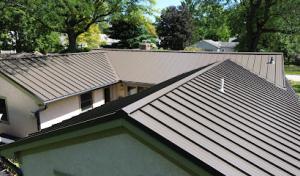
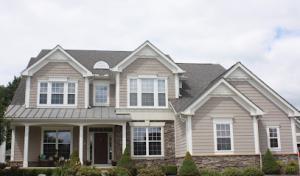
In Delaware, typical local pricing runs about $350 to $650 per square for asphalt shingles, $600 to $1100 for metal, $900 to $1800 for clay tile, $800 to $1500 for concrete tile, $500 to $900 for wood shingles or shakes, and $1200 to $2600 for slate. Those ranges reflect recent activity in older neighborhoods near downtown and in newer subdivisions along the US-23 corridor, where roof sizes and pitch can vary a lot from one block to the next. If your house is a common mid-40s to mid-60s footprint with a standard attic vent layout, you'll often land toward the middle of these bands. Wind and hail histories in this area can nudge bids upward, especially after a hail event when many homeowners request estimates in a short window.
Expect a bundled pricing approach that includes tear-off, disposal, and new roof installation when you're comparing quotes. The per-square ranges above assume a straightforward reroof with typical underlayment, starter strip, and commonly used starter-to-finish accessories. If your roof has unusual features-extra venting, multiple hips, or a significantly steeper pitch-pricing can shift toward the higher end of the ranges. Conversely, if an existing roof only requires a re-cover on certain sections or if warranties dictate a lighter install, prices may sit toward the lower end. In Delaware, you'll often see bids adjusted for the complexity of access from street level, especially on older neighborhoods with tree-lined streets and tight driveways.
Storm-driven demand spikes can affect scheduling and pricing in this market, especially after hail and wind events when many homeowners seek inspections and reroof estimates at once. If you're coordinating after a major storm, prepare for a tighter bidding window and a possible rush on materials. When the weather finally cooperates, the freeze-thaw cycle can slow progress: material expansion and contraction during mid-winter or early spring can push work days back and affect crew availability. If you're not under an urgent deadline, planning for a mid-spring or early fall window often yields steadier crews and more predictable material sourcing.
Get a clear picture of your project costs upfront - no commitment required.
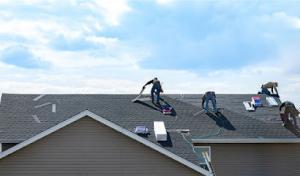
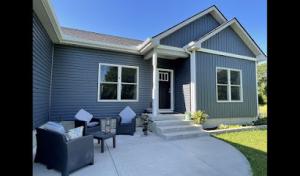
A full reroof in the City of Delaware typically requires a permit through the Building Department. The permit is not a courtesy; it is your ticket to a compliant job that can weather the city's freeze-thaw cycle and hail events without later headaches. The Building Department uses the permit to confirm that the roof design, underlayment, fasteners, and ventilation meet local standards for safety and durability.
The Building Department issues the permit after plan review and schedules inspections at rough-in and final completion. Plan review checks that the proposed roof system and any supporting details align with current code requirements and neighborhood expectations. Some homeowners expand or modify their plans in response to weatherproofing needs or attic ventilation findings, and those changes must flow back through the review process. If the plans or site details show anything unusual-such as unusual roof geometry, solar installations, or a mix of materials-the review time can extend beyond the typical window.
Inspections are not a luxury; they are the checkpoint that confirms the roof installation is progressing to code and will perform under winter freeze cycles and hail impacts. Rough-in inspections verify decking, underlayment, and starter courses are correctly installed before shingles or other coverings go on. Final inspections confirm a completed system that meets wind uplift, daylight exposure, and ventilation requirements, and that no storm-related damage has introduced hidden issues that could compromise the structure. Scheduling these inspections around a contractor's calendar is essential, since momentum matters when the weather window narrows.
If submitted plans or site details need additional review, permit approval can be delayed, which can affect start dates during Delaware's busy roofing season. That reality means timing a project around peak demand is not just a scheduling preference but a practical risk management move. To minimize surprises, ensure that all plan documents are thorough, including accurate attic venting, roof slope notes, and any alternates for cold-weather installation. Clear communication with both the permit office and the contractor about the expected inspection windows helps keep the project on track despite the seasonal rush.
Ohio is an active wind-and-hail claim environment, so Delaware homeowners often need to make roofing decisions with insurance documentation in mind. A robust paper trail can mean the difference between a full replacement and a reduced payout. Treat the storm as the opening chapter of a longer battle with weather and wear, not a single event.
Adjusters may compare observed damage with prior claim history and applicable building-code requirements when evaluating replacement eligibility. In practice, that means every visible shingle tab, flashing, and ridge cap matters. If a prior claim exists, be prepared to demonstrate how current damage extends beyond what was previously repaired or addressed, especially around edges, hips, and vent areas.
Detailed photo documentation taken close to the storm date is especially important in Delaware because repeated seasonal weather can blur the line between fresh storm damage and older wear. Capture wide views of the roof, then zoom in on framing edges, gutters, and fascia. Include date-stamped shots if possible. Photos from multiple angles help tell a clear story when the insurer reviews the claim.
Keep a simple journal: when the hailstorm occurred, what parts of the roof were visibly affected, and any interim weather that could accelerate deterioration. If temporary repairs were made, note who performed them and when. This context helps prevent misunderstandings during the claim evaluation and supports a timely, accurate assessment of need.
Storm-season activity here can trigger follow-up weather events that complicate repairs. Anticipate potential delays and maintain open lines of communication with the insurer, the contractor, and any adjusters who visit the site. Clear records reduce the risk of disputes as the project progresses.
The mid-Ohio freeze-thaw cycle is a real test for roof assemblies, and the toughest spots are where different materials meet. In this climate, flashing transitions between valleys, chimneys, and dormers bear the brunt because metal bows with temperature shifts and sealants contract. When the shingles themselves still look sound, the real weakness hides at the edges where water should shed. Freeze-thaw cycling in Delaware commonly stresses flashing transitions and sealant-dependent details before visible field-shingle failure appears. You will notice small weep holes or staining long before a ridge line starts to curl, so targeted checks at transitions after extreme cold are worth your time.
Spring weather brings hail and heavy downpours that batter exposed components even if the surface looks intact. Hail can deform vents, lift granules, and loosen fasteners, while heavy rain can exploit micro-cracks opened by winter movement. Spring hail and heavy rain can damage exposed roofing components even when the roof does not immediately leak. In practice, that means paying attention to missing granules on shingles, dented flashing, and misaligned boot flashing after violent storms. After a hail event, an insulation layer inspection and a careful scan of all edge details help catch problems before moisture travels inward.
The hot season accelerates deterioration in materials already stressed by winter. Summer heat in Delaware can accelerate deterioration of shingles and sealants that were already weakened by winter movement. Granule loss can speed aging, and sealants around vent collars and chimney bases may soften or crack. Temperature swings through spring and early fall magnify this risk, so performing a mid-season check and resealing vulnerable joints can slow degraded performance. If signs of brittleness or adhesive failure appear, a timely retrofit or reseal often preserves decades of service.
Find contractors experienced in skylight installation, flashing, and leak repairs to bring natural light into your home.
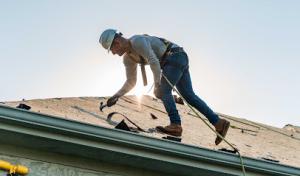
In this market, quick response, thorough cleanup, reroofing know-how, and affordable pricing are the things homeowners actively shop for after a storm. Delaware's mix of older neighborhoods near downtown and fast-growing suburbs along the US-23 corridor means crews handle everything from lightweight asphalt to heavier tile systems, often in tight timelines. Look for a contractor who can balance rapid on-site communication with a solid plan for replacing or repairing your roof without dragging the project out.
Long-established, family-owned, and locally owned firms are meaningfully present, so bids should be weighed not just on price but on local reputation and reliability. Ask who will be the lead on your job, how long the company has been servicing the area, and whether a local crew will be on site regularly. In this market, a contractor with hometown roots often offers better weather-specific advice and a smoother process during freeze-thaw cycles.
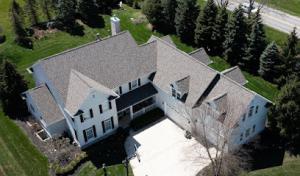
Free inspections are common, and some firms use drone imagery to document hail impact or wind damage quickly. If you want fast documentation without committing, this is a reasonable option, but ensure the inspection report clearly differentiates cosmetic damage from structural issues. Insist on a written assessment that documents roof condition, attic ventilation, and any underlayment concerns. This helps you compare bids fairly and track follow-up items.
Request a written, itemized proposal that spells out scope, materials, removal, disposal, and non-negotiables like attic protection and site cleanup. Ask about crew size, projected timeline, and weather contingency plans for freeze-thaw periods. Favor contractors who provide a clear, staged timeline and a single point of contact for daily updates. Check references from nearby projects with similar roof types and confirm that the contractor stands by a practical roof replacement plan that fits your home's design and neighborhood expectations.
On arrival, the crew should lay down protective ground covering, secure the work area, and communicate the daily plan. Post-storm work benefits from efficient debris cleanup and careful disposal, so confirm expectations for daily cleanup and a final walkthrough. A reliable contractor will leave you with a tidy yard and a detailed warranty explanation before leaving.