
Last updated: Apr 19, 2026
Marion homeowners face a two-part damage pattern: winter ice damming and freeze-thaw stress followed by spring storm and hail damage. That sequence means the roof endures relentless stress in the cold months, then confronts new firepower from storms as temps swing and hail pounds exposed surfaces. The consequence is brittle shingles, compromised flashing, and gutters that look fine but aren't protecting the attic from hidden leaks. The risk isn't abstract: a small leak now can turn into interior water intrusion after a heavy thaw or a spring storm, and the damage often shows up only after the next freeze. Treat both phases as a single ongoing threat rather than isolated incidents.
The local contractor signal mix strongly favors storm damage and insurance-related roof work, indicating that weather-driven repairs are a leading homeowner concern in Marion. When hail pelts a slope or a windstorm tears at edge shingles, contractors see a surge in requests for rapid documentation, photo records, and emergency tarping. That pattern isn't optional for a savvy homeowner: having clear, dated evidence of pre-storm conditions, post-event damage, and any interim relief like tarps or temporary repairs sets the stage for smoother insurance conversations. If a contractor asks for time-stamped photos, be ready with them. If they recommend a temporary fix to bridge to a permanent repair, don't delay it when wind or thaw predictions loom.
Autumn wind and debris exposure matters in Marion because roofs often enter winter with vulnerable shingles, flashing, or gutters that then worsen under freeze conditions. Leaves, branches, and pellet-sized hail remnants can hide damage until the freeze locks it in, and snow load plus ice damming can push flashing out of place. A proactive homeowner will walk the roof edge, inspect gutters for loose hangers, and note any lifted shingles or creased flashing boards before the first big cold snap. If gutters are stuffed with debris, the water won't shed properly and ice dams will form faster once temperatures drop. Do not wait for the first frost to notice these weak points.
After a Marion storm, perform a rapid surface check and secure with tarps or boards over any visibly damaged sections to prevent wind-driven water from sneaking in. Document every issue with high-resolution photos from multiple angles, and date-stamp every shot. Keep a running log of all communications with insurers and contractors, including the names, contact details, and a brief note of what was discussed. If a leak shows up in the attic, identify its source with a flashlight and note the path of water along joists or rafters. For the contractor, insist on a temporary, weatherproof fix that buys time until the next dry window, followed by a permanent repair that addresses all compromised flashing, underlayment, and vent seals. And remember: insurance-ready documentation should reflect both the pre-storm condition and the post-storm findings, with clear ties to the cost-effective, long-term fix you're pursuing.
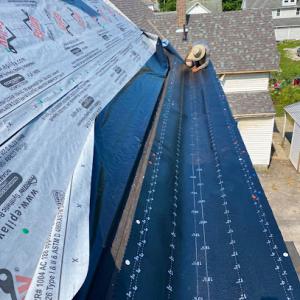
Righteous Restoration
(740) 396-0841 righteousrestoration.co
1784 Summerset Dr, Marion, Ohio
5.0 from 44 reviews
Established in October 2021, Righteous Restoration specializes in roof, siding, and gutter replacement, caused by any weather related damages such as wind, hail, tree impact, etc. We also do retail estimates and everything from small repairs, skylight replacements, to full restoration. Our objective is to assist homeowners by facilitating the entire insurance claims process, ensuring a smooth and stress-free experience. We believe in the power of the Holy Spirit in Christ Jesus! We’re in the business of restoring homes to a better state than its prior condition, just as Jesus restored souls that were once dead, and now alive!
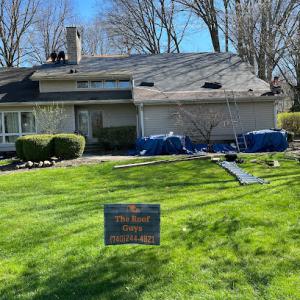
The Roof Guys
(740) 244-4821 www.proroofguys.com
1201 N Main St, Marion, Ohio
4.9 from 82 reviews
We are a locally owned roofing company serving Marion, Ohio. Our team specializes in metal, shingle, and rubber roofing for both residential and commercial properties. With a commitment to quality craftsmanship and customer satisfaction, we provide durable solutions designed to protect your home or business for years to come. Contact us today for a free estimate and discover why homeowners and businesses alike trust us as the leading roofing contractor in Marion, Ohio
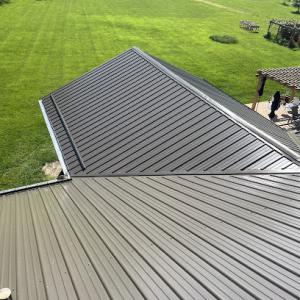
Metalcraft Roofing
(937) 553-8425 www.metalcraftroofs.com
298 E Center St # B, Marion, Ohio
5.0 from 28 reviews
At Metalcraft roofing company, We take pride specializing in the installation of all styles of metal roofing and asphalt shingles. Providing quality roofing solutions and fast emergency storm damage response. The Metalcraft roofing team are the best roofers near you. Same day estimates in Marion, OH. Local Roofers .
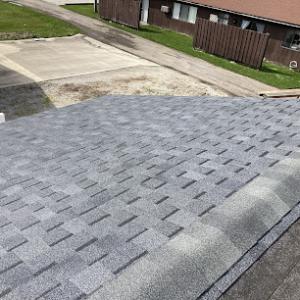
Rose roofing & repair
(740) 225-0685 www.facebook.com
637 N Main St, Marion, Ohio
4.9 from 17 reviews
We are a certified roofing company who specializes in shingle, metal, and rubber roofing we also offer other services such as soffit, fascia , gutters and more. It is our mission to provide excellent workmanship and complete customer satisfaction from start to completion of a project. We take great care to work and communicate with every customer in a professional manner. Our reputation is based on service, safety, and quality, regardless of how large or small the job from start to finish. We look forward to working on your next project.
Danny's Roofing
5721 Mt Olive-Green Camp Rd, Marion, Ohio
5.0 from 2 reviews
Complete Roofing and Repairs. We specialize in hand bent standing seam, seamless standing seam, shingles and EPDM Rubber Systems. We serve Marion, Union, Morrow, Champaign, Logan and Richland Counties. Danny's Roofing has been in business since 1973. Please give us a call for any of Roofing Repairs or Installs.
Mighty Dog Roofing of Marion
(740) 496-4107 mightydogroofingcolumbus.com
165 W Center St # 302, Marion, Ohio
5.0 from 1 review
Mighty Dog Roofing is an exceptional exterior solutions provider in Marion, OH and surrounding cities. We repair and replace roofs, siding and gutters. Leaky roof? Our roof contractors will provide a free roof inspection to determine if there is any roof storm damage to file a roof insurance claim or if a new roof is needed. We will give you the best options on if a roof repair or roof replacement is best for you. Need new siding? We are a proud partner of James Hardie siding, Norandex Siding and CertainTeed siding. We offer quality vinyl siding, aluminum siding, steel siding and fiber cement siding. Clogged gutters? Our gutter contractors install 5” and 6” seamless gutters. Keep the leaves out with gutter guards
Crockett Construction
(419) 561-4230 www.crockettconstruction.org
Serving
5.0 from 10 reviews
Crockett Construction is a trusted provider of top-quality roofing and siding solutions tailored to protect and enhance homes and businesses alike. With a dedication to excellence and customer satisfaction, we offer a comprehensive range of services, including roof installation, repair, and maintenance, as well as premium siding options to elevate the aesthetic appeal and durability of any property. Our team of skilled professionals combines industry expertise with a commitment to using only the finest materials, ensuring lasting protection and beauty for our clients' investments.
Arete Roofing & Contracting
(614) 726-0598 arete-roofing.com
Serving
4.8 from 20 reviews
Protect your largest investment with our reliable roofing services. We are a locally owned and operated roofing company currently serving Marion, OH and surrounding communities. If you want to make your roof last as long as possible, it is vital that you never put off a roof repair. Small issues with roofing become big issues in a hurry. No matter how major or minor the repair you need, we are here to help. We offer roofing contracting, roof installation, and roof leak repair.
Mike's Roofing
(740) 387-7663 mikesroofinginc.com
Serving
4.2 from 59 reviews
Mike’s Roofing, Inc. has been family owned and operated since 1960. Proudly serving Central Ohio, Columbus, Bucyrus, Delaware, Plain City, Marion, Mt Gilead and Marysville for over 50 years for all of its roofing installation and roofing repair needs. Quality workmanship, quality materials, top professional installation and honesty are the things that have made Mike’s Roofing, Inc. the #1 choice of thousands of homeowners since 1960. You can be assured that Mike’s Roofing, Inc. will treat your home and property as if it were there our own. During the roofing operations, your property will be protected.
M & R Roofing & Repairs
(740) 362-4722 www.mandrroofing.com
Serving
5.0 from 75 reviews
Family Owned and Operated were we strive to be your life long roofing company. We take Pride in our workmanship and Customer service. We offer services for most of Central ,Ohio . Give us a call today for your Free Est. 740-362-4722
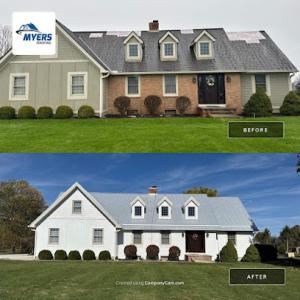
Myers Roofing & Siding
(740) 272-1790 myersroofingusa.com
Serving
4.5 from 59 reviews
Myers Roofing is a trusted provider of comprehensive roofing solutions in Delaware County, OH, and surrounding areas, including Dublin, Lewis Center, and Powell. Specializing in roof installation and roof repair, we also offer professional gutter installation and siding services. Our expertise extends to metal roofing and the installation of leaf guards, ensuring your home is well-protected from the elements. What sets Myers Roofing apart is our commitment to quality workmanship and customer satisfaction, backed by years of experience and a detail-oriented approach. Whether you need a roof replacement or gutter cleanout, our skilled team is ready to deliver exceptional results tailored to your needs.
Nelson's Capital Roofing
(937) 243-2318 www.nelsonscapitalroofing.com
Serving
5.0 from 29 reviews
Nelson's Capital Roofing is a local family owned business that specializes in insurance claims. We endeavor to provide the best quality products and service, with customer service being a priority. We are recognized as a preferred contractor by Owens Corning as a roof installer and contractor. Licensed, bonded and insured.
After hail, high winds, or a winter leak, you need dates you can prove. In Ohio, roof claims commonly hinge on documented storm-related damage, so keep date-stamped before-and-after photos. Start with outside shots of the entire roof and any damaged edges, then zoom in on granule loss, dented fasteners, cracked shingles, or sagging underlayment. Inside, photograph water stains on ceilings, attic condensation, and damp insulation, noting the exact room and ceiling height. Store these images in a storm folder that includes the event date, weather reports, and the time you first noticed damage. When a major spring storm hits, you'll want a clear trail that links cause to effect.
Adjusters in this market may request inspections or independent assessments, so prompt local inspection records are especially important after spring storms. If you can, arrange a same-week preliminary inspection with your insurer's adjuster and a trusted roofing professional. Bring the storm date, local weather advisories, and any prior maintenance records. If an initial inspection finds damage you disagree with, request a re-inspection or a second independent assessment. Documentation should stay consistent across all reports: the same photos, the same dates, and a clear narrative of what was observed and when.
Because Marion's roofing demand spikes after seasonal storm events, homeowners who document damage early are better positioned when carrier review and contractor scheduling overlap. Start compiling evidence the moment the weather clears and conditions are safe to inspect. Keep a running log of who was on the roof, what was found, and any temporary fixes you applied to prevent further damage. If an insurer delays decision, your early documentation can shorten the back-and-forth and help your chosen contractor align scheduling with the claim timeline.
Independent assessments can support a claim, especially when internal adjuster findings don't align with on-site observations. Hire a reputable local roofer or building inspector who understands common Marion damage patterns-granule loss from hail, wind uplifted shingles, and frost-related seal failures. Have them provide a written report that references your dated photos and the event date. Keep their contact information and report together with your insurer communications so everyone has a single, coherent record.
Create a single claims file that merges photos, the storm log, weather references, inspector notes, and correspondence with the insurer. Label files clearly by date and event, and back up the folder in both cloud storage and a physical drive. When you share these with an adjuster or contractor, provide a short, chronological summary that ties each photo to a date and observed condition. This disciplined approach reduces back-and-forth and speeds through the review stage once spring storms roll through.
Connect with contractors who help homeowners navigate the claims process from damage assessment to final approval.
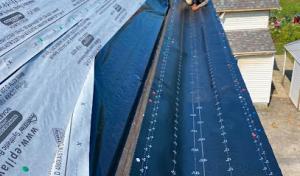
Righteous Restoration
(740) 396-0841 righteousrestoration.co
1784 Summerset Dr, Marion, Ohio
5.0 from 44 reviews
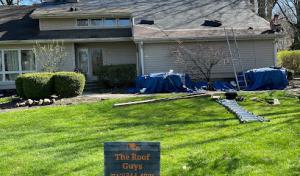
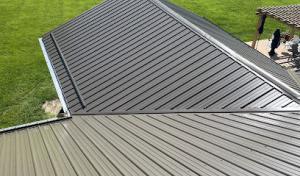
Metalcraft Roofing
(937) 553-8425 www.metalcraftroofs.com
298 E Center St # B, Marion, Ohio
5.0 from 28 reviews
Late spring through early fall is the preferred installation window in Marion because cold-weather sealing issues and winter moisture make replacement riskier outside that period. Homeowners typically start eyeing a new roof after the winter and spring storm season when the attic and exterior show more obvious wear. That timing aligns with steady crews and predictable schedules, helping ensure a roof can be installed with fewer weather-induced delays. In practical terms, plan major work for May through September, when days are longer and the chance of back-to-back storms is lower than in late winter.
Summer heat in Marion can accelerate asphalt shingle aging while also affecting installation pace, so timing and crew scheduling matter during hotter stretches. Heat can loosen underlayment faster and make fastening crews work more slowly to maintain warranty-approved installation temperatures. For metal, tile, or composite options, heat can complicate handling and alignment if panels expand and contract more than expected. When planning, consider midweek slots or cooler morning windows to keep crews efficient and temperatures manageable for adhesives and sealants. A delayed start on the hottest days can prevent long delays and reduce the risk of soft decking during afternoon heat.
Marion's seasonal pattern means many roofs are inspected after winter and spring storms but scheduled for replacement once steadier warm-weather conditions arrive. After a hail or wind event, inspection will often reveal more damage than initially obvious, including hidden moisture in attic spaces. The best approach is to conduct a thorough assessment in late spring or early summer, then map out a replacement plan for the following window of calm weather. Scheduling a project to begin as soon as mild, non-wusy conditions arrive helps minimize the chance of mid-project weather interruptions and logistical hiccups.
To optimize timing, start with a proactive review of roof condition right after the last major storm of spring. If the roof shows widespread shingle lift, curling, or nail pops, begin coordinating with a contractor while the weather forecast indicates a streak of dry days. Keep a flexible plan that prioritizes completion before the peak heat of mid-summer if possible, but avoid forcing work into unseasonably hot spells. Confirm crew availability for the late spring to early fall period, and line up debris removal and waste handling so the project can move efficiently through the warm-weather window. This approach helps ensure a durable install, thorough cleanup, and a smoother insurance-ready process when applicable.
Asphalt shingles and metal roofing are the most practical mainstream choices in Marion, reflecting a housing stock that leans toward reliable, serviceable options that hold up through snow, hail, and seasonal swings. Asphalt shingles offer straightforward installation and broad availability, making storm response and rapid cleanup after weather events more predictable. Metal roofing stands out for longer life and better snow shedding, with local contractor support that helps homeowners shop for durable, weather-smart options. While tile, wood, and slate can be found, they're far less common and typically selected for specific architectural styles or renovations rather than as a default choice.
Freeze-thaw cycling and moisture exposure in this area put extra emphasis on underlayment performance, flashing quality, and attic ventilation. The best results come from pairing the chosen surface with a high-quality underlayment that resists moisture infiltration and a flashing system that seals around chimneys, vents, and skylines without gaps. Attic ventilation becomes a crucial partner to any roof, helping reduce condensation and hot attic temperatures that can speed up deterioration of roof deck and shingles during warm spells. These factors matter nearly as much as the visible material because moisture and ice can exploit small weaknesses in any system.
Metal roofs in this market benefit from meaningful local contractor support, which translates into better guidance on panel types, fastener choices, and sealing details that address Marion's specific weather patterns. When installed with appropriate slip-resistant fasteners, sealing kote, and proper edge termination, metal can shed snow more confidently and resist wind-driven impacts. Homeowners benefit from choosing profiles that balance wind resistance, snow shedding, and ease of future maintenance, while relying on local crews who understand seasonal weather cycles and common installation challenges in the area.
Regardless of material, selecting a robust underlayment-one that resists moisture and mimics the performance of a second weatherproof layer-is a smart hedge against freeze-thaw damage. Pay particular attention to flashing around roof penetrations and skylights; tight seams and corrosion-resistant metals help prevent leaks after hail events or rapid thaw cycles. Attic design, including baffle placement and intake/exhaust balance, supports consistent ventilation that reduces condensation risks and prolongs the life of the roof system.
Regular inspections following severe storms, with attention to hail impact spots, lifted shingles, and flashing integrity, support longer roof life and faster repairs. In this climate, early detection of minor issues prevents small leaks from becoming bigger problems during rapid freeze-thaw cycles. A calm, methodical approach to maintenance-documenting findings, scheduling timely repairs, and coordinating with a trusted local pro-helps preserve performance and reduce storm-related stress on the roof system.
When you price a new roof in Marion, think per-square pricing (one square = 100 square feet). Asphalt shingles run roughly 350 to 700 per square, a wide range that reflects weathered demo and the labor needed to keep up with freeze-thaw cycles. Metal roofing sits higher, typically 700 to 1400 per square, and you'll notice a similar step up if you're considering clay tile at 1100 to 2900 per square or concrete tile at 900 to 2100 per square. Wood shingles or shakes land around 600 to 1500 per square, while slate sits highest, from 1800 to 3500 per square. These ranges aren't just numbers; they map to long-term performance under Marion winters and humid storm seasons.
In practice, you'll often see asphalt as the most common first choice for Marion homes due to upfront cost and familiar install methods. If you're weighing upgrades because you've weathered a hail or wind event, a metal roof can offer better resistance to wind uplift and hail, but the initial price jump is meaningful. Clay and concrete tiles bring distinct aesthetics and durability, yet they add weight and require a solid deck and proper structure-factors that can affect overall cost in your Marion project. Wood and slate sit on the higher end for materials and installation labor, particularly where contractors need to address existing decking and flashing details to avoid future leaks.
Storm-driven demand in Marion can push scheduling pressure and labor pricing higher after hail or wind events, especially for full re-roofing work. If the storm hits hard, expect faster scheduling requests and possible surge pricing as local crews shift to meadow of urgent repairs. In practice, you may see a longer wait for materials and crews, plus premium on expedited tear-offs and disposal. Planning ahead after a severe storm can help you lock in a contractor with a clear timeline and avoid last-minute price spikes.
Winter damage changes the math too. Costs in Marion can rise when winter damage has spread beyond shingles into underlayment, decking edges, flashing tie-ins, or leak-related repairs discovered during tear-off. If you discover that the roof's interior or attic is affected, you're facing additional charges for wood repairs, sealants, and enhanced flashing details. A thorough assessment after the first thaw helps you distinguish between a straight shingle replacement and a broader, longer-lasting fix that aligns with your expected roof life.
To move forward with confidence, compare per-square estimates, weigh the long-term benefits of each material in the Marion climate, and plan for potential storm and winter-driven add-ons.
Get a clear picture of your project costs upfront - no commitment required.
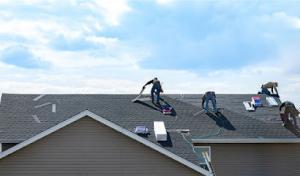
A full roof replacement in Marion County typically requires a building permit rather than being treated as a no-paperwork job. If a permit is skipped or mishandled, a repair that later proves noncompliant can become a costly setback after damage is discovered or after a claim is reviewed. Permits set the framework for proper work, and they create a recorded trail you can reference if questions arise during storm-related claims or future replacements.
The local process generally involves submitting project details to the building department, paying applicable permit fees, and scheduling inspections during and after installation. You will likely need to provide scope, materials, and a planned sequence of work to the board or inspector, who will track milestones from tear-off to finish. Knowing the expected timeline helps coordinate weather windows between hail storms and freeze-thaw cycles that can stress shingles, underlayment, and ventilation. If applicable, ensure your contractor pulls the permit in your name or the property owner's name so the paperwork stays with the home.
Marion-area inspections are used to verify code compliance and proper tie-in to existing roof systems, which is especially important on replacement projects where hidden conditions may appear after tear-off. Inspections typically occur during the installation and after completion. An inspector may check attic ventilation, deck integrity, flashing details, drip edge, and the alignment of new roofing with existing vents and chimneys. Be prepared for a possible uncovering of moisture or rot that requires corrective work before the project passes.
Keep copies of permit approvals, inspection reports, and any change orders. Take dated photos of each stage, especially after tear-off and at final completion. This documentation helps with insurance readiness, future re-roof checks, and smooth resale, serving as a transparent record of compliance for weather-driven damage in a town accustomed to rapid storm response and cleanup.
Ice damming and winter freeze stress are recurring patterns that quietly wear out roofs. When meltwater refreezes at the eaves, shingles can lift and underlayment can start to fail, creating hidden leaks that only reveal themselves after a thaw or a new storm. The damage often travels along the attic line, so the symptoms may appear far from the obvious roof edge. You should inspect gutters, drip edges, and fascia after heavy freezes, and pay attention to sudden attic warmth that signals compromised seals.
Spring hail and storm impacts in town often create sudden leaks or bruising that may not be obvious from the ground but still matter for insurance and lifespan. Shingles can show micro-cracks or soft spots after a hail event, and granule loss may accelerate aging of asphalt or metal finishes. Mid-season inspections help catch these issues before an interior drip begins. If a storm hits, document the surface damage with photos, note date and location, and track any new damp spots inside the first few days.
Summer heat and humidity in town can shorten asphalt performance over time, while fall debris and wind exposure increase maintenance needs before winter. Heat softens shingles and raises the risk of edge curl, particularly on sun-exposed bays and ridges. Debris like leaves and twigs blocked in gutters hold moisture, inviting edge rot and fascia wear. Before cold fronts return, clean and secure the roof line, trim overhanging branches, and watch for stained ceilings that hint at hidden leaks. Unchecked, these seasonal stresses compound, increasing repair costs and stretching the time needed to restore a weather-tight home. Regular proactive checks now pay off during the first freeze.
In this market, you need a crew that can mobilize quickly after a storm. Ask how they cover emergency tarping, temporary weather protection, and rapid site security to prevent further interior damage. The crew should outline their process for securing the property the moment they arrive, including where tarps go, how run-off is managed, and how access to utilities is protected during urgent work.
Because Marion's market leans toward re-roofing and storm-response work, homeowners should ask how crews handle emergency protection, tear-off cleanup, and post-storm scheduling volume. Confirm whether tear-off and disposal are included in the scope they propose, and specify how they will isolate the work area to keep driveways and landscaping clear. A clear plan for debris control, waste containment, and a magnet sweep for nails should be part of the written agreement, not a surprise at the job site.
Quick response and cleanup are unusually prominent local hiring priorities, so scope discussions should cover debris control, magnetic nail sweep, and property protection in writing. Require the crew to document how they protect landscaping, gutters, and siding, as well as how they manage dust and debris during windy conditions common to storm seasons. A detailed sequence of protection steps and cleanup milestones helps prevent disputes after the job.
Marion homeowners will encounter a mix of affordable high-volume crews and a smaller number of long-established local operators, making communication and inspection follow-through important differentiators. Look for a point person who provides regular updates, a written inspection checklist, and a post-project walkthrough. Ensure the team commits to addressing any punch-list items promptly and to scheduling follow-up checks within a reasonable window after completion.