
Last updated: Apr 19, 2026
In Salem, claim activity tends to cluster after major hail events, making post-storm inspection timing more important than in calmer Ohio markets. That means you should be ready to act quickly the moment the skies clear and the damage becomes visible. A rushed insurance response can lock you into a slower project timeline if intake is bottlenecked, so prioritize a prompt, documented assessment from a qualified roofer or an independent inspector who understands how local materials behave after a hail strike. The goal is to separate what is immediately actionable from what will require longer, full reroof work-without letting moisture creep in during the delay.
Spring storms with hail and heavy rain are a known local project disruptor, so homeowners often have to separate emergency drying-in from full replacement scheduling. When hail hits, immediate tarping and moisture control become urgent priorities to prevent interior damage and wood rot. But once the roof has been dry enough to work on, scheduling the full reroof must align with a window of dry days, steady temperatures, and daylight that allows for proper underlayment and ventilation checks. Expect a two-track process: an emergency dry-in or temporary barrier to shield the home, followed by a more deliberate, weather-conscious plan for the complete roof replacement. Coordinating with a contractor who understands how Salem's spring weather shifts can prevent stalls and overlapping tasks that waste time and invite additional damage.
Cold-season freeze-thaw in Salem can turn small storm-created openings into moisture problems before crews can complete full reroof work. Tiny gaps, hail dents, or compromised flashing can trap water and expand during freezing days, forcing you to confront hidden damage that isn't obvious from the ground. That risk underscores the need for a proactive approach: don't wait for a second major storm to reveal the hidden leakage. Have a trusted crew perform a targeted inspection after every significant hail event, focusing on underlayment integrity, ventilation pathways, and nail penetration depth. If a small opening is identified, request a temporary, code-appropriate seal to minimize water ingress while planning the longer-term roof replacement. The longer you let moisture sit, the greater the chance of interior ceiling stains, insulation degradation, and early shingle wear-especially when a cold snap follows a wet, windy day.
Your best strategy is to build a timing plan around the local climate pulse. After a hail event, confirm the insurer's process and secure an inspection date within a few days of clear skies. Schedule a mitigation visit to document damages with timestamped photos and a written note of observed moisture risks. Then establish a realistic window for full replacement that accounts for weather forecasts, supply lead times, and the availability of crews who can handle steep residential reroofs typical in this market. If a delay is anticipated, ensure the plan includes a reliable drying-in solution so the structure remains protected as exterior work resumes. In this market, timely action-not hesitation-protects the home from escalating storm-related damage and keeps the project on track when spring winds shift once more.
Aim Roofing & Construction
(330) 533-0291 aimroofingandconstruction.com
Serving
4.6 from 82 reviews
AIM Roofing & Construction provides dependable, trustworthy services to homes and businesses throughout the Tri-County Area. We specialize in a number of exceptional construction services aimed at improving the exterior of your home or business, and much more. Our services include: Maintaining residential roofing systems Installing new roofing systems Expert siding product installation New window installation Custom deck construction Rain gutter and rain gutter guard installation Inspections for insurance claims processing.
Sky Roofing
(330) 702-8000 www.skyroofinginc.com
Serving
4.4 from 59 reviews
Sky Roofing is celebrating 25 years of offering the best service under the sky to commercial and residential customers in Ohio and surrounding states. Family owned, Sky Roofing has four offices across Ohio. These offices are in Canfield, Cleveland, Cincinnati and Columbus.
J Hostetler Roofing
(740) 693-3857 www.jhostetlerroofing.com
Serving
4.9 from 61 reviews
We’re a family owned and operated roofing business that’s focused on providing you with quality roofing services and repairs! Whether you’re thinking about metal, asphalt shingles, or metal shingles, we’re here to help you with all your roofing needs
A & J Roofing & Siding
Serving
4.5 from 113 reviews
A & J Roofing and Siding provides Commercial and Residential roofing, siding, and gutter installations and repairs to Youngstown, Cleveland, Pittsburgh, Sandusky, Toledo, Columbus and all surrounding areas.

DiazRoofing
(330) 531-1296 diazroofing.info
Serving
4.9 from 42 reviews
“DiazRoofing is a top-rated residential and commercial roofing contractor serving Youngstown, Akron, and all of Summit, Mahoning, Trumbull, and Columbiana counties. We specialize in roof replacement, storm and wind damage inspections, metal roofing, shingle roofing, and full insurance claim assistance. Our team installs premium systems including Owens Corning, Tamko Titan XT, and Conklin commercial coatings. We offer same-day estimates, emergency tarping, and fast, reliable service for homeowners and property managers. If you need a trusted roofing company in Akron or Youngstown, DiazRoofing delivers quality, speed, and unbeatable customer care.”

Cover Pro Construction
(330) 509-5617 coverproroofing.net
Serving
5.0 from 199 reviews
Our desire at Cover Pro Roofing , LLC is to deliver work you can feel good about. You work hard for your money and we want you to have the confidence of knowing your money is well spent. Our roofing contractor stands behind our work and provides a 5yr. workmanship warranty to prove it. We handle both residential and commercial roofing which includes roof replacements, roof repairs, roof inspections, flat roofing, gutter installations, and chimney masonry work when needed. We are proud to be 100% recommended on HomeAdvisor and we believe that satisfied customers are our best advertisement. Call us for more info or to schedule a free estimate.
Boak & Sons
(330) 366-1415 www.boakandsons.com
Serving
4.8 from 160 reviews
Boak & Sons uses cutting edge technology, equipment and expert service in each commercial and residential service department, which helps us provide the highest quality service. We specialize in the premium installation of roofing, insulation, siding, gutters, and sheet metal for commercial and residential projects. As a local company, we use in-house crews to complete on-site installations for projects from Cleveland, Ohio to Pittsburgh, Pennsylvania. This allows us to focus on providing an exceptional exterior contracting experience all across northeast Ohio and Western Pennsylvania.
Blair Roofing
Serving
4.9 from 8 reviews
Formerly known as World’s Greatest Roofing At Blair Roofing, we strive to do beautiful work, done the right way. We use quality materials from local suppliers and install to manufacturers requirements. We are professional, fully insured and bonded. Certifications Certainteed Master Shingle Applicator Wizard Certainteed Flintastic Applicator Certainteed Shingle Quality Specialist Lomanco Ventilation Certified
Clear Roofing & Siding
(330) 774-9093 www.clearroofingandsiding.com
Serving
4.9 from 157 reviews
Clear Roofing and Siding is a fully insured and bonded construction company. We can do everything from the minor repairs to the major overhaul.
Revival Contracting
(330) 518-5665 revivalcontractingco.com
Serving
5.0 from 104 reviews
Revival Contracting provides expert roof repair in Youngstown, OH. As a trusted roofing contractor, we specialize in roof replacement, residential roofing, and commercial roofing projects. Our team works with shingle roofing, flat roofing, metal roofing, and aluminum roofing to ensure long-lasting protection for your property. We also provide professional gutter and siding installation. Serving Youngstown, Austintown, Canfield, Boardman, Poland, Niles, North Jackson, and Liberty, we are committed to quality workmanship and top-tier materials. Whether you need roofing repair, siding services, or complete exterior upgrades, Revival Contracting is your reliable partner for residential and commercial projects across Northeast Ohio.

Owen's Construction
(330) 507-5195 www.owensroofs.com
Serving
4.9 from 289 reviews
At Owen's Constuction we subscribe to a simple philosophy : identify the problem, find a solution and fix it. We keep the pace with the latest technology and are constantly investigating new ideas and systems to maintain our postion as a front-runner in the roofing industry. To maintain skills at peak levels, our staff is constantly retrained to be fimiliar with the latest methods,materials systems and safety techniques.This enables us to efficiently provide the solution to all and any roofing needs ranging from a minor repairto the largest replacement. Our team takes pride in perfection; pride in producing a first-quality product in a highly efficient and cost-effective manner.
M&J Roofing & Home Improvements
(330) 799-6980 mandjroofingllc.com
Serving
4.8 from 35 reviews
M&J Roofing and Home Improvement is a family-owned business that has been providing reliable roofing services to the local area of Mahoning County in Ohio for over 40 years. Our experienced team is committed to providing the highest quality workmanship and customer service. We are licensed and insured, and strive to make sure all of our customers are satisfied with our services.
In this market, asphalt shingles and metal roofing stand out as the most practical choices for handling cold winters, warm summers, and spring rain. Asphalt shingles are familiar, install-friendly, and perform well with standard attic ventilation and proper underlayment. Metal roofing brings durability and a fast shed rate that helps with spring storms and freeze-thaw cycles. Tile systems exist in the inventory, but they're less common and require careful support detailing to handle weight and temperature swings. When choosing a roof, the decision should be guided by how often the surface sheds water reliably, not just how it looks from the curb.
The repeated freeze-thaw pattern makes water-shedding details, flashing transitions, and underlayment choices more consequential than simple shingle color or brand comparisons. The roof surface needs a clear, continuous path for water to move off without backing up at roof-to-wall transitions or at vent penetrations. In practical terms, that means paying attention to how valleys are flashed, where step and boot flashing meet siding, and how hip areas are sealed. A roof that handles winter moisture well will keep ice dam pressure at bay and reduce the risk of interior leaks during late-winter thaws. When evaluating options, prioritize systems with proven performance in harsh evening freezes and spring rains rather than cosmetic features alone.
Asphalt shingles offer straightforward maintenance in this climate, with reseal potential tied to installation quality and attic ventilation. Look for shingles with a robust nailing pattern and an underlayment that provides reliable moisture protection under wind-driven rain. Metal roofing brings low weight, strong hail resistance, and fast shedding, but installation quality matters just as much-especially around chimneys, skylights, and vent stacks. Tile systems can shed water well, yet they require solid roof deck support, careful flashings, and frequent inspection for cracked tiles after heavy hail events. Wood shingles and shakes, while visually appealing, demand heightened maintenance in this region due to repeated wetting in spring and moisture cycling through winter. If choosing wood, expect more routine checks for surface splitting, mold growth, and fastener corrosion, and plan for a proactive cleaning schedule.
When you're comparing options, start with the roof deck and ventilation. A solid deck with continuous soffit-to-ridge ventilation reduces condensation, which matters during those damp spring days. Ensure underlayment is rated for cold climates and provides adequate overlap at valleys and roof penetrations. In Salem's rhythm, a contractor should emphasize water-shedding details as much as color or brand. For asphalt or metal, insist on a careful valley and flashing plan, plus edge metal or drip-edge that resists corrosion in salty air exposure if applicable. For tiles, verify a reinforced rafter system and a compatible underlayment that can accommodate thermal expansion. For wood, confirm a preventative treatment plan and a maintenance schedule that aligns with the spring wetting pattern.
In this market, storm-driven demand after hail events can push costs higher for a brief window as crews swing to inspections, temporary repairs, and insurance-related work. That spike matters most if you're aiming for a full reroof or a rapid replacement after a storm, because the same crew you rely on for an inspection may be tied up, delaying your project or altering the bid timeline. When estimating, expect the price bands to widen modestly on short notice in the wake of a hail event, then settle back as the immediate surge fades.
Asphalt shingles are the most common choice for many Salem homes, combining solid durability with straightforward installation. The typical cost range is from roughly 350 to 600 dollars per square. Metal roofing commands a higher upfront price but can offer longer life and better resistance to spring storms, landing in a broad range of 700 to 1200 dollars per square. For homeowners considering clay or concrete tile, kit costs rise accordingly: clay from about 950 to 1800 dollars per square, and concrete from roughly 900 to 1700 dollars per square. Wood shingles or shakes sit in the mid-to-upper tier, around 600 to 1000 dollars per square, while synthetic or composite shingles provide a competitive option at roughly 500 to 900 dollars per square. These ranges reflect typical Salem installs and can shift with material availability and crew demand after hail events.
Local reroof projects experience notable swings with the seasons. Summer heat and humidity can slow work and affect material handling, especially with large, steep residential reroofs common in town. In spring and autumn, weather interruptions-rain, wind, and short workdays-can compress production windows and require scheduling flexibility. When crews are juggling multiple storm-damaged roofs, the timeline for your replacement can stretch, even if the material cost itself remains within the standard bands. Budget for a few extra days if an unusually hot spell or a surprise rain shower hits during critical high-slope work.
If a hail event has occurred nearby, prices may tighten briefly as demand spikes. In that window, securing a trusted local crew early can help prevent delays or last-minute price shifts. For a full reroof, plan around the possibility of longer lead times and potential price adjustments caused by crew availability and material transport during peak demand. For patch-only work, the cost impact is often smaller and can be completed faster, but it may not align with long-term protection goals if underlayment or ventilation needs are not fully addressed. When choosing materials, balance upfront cost with expected lifespan, maintenance needs, and how well the chosen option withstands Salem's freeze-thaw cycles.
Don't let upfront costs delay a critical repair - these contractors offer payment plans to fit your budget.


A full reroof in Salem typically requires review and permit issuance through the City of Salem Building Department before work proceeds. The department expects a plan review that reflects current code requirements for underlayment, ventilation, and fastener patterns on steep residential roofs. Because Salem sits in a climate with frequent freeze-thaw cycles and spring hail, that plan review often emphasizes roof edge details, attic ventilation balance, and proper nailing schedules to withstand harsh weather. If you're coordinating replacement after storm damage, timing matters: protective permits or weather-related holds may affect when contractors can begin, so establish a realistic window that aligns with both the department's workflow and the forecast.
Both homeowners and contractors in Salem may need to provide contractor license and insurance documentation as part of the permit submission. A complete packet typically includes a project address, contractor contact information, a signed scope of work, and product specifications for the chosen roofing system. When hail damage or wind events trigger the project, be prepared to supplement with proof of repairs already completed to protect indoor spaces and to document the condition of existing ventilation components. Keeping these documents organized helps the Building Department review move smoothly, avoiding delays caused by missing data or mismatched job descriptions.
Salem inspections commonly verify underlayment, ventilation, and proper nailing during the job, followed by a final inspection to close the permit. The underlayment check focuses on continuity, overlap, and fastener protection at eaves and ridges, with emphasis on preventing water intrusion during spring storms. Ventilation review ensures at least the minimum intake and exhaust balance is present for the attic, which helps control moisture during the region's humid seasons and the cold months when condensation forms. Nailing verification confirms that shingles or other roofing materials are secured per code, including nail length, spacing, and exposure. The final inspection confirms that all work is complete, the system is safely tied into gutters and flashings, and everything complies with permit terms.
Inspection scheduling can shift with weather and department workload. In practice, this means a window of a few days to a couple of weeks for the initial inspection, depending on rainfall, wind, and the availability of a qualified inspector who can access the roof safely. If a storm or unusually heavy rain interrupts work, the permit may experience a temporary hold, and re-inspection fees or rescheduling may apply. Your contractor should communicate anticipated inspection dates as the project progresses and coordinate any weather-related rescheduling promptly to avoid compounding delays.
On the day of the inspection, have clear access to the roof and attic areas that will be reviewed. The inspector will check underlayment alignment and seams, verify ventilation components are correctly installed, and inspect nail patterns through multiple roof sections. After the final inspection, the permit is closed, and any punch-list items are documented for completion. Keeping a reliable line of communication with the Building Department and your contractor helps ensure the process stays on track, even when spring weather creates unexpected twists.
Ohio insurers serving Salem generally pay close attention to hail and wind exposure, so roof condition records matter before and after local storm events. A solid file showing the roof's condition prior to a hail event can save you from a later dispute over preexisting issues. In the spring, as hail clusters sweep through Columbiana County, keep a steady eye on the attic and exterior edges of shingles, as damage often starts where the exposure is heaviest. When a storm hits, the first photo may be the most critical, so set a simple routine: document from the ground up, focusing on gutters, vents, and eaves where hail impact commonly shows first.
Adjusters in this market may ask for photos or independent inspections after a weather event to support a replacement decision rather than a repair-only outcome. If a claim moves toward replacement, you'll want objective confirmation that the damage is widespread and not isolated to a single shingle or area. A trusted local contractor or an independent roofing inspector familiar with Salem's typical exposure can provide a written assessment that aligns with what adjusters expect to see on a hail-drenched roof. Delays can complicate approvals, so organize these evaluations promptly after the storm.
Because Salem sees clustered claim activity after hail, homeowners benefit from documenting date-stamped damage quickly before temporary repairs or additional weather obscure evidence. Small, time-stamped leaks or soft spots observed early in the season can balloon into larger problems after another freeze-thaw cycle. When temporary fixes are necessary, photograph the temporary measures and the weather conditions surrounding them. Keep the documentation organized by date, location on the roof, and any accompanying notes about wind or hail intensity. This disciplined approach helps ensure the claim trail remains clear and defensible as the process unfolds.
Connect with contractors who help homeowners navigate the claims process from damage assessment to final approval.
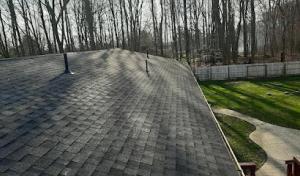
In Salem's climate, repeated freeze-thaw can widen minor flashing and fastener-related vulnerabilities into active leaks over a single winter. Small gaps around vent pipes, chimney bases, and step-flashings can grow when water expands in subfreezing cycles, then contract and pull away as warms. Homeowners should look for hairline discoloration along roof edges after thaws and inspect gutters for sudden upticks in water staining below seams. If a soffit or ceiling shows damp spots after a thaw, that's a signal to trace the path back to a flashing seam or nail line.
The local contractor market shows recurring demand around chimney-related roof work, reflecting how masonry roof intersections remain a practical trouble spot in older northeastern Ohio housing stock. Cracked mortar joints, deteriorated counter-flashings, or failed boot flashings at chimney bases can push water between shingles and the chimney chase. Signs include uniform dark staining along the cap or a damp halo projecting down the side of the brick. Regular checks after heavy rain or post-winter cycles help catch issues before they spread to attic floors or interior ceilings.
Skylight penetrations need extra attention in Salem because spring rain and winter moisture cycling can expose installation weaknesses faster than in drier climates. Look for condensation ridges, soft surrounding shingles, or a tight, but stressed, sealant line around the curb. Any frost heave or movement around the roof-to-skylight interface can loosen fasteners or crack sealant, allowing slow leaks to brew over weeks.
Beyond obvious leaks, frozen-thaw cycles stress nail lines and the underlayment layer. A loose nail head or a pinhole in the underlayment can become a drip point after a stubborn winter. Ventilation plays a quiet but critical role; poor attic airflow compounds condensation and lets moisture linger near the roof deck, accelerating deterioration. Regular, season-start inspections focusing on these zones help prevent small issues from becoming costly repairs.
Find contractors experienced in skylight installation, flashing, and leak repairs to bring natural light into your home.


When a spring hail event hits, Salem homeowners prioritize quick response and reroofing experience. Focus on contractors who advertise rapid on-site assessments and a proven history of full replacements, not just patchwork. A local reviewer will tell you which crews actually manage storm calls and complete reroofs in a single visit, minimizing reprise visits and debris around the yard.
The local field includes both residential and commercial roofers, so you should confirm that a contractor regularly handles occupied-home reroofs. Ask for examples of nearby homes they've reroofed while people were living inside, and request references who can speak to how clean the site was at the end of each day. Salem projects tend to be steep and require careful staging, so a crew accustomed to working around family schedules and furniture protection makes a real difference.
Spring weather in this market is unpredictable, with freeze-thaw swings and variable precipitation. A reliable roofer will outline a realistic, weather-aware plan with a clear sequence: tarp or roof protection, removal, decking checks, underlayment, ventilation, and final cleanup. You want a crew that can adapt to back-to-back storm calls without sacrificing quality or leaving you with an unfinished roof during a cold snap.
A strong Salem crew will assign a dedicated supervisor for the duration of the job. Ask how debris, nails, and old materials will be contained and removed daily, and what the final cleanup will look like. Local homeowners expect a neat, broom-clean finish and no lingering nails in driveways or landscaping. If a contractor offers a one-day flip, probe for how they manage materials, tarps, and waste in a busy neighborhood.
Because permit review in Salem may involve contractor license and insurance documentation, homeowners should verify paperwork readiness before signing after a storm. Have your chosen contractor provide current licensing and proof of insurance up front, and keep copies for your records. This reduces delays when the project is ready to proceed.