Last updated: Apr 19, 2026
Winter snow and ice are a telling sign of what follows: spring hail and heavy rain collide with Alliance's roof lines, testing shingles, flashing, and underlayment. The combination of freeze-thaw cycles and sudden humidity can pry apart seals and create hidden leaks that only show up after a storm passes. After a hail event, inspect not just the obvious impact marks but also the attic, ceilings, and interior walls for telltale signs of moisture. This area's housing stock, with many steep-slope reroofs, faces unique stress where a single compromised panel can escalate into widespread damage if left untreated. Act quickly while the damaged area is still identifiable and before more moisture finds its way in.
After a storm, tarping and temporary leak control become immediate priorities because local contractor demand spikes once skies clear. Scheduling full reroofs can slip when crews are strained by back-to-back storms, so a temporary fix that buys time is essential. Prioritize sealing active leaks, protecting insulation, and preventing interior further damage. Keep the roof area accessible for a licensed professional to assess the severity, especially if hail marks or wind-affected gaps appear near ridge lines or parapets. Don't assume a minor dent means minor trouble; hail can compromise underlayment beyond what eye-level inspection reveals, and snow melt can accelerate water intrusion when the sun returns.
Ohio insurers adjust premiums and coverage around hail and wind activity, so keeping dated roof photos, repair records, and contractor invoices is more than helpful-it's strategic. Collect photos before and after each significant event, noting the date, duration, and wind speeds if available. Preserve records of temporary repairs, tarping, and any signs of interior moisture, including the location and extent. When you file a claim, present a concise timeline showing the storm's path, observed damage, and the steps taken to mitigate further loss. Documentation helps insurers quickly validate the claim and can support coverage decisions tied to storm-related changes in policy language.
Local demand after storms means the window to secure a skilled contractor can tighten fast. Seek a Alliance-area roofer who can demonstrate experience with steep-slope reroofs and hail damage scenarios common to our climate. Ask for references, verify licensing and insurance, and request a written damage assessment that differentiates between cosmetic impact and structural compromise. A trusted contractor will walk you through the next steps, from temporary containment to coordinated claim support, ensuring materials and workmanship are appropriate for Alliance's freeze-thaw winters and spring weather patterns. If a contractor pushes you toward shortcuts, pause and verify with a second opinion focused on long-term performance and durability.
While the claim is in the works, maintain ongoing communication with your insurer and your contractor. Schedule regular check-ins to review findings, confirm the scope of work, and adjust timelines as weather shifts. If a storm warning repeats, double-check temporary measures, ensuring they remain intact and effective. Remember that proactive planning-documented damage, timely temporary repairs, and a clear line of communication with both insurer and contractor-can dramatically reduce the risk of recurring leaks and additional interior damage as spring storms continue to roll through.
Find local contractors experienced in assessing and restoring roofs after hail, wind, and severe weather events.
C. Roberts Roofing & Construction
(330) 703-7160 www.crobertsroofing.com
Serving
4.2 from 84 reviews
In this market, asphalt shingles remain the value workhorse for an Alliance reroof. They deliver solid, predictable pricing and ample durability for winter freeze-thaw cycles, moisture exposure, and occasional spring hail. Metal roofing stands out as a notable upgrade option, especially on steeper homes or where a longer-term payoff is appealing. The local balance tends to favor asphalt for most neighborhoods, with metal used selectively where a home's style, slope, or a homeowner's long-term roof plan justify the higher upfront cost. When discussing options, framing expectations around this mix helps keep financing and decisions grounded.
Ice and wind events in Stark County can drive storm-driven replacement surges, which may tighten contractor schedules and shift pricing windows. Asphalt shingles typically fall in the mid-to-lower end of the spectrum, roughly around 350 to 650 USD per square, depending on shingle class and exposure. Metal roofing sits higher, roughly 900 to 1,400 USD per square, reflecting material resilience and installation complexity on steep slopes. Clay and concrete tiles occupy the premium end, with clay around 1,200 to 2,100 USD per square and concrete about 1,000 to 1,800 USD per square. Wood shingles and shakes range from 450 to 900 USD per square, offering a distinct look but higher maintenance in freeze-thaw cycles. Synthetic and composite shingles sit between 550 and 1,000 USD per square, providing a modern compromise of appearance and durability.
Freeze-thaw exposure and moisture management drive labor demand in this market. As winter and early spring storms roll through, crews may be tighter and overtime or expedited scheduling can affect prices, especially for steep-slope reroofs with complex details. Storm activity also means insurance-driven reroof cycles can compress lead times, which can shift cost windows. Homeowners should expect potential price volatility around late winter into spring when demand spikes, and plan for a window rather than a fixed coupon price.
Steep-slope residential reroofing is more relevant than specialty low-slope systems in this contractor market, which affects where homeowners see the most competitive pricing. For a typical suburban lot with a pitched roof, crew efficiency improves when choosing common materials like asphalt or standard metal panels. If a homeowner is evaluating long-term value or curb appeal, metal remains the clear upgrade choice, but asphalt shingles offer reliable protection and a familiar install workflow that aligns with most local contractor schedules. Budget and timeline plans should reflect these realities to avoid delays during the spring rush.
The most popular roofing material in the US. Find pros who install, repair, and replace asphalt shingles.


Stubblefield Roof & Tree
(330) 877-8896 www.stubblefieldroofandtree.com
Alliance, Ohio
5.0 from 3 reviews
Stubblefield Roof and Tree provides roofing and tree services to Alliance, OH, and surrounding areas.
Mike B Fagan Roofing & Sht Mtl
(330) 823-3318 www.mbfroofing.com
22709 Railroad St, Alliance, Ohio
4.3 from 6 reviews
A full spectrum Commercial Industrial Roofing contractor.
Eichler Construction
(330) 457-8192 www.salemconstructioncompany.com
Serving
4.0 from 4 reviews
If you've been searching for a construction company to renovate your home or business inside and out, turn to Eichler Construction. We rely on over two decades of experience to provide top-notch services in Salem, OH. Our general contractors can renovate any home in the regardless of the size. We never take shortcuts and always take extra care to complete your project right the first time around.
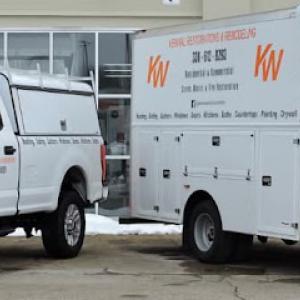
Kenwal Remodeling
Serving
5.0 from 67 reviews
Kenwal Restorations is a trusted roofing and storm damage repair company based in Randolph, Ohio. Since 2014, we've specialized in roof replacements, emergency repairs, siding, and window installations for homes and businesses across Northeast Ohio. As storm damage experts, we help homeowners navigate insurance claims and restore their property fast. Fully licensed and insured, we’re known for honest estimates, high-quality workmanship, and reliable local service. Contact us today for a roof inspection.
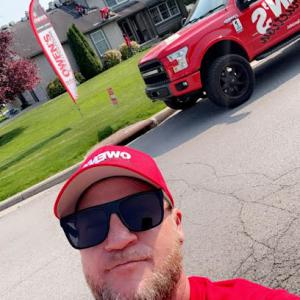
Owen's Construction
(330) 507-5195 www.owensroofs.com
Serving
4.9 from 289 reviews
At Owen's Constuction we subscribe to a simple philosophy : identify the problem, find a solution and fix it. We keep the pace with the latest technology and are constantly investigating new ideas and systems to maintain our postion as a front-runner in the roofing industry. To maintain skills at peak levels, our staff is constantly retrained to be fimiliar with the latest methods,materials systems and safety techniques.This enables us to efficiently provide the solution to all and any roofing needs ranging from a minor repairto the largest replacement. Our team takes pride in perfection; pride in producing a first-quality product in a highly efficient and cost-effective manner.
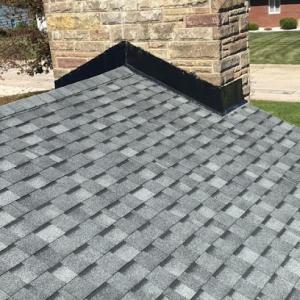
C. Roberts Roofing & Construction
(330) 703-7160 www.crobertsroofing.com
Serving
4.2 from 84 reviews
Veteran-owned and operated that’s been in business for 31 going on 32 years. We specialize in interior and exterior home renovations, including roofing, siding, gutters, soffit fascia, and whole home remodeling kitchens and bathrooms. Our licensed plumbers electricians and other professionals will keep your minds at ease through your entire project.
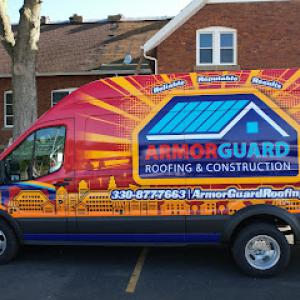
ArmorGuard Roofing & Construction
(330) 877-7663 armorguardroofing.com
Serving
4.8 from 26 reviews
ArmorGuard, a locally owned and operated roofing and construction company, has been serving the community for over 23 years. With our extensive experience in the industry, we have become experts in our field. Our owner, Mike Arrigo, visits every job to ensure that every project meets our high expectations, as well as the expectations of our customers. Roofing and construction needs can vary greatly from one project to another. Whether you require a roof replacement, repairs, or assistance with insurance claims for damages, ArmorGuard is here to help. We understand that dealing with insurance claims can be challenging and confusing, and we are dedicated to assisting you in navigating through any questions or concerns you may have regarding.

Henderson Roofing & Construction
(330) 323-1500 hendersonohio.com
Serving
4.9 from 324 reviews
Henderson Roofing is a leading Roofing Contractor in Canton, Ohio, proudly serving all of Stark County and surrounding communities like North Canton and Massillon. We specialize in both Residential Roofing and Commercial Roofing services. Our expert team provides comprehensive solutions including full Roof Replacement, emergency Roof Repair, and detailed storm damage roof inspections (hail & wind damage). We install high-quality asphalt shingles, metal roofing, and flat roofs. Backed by over 20 years of local experience, we are committed to honest, high-quality work and transparent pricing. Trust your home or business to Canton’s most reliable roofing company. Contact us today for a free, no-obligation roof estimate!

Hof Roofing & Construction
(330) 614-9525 www.hofroofing.com
Serving
5.0 from 356 reviews
One of Canton’s largest & most trusted roofing contractors. We focus on customer satisfaction and take pride in our outstanding reputation. Professionalism + Experience = HOF!
Berlin Restoration
(330) 614-9016 www.facebook.com
Serving
5.0 from 3 reviews
Welcome to Berlin Restoration, your friendly neighborhood roofing and siding company! 😊 We pride ourselves on treating each home as if it were our own. Whether you need a minor fix or a full makeover, our skilled team is here to provide reliable, caring service with a personal touch. Come rain or shine, we’ve got you covered! Let's build something beautiful together. 🏠✨
All Roof Repair
Serving
5.0 from 41 reviews
Emergency leak repairs and tarps. We offer repair services in all types of residential roofing. Serving northeast Ohio for over 10 years.
AL Brothers Roofing
(330) 280-6733 albrothersroof.com
Serving
5.0 from 122 reviews
local Roofing Contractor. Free estimates for any roof don't hesitate to call anytime. AL Brothers Roofing is fully insured and bonded.
Alliance's cold winters and repeated freeze-thaw cycles accelerate shingle brittleness, flashing movement, and moisture intrusion compared with milder Ohio locations. In practice, that means asphalt shingles can lose their flexibility sooner, and granules may begin to shed more quickly after a handful of harsh winters. Metal and synthetic products aren't immune either; metal seams and fasteners can shift, while composite surfaces may develop micro-cracks that invite water entry at the most vulnerable points. The result is a roof that looks sound from the ground but hides a pattern of hairline damage that can worsen after each freeze, especially around roof penetrations and vent pipes. Early detection matters.
Snow accumulation and ice formation can delay active roofing work in Alliance and make winter leak events more likely to start at eaves, valleys, and roof penetrations. Ice dams form where warm attic air meets a cold roof, causing standing ice that can back up under shingles and into soffits or fascia. In practice, ice buildup near valleys or around chimneys often signals more serious moisture migration than visible surface wear. If a winter storm leaves a heavy crust of ice, plan for temporary waterproofing steps and cautious scheduling of the next stage of repair once conditions stabilize. Weather-driven delays aren't just inconvenient-they can expose vulnerable flashings to repeated freeze-thaw cycles.
Roof replacement timing is often driven less by age alone and more by how many winters a roof has endured without developing moisture-related failures. If the roof has endured multiple seasons with signs of soft sheathing, persistent interior dampness after storms, or recurring winter leaks at penetrations, that is a red flag. In Alliance, a strategy that prioritizes upgrades to higher-performance underlayment, more robust flashing, and closed-cut valley details can limit a repeat cycle of damage. A familiar pattern emerges: the more winters endured without a clear moisture failure, the more the roof's net value hinges on preventing ongoing freeze-thaw damage rather than simply replacing worn shingles.
In response to the climate realities, consider prioritizing ventilation and insulation improvements that reduce attic warmth, which fuels ice dam formation. Regular inspections after winter and after heavy spring hail help catch movement in flashing and fasteners before leaks widen. When a repair is needed, pay particular attention to eaves, valleys, and penetrations where ice and snow tend to linger. Choosing a roof system with resilient underlayment and durable flashings that perform under repeated freeze-thaw cycles can yield a more predictable outcome through the season's harsher months. A careful balance of timely repairs and strategic upgrades often proves more effective than reactive fixes after a major storm.
When you can't wait, these contractors offer fast response times to stop leaks and prevent further damage.
C. Roberts Roofing & Construction
(330) 703-7160 www.crobertsroofing.com
Serving
4.2 from 84 reviews
Asphalt shingles fit Alliance's dominant reroof market because they balance upfront cost with broad contractor availability in the city and surrounding Stark County area. In practical terms, this means you can typically find qualified installers who can handle steep-slope roofs common here, with a straightforward replacement process after winter ice and spring hail. Asphalt remains a flexible choice for existing homes that have established roof decks and standard pitches. For homes that endure repeated freeze-thaw cycles, look for a shingle line with good granule adhesion and proven wind resistance to minimize early wear along eaves and ridges. If your neighborhood has a mix of older, more complex roof shapes, a well-chosen asphalt shingle can still deliver reliable, long-term performance with the right underlayment and proper attic ventilation.
Metal roofing has a meaningful local specialist presence in Alliance, making it a realistic option for homeowners prioritizing snow shedding, durability, and longer-term performance. Snow tends to drift and accumulate in certain valleys and overhangs, so a metal system with an appropriate pitch and integrated snow guards can reduce ice dam risks and keep drift paths clear. Metal panels also resist hail better than many standard asphalt options, which matters after a storm season. However, metal installation demands precise metal-specific flashing and seam work; the availability of skilled local crews matters more here than with asphalt. If you expect frequent hail events or want a roof that offers peak protection with fewer seasonal inspections, metal can be a prudent long-term choice, provided a reputable installer with metal experience handles the project.
Tile, wood, and synthetic products are available in the local market, but they are less central to the contractor mix than asphalt or metal. Tile and wood roofs often require specialized crews and longer lead times, which can limit scheduling flexibility after severe winter or spring weather. Synthetic shingles offer a broader installation pool than true tile or wood, but keep in mind that the installer pool for synthetics is still narrower than for asphalt or metal. If you're considering these options, plan for a careful contractor check: confirm installation references, confirm compatibility with your roof deck, and verify that the product you choose aligns with your climate's freeze-thaw cycles and snow loads. In Alliance, ending with a solid warranty and a local installer with weather-specific experience can make a substantial difference in performance and service after storms.
Explore specialists in steel, aluminum, and standing seam metal roofs built to last 50 years or more.
A full reroof in this area typically requires a permit filed with the local building department rather than handled informally between homeowner and crew. The process keeps weather-related risks and building code compliance in check, especially given the freeze-thaw cycles and heavy snow loads common here. In Stark County practice, the roofing contractor commonly submits the permit paperwork on the homeowner's behalf, but you still retain ownership of the project and should verify that the permit is active and properly posted at the job site. Expect to provide basic project details, the chosen roofing materials, and the estimated start date.
Your contractor should pull the permit, complete the necessary forms, and attach product specifications and a site plan showing eave protection and venting strategy. As the homeowner, confirm that the permit application lists the exact roof area to be replaced, the proposed underlayment type, and venting plan that complies with local codes. Ask for a copy of the submitted permit package and keep it handy during inspections. If any changes occur during the project, ensure amendments are submitted promptly so the permit remains valid and the work remains compliant.
Inspection timing in this area usually includes a check during underlayment and venting work. The inspector will verify proper underlayment installation, ice and water shield in critical areas, and the correctness of roof venting and attic insulation details. Scheduling should align with stage milestones, not only at the end. A mid-project check helps catch anything that might affect winter performance, like improper flashing or inadequate attic venting, which can contribute to ice damming during a thaw.
A final inspection occurs after the roof is completed. The inspector confirms that all roofing components are installed per code, that flashing around chimneys and skylines is secure, and that ventilation paths remain unobstructed. Keep the site accessible for the inspector and ensure any temporary PPE, material storage, or ventilation openings are properly managed so it does not delay the final review. If the final passes, you receive clearance to close out the permit, and the project officially meets code requirements for this residence.
Coordinate closely with your contractor to align permit approvals with the seasonal window for reroofing, especially given winter weather constraints. If snow or ice conditions threaten the installation timeline, discuss contingencies with the contractor and inspector early, so a revised inspection schedule can be arranged without compromising compliance. Maintain a folder with permit documents, inspection notices, and any correspondence with the building department for quick reference during weather-driven delays or future maintenance inquiries.
Alliance homeowners are operating in an Ohio insurance environment where hail and wind exposure can affect both premiums and coverage terms. That reality can shape how quickly a claim moves, what damage is considered eligible, and how much skepticism a homeowner might encounter if a repair looks like ongoing wear rather than a sudden storm event. Understanding that backdrop helps keep expectations grounded when a hailstorm or high-wind event hits your roof.
Adjusters reviewing Alliance roof claims may look closely at local storm history, hail exposure, and whether damage is consistent with recent regional weather events. Since spring hail can strike after winter freeze-thaw cycles, the line between age-related deterioration and covered damage is not always obvious. Take time to document roof surfaces before and after storms, note missing granules, dented metal, shingle curls, and any interior signs of moisture that align with a storm timeline. Clear, dated photos and a simple log of weather events can help tell a convincing, accurate story.
Because freeze-thaw deterioration can overlap with storm damage in Alliance, documentation quality often matters when separating covered sudden damage from age-related wear. If a hail event coincides with a period of fluctuating temperatures, inspectors will look for fresh impact evidence rather than treating every issue as new. Focus on clearly storm-induced symptoms-new penetrations, isolated leaks, and impact marks-while distinguishing them from signs of long-term exposure like glaze on shingles or general surface granule loss.
When storms roll through, start with a professional roof inspection as soon as safely possible, prioritizing areas with visible damage or leaks. Keep receipts and records of communications with the insurer and any remediation work. If coverage questions arise, reference the event history and storm patterns that match your roof's exposure profile. A careful, well-documented claim stands the best chance of reflecting the reality of what happened during the last winter and spring weather cycle.
Connect with contractors who help homeowners navigate the claims process from damage assessment to final approval.
Winter snow, ice, and spring storms create active leaks fast, and full replacement crews may not be available right away. Warm days can reopen joints that froze shut, while sudden rain can flood ceilings in hours. If you notice dripping inside or water staining, act quickly to prevent structural damage and mold.
The local contractor market shows unusually strong quick-response positioning, reflecting homeowner demand for same-day or next-day stabilization after weather events. Request a same-day tarp and temporary roof cover to seal off the most active leaks. Use heavy-duty plastic sheeting or 30-40 mil tarps anchored with roofing nails or screws and weighted with sandbags or bricks to withstand wind. Do not leave exposed fasteners loose; secure edges firmly to avoid billowing in a storm.
Temporary protection is especially important when cold conditions or wet spring weather delay tear-off and permanent installation. If access is limited by ice, ask for a heated tarp setup or a ground-level tarp that allows drainage away from entryways. Keep paths clear of debris and ensure gutters and downspouts are free so water can shed away from the structure once the tarp is in place.
Coalition-like coordination matters: confirm arrival windows, define who does the protective work, and establish a clear plan for replacing the tarp after each weather event. If a leak penetrates insulation or ceiling materials, document with photos and notes to support future repair decisions. Stay vigilant for ice dam responses and call for immediate attention when needed.
When you can't wait, these contractors offer fast response times to stop leaks and prevent further damage.
C. Roberts Roofing & Construction
(330) 703-7160 www.crobertsroofing.com
Serving
4.2 from 84 reviews
Storm-driven leaks in spring often show up at skylight and chimney transitions, not just on field shingles. In Alliance, the combination of freeze-thaw cycles and snow load makes flashing around chimneys, skylights, and other penetrations more prone to failure than broader roof areas. Moisture entry can be hidden from ground-level inspection, surfacing only during reroofing when inspectors pull back shingles and reveal soft decking or rusted flashing. Expect to see more failure at transition points after a harsh winter and fresh spring melt.
During a reroof or inspection, look closely at the step and counter-flashing around chimneys, the base flashing at skylights, and any sealant joints near penetrations. Run a careful interior check after a big thaw for repeated damp spots on ceilings near ceiling junctions or around dormers. Pay attention to rusty or cracked drip edges, and any movement or creaking around chimney flashing as temperatures swing. In Alliance, fractures in sealant and metal flexing are common clues due to repeated winter expansion.
Start with a targeted assessment of the flashing assembly before lifting any shingles. If flashing shows gaps, lift a few shingles to re-seat and re-fastening, then seal with compatible metal or self-adhered flashing material designed for cold climates. Replace deteriorated step-flashing where it interfaces with the chimney chase or skylight curb, ensuring proper weep channels and back pans are in place. Re-caulk around the skylight base with a product rated for roof use and freeze-thaw resistance. For chimneys, install continuous through-flash or cricket details as needed to redirect water away from joints, and verify that roofing felt beneath remains intact. Finally, test with a gentle spray after work to confirm attention to all transition points.
Over-sealing or using non-compatibly matched materials can trap moisture and worsen ice dam risks. Skipping backer boards or failing to re-flash the counter-flashing angle can leave gaps unseen from ground level. In Alliance, neglecting seasonal expansion patterns means repeat leaks at the same spots after the next freeze-thaw cycle. Keep flashing materials ready for cold-season performance and ensure proper overlap and slope toward the drip edge.
Find contractors experienced in skylight installation, flashing, and leak repairs to bring natural light into your home.
Alliance homeowners face a crowded field of contractors that emphasize quick response, cleanup, affordability, and reroofing experience rather than niche luxury systems. In this market, reliability during and after storm season matters more than flashy promises. A practical approach keeps your roof solid through heavy snows, freeze-thaw cycles, and spring hail.
When you compare bids, look beyond the bottom line. Prioritize firms with steady, long-standing local presence, because warranty follow-through after storm seasons is a practical concern here. Ask for project timelines and a clear schedule for ascent work, tear-off, and reinstallation. A nearby crew can reduce downtime and miscommunications that creep in with out-of-area teams. Confirm that the estimator walks the roof and documents hail impact, ice dam risk, and ventilation needs. In Alliance, steep-slope reroofing is common, so verify experience with your roof type and pitch, plus knowledge of local snow-load considerations.
Long-standing firms are common in this market, and that stability matters when a storm system rolls through. Look for a company that can point to multiple recent projects in the same neighborhood or zip code, with references you can actually contact. Ask about a written warranty that covers both materials and workmanship, and specifically how service calls after installation are handled. A company with a local office is a plus, because it improves accessibility for follow-up questions or corrective work after winter weather or spring hail.
Because insurance and storm work are prevalent locally, homeowners should verify who is actually handling permit filing, inspection coordination, and claim documentation. Confirm the contractor assigns a dedicated point of contact for your project who can manage the claim narrative, photos, and required documentation. Ask how they coordinate with your insurer, what information they supply, and who attends any insurer inspections. Practical communication and predictable escalation paths help avoid delays when spring weather disrupts timelines.
Get a clear picture of your project costs upfront - no commitment required.