Last updated: Apr 19, 2026
West Linn's wet winters and spring dampness create persistent moss and algae pressure on shaded roof slopes. This isn't a problem you can glue shut with quick fixes; it's a moisture cycle shaped by the local climate and the way trees, leaves, and needles crowd the roof. On steep pitches, moss can grip shingles and tile, holding moisture against the surface longer than you realize. The result is a cycle of dampness that slows drying after storms and invites additional wear, especially on roofs that aren't properly vented or sloped for efficient drainage. The key is to recognize where moisture lingers and act with durable, roof-friendly methods that respect the trees and shade pattern that define your street.
The city's heavily wooded residential setting means many homes deal with leaf litter, needles, and debris that slow drainage and keep roof surfaces wet longer. That debris isn't just unsightly; it acts like mulch, feeding moss and algae and masking roof faults beneath. On steep, wooded lots, debris tends to collect near ridge lines, gutters, and around dormers, where water pools briefly before moving along the slope. The consequence is more frequent freeze-thaw cycles at the surface and increased vibration from wind-driven debris during storms. Effective management starts with regular debris control and a once-a-season sweep of the roof edge and valleys, paying particular attention to shaded areas where moisture lingers longest.
Cool-to-mild winter temperatures mean roofs often stay damp for extended periods rather than drying quickly after storms. That damp window creates an environment where moss, algae, and lichens can establish themselves before the first dry spell of late spring. It also means your attic and underlayment deserve attention in the shoulder seasons when moisture peaks. In practice, this translates to proactive moisture mitigation: don't wait for extensive moss to appear before you treat the surface; catch early growth and address drainage bottlenecks as soon as they're noticed. Pay extra attention to north- and east-facing slopes, under eaves, and areas beneath dense canopy cover where shade is persistent and sun exposure is minimal.
Moss thrives where moisture is held by surface texture and slow drainage. On steep roofs, the combination of shingles with a rough surface and a moss layer can become a slippery trap for workers, so safety planning is essential before any cleaning or treatment. Start with a careful inspection of the roofing material around valleys, seams, and flashing; damaged shingles or cracked flashing can trap moisture and give moss a foothold. Where moss is actively growing, avoid aggressive power washing on shingles, as the high pressure can lift granules or cause fiberglass damage. Instead, opt for a two-step approach: light mechanical removal with a plastic scraper or a specialized roof brush, followed by a moss-inhibiting treatment that's compatible with your roof type and local climate. Allow time for any treatment to dry fully before the next rain event.
Leaf litter and needles contribute to the problem beyond aesthetics. Create a routine that reduces debris accumulation: trim overhanging branches that shed year-round debris onto the roof, especially in shaded pockets; install or upgrade gutter screens to minimize clogs; and keep downspouts clear so water transitions smoothly from roof to drain. On slopes visible from ground level, consider a periodic blower sweep from the edge of the roof to the slope to reduce non-surface debris when a full walk is impractical. When you do move up onto a roof, use a safety harness and fall protection, and have a second person on standby for handing tools and assisting in case of a slip.
Drainage demands specific attention on steep, wooded roofs. Ensure water flows freely toward gutters and downspouts without pooling in the valleys or behind protrusions like dormers. If pooling is observed after rain, evaluate the ridge and valley geometry for debris buildup, and consider a professional inspection to check for hidden drainage obstructions or damaged flashing. In shaded, moss-prone sections, a longer dry-down window can be achieved with ongoing grooming of the roof surface: keep pine needles and leaf litter off the surface, maintain a clean ridge line, and verify that gutter outlets are positioned to pull moisture away from the roof promptly.
Finally, establish a maintenance cadence that aligns with West Linn's climate rhythm. A seasonal check that coincides with the onset of late fall dampness and the early spring thaw can catch moss and drainage issues before they compound. Treat areas with repeated moisture retention or recurring moss growth proactively rather than waiting for visible damage to appear. The goal is not just to keep the roof looking tidy, but to preserve the underlying structure by reducing moisture retention, supporting drainage, and limiting moss-driven wear over the years.
That hillside layout, with stepped elevations and complex rooflines, changes how water moves off a roof. In West Linn's hilly neighborhoods, seamless drainage transitions matter more than you'd expect-especially where multiple planes meet or where a valley runs between sections of the roof. Autumn storms bring wind-driven rain that tests those transitions, pushing water toward valleys, wall intersections, and the chimney flashing. When the slope changes abruptly, a single misstep in flashing or underlayment can create a slow leak that follows the roofline for months before it finally shows up inside the attic. Pay attention to every transition: where two roof surfaces meet, where they meet walls, and where a vent or chimney interrupts the line. If you notice water streaks or damp spots near these areas after a storm, you're looking at a flashing sensitivity issue that deserves targeted attention.
Valleys in hillside homes work hard here. They collect runoff from higher elevations and direct it into gutters or downspouts, but valley flashing can fail when debris blocks the flow or when shingles pull away due to wind or shifting framing. In tree-lined neighborhoods, debris buildup behind roof penetrations-think vents, skylights, and exhausts-becomes common. When debris settles behind these features, moisture gets trapped against underlayment and can accelerate rot or moss growth on the underlying deck. The result is not only a slow leak but a perfect seedbed for moss, which thrives where moisture lingers. A proactive approach means seasonal checks focused on valleys and penetrations: clear debris, inspect flashing legs for hairline gaps, and confirm sealant joints remain intact after heavy rains. If you see tan or black staining near a flashing seam, address it promptly rather than letting it creep into the interior.
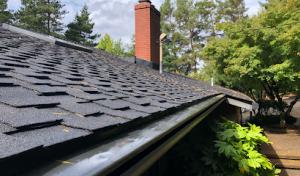
Moss tends to cling to shaded, damp sections where drainage stalls, particularly on steep, wooded roofs. West Linn's trees shade many homes and drop needles that trap moisture against the underlayment. Moss doesn't just look unsightly; it holds moisture against shingles and flashing, accelerating deterioration and inviting further water intrusion during autumn gales. The honest approach is to target moss early before it thickens, using a soft brush or gentle cleaning method that won't damage shingles or flashings. After cleaning, re-check the flashing seams and replace any weathered sealant around penetrations. Keep an eye on the eaves and lower roof areas where debris naturally collects and moss often reestablishes first. A dry, well-drained roof on a hillside is far less forgiving of neglected valleys, hidden leaks, or blocked drainage paths, so routine, careful inspections are the best defense against escalating damage.
Find local contractors experienced in assessing and restoring roofs after hail, wind, and severe weather events.
StormRoof
(503) 266-4090 www.stormroof.com
West Linn, OR
4.5 from 11 reviews
Hi, and thanks for taking a look at our learn more, we really do appreciate your interest. For over 26 years storm roof has specialized in residential re-roofing, moss treatment and roof repairs, commercial and light industrial roofing. We are also experienced in carpentry dry rot repair, deck builds, re-decking, framing and more. We've seen alot of changes in the past 26 year's and a whole lot of price increases, we still try to provide our customers with the lowest cost possible while not skimping on quality. all of our work is backed by a long writen workmanship warranty. Materials include Composition, Snap lock, A/G metal, E,P,D,M, Single ply, Tile and more. Thank you very much for checking in on us.
Bullseye Roofing & Remodeling
(971) 227-1878 www.bullseyeroofingandremodeling.com
West Linn, Oregon
5.0 from 5 reviews
Bullseye Roofing and Remodeling specializes in high-quality roofing and remodeling services for residential and commercial properties. Our experienced team offers roof repairs, replacements, and installations, ensuring durable, reliable results. We also provide expert remodeling services, including kitchen, bathroom, and home renovations, tailored to meet client needs. Committed to exceptional craftsmanship and customer satisfaction, we use top-tier materials and innovative techniques. Bullseye Roofing and Remodeling offers free estimates, competitive pricing, and reliable, on-time service for all projects, big or small.
Tilly's Roofing Repair
(503) 638-1096 www.tillysroofing.com
Serving
4.8 from 29 reviews
At Tilly's Roofing Repair & Construction, we're a father-and-son team with over 25 years of experience keeping roofs strong and reliable. As a family-owned business, we take pride in offering top-quality roof repairs, new installations, and full maintenance services. We're fully licensed, bonded, and insured, so you can trust us to get the job done right. Your home deserves the best, and we’re here to help. Give us a call today!
H&L Roofing
Serving
4.8 from 102 reviews
Since 1997, H&L Roofing has been dedicated to providing top-quality roofing services. Starting from Oregon City, we've become a trusted roofing contractor throughout Oregon and Washington. With a legacy of excellence, we bring expertise to every residential and commercial project, ensuring beautiful and durable results. Our commitment to quality and customer satisfaction has earned us a stellar reputation, reflected in countless positive reviews.
State Construction
(503) 313-4381 stateconstructionpdx.com
Serving
5.0 from 119 reviews
Your Northwest Roofing Experts – Residential and Commercial We have specialized in complete roof installation and repair since 1998. Anything from composition shingles to PVC systems, we’ve got you covered. Our number one goal is customer satisfaction, day or night. Have an emergency? Call us right away… we’re on top of it.

Sagas Roofing Company
(503) 212-6708 sagasroofing.com
Serving
5.0 from 16 reviews
Looking for a reliable roofing contractor in Oregon City, OR? Then Sagas Roofing Company Oregon City is the one you're need. We provide commercial and residential roofs and repairs to meet your unique needs. We have the best equipment and our roofers have decades of experience to be sure that your home stays safe and dry. We offer free roof inspections to ensure that your roof is sustained at optimal levels. Our main priority is to take care of our great clients. Whether you need a new roof or need help picking the right shingles, we are always here to help. We also provide gutter repairs and servicing. You will be able to rest well knowing that Sagas Roofing Company Oregon City is there for you to enjoy your house or office year round.
Apex Home Solutions
(503) 442-1719 apexhomespdx.com
Serving
4.9 from 102 reviews
Welcome to Apex Home Solutions We’re passionate about helping you create a home you love. Specializing in roofing, siding, windows, and decks, our friendly team is here to make your vision a reality. Whether you’re looking for a sturdy roof to keep you safe from the elements, stylish siding to boost your home’s charm, energy-efficient windows to brighten your space, or a beautiful deck for family gatherings, we’ve got you covered. We believe in using top-notch materials and techniques, but it’s our personal touch that sets us apart. From the moment you reach out to us, you’ll experience open communication and a genuine commitment to your satisfaction. Let’s work together to enhance your home and create a space you’ll enjoy for years to c...
Woods Roofing
(503) 317-9663 www.woodsroofing.net
Serving
4.9 from 40 reviews
Based in Oregon City. Residential roofing contractor. Specializing in asphalt shingles.
Peak Performance Roofing
(971) 979-7325 peakperformanceroof.com
Serving
5.0 from 206 reviews
Peak Performance Roofing is a local, family-owned business specializing in full replacements of roofing, siding, and windows, as well as exterior painting. We proudly serve Portland and it’s surrounding areas.
Skyline Roofing
(503) 927-8912 www.skylineroofing.org
Serving
4.9 from 28 reviews
Skyline Roofing is a trusted roofing contractor serving both commercial and residential clients. With over 15 years of experience, we are committed to delivering top-quality roofing solutions tailored to meet your specific needs. Our skilled team of professionals is equipped to handle all aspects of roof installation, repair, and maintenance, ensuring the utmost precision and durability. We take pride in our attention to detail, using only the highest quality materials and employing industry-leading techniques. Whether you need a new roof for your commercial property or repairs for your residential roof, you can rely on Skyline Roofing for reliable, efficient, and long-lasting results. Contact us today for a free consultation and ex
Elkridge Roofing
(503) 451-5755 www.elkridgeroofs.com
Serving
5.0 from 55 reviews
ELKRIDGE ROOFING is a roofing contractor that offers roof replacement, new roof installation, and roof repairs to residents of Clackamas, Multnomah, and Washington Counties in Oregon. They are committed to providing quality workmanship and exceptional customer service.
Roof & Gutters Specialists
(971) 283-3796 www.roofandgutterspecialists.com
Serving
5.0 from 21 reviews
We are professionals
Late spring through early fall is the typical replacement window in West Linn because winter rain commonly delays tear-off and dry-in work. The stretch from May through September often offers the best balance between dry days and workable temperatures for tarps, underlayment, and shingle adhesion. This period also aligns with drier spells that help a crew advance without the constant worry of mist and drizzle soaking exposed decking. If a project can anchor its schedule in this window, you gain predictable progress and fewer weather-induced pauses that can ripple into delays down the line.
As you approach late spring, you'll notice that tree canopy shading becomes a real factor on steeper, wooded lots. Moss pressure and moisture retention can shift the job plan from a fast, dry-in pace to a slower cadence while crews address surface preparation and flashing around dense branches. Early summer often brings longer days and cooler mornings, which can keep adhesive temperatures within a workable range for certain shingle systems. On a steep roof, the crew will pay particular attention to scaffold setup, ladder safety, and debris containment to prevent moss spores from staining new surfaces. If a tear-off begins in this season, expect management of fallen leaves and pine needles still circulating from the previous autumn. Planning contingencies for a slightly extended dry-in period helps keep the project on track without compromising warranty terms.
Autumn storms can interrupt scheduling and increase the risk of exposed decking or underlayment taking on moisture mid-project. In wooded neighborhoods above the rivers, gusty winds and sudden downpours are not unusual, and the timing of a mid-project shift matters. When schedules are tight, crews may pause sheathing work or cap off exposed sections to preserve decking integrity. The goal is to keep the roof deck dry enough to install underlayment and starter courses without creating zones that trap moisture. If a project runs late into autumn, the decision to tarp carefully and widen drainage precautions becomes critical to prevent runoff from water pooling near steep drip edges. Clear communication with your contractor about anticipated weather windows can reduce the chance of rain-driven setbacks.
Summer's drier stretch is favorable for replacement, but heat can still affect installation pace and adhesive cure timing on some shingle systems. In a neighborhood with tall trees, shaded roof surfaces may temper heat-related delays, but the sun exposure on south-facing slopes can accelerate drying and curing in a way that requires closer attention to product-specific guidelines. A well-planned summer schedule factors in cooler mornings for the most labor-intensive tasks, with lighter work in the peak heat of the afternoon. For steep, wooded roofs, daytime visibility and footing are also critical; crews will often stagger work to maintain safety and accuracy when moss and debris remain on the upper face. Proper sequencing-deck inspection, ice/water shield where applicable, then underlayment and shingles-helps ensure a durable, long-lasting result once the rains return.
Get a clear picture of your project costs upfront - no commitment required.
Bullseye Roofing & Remodeling
(971) 227-1878 www.bullseyeroofingandremodeling.com
West Linn, Oregon
5.0 from 5 reviews
Guardian Roofing, Gutters & Insulation
(503) 299-1260 www.guardianroofing.com
Serving
4.9 from 427 reviews
Asphalt shingles remain the go-to option for the area's many detached homes undergoing re-roofing. Their familiar profile fits most traditional eaves and steep pitches common in West Linn neighborhoods. For homeowners tackling prolonged winter moisture, asphalt offers straightforward repairability, good granule retention in shaded, moss-prone zones, and a broad installer base. When choosing asphalt, prioritize architectural or upscale profiles if the roof is highly visible from streets lined with mature oaks and maples. A key practical note: in wooded settings, a slightly heavier shingle with better adhesion to damp surfaces reduces wind lift and moss traps on shaded slopes.
Metal roofing is worth considering when drainage speed and moss control are priorities. In the wet climate, metal panels shed water quickly and dry out sooner after storms, which helps keep moss from taking hold on exposed surfaces. Metal also tends to resist impact from hail and carries a longer diagnostic window for moss-dense canopies above, where drip edges and fastener corrosion patterns matter. For steep, tree-covered sections, ensure proper underlayment and an integrated snow and ice strategy to prevent ice damming along eaves. A metal roof can be especially appealing on homes with modern or craftsman-inspired lines where a clean, reflective surface complements surrounding greenery.
Wood shakes and shakes-style textures remain popular for custom homes with timber accents or rustic landscapes. They blend well with mature trees and natural surroundings, but require diligent moss control and a proactive maintenance plan to avoid moisture intrusion between shakes. Clay tile and slate offer upscale curb appeal and long-term durability, yet demand careful roof framing, spacing, and occasional upkeep for moss-saturated years. Synthetic products replicate the look of slate or tile with improved weight and ease of maintenance, which can be advantageous on older structures where roof load and drainage details are already a concern. For homes with distinctive architectural silhouettes, selecting the material to harmonize with trim, chimneys, and surrounding trees helps a roof age gracefully rather than clash with the landscape.
In shaded, moss-prone zones, prioritize materials that respond well to moisture management and drainage. The choice should align with the house's appearance, roof slope, and the surrounding canopy. All options benefit from thoughtful underlayment, proper ventilation, and a drainage-savvy layout to handle the Willamette Valley's wet winters. When in doubt, lean toward a profile that balances ease of maintenance with long-term performance on steep, leafy roofs.
When planning a roof replacement, the hillside character and tree canopy of this area shape every decision, from access to staging to safety measures. In this market, costs reflect not just the material but the extra steps required for steep slopes, moss pressure, and tight access on wooded properties.
Provided local cost ranges run from 350 to 700 USD per square for asphalt shingles, 700 to 1500 for metal, 1200 to 2600 for clay tile, 900 to 1700 for wood shingles or shakes, 800 to 1600 for synthetic or composite shingles, and 1600 to 3300 for slate. These banded figures give a realistic sense of what a project will demand depending on roof type. On a typical 1,000-square-foot roof, that translates into noticeable variance driven by structure, slope, and the chosen finish. For steeper pitches or multi-level layouts common in hillside neighborhoods, expect costs toward the higher end of each range, or beyond if specialty installation is required.
Costs in this market can rise on steep or complex hillside homes where access, staging, and safety setup are more demanding than on simple low-complexity roofs. The extra labor, equipment, and time to move materials safely up a slope or through mature trees pushes numbers upward. If the roof has multiple ridges, vents, or skylights, plan for additional flashing, waterproofing, and moss management work that typically accompanies replacements here.
Tree cover, moss removal, wet-deck prep, and flashing replacement around chimneys and skylights commonly add scope in this market. Moss management isn't optional on shaded, damp roofs, and it often requires extra decontamination, underlayment refresh, and surface treatment before new shingles go down. Wet-deck prep-ensuring the underlying deck is dry and sound before installation-helps prevent failures on days with lingering winter moisture. Around chimneys and skylights, flashing replacement or reinforcement is routine to maintain watertight seams after a full roof swap.
Begin with a materials-first estimate, then add a contingency for access, staging, and moss-related prep. For a hillside home, request a staged plan that outlines how equipment will reach the roof safely, including any crane or ladder setup and debris containment. Finally, compare the long-term value of higher-end products that resist moss growth and moisture, versus budget options, keeping in mind the climate-driven durability needs of West Linn's winter months.
Don't let upfront costs delay a critical repair - these contractors offer payment plans to fit your budget.
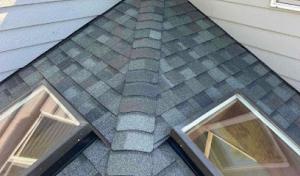
For a full roof replacement, a building permit is typically required in West Linn. The City of West Linn Building Division is the agency responsible for issuing roofing permits, reviewing submitted plans, and coordinating inspections. When you apply, expect to provide a clear project scope, including roof type, materials, and any structural changes. Since many West Linn homes sit on steep lots with mature trees, the plan review often flags specifics related to load paths, attic ventilation, and drainage details that affect both safety and moisture control. Early coordination with the Building Division can help prevent delays caused by missing information or misunderstandings about flashing, drip edge, or underlayment choices.
Inspections are commonly scheduled during and after the project, with several checkpoints that reflect the area's moisture-prone conditions. An inspector will typically review underlayment installation and flashing details as the roof is being laid, ensuring proper overlaps, nail placement, and adherence to the chosen weather barrier. In wooded neighborhoods, flashing around chimneys, vent pipes, skylights, and dormers is scrutinized to prevent moisture intrusion that could compromise structure and insulation in the Willamette valley climate. A final roofing inspection is conducted after the roof is complete, confirming that all components meet code requirements and that penetration flashing and drip edges are continuous and correctly integrated with gutters and downspouts. Venting and attic ventilation compliance may also be checked to ensure balanced airflow, which is essential for preventing condensation and moss-friendly environments on steep slopes.
Before scheduling permit-related work, assemble existing drawings or a straightforward plan of the roof layout, including any changes to venting or attic spaces. If trees overhang the roof, note any required measures to protect the structure during construction, since debris and moisture exposure are common in this area. Coordinate with the contractor to ensure sequencing aligns with inspection windows and that underlayment and flashing details are clearly identified in the project scope. Verify that the contractor understands the Building Division's expectations for material compatibility with West Linn's climate, such as moisture-management strategies for moss-prone surfaces and drainage considerations on slopes. Keeping communication clear with the Building Division and the contractor helps ensure a smoother ride from permit issuance to a compliant final inspection.
In this city, claims are generally driven by documented damage and roof age rather than a broad market retreat. The local claim activity can rise after wind or hail events, but the more routine roofing stress comes from persistent rain exposure and moisture-related deterioration. That means the focus after a storm is often on verifying what happened and when, rather than expecting an automatic broad insurance response.
Storms that push through the tree canopy above the Willamette and Tualatin rivers can bruise or lift shingles, loosen flashing, or overwhelm drainage details on steeper roofs. If moss growth has already been compromising the roof deck or underneath fasteners, a wind or hail event can reveal preexisting vulnerabilities. An adjuster will look for direct storm damage, signs of accelerated aging, and how long the roof has been experiencing moisture infiltration.
After autumn storms or winter leak events, take clear photos from multiple angles, including the edge details, vents, and gutters. Keep a simple timeline of when every issue appeared, and note weather conditions and any nearby falling branches. If there is visible damage, gather contractor estimates that itemize replacements or repairs for the same areas. A site inspection may be requested, so having a well-organized photo log and notes speeds the process.
Adjusters may request photos, contractor estimates, and sometimes a site visit. Prompt documentation helps prevent miscommunication about scope or urgency. When speaking with the adjuster, describe how prolonged moisture and seasonal rain have affected the roof's performance, and attach the documentation you've collected. A trusted local roofer can provide a detailed scope that aligns with the damage observed, helping the claim stay focused on actual conditions rather than assumptions.
Connect with contractors who help homeowners navigate the claims process from damage assessment to final approval.

The hillside neighborhoods above the Willamette and Tualatin rivers bring steady winter moisture, generous moss pressure, and drainage quirks that most West Linn homes share. The active contractor market shows strong demand for asphalt shingle re-roofing, with meaningful local specialization in metal, tile, and cedar shake systems. Flat and low-slope roofing is present in the market but is secondary to the city's dominant residential pitched-roof work. Skylight-related roofing work is notably common in West Linn's contractor base, suggesting many homes need coordinated flashing and replacement planning around roof windows.
Asphalt shingles remain the backbone for many neighborhood crews, especially on steeper lots where tree canopies shade the roof most of the year. In this climate, the choice often comes down to shingle profile, underlayment options, and the ease of integrating moss-resistant details. A well-sewn drip edge and properly flashed valley connections help drainage across sloped roofs that bend around mature maples and firs. You'll often see crews pairing asphalt with a heat-activated ridge vent strategy to balance moisture and airflow on long, sun-sheltered ridges.
Metal roofing is favored on several modern or taller homes where longevity and a cleaner look are valued, and crews emphasize seam protection on exposed edges. Clay tile and concrete tile offer distinct water-shed performance but demand precise installation around vent stacks and dormers. Cedar shakes bring a traditional texture that ages with character, but they require careful moss control and keeping the surface dry enough to prevent decay. In practice, specialists who handle cedar or tile renovations often offer coordinated flashing, since roof windows and skylights recur across the city's home mix.
Synthetic or composite shingles provide an option that mimics traditional looks while offering lighter weight or better moss resistance in shaded zones. For flat and low-slope elements found on accessory structures or rooftop decks, the work tends to be more specialized and is often paired with robust drainage detailing. Skylight flashing and replacement planning are particularly critical in West Linn, where roof windows frequently intersect with multiple roof planes and drainage paths.
Find specialists in TPO, EPDM, and built-up flat roofing systems for residential and commercial properties.