Last updated: Apr 19, 2026
Spring thunderstorms and the occasional hail burst push roofs from steady wear into urgent replacement decisions. In this part of the Upstate, the pattern is predictable: a string of storms can hit with little warning, leaving homeowners staring at dented shingles, missing granules, and accelerated aging. Insurance companies lean into that pattern and scrutinize the roof's age, prior condition, and shingle class before settling claims. In a market where hail and wind events drive most claim activity, a roof that looks "okay" to the casual eye can still be flagged if the underlying layers have been stressed or compromised by previous seasons. The risk is compounded when a storm arrives after a long stretch of humid heat; heat sag and accelerated aging can masquerade as sudden damage, triggering disputes if the documentation isn't solid.
When a storm clears, speed becomes your ally. Start with thorough photo documentation the same day you notice damage: close-ups of blown granules, curled or cracked shingles, lifted edges, skipped flashing, and any interior evidence like attic leaks or water stains. Take wide-angle shots that capture the orientation of the roof, then date-stamped photos that show the overall condition before any temporary fixes. If a contractor has already staged repairs, insist on a current set of images that shows the roof in its pre-repair state, not post-fix. The insurer will weigh prior condition heavily, so a clear, chronological trail matters.
A dated condition report from a licensed professional or experienced roofer can cut through ambiguity. Have the report detail shingle class, granule loss, grid of damaged sites, and any underlying deck or underlayment concerns. In storms where hail or wind damage is intermittent, inspectors look for patterns: uniformly damaged edges, hail hits on multiple, adjacent shingles, or moisture intrusion that aligns with a leak path. A concise summary of findings, matched with the photos, makes the claim file more credible and easier to evaluate quickly.
Storm season in this corridor tends to cluster; delaying an inspection can open the door to second-guessing about wear or prior conditions. If you're told a claim is "not covered" or that pre-existing conditions are a liability, you'll want your documentation ready to rebut with objective evidence. Prompt filing is not just about meeting a deadline-it's about preserving the state of the roof as it exists immediately after the event. Be prepared to provide date-stamped weather data, local storm reports, and a log of any temporary repairs you've performed to prevent further damage. This helps the adjuster distinguish between pre-existing wear and post-storm damage.
If damage is visible and accessible, request an on-site assessment within days of the event. If a storm rolls through and you don't see obvious damage right away, don't wait months to inspect; spring storms in this region can produce delayed leaks as water works its way under shingles. Schedule a roof probe while conditions are dry enough to avoid creating additional exposure. The most persuasive claim packages are those that demonstrate a clear sequence: storm impact, observed damage, professional assessment, timely documentation, and rapid submission. In Piedmont, where insurers are accustomed to rallying around hail and wind, proactive, well-documented, timely action is your strongest defense against delays and disputes.
In this market, storm aftermath reshapes the usual work tempo. Local contractor signals show Piedmont is primarily a re-roofing market rather than a specialty new-construction market, and that reality drives how scheduling unfolds after wind and hail events. When a storm hits, crews shift toward quickly assessing damaged roofs, prioritizing immediate tarp and debris cleanup, then moving into material replacement and full re-roofing. Homeowners should expect tighter windows between inspection, material delivery, and crews on site, with the emphasis on restoring protection fast rather than delaying for long planning cycles. If you live in an unincorporated area, you'll likely navigate county procedures and a few different contractor scheduling paths, so plan for a practical sequence: assess, tarp, remove damaged sections, then replace with coordinated deliveries to minimize exposure to the next round of weather.
Residents here expect more than a hello on the phone; they want results you can see. Quick-response and cleanup-included messaging are unusually prevalent in this market, reflecting homeowner demand for fast tarping, debris removal, and short disruption windows. When you're vetting a crew, look for a stated commitment to prompt tarp deployment within hours of inspection, daily cleanup at the end of each workday, and a clear plan to minimize dust and nail debris in yards and driveways. A trustworthy crew will provide a practical on-site tarping strategy, outline how haul-away of storm debris will be handled, and specify a reliable daily schedule so your family's routine is interrupted as little as possible during a stressful time.
Residential work dominates local hiring patterns, so homeowners are typically comparing crews on responsiveness, cleanup, and storm follow-through rather than on rare premium material expertise. Expect crews to arrive as familiar faces who understand the local climate, common roofing configurations, and the seasonality of Carolina storms. Choose a team that can demonstrate a straightforward communication flow: a single point of contact for scheduling, a daily progress report, and prompt notification if weather or supply delays threaten your timeline. In Piedmont, the crew's ability to stay with the plan and keep neighbors informed often matters as much as the material and appearance in the end.
To keep the project moving in this storm-driven market, focus on practical steps you can verify before work begins. Confirm the scope includes a thorough removal of damaged layers, a clean and safe disposal plan, and protection of landscaping and outdoor items during debris handling. Ask for a written sequence of daily tasks: what's done in the morning, what's completed by midday, and what will be left secured at day's end. Ensure the crew will re-secure any venting, flashing, and edge details, so the roof remains weather-tight as soon as panels are installed. Finally, verify that the team has a reliable cleanup plan that covers yard and driveway protection, nail removal, and post-work site restoration, ensuring your property looks cared-for after the final day.
B&C Siding Company
(864) 468-9169 www.bcsidingcompany.com
43 S Burty Rd, Piedmont, South Carolina
5.0 from 111 reviews
B&C Siding Company provides roofing, gutters, siding, cladding, and window services in the Piedmont, SC area.
Roofers
(864) 740-1691 www.roofersllc.com
403 Hwy 183, Piedmont, South Carolina
4.9 from 340 reviews
Roofers is a top-rated Roofing General Contractor serving Piedmont, Greenville, Easley, Anderson, Spartanburg, Pickens, Clemson, Laurens, and Upstate South Carolina since 1983. We specialize in roof replacement, roof repair, metal roofing, and storm damage restoration. If your home has hail damage, wind damage, or roof leaks, we provide detailed roof inspections with photo reports before you file an insurance claim. Our services include shingle roof replacement, metal roof installation, leak repair, flashing repair, pipe boot repair, and gutter installation. Fully licensed and insured, Roofing General Contractor that delivers fast service, quality workmanship, and trusted roofing solutions. Call today for a free roof inspection.
Allcon Roofing
(864) 552-1365 www.allconroofing.com
2304A River Rd, Piedmont, South Carolina
4.9 from 273 reviews
At Allcon Roofing we focus on customer satisfaction. Whether we’re constructing a new roof, renovating an existing roof, or repairing a roof, we provide professional service for both residential and commercial customers.
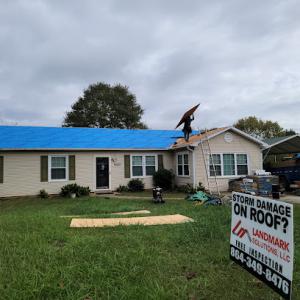
Landmark solutions
909 River Rd, Piedmont, South Carolina
4.8 from 12 reviews
Family own and operate
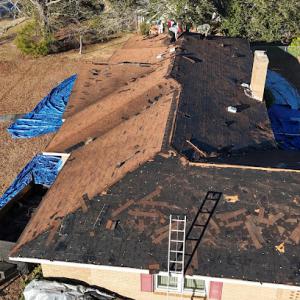
Universal Roofing
(864) 960-4006 www.universalrroofing.org
108 Robin Ridge Cir, Piedmont, South Carolina
5.0 from 4 reviews
We Universal R Roofing come with the best quality over quantity customer service to serve you & the most important asset, your home, with total satisfaction!
Trycounty Roofing
(864) 412-0566 www.trycountycontracting.com
Piedmont, SC
4.2 from 5 reviews
Roofing and Roof Inspections. We service the Upstate of South Carolina. Roofing everything from small residential shingled homes, to large commercial metal and flat membrane roofs.
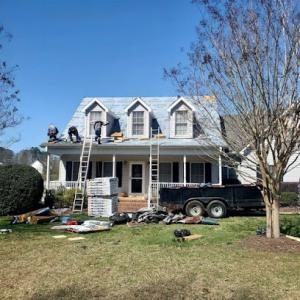
On Top Construction
Serving
4.7 from 81 reviews
On Top Construction provides residential roof repair and replacement, commercial repair and replacement, realtor/property maintenance roof services, emergency roof service, gutters, and siding in and around the Greenville, Spartanburg, Anderson, Laurens, Pickens, and Oconee counties of South Carolina.
Walker Roofing
(864) 915-1218 walkerroofingsc.com
Serving
5.0 from 54 reviews
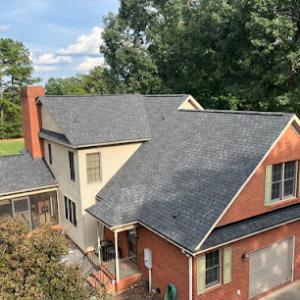
Walker Roofing is Owner Operated. Dean Walker has years of roof install background that brings a high level of quality expectation to each job. This upstate family business will serve you with elbow grease, a smile and the finest in workmanship. We believe in Earning Your Trust. We understand that's how a true business grows long term. So if you are looking for Honest, Professional, Prompt assistance with your roof, please call, text or email us day or night. We look forward to serving you and your best interests.
WNC Roofing - Commercial Roofing
Serving
4.7 from 25 reviews
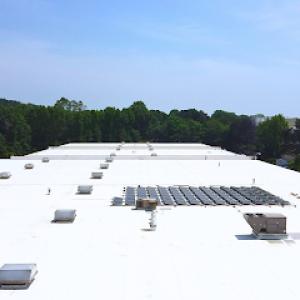
For Dependable & Timely Commercial Roofing, You Can Count On Us When running a business, you can’t afford unnecessary disruptions that leave you feeling frustrated with one more project to oversee. That’s why, for 10+ years, WNC Roofing has helped over 1,000 businesses with their roofing repair, replacement, and maintenance needs while respecting day-to-day operations. Instead of managing leaky roofs and bucket brigades, hire an experienced partner to ensure the safety and security of everything under your roof. We empower you to focus on what matters most – driving your business forward.
Modern Roofing
(864) 947-4818 modernroofingusa.com
Serving
4.8 from 608 reviews
Modern Roofing, serving Upstate South Carolina including Pelzer and surrounding areas, is a leader in quality roofing solutions. Specializing in insurance claim roofing jobs, we bring over 10 years of expertise to ensure your roof withstands our region's unique climate challenges. Our services include comprehensive insurance claim assistance, storm damage repair, and a wide range of residential roofing options with durable GAF® materials. We offer thorough roof inspections, replacements, repairs, and maintenance programs. Our commitment extends beyond roofing to providing safety, comfort, and peace of mind for every client. Licensed, insured, and customer-focused, we're here to meet all your roofing needs.
IES Roofing Services
(864) 349-1410 www.iesroofing.com
Serving
4.9 from 130 reviews
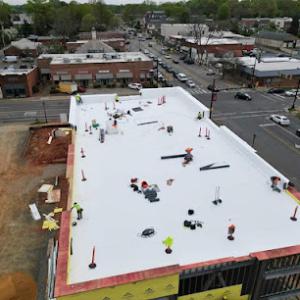
IES Roofing Services is a premier roofing company in Greenville, SC, with over 15+ years of experience in the industry. As dedicated roofing contractors in Greenville, we take pride in offering top-notch residential roofing solutions, including Commercial Roofing, Preventive Maintenance, Roof Coating, Spray Foam Insulation, roof inspection, and roof repair. Our mission is to be the go-to local roofer in Greenville, providing exceptional services and unmatched craftsmanship to our valued customers. Whether it's a small repair or a large-scale roofing project, we are committed to delivering excellence, reliability, and customer satisfaction. Trust IES Roofing Services for all your roofing needs in Greenville.
TeamCraft Roofing
Serving
4.8 from 18 reviews
TeamCraft Roofing is a leading full-service commercial roofing contractor with locations throughout the eastern half of the US. Since 1996, TeamCraft Roofing has been dedicated to honesty, safety, teamwork and quality in order to achieve ultimate customer satisfaction. We are proud to provide roofing services for any 24-hour emergency, leak and roof repairs, preventative maintenance programs, re-roofing projects, retrofit and new construction projects. Our roofing expertise ensures the right solution is selected for your facility. With 18 offices spread across 9 states, we shelter you.
In Piedmont, the hot, humid summers bring frequent afternoon rainstorms that can interrupt tear-off and dry-in schedules more often than cooler shoulder seasons. That means a crew may suddenly need to pause mid-day, or shift a portion of the work to a later time when the sky clears. The combination of heat and humidity also affects how materials behave on the roof, with underlayment staying damp longer and some fasteners being more sensitive to heat expansion. Plan for these interruptions as a normal part of the install timeline, and keep a flexible sequence so the roof isn't left partially exposed during a storm.
Cooler spring and fall windows are often better for underlayment curing and material handling. In Piedmont, that translates to a more predictable drying period after the tear-off and a steadier set for the new roof system. If you have an aging asphalt or a mixed stock roof, aim for a window where daytime highs stay comfortable and afternoon rain chances are lower. That keeps the deck dry, reduces wrinkling in underlayment, and helps sealants adhere more reliably. If you must work in peak summer, schedule earlier starts, prioritize early-morning work, and build in buffer days for weather delays so the dry-in phase isn't rushed.
Regular summer moisture exposure can accelerate visible wear on older asphalt roofs and complicate same-day installation plans. Before any tear-off, protect the roof deck with a vapor-permeable underlayment suited to your climate, and verify the surface is free of moisture pockets. On hot days, moisture can steam off surfaces, so crews should briefly air out exposed areas during breaks to prevent squeaks or warped shingles later. Consider temporary tarping for exposed sections if an unexpected shower looms, so the deck remains as dry as possible for fasteners and sealants.
Start early to beat the afternoon heat and storms, and keep a close eye on local forecasts. Have a contingency plan for shifting areas of the roof if a storm nears, moving sensitive materials to shaded or covered spots. Use staged material handling to reduce dwelling time on the deck; this cuts down wear on older sheathing and minimizes the chance of moisture absorption. Maintain clear communication with the crew about which sections are ready to receive underlayment and which can only be worked after a dry period.
After completion, walk the roof at a moderate pace to spot any ripple, lap seam, or fastener issues caused by humidity or heat during installation. In this climate, small delays or lingering damp spots can reveal themselves in the first few days of warm, humid weather, so plan a brief post-install inspection where possible and address any flashing or sealant touch-ups promptly to keep the system performing through the next storm season.
Asphalt shingles remain the dominant practical choice in Piedmont, shaped by familiar pricing, wide installer availability, and a stock of homes built to accommodate standard 3-tab or architectural profiles. In hot, humid summers, prolonged heat and moisture can accelerate aging on tired asphalt roofs, especially on systems that are already several decades old. When considering asphalt, look for a shingle line with good resistance to granule loss and strong warranties that reflect humidity and wind exposure. Ventilated attic spaces, proper underlayment, and a maintenance plan that includes regular inspections after summer storms help maximize performance. If a roof is nearing its third decade, a careful evaluation for re-roofing versus repair will often hinge on the extent of water intrusion, sun exposure on the roof deck, and the condition of flashings around chimneys and penetrations. For homes with large shade areas or dense tree cover, choose a shingle with high algae resistance to reduce dark staining that can worsen in humid plays of sun and shade.
Metal roofing has a meaningful local specialty presence and is often considered by homeowners looking for better storm resilience and lower maintenance in humid conditions. Metal systems hold up well against Upstate wind and hail, and they shed moisture quickly in the heat of summer, which can help reduce the risk of trapped moisture beneath the roof skin. In Piedmont, installation quality matters as much as the panel profile-standing-seam options often deliver long-term watertight performance, while premium colors can reflect solar gain and help keep attic temperatures moderated. Metal roofs can be a good fit on homes with existing metal accents or on upgrades where you're replacing a deteriorating roof deck. Keep in mind that attic insulation and correct underlayment play a crucial role in extending a metal roof's life, particularly in humid seasons when condensation concerns rise. An experienced local contractor can advise on panel choices, coatings, and fastener types suited to the neighborhood storm profile.
Tile and slate are present in the market but are far less common specialties locally, so homeowners choosing clay, concrete, or slate should expect a narrower installer pool than for asphalt or metal. Clay and concrete tiles perform well under humid conditions and offer substantial longevity, but their weight requires a solid structural assessment and a capable crew. Slate provides exceptional durability but comes with limited local availability and higher handling demands. If choosing tile or slate, plan for careful substrate evaluation, professional roof deck strengthening if needed, and a crafted flashing plan to handle rough weather events. In humid summers, proper ventilation and roof-to-wall detailing become even more critical to prevent moisture-related issues at eave lines and hips.
Roofing in this area sees noticeable spikes after spring wind and hail events. When storms roll through the Upstate, crews and materials can disappear from local lots quickly, and schedules tighten as homeowners race to get leaks or wind damage addressed. This means prices can swing not just by material but by the pace you and any insurers expect a crew to meet. In practice, expect a faster turnaround after heavy events, with prices nudging toward the upper end of the typical ranges if a rushed schedule is needed to minimize further moisture intrusion.
Asphalt shingles dominate the local market, which keeps shingle replacements competitive on price. When you start exploring options, you'll notice metal and tile choices rely more heavily on specialist availability in the Upstate labor pool. If your home has existing asphalt, the typical cost pressure stays centered there, but if you're replacing with metal or clay tile, labor became the larger driver of cost and scheduling. In storms, this dynamic can shift quickly as specialty crews book out weeks in advance.
The provided ranges reflect typical projects and the added factors storm timing can introduce. Tear-off and decking repairs from long-term moisture exposure are common after repeated storm cycles, and those tasks push the project toward the higher end of the spectrum. If a roof presents extensive deck damage or needs multiple layers removed, expect the final bill to trend higher. Conversely, limited repairs on an existing, solid deck may land closer to the lower end. The most common starting point remains asphalt shingles, with other materials priced according to availability of skilled labor and permitting windows in the region.
After a major wind or hail event, scheduling can move from a normal lead time to a compressed window, especially in neighborhoods with older homes and limited replacement windows. Be prepared for potential delays if a storm pathway concentrates work in your area. Homeowners who pre-arrange a response plan with a trusted contractor can better manage updates to both schedule and budget, reducing the risk of price creep driven by last-minute decisions.
In the wake of Upstate wind events, documentation matters. Gather storm-related photos, dated estimates, and a clear narrative of observed damage to support claims. While the focus here is on pricing and local dynamics, having a concise project scope that notes tear-off, decking repairs, and the chosen material option helps align expectations with adjusters and contractors, reducing the chance of surprises once work begins.
Don't let upfront costs delay a critical repair - these contractors offer payment plans to fit your budget.

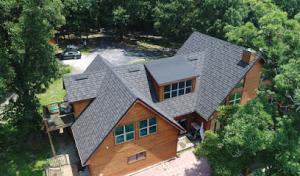
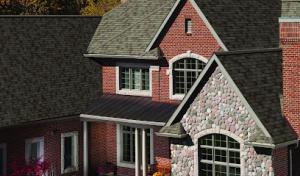
A full re-roof requires a permit, and the roofing contractor typically handles the application with the local building department that serves the area. In practice, this means you'll want to confirm the permit is opened in your name or your address and that the contractor provides a clear timeline to the county office. If a storm has rolled through, the permit office may experience higher traffic and slower turnarounds, so plan ahead. The contractor should deliver all the necessary plans, including basic roof layout and venting details, to keep the process moving and avoid delays caused by missing paperwork.
Inspections are commonly scheduled at key milestones and again at final completion before permit clearance is issued. Expect at least a framing or sheathing check if structural work is involved, followed by a roof-covering inspection once shingles or other materials are installed. A final inspection confirms that the installation meets current code and that any storm-related repairs align with the county's standards. Being present or designating a trusted representative can help address any notes on spot fixes promptly, reducing the risk of rework.
Projects in this market may be checked for wind-rated underlayment and code-compliant nailing patterns, which is especially relevant after storm-related replacements. The county scrutinizes fastener spacing, shingle overhang, and proper sealing around vents and chimneys to prevent wind-driven leaks. If your area experienced recent severe weather, the inspector may pay closer attention to how the roof resists wind uplift. Ensure your contractor submits documentation of wind-rated underlayment and confirms adherence to current nailing patterns to avoid post-inspection questions. Staying proactive about these details helps prevent surprises when the final clearance is requested.
Piedmont's regional storm frequency contributes to a higher-claim environment where insurers often request detailed proof of pre-existing versus storm-related damage. That reality means your roof will be scrutinized more closely than in calmer markets. If a hail event or strong wind hits, expect adjusters to compare new damage to the roof's age, shingle class, and any prior repairs. Knowing this helps you prepare for a clearer, more defensible file from day one.
Settlements in this market may be adjusted based on roof age and shingle class, making product records and prior repair history more important than in lower-claim areas. Start gathering receipts, installation dates, and any manufacturer documentation for the exact shingle type and warranty. If you have synthetic, metal, or tile products, collect installation notes and contractor scopes of work that show what was originally specified and what has been repaired or replaced over time. Having these on hand helps establish a credible baseline for the adjuster.
Homeowners benefit from keeping photo sets, contractor scopes of work, and condition reports organized before adjuster visits and before repairs begin. Take clear, dated photos of every roof facet from multiple angles, including eaves, vents, chimneys, and any visible wear. Maintain a running file of contractor estimates and the scope of work they propose, with notes on what each line item covers. A concise, well-documented packet reduces back-and-forth and supports a smoother negotiation when coverage questions arise.
When the adjuster arrives, present your organized packet first and explain any observed issues not immediately visible from the ground, such as aging underlayment or prior patchwork. Be ready to distinguish between storm-related damage and pre-existing wear, especially if the roof shows age-appropriate deterioration. If discrepancies appear, request a re-inspection or a written addendum to ensure the final settlement reflects the true condition and the scope of necessary repairs.
Fall rain combined with leaf debris in this area commonly complicates gutter flow and flashing transitions during repair season. You'll want to inspect gutters after every major storm, looking for shingle granule buildup, sagging sections, or loose hangers that can trap water at the fascia. When gutters are clogged, water backs up to the fascia and finds new routes-often around low corners or under drip edges. Pay close attention to transitions where the roof meets the wall, especially over soffits and bay windows, where debris tends to pool and heat can soften sealants. If gutters are compromised, consider temporary silver-sleeve patches on the nearest flashing to keep water from seeping behind the fascia while scheduling a proper repair.
Chimneys are a frequent focal point for local contractors, suggesting flashing and masonry transition details are a recurring concern on area homes. Inspect the chimney cap, crown, and lead shingle at the base for cracks and voids after heavy storms. Flashing along the chimney should sit tightly against both masonry and shingles, with any deteriorated masonry pointing or mortar cracks sealed to prevent moisture intrusion. When a contractor addresses leaks around a chimney, they often re-flash the intersection with step flashing and a counter-flash over the base, ensuring there is a continuous water barrier that resists wind-driven rain and seasonal freeze-thaw cycles.
Skylight repair is a visible local specialty, indicating that penetrations and curb details are a meaningful leak source in the service market. Examine skylight seals, curb mounting surfaces, and the sealant beads where the curb meets the roofing material. Look for feathered gaps or dried sealant that has pulled away from the curb, especially after windy conditions or hail events. If a skylight shows condensation or water staining around its perimeter, check both the glazing seal and the curb-to-roof seal. Curb flashing should be integrated with a continuous course of shingles and a counter-flash to resist pooling water on the skylight edge.
Find contractors experienced in skylight installation, flashing, and leak repairs to bring natural light into your home.
Perfect Pitch Roofing
(864) 293-9733 pitchperfectroof.com
Piedmont, South Carolina
4.9 from 27 reviews
Tritop Roofing & Restoration
(864) 275-9183 www.tritoproofingandrestoration.com
Serving
5.0 from 93 reviews