
Last updated: Apr 19, 2026
Storm season in this foothills-and-lakes corridor dumps quick bursts of heavy rain, high heat, and frequent thunderstorms. A shingle loss or cracked seam can become an active leak in minutes when tropical-storm winds push wet air and rain through the attic and into living spaces. In this humid climate, small roof failures turn interior water intrusion into a major problem hours after a storm, especially on homes with aging underlayment or mixed shingle types. The risk is not theoretical-heavy rain events in late summer can overwhelm a weakened roof fast, turning a minor drip into ceiling staining, insulation damage, or mold if not addressed promptly.
The priority after a storm is to prevent further water intrusion while you arrange rapid repairs. If shingles are visibly missing, buckled, or if you notice active leaks, place a temporary cover over the affected area as soon as it's safe to access the roof. Use a sturdy tarp or plywood and secure edges well to withstand additional gusts. From the ground, document every compromised area with clear photos that show the extent of damage, including shingles, flashing, and gutters. Immediately inspect interior ceilings and walls for staining, dampness, or warped drywall, and note any musty odors that could signal hidden moisture. Keep a log of weather conditions and storm timing to share with the roofer and the insurance carrier.
In this market, the signal mix leans toward insurance-driven work, storm damage, and emergency repair. When selecting a contractor, verify they have experience with rapid-response storm damage and documentation tailored for claims. Request a written assessment that details damaged components (shingles, underlayment, flashing, attic ventilation) and a plan for temporary protection plus a scope for permanent repair. If a claim is filed, ensure the contractor provides a detailed, itemized estimate that matches the insurer's expectations so the process doesn't stall. Keep all receipts and communications organized; insurers often request photos, timelines, and a clear chain of evidence showing the progression from emergency repair to complete reroof.
Make sure the attic access is safe and the interior is protected from further leaks while work is scheduled. Check attic vents and insulation for moisture after a storm; lingering dampness can accelerate mold growth and reduce energy efficiency. When the roofer arrives, ask for a quick walk-through of how temporary protections will stay secure through potential remaining storm activity. After the crew seals the site, request a written punch list with concrete timelines for completing the emergency work and the full reroof if needed. Finally, develop a simple after-action checklist: confirm permanent repairs, confirm warranty details, and verify that all interior damage has been assessed and mitigated.
Find local contractors experienced in assessing and restoring roofs after hail, wind, and severe weather events.
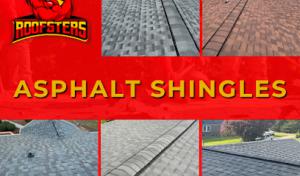
Roofsters
(864) 400-7663 www.roofsters.com
1795 Blue Ridge Blvd, Seneca, South Carolina
5.0 from 122 reviews
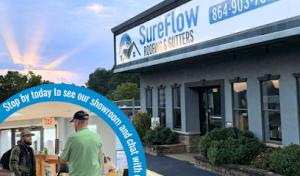
SureFlow Roofing
(864) 903-7873 sureflowroof.com
688 US-123, Seneca, South Carolina
5.0 from 89 reviews
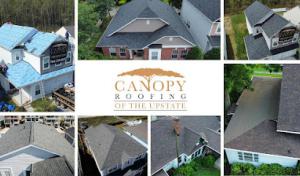
Canopy Roofing Upstate
(864) 888-7229 canopyroofingsc.com
1097 By Pass 123, Seneca, South Carolina
5.0 from 117 reviews
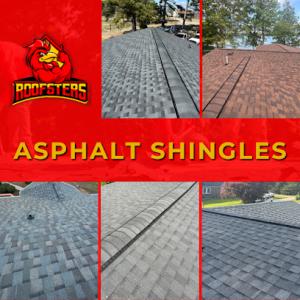
Roofsters
(864) 400-7663 www.roofsters.com
1795 Blue Ridge Blvd, Seneca, South Carolina
5.0 from 122 reviews
Roofsters is your trusted roofing experts serving South Carolina, Georgia, and North Carolina! 🏠 With a passion for quality craftsmanship and customer satisfaction, we're here to make sure your roof is not just sturdy but also stylish and long-lasting. At Roofsters, we understand the importance of a reliable roof in protecting your home and loved ones. Whether you need a new roof installation, repairs, or maintenance, our experienced team is dedicated to delivering top-notch service every step of the way. Veteran Owned and Operated. Licensed General Contractor.

SureFlow Roofing
(864) 903-7873 sureflowroof.com
688 US-123, Seneca, South Carolina
5.0 from 89 reviews
SureFlow Roofing is a trusted roofing contractor serving homeowners and businesses across Seneca and the Upstate South Carolina area. We specialize in roof repairs, metal roofing, full replacements, commercial roofing, and gutter repair and installation. Our service is backed by a lifetime labor warranty and 20-year material warranties. Our team also handles storm and wind damage repairs and works directly with insurance companies to simplify the claims process. Whether you need a quick fix, a complete roof installation, or new gutters, we focus on quality workmanship at fair, transparent pricing. We are locally owned and operated. Contact us today to get a free estimate.
Carolina Roof Rescue
(864) 900-5999 www.carolinaroofrescue.com
310 By-Pass, US-123, Seneca, SC
4.9 from 157 reviews
We are a local family owned roofing company located on the highway 123 by-pass in Seneca SC, and are proud to be the highest rated roofing company on Google, Porch, and Rateabiz in the upstate. Our management team consists of two Clemson University graduates, and our installers are all Certainteed Shingle Master certified. We hold a South Carolina LLR Specialty Roofing contractors license, which certifies our ability to install any type of roofing system available. Call us today to schedule your free inspection and estimate!

Canopy Roofing Upstate
(864) 888-7229 canopyroofingsc.com
1097 By Pass 123, Seneca, South Carolina
5.0 from 117 reviews
Canopy Roofing of the Upstate is your trusted roofing contractor serving Seneca and surrounding areas. Located at 200 Lee Lane, Suite C, we provide expert roofing solutions for residential and commercial properties. Our experienced team delivers quality workmanship and reliable service, whether you need a new roof installation, repairs, or maintenance. We are committed to using premium materials and proven techniques to ensure lasting protection and value for your investment. At Canopy Roofing of the Upstate, customer satisfaction is our top priority, and we strive to exceed expectations with every project we undertake. Contact us today for a free consultation and experience the Canopy Roofing difference.
Dolly's Roofing
(864) 882-1555 dollysroofing.com
15060 Wells Hwy, Seneca, South Carolina
4.7 from 117 reviews
Dolly's Roofing, Inc. provides residential and commercial roofing, roof repairs and seamless gutters to the Seneca, SC area.
American Renovations
(864) 972-0619 american-renovations.com
Seneca, SC
4.6 from 56 reviews
American Renovations is a roofing contractor / roofer serving the Fair Play, SC area since 1987. Services include Roofing, Roof Installation, Roof Replacement, Commercial Roofing, Roof Repair, Hail Damage, Storm Damage, Shingle Roofs, Metal Roofs, Tile Roofs, Flat Roofs, Roof Coating, Roof Vents, Roofing Prices and 24 Hour Emergency Roofing.
Four Seasons Roofing
(864) 710-7339 fourseasonsroofingsc.com
Serving
5.0 from 159 reviews
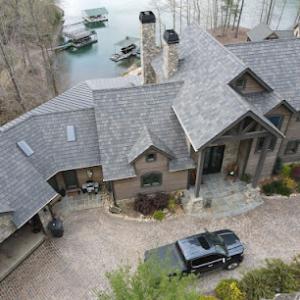
Four Seasons Roofing As with most homeowners, your house is one of the most important investments you will ever make. Your roof is an important part of your home that protects you from the elements.... it's crucial to have an experienced roofing company ensuring everything goes smoothly with any roofing project.
Certified Professional Roofing
(864) 481-9332 roofingupstatesc.com
Serving
4.7 from 210 reviews
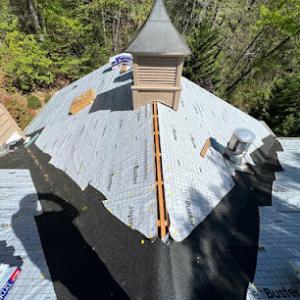
Certified Professional Roofing is a trusted, certified roofing contractor based in Pendleton, SC. We specialize in quality roof repairs, tune-ups, and full roofing services for residential and commercial properties. In addition, we offer seamless gutter repair and installation, gutter covers and protection, insurance claims assistance, and emergency roofing services. With a focus on integrity and craftsmanship, we’re here to protect your home from the top down.
United Contracting & Roofing - Anderson South Carolina
(864) 743-1900 roofingunited.com
Serving
5.0 from 44 reviews
United Roofing is Anderson, SC’s trusted roofing contractor, proudly serving Anderson, Oconee, Pickens, and Abbeville counties. We provide expert commercial and residential roofing, specializing in TPO, and metal roofing for businesses, as well as shingle and metal roofs for homes. From installations to storm damage repairs, our licensed team ensures top-quality craftsmanship, durable materials, and transparent communication. Customer satisfaction is our priority, delivering reliable, long-lasting roofing solutions across Upstate South Carolina. Contact us today for a free inspection!
Anderson Metal Roofing & Shingles
(864) 287-2378 andersonmetalroofing.com
Serving
5.0 from 371 reviews
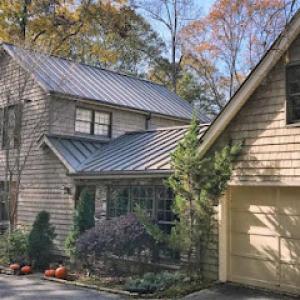
Since 1999, Anderson Metal Roofing & Shingles has been the trusted choice for homeowners and businesses in the Anderson, SC area seeking expert roofing services. Our team of experienced professionals provides comprehensive solutions for residential and commercial roofing needs, including metal, shingles, flat, and solar installations. We are committed to delivering high-quality workmanship, exceptional customer service, and a long-lasting roof that protects your investment.
Affordable Roofing of SC
(864) 859-9002 affordableroofingsc.com
Serving
4.8 from 102 reviews
Affordable Roofing of SC is a family-owned and operated company, proudly veteran-owned and operated, located in Upstate South Carolina. We offer Commercial and Residential Full Service Roofing, Licensed and Insured, and assist with your roofing needs. Whether that is a new roof or roof repairs from wind or hail damage, we are here to help. With decades of experience, our team provides compassionate roofing solutions, from complete roof installations to expert repairs. We handle all your exterior needs, including chimney services, siding, and skylights. Licensed, insured, and committed to quality workmanship, Affordable Roofing is your trusted partner, ensuring peace of mind.
Total Home Exteriors
(864) 224-9190 www.totalhomeexteriors.com
Serving
4.9 from 89 reviews
Total Home Exteriors provides roofing replacements, gutter installation, and deck construction to Anderson County, SC, and surrounding areas.
South Carolina's frequent thunderstorm season, paired with high humidity and the occasional hail event, means roof claims are a recurring issue for homeowners in this foothills-and-lakes area. Summer convective storms and tropical systems can produce sudden wind damage that triggers insurer attention and remediation needs. When a claim comes in, the adjuster will look for a clear link between the observed damage and the wind event, versus wear from age or prior repairs. Documenting conditions precisely, both before any temporary repairs and before materials are removed, helps the process stay focused on actual storm damage.
As soon as wind blows through, walk the roof edge with a sturdy ladder and a helper if possible. Take wide-angle photos that show entire the roof plane and any visibly lifted shingles, bent flashing, or damaged vents. Then zoom in on areas where you see shingle tears, granule loss, or hail dents on metal accents. Save timestamped photos and keep a simple log noting the date and a brief description of what happened, including any known wind gusts or storm timing. If there was a neighbor's tree fall or nearby damage, document those scenes too, since they can influence the scope of work and the claim narrative. Insurers commonly ask for roof age, prior damage history, photos, and a detailed scope of work, so this documentation helps avoid back-and-forth requests later.
Temporary measures are a practical necessity after a wind event, especially in the Highlands and near water where rapid deterioration can occur with heat and moisture. Use tarps or heavy-duty roof patch materials to cover exposed areas and reduce water intrusion. Keep receipts and note who performed temporary repairs, the exact location, and the duration of the cover. Before any materials are removed for the claim's scope, photograph the roof again to capture the pre-removal condition under the temporary patch. The insurer will want to see that the temporary fix was in place and that the claim reflects the actual condition of the roof at the time of inspection.
Because claim activity is meaningful in this market and insurer scrutiny can be high, there is a clear advantage to contractor documentation that distinguishes storm damage from age-related wear. A contractor's scope of work should clearly identify which damaged sections rose from the wind event and which areas show deterioration due to age or prior maintenance. Photos should be labeled to separate storm-related defects (lifted shingles, blown-off edges, punctures) from typical wear (granule loss, curling, or discoloration in shaded areas). If you have prior repairs, make sure the contractor notes how those interventions relate to today's damage and why they don't obscure the current claim.
When the adjuster arrives, present the organized file: the pre-storm baseline photos, the post-storm condition photos, the temporary repair receipts, and the contractor's detailed scope that flags storm damage versus wear. Be prepared to discuss the timing of the storm, the most affected roof zones, and any interior signs of water intrusion that align with the exterior findings. Keep the lines of communication steady with the contractor and the insurer, and avoid making ad hoc repairs that could blur the claim's scope. In this market, a clear, well-documented narrative helps ensure the claim reflects actual wind damage and supports a smooth reroof decision when needed.
Connect with contractors who help homeowners navigate the claims process from damage assessment to final approval.
Roofsters
(864) 400-7663 www.roofsters.com
1795 Blue Ridge Blvd, Seneca, South Carolina
5.0 from 122 reviews
SureFlow Roofing
(864) 903-7873 sureflowroof.com
688 US-123, Seneca, South Carolina
5.0 from 89 reviews
Carolina Roof Rescue
(864) 900-5999 www.carolinaroofrescue.com
310 By-Pass, US-123, Seneca, SC
4.9 from 157 reviews
The foothills-and-lakes setting around Oconee County means you're consistently dealing with hot, humid summers, frequent thunderstorms, and tropical-storm wind exposure. Asphalt shingles and metal roofing are the dominant practical choices for residential reroofs here, while tile and wood products appear less often because they must handle both storm exposure and humid conditions. In this climate, asphalt granules wear faster from heat and storm grit, and algae staining can appear on southern exposures after long high-humidity spells. Metal roofs offer strong wind resistance and rapid shedding of rain, but choose coatings with algae resistance and consider panel seams that minimize water intrusion, especially on slopes that face prevailing storms.
Seneca's hot, humid summers accelerate sealant aging and moisture-related deterioration across many roof types. Asphalt shingles can lose adhesion and curl if granule loss reduces UV protection, while metal roofs benefit from corrosion-resistant finishes and appropriate underlayment to manage condensation. Tile systems-whether clay or concrete-must be evaluated for wind uplift and the way membranes and fasteners perform in repeated rain cycles. Wood shingles and shakes bring a premium look but require diligent maintenance to prevent rot in high humidity, and their durability under storms hinges on properly sealed transitions and secure fasteners. Composite or synthetic shingles can blend realistic appearance with improved moisture resistance, but still rely on a solid underlayment and proper ventilation to perform well in humid heat.
Material choice in Seneca should account for repeated rain events, wind uplift exposure, and the need to schedule installation outside peak summer heat when possible. Summer heat can complicate adhesive curing, underlayment installation, and the handling of long roof runs. Scheduling crews for early morning work or shoulder-season windows helps protect sealants and shingles while ensuring you get a thorough roof inspection, including attic ventilation and any existing moisture issues. For metal roofing, consider installation sequences that minimize exposed fasteners during peak heat days and verify that panels are adequately lapped to handle sudden downpours.
When choosing between asphalt, metal, tile, wood, or composite, weigh long-term moisture performance and maintenance needs against storm exposure in your neighborhood. Asphalt remains a versatile, cost-effective option with updated granule formulations that resist algae and heat aging. Metal offers exceptional wind resistance and rapid water shedding, but requires careful paint or coating selection for humidity. Tile and wood deliver distinctive aesthetics but demand rigorous maintenance and robust installation details to manage humidity-driven expansion, contraction, and potential rot. Composite products can provide a balanced option, yet still rely on high-quality underlayment and ventilation to thrive in Seneca's climate. Work with a local contractor who understands how attic ventilation, soffit design, and ridge lines interact with the chosen roofing system under repeated storms.
Explore specialists in steel, aluminum, and standing seam metal roofs built to last 50 years or more.
SureFlow Roofing
(864) 903-7873 sureflowroof.com
688 US-123, Seneca, South Carolina
5.0 from 89 reviews
Canopy Roofing Upstate
(864) 888-7229 canopyroofingsc.com
1097 By Pass 123, Seneca, South Carolina
5.0 from 117 reviews
Reroof pricing in this area should be weighed against how storm activity and wind events shift labor availability. After a major thunderstorm or tropical-wind event, contractor schedules tighten quickly, and both emergency work and full replacements can see price bumps. Your planning window matters: if you can line up a reroof after the peak storm season, you may lock in steadier labor and fewer rush-hour surcharges. In practice, expect crews to coordinate tear-off, disposal, and material deliveries in blocks, so a longer, well-structured schedule often saves money on labor timing.
Costs in this county vary with material and roof complexity common on detached homes. Asphalt shingles sit at the lower end, while metal and concrete tile push higher. Clay and concrete tile, though visually appealing, demand careful layout on slopes and penetrations, which can extend labor hours and disposal costs if a tear-off reveals moisture-damaged decking. Wood shingles and synthetic options offer middle-ground pricing but respond differently to heat, humidity, and wind-driven debris. In Seneca's humid heat and thunderstorm exposure, moisture handling and ventilation considerations can influence long-term performance and warranty claims, nudging the bottom line when upgrades or underlayment changes become prudent.
Roof complexity matters more here than in flatter towns. Detached homes with multiple valleys, porches, or add-ons increase square counts and edge work, raising both material and labor totals. A full tear-off typically costs more than a roof-over approach, but if moisture or rot is found in decking, expect additional deck replacement to drive costs upward. In practice, you'll see higher per-square rates when the scope includes removing damaged decking, inspecting framing, and ensuring a dry, flat surface for new underlayment. Planning for these contingencies helps prevent mid-project price shocks when the first signs of moisture show up.
Get a clear picture of your project costs upfront - no commitment required.
SureFlow Roofing
(864) 903-7873 sureflowroof.com
688 US-123, Seneca, South Carolina
5.0 from 89 reviews
Carolina Roof Rescue
(864) 900-5999 www.carolinaroofrescue.com
310 By-Pass, US-123, Seneca, SC
4.9 from 157 reviews
Residential full reroofs are typically routed through the Oconee County Building Department rather than a standalone city roofing office. In practice, that means your paper trail and inspections hinge on county forms, not a municipal permit desk. Before you lift the first shingle, verify that the project is filed under the county's permit system and that the contractor's license is current in Oconee County. Misfiled paperwork or missing endorsements can stall a project longer than a weather delay, especially when a storm season kicks in and permit offices tighten review timeliness.
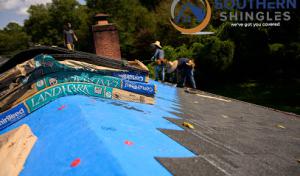
Seneca reroof projects commonly receive an intermediate inspection at the underlayment stage and a final inspection after completion. That intermediate check is your early warning: if underlayment lapses or flashing details aren't set correctly, the inspector will flag it and you'll pay for remediation before the roof is shingled. The final inspection confirms all elements-ventilation, flashing, fasteners, and proper attic access-are in place and weatherproof. Plan for those inspection windows in your project calendar and coordinate with your contractor so trades aren't idle while waiting for the next step.
Some Seneca-area subdivisions may add HOA review on top of county permitting, so homeowners should confirm neighborhood requirements before materials are delivered. HOA stipulations can affect approved colors, shingle style, and even the placement of debris containers on the curb during work. If your home sits in a subdivision with an HOA, reach out early to obtain architectural review boards or approval letters. Delays here can compress timelines for inspections and push back your completed reroof date, especially when materials are on site and contractors are mobilizing.
Start by contacting the Oconee County Building Department to confirm the permit type and the contractor's license status. Schedule the intermediate underlayment inspection with your contractor a few days ahead of the expected milestone, and don't assume a later inspection can be waived if weather or supply issues arise. If an HOA applies, obtain written approval before material orders are placed, and keep proof of that approval in the project file. Finally, keep a clear line of communication with both the county inspector and the HOA contact so you can address any red flags promptly and avoid costly rework after a shutdown.
Spring and fall are typically the best reroofing windows in Seneca because they avoid the worst summer heat while reducing installation disruption from peak storm periods. The moderate temperatures help crews lay underlayment and shingles without rapid drying or overheating, and the milder air helps seal fasteners without stressing materials. If a storm system looms, reschedule early rather than risking tear-off damage or a rushed dry-in.
In spring, aim for a dry, calm stretch after the last frost and before the early heat spikes. Protect the home from wind-driven rain by coordinating a weather-aware staging plan and keeping underlayment ready for immediate protection during a sudden shower. Lightweight panels and underlayment should be staged away from the eaves to minimize wind uplift risk. Have gutters cleared and debris barriers in place so seasonal storms don't trap water on the roof deck during tear-off.
Fall brings cooler nights and typically fewer heavy storms, which helps with the dry-in period. Schedule consecutive dry days to finish the tear-off and ensure shingles are properly nailed before any first frost. A pre-winter pep talk with the crew about securing attic vents, chimney flashing, and skylight seals saves emergency calls later. Maintainable temperatures also help sealants and roof-to-wall transitions settle correctly.
Summer thunderstorms in Seneca can interrupt tear-off and dry-in schedules, increasing the importance of weather-aware staging and same-day underlayment protection. Keep a contingency plan for shifting work into a nearby window if a tropical-storm pattern approaches. Clear access routes and secure loose materials between storm fronts to minimize damage and delays.
Occasional winter freezes and rapid temperature swings in the area can slow installation pace and affect how some roofing materials are handled. Insulation and ventilation checks should align with temperatures to prevent condensation issues, and crews should avoid applying certain sealants or adhesives on freezing or near-freezing days. Plan for longer lead times if an arctic air outbreak arrives during a scheduled roof replacement.
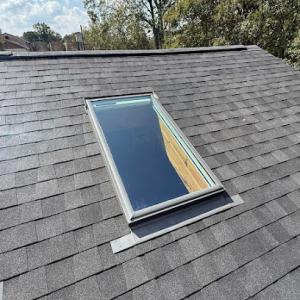
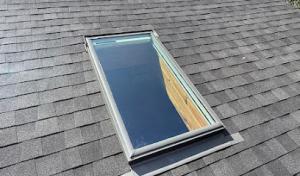
In the heavy-rain environment around here, roof penetrations and transitions such as skylights deserve extra scrutiny because small defects can become active leaks quickly. Pay attention to the sealant line around skylight bases, the condition of flashing where the skylight meets the roof plane, and any hairline cracks in the glazing seal. After a big storm, inspect for condensation or a damp halo along the edge of the skylight-these are early tells that you should call a local pro before a small drip becomes a pool. When storms strike, flashing around skylights is a frequent trouble spot, and the most affordable repair can become costly if water has already traveled into rafters or underlayment.
Chimneys are a common leak point in Seneca's climate, where wind-driven rain and rapid temperature swings can push moisture into compromised seams. The flashing around a chimney must be examined both at the base and along the top of the chimney chase. Look for loose or cracked step flashing, degraded counter-flashing, and any mortar gaps that have widened after seasonally heavy rains. If a prior patch looks puffy or bubbled, that patch is a red flag indicating moisture has found a pathway behind the siding or under shingles. In practice, a careful tear-off should reveal whether the chimney flashing has held, or if new flashing-tack-downs, sealant, and properly integrated counter-flashing-needs to be coordinated with the new roof install.
Homes undergoing re-roofing should have flashing details checked carefully during tear-off, especially when prior storm exposure or repeated patching is present. During removal, look for rust on metal components, puckered or lifted underlayment, and any spots where flashing has been reworked more than once. If the contractor discovers prior penetrations compromised by moisture, insist on a full flashing refresh that ties into the roof deck, not just a cosmetic fix. The goal is a continuous water barrier that remains effective as the next round of storms arrives.
Active leaks amid a storm cycle can escalate quickly in this market. Focus on rapid temporary containment-catch basins and sealants that buy time-while you coordinate with a local contractor who understands how Seneca's wind and rain can stress skylight and chimney details. When insurance considerations drive reroof decisions, ensure the claim timeline aligns with the tear-off plan and that every flashing detail is documented. Photos of the full flashing perimeter, fastener patterns, and any prior patches will support a clearer repair path and help prevent repeat leaks after the new roof goes on.
Find contractors experienced in skylight installation, flashing, and leak repairs to bring natural light into your home.
Carolina Roof Rescue
(864) 900-5999 www.carolinaroofrescue.com
310 By-Pass, US-123, Seneca, SC
4.9 from 157 reviews
Canopy Roofing Upstate
(864) 888-7229 canopyroofingsc.com
1097 By Pass 123, Seneca, South Carolina
5.0 from 117 reviews
Low-slope sections such as porch roofs, patio covers, and room additions often sit at a gentler pitch than the main roof. That difference matters here, where humid heat and frequent thunderstorms push water toward seams and terminations. Ensure these areas have a dedicated drainage route and a continuous, properly lapped membrane beneath any coating. In practice, confirm that any flat portion drains toward a designed outlet and that movement joints are protected with compatible sealants to prevent micro-leaks that can migrate to the interior.
Low-slope details rely heavily on robust seams and flashings. Look for metal edge details that shed water smoothly into gutters or internal drains, and check for lifted or bridging seams after heavy rain. Regular inspection is essential, especially after storms, since ponding can amplify the effects of seam deterioration. If a coating is considered, verify that it is compatible with the underlying membrane and not relied on as the sole waterproofing system.
Coating a low-slope roof or porch cover can be an appealing short-term repair, but it is not a universal solution. In this climate, coatings may extend service life when applied over a sound, clean surface with proper substrate preparation. However, surface preparation is critical: delamination, ponding, or failed flashings must be addressed first. Coatings should not be counted on to fix active leaks or bulky drainage problems, and plan for targeted repairs where water tends to pond.
Homes with mixed roof lines or additions require a proactive inspection plan. After storms, walk the perimeter and inspect for pooling, feathered edges, and any signs of water intrusion around interior ceilings or attic vents. Prioritize addressing high-risk zones first-areas where the low-slope portion meets the main roof or where porches tie into the structure. In this climate, timely, targeted repairs save more in the long run than broad coatings alone. Seneca homeowners should track aging membranes and seam integrity as a routine part of seasonal checks.
Find specialists in TPO, EPDM, and built-up flat roofing systems for residential and commercial properties.
United Contracting & Roofing - Anderson South Carolina
(864) 743-1900 roofingunited.com
Serving
5.0 from 44 reviews
Anderson Metal Roofing & Shingles
(864) 287-2378 andersonmetalroofing.com
Serving
5.0 from 371 reviews
Warranty Considerations
In a market where storm damage and occupied homes are common, warranty language matters as much as quick response. You will notice a mix of manufacturer-backed coverage and contractor workmanship promises. When a roof is damaged by a storm, verify whether the warranty covers hail or wind specifically, and whether coverage remains valid if attic ventilation or underlayment is altered during repair. Read both the manufacturer's terms and the contractor's written warranty carefully. In practice, seek clarity on what happens if an area fails within the first few years: will the company repair, replace, or escalate to the manufacturer? If there are exclusions tied to "improper installation," ensure the installer provides a clear documentation trail showing proper alignment with the product's installation guide.
Cleanup and Immediate Response
Seneca homeowners value a project that includes thorough cleanup as part of the service, given work often occurs while homes are occupied and rainfall can complicate wet debris. The right contractor will outline a cleanup plan for every stage: tarping, after-work debris removal, and booting pathways to prevent tracking dirt indoors. Expect questions about storm-related debris, leak triage, and temporary measures to protect interior spaces. A responsive crew will schedule a follow-up inspection after a storm season to confirm all loose materials are secured and any residual moisture risks are addressed. Storm work in this area requires prompt communication, so you should receive clear updates on arrival times, progress, and any needed access to the attic or mechanicals.
Hiring Signals: What to Look For
Local operators often couple affordability with licensing and family ownership, but the key signal is documentation quality. Compare scope of work in writing: the exact materials, underlayment, and fastening methods, plus a detailed cleanup plan and a timeline. Ask for a line-item warranty statement that differentiates manufacturer coverage from contractor workmanship. Look for a dedicated project manager or point of contact who will handle insurance-driven reroof decisions and coordinate with you through the storm repair process. If a contractor hesitates to provide this clarity or relies on vague promises, keep looking. Your home's roof should come with documented expectations, not just a fast call back.
You face a steady rhythm of humid heat, afternoon thunderstorm downpours, and occasional tropical-storm wind gusts that test roofing joints, fasteners, and flashing. In this setting, leaks often start at vulnerable seams after a heavy rain event, not from a single obvious impact. A Seneca roofing guide should orient homeowners around storm exposure and humid-climate wear before comparing contractors. In practice, expect repairs to be as much about rapid water entry control as about replacing worn shingles.
Most homes here rely on asphalt shingles or metal, with a fair share of wood shakes and some clay or concrete tiles on decorative or high-altitude roofs. The humid climate accelerates granule loss, increases algae or moss growth on shaded surfaces, and stresses underlayment over time. Roofs in older neighborhoods often show fastener corrosion after years of humidity and storm cycles. The takeaway is to plan for more frequent inspections after storm season and to prioritize flashing, valley protection, and attic venting.
Seasonality shapes both emergency responses and planned replacements. Summer heat can soften shingles and lift edges if ventilation is poor, while spring and fall show up as windows for reroof planning between heavy storm periods. Quick leak control after a major rain is essential to prevent interior damage, especially on homes with vaulted ceilings or attic access that channels water along rafters. This makes documented assessment logs and post-storm photos particularly valuable when you speak with contractors and insurers.
Contractors who understand Seneca's foothills-and-lakes setting approach storms with a two-step mindset: first, rapid leak mitigation and temporary tarping if needed; second, durable replacement strategies that address moisture history and local wear patterns. Favor crews with proven storm repair experience, seasonal scheduling flexibility, and written inspection reports that track shingle wear, flashing integrity, and attic insulation performance. A locally informed contractor will tailor materials and repair methods to the humid climate and the house's exposure, not apply a one-size-fits-all solution.