
Last updated: Apr 19, 2026
Find local contractors experienced in assessing and restoring roofs after hail, wind, and severe weather events.

Shingles Now Roofing
(803) 500-5021 www.shinglesnow.com
2241 Dutch Fork Rd K1, Chapin, South Carolina
5.0 from 77 reviews

Lake Murray of Columbia
(803) 708-6628 www.lakemurrayconstruction.com
230 Joe Free Rd, Chapin, South Carolina
4.9 from 106 reviews


Shingles Now Roofing
(803) 500-5021 www.shinglesnow.com
2241 Dutch Fork Rd K1, Chapin, South Carolina
5.0 from 77 reviews
Shingles Now is a full service roofing contractor. We are full licensed and insured in the state of South Carolina. Shingles Now offers roof repairs, roof replacements, expert roof inspections, real estate sales inspections, emergency tarps and emergency services. We are also experienced in handling insurance claims and advocating on behalf of home owner policy holders. When your roof leaks, you need Shingles Now.
Lake Murray of Columbia
(803) 708-6628 www.lakemurrayconstruction.com
230 Joe Free Rd, Chapin, South Carolina
4.9 from 106 reviews
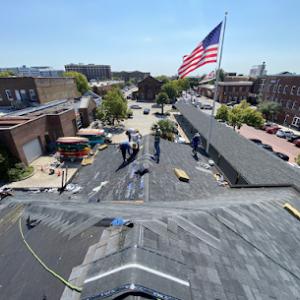
Lake Murray Construction is a family-owned roofing company serving Columbia, SC. We are committed to providing our customers with the highest level of service and quality workmanship. We understand that your roof is a major investment and we take that responsibility seriously. By offering a full range of roofing services, including roof repairs, roof installations, and roof replacements, we are confident that our service will align with your needs. Our goal is to exceed your expectations and ensure that you're completely satisfied with our work.
First In Consulting
(803) 873-1159 www.firstinconsultingllc.com
Chapin, SC
4.9 from 24 reviews
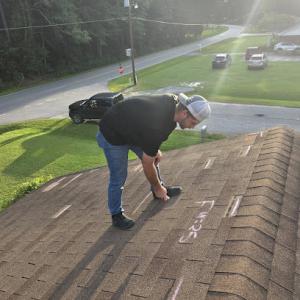
First In Consulting: Where expertise meets home improvement. With a foundation built on over 50 years of combined experience in fire and rescue and EMS/first response, we bring a unique dedication to serving homeowners. Specializing in roofing, flooring, gutter cleaning, pressure washing, and window installation, our commitment is to provide reliable services with unwavering honesty and integrity. Trust us to protect and enhance your home, inside and out.
Crest Roofing & Construction
Serving
4.8 from 32 reviews
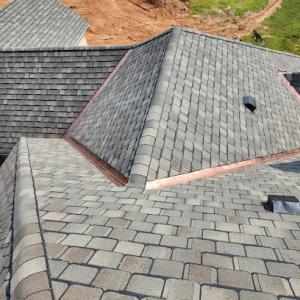
Crest Roofing & Construction is a locally owned company serving SC, NC, GA, and TN. We provide reliable residential roofing and construction services with a focus on quality, honesty, and craftsmanship. From roofing to renovations, our team is here to help improve and protect your property. Services include roof repairs, replacements, storm damage restoration, insurance claim support, home additions, and so much more. Contact us for expert service and complimentary estimates you can count on at a competitive rate. Our Services Include: Residential Roofing Roof Repairs & Replacements Storm Damage Restoration Insurance Claim Support Deck Construction Home Additions General Construction
Premiere Roofing
Serving
4.9 from 785 reviews
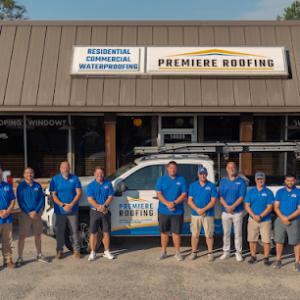
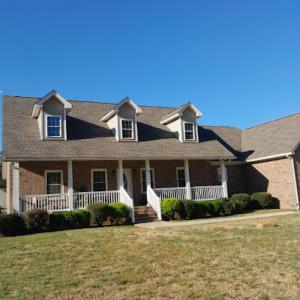
Since 2008, we at Premiere Roofing have been proudly repairing and installing roofs in the greater Columbia, South Carolina area. We are a family owned, fully licensed roofing company that demands excellence from our employees and seek to consistently exceed our customers’ expectations through unparalleled service. Our goal is to provide top-quality roofing and home improvement services to residents in our great state of South Carolina. We don't want our customers to neglect their home’s needs due to budget restraints. Consequently, we ensure our services are affordable, without lacking in quality. At Premiere Roofing, we hold the distinction of being one of the best roofing companies in Columbia SC and surrounding areas.
CMS Roofing
(803) 732-5558 www.cmsofsc.com
Serving
4.7 from 312 reviews
Welcome to CMS Roofing! As a fully licensed and insured commercial and residential roofing contractor, we have been serving South Carolina with the highest quality workmanship for gutter installation, metal fabrication, roof repairs and new roof installations for decades.

Peak Exteriors
(803) 232-8808 www.peakexteriorsc.com
Serving
5.0 from 169 reviews
We are a licensed, bonded and insured contractor with a strong reputation for doing superior work. We are dedicated to excellent service, and will deliver the very best skill and workmanship in the roofing, gutters, and siding industry for your project. We are proud members of the National Roofing Contractors Association and Preferred Contractors with Owens Corning. We are also an A+ accredited BBB company. At Peak Exteriors we guide our customers through the best options for their home and budget. We specialize in residential and commercial roofing, gutters and siding.
Indigo State Roofing
(803) 868-7663 www.indigostateroofing.com
Serving
4.9 from 129 reviews
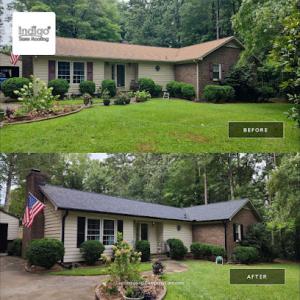
Discover top-tier roofing services with Indigo State Roofing, your premier roofing contractor in Irmo, SC! As the leading roofing company in Irmo, SC we are deeply ingrained in the South Carolina community, prioritizing excellence and fairness in all we do. Our fully licensed, insured, and bonded team specializes in roof replacement and exterior restoration, delivering unmatched quality and reliability. Experience the future of roofing inspections with our FAA licensed drone pilot and Hasselblad camera technology, ensuring precise, detailed assessments with unrivaled accuracy. If you are looking for the best roofing company in Irmo, SC then visit our website now. The best Decision you'll ever make!
Integrity Roofing Claim Services
(803) 743-5253 www.integrityrcs.com
Serving
4.7 from 43 reviews
Roofing contractors

Palmetto Contractors Group
(888) 903-6191 www.palmettocontractorsgroup.com
Serving
4.8 from 30 reviews
Palmetto Contractors Group is your premier provider of roofing services in Piedmont, South Carolina, and the surrounding areas. We specialize in high-quality roof installation, repair, and routine maintenance tailored to meet the unique needs of our community. Our certified and experienced team uses the best materials and workmanship to ensure your home or business is protected. Whether you need a new roof, repairs, or maintenance, we deliver reliable solutions that last. Contact Palmetto Contractors Group today for a free consultation and see why our customers consistently rate us as Piedmont's top roofing experts.
Modern Roofing
(803) 839-0355 modernroofingusa.com
Serving
4.9 from 475 reviews
Modern Roofing is a full-service roofing contractor renowned for delivering quality residential roofing solutions across the Midlands. With over 10 years of industry experience, we specialize in insurance claims, using best-in-class materials and up-to-date installation methods. Our rigorously trained team is trusted by homeowners and building professionals, ensuring top-quality service from the first to the final inspection. Committed to providing exceptional value, we focus on ensuring the safety and comfort of your home through our expert care.
Burgin Services
(803) 798-0063 www.burginroofing.com
Serving
4.9 from 247 reviews
Burgin Services is a trusted roofing company proudly serving Chapin, Lexington, Blythewood, Newberry, Camden, Sumter, Winnsboro, Rock Hill, Greenville, Florence, Orangeburg, and Aiken. Founded over 20 years ago at a kitchen table after the owner’s military service, the company was built with one clear goal: put the customer first. With hands-on experience from working at a national roofing company, Burgin Services delivers residential, commercial, multifamily, and church roofing with honest communication, quality materials, and dependable workmanship. Every roof is handled with care, integrity, and a commitment to long-term protection.
Chapin's humid subtropical climate means hot summers and frequent storms, including strong wind and hail exposure. When choosing roofing windows, opt for units with impact-rated glass or laminated glazing and a robust frame designed for humidity. Look for sealants and flashing that resist moisture intrusion, since attic conditions can become especially harsh during tear-off in the peak heat. The window should hinge or vent with secure weatherproof latching to stand up to storm-driven gusts common in this area.
Spring and fall are the preferred replacement seasons locally because they avoid peak summer heat and the most disruptive storm stretches. Scheduling during these shoulder seasons reduces the risk of heat-related sealant cure issues and minimizes the chance of weather delays that pile up in hot, humid periods. If a storm exits a window line of sight, plan for a window installation window of several days of favorable weather, with contingencies for late spring thundershowers or sudden cold snaps. In mid-summer, expect additional weather delays and higher attic heat, which can complicate installation and glaze curing.
Storm damage can surprise a roofline and expose vulnerable attic spaces quickly. For best results, select roofing windows that come with integrated storm protection features, such as reinforced glazing and robust flashing kits. Before installation, ensure the roof pitch and surrounding shingles are sound, as weak spots offer routes for wind-driven rain. Post-install, maintain a routine check for micro-leaks after heavy thunderstorms; even small leaks around skylight flashes can compound attic humidity and accelerate wear on surrounding decking.
A properly installed roof window should not only illuminate living spaces but also contribute to controlled attic ventilation. In Chapin, hot afternoons can drive moisture buildup if the attic remains poorly ventilated, especially after a tear-off. Consider combining the window with a venting solution or a compatible skylight fan to moderate humidity and reduce condensation inside the roof space. Proper attic insulation beneath the window helps keep indoor environments comfortable and reduces the risk of ice damming in shoulder seasons.
Regular maintenance is key in this climate. Clean glass to maintain clear light transmission, and inspect seals annually for signs of wear or moisture intrusion. If the window is near a tall roof plane or chimney, check for debris buildup after storms, since wind-driven grit can abrade seals over time. A Chapin installation should emphasize a tight, weatherproof seal and durable flashing materials that stand up to both humidity and hail exposure, ensuring a long service life even through successive storm seasons.
Asphalt shingles are the dominant choice in Chapin, reflecting familiar stock in many grown-up neighborhoods around Lake Murray. However, repeated wind, hail, and heat exposure in this market mean granule loss, lifted tabs, and shortened service life are key local concerns. In practical terms, it helps to choose a shingle with a robust asphalt mix and good granule adhesion, plus proper sealing during installation to resist wind uplift. Consider a design with reinforced shingles or a wind-resistant nailing pattern for the typical thunderstorm season. Regular attic venting and a proper underlayment help counter heat buildup that accelerates aging of asphalt products here.
Metal roofing is used in this market as a higher-cost option that appeals to homeowners looking for better storm resilience in the Midlands climate. Metal stands up well to hail and driving rain and tends to shed snow and debris more effectively than other materials. For Chapin's heat, choose metal with a reflective coating or a lighter color to reduce heat absorption inside the attic. Pay attention to ridge venting and comprehensive edge detailing to prevent water intrusion around fasteners. If a homeowner plans to stay long in a home, metal can offer a favorable long-term performance, especially where wind-driven debris is a frequent concern during severe storms.
Clay tile, concrete tile, and their performance in humidity-driven environments differ from one another. Clay tiles can provide strong resistance to fire and some impact, but they are heavy and prone to crack under direct hail impact or extreme shifting soils common near lakefront zones. Concrete tiles tend to be heavier still and can handle wind load better than clay, yet both require solid deck preparation and precise fastener patterns to avoid crack propagation in rapid temperature swings. In Chapin's humid climate, a well-sealed underlayment and good attic ventilation help keep tile systems performing. Moisture management is paramount: improper installation or debonding can trap moisture and lead to fast deterioration in the presence of high humidity and frequent rain events.
Wood shingles and shakes bring traditional curb appeal, but they require vigilant maintenance in Chapin's humidity and storm-prone conditions. Exposure to moisture can shorten their lifespan, and wind-driven hail can loosen or crack wood pieces more readily than synthetic options. If choosing wood, select rot-resistant species and apply a durable, weather-resistant finish. Ensure robust debris-free eaves and proper flashing around chimneys and vent pipes to minimize moisture intrusion. Regular inspection after major storms helps identify loose or damaged pieces before leaks develop.
EPDM rubber roofing appears in Chapin markets where flat sections or low-slope areas exist, such as garages or extensions. It performs well under ponding conditions and resists hail better than some traditional flat-roof coverings, but punctures and seam failures can occur if the membrane is not properly installed or if patch repairs are delayed after storms. In humid conditions, ensure UV protection on exposed edges and periodic checks for seam integrity, especially after severe weather events. For westward-facing slopes or areas with heavy afternoon sun, a reflective top layer or white coating can help mitigate heat buildup.
Overall, the choice of material in Chapin should balance storm resilience, moisture management, and local maintenance realities. Pair any roof material with durable underlayers, proactive inspections after hail or high-wind events, and a thoughtful ventilation strategy to support long-term performance in this lakeside climate.
The most popular roofing material in the US. Find pros who install, repair, and replace asphalt shingles.
In Chapin, asphalt shingles sit in a practical sweet spot for most homes, with typical pricing around $350 to $650 per square. Metal generally ranges from $500 to $900 per square, while heavier options like clay tile run $900 to $1,400 per square and concrete tile from $800 to $1,300 per square. Wood shingles or shakes usually fall in the $450 to $900 per square band. For EPDM rubber roofing, expect about $4 to $7 per square foot. These ranges reflect local material availability, labor, and the weather-driven demand you'll experience after storm events.
Storm-driven demand spikes can push scheduling pressure and prices upward after hail or damaging winds. When a big hail event hits, homeowners may suddenly seek repairs or full replacements, and crews that can mobilize quickly become scarce. Plan ahead for the after-storm window, especially in neighborhoods with older roofs or mixed materials. If you have insurance involvement, be prepared for documentation needs and possible adjustments to the work timeline. Weather patterns in the area mean temporary delays aren't unusual, so building a short buffer into your plan helps keep project momentum without compromising quality.
Material selection matters more here because heavier systems like clay and concrete tile add complexity to a re-roof versus the more common shingle replacement. If your home has a steep pitch, multiple dormers, or a roof deck, the added weight and installation steps of tile can extend labor time and risk. In practical terms, a mid-range asphalt shingle job can complete faster and with less disruption, while tile options demand more planning for proper underlayment, venting, and structural support. Factor these nuances into your decision and budget from the start.
Don't let upfront costs delay a critical repair - these contractors offer payment plans to fit your budget.
A full roof replacement in Chapin requires a permit through the Lexington County Building Department. That permit is not a mere formality; it ties directly to how inspections are scheduled and how the work is verified when it's finished. If a project proceeds without the proper permit, you risk fines, delayed approvals, and potential issues with insurance coverage later on. Take the permit seriously from the outset, even if the contractor offers a quick, "we'll handle it" approach.
The permit may be pulled by either the contractor or the homeowner, and this choice changes who coordinates the paperwork and inspections. If the contractor handles the permit, you'll still want to confirm you have a copy of the approval and a clear schedule for inspections. If you pull the permit yourself, you gain direct control over the process but must stay on top of submitting documents and tracking milestones. In either case, know who is responsible for copies, notifications, and any required corrections from the county.
Inspections are scheduled at major milestones to ensure the work proceeds to code. Expect an inspection before covering or underlayment goes down, which verifies that the deck, sheathing, and flashing are up to standard. A second inspection typically follows after the completion of the roof system to confirm everything is installed correctly and weatherproof. The county will close the permit only after verification that the work meets code, not merely when the crew finishes a day's labor. Missing an inspection can stall the project and complicate insurance claims.
Chapin's pattern of frequent thunderstorms and hail events makes timing critical. If a storm window coincides with an inspection date, communication with the Lexington County Building Department and the contractor is essential to avoid delays. Have a clear plan for temporary protection if weather interrupts work, and document any weather-related hold-ups. The goal is to maintain a steady, verifiable progression of work that satisfies both county requirements and the expectations of the homeowners and insurers.
Keep all permit documents, inspection notices, and correspondence in one place. Confirm that the contractor's license and insurance are current and that the inspection ledger shows each milestone as complete. If you're handling the permit, set calendar reminders for submission deadlines and inspection windows. In Chapin, the permit process is not just bureaucratic overhead-it's a safeguard that keeps your roof replacement aligned with local codes and, ultimately, your home's long-term performance.
In Chapin, local insurers commonly want roof age records, photos of damage, and contractor estimates when wind or hail claims are filed. Start by gathering every available record of the roof's age and prior conditions, then photograph damage from multiple angles-before any temporary fixes hide flaws. Keep dated notes of weather events and when each photo was taken. If a storm hits during our typical thunderstorm window, don't rely on memory; precise timestamps and labeled images help prevent later disputes tied to "unknown" preexisting conditions.
Adjustment reviews can hinge on timing, so damage should be documented before temporary repairs conceal evidence. Do not rush to cover every dent or missing shingle with makeshift tarps if the cover-up could be mistaken for a finalized fix. Instead, document the site as-is, then perform temporary protection that preserves evidence (for example, weatherproof tarps secured with visible fasteners and documented with photos). In Chapin, adjusters may request measurements, and delaying documentation can slow approval or lead to gaps in what is considered storm-related damage.
Because underwriting changes are carrier-specific rather than a statewide blanket retreat, Chapin homeowners should verify their own policy's roof-age and claim-handling requirements. Contact the insurer to confirm what documentation they need beyond photos and age records-some carriers request utility bills, prior repair receipts, or specific contractor certifications. When possible, have a trusted local contractor prepare a detailed, written assessment that aligns with the insurer's preferred format and terminology. Keep correspondence organized: claim numbers, adjuster names, dates of visits, and any stated timelines. If a claim decision seems delayed, you can reference the documented damage trail and ready-to-submit estimates to prevent additional slowdowns in the approval process.
Fast-moving summer thunderstorms in Chapin can turn minor roof damage into active interior leaks before a full replacement can be scheduled. A shingle lift, granule loss, or failed flashing can become a drip with the next gust or burst of rain. The interior impact is not just water; it's mold risk, ruined insulation, and compromised ceilings which can spreading through attic and wall cavities quickly in the humidity.
Temporary protection is especially important locally during stormy stretches when repeated rain events can hit before adjusters or installers arrive. If you spot any active seepage or hear dripping, lay down heavy-duty tarps or waterproof plywood over the affected area, weighted with bricks or sandbags at the edges to hold it in place. Move furniture and valuables away from the leakage path, and create a clear interior path for water to flow to a collected container rather than into insulation or framing. In Chapin's heat and humidity, fast attention minimizes secondary damage like warped drywall or ceiling collapse.
The local contractor market strongly emphasizes quick response and cleanup, reflecting how often Chapin homeowners need immediate post-storm stabilization. Call a trusted contractor or your insurer's preferred vendor as soon as you can-prefer 24/7 availability-and document the damage with photos before any temporary patching. If safe, perform a quick exterior check from ground level to identify obvious holes, lifted shingles, or displaced flashing. Do not climb onto a damaged roof during a storm; delay until conditions are safe. Prioritize securing the interior first, then coordinate a timely assessment to decide whether a temporary fix is warranted ahead of a full roof replacement.
When you can't wait, these contractors offer fast response times to stop leaks and prevent further damage.
Shingles Now Roofing
(803) 500-5021 www.shinglesnow.com
2241 Dutch Fork Rd K1, Chapin, South Carolina
5.0 from 77 reviews

In this market, crews that specialize in re-roofing and full replacements earn the trust of busy neighbors. Look for a track record of tear-off and replacement work, not only new-construction shingle installs. Ask to see recent jobs where crews navigated layered deck repairs, vent re-sets, and flashing upgrades around chimneys and dormers. The fastest path to a durable result is a crew that treats replacement as the core discipline, with proven methods for matching shingles to local roof lines and spacing.
Storm-driven repair cycles in this area demand responsiveness. A contractor should answer calls within a business day and schedule a roof assessment promptly after a storm event. On the job site, expect a clean perimeter, daily debris control, and a solid plan for waste removal. Confirm a finish-day cleanup checklist: brooming of granular debris, disposal of old underlayment scraps, and protection for landscaping and driveways. In Chapin, a dependable crew treats cleanup as part of the warranty, not an afterthought.
A mix of long-established, family-owned, and locally operated firms serves this market. Many teams market insurance assistance and storm-damage support, which aligns with homeowners' common needs. When talking to a crew, ask who handles the insurance coordination, how claims are documented, and who will be the primary point of contact from start to finish. Local firms tend to have shorter wait times for seasonal busy periods, which helps keep your project on track.
Because storms drive repair cycles, the right crew will document damage clearly for insurance needs and schedule work to minimize exposure to further weather. Request a written plan that lists critical milestones: inspection, decking repair if needed, shingle color matching, ventilation checks, and final walkthrough. Confirm who takes the lead on weather-related delays and how communication will be maintained during heavy thunderstorm windows.