
Last updated: Apr 19, 2026
Spring and summer bring daily rain, high humidity, and sudden gusts that can strip shingles, lift flashing, or loosen ridge vents. In this market, storms aren't a rare event; they're a predictable part of life. A roof that looks fine after a brief shower can hide a hidden leak or compromised underlayment that will reveal itself during the next storm. When a shingle is blown loose or granules start washing into gutters, the clock starts ticking on water intrusion that can damage decking and insulation behind the scenes. This is not a problem to monitor from a distance-it's a risk to address promptly, especially when Lake Murray's humidity keeps rafters damp and vulnerable to mold or wood rot. The goal is to identify the early signs, document them, and decide whether a quick repair or a more substantial replacement is warranted before the next system rolls in.
In this market, the response to storm damage is closely tied to insurance claims. Local contractors see a steady stream of emergency repairs driven by a rapid assessment after a storm, followed by a broader replacement when damage is revealed to insurers. That means the timing you experience can hinge on claim processing, inspection scheduling, and the availability of materials and crews who specialize in storm work. When a roof sustains wind or hail damage, delaying a professional assessment can turn a manageable repair into an extensive replacement. If a claim is opened, the insurer's adjuster will focus on the extent of damage and whether the underlying structure is compromised. Acting quickly to document damage with photos, securing necessary temporary protection, and obtaining a qualified inspection helps ensure that the timing aligns with the insurance process rather than the weather calendar.
Even though this town sits inland, fall tropical systems can still disrupt roofing schedules. Those late-season disturbances can shift crews, complicate deliveries, and push replacement projects into tighter windows before winter weather settles in. Planning for that seasonal ripple effect is essential. If a storm-damaged roof has visible leaks or active intrusion, the prudent move is to initiate an assessment as soon as it's safe to do so. Waiting for a perfect stretch of weather can drag a critical repair into a time frame when insurance timelines and contractor availability are strained. By recognizing fall as a potential bottleneck, homeowners can set expectations with insurers and contractors early, secure temporary protections, and lock in a path for a timely, thorough replacement if the damage warrants it.
A rapid-yet practical-action plan helps you navigate a storm-heavy climate. After any significant wind or hail event, schedule a same-week inspection with a trusted local contractor who handles emergency repairs and insurance claims. Request a written damage report that clearly highlights compromised flashing, lifted shingles, damaged underlayment, and potential decking concerns. If the insurer approves a repair, insist on a scope that protects against ongoing leaks and weather exposure, not just cosmetic fixes. If replacement becomes necessary, align the project with the seasonal calendar to avoid the peak fall disruption, ensuring material delivery windows and crew availability. In all cases, maintain a defensive stance: cover exposed areas promptly, keep drainage paths clear, and document every step for the insurance file. This is how a roof owner minimizes risk when storms are the leading weather pattern and claims drive the schedule.
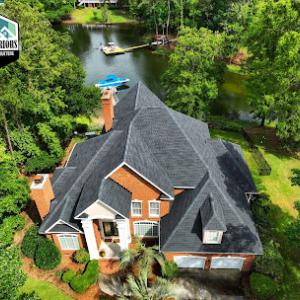
Peak Exteriors
(803) 232-8808 www.peakexteriorsc.com
1170 Counts Ferry Rd, Lexington, South Carolina
5.0 from 169 reviews
We are a licensed, bonded and insured contractor with a strong reputation for doing superior work. We are dedicated to excellent service, and will deliver the very best skill and workmanship in the roofing, gutters, and siding industry for your project. We are proud members of the National Roofing Contractors Association and Preferred Contractors with Owens Corning. We are also an A+ accredited BBB company. At Peak Exteriors we guide our customers through the best options for their home and budget. We specialize in residential and commercial roofing, gutters and siding.
Crosby Roofing & Gutters
(803) 648-7250 www.crosbyroofing.com
5205 Augusta Rd, Lexington, South Carolina
4.9 from 1131 reviews
Crosby Roofing & Seamless Gutters is a locally owned and operated roofing company proudly serving Lexington, Columbia, Chapin, Irmo, Ballentine, and the greater Midlands of South Carolina. Founded in 1989, we bring decades of experience in residential and commercial roofing, roof repairs, storm damage restoration, emergency tarping, and seamless gutter installation. What sets us apart is hands-on project management, premium materials, and a commitment to quality workmanship and customer satisfaction. When you need a trusted local roofer, Crosby Roofing is the name homeowners rely on.
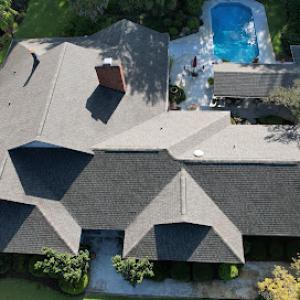
Jeffcoat Contracting
(803) 600-7769 jeffcoatroofing.com
123 Stump Rd, Lexington, South Carolina
5.0 from 31 reviews
We are a local family owned Roofing contractor that specializes in shingles, metal and low slope roofs. Decades of experience in residential and commercial roofing.
Crescent Roofing & Remodeling
Lexington, South Carolina
4.8 from 79 reviews
We are a “Veteran & Family” owned Roofing & Remodeling company. We specialize in roof replacements ( metal & shingles), roof repairs, vinyl siding, replacement windows, decks, and interior painting. We have proudly served the Midlands area & surrounding Columbia, S.C. for over 20 years.
Sands Roofing & Construction
(803) 520-6154 sandsroofingandconstruction.com
1311 W Main St, Lexington, South Carolina
4.7 from 154 reviews
Sands Roofing and Construction - Lexington Roof Repair Company & Gutter Installation - Included 15-Year Warranty! Sands Roofing and Construction is a trusted roofing company serving Lexington, SC, offering professional roof repair, shingle repair, and roof installation services. Our experienced team also specializes in installing and maintaining gutter systems, including high-quality gutter guards, making us one of the top gutter companies in the area. Whether you're searching for roofers or gutter services near you, Sands Roofing and Construction delivers every time!
Heritage Company
(803) 796-3327 www.heritageroofingco.com
122 Royal Oaks Ln, Lexington, South Carolina
5.0 from 21 reviews
Over the past 30+ plus years, we have been installing roofs on most any building imaginable; from paper, mills to fast food restaurants to carports. Through hard work and a desire to provide the best in professional service, we have become certified roofing applicators for most major manufacturers. In fact, we have attained the pinnacle of certifications offered by GAFMC, the leading manufacturer of commercial roofing products in the U.S. We are a Master Select Roofing Contractor as certified by GAFMC and have been since the program's inception. We continually strive to stay abreast of the latest developments and technological advances in the roofing industry.
Exterior Genie
(803) 999-7663 www.exteriorgenie.com
225 Swartz Rd, Lexington, South Carolina
4.5 from 93 reviews
We are a Exterior General Contractor, Specializing in Roofing Siding and Gutters. We Are a platinum contractor for Owens Corning.

Palmetto Contractors Group
(888) 903-6191 www.palmettocontractorsgroup.com
Lexington, South Carolina
4.8 from 30 reviews
Palmetto Contractors Group is your premier provider of roofing services in Piedmont, South Carolina, and the surrounding areas. We specialize in high-quality roof installation, repair, and routine maintenance tailored to meet the unique needs of our community. Our certified and experienced team uses the best materials and workmanship to ensure your home or business is protected. Whether you need a new roof, repairs, or maintenance, we deliver reliable solutions that last. Contact Palmetto Contractors Group today for a free consultation and see why our customers consistently rate us as Piedmont's top roofing experts.
Quality
117 E Main St, Lexington, South Carolina
4.5 from 34 reviews
Quality Roofing Lexington tackles residential and commercial roofing projects in the Lexington area. Their team of experienced roofers utilizes top-quality materials to ensure long-lasting results for your property.
Mid State Roofing
(803) 356-1919 www.midstateroofing.com
205 Oak Dr, Lexington, South Carolina
4.4 from 52 reviews
Your Complete Roofing and Waterproofing Provider!
Shelter Improvements
(803) 399-8338 shelterimprovements.com
162 Panorama Dr, Lexington, South Carolina
5.0 from 8 reviews
ROOFING CONTRACTOR IN LEXINGTON SERVING LEXINGTON AND SURROUNDING AREAS We'll inspect your roof, at no cost, to determine the condition and provide you with feedback on how to proceed. WE ARE “SC INSURANCE ADJUSTER LICENSED” AND CAN PROPERLY EVALUATE DAMAGES TO YOUR ROOF TO DETERMINE IF YOU SHOULD QUALIFY FOR INSURANCE COVERAGE. WE'LL COMPLETE ANY NEEDED REPAIRS, BASED ON YOUR INSURANCE COMPANY'S ESTIMATE. Call us to schedule an appointment for this free roof inspection, and analysis, so you can prevent any potential further damage to your home, minimizing any out of pocket costs. Save money and spend your savings on other things you want, while adding value to your home. We can also help you with any gutter, siding or exterior damages.
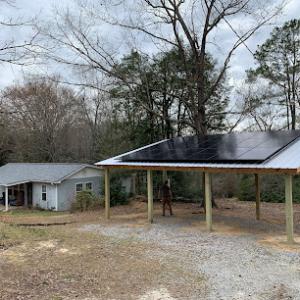
3A
(803) 828-3712 www.3aroofingllc.com
118 Drafts Woods Rd, Lexington, South Carolina
4.3 from 32 reviews
Looking for a licensed and experienced contractor to take on your home project? 3A Roofing and Solar offers professional and reliable contracting services for a wide variety of needs, including new roofs, solar installations and repairs. We've earned a reputation for excellence through decades of dedication and craftsmanship. Get in touch with us and experience the difference today.
In Lexington, hot, humid summers accelerate weather-related roof wear, especially on aging asphalt systems exposed to prolonged heat and moisture. The humidity keeps decking and underlayment damp longer than you'd expect, which can hasten nail rust, sealant failure, and minor breaches around penetrations. When a ridge vent sits under a July sun, that heat can condition the attic space and push small leaks into louder, more noticeable drips after a late afternoon storm. Understanding this cycle helps you read early warning signs before minor issues become bigger problems.
Regular thunderstorms mean roofs often cycle between intense sun, heavy rain, and high humidity, a pattern that stresses flashing, sealants, and ventilation performance. Flashing around chimneys, vent stacks, and skylights sees the most action in these swings. A quick check after a storm-look for towel-dry moisture on eaves, dried minerals along gutters, and any new damp spots on the attic floor-can catch issues where hail or wind tore flashing loose or where sealants didn't reseal properly. Over time, sun plus moisture can bake sealants until they curl and lift, inviting water intrusion during the next rainburst.
Summer heat in Lexington can affect both material handling and crew productivity, so installation quality and scheduling are closely tied to weather windows. Roofing crews work best when high humidity isn't paired with triple-digit heat, which means the most reliable windows are early morning sessions into the early afternoon. For older roofs, this matters: a rushed midday lap can compromise shingle seating and nail drive, especially on asphalt. Plan for shorter, cooler shifts if you're facing back-to-back storms, and be prepared for occasional weather-driven pauses that preserve the integrity of each layer.
If a leak appears after a thunderstorm, start with a quick interior check to identify active drips and their likely origin. Safely place a bucket beneath the drip point and avoid overloading ceilings with water safety risk. From the exterior, inspect around flashing joints and exposed nail lines for obvious gaps. Temporary tarps or sealant can help bridge the problem while you arrange a professional assessment, but avoid over-clogging gutters or trapping water against the deck, which can worsen wood rot.
Storm-driven damage in this climate is often handled through quick assessments and expedited replacements driven by claims or insurer scheduling. If a roof shows repeated leaks after successive storms, expect an insurer-driven pathway that prioritizes mitigation of further damage and efficient resealing or replacement. In practical terms, staying in close contact with your roofer and insurer during the remnant storm season can reduce delays and align the work-with-lightest-impact windows to Lexington's volatile weather pattern.
In Lexington, asphalt shingles and metal roofing are the most active specialty categories you'll see in the contractor market. Homeowners commonly shop for these because they strike a practical balance of durability, availability, and local installation expertise. Asphalt shingles offer reliable performance during Midlands thunderstorms and a straightforward repair path when leaks pop up after heavy rains. Metal roofing, meanwhile, handles humidity and storm-driven impacts with a longevity that can outpace other materials in this climate. If you're prioritizing a straightforward, widely understood option that the local crew can install quickly and confidently, these two materials are the steady backbone of most fairly recent homes.
Heavier materials such as clay tile, concrete tile, and slate do exist in the Lexington market, but their added weight matters more when a replacement involves structural or deck review during the project. If a home has limited attic space, old roof framing, or marginal deck support, upgrading to a heavy tile system may trigger a full structural assessment. This isn't a decision to delay, but a factor to plan around so the project proceeds without surprises. For homes with strong, reinforced framing, a clay or slate option can deliver excellent durability and distinctive curb appeal, though the installation requires experienced crews who are comfortable managing weight distribution and underlayment specifics in this climate.
Wood shingles and shakes are present in the broader material mix for Lexington, yet they are far less represented in contractor specialization than asphalt and metal. They can offer a warm, natural look that some homeowners love, but they demand more proactive maintenance in humid environments to prevent moisture-related issues and potential warping. If your roof is shaded, has good ventilation, and you're prepared for periodic maintenance, wood can be a viable option. However, for most homes facing frequent storm activity and a demand for predictable service life, asphalt or metal remains the safer, more dependable choice.
Storm damage in this area often reveals where a fast, reliable reroof is most needed. Asphalt shingles are often favored for their ease of repair after a storm, while metal roofs can provide superior resistance to debris and high winds. If a leak is detected after a thunderstorm, prioritize a quick assessment to identify whether moisture has penetrated underlayment or decking, and plan a replacement path that minimizes further exposure to humidity. When insurance-driven replacements arise, choosing a material that compatible with your home's structure and long-term maintenance goals helps ensure a smoother claim-to-installation transition. For many Lexington homes, pairing a robust underlayment with a durable surface layer-typically asphalt or metal-offers a practical balance between performance and service life in this storm-prone Midlands climate.
When planning a replacement, you'll encounter a broad spread in material prices. Asphalt shingles run from 350 to 700 USD per square, a practical baseline for most mid-sized Lexington homes with standard roofs. If metal is on the table, expect 600 to 1300 USD per square, reflecting durability against humid summers and quick, heavy downpours. Clay tile or concrete tile sit higher, with clay at 900 to 1800 USD per square and concrete at 800 to 1500 USD per square, driven by weight, installation complexity, and long-term durability. Wood shingles or shakes often land in the 600 to 1100 USD per square range, while slate, the premium option, spans 1000 to 2200 USD per square. These numbers anchor a planning conversation around your roof's pitch, access, and existing structure.
Storm-driven demand spikes after major thunderstorm or tropical-weather events can tighten contractor availability and push project pricing upward. In Lexington, a rapid sequence of calls after a hail event or a tropical system can translate into longer lead times and busier crews. That means planning ahead for the busy season can help keep crews on schedule and reduce the risk of price jumps. If a storm has just passed and your roof shows signs of leakage or advanced wear, expect some hesitation in scheduling as crews triage the most urgent repairs and inspections.
For homes with typical Midlands exposure, asphalt shingles deliver reliable performance at a lower upfront cost, making them a common choice when storm risk is high and availability is constrained. Metal roofs provide excellent wind and hail resistance, which matters in thunderstorm-heavy periods, but keep the higher per-square cost in mind. Tile options (clay or concrete) suit certain architectural styles and offer durability, yet require a strong structural deck and careful installation to prevent weight-related issues. Wood shingles and slate bring distinct aesthetics and durability; slate commands a premium price but excellent longevity, while wood can be sensitive to moisture if not properly maintained.
In Lexington, the window for a smooth replacement often aligns with dryer, less-windy weeks between storm seasons. If an active leak is present, addressing it promptly helps avoid interior damage and potential insulation problems, which can complicate scheduling and extend installation time. A realistic plan accounts for weather buffers, delivery times for specialty materials, and the crew's current workload, especially after major weather events.
Get a clear picture of your project costs upfront - no commitment required.
Exterior Genie
(803) 999-7663 www.exteriorgenie.com
225 Swartz Rd, Lexington, South Carolina
4.5 from 93 reviews
South Crescent Construction
(803) 520-0104 www.southcrescentconstruction.net
518 E Main St #2, Lexington, South Carolina
5.0 from 1 review
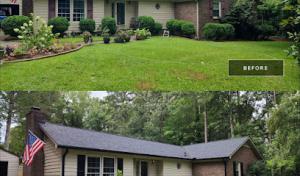
In Lexington, a building permit is typically required for a full roof replacement rather than being treated as a no-permit maintenance item. The permitting process is part of daily life for Midlands storm repair projects, and the local department takes permit accuracy and inspection timing seriously. Before any shingle, tile, or metal swap begins, you should confirm the scope with the permit desk and have your contractor file the project as a full roof replacement if that's the plan. Treat a permit as a binding part of the job, not a paperwork afterthought, because failing to secure approval can complicate insurance claims and future resale.
The local building department handles permit applications and inspections, with inspections scheduled during and after installation. Expect a review window that can include a pre-installation site visit, an on-site mid-project check, and a final after-work inspection. Having your contractor coordinate the dates helps align weather gaps and keeps the project moving through Lexington's thunderstorm rhythm. If weather forces a pause, communicate promptly with the department to avoid lost inspection slots or rework. Keeping an organized binder of permit numbers, contractor licenses, and material approvals speeds up the process when inspectors arrive.
Lexington inspections commonly focus on proper nailing, flashing, ventilation, and overall code compliance, and some roofing types or deck-structure changes may trigger additional review. Look for attention to attic ventilation balance, eave and hip flashing details, and roof-to-wall connections, especially where new decks or skylights are involved. If a roof is tied to structural work, expect structural engineer notes or permits to accompany the project. A clean, professional installation increases the chance of a smooth inspection and reduces the risk of call-backs.
When storms drive emergency replacements, don't skip the permit step to save time. Approved permits and a passing inspection are often required before payouts and loan files can be closed. Choose a contractor who prioritizes the permit calendar, communicates clearly about inspection windows, and keeps your project on a predictable schedule. If a concern arises during inspection, address it promptly rather than delaying the next check. A compliant roof is a durable shield against humidity and sudden storms.
After the final inspection, keep the permit open as long as required by code, store approvals, and review any warranty documentation. If the inspector notes a minor issue, fix promptly and schedule a re-inspection before closing the file. Maintain flood and storm readiness by checking attic ventilation seasonally and keeping trees trimmed near the roof. In Midlands weather, a compliant roof stands up better to humidity and downpours.
In this climate, weather-related roof damage claims are a routine part of local roofing projects. Humidity from Lake Murray and the season's sudden Midlands thunderstorms mean lenders and adjusters see shingles, flashing, and attic moisture problems that crop up quickly after a storm. Homeowners sometimes discover leaks only after a few days, but an adjuster will want a clear trace of damage from the event, records of interior moisture, and photos of the roof from multiple angles. Expect a thorough documentation process before any replacement decision is finalized.
Adjusters in this market closely review roof age and pre-loss condition. Heat and humidity accelerate wear patterns, especially on roofs with overlapping layers or aging underlayment. A roof that shows signs of prior repairs or mismatched patches can influence how an adjuster estimates remaining life and recovery options. In a town with frequent storms, layered wear is common, so keep detailed notes about prior repairs and dated photos. Honest, contemporaneous documentation can help the claim move toward a practical outcome.
Policy details such as wind or hail deductibles and coverage limits for higher-weight materials can directly affect whether you end up replacing with asphalt, metal, tile, or slate. A shift in coverage that favors a heavier, longer-lasting option can be tempting after a major storm, but it also introduces liability for higher up-front costs and long-term performance expectations. Understanding how your policy responds to storm events will help you see how the chosen material aligns with both risk and real-world upkeep.
Connect with contractors who help homeowners navigate the claims process from damage assessment to final approval.
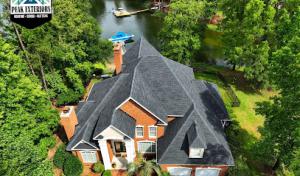
Peak Exteriors
(803) 232-8808 www.peakexteriorsc.com
1170 Counts Ferry Rd, Lexington, South Carolina
5.0 from 169 reviews
Crosby Roofing & Gutters
(803) 648-7250 www.crosbyroofing.com
5205 Augusta Rd, Lexington, South Carolina
4.9 from 1131 reviews
Jeffcoat Contracting
(803) 600-7769 jeffcoatroofing.com
123 Stump Rd, Lexington, South Carolina
5.0 from 31 reviews
Spring and summer bring frequent rain and wind that can push tear-off timelines back and delay the dry-in phase. In Lexington, crews often lose solid work days when storms roll through and high humidity lingers after a downpour. Your schedule should build in a buffer for weather days and plan for asphalt shingles or metal panels to be staged only after the roof deck dries. If a storm hits mid-tear-off, the crew may need to re-secure tarps and recheck underlayment, so expect small pauses rather than a full halt. A practical approach is to target the most weather-friendly windows: mornings after a dry spell, and to avoid the peak afternoon storm pattern common in hot months.
Extreme summer heat in Lexington can slow crews and affect how materials are staged and installed on site. Heat makes rolling underlayment more pliable and can stress adhesive-driven products, so crews may stagger the day's work to cooler hours or shade materials when possible. Heat also reduces daylight working time, so long days might be necessary to keep ahead of rain risks. Prepare for tighter access around a full daytime heat window and coordinate with homeowners to keep air staples, nails, and sealants in shaded, protected spots. A sensible plan is to schedule the most labor-intensive tasks for early morning and late afternoon, avoiding the peak heat hours.
Winter rain and occasional freezes in the area can still interrupt progress even though winters are generally mild. Temporary coverings and interior dry-in checks may be needed when temperatures plunge or overnight freezes occur. If a storm hits during winter, expect temporary sheltering and potential re-inspection of decking and flashing once temperatures permit. Build in flexibility for a few extra days between major milestones so crews can accommodate cold mornings and damp afternoons without risking material degradation or improper sealant cure.
Insurance-driven schedules often hinge on storm impact reviews and claim approvals, which can align awkwardly with peak storm seasons. Have a realistic target window that accounts for weather delays and the insurer's inspection cadence, so you're not scrambling when a claim moves forward. Communicate early with the roofer about expected hold points for paperwork, and confirm that tear-off and dry-in align with dry, stable days to avoid repeated weather-driven setbacks.
When a storm hits Midlands skies and leaks start showing, the fastest crews are the ones who can deliver a clear plan fast. In Lexington, the strongest hiring signals show up as quick response, cleanup included, and a readiness to handle re-roofing if the damage is significant. Look for contractors who promise on-site assessment within 24 to 48 hours and who include debris removal and tarp service as part of the initial visit. A team that can mobilize quickly after a hail or wind event reduces further interior damage and limits total restoration time.
Long-standing, family-owned and locally owned firms are a meaningful presence in Lexington's market. Those relationships matter in a claims-heavy environment where follow-up service can be essential. When you call, ask about how often the company has worked in your neighborhood, who will supervise the project, and who handles post-storm warranty work. Local familiarity with the typical house styles, from ranch to two-story mailboxes-and-minch rooms, helps crews diagnose moisture pathways and draft a practical repair plan that fits your home's age and framing.
Manufacturers and warranty-backed contractors are around, but they aren't the default here. Homeowners may need to ask directly about workmanship warranty length and what the contractor will cover if a roof develops issues after installation. Inquire who will be your point of contact for follow-up questions, how long the workmanship warranty lasts, and whether the company offers material warranties beyond the manufacturer's. In a busy storm season, a contractor who can document workmanship commitments clearly is worth prioritizing.
Ask for three recent Lexington-area jobs with current references and photos of the completed work. Visit a completed site if possible to observe cleanup, flashing detail, and how the crew manages waste. Confirm the crew size and the project supervisor, and request a written project timeline with a start date and anticipated completion. A straightforward, transparent estimate that breaks down labor, materials, and contingencies signals a firm ready to handle the climate-specific challenges of rapid repairs and re-roofing.
Balance the quick-response capability with long-term reliability. Prioritize a firm that demonstrates prompt communication, solid cleanup practices, and a clear plan for potential follow-up after a storm. In a market where local service expectations run high, the right Lexington roofer keeps moisture out, respects your home, and sticks to the schedule you need to move forward.