
Last updated: Apr 19, 2026
Thunderstorms in this area arrive with short notice and collide with a peak roofing season that already strains local crews. Hail bruising, lifted shingles, and sudden leaks are not rare-they're expected after a big spring or summer squall. When a storm rolls through, focus on rapid triage: assess the roof from the ground for obvious damage, then document everything with your phone. A handful of photos of bruised shingles, lifted edges, dented gutters, and interior signs of moisture can make or break an insurance claim. Time is of the essence because the best repair windows shrink as the storm aftermath floods the market with urgent needs.
The local contractor signal mix heavily favors insurance-claims, storm-damage, and emergency-repair work. That means after a severe storm, the priority queue for inspections, tarping, and replacement slots can grow quickly. Don't wait for a neighbor to go first and don't assume that the first contractor who answers is the best fit. Call two or three licensed local specialists who understand how adjusters evaluate hail damage and what constitutes an acceptable temporary fix. Ask for examples from recent Spring Hill projects and confirm they can handle rapid re-inspection if your insurer requests it. Having a clear plan with a preferred crew before the first call can keep you from getting lost in the surge.
If you notice a leak during or after a storm, stop and locate the nearest interior sign of moisture. Place clean, disposable containers under drips, and protect valuables with plastic sheeting. For exposed roofing areas, install sturdy tarps using roof edges and anchor points-avoid hoisting by ladders alone. When scheduling an inspection, request a written assessment that clearly distinguishes hail damage, wind damage, and wear-related issues from long-standing leaks. This distinction helps prevent delays caused by insurers disputing what was storm-caused versus pre-existing. If a tarp is placed, insist on a schedule for a permanent fix as soon as the insurance process allows.
Choose a contractor who specializes in storm-damage claims and has a documented track record with the major local carriers. Ask for a detailed scope and an itemized, non-pushy line of communication for the claim. A reliable crew will coordinate photos, written estimates, and a timeline that aligns with insurer expectations, not just with the highest bidder. It's crucial to have a single point of contact who can deliver updates after each stage: claim approval, tarp maintenance, temporary repairs, and final replacement. In a fast-moving market, this reduces the risk of miscommunication and missed windows.
Post-storm bottlenecks are real, especially in a growing corridor where many homes share similar roof types. Plan for a staged approach: initial emergency measures to stop further water intrusion, followed by a formal claim-driven assessment, then a prioritized repair or replacement window. Have a clear list of questions for your adjuster-correspondence should confirm the scope is aligned with the actual storm impact and not inflated by temporary fixes. By staying proactive, the timetable becomes more predictable, and the path from triage to final result moves toward completion rather than limbo.

JL Construction
(615) 979-2433 www.jlconstructionroofing.com
2839 Lee Rd, Spring Hill, Tennessee
5.0 from 453 reviews
JL Construction is a Trusted Roofing and Construction Company serving Spring Hill, Franklin, Brentwood, Nashville, and Nearby Areas. We specialize in Residential and Commercial roofing, offering expert roof replacements, roof repairs, storm-damage inspections. In addition to Roofing, JL Construction provides a full range of Home Improvement services, including Fencing Installation, Gutter Replacement, Siding Repair and Installation, and customized property improvement solutions. Proudly serving homeowners and businesses across Spring Hill, Franklin, Brentwood, Murfreesboro, Nashville, and Nearby Areas. We are committed to Honesty, Quality Craftsmanship, and Customer Satisfaction.

Anchor Roofing
(615) 478-4419 anchorroofingtn.com
740 Rex Dr, Spring Hill, Tennessee
5.0 from 204 reviews
Welcome to Anchor Roofing. We are a full service exterior restoration and repairs contractor. Our primary work includes roofing, siding, and gutters. Our experienced team excels in hail and wind damage repairs, ensuring your home or business remains protected against the harshest weather conditions. Our mission is to provide top-notch craftsmanship and dependable storm restoration services to restore the safety and integrity of your property. We offer free no obligation inspections and estimates.

Legacy Exteriors LXI
220 Town Center Pkwy #140, Spring Hill, Tennessee
4.9 from 84 reviews
We are a full-service exterior home improvement company specializing in roofing, siding, and gutters. Our experienced team handles insurance claims to make the process smooth for our customers. Offering retail estimates and free inspections, we ensure top-notch services and customer satisfaction.

USA Roofing Contractors Spring Hill
(931) 998-2121 usa-roofingcontractorsspringhill.localo.site
1035 Solomon Ln, Spring Hill, Tennessee
5.0 from 7 reviews
In the dynamic landscape of Middle Tennessee, encompassing cities like Nashville, Murfreesboro, Franklin, Spring Hill, Brentwood, Smyrna, and Gallatin, roofing services stand are vital to the integrity and longevity of homes and buildings. We are skilled roofing contractors and offer a comprehensive array of solutions, from roof repair and replacement to the installation of various materials such as shingles, tiles, and metal roofing. From Lebanon to Spring Hill, Columbia to La Vergne, residents rely on meticulous roof inspections, maintenance, and leak repairs to ensure the resilience of their structures against the elements. We are experts at installing flashing, gutters, and ventilation systems while adhering to best roofing standards.
Newsom Roofing
(615) 614-2144 www.newsomroofing.com
402 Alexander Blvd, Spring Hill, Tennessee
5.0 from 3 reviews
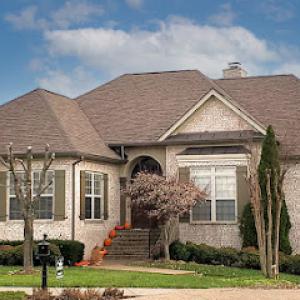
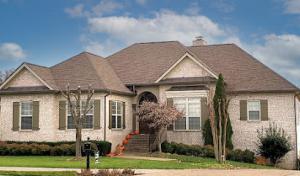
At Newsom Roofing, our goal is to ensure every homeowner and business gets the quality roof they want when our work is done. With knowledgeable roofing experts ready to discuss your options, answer questions, and provide you with a no-cost estimate, you can count on Newsom Roofing to meet all your needs. We take pride in putting the customer’s needs first and offering high quality and expert craftsmanship on every job. Whether you need a roof inspection, installation, repair, or maintenance, we’re your one-stop roofing business in the Middle Tennessee area.
USA Roofing Contractors Tennessee
(615) 918-5888 usa-roofing-contractors-tennessee.localo.site
1229 Reserve Blvd ste 500 C, Spring Hill, Tennessee
5.0 from 2 reviews
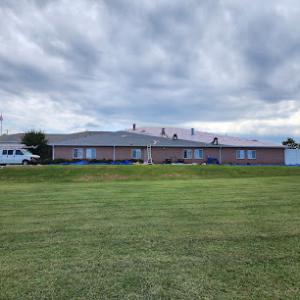
USA Roofing, was formed from the ground-up in Tennessee by Beau & Rebecca Williams. Beau spent his early careers working tough jobs, in commercial construction and in farming, where he learned a lot about the value of hard work and an appreciation for the tangible results that come with manual labor. He started USA Roofing with the goal to bring honesty and dedication to the roofing industry, his customers, and their teammates. Beau continues to have a hands-on role in the company which has grown exponentially every year since it opened for business. Between teammates, consultants, and contractors, USA Roofing provides income for around a hundred hard workers and looks to continue positive growth for years to come.

TeamCraft Roofing Nashville
4001 Parkfield Loop N suite 41, Spring Hill, Tennessee
5.0 from 1 review
TeamCraft Roofing is a leading full-service commercial roofing contractor with locations throughout the eastern half of the US. Since 1996, TeamCraft Roofing has been dedicated to honesty, safety, teamwork and quality in order to achieve ultimate customer satisfaction. We are proud to provide roofing services for any 24-hour emergency, leak and roof repairs, preventative maintenance programs, re-roofing projects, retrofit and new construction projects. Our roofing expertise ensures the right solution is selected for your facility. With 24 offices spread across 13 states, We Shelter You.
Precision Roofing & Construction
(615) 806-3443 www.precisionroofingandconstructiontn.com
Serving
4.9 from 57 reviews
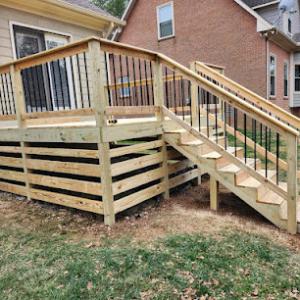
A sturdy roof can make all the difference in protecting your home or business Thompson’s Station, TN. At Precision Roofing and Construction, our qualified roofers build confidence and peace of mind. With over 30 years of experience, we’ve mastered the art of delivering durable, high-quality roofing solutions tailored to your needs. Serving the community since 2018, we are proud to be a licensed and insured roofing contractor trusted by residential and commercial customers alike. From asphalt shingle roof installation to metal roofing solutions, we offer a comprehensive range of services to meet your unique needs. Whether your roof requires repair, replacement, or a complete installation, we handle every project with precision and care.
Royal House
(615) 631-2468 goroyalhouse.com
Serving
5.0 from 54 reviews
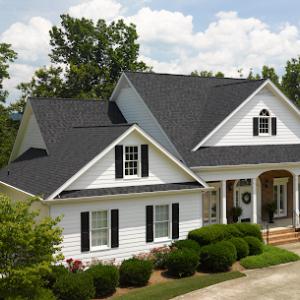
Roofing and construction company servicing all of middle Tennessee
Four Corners Roofing & Restoration
(615) 856-1157 www.fourcornersrr.com
Serving
5.0 from 42 reviews
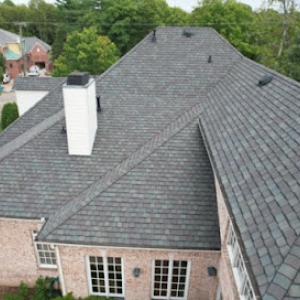
Four Corners Roofing & Restoration, serving the Nashville, TN area, is your trusted partner for top-notch roofing and restoration services. We specialize in roofing, Water damage, fire damage, smoke damage and mold abatement. We pride ourselves on quality craftsmanship, utilizing advanced techniques and state-of-the-art equipment. As a locally-owned business, we prioritize customer satisfaction, transparency, and fair pricing. Whether you need residential or commercial services, we're dedicated to ensuring the safety and longevity of your property. Experience the difference with Four Corners Roofing & Restoration – your reliable choice for roofing & restoration excellence in Nashville and beyond.
Five Points Roofing
(615) 266-4877 fivepointsroofing.com
Serving
4.9 from 363 reviews
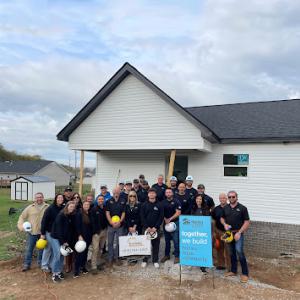
Five Points Roofing provides expert residential roof replacements in Franklin, Spring Hill, Brentwood, Thompson's Station and Nashville. With over a 100 years of combined experience, our licensed team specializes in asphalt shingle and metal roofing. We start every project with our 5 Point roof inspection to ensure precision and quality. Whether you need a storm damage insurance claim or a full roof installation, we provide free same week roof inspections across Middle Tennessee, Trust the #1 Best Roofing Company in Williamson County and book your inspection today.
Mighty Dog Roofing of Franklin
(629) 253-6533 www.mightydogroofing.com
Serving
5.0 from 222 reviews
When it comes to your home’s exterior, Mighty Dog Roofing delivers top-of-the-line services matched with the neighborly customer care our clients have come to love. Our team of skilled experts will conduct a free, detailed inspection of your home, treating it as our own. Whether your home needs a simple repair or a full roof replacement, expect to receive the transparent guidance you deserve. Whatever the case, our team will work to meet your safety and budget needs. We take pride in operating with quality materials, hiring skilled roofers, and providing our customers with a high-quality experience. See for yourself; our reviews say it all. Schedule your free, home inspection today!
Spring and fall are typically the best replacement windows in Spring Hill because they avoid the worst summer heat-humidity stress and the adhesive issues that can come with winter cold snaps. When you plan for these shoulder seasons, you give the roofing crew a cleaner, drier worksite and you reduce the risk of shingles sitting in sun-soaked heat while you wait for sealants to cure. The goal is to land on days that stay mostly dry, with moderate temperatures that prevent rapid aging of underlayment and minimize heat buildup under metallic or dark shingles. If your priority is a smooth, predictable project timeline, target a window between late March and early June or September through mid-November.
Scheduling a roof replacement in this market requires a practical calendar. Spring scheduling in Spring Hill can still be disrupted by repeated storm systems and hail, so homeowners often need to balance ideal weather against surge demand after severe weather. When you notice a reliable forecast, place the project on the calendar with a few backup dates in reserve. Have a short communication chain ready with your roofer so you can shift quickly if a thunderstorm cluster moves through and blocks access to your property. This approach helps prevent delays that cascade into resin cures, manufacturer lead times for certain materials, or weekend-only crews.
Summer work faces its own realities. Summer roof work in Spring Hill is affected by high heat and humidity, which accelerates material aging and can complicate crew productivity and weather timing. If you must schedule in the heat, plan for earlier start times and planned breaks for exposed underlayment and asphalt products to cool down. Pick days when a light breeze helps ventilation under the decking and avoid afternoons with heat index spikes. If a storm watch is active, have a contingency plan to cover materials and secure ladders and vehicles so you don't lose critical progress to sudden downpours.
Fall can be an especially favorable period for both weather and tiresome post-storm cleanup. Early fall often still offers temperatures that are comfortable for crews and enough drying time for adhesives, while the risk of hurricane-season-like deluges has diminished. As the season progresses, watch for rustling leaves and increased debris that can complicate debris removal or trap moisture near flashing. A proactive approach is to schedule inspections after the first hard summer rain and again in late autumn, confirming there are no hidden issues from storms that may have occurred earlier in the year.
In a neighborhood mix of newer subdivisions and ongoing buildout, asphalt shingles and metal roofing stand out as the most practical mainstream choices. Asphalt shingles offer straightforward installation, a solid balance of cost and performance, and a wide contractor base that can handle standard Spring Hill weather without surprises. Metal roofing, meanwhile, delivers exceptional wind resistance and a cool, weather-tolerant profile that performs well in hot, humid summers. These two options cover the majority of homes in the area, making lead times, warranties, and long-term maintenance easier to manage for most homeowners.
Spring Hill experiences hot humid summers and frequent thunderstorm activity, so the material selection should emphasize heat tolerance, moisture management, and wind resistance. Look for shingles with a durable nailing strip and good UV resistance to prevent accelerated aging under strong sun. For metal roofs, prioritize coatings designed to reflect solar heat and shed rain efficiently, which helps keep attic temperatures lower and reduces the risk of ice dam issues in shoulder seasons. Regardless of material, a well-vented attic and an effective underlayment help the roof perform through long, wet thunderstorm bursts typical of the season.
Tile systems (clay or concrete) and wood shingles or shakes appear in the local contractor base less frequently, often in specific architectural neighborhoods or on homes with particular historic or design intentions. Tile can offer excellent longevity and distinctive curb appeal, but it comes with higher weight and installation complexity, which can complicate existing framing. Wood shingles/shakes deliver a traditional look but require diligent maintenance to resist moisture-related weathering and insect exposure in a warm, humid climate. Synthetic or composite shingles provide a low-maintenance option with varied appearances, yet their performance depends on the specific product line and the installer's expertise. If opting for these less common choices, ensure the local contractor has hands-on experience with the exact product and a proven track record in warm, storm-prone environments.
For homes in newer suburban neighborhoods, straightforward re-roofing options are often the most rational path. The emphasis should be on system compatibility with existing roof decks, ease of installation, and predictable performance under storm-driven rainfall and gusty winds. An experienced local contractor can assess whether current decking and ventilation will support a switch to a different material type, or if a like-for-like replacement with upgraded underlayment is preferable. In many cases, selecting a mainstream option-either asphalt or metal-simplifies scheduling around storm season, minimizes disruption, and aligns with common roof framing found in the area.
Regardless of material, establish a proactive maintenance plan that aligns with Spring Hill's weather patterns. After severe storms, conduct a follow-up inspection to identify loose fasteners, lifted shingles, or flashing that may have been stressed by wind. Ensure gutters and downspouts are clear to prevent moisture buildup behind the edge of the roof. For metal roofs, inspect for denting or paint chipping after hail events and address coating wear promptly to preserve reflective properties. With asphalt, monitor for granule loss and curling edges, which can signal aging or hail impact. A local pro who understands the seasonal storm cycles can perform targeted inspections to extend the roof's service life.
For asphalt shingles, plan on about $350 to $550 per square. Metal roofs generally run $700 to $1100 per square, while clay tile sits in the $900 to $1600 per square range. Concrete tile typically runs $900 to $1500 per square, and wood shingles or shakes come in around $800 to $1200 per square. Synthetic or composite shingles are usually $550 to $900 per square. These figures reflect Spring Hill's mix of suburban rooflines and the common materials seen on the newer builds and evolving ranches around Maury and Williamson counties.
Thunderstorms in late spring and early summer can spike demand dramatically. After a severe storm, inspections and replacements may see price and lead times push upward quickly as multiple homeowners search for same-day or next-day service. If a storm leaves widespread damage, crews may be booked out for weeks, which can affect both cost and timing. In practice, you'll want to budget with a cushion and start the process as soon as it's safe to proceed after the weather clears.
Costs in Spring Hill can also be affected by permit requirements for full replacement, the labor pressure of a fast-growing residential market, and whether the home uses steeper suburban rooflines, skylights, or more complex penetrations. A steeper pitch or multiple skylights adds labor time and increases materials waste, nudging the total higher. Homes with many penetrations or unusual geometry may see a larger gap between the low and high ends of the listed ranges. If a roof has accessory features like vent stacks or chimneys, expect some extra cost for flashing and sealing to keep weather out during heavy spring storms.
Start with a realistic price range for your preferred material, then look ahead to time windows that align with dry spells between storm systems. If possible, get two or three local contractors to assess the same roof layout-pitch, penetrations, and any age-related issues-so the bids reflect comparable scopes. Keep in mind that the cheapest option isn't always the best long-term value for a roof exposed to Spring Hill's hot, humid summers and thunderstorm activity.
Get a clear picture of your project costs upfront - no commitment required.

Anchor Roofing
(615) 478-4419 anchorroofingtn.com
740 Rex Dr, Spring Hill, Tennessee
5.0 from 204 reviews

Legacy Exteriors LXI
220 Town Center Pkwy #140, Spring Hill, Tennessee
4.9 from 84 reviews
Newsom Roofing
(615) 614-2144 www.newsomroofing.com
402 Alexander Blvd, Spring Hill, Tennessee
5.0 from 3 reviews
A full roof replacement is not treated as informal maintenance here. In this market, a building permit is typically required, and the local building department will review both the project scope and the roofing materials before work proceeds. Your contractor should pull the permit and post the permit number on the job site where it's visible to inspectors. If the scope changes mid-course, a supplemental review may be necessary, which can add days to the schedule. Skipping or rushing this step invites town code remedies, potential fines, and the risk of delayed insurance reimbursement should a storm damage claim be involved later.
Work won't be considered complete until the municipal sign-off arrives. Inspections occur after installation and again upon completion, so scheduling hinges on official approvals rather than contractor milestones alone. It's common for inspectors to verify attic ventilation, underlayment, and hardware compatibility that the storms of late spring and summer stress. Plan for possible weather-related rescheduling and have the contractor coordinate access during the appointed windows. If weather or supply hiccups push the timeline, the permit office will require updated inspection dates to keep the project legal.
Start with the building department early to understand local framing and material constraints, especially if hail resistance or wind-rated products are involved. Have your contractor submit clear, dimensioned plans and material lists so the review moves quickly. Keep a visible, current permit tag on the job site, and confirm inspectors' names and contact details. On inspection days, ensure access to the attic and roof lines, and prepare documentation of any storm damage or repairs already completed for a smooth sign-off and to avoid surprises during the final check. If you're working with an insurer, coordinate the claim dates with the permit timeline so documentation aligns with the claims process. Ask for a copy of the final inspection report for your records and for proof of compliance when filing updates or hail damage claims.
In Tennessee, insurers commonly require prior-damage documentation, photos, and a detailed roof scope. That matters in this market because storm-related roofing claims are a major part of the local workload. Start gathering clear photos from multiple angles, plus a concise timeline of any prior leaks, loose shingles, or hail marks. A simple, labeled roof plan helps the adjuster understand the scope without endless back-and-forth. If you have recent weather reports or contractor notes, keep them handy as you file.
Adjusters may request invoices and material details, so you benefit from documenting damage before temporary repairs and keeping records from inspection through completion. Take dated pictures after each stage of repair, record the exact shingles or underlayment you plan to use, and store receipts for every purchase. If a contractor provides a scope of work, review it for completeness: missing fastener counts, shingle type, and an itemized list of replacement components can slow the process and complicate your claim.
Coverage for replacement scenarios and certain materials can vary by carrier and policy, making material choice and repair-versus-replacement decisions especially important after local storm events. Be prepared to discuss whether a full replacement is warranted or if a patch-and-repair approach applies under your plan. Insurers often weigh the longevity of the chosen material and the overall roof condition; having a documented history helps you negotiate a fair outcome.
From the initial inspection through final completion, maintain a single, organized file of all communications, photos, invoices, and scope updates. If your area endures a sudden storm, having this organized trail can accelerate your claim and reduce disputes, especially when adjusters reference prior damage and prior repairs.
Connect with contractors who help homeowners navigate the claims process from damage assessment to final approval.

JL Construction
(615) 979-2433 www.jlconstructionroofing.com
2839 Lee Rd, Spring Hill, Tennessee
5.0 from 453 reviews
Anchor Roofing
(615) 478-4419 anchorroofingtn.com
740 Rex Dr, Spring Hill, Tennessee
5.0 from 204 reviews
Legacy Exteriors LXI
220 Town Center Pkwy #140, Spring Hill, Tennessee
4.9 from 84 reviews
In this market, the strongest hiring signals emphasize re-roofing readiness, rapid on-site response, cleanup included after work, and a free inspection. Homeowners often hire around storm urgency and project handling rather than luxury specialization. When you call a crew, notice how they frame their first visit: is scheduling fast, is debris cleanup talked through, and do they offer a no-pressure, no-cost roof check that fits a post-storm timeline?
A meaningful share of local contractors market manufacturer certification, long-established experience, and residential service as core strengths. Those factors matter here because Spring Hill has lots of replacement projects and ongoing turnover. Ask for the brands they routinely install and whether their crews are certified by the manufacturers you're considering. You want evidence of steady, hands-on residential work, not just large commercial portfolios or cosmetic services.
Because residential work dominates, it's smart to confirm the crew regularly handles occupied-home tear-offs and follows a smooth post-storm insurance workflow. Ask how they protect interior spaces during a tear-off, how they manage waste and drop-off zones, and what steps they take to minimize disruption for your family. A contractor that treats an occupied home with care is more likely to stay on schedule and communicate clearly through the insurance process.
Look for a contractor who can articulate a simple, transparent plan: rapid the initial inspection, documented damage assessment, a clear sequence for tear-off and replacement, and dependable cleanup. In a city where storms can drive urgent needs, you want a crew that can balance speed with workmanship, maintains steady contact, and follows through on post-storm insurance logistics so your project proceeds without surprise delays.
Get a clear picture of your project costs upfront - no commitment required.
Anchor Roofing
(615) 478-4419 anchorroofingtn.com
740 Rex Dr, Spring Hill, Tennessee
5.0 from 204 reviews
Legacy Exteriors LXI
220 Town Center Pkwy #140, Spring Hill, Tennessee
4.9 from 84 reviews
Newsom Roofing
(615) 614-2144 www.newsomroofing.com
402 Alexander Blvd, Spring Hill, Tennessee
5.0 from 3 reviews