
Last updated: Apr 19, 2026
The Tri-Cities area sits in the Appalachian foothills, where spring hail and frequent thunderstorms are a primary roofing concern, and Bristol experiences the same wheel of storms that keep homeowners checking the sky. Hot, storm-prone summers push shingles to their limit as raindrops rattle loose granules and drive heat into underlayment. Winter brings cold snaps and snow that test seals and flashings, causing seasonal expansion and contraction that can crack caulking and loosen edges. This combination means your roof endures both impact events and long, damp months that encourage moisture intrusion. Understanding the cycle is essential: hail can leave pockmarks and micro-cracks that quietly widen with each freeze-thaw, while heavy summer downpours stress fascia, gutters, and vent boot seals. In practical terms, storms aren't a single event here-they're a recurring trigger for roof work and ongoing maintenance.
When a storm hits, your first priority is to stop leaks and protect interior spaces. If water is actively dripping, create a temporary barrier with a bucket under the leak and shield exposed wiring or outlets to prevent shock hazards. Move valuables away from affected ceilings and walls, and photograph the damage from ground level and from any attic access if it's safe to do so. If the vent boot or roof edge shows obvious damage after a hail event, do not delay in isolating the affected area; water can back up and travel along the underlayment, hiding more serious issues. Call for a same-day triage from a local roofer who can perform a quick on-site assessment, pin down the most urgent leaks, and cover exposed areas with a temporary tarp if weather rolling in again is likely. This city's storms crowd the schedule, so establishing a rapid response routine with a trusted roofer helps avoid weeks of drips that compound interior damage.
As summer heat intensifies, gutters and downspouts bear the brunt of quick runoffs after hail-laced thunderstorms. Loose shingle tabs and lifted edges become more evident after storm sequences, which makes post-storm inspections crucial in this market. A robust inspection plan should check for clawed or displaced granules, blisters on the roof surface, cracked sealant around penetrations, and any torn or lifted shingles along the eaves and hips where wind-driven debris tends to strike first. In winter, inspect for ice damming and moisture-backed textures along the eaves; even when snow is light, the freeze-thaw cycle can pry apart delicate flashing and cause hidden leaks that only show up after the thaw. A proactive approach-two quick checks after each significant storm and a more thorough quarterly review-helps catch problems before they escalate into water damage, mold, or structural concerns.
Because storm activity is a recurring local trigger for roof work, post-storm inspections are especially relevant here. Engage a contractor who understands the area's typical wind directions, hail sizes, and the kinds of debris that litter roofs after a thunderstorm. Expect a focused checklist: confirm shingle integrity, verify flashing configurations around chimneys and vents, test vent seals, and assess attic ventilation for signs of moisture saturation. A reliable inspector should document findings with dated photographs, note areas of concern that may not be visible from the ground, and outline a phased plan for immediate temporary repairs followed by permanent remediation. In this market, timely communication matters: you want a clear path from emergency response to a scheduled repair window so weather gaps don't delay crucial work. The rhythm here is reinforced by seasonal demands, so keep a standing plan with a preferred contractor who can respond quickly after the next storm front rolls through.
East TN Gutter Pros
(423) 957-6260 www.easttngutterpros.com
1127 Volunteer Pkwy Suite 535, Bristol, Tennessee
5.0 from 26 reviews
East TN Gutter Pros is your premier local source for professional gutter solutions. Specializing in 6-inch seamless K-style gutter installation, our team provides comprehensive services to keep your home protected. From expert gutter cleaning and repairs to new installations, we ensure a flawless finish. We also offer flashing replacement, fascia metal installation, and snow guard services. Committed to quality and craftsmanship, we proudly stand by our work, offering a warranty on all services and parts. As a locally-owned business, we are dedicated to serving the community with reliable, high-quality gutter care.
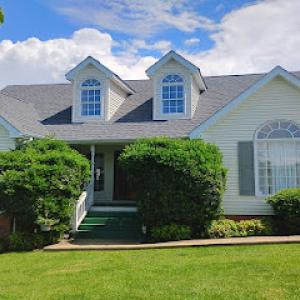
Leonard Roofing
(276) 466-2707 leonardroofingtn-va.com
1570 Euclid Avenue, Bristol, Virginia
4.2 from 47 reviews
Leonard Roofing has highly trained roofing professionals who are dedicated and efficient in offering the best services they can. Even though we offer outstanding services, we do not inflate our prices which are among the lowest in the Tri-Cities and SW Virginia for residential and commercial roofing. No other roofing company in the Tri-Cities and SW Virginia can match the quality of service we offer. They may make all sorts of claims, but when it comes to delivering on their promise, they may fall short. At Leonard Roofing, we’re different – we’ll tell you what we can do for you and we live up to our promise.
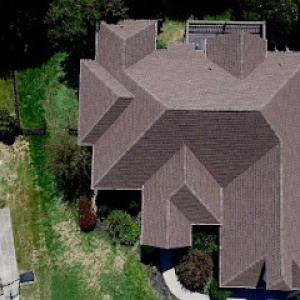
Tiger Precision Roofing
136 E Central, Bristol, Tennessee
5.0 from 6 reviews
With our 10+ years of experience we take pride in protecting families with high quality roofing while building relationships at the same time. Call us today for a free estimate.
Summit BSR Roofing
(423) 764-2528 www.summitbsr.com
2130 Industrial Blvd, Bristol, Tennessee
5.0 from 2 reviews
Summit BSR Roofing is a commercial/industrial roofing contracting company based in Bristol, TN with a full working branch office in Mount Holly, NC.
Kelt Roofing Company
Bristol, Tennessee
3.7 from 3 reviews
Protect your largest investment with our reliable roofing services. We are a locally owned and operated roofing company currently serving Blountville, TN and surrounding communities. If you want to make your roof last as long as possible, it is vital that you never put off a roof repair. Small issues with roofing become big issues in a hurry. No matter how major or minor the repair you need, we are here to help. We offer roof repairs, residential roofing, and commercial roofing.
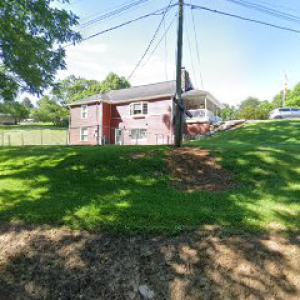
Big M Roofing & Construction
1187 Sugar Hollow Dr, Bristol, Tennessee
3.0 from 2 reviews
For a reliable roofing and construction company in Bristol, TN, look no further than Big M Roofing & Construction. For many years we have offered a wide variety of services including home remodeling, siding installation, roof repair and much more. We continually strive to offer our great services at rates that are affordable. For a great service in Bristol, TN, call on Big M Roofing & Construction.
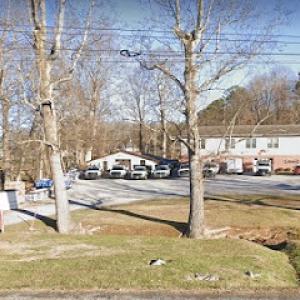
Harkleroad Todd Roofing
(423) 538-5022 www.harkleroadroofing.com
Serving
4.2 from 20 reviews
With so many roofers in Bluff City, TN, it isn’t simple to filter out the good ones. Todd Harkleroad Roofing makes it easy for you to choose. No ones cares more about your roofing system than we do. Our team understands that a new roof is a significant investment and should be protecting your property from the outdoor elements. As a family-owned and operated roofing company, our goal is for you to feel confident in your decision by making us your roofer. We strive to provide our customers with a level of professional and personal service that sets us apart in the roofing industry. Since 1979, we have installed quality roofs on homes and businesses throughout the Tri-Cities area. Contact us for a free roofing estimate today!
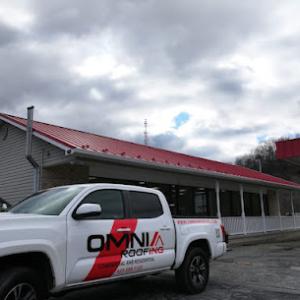
OMNIA Roofing
(423) 589-1122 omniaroofing.com
Serving
4.8 from 92 reviews
Serving TN, NC, SC & VA! Omnia Roofing is a local, quality roofing installation, inspection, and repair service. We have over 20 years of roofing experience in residential and commercial roofing. We offer specialized services in metal roofing, shingles, standing seam, 5V, trapezoidal, flat roof rubber membrane roofing, gutters, and commercial-grade fluid applied roofing systems! We offer the finest products in our installations, including the AkzoNobel paint system on our metal roofing offerings. This comes with a LIFETIME warranty (10 year transferrable)! We would love to give you a free quote! Please give us a call and one of our staff will be glad to help you.
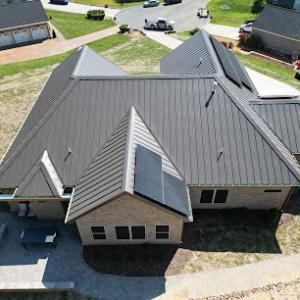
Palisade Roofing
(423) 549-2065 www.palisaderoofingtn.com
Serving
5.0 from 102 reviews
At Palisade Roofing, our commitment extends beyond exceptional roofing Bristol; it's about fostering lasting connections with our clients. We take pride in our community-driven ethos, infusing each project with a personalized touch that speaks volumes. Consider us your premier choice for roof replacement services. Beyond merely installing roofs, we create protective shields above your home, ensuring peace of mind and security for years to come. Our meticulous craftsmanship isn't just about nailing shingles; it's about safeguarding what matters most to you. To fortify your roof, contact us today for your complimentary inspection. Let's secure your home together.
Ritz Home Run Exteriors
(423) 765-7691 ritzhomerunexteriors.com
Serving
5.0 from 32 reviews
Ritz Home Run Exteriors is a family-owned contractor for exterior construction, specializing in residential roofing and gutters.

Speedy Pro Roofing Tri-Cities
(423) 251-8821 speedyproroofing.com
Serving
4.9 from 156 reviews
Looking for installation, repair, or general maintenance for your residential roofing needs? Look no further than Speedy Pro Roofing! Our certified roofers offer durable and reliable solutions that meet your style, timeline, and budget. With our Best Price and Never Roof Again guarantees, you can trust that you're making a sound investment for the future. Choose Speedy Pro Roofing for all your roofing needs and experience our commitment to speed, integrity, and quality. Service Offered: - Roof Inspections - Free Quote - Fixed Cost Proposal - Water Drainage Evaluation - Emergency Roof Repair - New Roof Installation - Gutter Repair and Installation - Metal Roof - Architectural Shingles - Lifetime Guarantee Your #1 Local Roofing Contractor.
NRJ Roofing
(423) 202-5532 www.nrjroofing.com
Serving
5.0 from 33 reviews
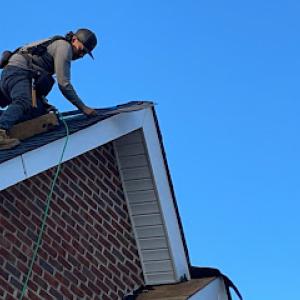
We can do metal, shingles, repairs at competitive prices. We give free estimates!
Asphalt shingles and metal roofing are the dominant practical choices for Bristol, aligning with the local contractor base and the area's mix of storm exposure, rainfall, and winter cold. Asphalt shingles offer straightforward installation and broad availability, making them a common default for many homes. Metal roofing, while slightly more investment upfront, delivers strong performance under hail and high winds and can extend the life of a roof in this climate. When evaluating these two, focus on the installer's track record with Bristol's typical weather patterns: rapid storm transitions, heavy rainfall, and occasional winter melt. The right crew matters almost as much as the product itself.
Other options such as clay tile, wood shakes, synthetic or composite shingles, and fiber cement exist in the local market, but Bristol's repeated wet-dry and hot-cold cycles place a premium on installation quality and flashing details. Clay tile looks striking, but its weight and fragile handling during wet or icy conditions can complicate winter work and storm repairs. Wood shakes offer natural aesthetics and good insulation, yet they demand meticulous maintenance and tighter flashing to shed moisture effectively. Synthetic or composite shingles can balance weight and durability, but not all formulations stand up to repeated freeze-thaw cycles or severe weather events without proper underlayment and sealing. Fiber cement shingles hold shape well in temperature swings, yet their installation tolerances-fastener metal compatibility, seam sealing, and ventilation-still require a careful hand.
In Bristol, where storms arrive quickly and moisture can linger, the quality of flashing around chimneys, vents, valleys, and roof-to-wall transitions is critical. The best results come from a roof that treats water as the primary design driver: continuous underlayment with robust sealing at transitions, precisely placed starter courses, and-above all-proper integration with gutters and downspouts for efficient drainage. Hot summer heat and humidity can affect shingle handling and sealing during installation, so timing the project to avoid peak heat when possible helps the material set with fewer gaps. Winter moisture and occasional snow make drainage and underlayment choices important in this region. A roof system that maintains a reliable barrier against infiltration while encouraging water to move off the surface will outlive fast fashion or trend-driven choices.
Begin with a realistic assessment of exposure: how many large mature trees overhang the roof, typical wind directions during storm events, and the likelihood of hail in your neighborhood. Ask contractors to demonstrate their flashing strategy for valleys and roof-to-wall interfaces, and request a detailed plan for underlayment and ventilation tailored to your attic layout. When comparing materials, consider not only the cosmetic match to your home but also how each option handles Bristol's wet, cold, and storm-heavy months. Finally, lean on the installer's experience with local weather cycles: a durable system in this area hinges on precise flashing, sound underlayment choices, and drainage-enabled roof geometry as much as on the core material.
Tennessee homeowners regularly face hail, wind, and severe-weather roof claims, making Bristol a documentation-heavy insurance market after storms. The combination of frequent storm cycles and older roofing in some neighborhoods means insurers expect careful records that tie damage to the event at hand rather than general wear. After a storm, if you can show a clear sequence-the gusty day, the hail years later, and the visible impacts on shingles or flashing-your claim stands a better chance of moving forward without delay.
Insurers commonly expect timely reporting, photo evidence, and detailed contractor bids, and adjusters may review whether damage appears new or tied to prior events. The weather pattern in this area-thunderstorms, hail, and quick shifts between wet and dry spells-can create confusion about what happened when. Take photos from multiple angles as soon as the last storm passes, then repeat after a few days if new symptoms appear (like rising granule loss or new leaks). Keep dated records of any interior moisture and stained ceiling spots, since these details help distinguish fresh storm impact from older wear.
In a market with recurring storm losses, homeowners in Bristol need to separate fresh storm damage from older wear before committing to full replacement. Look for new bruising on metal vents, widened corner gaps, or tree-line debris embedded in the roof surface that aligns with the most recent event. Compare current images with archived pictures from prior years to spot changes tied to a specific storm. If a claim centers on several events, it helps to present a concise timeline that assigns each area of damage to the corresponding storm date, reducing disputes over whether a leak is a new consequence or persists from earlier degradation.
Adjusters often prefer a straightforward narrative: a documented storm, observed damage, and a credible estimate from a licensed contractor. When you select a contractor, require a bid that clearly itemizes shingle replacement versus flashing, underlayment, and vent work, with notes on whether a full roof replacement is necessary or if targeted repairs suffice. A reputable Bristol-area contractor will be ready to walk through the property with the adjuster, point to storm-related damage, and explain how recent impacts differ from pre-existing conditions. Be prepared to provide copies of past claims, inspection notes, and any prior repair work to avoid second-guessing the claim's scope.
Connect with contractors who help homeowners navigate the claims process from damage assessment to final approval.
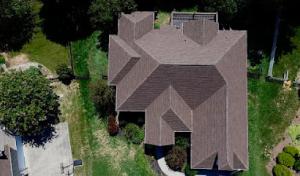

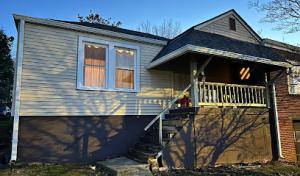
A full roof replacement in Bristol typically requires a building permit issued by the City's Building Department. This means before any shingles come off or new underlayment is installed, you'll want to submit plans that reflect the scope of the project and the chosen materials. The permit process exists to ensure that the work meets code, weatherproofing standards, and wind resistance requirements that are common to the local climate. Rely on clear communication with the contractor and the Building Department to confirm whether a tear-off, reroof, or extended structural work triggers additional permits, such as updates to flashing or venting.
Plan review and permit fees are tied to project value and scope, which means larger or more complex reroof projects can carry more administrative cost than simple tear-offs. In practice, this often translates to longer lead times for plan review on storm-damaged or hail-exposed roofs, particularly when structural elements or ventilation upgrades are proposed to improve performance in the Appalachian weather cycles. Have your contractor assemble a concise scope of work, including decking conditions, underlayment type, venting strategy, and the chosen roofing system, to avoid delays during the review. Expect potential requests for clarifications or additional documentation as part of the municipal review.
Inspections are generally scheduled during construction and again at final completion, so project timing has to account for municipal sign-off rather than just crew availability. In Bristol, the weather can create tight windows for exterior work, and inspections are a fixed milestone in the sequence. Coordinate early with the contractor to align construction steps with inspection dates, especially if storm damage recovery is underway. If a weather event occurs and work stalls, contact the Building Department promptly to adjust inspection timing rather than letting the project drift.
Keep a detailed project calendar that marks permit issuance, planned inspections, and any weather-related contingencies. Maintain ready access to current permit cards at the job site and ensure crews understand the importance of not covering unfinished work, such as exposed decking or flashing, before inspections occur. When hail or wind damage necessitates expedited decisions, document the condition with photos and notes to support the plan review and permit process, but avoid skipping required steps-municipal sign-off is part of delivering a durable, code-compliant roof that withstands Bristol's storm cycles.
Typical Bristol pricing runs about $350-$650 per square for asphalt shingles, $700-$1300 for metal, $1200-$2800 for clay tile, $450-$1000 for wood shakes, $420-$900 for synthetic/composite, and $550-$900 for fiber cement. In practice, these ranges reflect both material quality and the realities of a mountainous town where wind-driven hail and fast-moving storms can tilt quotes upward unexpectedly. When a hail event hits, you'll often see a spike in crews available for emergency work, but not in a way that always translates to lower prices or faster scheduling. Your best approach is to ring fence a cushion in the budget for a quicker, storm-driven window if your insurer approves expedited replacement.
Storm-driven demand spikes after hail and thunderstorm events push Bristol jobs toward the front of the line for many contractors. That urgency can raise labor costs and push crew availability into tighter windows, especially on seasoned hillside homes with complex eaves and multiple slopes. If you're weighing timing, anticipate potential bottlenecks when the weather turns severe, and consider aligning your project with periods when crews are more consistently available, even if it means a slightly longer wait.
Steeper, hillside Appalachian houses with multiple angles tend to cost more, thanks to higher fall protections, longer ladder placements, and more edge work. Tear-off complexity from older reroof layers adds to the total, regardless of material choice. Expect steeper pitches and intricate ridge lines to nudge the per-square price upward, particularly if old decking needs replacement or repair after a hail event.
Start with a material that balances long-term durability against local exposure to hail. Asphalt remains the most affordable entry, but metal and synthetic options often perform well under storm cycles and may carry favorable insurance implications in some cases. For Bristol, plan for a realistic project window that accounts for storm activity, potential crew availability, and the added labor of steeper, multi-slope designs. When requesting quotes, ask contractors to itemize tear-off, disposal, underlayment, and flashing upgrades separately so you can compare apples to apples and understand where the biggest cost drivers lie in your specific home.
Get a clear picture of your project costs upfront - no commitment required.
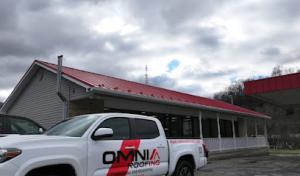
Spring in Bristol can bring hail and frequent thunderstorms that both damage roofs and delay installation schedules. After a winter with moisture cycling, early spring inspections catch hail hits and wind scouring before leaks start. If damage is found, plan for a repair or replacement window that avoids the wettest days and takes advantage of the lull between storms. Early-season estimates should factor in possible weather-related delays, so set realistic timelines and buffer your project around forecasted severe weather.
As storms roll through, start with a thorough roof inspection after the last big pulse of hail. Look for bruising on shingles, lifted edges, and granule loss in gutters. In Bristol, typical repairs can become replacements if multiple areas show damage or if underlying deck rot is discovered. When planning, coordinate with your contractor to target dry spells and avoid weeks with heavy rain or hail risk. If a replacement is chosen, confirm the crew's ability to manage debris and protect landscaping during a busy spring.
Summer replacements have to account for high heat and humidity that can affect working conditions and asphalt shingle performance during installation. Heat can make shingles more pliable, so timing sessions to cooler parts of the day helps installers and protects roofing materials. Ensure attic ventilation is assessed and addressed to reduce heat buildup during installation, which helps manage indoor comfort and the integrity of underlayment. In very humid stretches, drying times for sealants and underlayment can stretch, so plan for extended but steady progress rather than rushing through peak heat.
Fall wind events can create debris issues and scheduling interruptions. Leaves, limbs, and blowing debris stress not only shingles but attic hatches and vents, so prompt cleanup after storms keeps the project moving. Winter cold and occasional snow make weather windows narrower than in warmer markets, narrowing the days when work can proceed without exposure risks. When a replacement is scheduled, aim for a late fall or early winter window only if a clear stretch of dry days is forecast, and always verify that protective measures are in place for cold-weather fastening, adhesive setting, and material handling.
In Bristol, repeated rainfall and storm cycles make flashing, penetrations, and transition points recurring trouble spots after severe weather. Flashing around chimneys, vent pipes, and skylights can crack or lift when the underlayment and deck absorb moisture from quick rain followed by sun or freeze-thaw. Over time, that moisture wicks into fasteners and seams, creating slow leaks that feel silent until a ceiling stain screams for attention. Regular checks after heavy storms or hail events help catch loose flashing before interior damage starts.
Wind-driven damage in the region often shows up first at shingle edges, ridge areas, and sections exposed to debris during fall wind events. Shingles may peel back, granules wear away, and small gaps form at the ridge vent or along eaves. Debris like branches and pine needles can accumulate in gutters and valley intersections, masking early leaks. If a roof looks "blown" or shows brittle edges after a strong gust, that is a signal to inspect more closely and address loose components before water follows.
The local combination of summer heat, humidity, and winter cold accelerates aging patterns that can make older asphalt roofs brittle or vulnerable before obvious interior leaks appear. The heat-softened asphalt can soften, curl, or soften further when moisture is trapped, while winter cold hardens and cracks vulnerable seams. Even without a full failure, that aging reduces the roof's ability to shed water during heavy storms, increasing the risk of hidden damage that only becomes apparent after a wet spell.
After storm season, walk the roof safely or hire a local contractor to check for lifted shingles, loose flashing, and cap sheets at the ridge. Pay attention to areas near rough weather exposure and where debris collects. If anything looks questionable, address it promptly to avoid cascading damage into ceilings and walls. Regular, targeted upkeep helps keep Bristol homes drier between the storms.
Bristol's contractor market leans heavily toward affordable reroofing and cleanup-focused service, reflecting what homeowners here actually prioritize after storms. When a thunderstorm dumps hail or wind rips shingles, you want someone who can prioritize the cleanup and get you back under a secure roof quickly. The best picks understand how a fast tarping response can prevent further interior damage and reduce the risk of leaks during the next storm. Look for firms that talk in practical terms about immediate safeguards and reliable scheduling windows, not only the final product.
Quick response is a strong local hiring signal, which matters in a city where emergency tarping and leak control are common needs after thunderstorm damage. A contractor who returns calls the same day, arrives for a site visit promptly, and can outline a practical plan for temporary protection demonstrates the reliability homeowners rely on after severe weather. When storms are fresh, you need to know you're not left waiting in rain-soaked conditions or dealing with a cascading wait list. Favor teams that emphasize rapid mobilization and clear, written timelines.
Family-owned and long-established firms are well represented, so homeowners often compare responsiveness and storm experience as much as price. In this market, a company's history handling hail exposure and recurring moisture cycles translates into sharper on-site assessments, better problem-solving for damaged flashing, and knowledge of local house styles. You'll often find that these firms maintain strong networks for cleanup, debris disposal, and insurance-friendly documentation, which helps speed the restoration process after a storm.
When evaluating contractors, ask for recent storm-repair projects in your area and references you can contact quickly. Inquire about their process for temporary protection, leak mitigation, and how they coordinate with insurance adjusters. Confirm they provide detailed written scopes, clear communication checkpoints, and a realistic schedule for completion. Finally, check that the team you're considering has established crews who can stay on-site during adverse weather, ensuring continuity from tarp to finish.